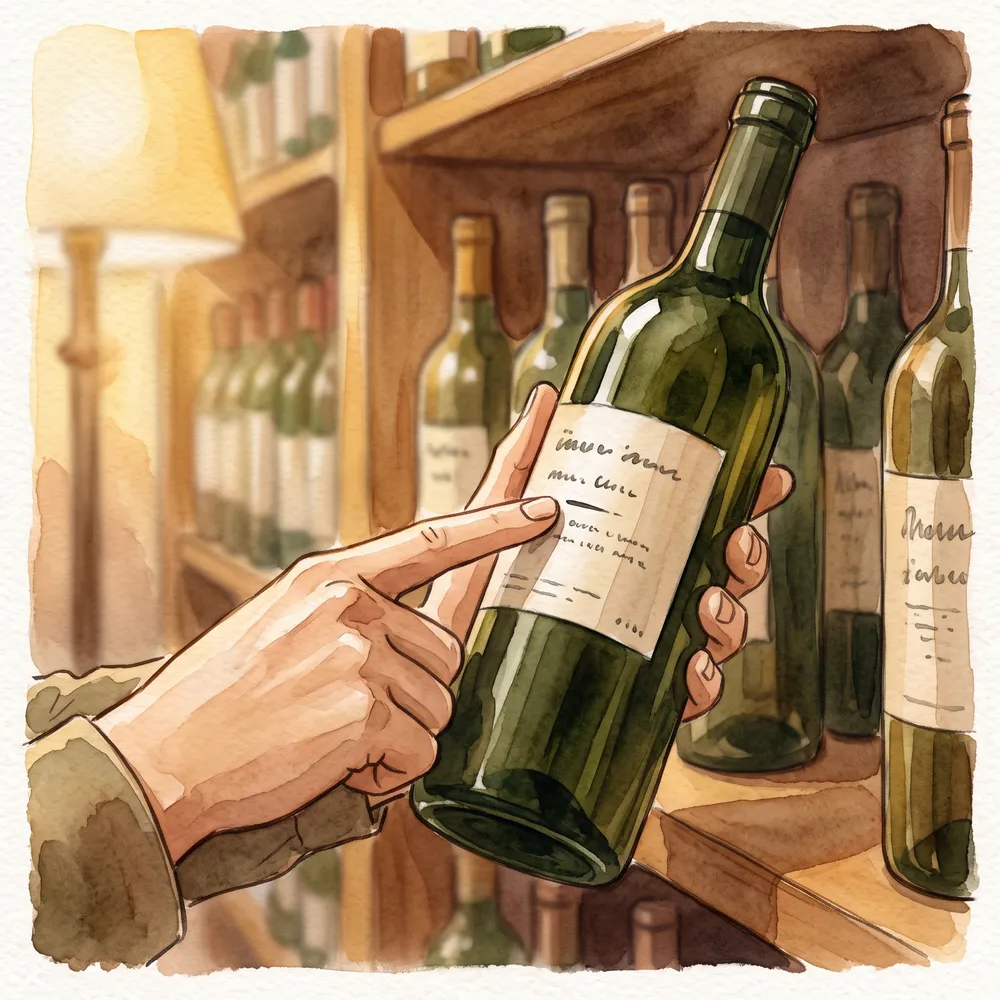
Junmai, ginjo, daiginjo. You stand in front of the shelf comparing labels, and in the end you pick by price.
That's how most of us buy sake.
You actually need to look at far less: one word on the label.
About 90% of the sake made today uses a method called sokujo ("quick fermentation starter"): lactic acid is added to the starter, which is reliable and gives a clean, light sake. The other 10% is kimoto and yamahai — sake whose starter is left to sour naturally, with lactic acid bacteria living in the brewery itself. One brewery has made nothing but kimoto since 1752.
This guide shows you how to choose sake by that difference in method, and how to read the other number on the label: the rice polishing ratio.
Quick Reference: Choosing Sake at a Glance
| If you want… | Look for | Why |
|---|---|---|
| Aroma | Junmai daiginjo / daiginjo ▾ | Highly polished rice. Toward clarity |
| The taste of rice | Junmai ▾ | Less polishing. Fullness and umami |
| Deep, complex flavor | Kimoto ▾ | 2% of all sake. Rice is ground with poles |
| Body and a long finish | Yamahai ▾ | 8% of all sake. Kimoto without the grinding |
| Clean and light | Sokujo (usually not stated) | About 90% of all sake. Stable and crisp |
| What to read on the label | "Kimoto" or "Yamahai" | If it's there, it's the point (section 2) |
| Buying outside Japan | Wine-Searcher and importers ▾ | Amazon.com doesn't sell sake |
Click a style to jump to it.
1. Why Japanese: The Method 90% of Brewers Gave Up
"Surely the method doesn't change the taste that much." It does — this is where sake divides most.
Sake starts with a shubo, or moto: a starter in which yeast is grown in huge numbers. To keep other microbes out, the starter needs lactic acid. How you get that lactic acid is the one point on which the methods split.
Add it, or wait for it to appear
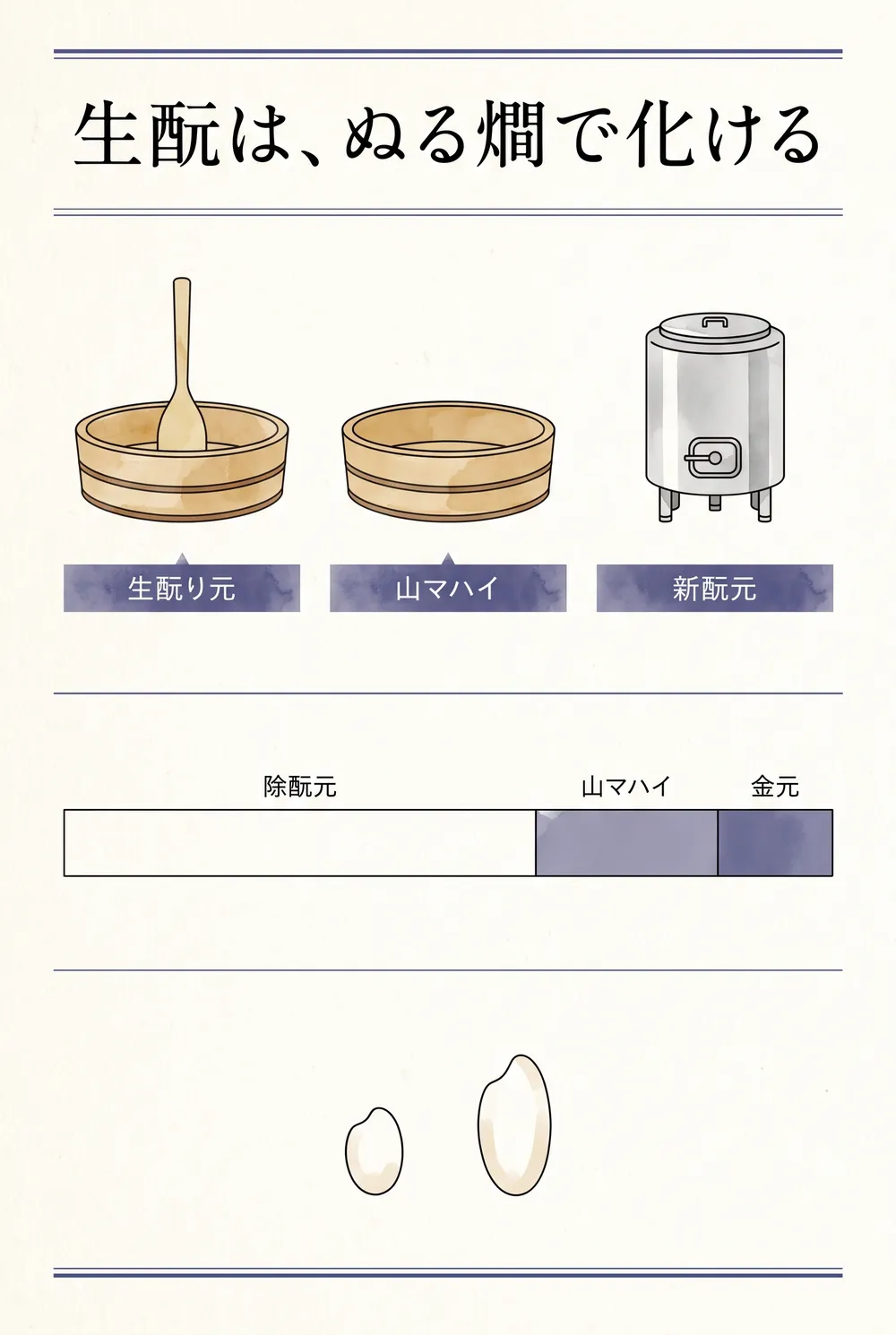
Sokujo adds lactic acid. It's reliable, stable and quick — the starter takes about two weeks. About 90% of the sake made today is made this way.
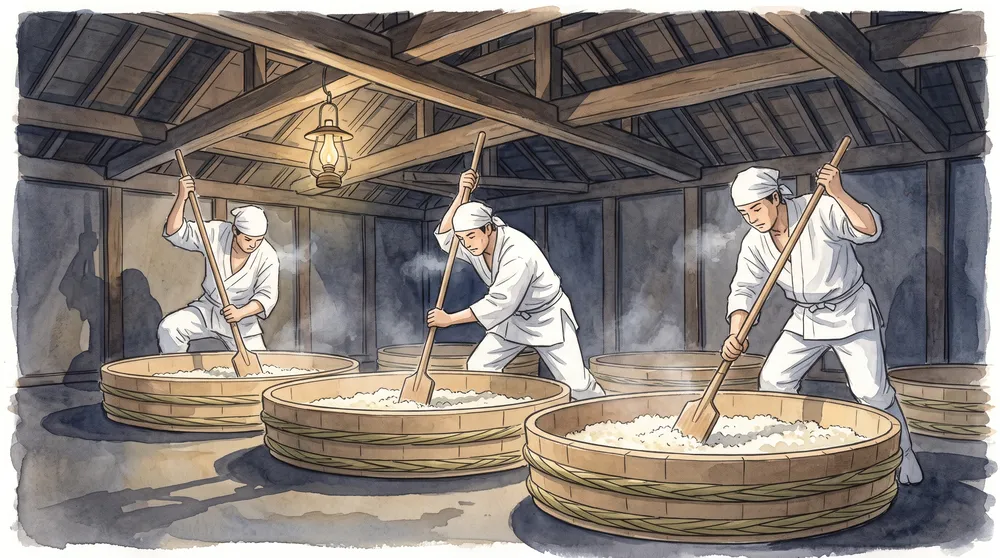
Kimoto adds nothing. It waits for lactic acid bacteria living in the brewery's air and tools to multiply on their own. To help, brewers grind the rice with long wooden poles in a process called yama-oroshi — several people at the tubs, for hours, in a cold brewery, sometimes late into the night.
Yamahai drops that grinding: the name is short for "yama-oroshi haishi," "yama-oroshi abolished." Without the grinding, a little oxygen gets into the tub, different microbes go to work, and yamahai gets its distinctive aroma.
In numbers
| Method | Share of all sake | Taste |
|---|---|---|
| Sokujo | About 90% | Clean, light |
| Yamahai | 8% | Body, acidity, a long finish |
| Kimoto | 2% | Deep and complex, full-bodied |
Kimoto is 2 bottles in 100. Some breweries keep making sake the laborious, riskier way anyway, relying on microbes that have lived in their walls for generations.
That doesn't make sokujo a shortcut. It's the reason stable, clean sake is affordable, and on a night when you want something light, kimoto can be too heavy. There's a reason it's 90%.

2. One Word on the Label Changes the Taste
At the store, this is all you need to check:
Does the label say "kimoto" (生酛) or "yamahai" (山廃)?
Sokujo sake usually says nothing at all — at 90% of the market, there's no reason to mention it. So if a label does say kimoto or yamahai, the brewery is telling you that's the point. It's putting the extra work on the label itself.
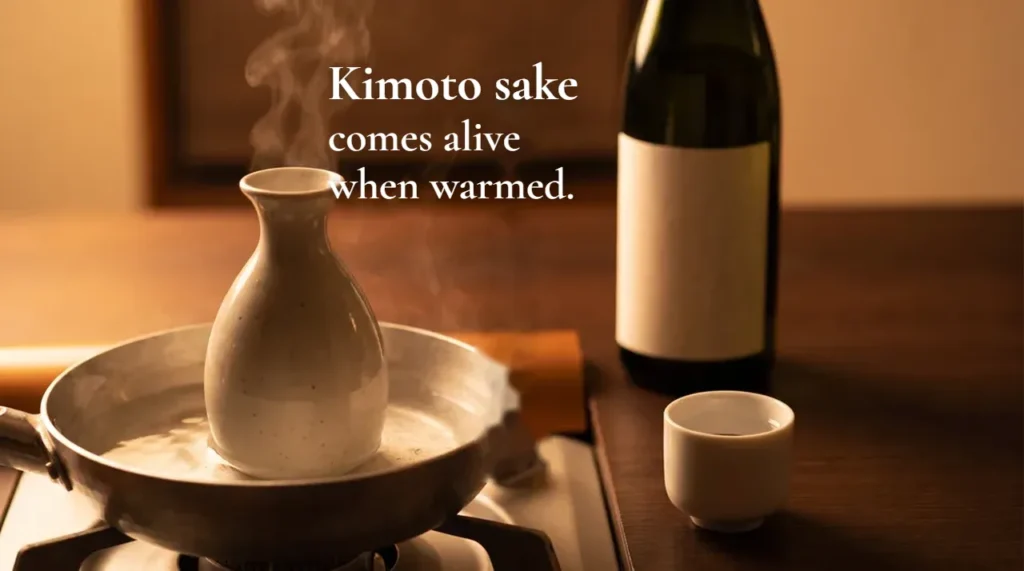
And sake with one of these words transforms when warmed. The way it opens up is clearly different from sokujo sake. If it tastes heavy chilled, try it gently warmed next time — it can seem like a different bottle.
How to warm sake is in Japanese Sake Temperatures: Cold, Hiya & Hot — How to Serve It Right. Get the temperature right, and the same bottle gets better again.
3. The Polishing Ratio Is a Direction, Not a Grade
The label carries one more number: the seimai-buai, or polishing ratio — how much of the brown rice grain is left after polishing. "50%" means half the grain was polished away. The smaller the number, the more was removed.
Most people read that as "smaller is better." It isn't.
More polishing doesn't mean better
Highly polished sake does cost more — it uses more rice and takes more time. But it isn't "the more polished, the better."
The outer layers of the rice grain hold more protein and fat. Polish them away and the taste moves toward clarity, which is also why highly polished sake tends to have a showy aroma.
Polish less and the outer layers remain, bringing the fullness and umami of the rice itself. Neither is higher; they simply lean in different directions.
Turning the number into taste
- Around 50% (daiginjo) — clarity and a showy aroma. Drink chilled, for the aroma
- Around 60% (ginjo) — balanced. Both aroma and flavor come through
- Around 70% (honjozo, junmai) — the fullness and umami of rice. Holds up well when warmed
Some labels say "tokubetsu junmai" or "tokubetsu honjozo" ("special"). There's no detailed rule behind "special" — the brewery uses it for something it took extra care over. What makes it special is usually on the back label.
4. Choosing by Brewery: Six Picks
You don't need to start with kimoto. Keep drinking what you like, and add one bottle made a different way — that's the easiest way in.
There are a huge number of breweries, so this list is limited to breweries whose method shows clearly in the glass. If you can't taste the difference, there's no point comparing.
Daishichi (Nihonmatsu, Fukushima) — kimoto
If you're trying kimoto, start here. Founded in 1752, Daishichi has made only kimoto sake ever since — in its own words, "a strictly orthodox brewing tradition." Deep, complex and full-bodied. Its English range includes Junmai Kimoto CLASSIC and Minowamon.
If it feels heavy chilled, warm it gently. Kimoto opens up with warmth. Daishichi lists its importers on its English site — in the US, JFC International and the online sake shop Tippsy; in Canada, Blue Note Saké.
Kikuhime (Ishikawa) — yamahai
To know how rich yamahai can be, try this brewery. Kikuhime is known for the deep umami of its yamahai sake. The aroma that comes from skipping the grinding — and letting a little oxygen in — shows clearly.
If you're used to light sake, it will feel strong at first. Pair it with richly flavored food.
Kariho / Akita Seishu (Akita) — Yamahai Rokushu
A second yamahai. This brewery is best known for "Yamahai Rokushu." Body, acidity and a long finish — the classic yamahai outline.
Taste it side by side with Kikuhime and you'll see how different two yamahai can be, brewery to brewery.
Junmai (polishing ratio around 65%)
When you want to taste the rice. Less polishing leaves the fullness and umami of the rice. Its strength is that it holds together when warmed.
Sake labeled simply "junmai" is the widest category — and where each brewery's character shows most directly.
Junmai daiginjo (polishing ratio around 50%)
A bottle to choose for aroma. Highly polished rice gives clarity and a showy fragrance. Drink it chilled, in a glass that lifts the aroma.
Warming drives the aroma off, so keep this one cold. It's also the easiest category to choose as a gift.
Your everyday bottle — no need to replace it
Keep drinking what you drink now. Sokujo sake, 90% of the market, is stable and crisp. You don't always want kimoto's depth with dinner.
Inexpensive sake isn't bad sake. Put a bottle made a different way next to it and drink them by mood — that lasts longer.
5. How to Taste the Difference
"You'd need to buy several bottles to compare." Not really — you can do it with one.
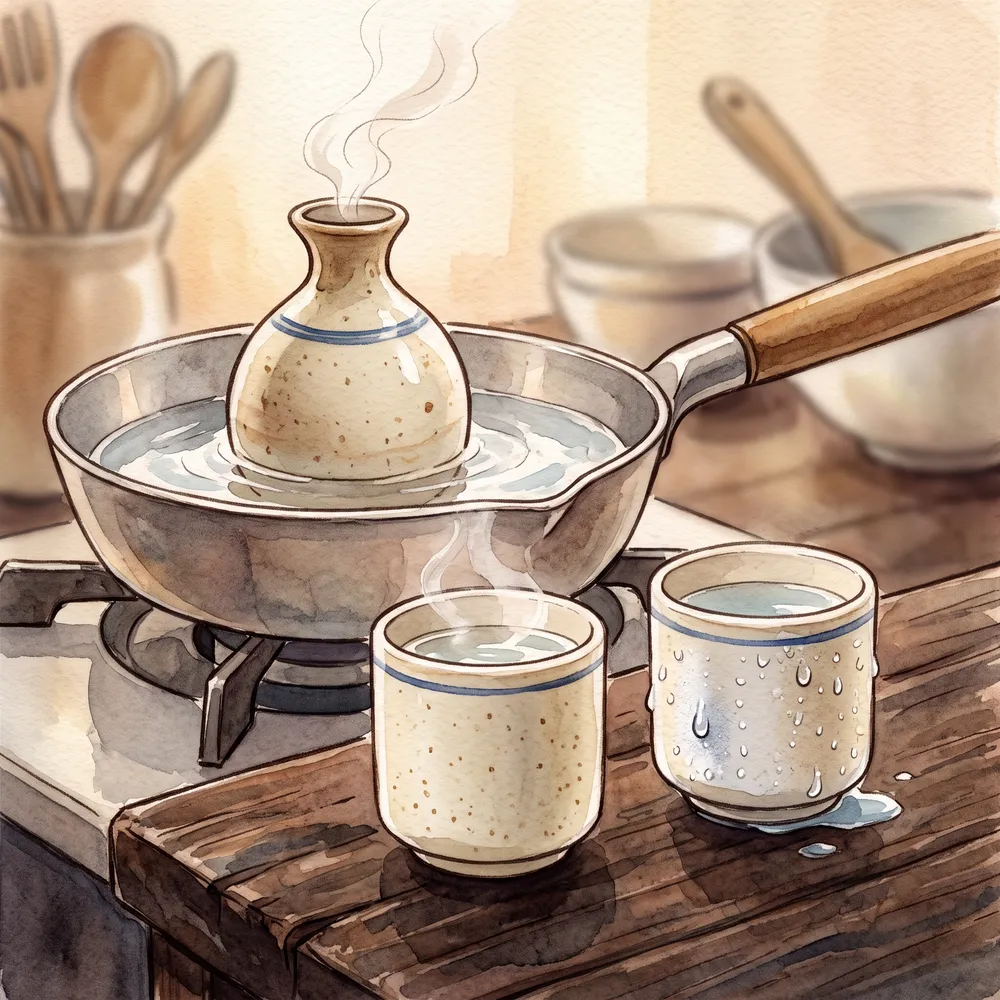
Taste the same sake chilled, and then gently warmed. That's all.
Kimoto and yamahai transform when warmed
Honestly, chilled kimoto can feel heavy: there's acidity, and the flavor is dense. Stopping there because "it's not what I expected" would be a waste.
Warm the same sake to a little above body temperature and it loosens. Closed aromas open, the acidity rounds off, and the umami comes forward. It hardly seems like the same bottle.
Daiginjo, on the other hand, shouldn't be warmed. The showy aroma of highly polished rice disappears with heat. That style is made to drink cold.
Save half for tomorrow
Sake tastes different the day you open it and the day after. Sake with many layers of flavor, like kimoto and yamahai, can open up with air.
Don't finish it in one night — leave half. You may well prefer it the next day. Cap it and put it in the fridge.
Change the cup, and the same sake changes
One step further: a wide guinomi or a small ochoko, glass or ceramic — the shape of the rim and the material change how the aroma rises. That's all in Japanese Sake Cups by Material: Nousaku Tin vs Usuhari Glass. Once you can choose the sake, the cup comes next.
6. Buying Japanese Sake Outside Japan
Amazon.com doesn't sell drinkable sake in the US — searching it turns up only cooking sake and sake sets. You'll be buying from a wine and liquor shop or an online sake store.
Wine-Searcher is the practical tool: enter a brewery or bottle name and it shows shops near you that carry it, with prices. That's why each brewery above has a Wine-Searcher button instead of a shop link.
Breweries that export often list their importers. Daishichi's English site, for example, names JFC International and Tippsy (an online sake shop) in the US and Blue Note Saké in Canada.
One more thing to check: some well-known Japanese brands brew the sake they sell in the US in America itself. If you want sake brewed in Japan, look for "Product of Japan" on the label. Then look for "kimoto" or "yamahai."
7. Frequently Asked Questions
Does "junmai" mean better sake?
It's a difference in method, not quality. Junmai means the sake is made from rice and rice koji only, with no added brewer's alcohol.
Sake with added alcohol isn't inferior. A little alcohol is added to draw out aroma or lighten the taste — some daiginjo are made this way.
A practical rule: junmai when you want the taste of rice, non-junmai when you want something lighter.
Should I try kimoto or yamahai first?
Yamahai is easier to find and comes in more varieties, so start there if you like — 8% of sake is yamahai, only 2% is kimoto.
The two lean the same way: body, acidity and a long finish. Yamahai lets a little oxygen into the tub, which gives it its own aroma — and that can be what divides opinion.
Both change character when gently warmed.
Is a lower polishing ratio better?
Not better — different. Polishing more removes the outer layers of the grain and moves the taste toward clarity, often with a showy aroma. Polishing less keeps the fullness and umami of the rice.
Price rises with polishing because it uses more rice and takes longer. Expensive doesn't automatically mean your favorite.
What does "tokubetsu" (special) mean?
There's no detailed rule. The brewery uses it for something it took extra care over — more polishing, a particular sake rice, a different method. What makes it special is usually on the back label, and reading it tells you what that brewery values.
How soon should I finish an opened bottle?
Capped and refrigerated, it's enjoyable for several days to about a week, though the taste will move.
That isn't always bad. Kimoto and yamahai can open up with air, and you may prefer them the next day. Daiginjo, whose aroma is the point, is best finished sooner.
Should I drink it cold or warm?
Let the method decide. Kimoto, yamahai and junmai suit gentle warming — the acidity rounds off and the umami comes forward. Daiginjo goes cold; heat drives off its aroma.
More in Japanese Sake Temperatures: Cold, Hiya & Hot.
Final Thoughts: Start with One Word on the Label
About 90% of sake today is sokujo: lactic acid is added, and the result is stable. That's not a flaw — it's why clean, light sake is affordable.
The other 10% is kimoto and yamahai — 8% yamahai, just 2% kimoto. Rice ground with poles, waiting for the brewery's own bacteria to make the acid: a slow, risky method one brewery has kept since 1752.
At the store, one word is enough: "kimoto" or "yamahai." Sokujo rarely says anything. If the word is there, it's the brewery's pride.
The polishing ratio is a direction, not a grade — more polishing for clarity, less for the fullness of rice. And when you get a bottle home, taste it chilled and then gently warmed. Kimoto and yamahai can seem like a different sake.
Japanese Sake Temperatures: Cold, Hiya & Hot — How to Serve It Right

Japanese Sake Cups by Material: Nousaku Tin vs Usuhari Glass