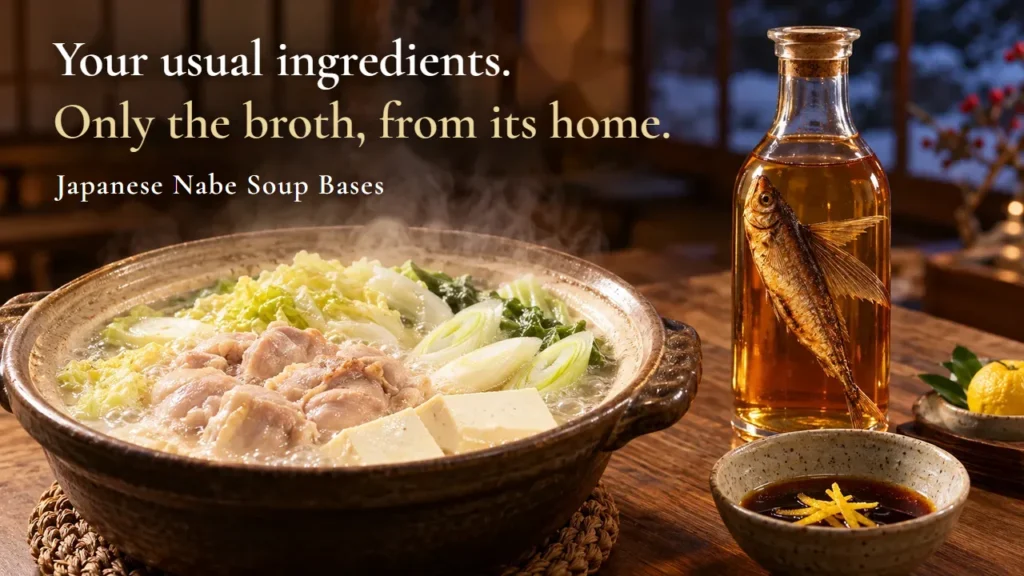
Nabe (鍋) — Japanese hot pot — is mostly about the broth. Napa cabbage, leeks, tofu and chicken are the same in every kitchen. Change the soup base, and it becomes a different dish.
This guide looks at nabe from the broth up: mizutaki soup from Hakata, simmered from chicken bones and whole chickens; shiro dashi, the pale dashi-and-soy base first made in Hekinan, Aichi, in 1978; ago dashi from grilled flying fish, a specialty of Nagasaki's coast; and yuzu ponzu from the mountain village of Umaji in Kochi.
It also explains which broth suits which ingredients, and which of these you can actually order outside Japan.
Quick Reference: Nabe Soup Bases at a Glance
| Broth | From | How to use | Best with |
|---|---|---|---|
| Mizutaki soup ▾ | Hakata Hanamidori, Fukuoka | Straight — no diluting | Chicken, cabbage, leeks |
| Shiro dashi ▾ | Born in Hekinan, Aichi | Concentrate — dilute | White fish, tofu, napa cabbage |
| Ago (flying fish) dashi ▾ | Nagasaki coast | Concentrate or powder | Seafood, mushrooms, udon |
| Yuzu ponzu ▾ | Umaji Village, Kochi | Dipping sauce | Mizutaki, yudofu, shabu-shabu |
Click a name to jump to that section. To choose by ingredients, see How to Choose.
1. Why Japanese: The Broth Is Where the Work Is
The part of the pot you can't easily make at home
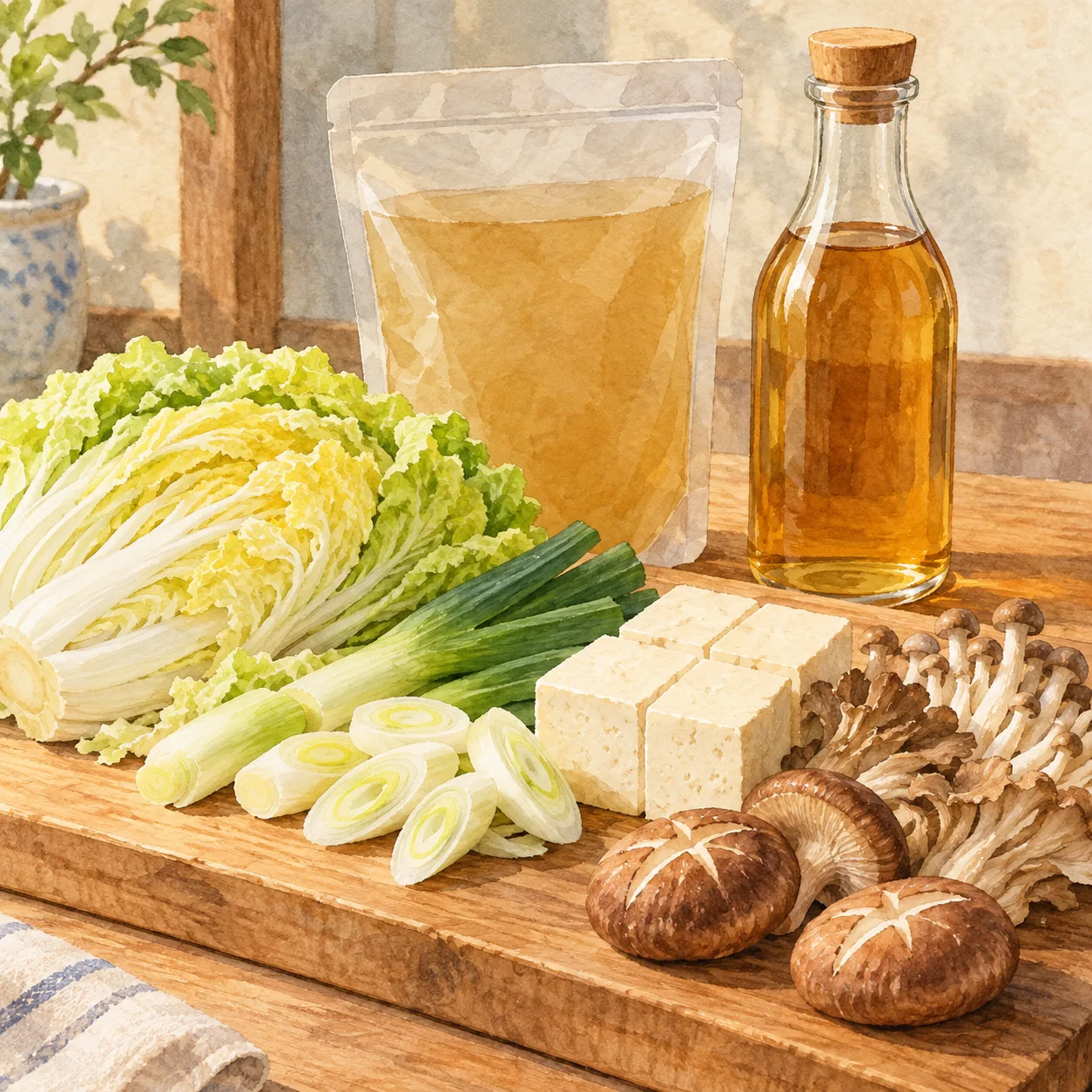
The vegetables and tofu in a nabe are best bought fresh the same day. The broth is different. It holds the work that is hard to do in a home kitchen: chicken bones simmered for hours, flying fish grilled over charcoal, light soy sauce brewed in a kura.
Japanese makers sell that work in a pouch or a bottle. Buy only the broth, and your usual ingredients become a different nabe. A pouch or bottle also keeps in the cupboard, not the freezer.
2. Hakata Mizutaki: Soup from Chicken Bones and Whole Birds
The soup came first, the restaurant second
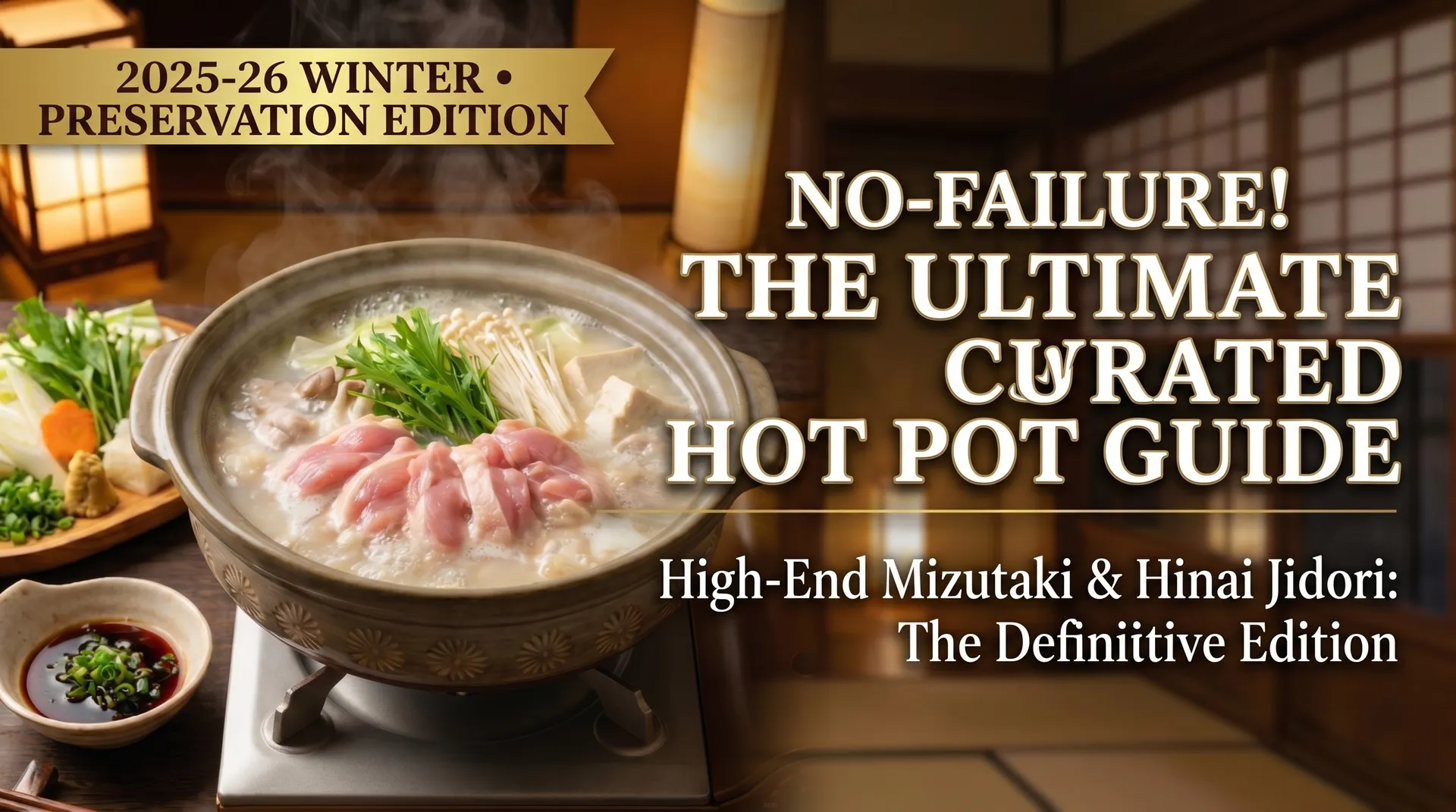
Torizen Foods, the company behind Hakata Hanamidori, began as a chicken shop in Fukuoka's Yoshizuka market in 1949. According to a Nikkei Cross Trend article, it started selling mizutaki soup by mail order in 1993, and opened its mizutaki restaurant the following year. The soup came before the restaurant.
The soup is simmered at the company's own factory in Itoshima, Fukuoka, from chicken bones and whole chickens raised in Kyushu, with salt and seasoning. It is cloudy white and tastes strongly of chicken.
The company's own serving suggestion: bring the soup and chicken to a boil, drink a cup of the soup first, then cook the vegetables — and finish with rice cooked in what's left (zosui).
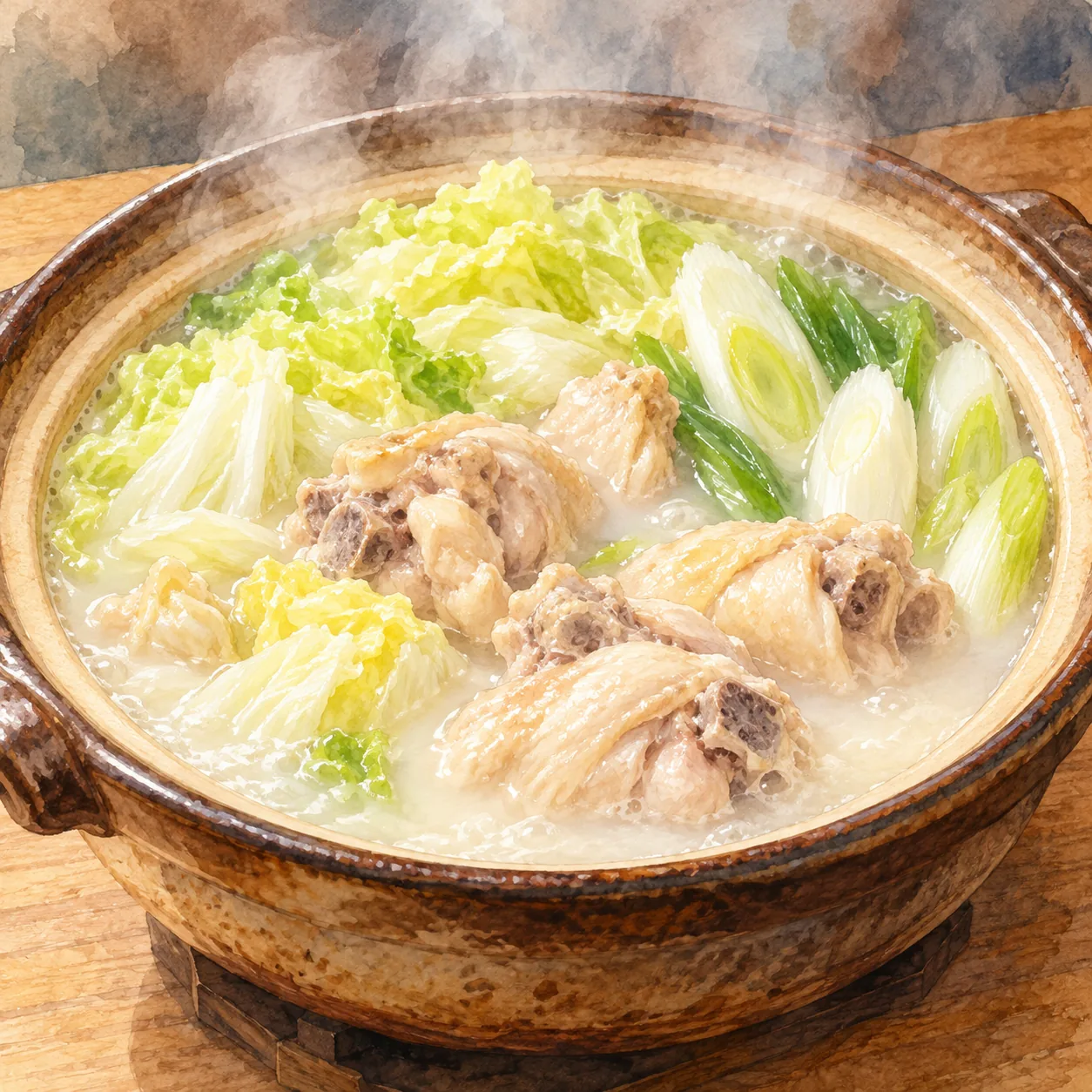
Hakata Hanamidori Mizutaki Soup 600 g — Torizen Foods, Fukuoka
A straight (ready-to-use) mizutaki soup — no diluting. One 600 g pouch serves two to three people.
Add chicken thigh or chicken meatballs and you have mizutaki. This is the same pouch sold in Japan.
Hakata Hanamidori Mizutaki Soup 600 g (Torizen Foods, Fukuoka)
Loading product details…
3. Shiro Dashi: The Pale Broth Born in Hekinan
1978, Japan's first shiro dashi
Shichifuku Jozo in Hekinan, Aichi, is a brewer of white soy sauce (shiro shoyu). Its official site says: "In 1978, Shichifuku Jozo was the first in Japan to develop and sell shiro dashi." The pale dashi concentrate now found in so many Japanese kitchens began at this brewery.
Shiro dashi combines light-colored soy sauce with dashi — bonito, kelp and often shiitake. Because it is so pale, napa cabbage, tofu and white fish stay white in the pot, and the broth tastes of dashi more than of soy.
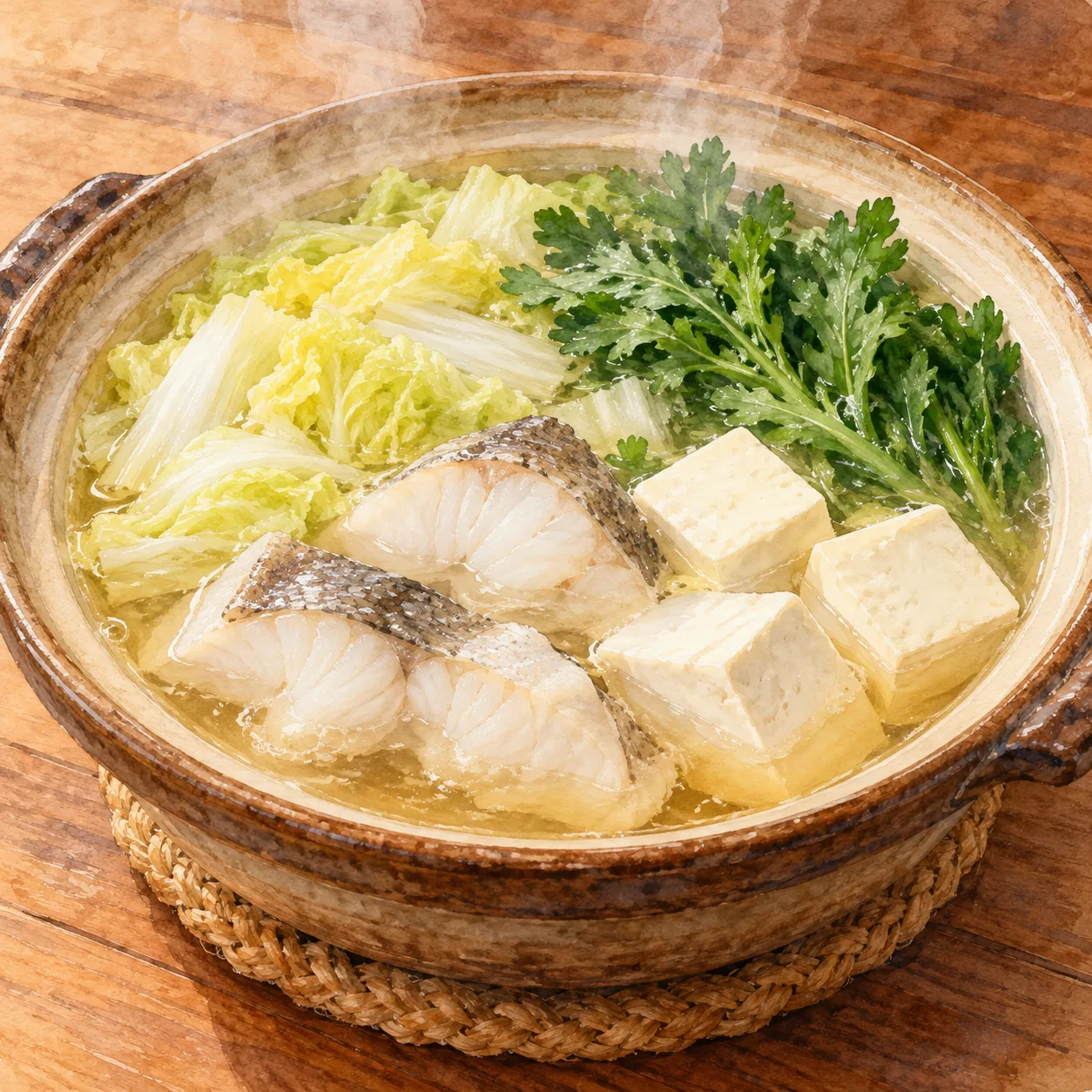
NINBEN Shiro Dashi, 1,000 ml
Shichifuku's original isn't sold on Amazon.com, so here is one that is. Ninben, a katsuobushi house, makes this shiro dashi with dried bonito and Hokkaido kelp. It is listed as a product of Japan, without preservatives.
Dilute it for nabe following the label, and use the rest for tamagoyaki, chawanmushi or udon broth — one bottle lasts well past hot-pot season.
NINBEN Shiro Dashi 1,000 ml
Loading product details…
4. Ago Dashi: Grilled Flying Fish
A whole grilled fish in the bottle
Ago (あご) is the western Japanese word for flying fish. In Hirado, Nagasaki, Kaisanbutsu no Watanabe processes flying fish landed in Nagasaki and keeps a traditional method of grilling them slowly over charcoal, right to the core.
Its "Flying Fish Dashi" turns that grilled ago into a concentrated broth — the seller says "one grilled flying fish and one piece of kelp are put in each bottle." A whole grilled fish sits in the bottle. Grilled-ago broth is gentle, slightly sweet and smoky, and especially good with seafood nabe and the udon you finish with.
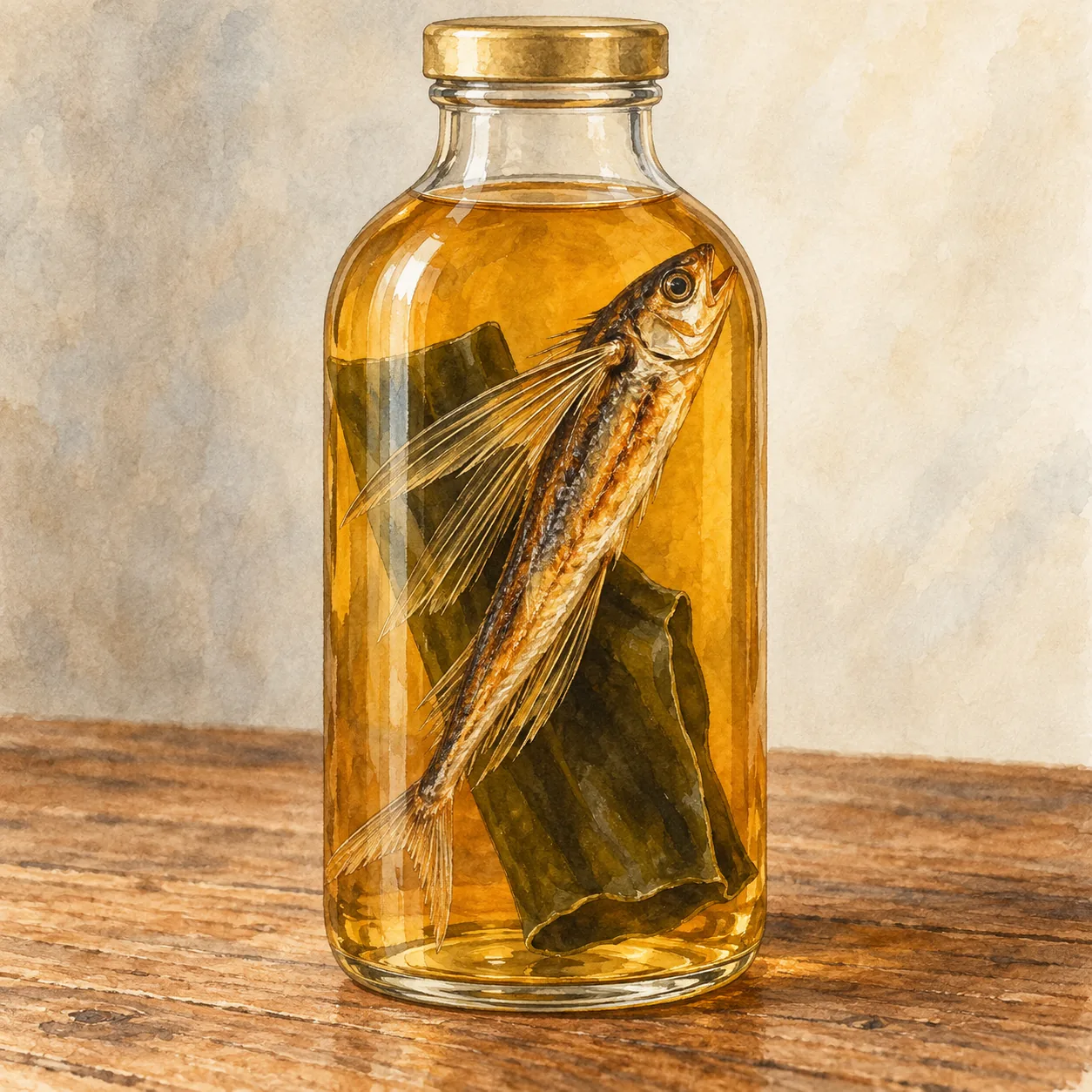
KANESHICHI Yaki Ago Dashi — grilled flying fish stock
The bottle from Hirado isn't on Amazon.com; this grilled-ago (yaki ago) stock powder is. It is listed as made in Japan, in single-serve sticks.
Dissolve it in water for a light ago broth, then season with a little soy sauce or shiro dashi for nabe. It works for miso soup and ramen too.
KANESHICHI Yaki Ago Dashi (grilled flying fish), 10 sticks
Loading product details…
5. Dipping Sauce: Umaji Village Yuzu Ponzu
"Yuzu no Mura," since 1986
Mizutaki and yudofu (simmered tofu) are nabe where the dipping sauce sets the flavor more than the broth.
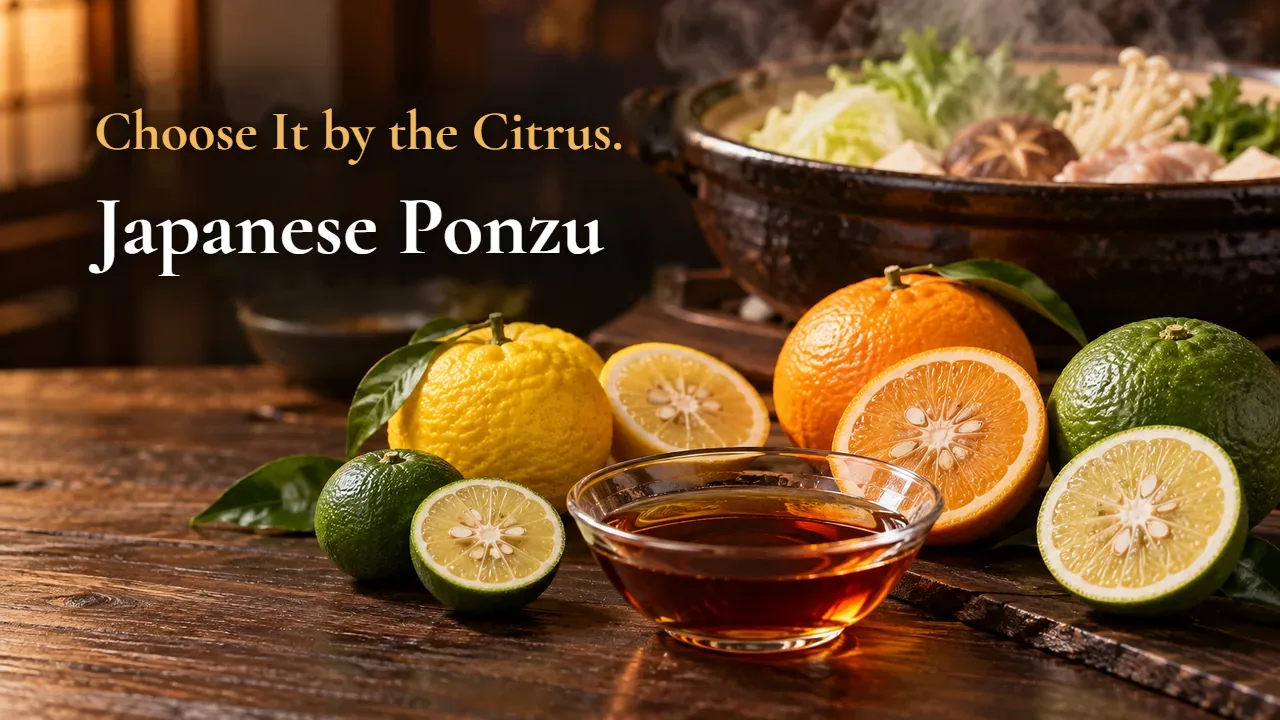
"Yuzu no Mura" (Yuzu Village), from the agricultural co-op of Umaji, a mountain village in Kochi, has been sold since 1986. The co-op describes it as soy sauce with yuzu juice and bonito and kelp dashi, balancing the yuzu's aroma, sourness and bitterness with the savoriness of soy sauce and dashi.
Pair it with the mizutaki above: chicken cooked in white broth, dipped in yuzu ponzu.
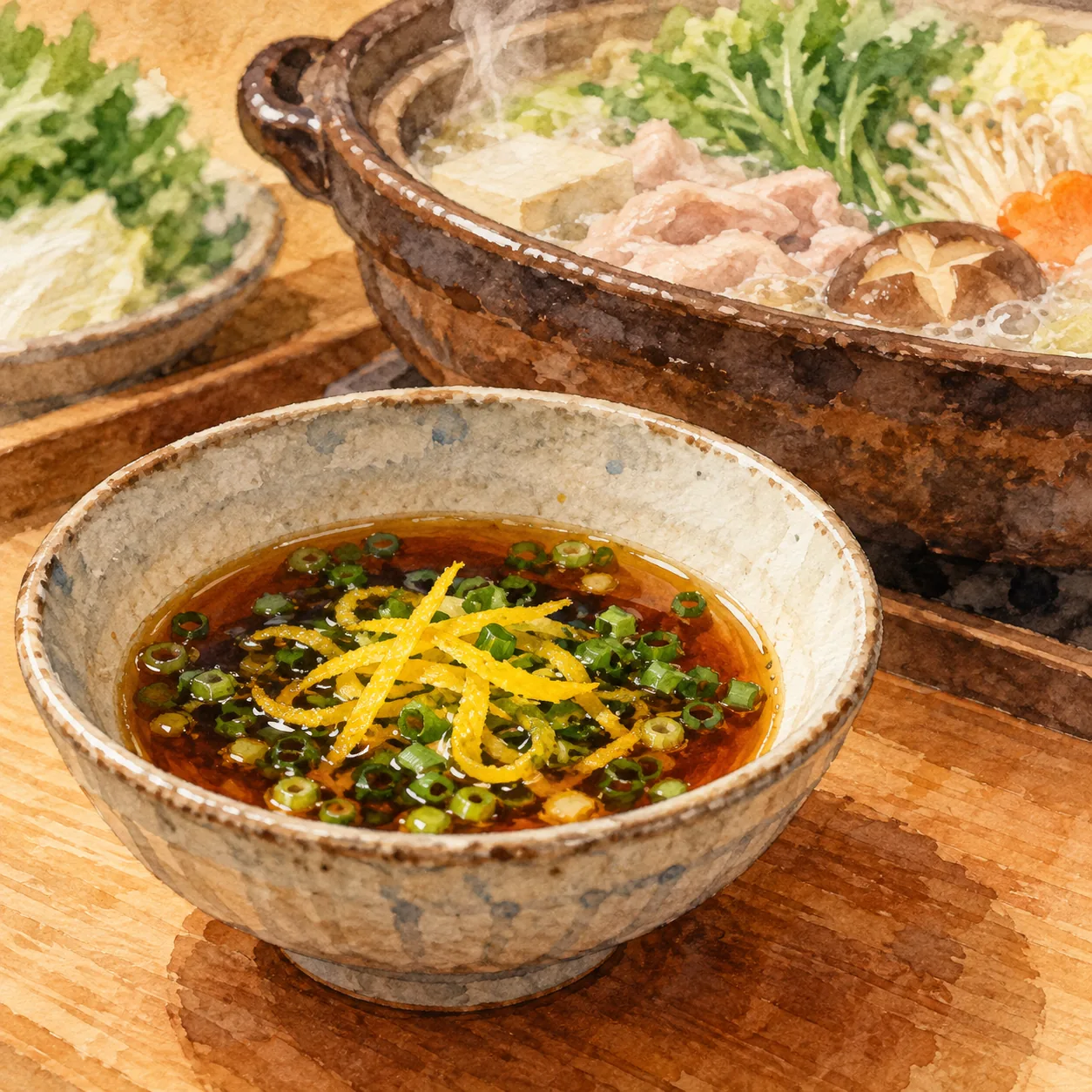
Umajimura "Yuzu no Mura" Ponzu, 500 ml — Kochi
The same 500 ml bottle the co-op sells in Japan.
Beyond nabe, the co-op says it goes with "anything" — salads, grilled eggplant, gyoza.
Umajimura "Yuzu no Mura" Ponzu 500 ml (Kochi)
Loading product details…
6. How to Choose by Ingredients
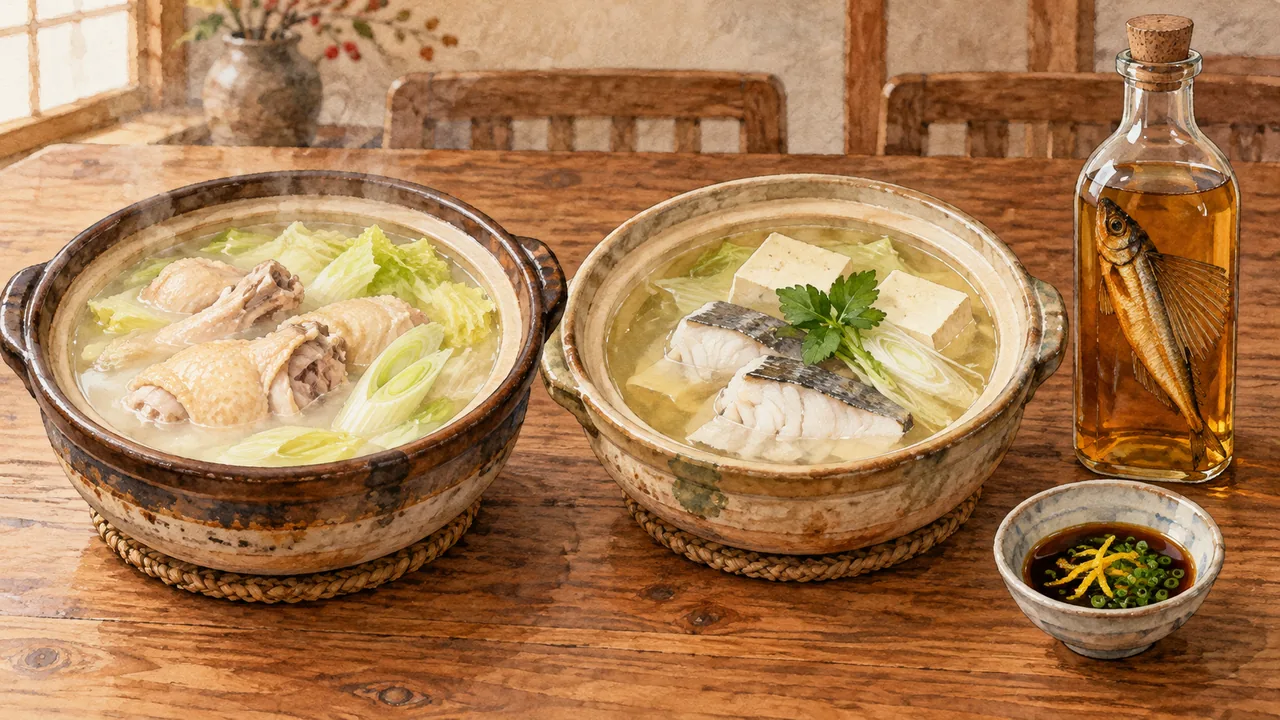
① Chicken: mizutaki soup
For chicken thigh, drumettes or chicken meatballs, use the Hanamidori mizutaki soup. It goes in straight from the pouch — open it and add the ingredients. Serve ponzu on the side.
② Fish and tofu: shiro dashi or ago
To keep cod, tofu and napa cabbage looking white and clean, use shiro dashi. To add another layer of seafood flavor, use ago dashi. Both are diluted, so you set the strength to suit the ingredients and the number of people.
③ And the pot itself
For the pot, see our guides to oden pots and donabe and to copper shabu-shabu pots.
7. Buying From Outside Japan
Two of the four originals are on Amazon.com: Hakata Hanamidori's mizutaki soup and Umaji Village's "Yuzu no Mura" ponzu — the same products sold in Japan.
Shichifuku's shiro dashi and Watanabe's bottled flying fish dashi are not. For those, this guide suggests Japanese-made alternatives that are listed on Amazon.com — Ninben's shiro dashi and Kaneshichi's grilled-ago stock.
Check the label for "Product of Japan." "Japanese-style" soup bases are made in many countries. And note that meat-based broths such as mizutaki can be restricted by customs in some countries — if you are ordering from Japan directly rather than from a seller in your own country, check your country's rules on food containing meat.
8. Frequently Asked Questions
What is shiro dashi?
A pale, concentrated seasoning made from light-colored soy sauce and dashi (bonito, kelp, sometimes shiitake). Shichifuku Jozo in Hekinan, Aichi, says it was the first in Japan to develop and sell it, in 1978.
Do I dilute mizutaki soup?
Not Hakata Hanamidori's. It is a straight soup, used as it is. One 600 g pouch serves two to three people.
What does "ago" mean in ago dashi?
Flying fish. In ago dashi, the fish is usually grilled first (yaki ago), which gives the broth a mild, smoky sweetness. Kaisanbutsu no Watanabe in Hirado puts a whole grilled flying fish and a piece of kelp in each bottle of its dashi.
How much should I dilute shiro dashi for nabe?
Follow the label. Concentrations differ by maker and product, and the right strength also depends on your ingredients. Start a little light — you can always add more.
When did "Yuzu no Mura" ponzu come out?
In 1986. It is made by the agricultural co-op of Umaji Village in Kochi Prefecture.
What can I do with leftover nabe broth?
Finish the meal with it. In Japan the last of the broth becomes zosui (rice simmered in the broth, often with beaten egg) or udon. Leftover shiro dashi and ago dashi in the bottle are also good for tamagoyaki, clear soup and noodles.
Final Thoughts: Same Ingredients, a Different Broth
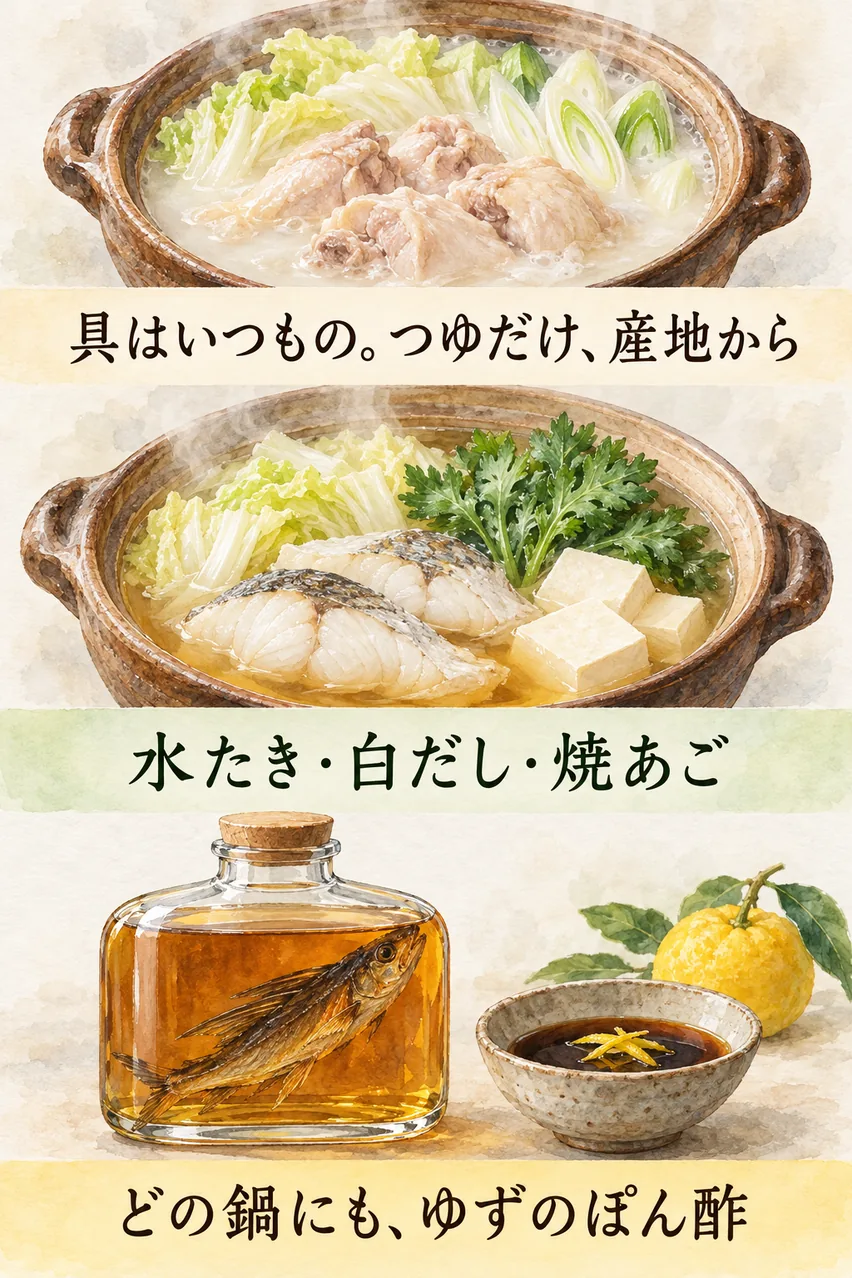
Keep your usual ingredients. Change only the broth.
For chicken, Hakata Hanamidori's mizutaki soup — the soup that came before the restaurant. For fish and tofu, shiro dashi, first made in Hekinan, or grilled flying fish dashi from the Nagasaki coast. And beside any of them, Umaji Village's yuzu ponzu.
The same napa cabbage and tofu — tonight, a different nabe.
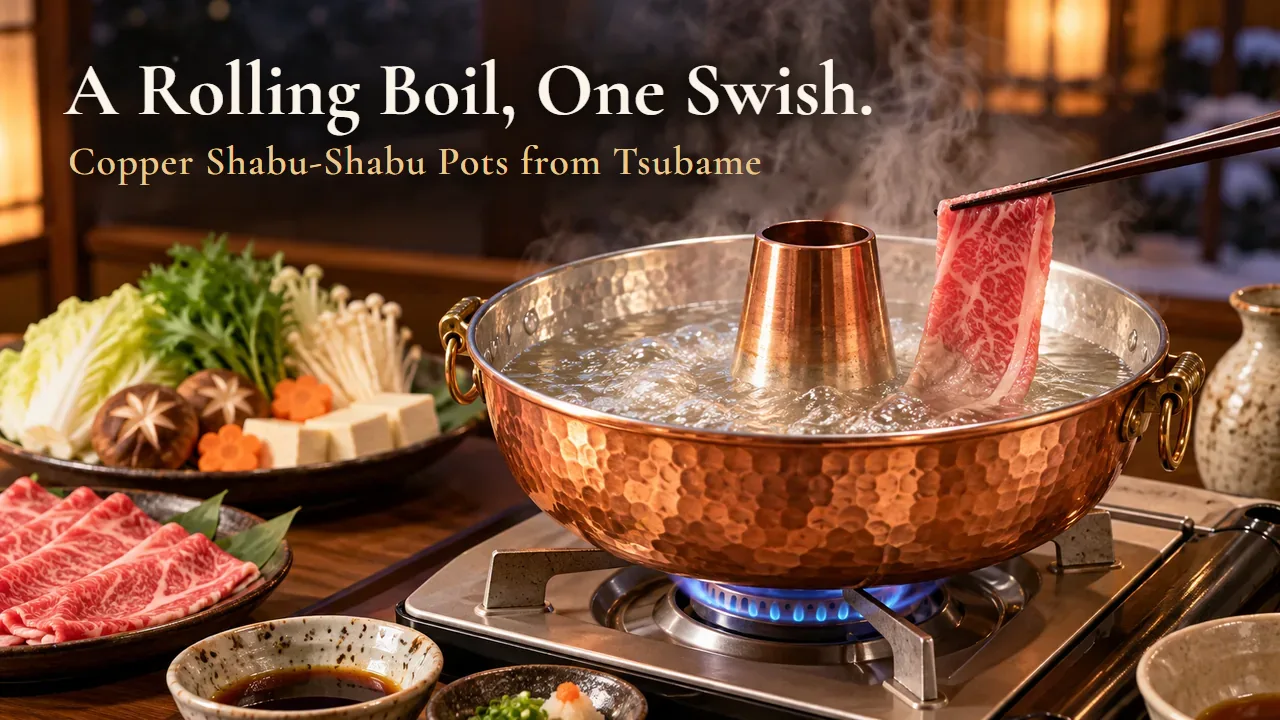
Shabu-Shabu Pot: Japanese Copper From Tsubame
Kombu for Dashi: Rishiri, Rausu, Ma-Kombu and Aged Kelp