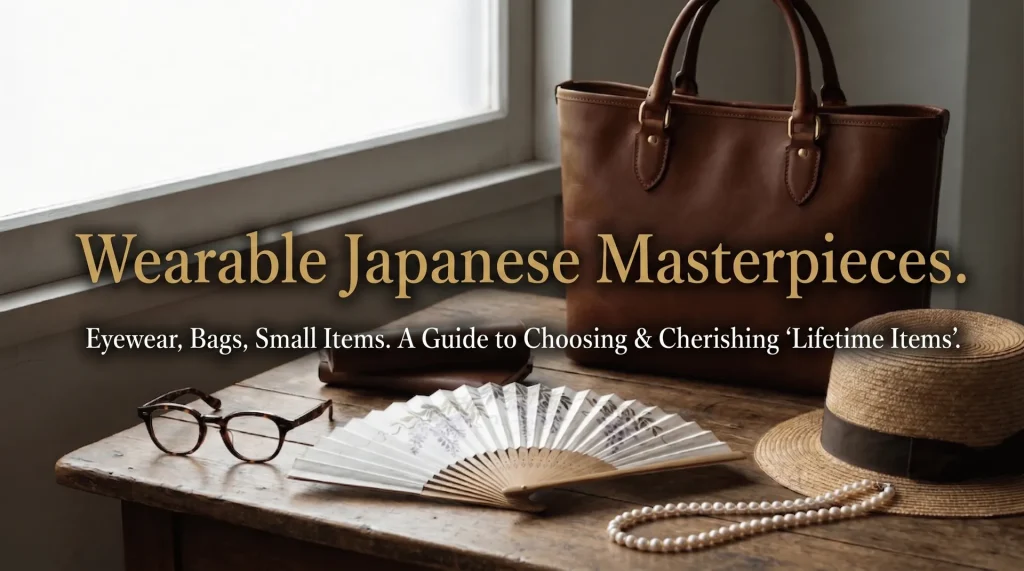
As you grow older, what you own matters less than what you choose to keep.
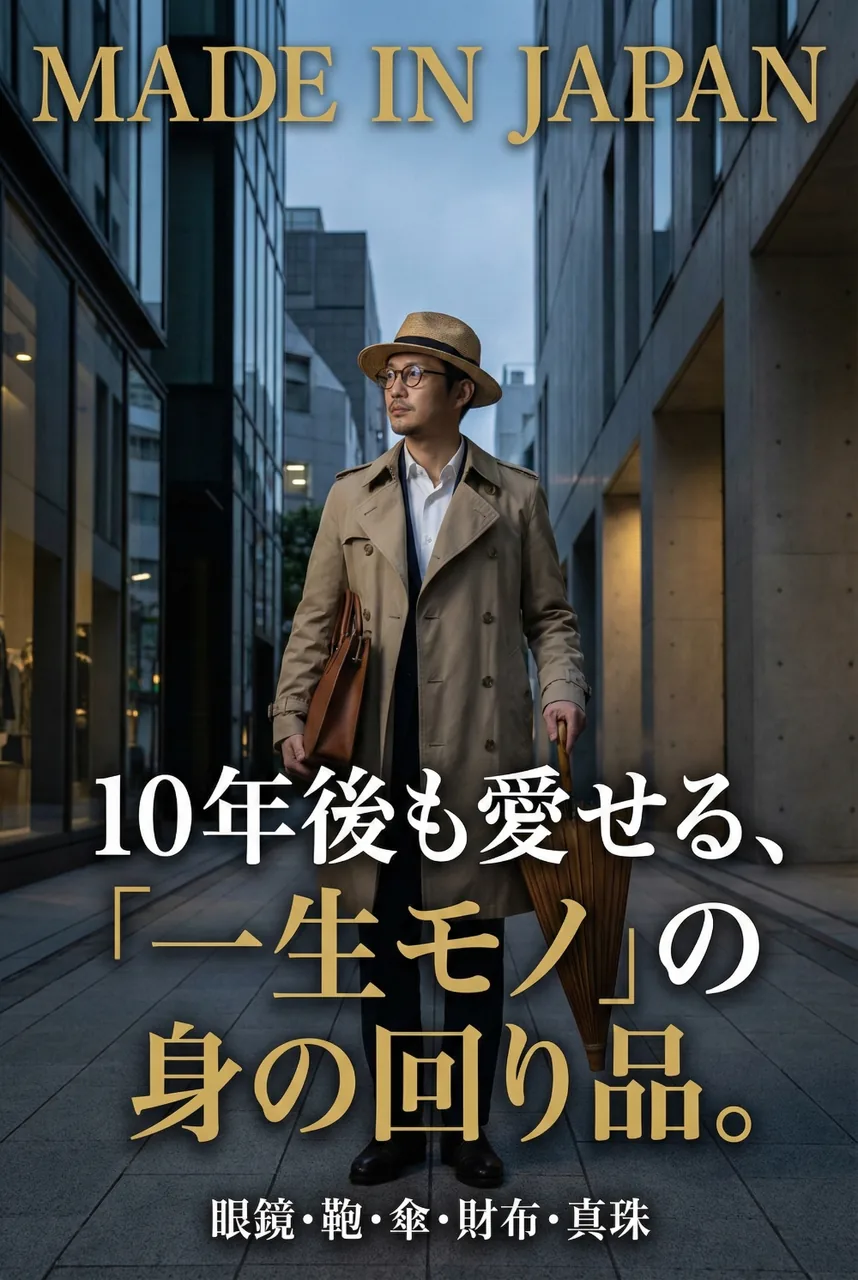
Instead of disposable trends, more people are seeking"made-in-Japan heirlooms" — pieces worth repairing and living with for decades.
Where do you even begin?
Japan is home to legendary craft regions, each producing something the world cannot replicate.
Eyewear from Sabae. Bags from Toyooka. Hats from Kasukabe. Pearls from the Ise-Shima Peninsula.
This feature rounds up 10 categories of wearable Japanese masterpieces — each one made by skilled artisans, each one built to become more beautiful the longer you use it.
Find your next lifelong companion here.
1. Why "Heirloom" Accessories Are Having a Moment
"Heirloom" doesn't just mean expensive and sturdy. Japanese craftsmanship adds something deeper.
1. Materials that age beautifully
Japanese artisans choose materials knowing exactly how they will change over years of use.
Canvas softens and molds to your body. Lacquer deepens and clarifies. Denim fades into something uniquely yours.
New isn't the peak — time spent together is what gives these pieces their value.
2. The reassurance of repair
The defining difference from fast fashion is the repair culture built into Japanese craft.
Sabae eyewear, Toyooka bags, even imperial-warrant umbrellas — the maker will fix what breaks.
"Worn out? Throw it away." becomes "Worn out? Have it repaired." That cycle is what builds a lasting bond with your things.
2. Face Accessories: Eyewear, Hats & Pearls
Your face makes a first impression — and Japanese makers who understand Asian facial structure get it right in ways international brands rarely do.
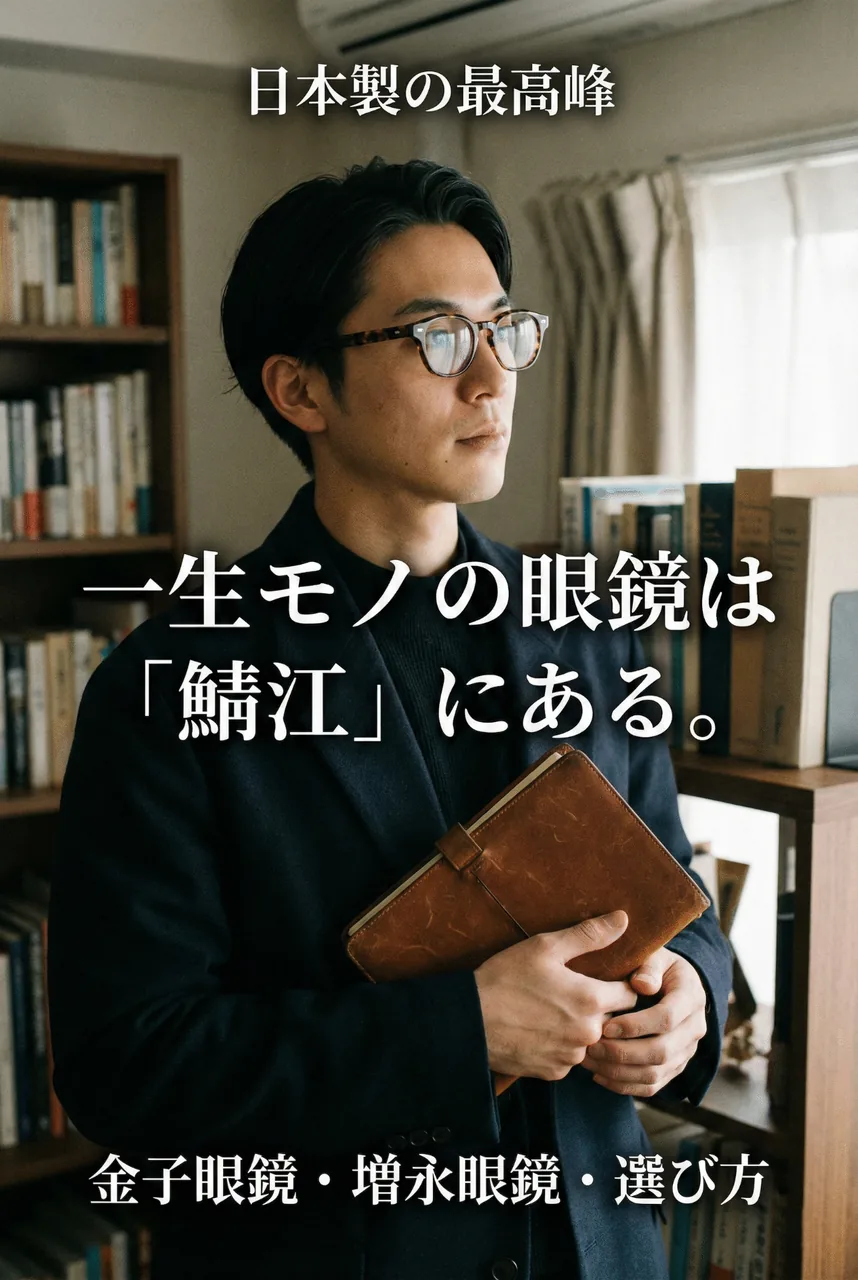
Sabae Eyeglasses (Fukui)
The fit that changes everything. Brands like 999.9 and Masunaga — frames designed for Asian faces, not just adapted from Western lasts.
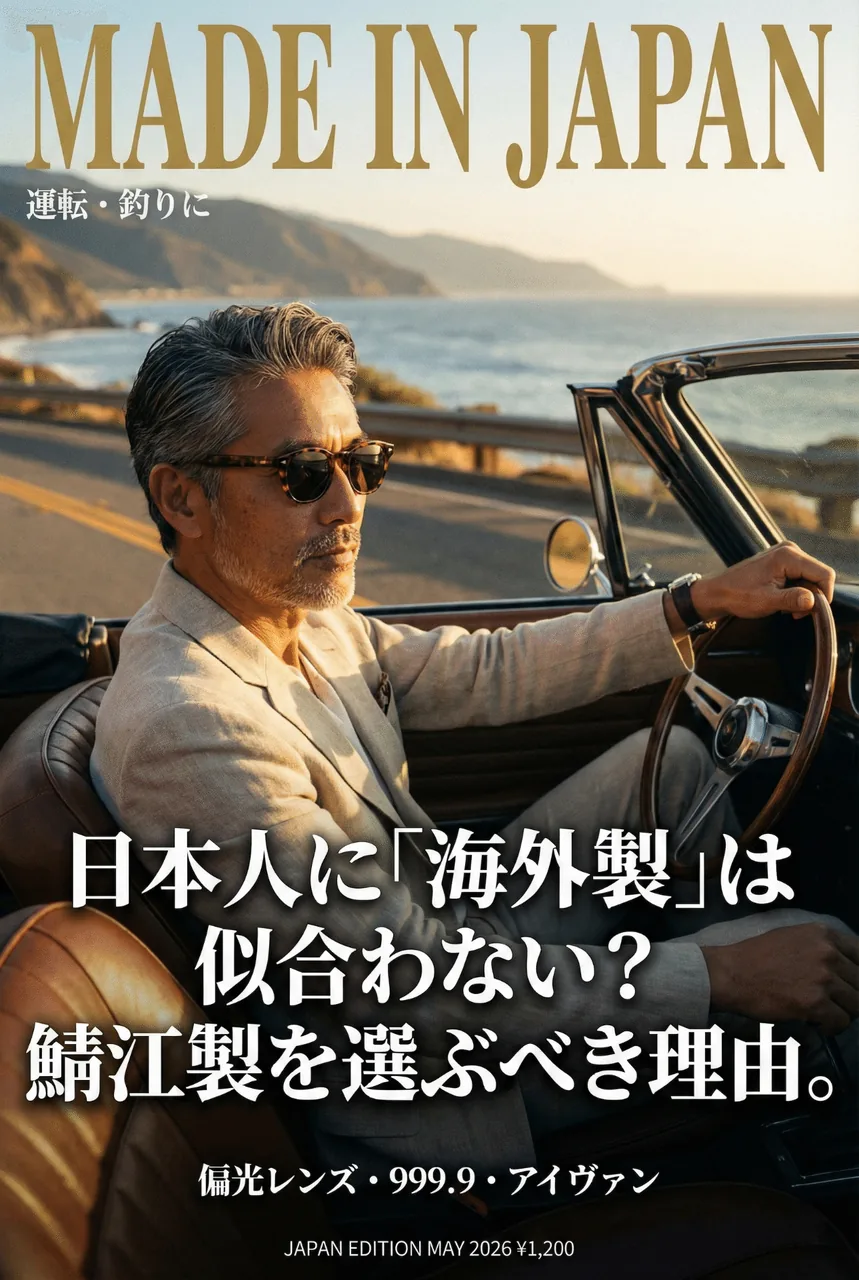
Sabae Sunglasses (Fukui)
International frames sliding down your nose? Here's why — and how Sabae-made sunglasses with polarized lenses transform driving, fishing, and everyday life.
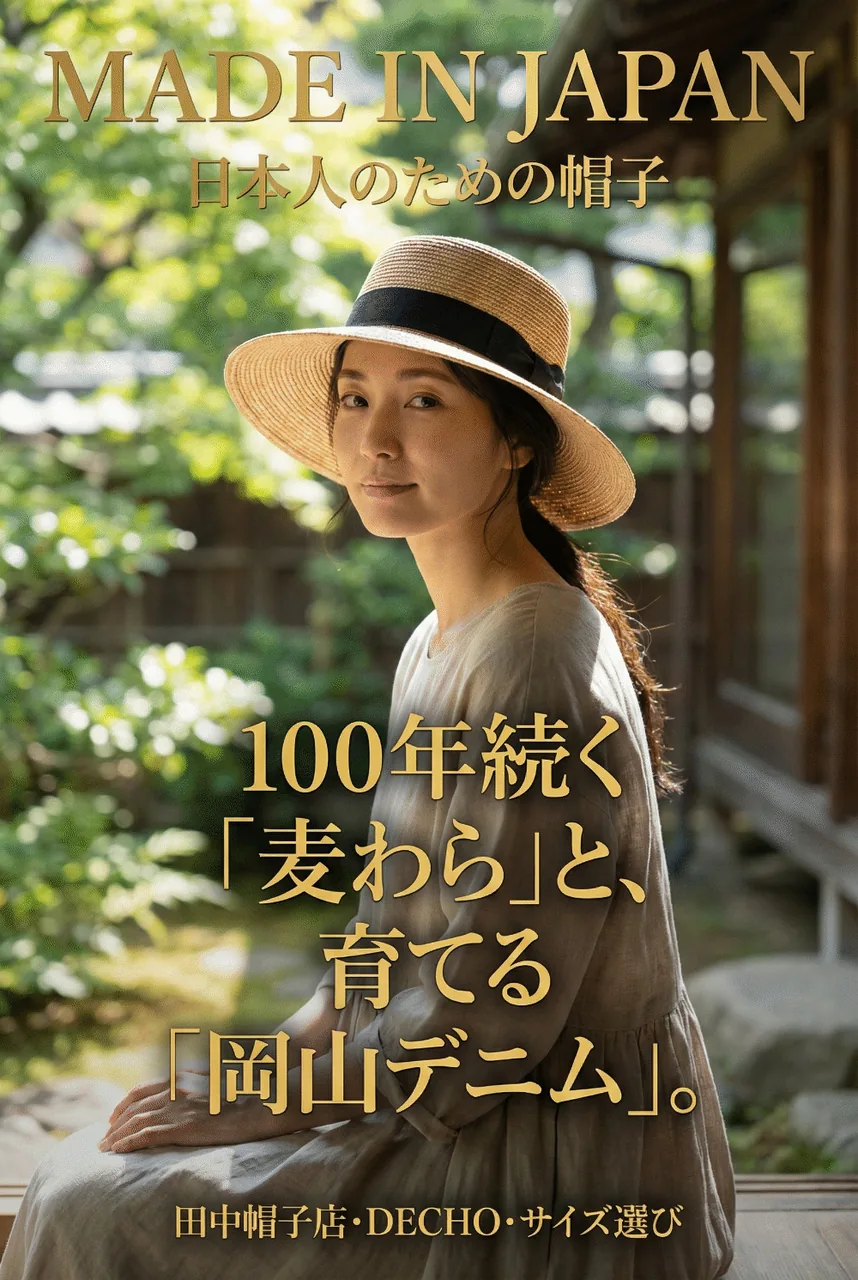
Straw Hats & Denim Caps (Saitama, Okayama)
International hats too tight? Japan's round-headed lasts make all the difference. Tanaka Boshi-ten and Okayama denim caps — fit and craft together at last.
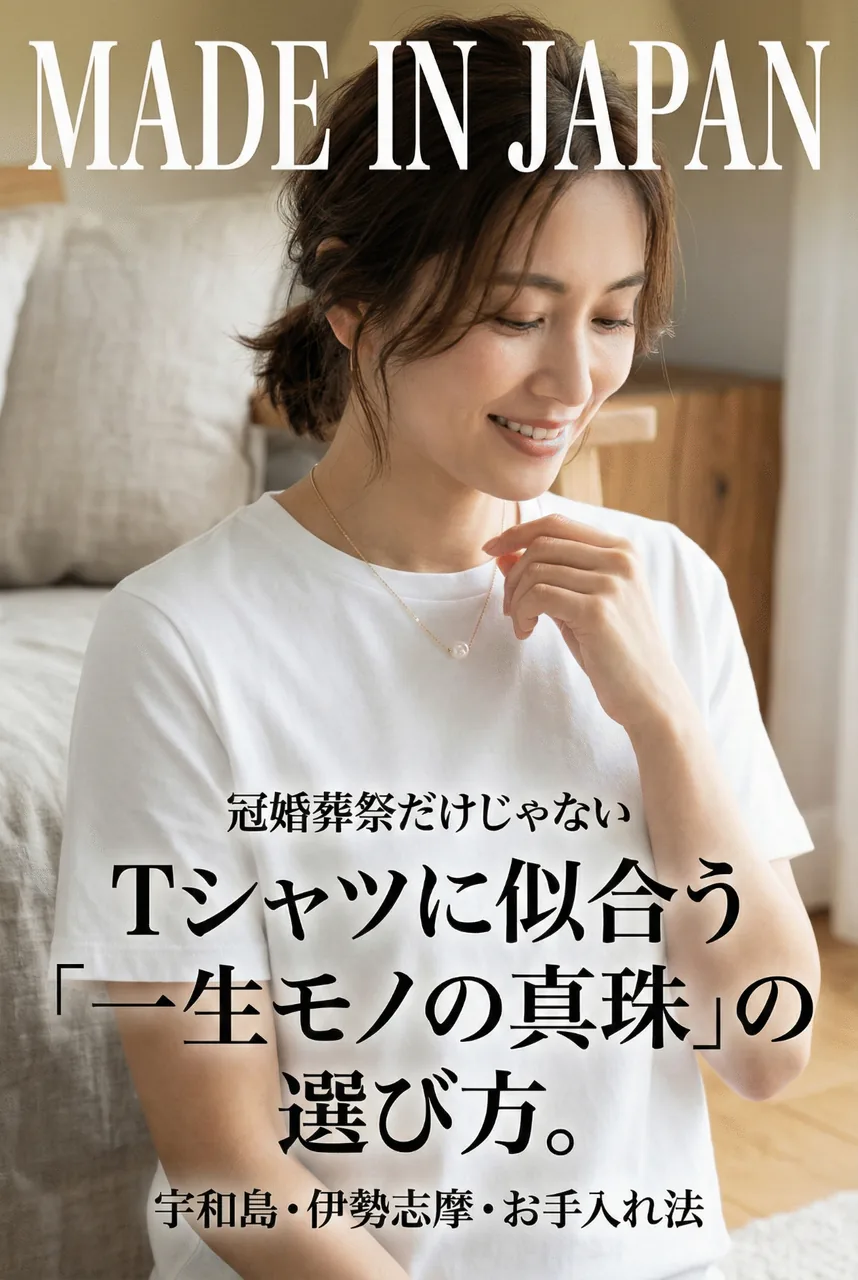
Akoya Pearls (Ise-Shima, Uwajima)
Not just for weddings. The genuine luster of Uwajima and Ise-Shima Akoya pearls looks just as right with a T-shirt as with a formal dress.
3. What You Carry: Bags, Totes & Furoshiki
A bag you reach for every day deserves to be tough, functional, and made with care. Japanese craft delivers all three.
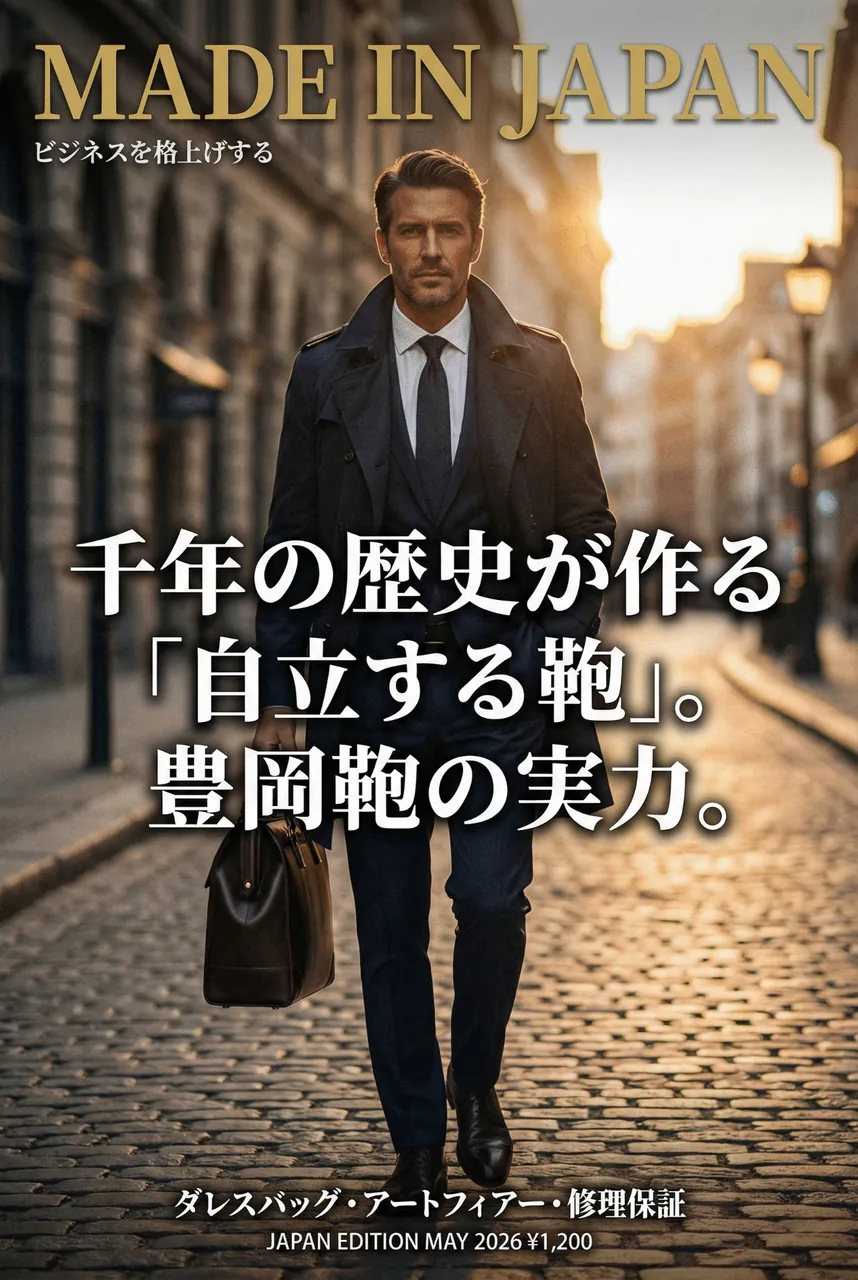
Toyooka Bags (Hyogo)
A bag that stands upright on its own. Toyooka-certified briefcases pass strict quality tests and become a reliable partner for years of daily use.
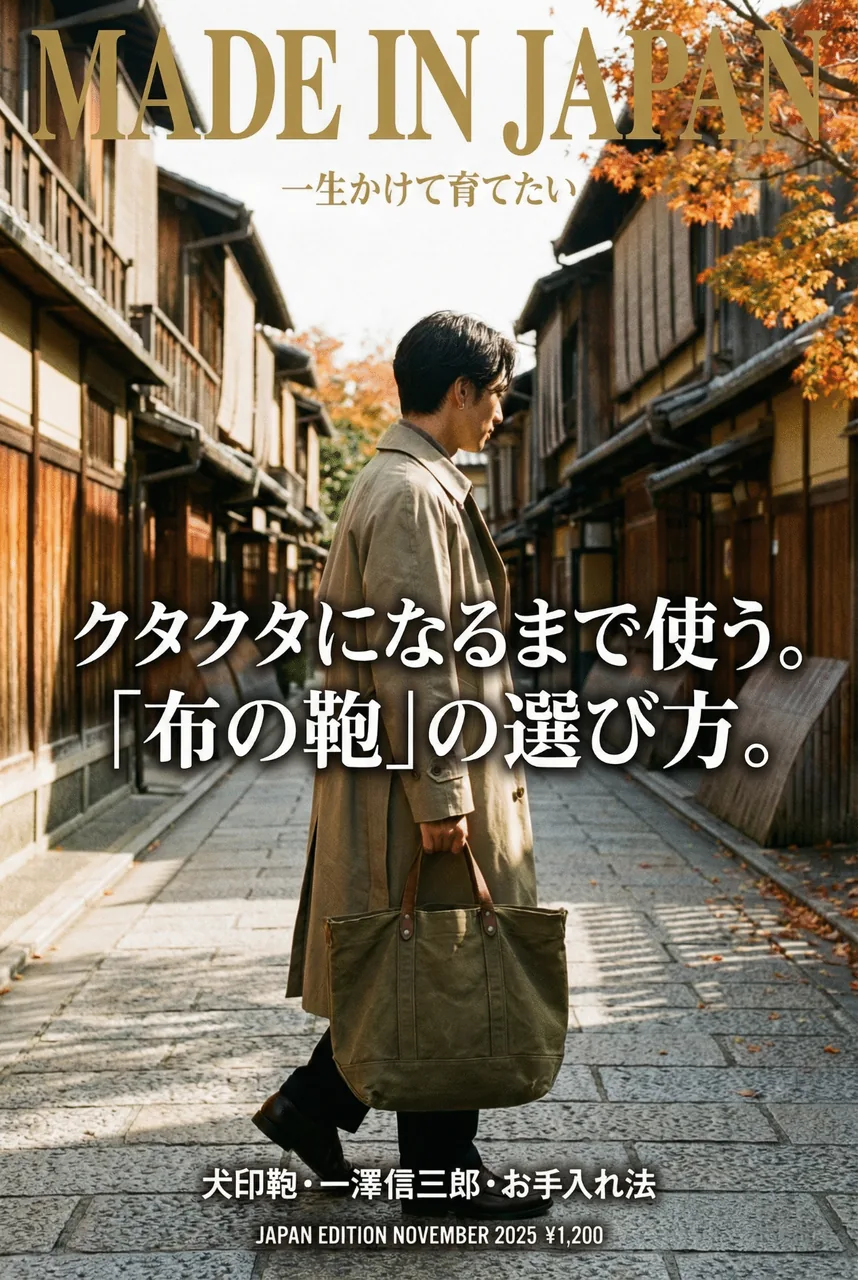
Canvas Totes & Backpacks (Kyoto, Tokyo, Okayama)
Made to be used until they're worn soft. Inujirushi Kaban, Ichizawa Shinzaburo Hanpu — canvas bags you repair and carry for decades.
Furoshiki (Kyoto, Gunma)
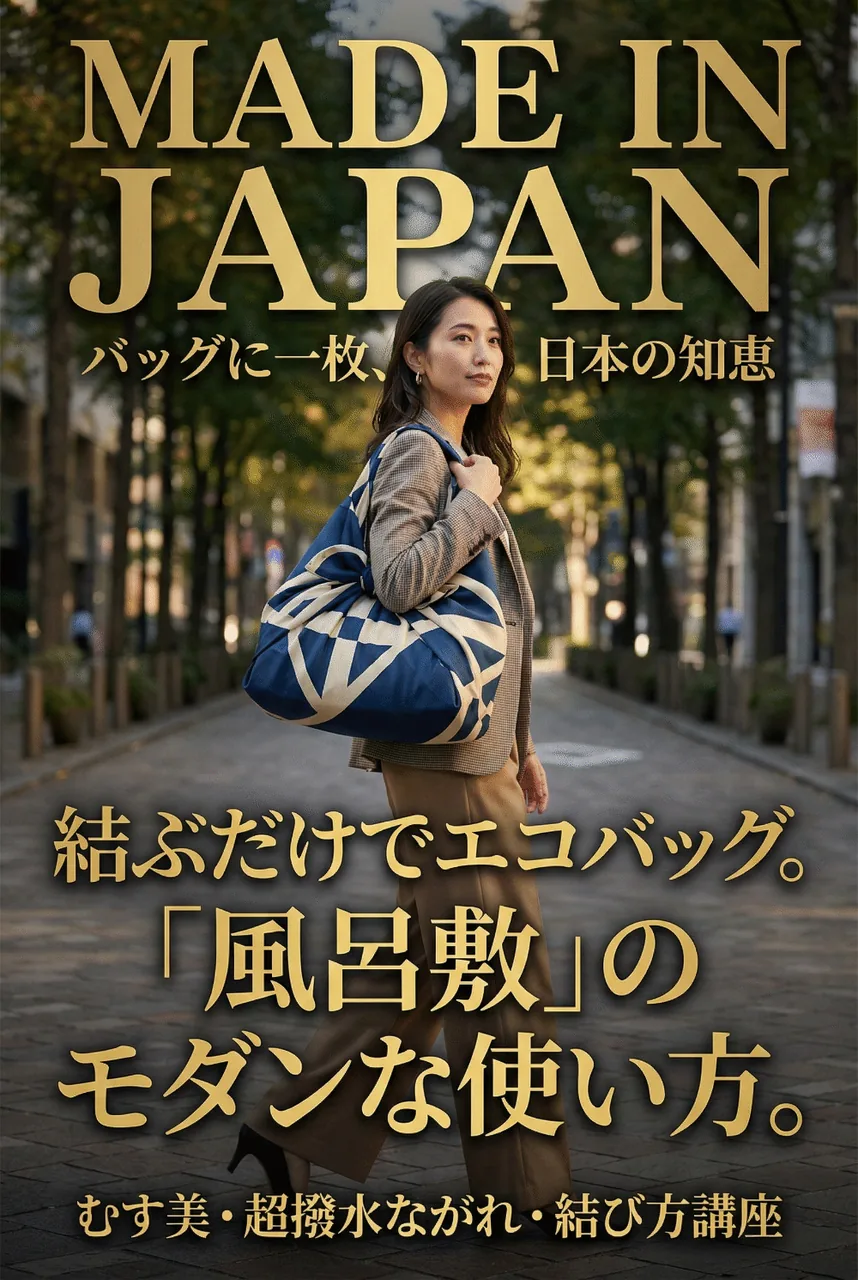
Fold it into a bag, carry a watermelon, wrap a bottle. A furoshiki (traditional Japanese wrapping cloth) fits in your pocket and handles almost anything.
4. Weather Companions: Umbrellas & Fans
Japan's climate shaped these tools over centuries. Rain and heat become something to appreciate — not endure.
Premium Rain Umbrellas (Tokyo, Yamanashi)
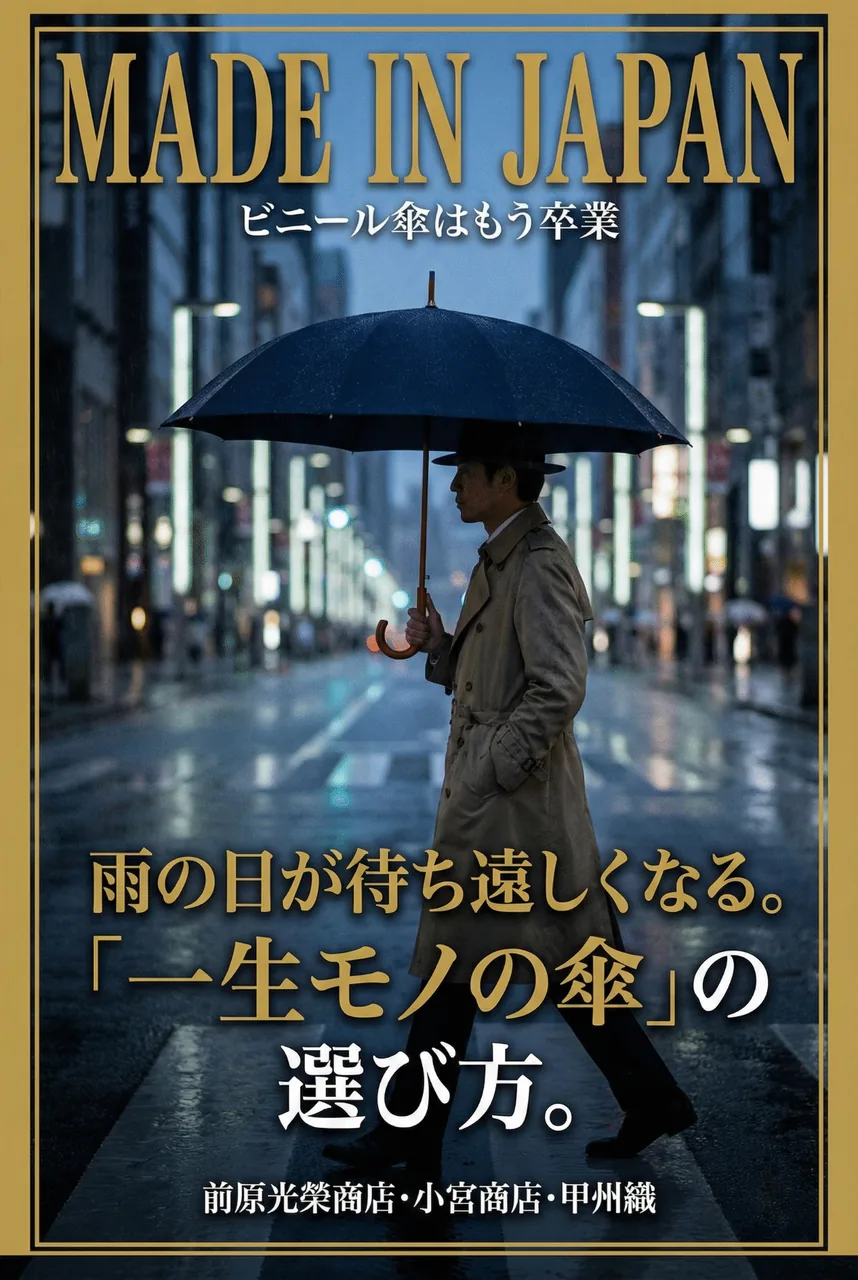
Done with disposable convenience-store umbrellas. Maehara Koei Shoten, holder of an imperial warrant, crafts umbrellas so well you start to look forward to rainy days.
Folding Fans — Sensu (Kyoto, Tokyo)
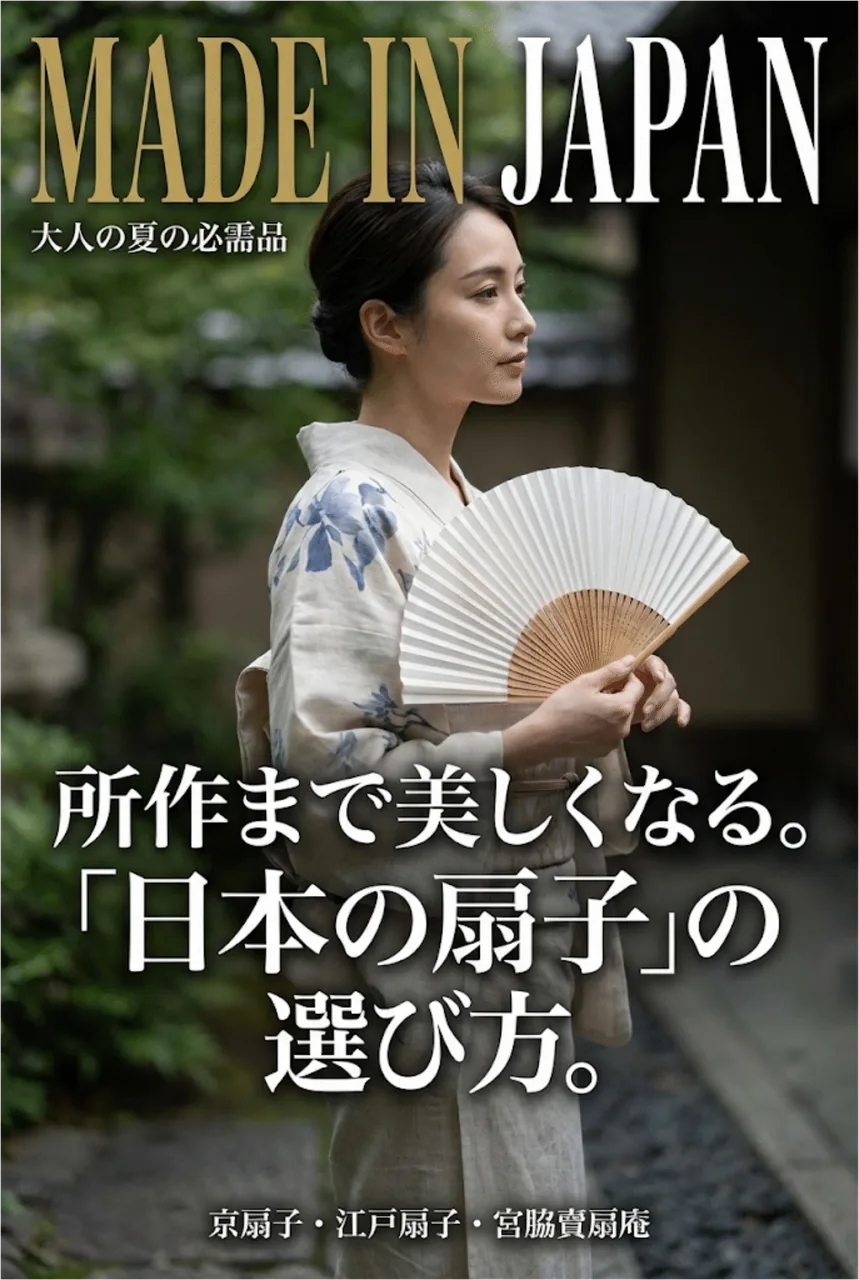
Even the motion of opening one is graceful. A sensu (Japanese folding fan) is a summer essential that makes staying cool an art.
5. The Details: Inden Wallets & Sneakers
What's in your pocket or on your feet? These overlooked spots are exactly where Japanese tradition and care belong.
Koshu Inden (Yamanashi)
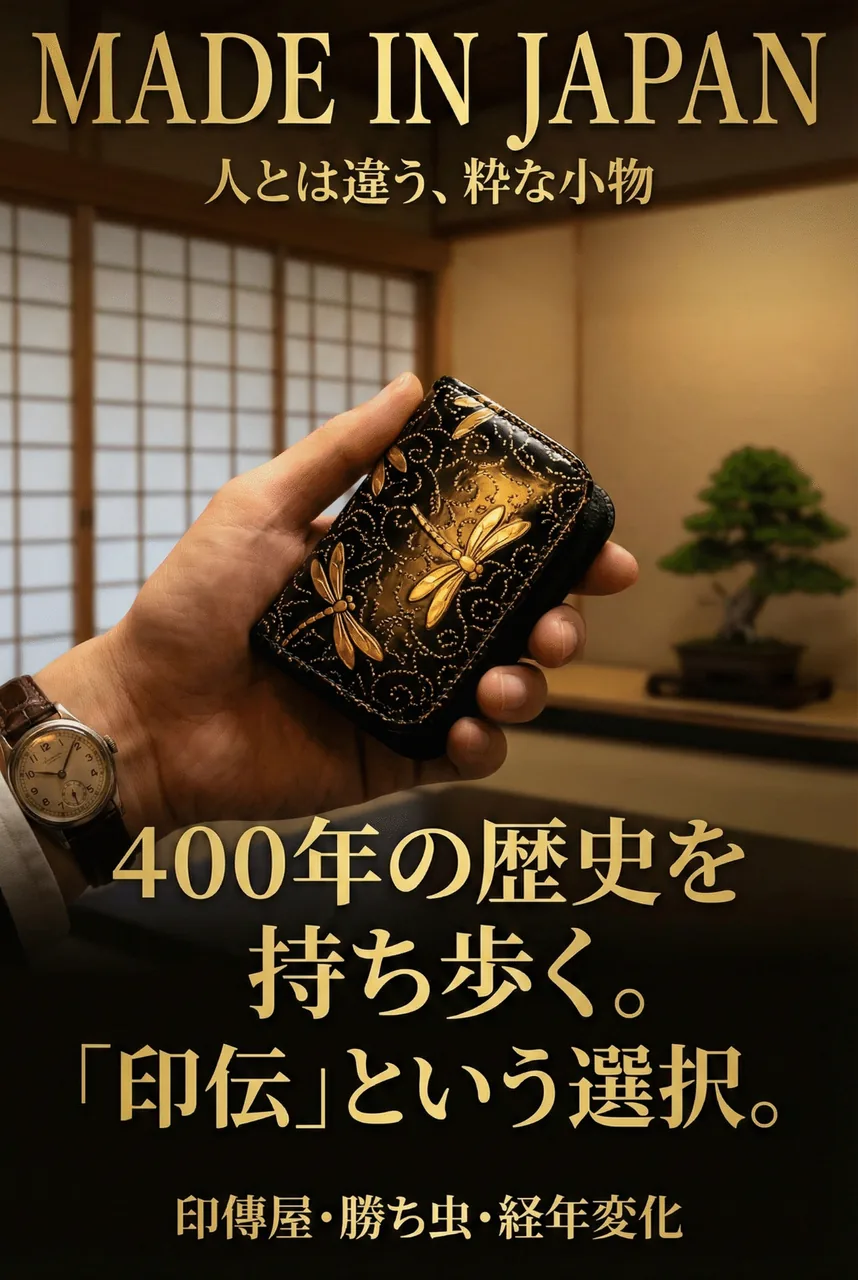
Lacquer on deerskin — a 400-year tradition. Inden (Japanese lacquered deerskin) wallets and accessories develop a deeper sheen with every year of use.
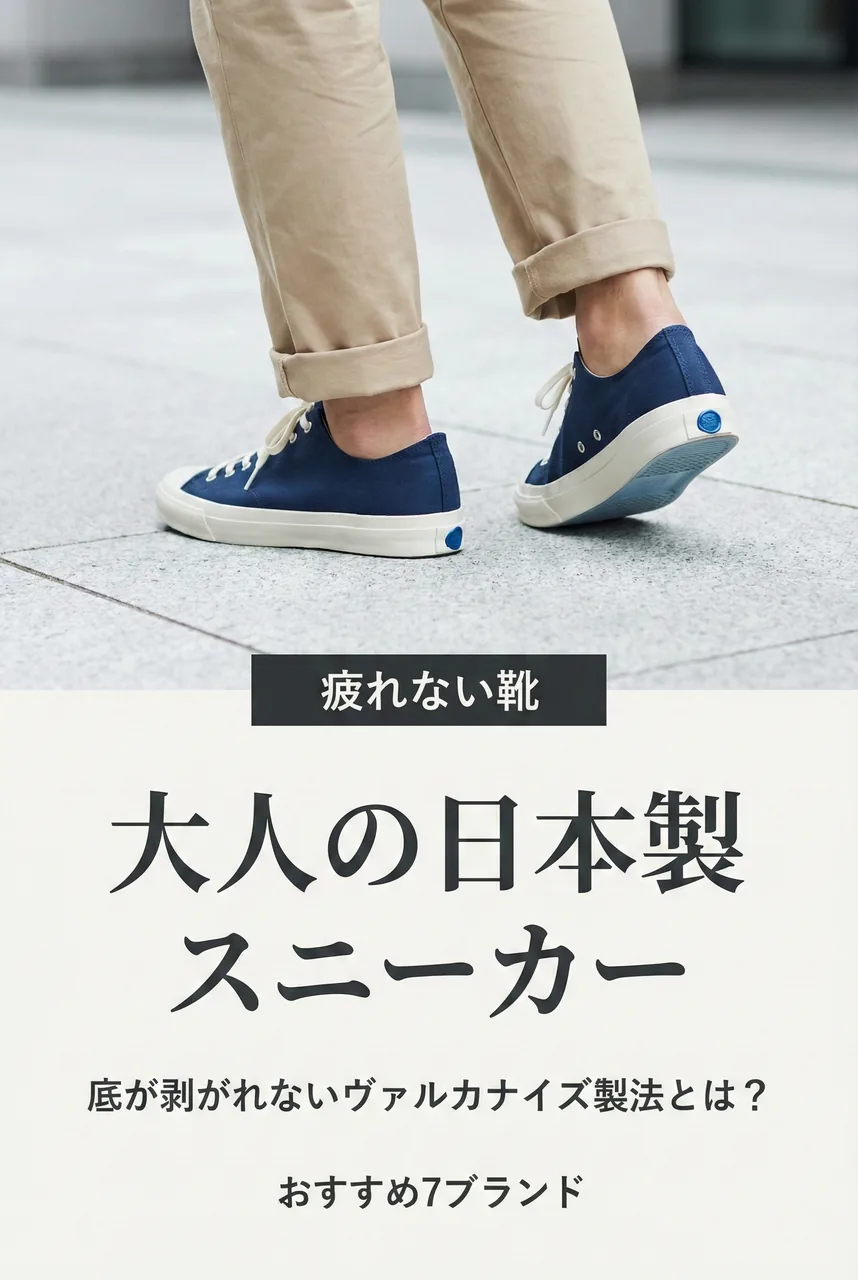
Kurume Sneakers (Fukuoka)
Kurume — Japan's rubber capital — produces sneakers using the vulcanization method that makes them nearly impossible to wear out. Moonstar leads the way.
Final Thoughts: The Luxury of Repairing What You Love
The world is full of things that are cheap and convenient.
But the chance of finding something you genuinely want to repair and keep using for the rest of your life — that's rare.
Every piece in this guide has a maker whose face you can trace, and a repair path that's clearly marked.
Even if buying one feels like a stretch at first, five or ten years of daily use will transform it from a "tool" into a "companion" — something that tells the story of your life.
Find the heirloom that's right for you.