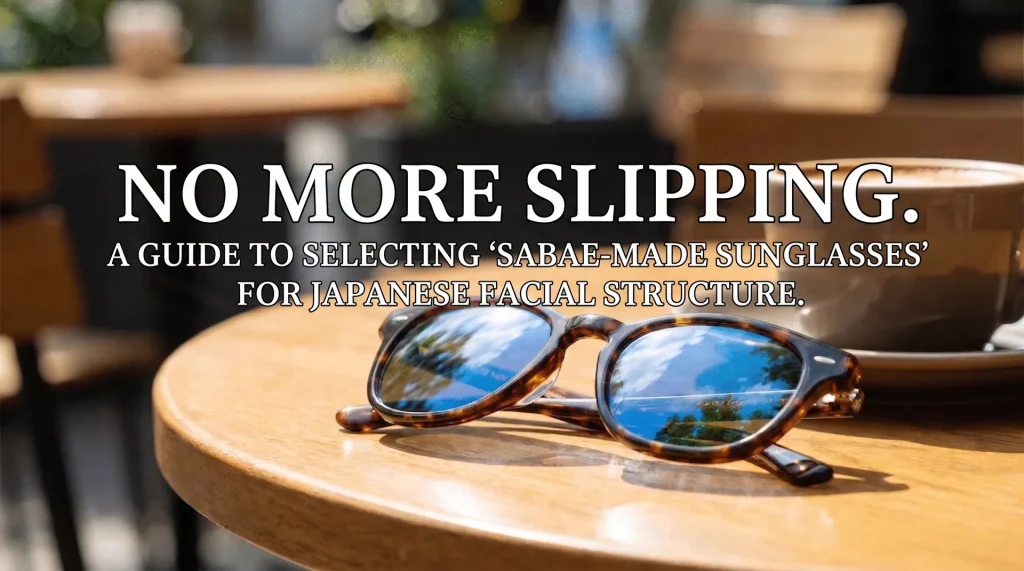
You bought a pair of sunglasses from a prestigious international brand — and they still don't feel right.
The lower rim digs into your cheeks. The moment you sweat, they slide right off your nose.
Sound familiar?
It's not your face. It's the frame — built for someone else's.
Asian faces tend to be flatter with lower nose bridges and wider cheekbones. Western frames assume the opposite.
European and American eyewear is designed for high, narrow noses and narrow cheekbones. Put those frames on a flatter Asian face and the fit issues are predictable — and avoidable.
The answer is Sabae-made sunglasses, engineered from the start for how Asian faces are actually shaped.
This guide covers what makes Japanese sunglasses different, how polarized lenses change the experience, and two brands — 999.9 and EYEVAN — worth owning for life.
Feature series: This article is part of the "Wearable Japanese Masterpieces" series.
1. Why Don't Western Frames Fit? The "Asian Fit" Problem Explained
"I love the design, but something feels off when I wear them." The culprit is almost always the curve and tilt of the frame.
Western frames wrap — Asian faces don't curve the same way
Western sunglasses are designed with a strong forward curve (base curve) to wrap around prominent cheekbones and a high nose bridge.
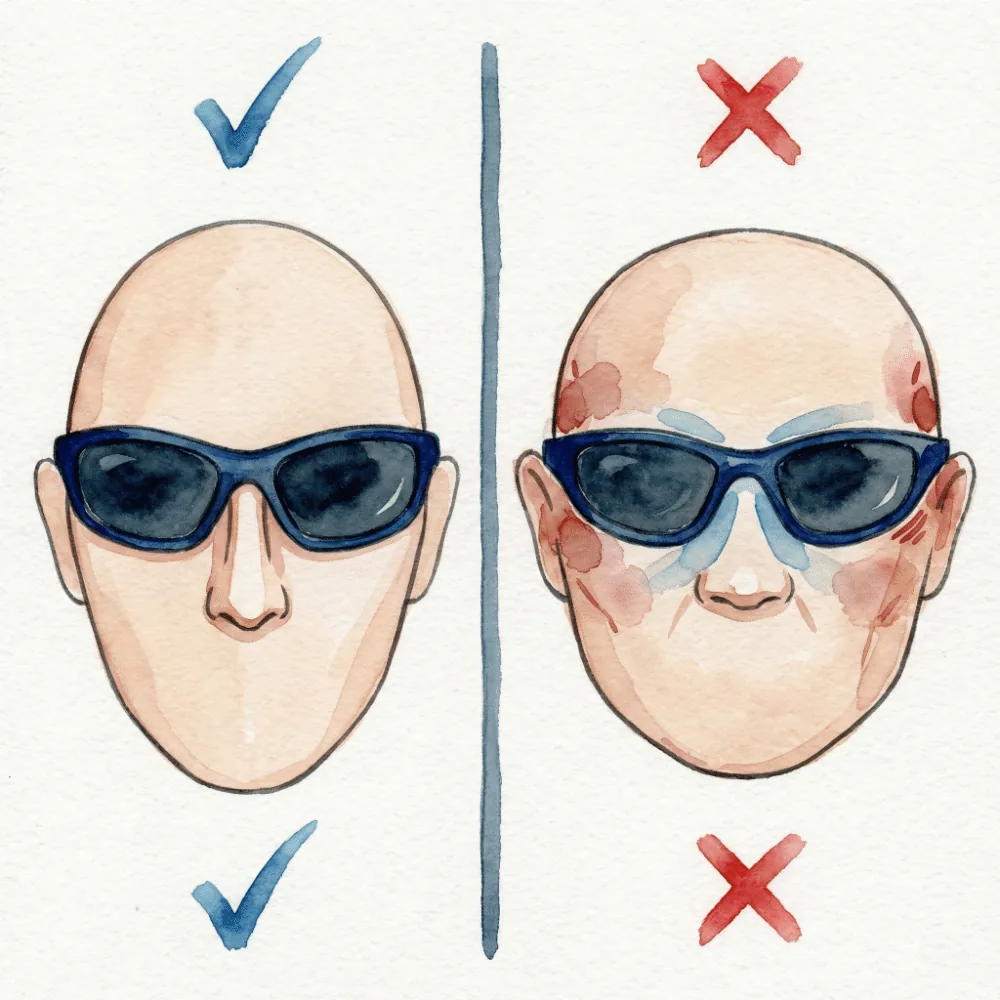
On a flatter Asian face, that same curve causes the temples to press against the sides of the head, and the lower lens edge to rest on the cheeks.
Japanese-made frames (and Asian-fit frames generally) use a gentler curve and wider bridge positioning that conforms naturally to Asian facial geometry — no pressure, no contact points where there shouldn't be any.
2. Choose by Lens: How Polarized Lenses Transform Driving and Fishing
A tinted lens and a polarized lens are two completely different things.
TALEX polarized lenses — cutting glare without cutting brightness
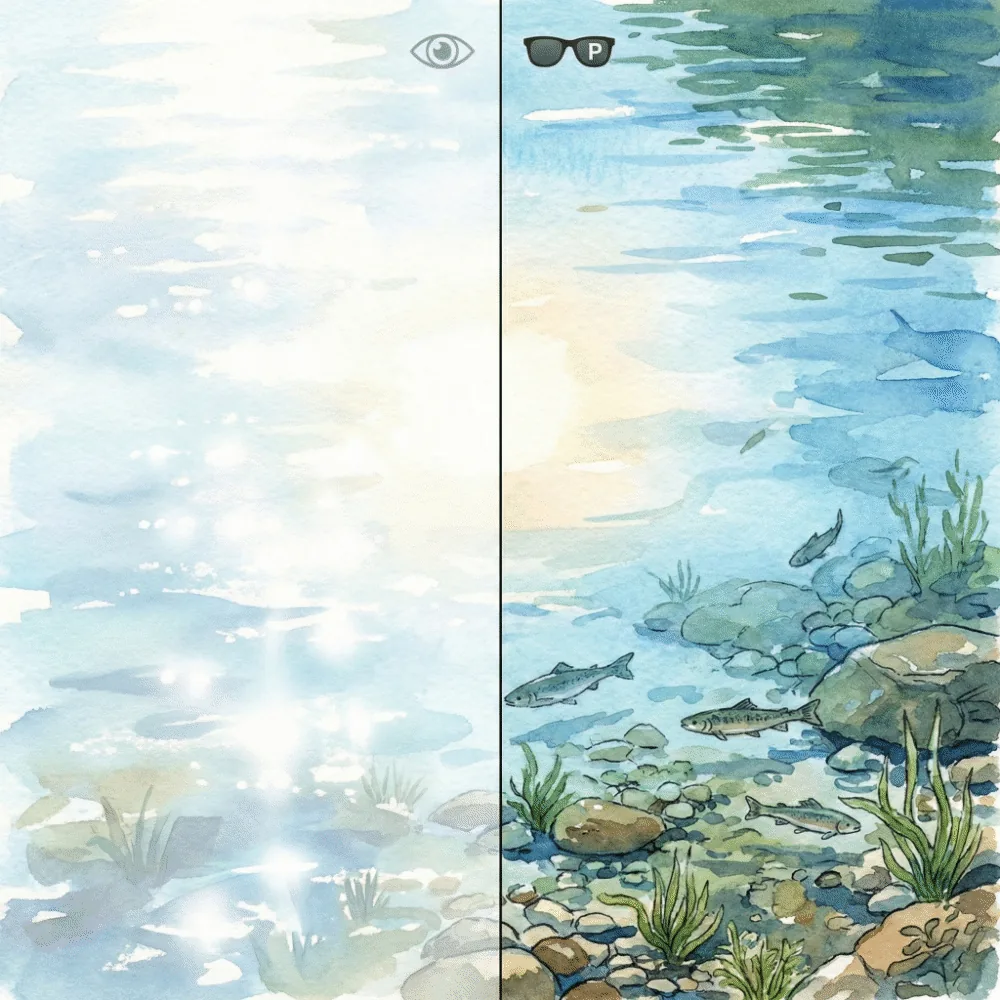
Road shimmer, windshield reflections, water surface glare — these are all "scattered light" (scattered photons traveling at multiple angles).
A polarized lens filters out scattered light while letting direct, useful light through — the result is a clearer, more comfortable view rather than just a darker one.
Osaka-based lens maker TALEX is recognized globally as one of the finest polarized lens manufacturers. Paired with a Sabae frame, the experience of driving or fishing changes completely.
"Less bright, yet not darker" — that's the paradox only polarization delivers.
3. Functional Beauty: Sabae's Adjustable Nose Pad System
The single biggest factor in preventing sunglasses from sliding is the nose pad design.
Choose "cling" (adjustable nose pads) over fixed pads
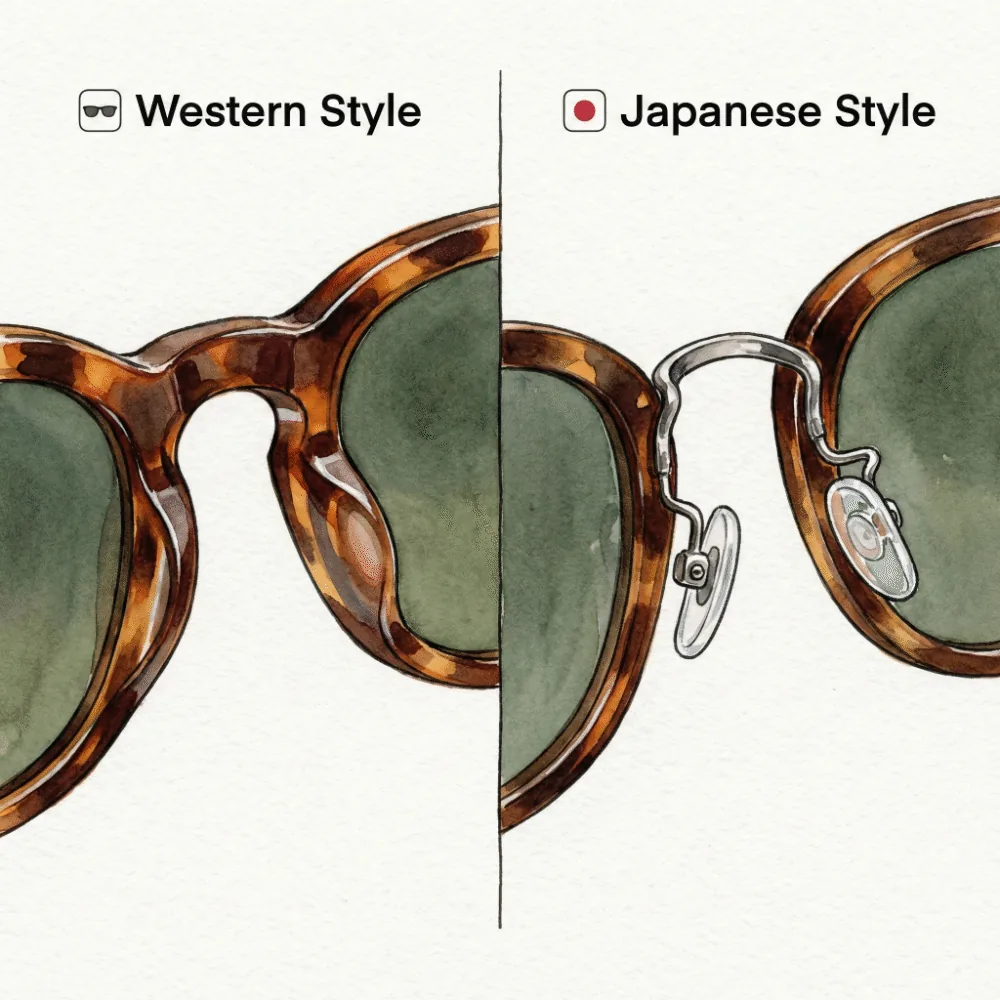
Most international frames use integrated nose pads — fixed in place, no adjustment possible.
The majority of Sabae frames use "cling-style" adjustable nose pads mounted on metal arms.
This allows millimeter-level fitting adjustments to match your exact nose height and width — meaning eyelashes won't brush the lens, and sweat won't send them sliding. A proper fit stays put.
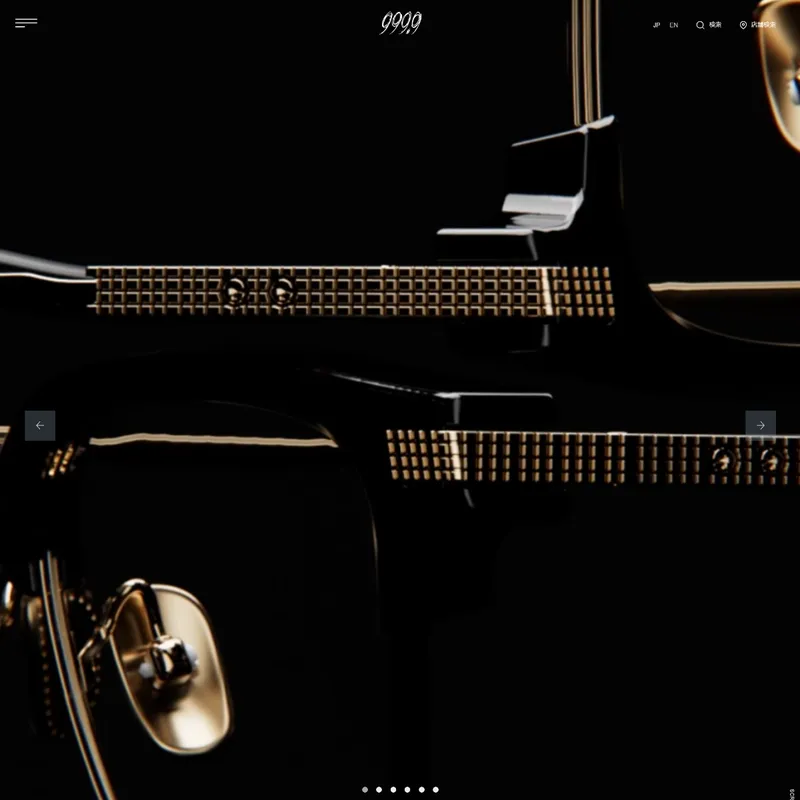
4. Recommended Brand ①: 999.9 (Four Nines) — The Pinnacle of Fit
"Eyewear is a tool" — that's the philosophy behind 999.9's relentless pursuit of pure, functional comfort.
999.9 (Four Nines) — feelsun Collection
The "reverse-R hinge" holds your head, not your temples.
999.9's sunglasses line, feelsun, is designed around the idea that sunglasses should feel like sunlight — pleasant, not present.
The key innovation is the proprietary "reverse-R hinge" at the temple joint: it flexes outward to wrap the head gently, distributing pressure evenly instead of clamping at a single point.
Designed for Japanese faces from first principles — the result is a pair of sunglasses you can wear all day without once noticing they're there.
5. Recommended Brand ②: EYEVAN — Eyewear as Fashion
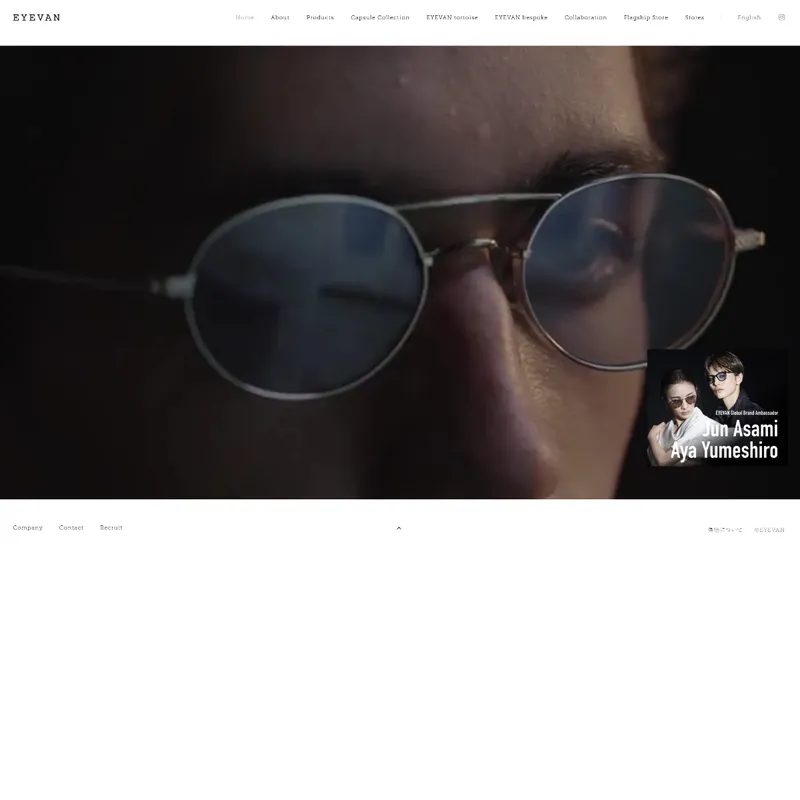
Launched in 1972 with the concept of "eyewear you wear like clothing," EYEVAN was Japan's first fashion eyewear brand.
EYEVAN 7285
Classic yet new — Sabae design recognized worldwide.
EYEVAN is produced by Optech Japan, the manufacturer that once made Oliver Peoples frames. The heritage shows.
Designs rooted in vintage eyewear but reconstructed with modern Sabae precision — subtle, intelligent, and quietly striking.
Many models use lighter lens tints, which means you can wear them with a mask without looking intimidating, and in and out of shops without removing them — a practical elegance for everyday wear.
6. Extend the Life of Your Sunglasses: Never Leave Them in a Hot Car
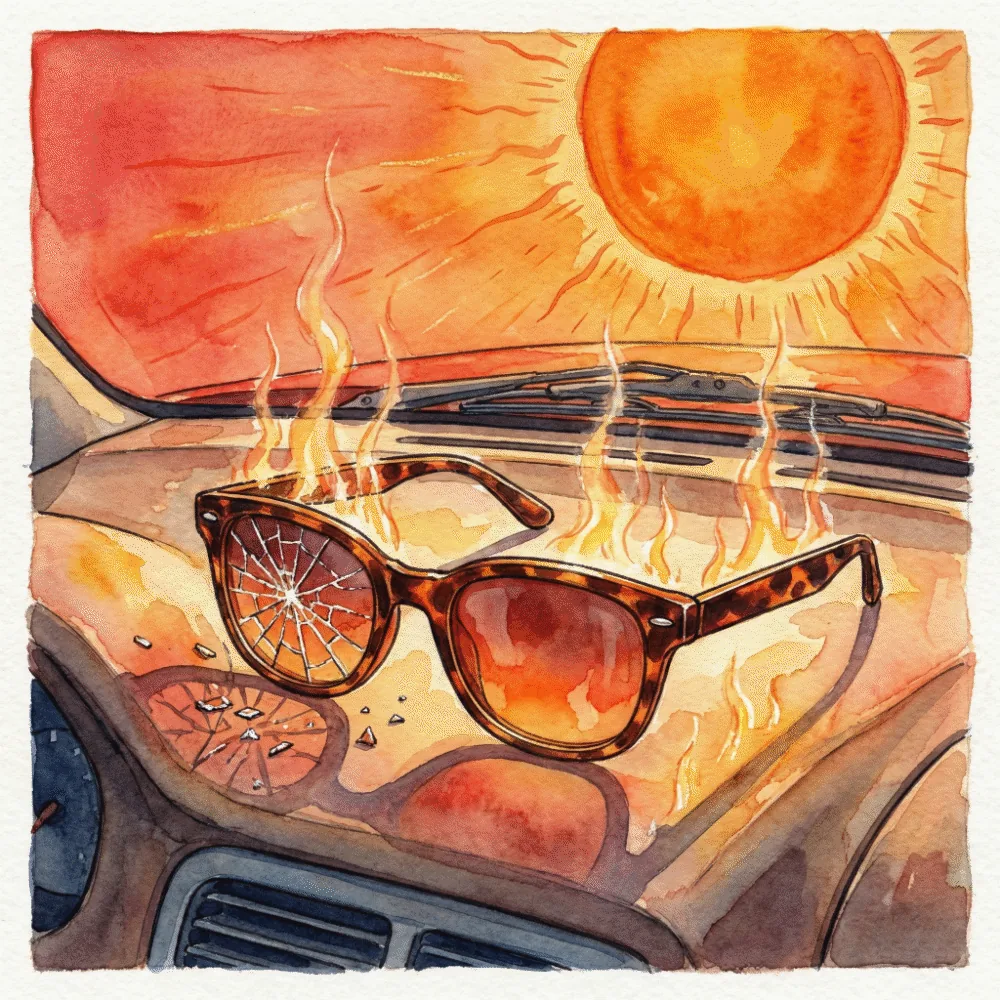
Heat is the single greatest threat to any pair of sunglasses.
Above 140°F (60°C), lens coatings crack — and a summer dashboard hits 175°F
Plastic lenses expand when hot. But the anti-UV and anti-scratch coatings on the surface don't expand at the same rate — so they get pulled apart and crack.
A car dashboard in summer easily reaches 140–175°F (60–80°C). "I keep them in the car for driving" means leaving them in the worst possible environment when you're not using them.
Always take them with you in a hard case. That's the only rule that matters for longevity.
7. Frequently Asked Questions
Can I get prescription lenses put into these frames?
Yes — most optical shops can do this without issue.
Frames with very strong curves (like one-piece shield designs) can be tricky, but standard Sabae frames like the ones featured here accept prescription lenses easily.
Note that colored or polarized prescription lenses add cost — typically $200–$300 or more for the lenses alone, depending on the shop.
Do darker lenses block more UV than lighter ones?
No — tint darkness has nothing to do with UV protection.
A clear lens with a UV400 coating blocks 99%+ of UV. Tint only controls visible light.
In fact, dark lenses without UV coating are worse than nothing: your pupils dilate in the shade, then you expose them to unfiltered UV — more damage than if you wore nothing at all.
Always look for "UV400" or "99%+ UV protection" on the label.
How long do sunglasses last?
The lens coating typically lasts 3–5 years.
UV-blocking and scratch-resistant coatings degrade with time and use. When you start to see cloudiness or the view looks hazy, it's time to replace the lenses — not the frame.
A quality Sabae frame can last decades with the lenses replaced as needed.
Do sunglasses look strange when worn with a face mask?
Light-tint lenses solve this entirely.
Lenses in the 35–50% transmission range (light blue, grey, or brown) let people see your eyes clearly, which removes any intimidating effect — even with a mask.
Light tints are also trending, practical enough for indoor use, and mean you don't need to remove them when stepping inside briefly.
What should I do after wearing them at the beach?
Rinse them in fresh water immediately.
Salt left on metal parts causes corrosion. Salt left on lenses attacks the coatings.
Rinse gently under fresh water, absorb excess water with a soft tissue, then finish with a microfiber cloth. Don't use paper towels — they scratch.
Final Thoughts: Blocking Glare, Revealing Beauty

Sunglasses are not a summer accessory. They're not just a fashion item.
They are a tool for your eyes — blocking harmful UV, eliminating scattered glare, and letting you see the world as it actually is.
A pair of Sabae sunglasses made for your face disappears the moment you put them on. No pressure. No sliding. Just clarity.
With the right pair, driving, travel, and even a walk around the block become more vivid experiences.