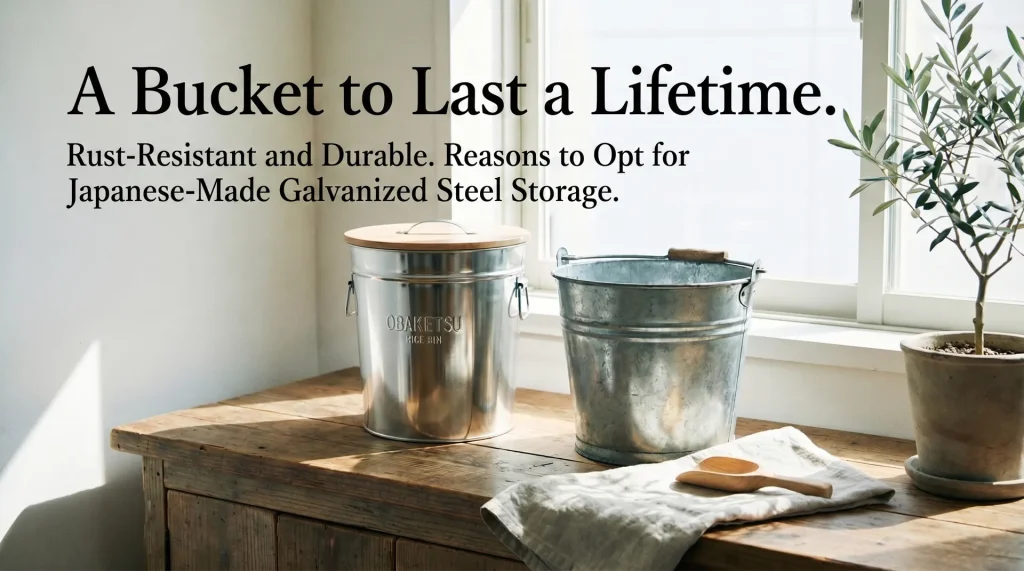
The plastic bucket you left on the balcony has crumbled apart from UV exposure.
The smell of kitchen waste has soaked so deep into your plastic trash can that washing doesn't help.
If you're tired of that disposable cycle, it's time to rediscover the old-fashioned galvanized tin (zinc-coated steel) bucket.
Galvanized tin is the same material used for roofing — it's exceptionally resistant to water and impact, and keeps out insects and moisture, making it the ultimate storage material.
In particular, OBAKETSU, made by a small factory in Himeji, Hyogo Prefecture, has become hugely popular as a rice bin and interior storage piece thanks to its durability and charming retro design.
This guide introduces Japan-made galvanized tin buckets and storage products that resist rust and last a lifetime.
Series: This article is part of the 9 Made-in-Japan Housework Tools for Life series.
Quick Reference: Galvanized Bucket Sizes & Uses at a Glance
| Size | Capacity | Best For | Notes |
|---|---|---|---|
| Small (5L and under) | Up to 5L | Window cleaning, bathroom, planters | Easy to carry; ideal for indoor use |
| Medium (10L) | Approx. 10L | Floor mopping, car washing, laundry | The most versatile, go-to standard size |
| Large (15L+) | 15L or more | Rice bin, trash can, outdoor work | Large capacity; many models come with lids |
| Deep (tall) | Depth over volume | Flower arranging, pickling, long items | Tall and narrow; saves floor space |
1. Why Galvanized? | Rust-Resistance and the Difference from Tin-Plated
They look similar, but galvanized steel and tin-plated steel behave very differently.
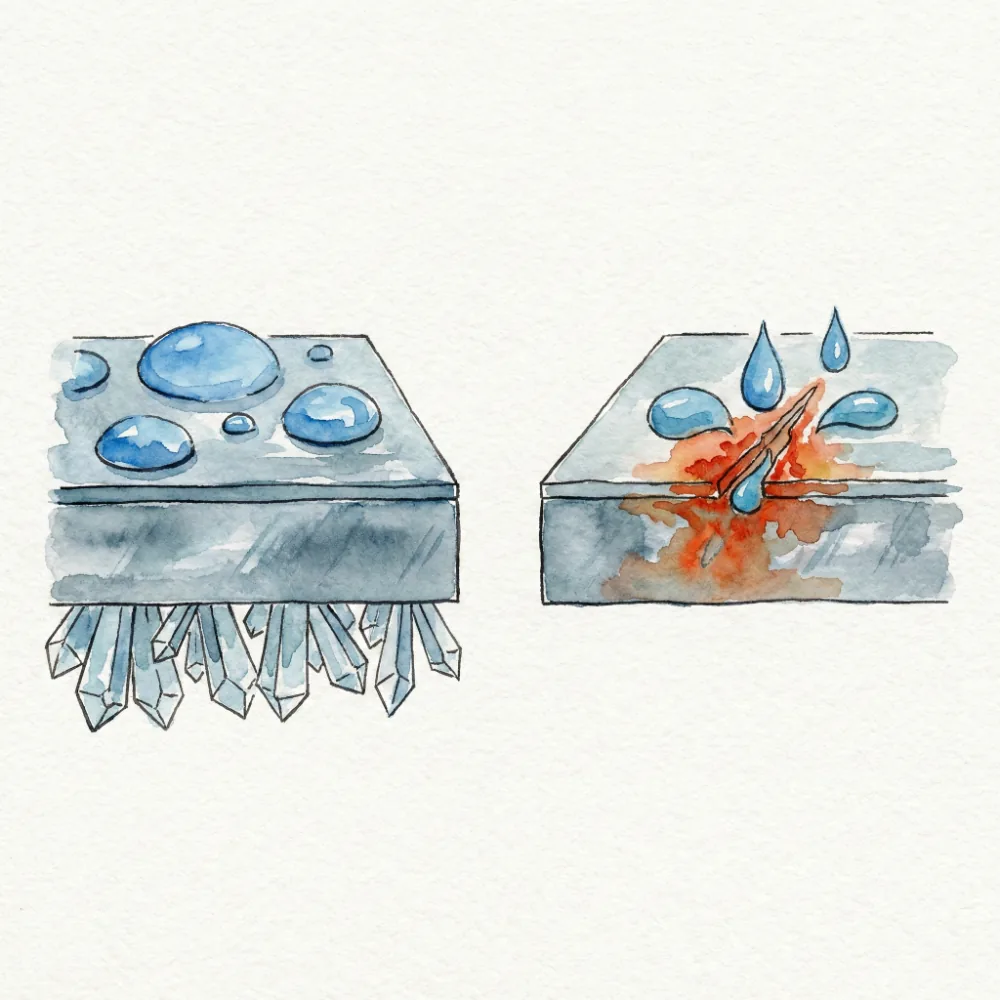
Galvanized Steel Is Protected by Zinc; Tin-Plated by Tin — Zinc Wins Against Water
Galvanized (totan): Steel coated with zinc. Because zinc corrodes before the steel does, it sacrificially protects the iron underneath — making it extremely resistant to water and outdoor conditions.
Tin-plated (buriki): Steel coated with tin (used in toys and canned goods). Beautiful, but once scratched, it rusts rapidly from that point.
For buckets, roofing, or any hard-working environment, galvanized tin wins every time.
2. OBAKETSU from Himeji | Hand-Crafted with Zero Leaks
Watanabe Metal Industry in Himeji City, Hyogo Prefecture — Japan's representative galvanized tin brand.
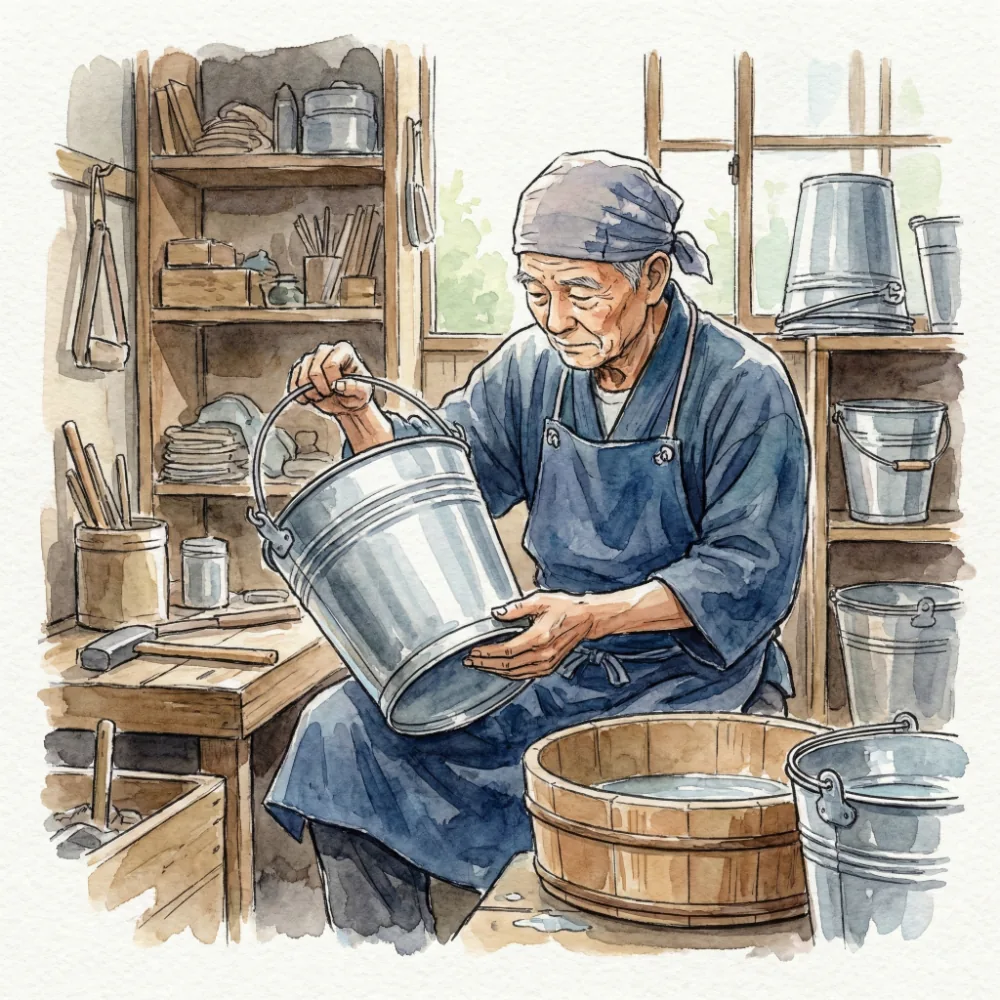
The "Caulking" Joint That Machines Alone Can't Perfect — Every Bucket Is Leak-Tested
The base of the bucket is joined using a technique called "caulking" — interlocking the metal edges like hooks.
This requires a final adjustment by a skilled craftsperson that machines alone cannot achieve with sufficient precision.
On top of that, every single bucket is water-tested before shipping — so it will never leak, even when filled with liquid.
3. The Best Rice Bin | Why OBAKETSU's Rice Stocker Keeps Selling
OBAKETSU's biggest hit is the Rice Stocker — and there are very good reasons why it has sold over 200,000 units.
OBAKETSU Rice Bin — 10 kg Capacity
Shields rice from light and humidity — rolls out easily on built-in casters.
Galvanized steel blocks light and resists changes in temperature, making it ideal for storing rice.
The double-layer lid has a holder for dehumidifying agents or moth repellents, adding real practical value.
Smooth-rolling casters mean you can slide even a fully-loaded bin with one hand.
The retro-chic design means you can leave it on the kitchen floor without it looking out of place.
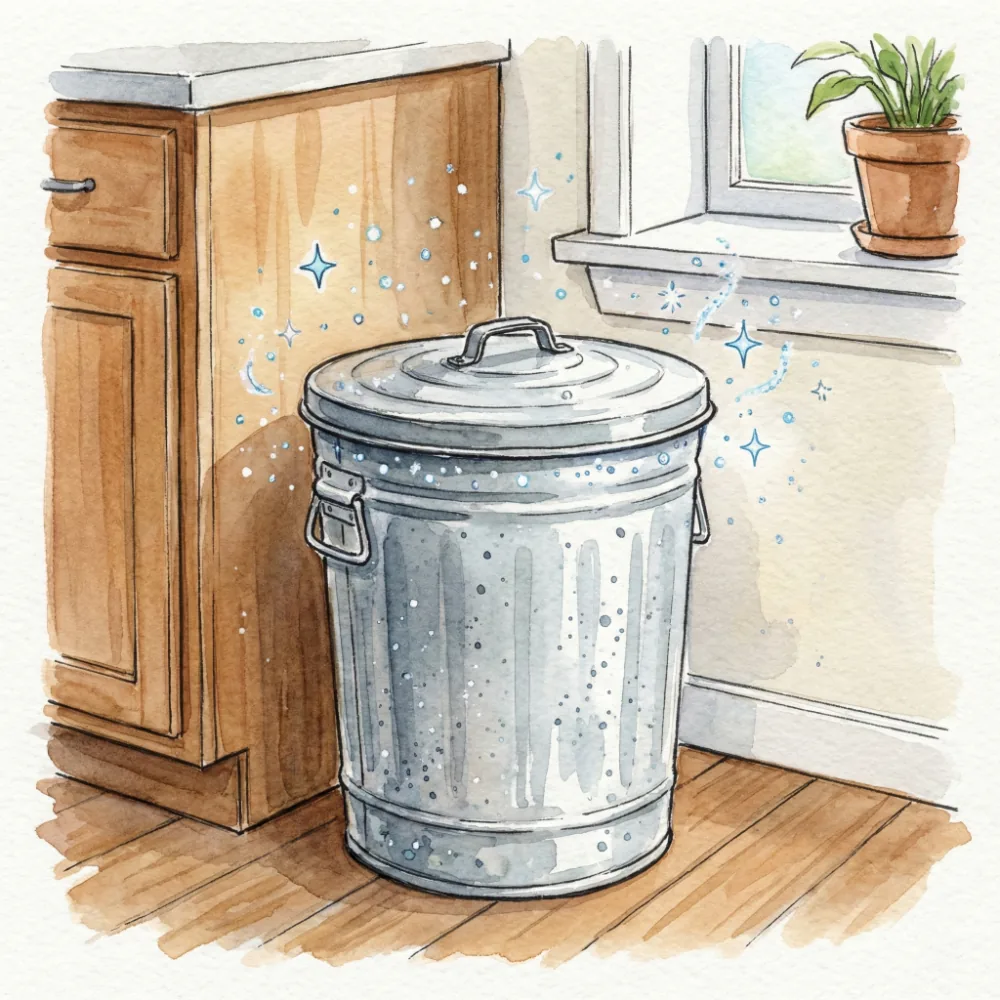
4. No More Odors | Using It as a Trash Can for Kitchen Waste
Plastic trash cans absorb odors permanently once they set in — but galvanized tin is different.
Metal Doesn't Absorb Smells — Rinse and It Resets Completely
Metal galvanized tin does not absorb odors.
Whether you're using it for kitchen scraps, pet toilet sheets, or baby diapers — once you've emptied it and given it a quick rinse, the smell is completely gone.
The lid also fits with relatively high precision, which helps contain odors in the first place.
5. For Cleaning and Laundry | Matsunoya's Compact Galvanized Bucket
A simple, unpretentious bucket made at a small Osaka factory, handled by the household goods wholesaler Matsunoya.
Matsunoya Galvanized Mini Bucket (Small)
Perfect for floor wiping and soaking laundry. Tough and pleasingly nostalgic.
A small bucket with a wooden handle — unmistakably vintage in its feel.
Galvanized tin handles heat and chemicals, so you can safely use it for boiling or soaking with oxygen-based bleach.
Even when not in use, fill it with cleaning supplies and set it on a shelf — it looks like a still life.
6. Camping and Gardening | Durability That Only Gets Better with Use
A galvanized tin bucket isn't just for indoors — it's a workhorse outside too.
Ash Catcher for the Campfire, Soil Bin for the Garden
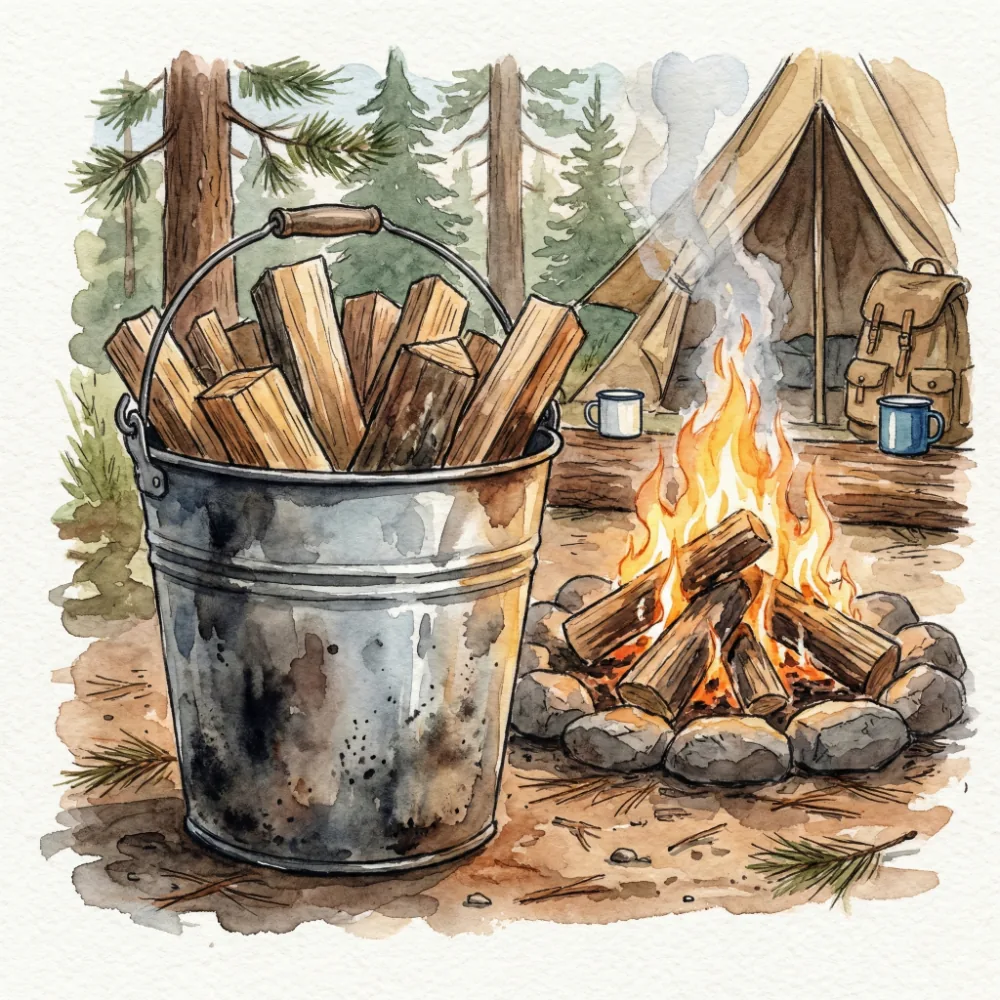
Its heat resistance makes it popular among campers as a charcoal or ash catcher — a substitute for a fire extinguisher bucket.
It also won't degrade in UV light, so you can leave it on the balcony or in the garden filled with soil or compost and it will never crack.
A dent here, a scratch there — that's not damage, that's character. It's what makes galvanized tin so appealing.
7. Care and Maintenance | "Wipe After Use" — The Only Rule
Galvanized tin is highly rust-resistant — but that doesn't mean it's completely rust-proof.
Dry It After Each Use and It'll Last Decades
Left standing with water in it for extended periods, even galvanized tin can eventually rust at the joints.
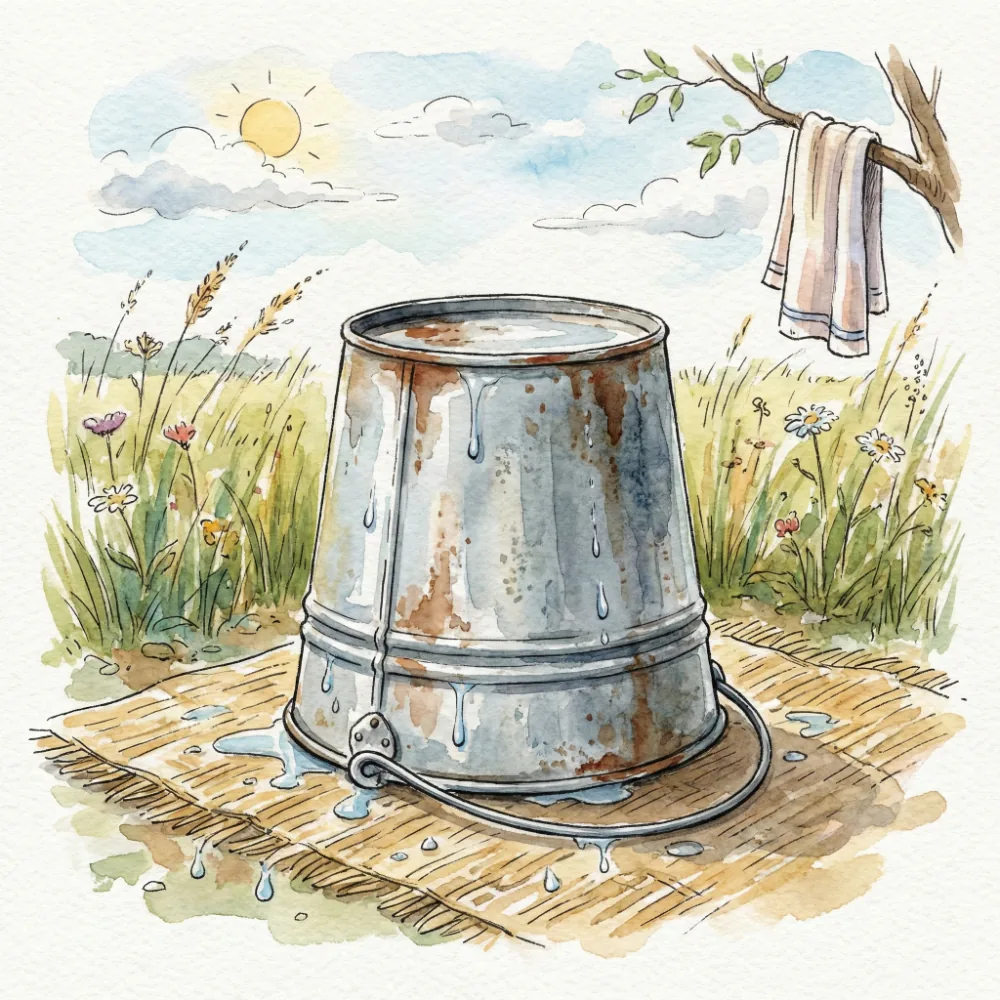
After each use, empty the water, wipe away any moisture with a cloth, and let it air-dry in a well-ventilated spot.
That's all it takes to keep it going for decades without developing holes.
8. Frequently Asked Questions
There's some reddish-brown rust appearing. Is it ruined?
If there are no holes, it's still usable.
When the zinc coating wears thin, you may see red iron rust — but this is often slowed by "white rust" (oxidized zinc) forming over it.
If it bothers you, scrub the rust with steel wool and dry thoroughly. A little rust just adds to the antique charm.
I knocked it and dented it. Can it be fixed?
You can usually tap it back into shape from the inside.
Galvanized tin has enough flexibility that tapping from the inside with a rubber mallet can reshape a dent.
Unlike plastic, it won't crack — so you can keep adjusting and using it for years to come.
Can I use it directly as a pickling vessel?
Please avoid putting food directly in it.
Salt and acid rapidly corrode the zinc coating on galvanized tin.
If you want to make pickles or miso, always line it with a food-safe pickling bag (plastic) before adding your ingredients.
Does the OBAKETSU lid seal tightly?
Not airtight, but the fit is very precise.
There's no rubber gasket, but skilled craftspeople fine-tune each lid so it closes flush with minimal gaps.
Insects and dust won't get in — but don't tip it sideways with liquid inside, as it may leak.
Is it safe to leave outside permanently?
Yes — it's essentially a roofing material, so UV and rain are no problem.
That said, if rainwater pools at the bottom and sits there, the base can rust over time. Store it upside-down or choose a lidded model to avoid this.
Can I use it as interior decor?
Absolutely — in fact, it's become quite popular as a decorative piece.
As a plant-pot cover or small-item holder, it fits beautifully into natural or industrial interior styles.
OBAKETSU's colorful range makes it a room accent in its own right — demand has grown not just as a tool, but as a display object.
Final Thoughts: A Bucket That Grows More Beautiful with Every Dent
A shiny brand-new bucket is beautiful in its own way — but the true character of galvanized tin only reveals itself after five or ten years of use.
The surface loses its bright sheen and settles into a matte grey. Small dents and scratches accumulate.
That's not degradation — it's patina. More like aged denim than worn-out plastic.
Why not retire the cycle of buying and throwing away, and bring home one lifetime bucket instead — something you'll still be reaching for as an old person?
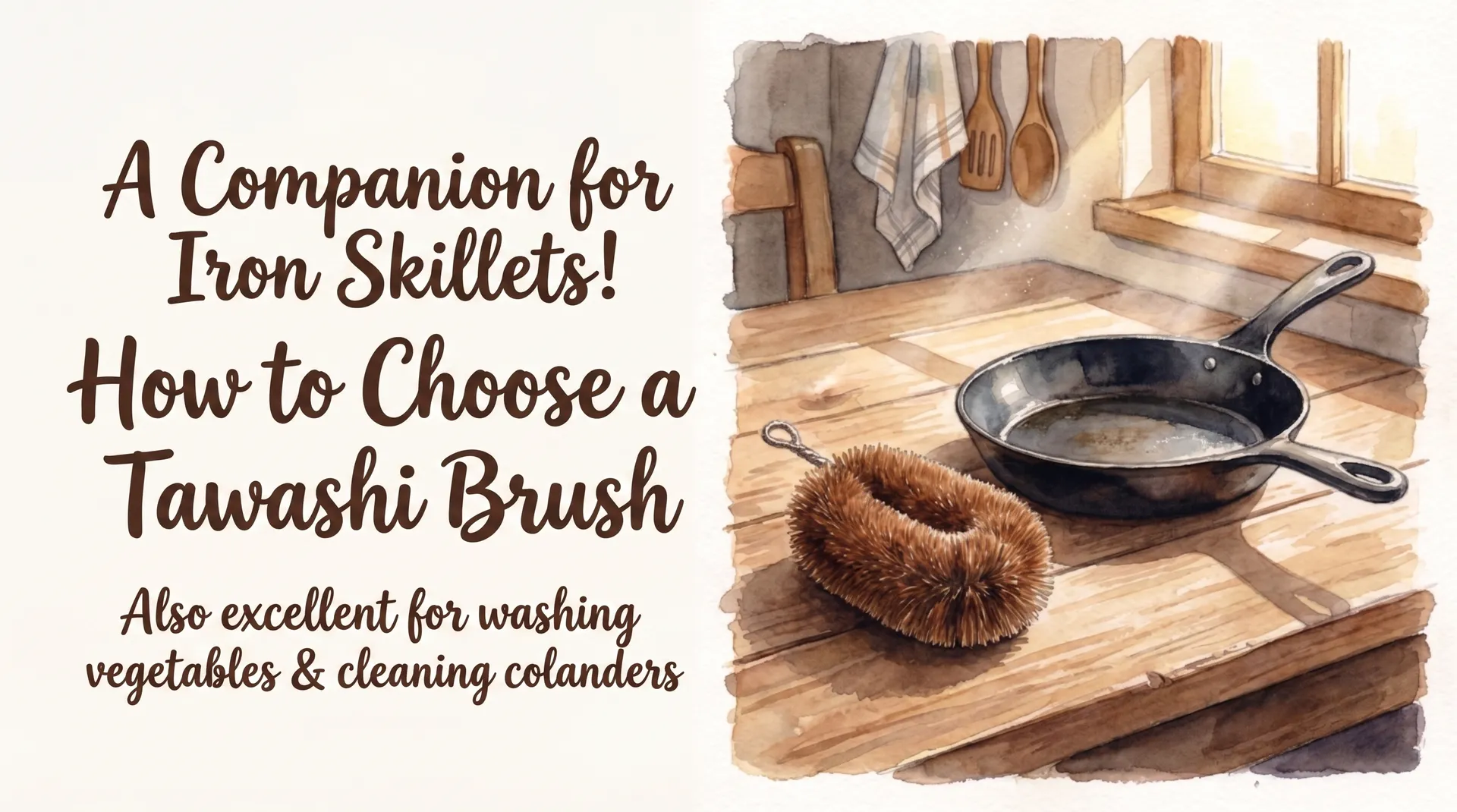
Kamenoko Tawashi: Japan's 100-Year-Old Scrubbing Brush for the Kitchen
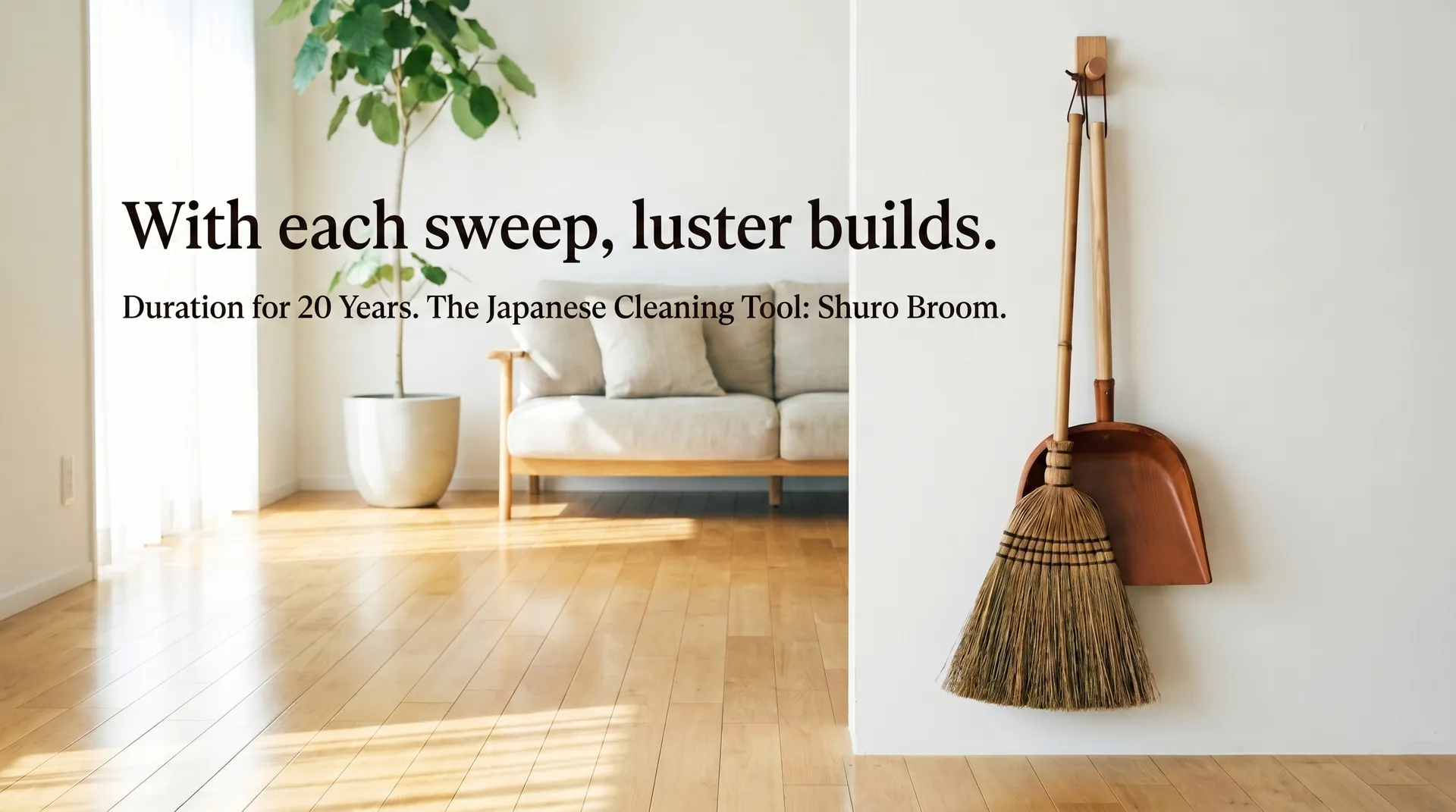
Shuro Palm Broom: The Lifetime Cleaning Tool Made by Wakayama Craftsmen