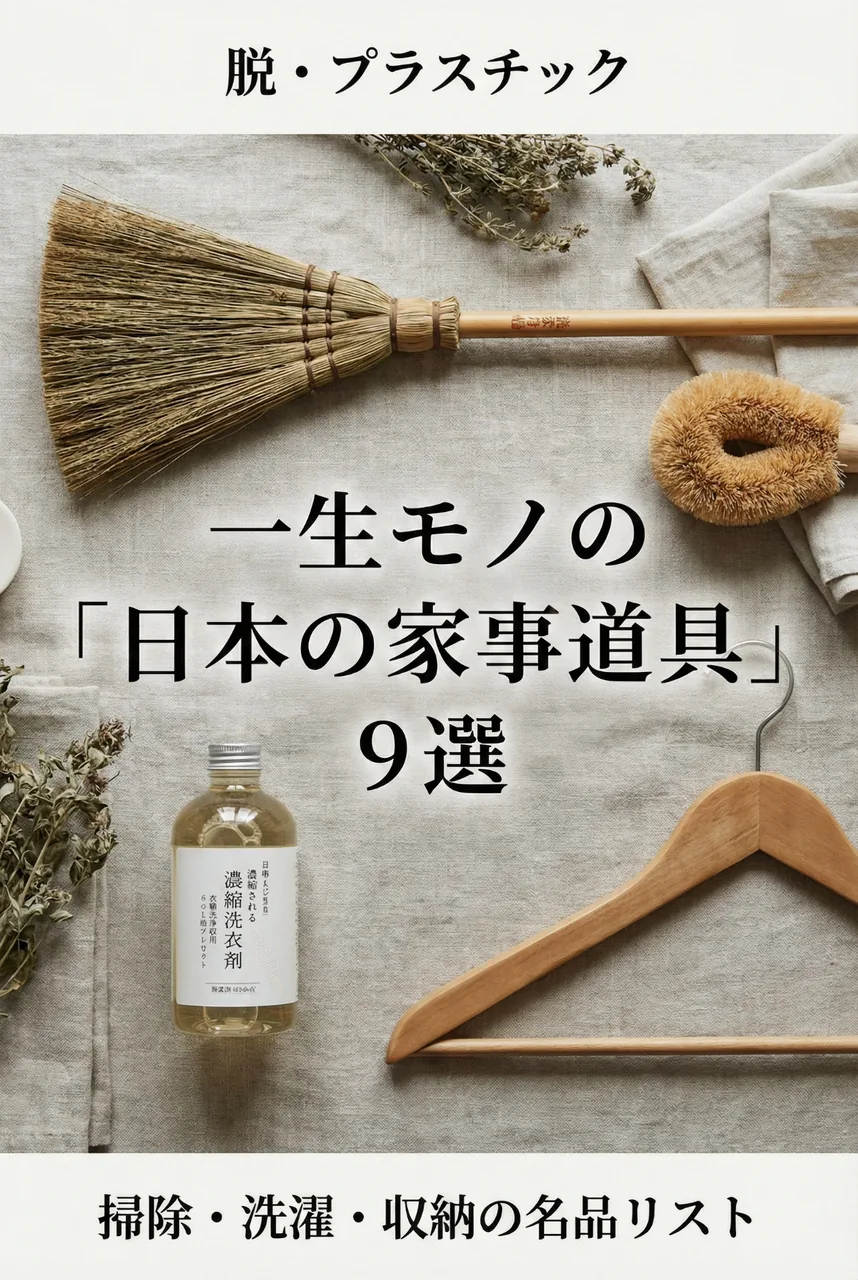
"I put them in the washing machine and the mud stains on the socks still didn't come out..."
"The yellowing on my dress shirt collars just keeps getting worse..."
Even with the latest washing machine, some stubborn stains refuse to budge. The secret to getting them out lies in just one minute of pre-washing before the machine cycle.
That's why Japanese-made wooden washboards and natural-bristle laundry brushes are being rediscovered today.
Analog as they may be, their power to dislodge dirt embedded deep in fibers is something no modern appliance can match.
This guide introduces the finest Japanese pre-wash tools — along with the techniques to get clothes brilliantly clean without damaging the fabric.
Series: This article is part of the 9 Made-in-Japan Housework Tools for Life series.
1. Why the Washboard, Now? | How It Out-Cleans Hand-Rubbing
"Isn't it basically the same as scrubbing by hand?" You might think so — but the cleaning mechanism is completely different.
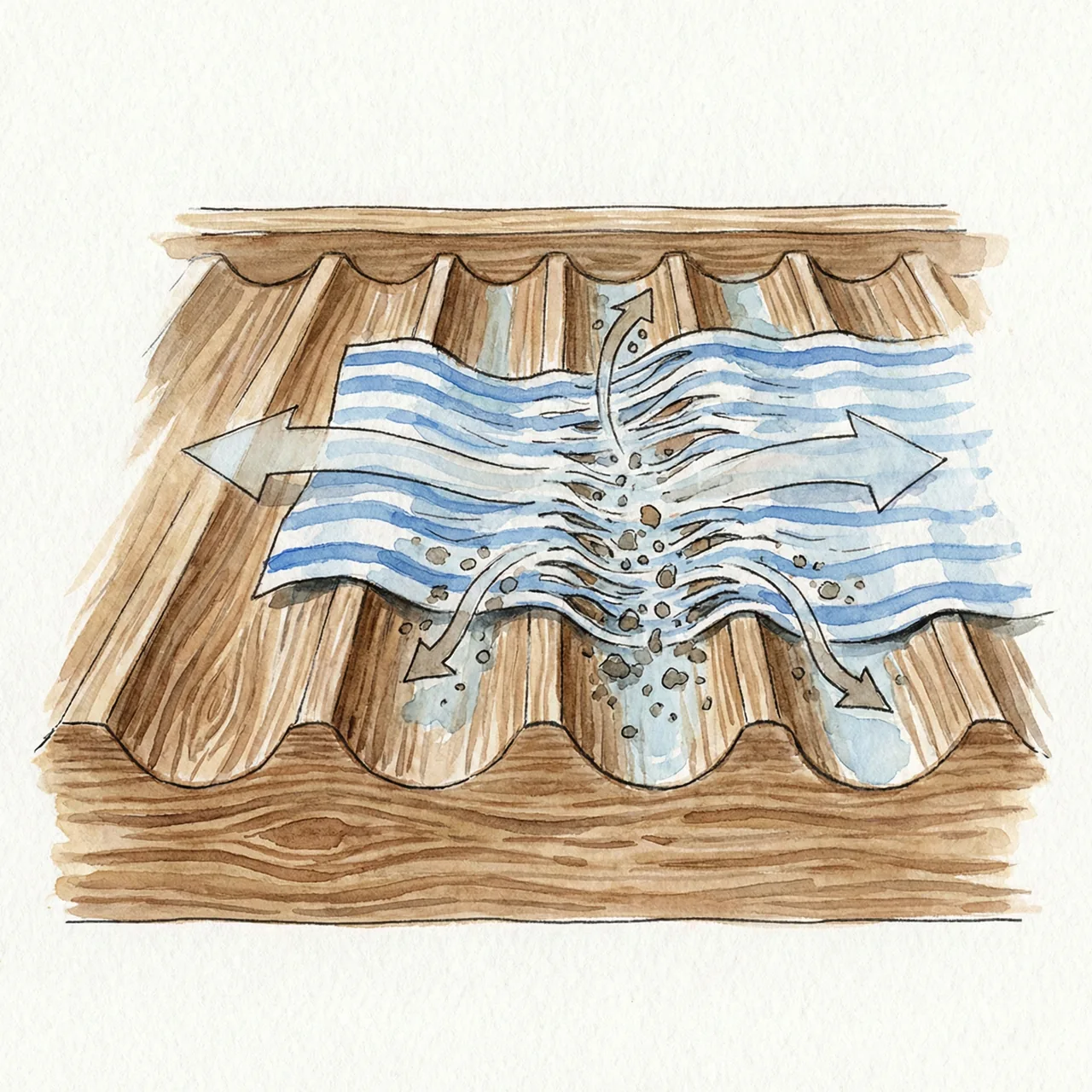
The Ridged Grooves Create a Wave Effect — Forcing Dirt Out from Deep in the Fibers
Hand-rubbing only moves surface-level dirt — but when you slide fabric across the ridged grooves of a washboard, the cloth flexes and stretches in a wave-like motion.
This wave opens up the weave, physically pushing out mud and sebum buried deep inside the fibers.
Because so little effort is needed, washboarding is actually gentler on fabric than vigorous hand-rubbing.
2. Choosing by Material | Water-Resistant Cherry Wood — a Lifetime Washboard
Plastic washboards are cheap, but they can be too slippery to work well. If you want something that lasts, go with wood.
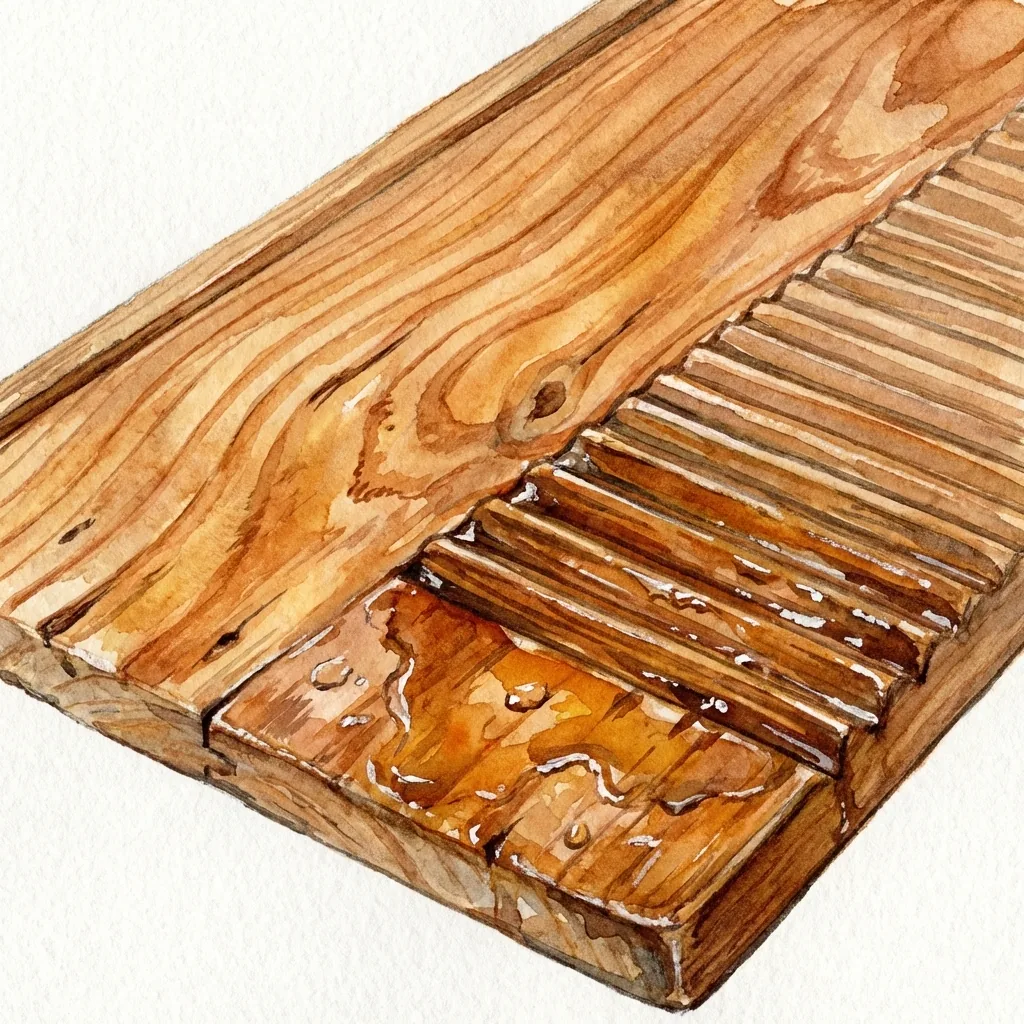
Tight-Grained, Water-Resistant Cherry: It Ages into a Beautiful Amber Color
The best wood for Japanese washboards is cherry (sakura).
Its tight, fine grain means it won't roughen or splinter when wet, and its firm density keeps the grooves from wearing down quickly.
More resistant to mold than hinoki cypress, it also develops a rich amber-brown patina with use — a washboard that genuinely ages well.
3. Recommended Washboard: Tosaryu (TOSARYU) | Curves That Fit Perfectly in the Hand
A compact, sink-friendly washboard made from Kochi Prefecture cherry wood — designed to fit modern lifestyles.
Tosaryu (TOSARYU) Cherry Wood Washboard
Compact enough to fit in the sink. Exceptional water run-off thanks to its unique curve.
Breaking the assumption that washboards must be large, this model fits comfortably inside a bathroom sink bowl.
Its biggest feature is a smooth, uniquely curved shape — designed so water and soap foam run cleanly off the grooves, maximizing cleaning performance.
Ideal for a "quick pre-wash" before loading the machine: perfect for shirt collars, socks, and kitchen cloths.
4. Choosing a Laundry Brush | Animal Hair vs. Plant Fiber — Which to Use When
Not any brush will do. Match the bristle hardness to what you're washing.
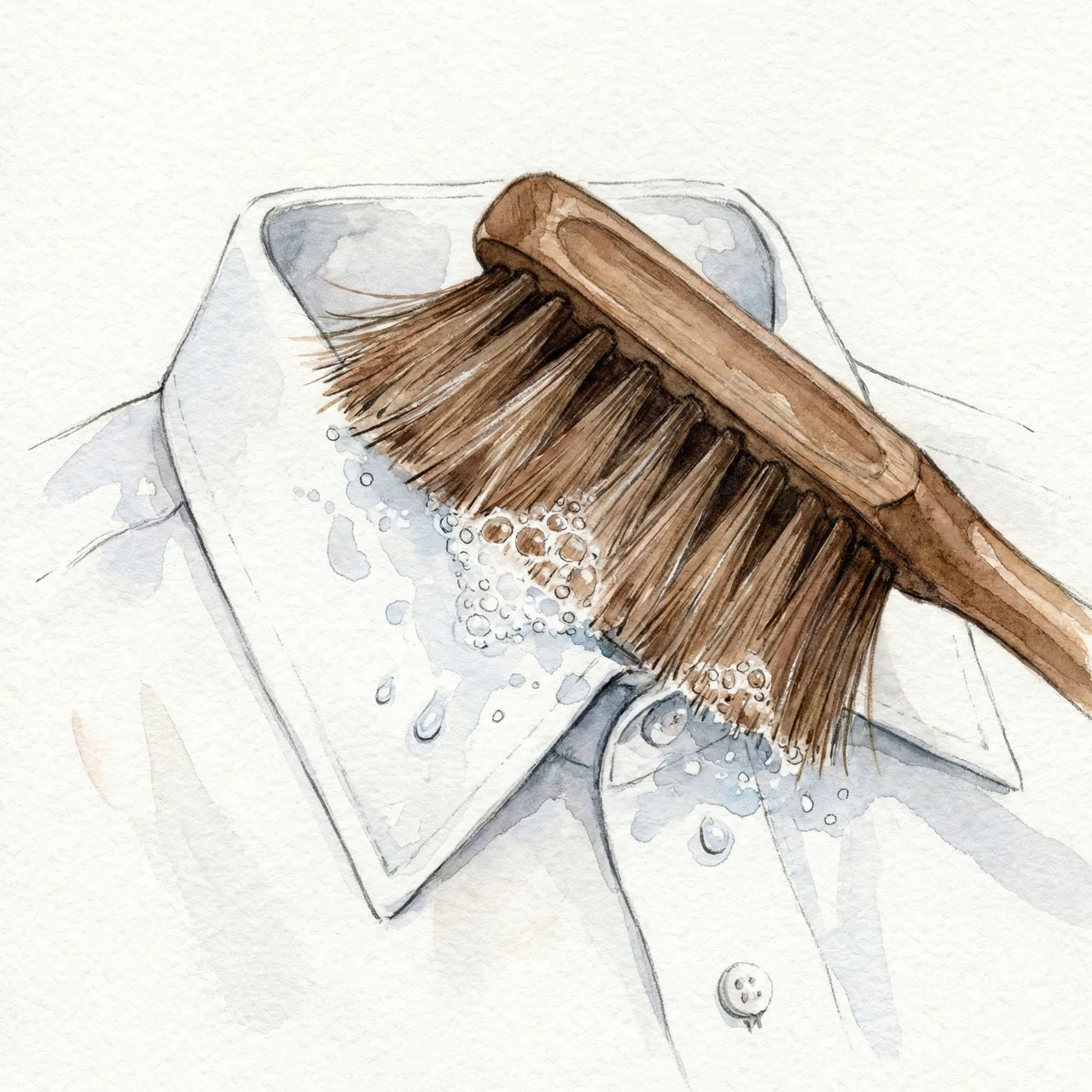
Collars, Cuffs & Delicates — Use Horsehair or Pig Bristle; Gentle on Fabric
For dress shirt collars and cuffs, knitwear, and other delicate items, use soft animal hair — horsehair or pig bristle.
The fine tips work their way into the gaps in the weave to gently lift out sebum stains without the fabric seeing it coming.
Nylon brushes roughen the surface fibers; natural hair is safe.
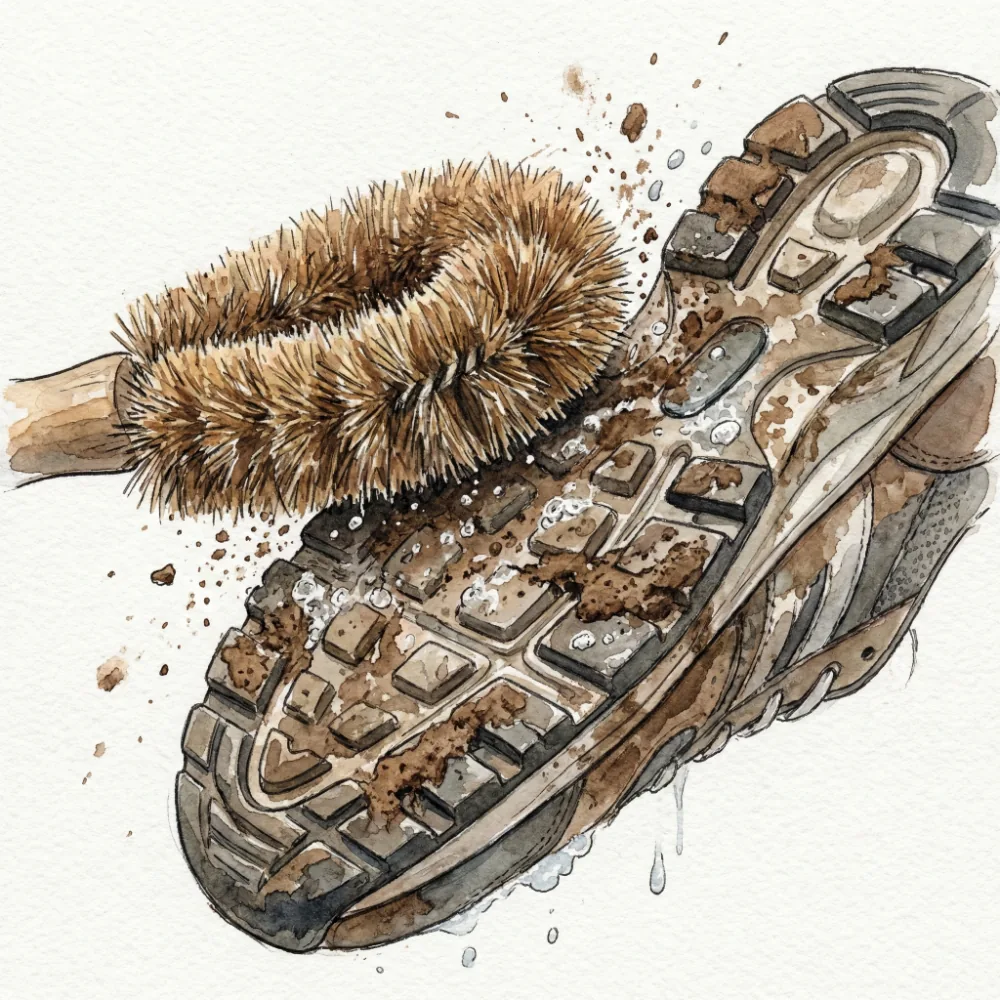
Shoes & Heavy Mud — Use Palm Fiber; Stiff Enough to Scrub Hard
For sneaker rubber, school indoor shoes, and baseball uniform mud, use plant-based palm (coconut) fiber.
Extremely stiff with good spring, it powerfully scrapes away caked-on mud and grime.
5. Recommended Laundry Brush: Kanaya Brush | Gently Lifts Collar & Cuff Stains
A horsehair laundry brush made by a long-established brush shop in Asakusa, Tokyo — built specifically for laundry.
Kanaya Brush — Spatching Laundry Brush, Round Handle
Springy horsehair that removes stains without harming a single fiber.
Founded in 1914 (Taisho 3), this workshop densely packs its brushes with firm, springy horsehair.
Apply detergent and brush in circular motions — sebum stains buried deep in the weave come floating up, even where hand-washing fails.
Essential for anyone who wants to keep dress shirts brilliantly white without shortening their lifespan.
6. Recommended Shoe Brush: Kamenoko Tawashi | Palm Fiber Power for Mud
The go-to for shoe washing. Japan's original scrubbing brush, loved for over 100 years.
Kamenoko Tawashi (Scrubbing Brush) — Chipiko P
Perfect for children's shoes and sneakers. A compact, maneuverable mini size.
The iconic Kamenoko tawashi in miniaturized form — palm-sized and highly maneuverable.
Carefully selected palm fiber has just the right stiffness: firm enough to reach mud packed into tread grooves, without being overly harsh.
Ergonomically shaped for a confident grip, making even weekly school-shoe scrubbing a breeze.
7. Correct Technique | The Key to Not Damaging Fabric: Don't Press Down
Getting the most out of these tools — and protecting your clothes in the process — is all about how much pressure you apply.
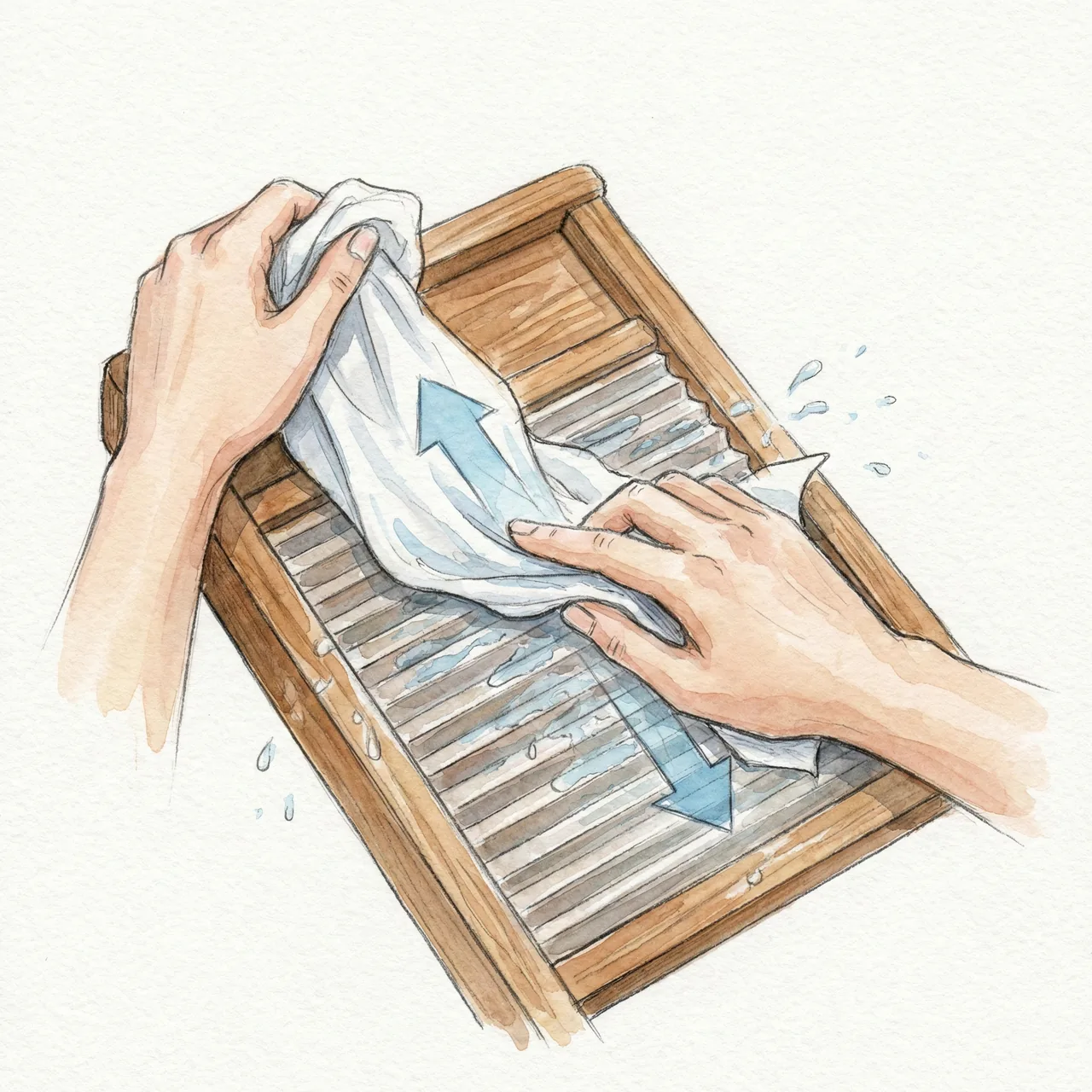
Use the Grooves — Slide, Don't Press
Never press the fabric hard into the washboard.
Hold one end of the garment with one hand and use the other hand to slide the fabric along the grooves — not push down on them.
The soap lather and the ridged surface do the work. Almost no force is needed.
Rub Bar Soap Directly onto the Fabric First
For pre-washing, the most effective method is to rub a solid laundry soap (such as Utamaro) directly onto the dampened fabric before scrubbing. The combination of soap and grooves is unbeatable.
8. Frequently Asked Questions
Won't a wooden washboard get moldy?
It will if left wet. Always let it dry thoroughly after use.
Cherry wood is water-resistant, but the golden rule is to hang it in a well-ventilated spot after each use.
Avoid leaving it in direct sunlight for extended periods, as this can cause cracking. Drying in the shade is recommended.
What's the difference from a plastic washboard?
Cleaning power and stability are both better with wood.
Plastic boards tend to be too slippery — the fabric slides right over them without catching on the grooves properly.
Wood has just enough friction to grip the fabric gently, making it easier to work the stain out with less effort.
What size washboard should I get?
For sink use, "S size" (20–30 cm / 8–12 in) is the best fit.
Traditional large boards are great for a washtub, but for modern pre-washing at the sink, a compact board that fits inside the basin is far more practical and easy to store.
What detergent works best?
A solid laundry soap or spot-treatment liquid detergent is ideal.
Regular liquid detergent works fine, but for mud and sebum, rubbing a solid silicate-based soap directly onto the stain is the most powerful combination.
Good lather acts as a cushion, protecting the fabric while you work.
Can I use the washboard on delicates like knitwear or silk?
Skip the washboard for delicates — use a horsehair brush instead.
The friction of a washboard is too strong for stretchy fabrics like knitwear.
For delicate spot stains, the correct approach is to gently tap with a soft horsehair brush in a dabbing motion.
Final Thoughts: One Minute of Pre-Washing — Your Favorite Clothes Brought Back to Life
In an age of convenient washing machines, hand-washing might feel like unnecessary effort.
But once you see how white your socks come out after a washboard rinse, or how clean a scrubbed collar looks, you'll know the extra minute was worth every second.
Stains you'd given up on can come back beautifully clean with the right Japanese tools.
Why not set aside a little time on a weekend morning to give your favorite clothes a proper reset?