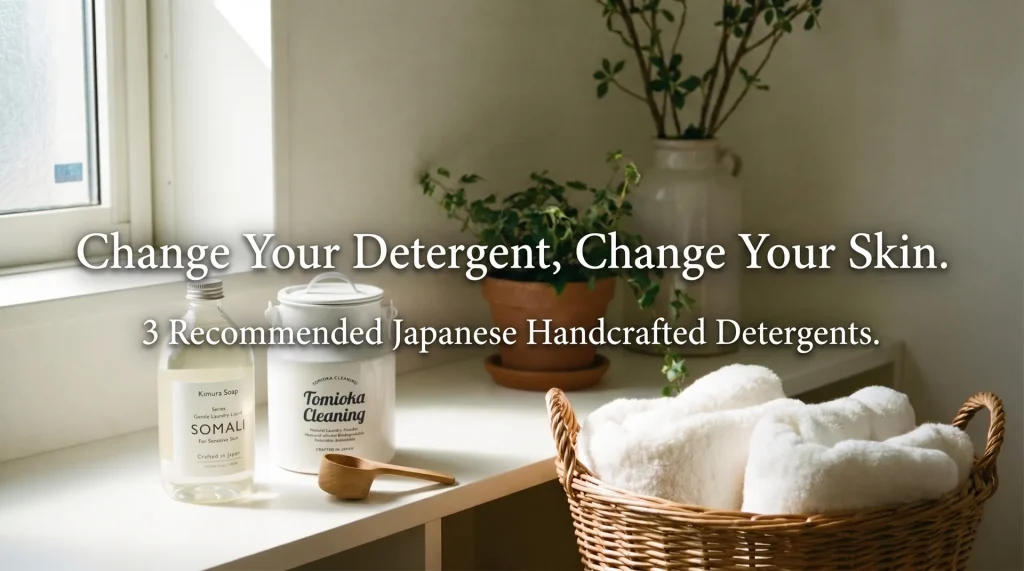
The clothes and towels you touch every single day. Are you happy with how they feel after washing?
"My back feels scratchy and itchy." "That indoor-drying smell just won't go away." "The strong fragrance is giving
me headaches..."
If any of those sound familiar, the culprit might be your choice of detergent.
Right now, high-quality craft detergents from Japan's long-established soap makers and professional cleaning shops —
gentle on the environment and genuinely effective — are attracting serious attention.
This guide introduces 3 top Japanese laundry detergent brands that care about every ingredient, along with practical
tips for upgrading your everyday wash routine.
Series: This article is part of the 9 Made-in-Japan Housework Tools for Life series.
1. Why Japanese Craft Detergent? | Gentle on Skin and Genuinely Effective
What actually separates a budget supermarket detergent from a pricier craft formula?
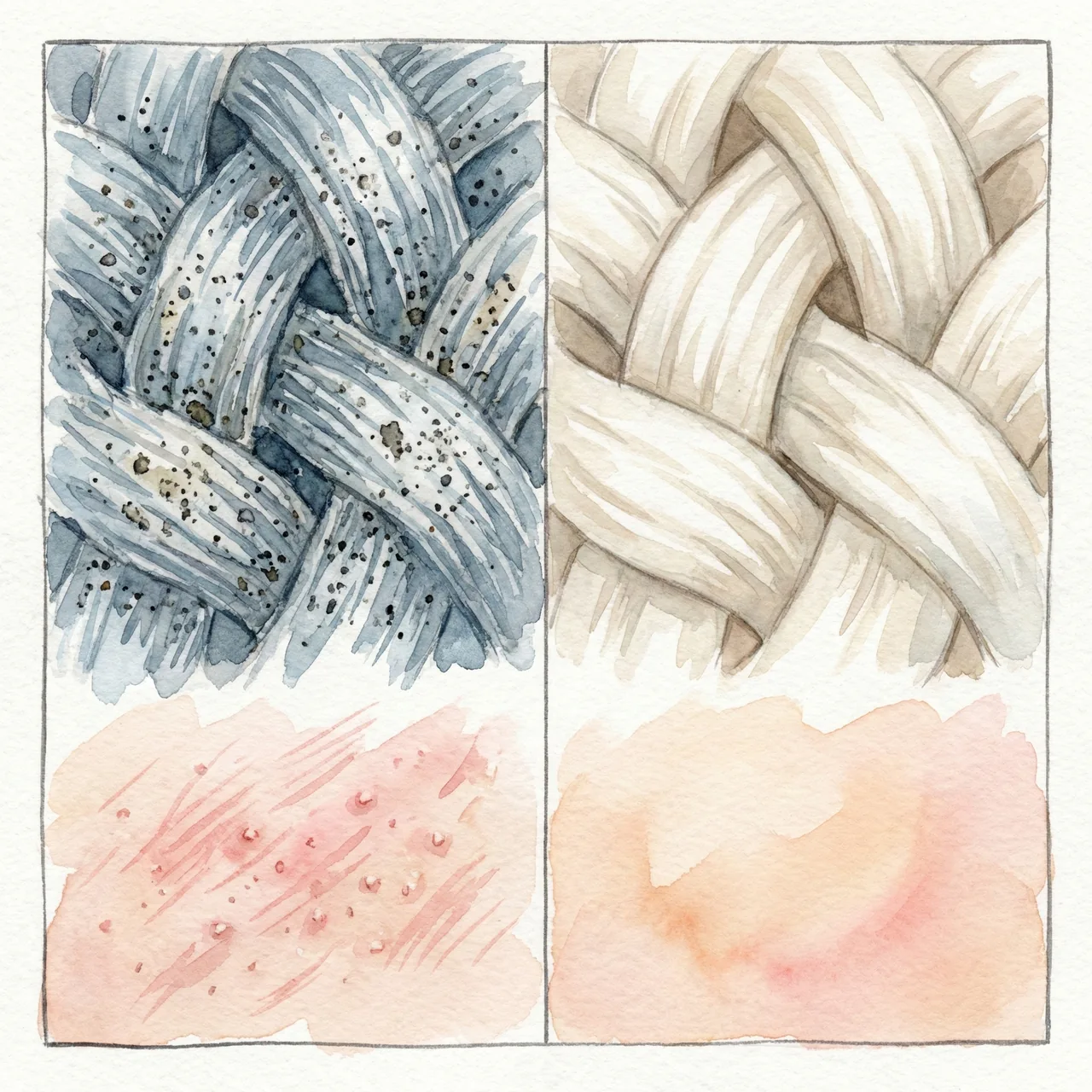
Residual Detergent Causes Skin Irritation — Choose High Biodegradability
One known trigger of atopic dermatitis and sensitive skin reactions is detergent residue — surfactants and
optical brighteners — left in the fabric after rinsing.
Japanese craft detergent makers prioritize plant-based ingredients that are highly biodegradable: they break
down quickly into water and CO₂, and rinse out of fabric cleanly.
When detergent stops lingering in the fibers, skin irritation drops dramatically.
2. Soap vs. Synthetic Detergent | Know the Ingredients, Change Your Laundry
Have you ever looked at the back of your detergent bottle? The "product type" label tells you what you're really using.
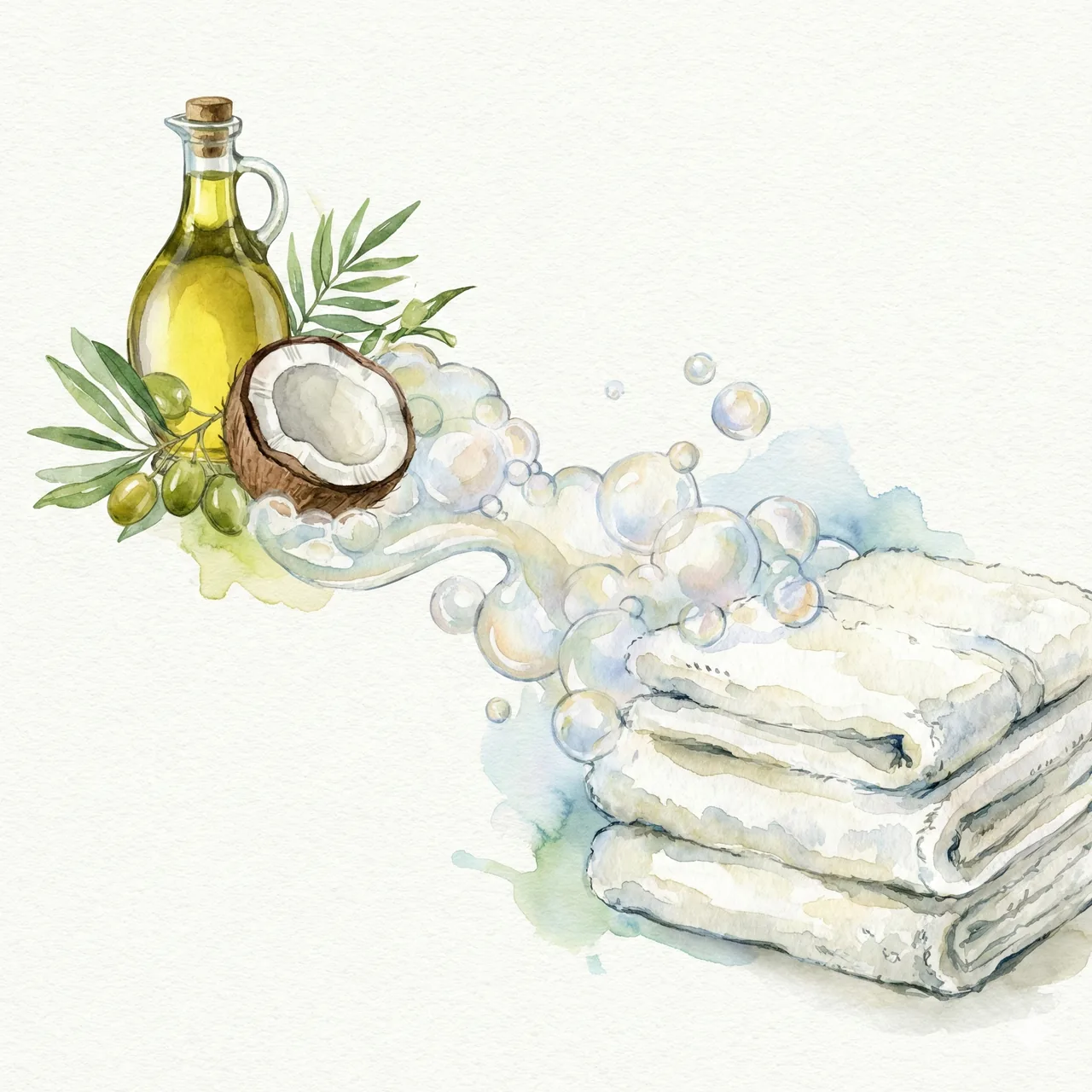
Natural Oil-Based Laundry Soap — Fluffy Results Without Fabric Softener
Made from animal or plant fats (fatty acids).
Highly effective at cleaning, but once rinsed, the soap molecules release easily from the fiber — restoring the
fabric's natural softness.
The hallmark benefit: towels come out absorbent and fluffy without ever needing fabric softener.
Petroleum or Plant-Oil Synthetic Detergent — Great at Removing Dirt
Chemically synthesized to tackle complex stains.
Affordable and convenient, but surfactant residue tends to cling to fibers — which is why fabric softener often
becomes necessary to counteract the resulting stiffness.
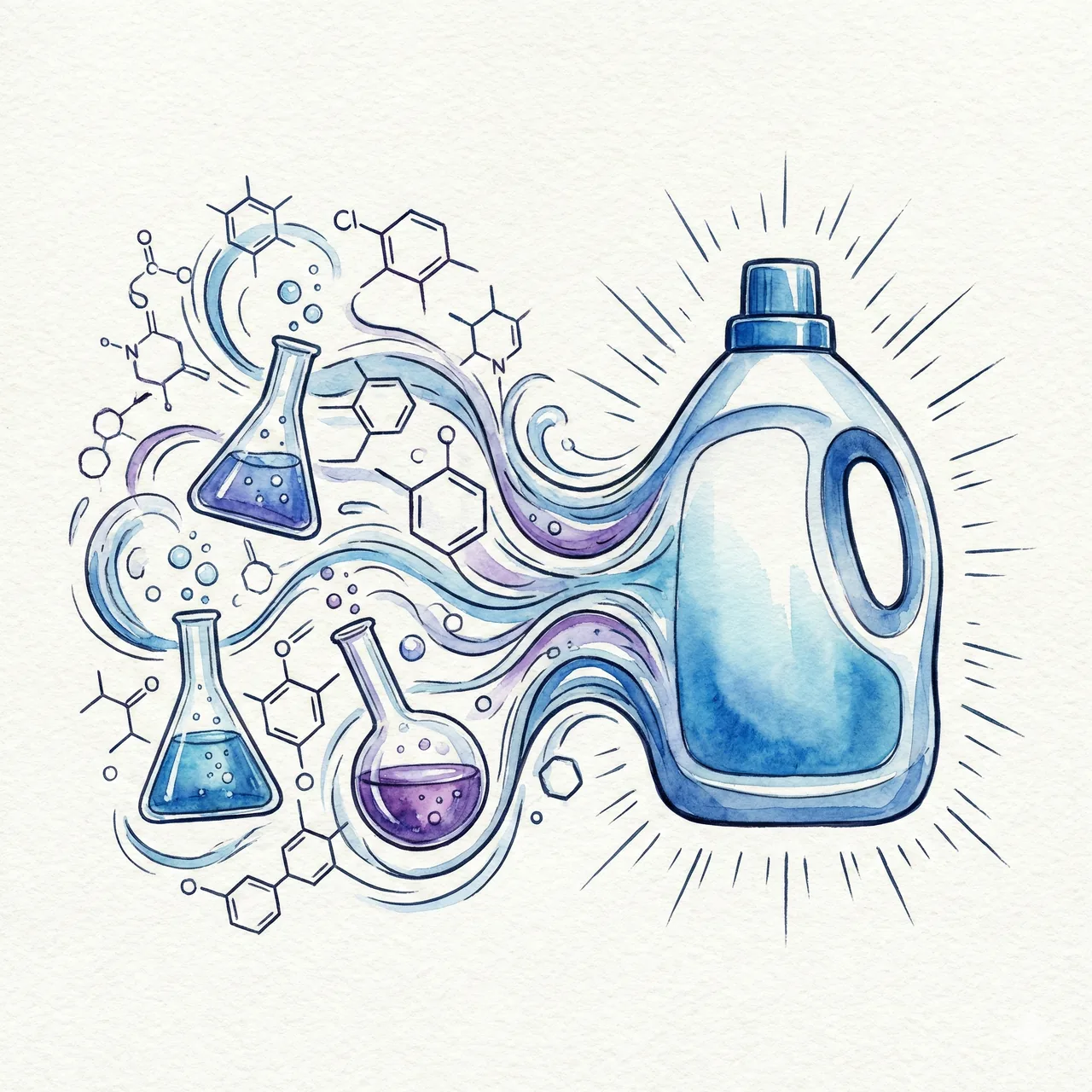
3. Recommendation 1: Kimura Soap "SOMALI" | Kettle-Boiled Soap from a Taisho-Era Workshop
A brand born from Osaka's long-established Kimura Soap, pursuing what "truly good soap" means.
Kimura Soap SOMALI Liquid Laundry Soap
Crystal-clear liquid — proof of pure soap. Gentle on both hands and clothes.
Founded in 1924 (Taisho 13). The workshop still uses a traditional "kettle-boil" method, simmering soap in
large vats all day.
"SOMALI" combines 100% plant-oil pure soap with natural orange oil.
Unlike powdered soap, the liquid dissolves completely with no undissolved residue — beginner-friendly, and the
subtle orange scent is a daily treat.
4. Recommendation 2: Tomioka Cleaning | Pro-Grade Cleaning Power in a Milk Can
Developed by a dry-cleaning shop in Nakashibetsu, Hokkaido — a powerhouse formula in an irresistibly cute package.
Tomioka Cleaning Powdered Laundry Detergent
Good-bacteria bio-enzymes dissolve yellow stains. Comes in a charming milk can.
The adorable milk can hides a professional-grade formula.
"Good bacteria" bio-enzymes break down the sebum and yellow staining that builds up on clothes over time.
Surfactant levels are kept to a minimum, so a single rinse cycle is enough.
As a bonus, continued use gradually cleans mold and grime from the drum of your washing machine — a welcome
extra.
5. Recommendation 3: Ganko Hompo "Umi he..." | Zero Rinse Needed, Zero Ocean Pollution
Born from the desire to stop sending detergent into the ocean — the ultimate eco-friendly formula.
Ganko Hompo "Umi he... (To the Sea)" Step
Developed from marine oil-spill cleanup research — peak biodegradability.
Technology that breaks down oil at the nano-level traps grease in water, preventing it from reattaching to
fabric.
The result: a rinse cycle is optional — "zero rinse" washing is possible (conditions apply, e.g., drum-type
machines).
A pleasant scent from essential oils like lavender; fluffy results without any fabric softener.
Use less water, use less electricity — a detergent designed for the future.
6. How to Use Laundry Soap | "Warm Water" and "Good Lather" Are the Keys
"Soap is too fussy to use" — not if you know two simple things. Nail these and you won't go wrong.
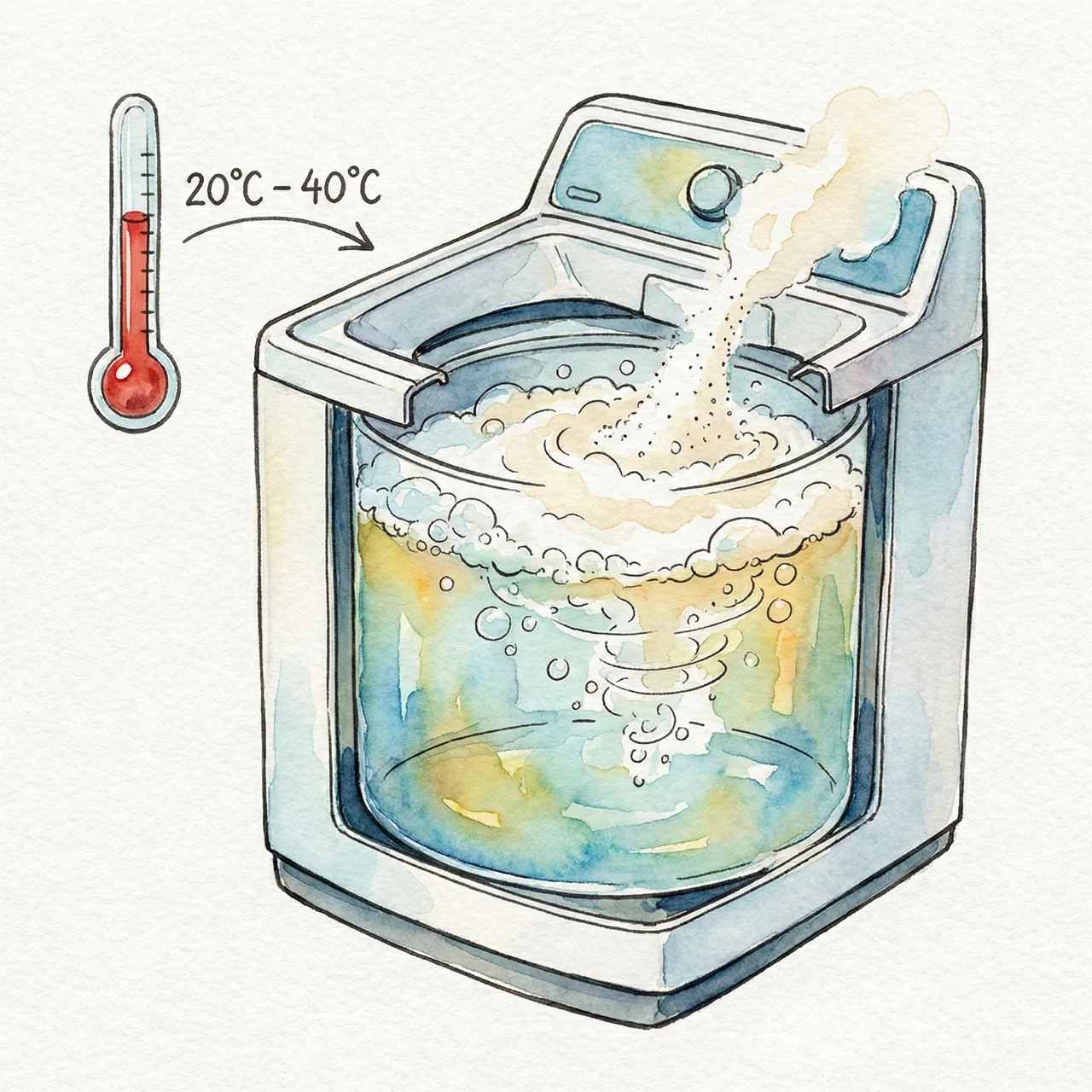
Keep the Water at 20°C or Above — Use Warm Water in Winter
Natural soap and enzymes lose effectiveness in cold water.
In winter, tap water can be as low as 5°C — which can halve cleaning power and leave soap undissolved.
Add a little warm water or use leftover bath water to bring the temperature to 20–40°C
(68–104°F), and you'll see a dramatic improvement in results.
7. Frequently Asked Questions
Can I use soap-based detergent in a front-loading drum washer?
Yes, but with some caveats.
Drum machines use less water, so an over-foaming soap can trigger the machine's suds sensor, causing an extended
"foam-reduction" cycle and poor rinsing.
Choose a soap specifically labeled "suitable for drum-type washers" (like Kimura Soap or Tomioka Cleaning), and
follow the dosage carefully.
Will my laundry really come out fluffy without fabric softener?
Yes — and skipping softener often means better water absorption.
Synthetic detergents leave residue that stiffens fibers, making softener seem necessary. Soap and enzyme-based
detergents don't strip the fiber's natural oils, so fabric stays naturally soft.
Towels in particular become noticeably more absorbent without softener.
I'm getting white residue (soap scum) on dark clothes.
The cause is usually too much detergent, or water that's too cold.
With powder types, try dissolving the detergent in water for a minute before adding your clothes.
Alternatively, add a teaspoon of citric acid to the final rinse — it neutralizes soap residue and clears it right
up.
Isn't it expensive? Is it worth it?
The per-wash cost is higher, but the total is comparable.
Factor in what you save on fabric softener, the reduction in water and electricity from one-rinse cycles, and the
fact that clothes last longer — and the math looks very different.
More than anything, eliminating skin irritation and odor problems is a value that's hard to put a price on.
Will it get rid of that indoor-drying smell?
Yes — eliminate the bacteria's food source and the smell disappears.
Indoor-drying odor is caused by sebum residue and leftover detergent in the fibers oxidizing and fueling bacterial
growth.
Enzymatic and soap-based detergents break down sebum thoroughly and rinse out cleanly — the smell that seemed
impossible to shift often vanishes completely.
Final Thoughts: A Better Detergent Protects Your Skin and the Planet
"It's just detergent" — you might think.
But the clothes you wear every day, the towels you use every morning, the wastewater flowing out to the sea —
detergent touches all of it.
Japan's craft detergents are made by people who wanted something they'd be happy for their own families to
use.
It's fine to start because the bottle looks pretty. Once you try it, the gentle feel of the wash will make
laundry something you actually look forward to.