"The vacuum exhaust bothers me." "It feels rude to vacuum late at night." "Dragging out that heavy machine every time is such a chore..."
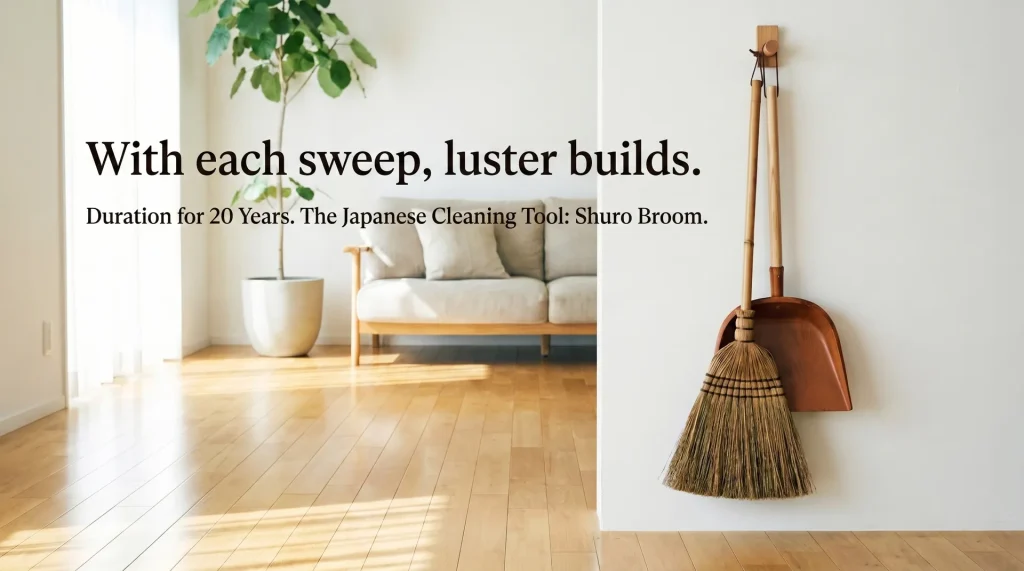
If any of those ring a bell, why not try the traditional Japanese cleaning tool known as the shuro palm broom?
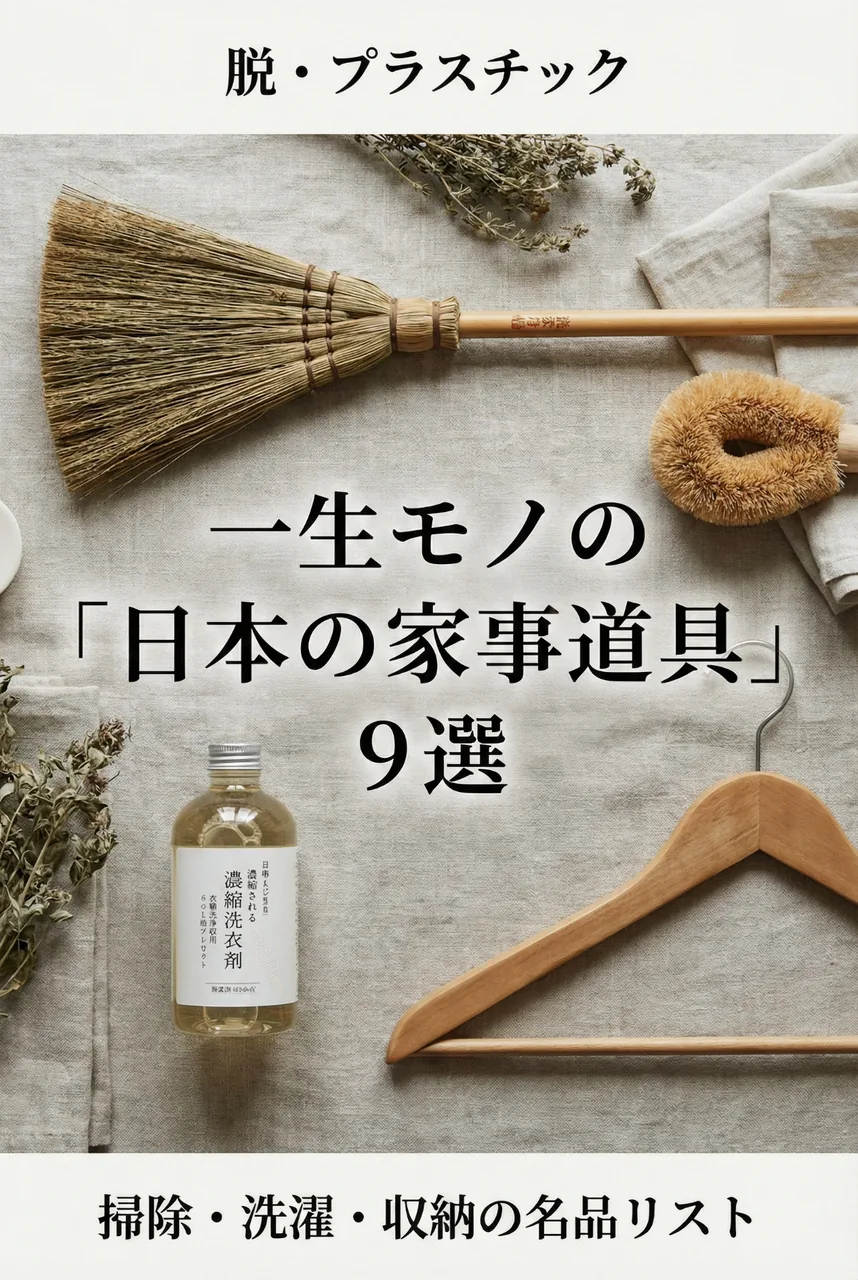
This broom, passed down since the Meiji era, does far more than collect dust.
Its natural plant oils mean that the more you sweep, the more your hardwood floors develop a beautiful, natural sheen — a kind of magic.
This guide covers the charm of the shuro broom, handcrafted by artisans in Wakayama Prefecture, how to choose the right one, and how to care for it so it lasts a lifetime.
Series: This article is part of the 9 Made-in-Japan Housework Tools for Life series.
1. What Is a Shuro Broom? | 3 Advantages a Vacuum Can't Match
Made from the fibrous bark of the shuro palm (Trachycarpus fortunei), this broom is surprisingly well-suited to modern living.
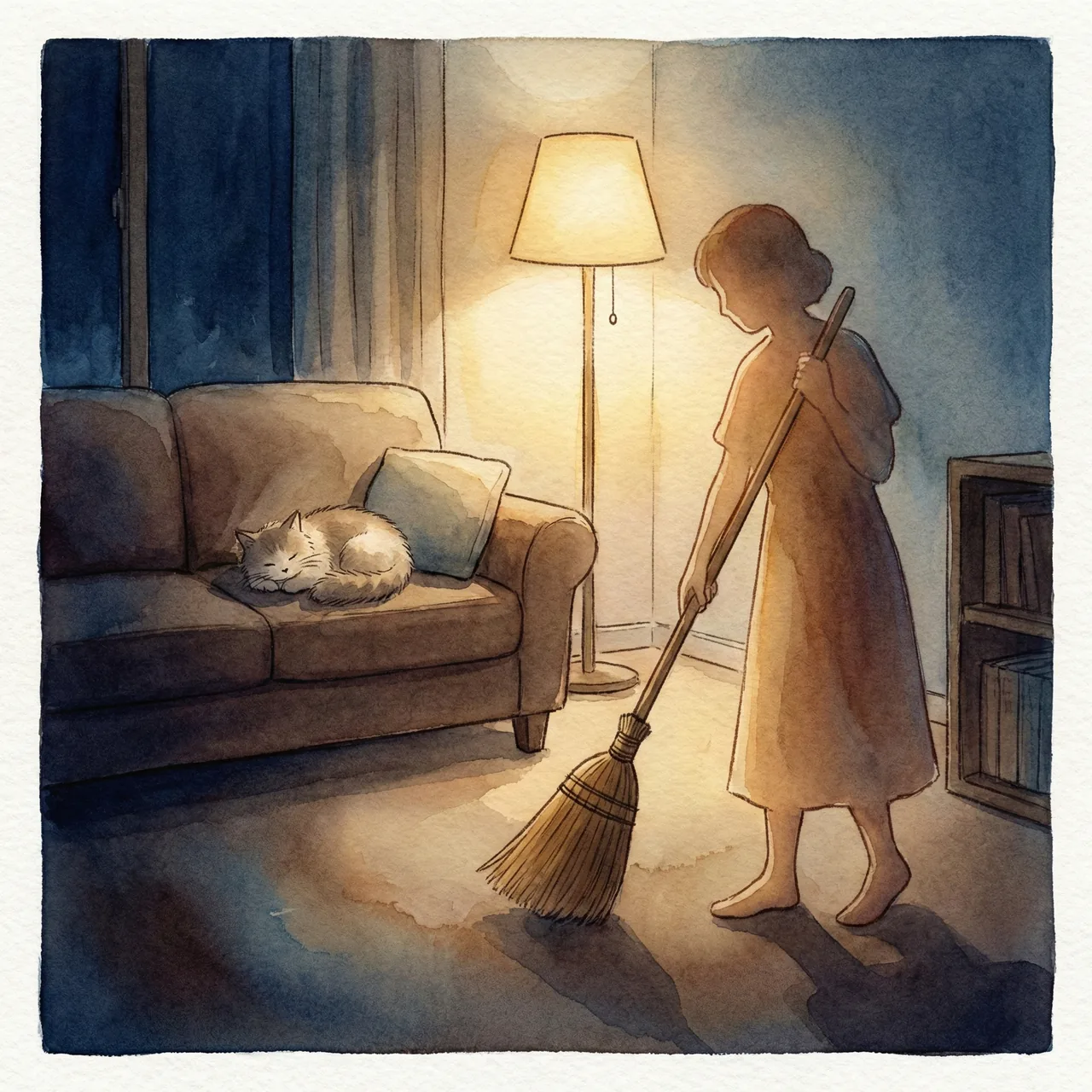
Silent and Exhaust-Free — Clean Any Time, Even at Night
The biggest advantage is the silence.
In an apartment or condo, you can do a quick clean late at night after coming home or early in the morning without waking anyone — even a sleeping baby.
No exhaust means no air pollution, so it's comfortable even in winter when windows stay closed or during allergy season.
Lasts 20 Years — Zero Electricity, Exceptional Value
Shuro fiber is extremely water-resistant and slow to rot.
With proper care, it lasts comfortably for 15 to 20 years.
No electricity costs, rarely replaced — it's actually one of the most cost-effective cleaning tools you can own.
2. Why Shuro Is Perfect for Hardwood | Natural Wax Effect Builds a Shine
Why is the shuro broom sometimes called "nature's floor wax"?
Shuro's Natural Oils Protect the Floor — Every Sweep Builds a Deeper Shine
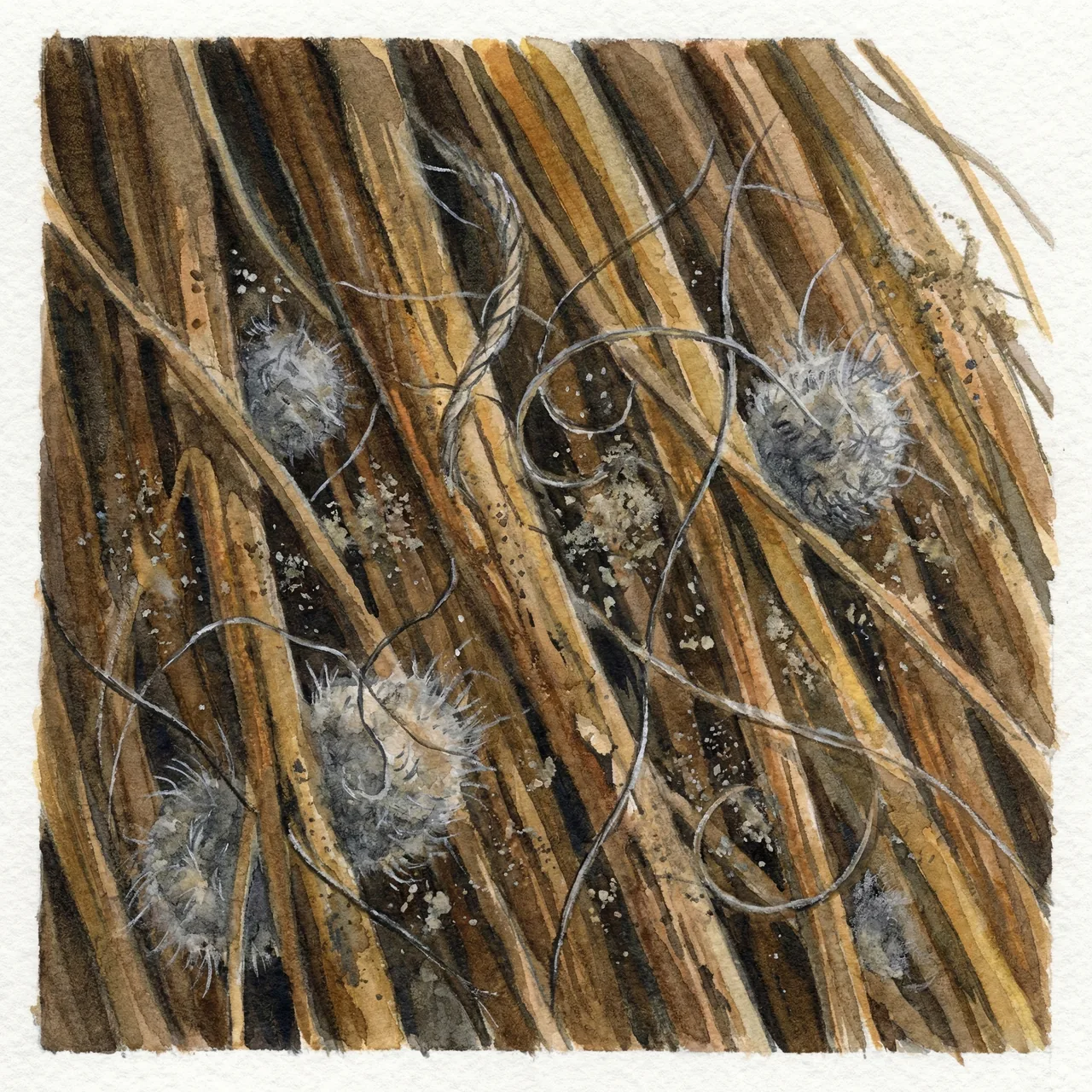
The bark of the shuro palm is rich in natural plant oils (resins).
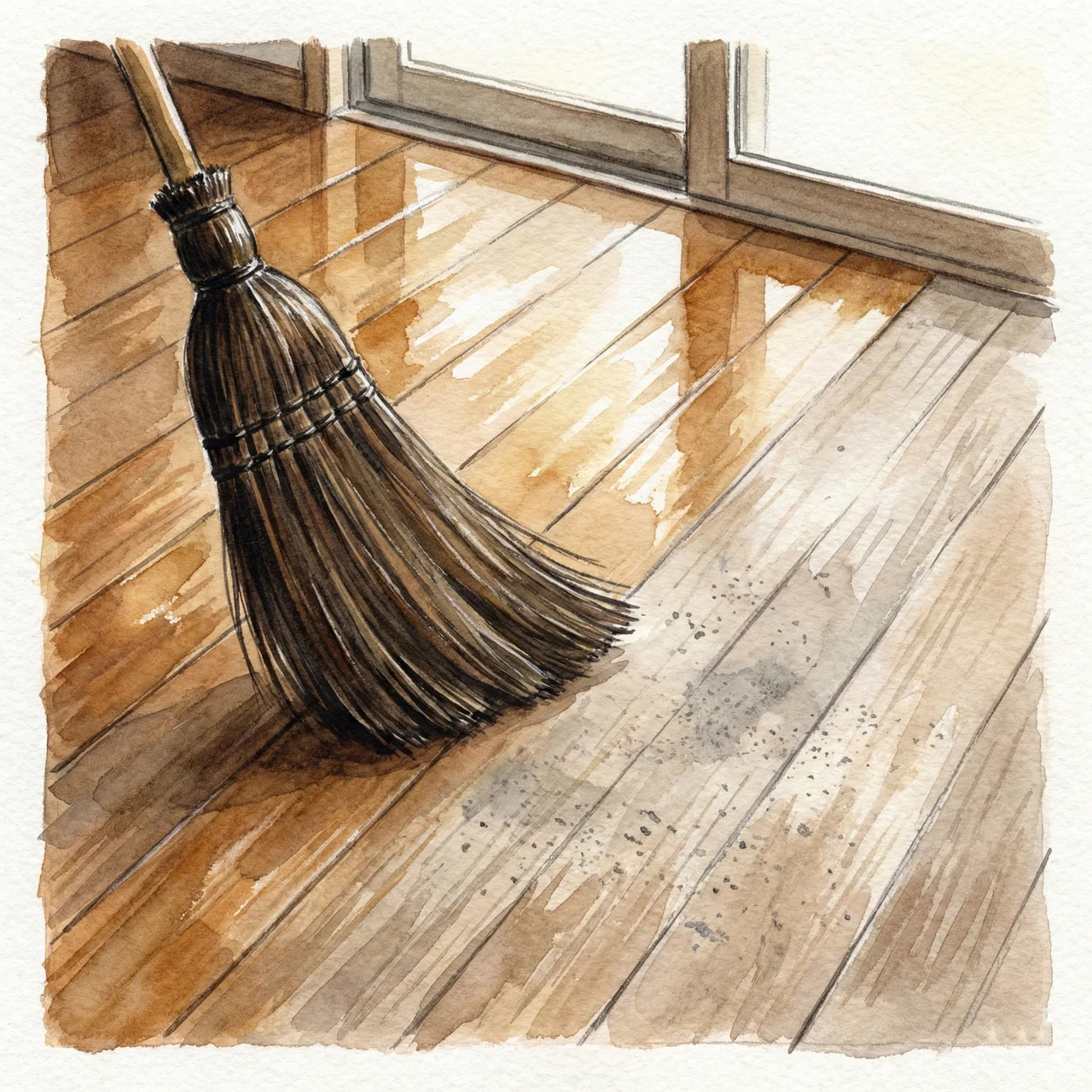
With every sweep, a tiny amount of those oils transfers to the floor, building a natural protective film and a gentle sheen.
The reason corridors in old Japanese homes used to glow with a deep black shine is that they were swept with shuro brooms every day.
Absorbs Dust Rather Than Scattering It — Good for Allergy Sufferers
Unlike synthetic-fiber brooms, shuro fibers have a natural affinity for dust — they trap it rather than swirl it into the air.
Because dust is captured in the fibers rather than kicked up, it's also recommended for those with allergies.
3. Types & How to Choose | The Difference Between "Kawa" and "Onige"
Shuro brooms come in two main grades. Choose based on your budget and intended use.
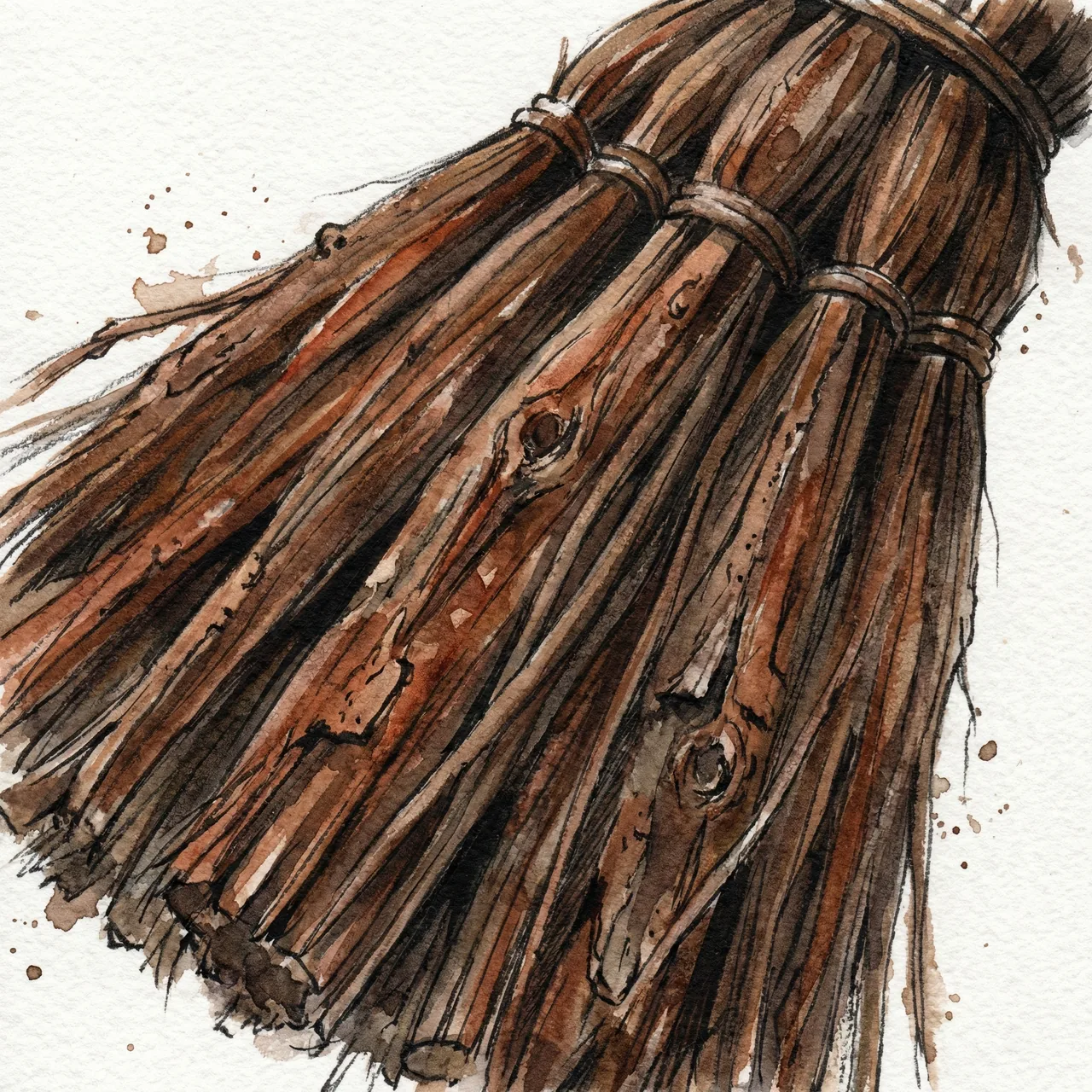
"Kawa" (Bark) — Great for Beginners; Thicker Fiber That Works on Any Surface
What it is: The shuro bark rolled and bundled just as it comes. Thicker fiber with firm spring.
Best for: Hardwood, tatami, carpet — works anywhere without fuss.
Price: Roughly ¥5,000–¥10,000 — the accessible entry point and a great first broom.
"Onige" — Premium Grade; Hand-Selected Soft Fibers for Hardwood Only
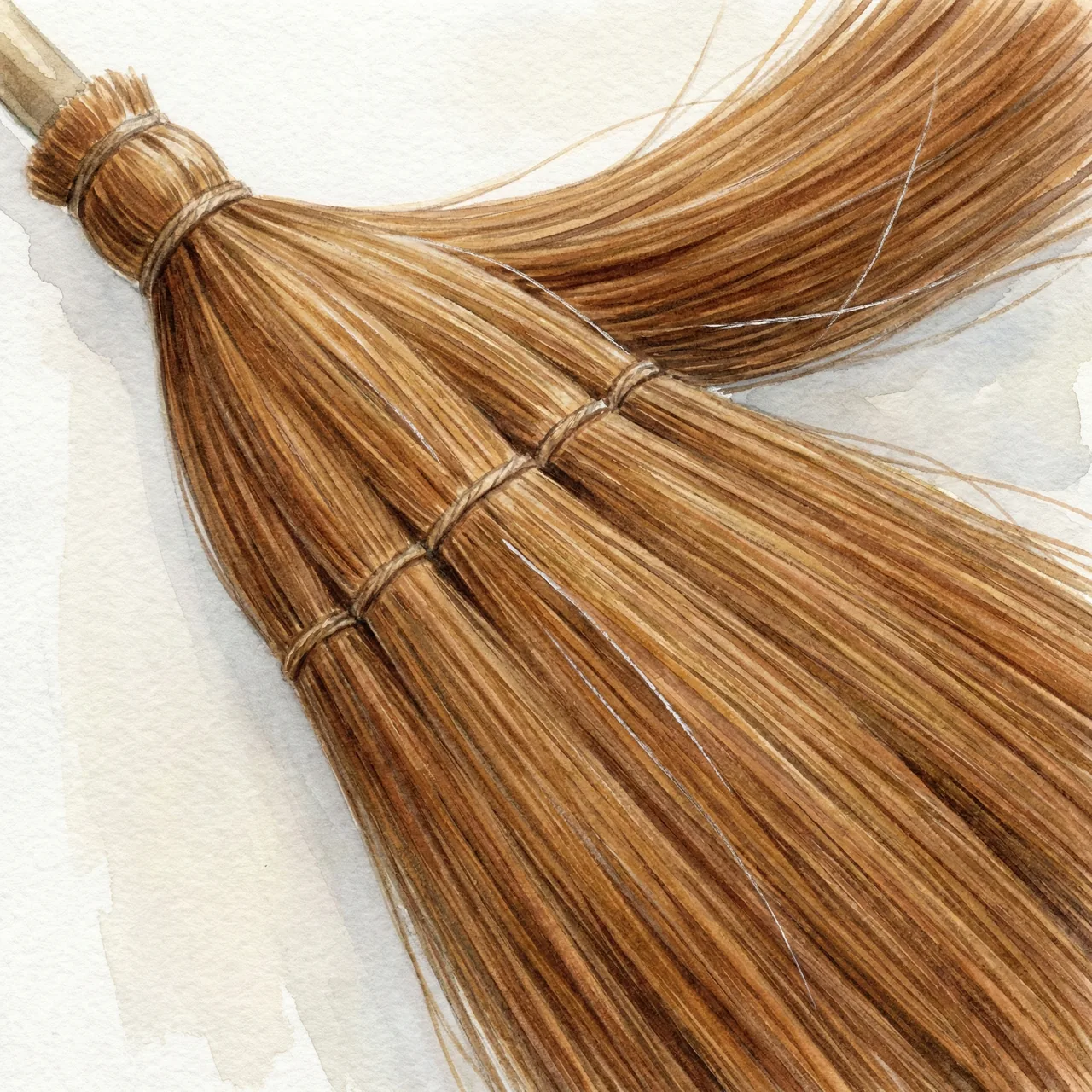
What it is: Individual fibers extracted from the bark one by one — only the softest ones selected and bundled.
Best for: Hardwood floors only. The sweeping feel is so soft it's like caressing the floor.
Price: ¥20,000–¥50,000. A premium product requiring significant artisan labor.
4. Choosing a Size | Long-Handle or Short — Which Is Right for You?
Handle length makes a huge difference in usability. Match it to the size of your home.
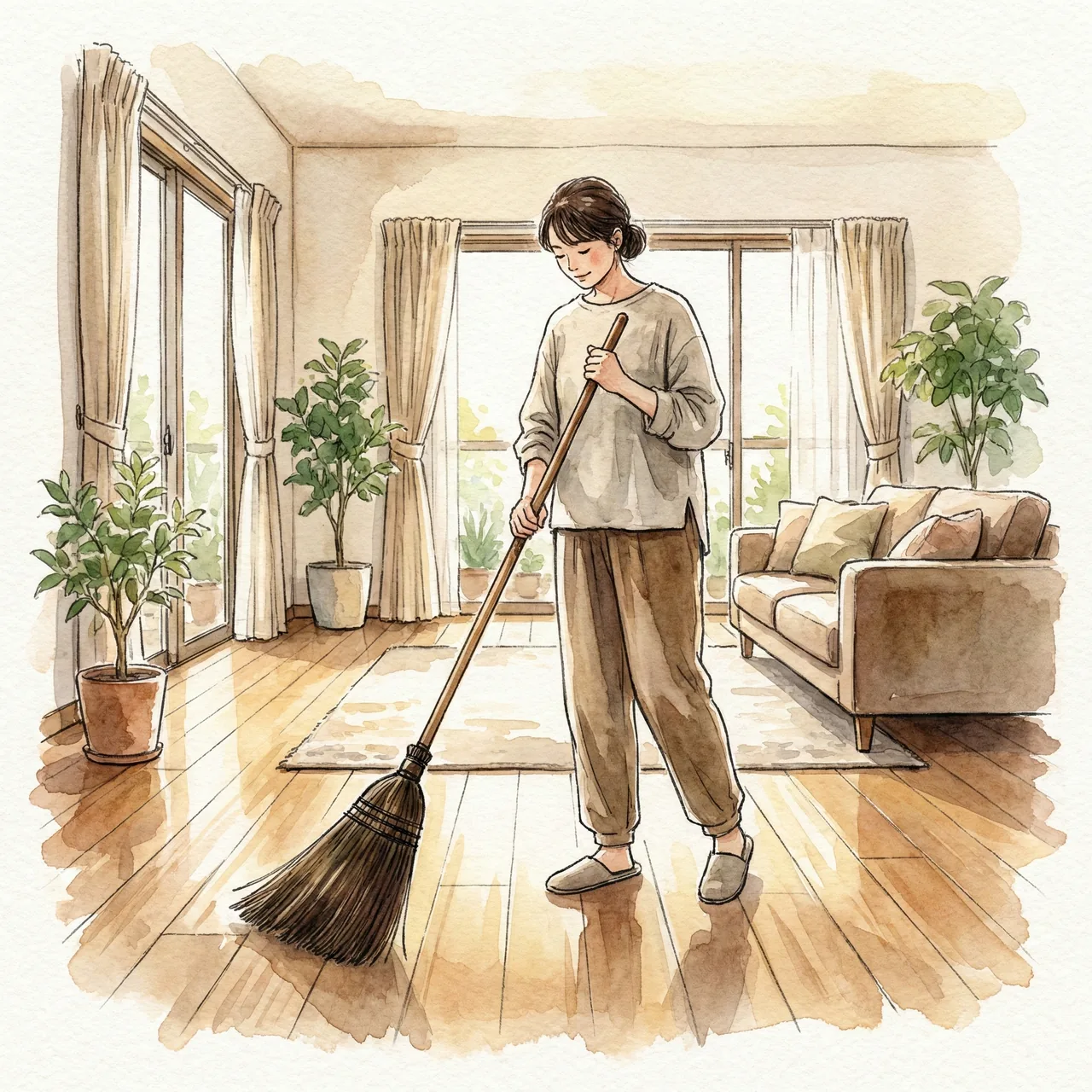
Stand Upright and Sweep Comfortably — Long-Handle (7–9 ball) for Living Rooms
A "long-handle broom" at 120–125 cm is used two-handed.
You sweep standing completely upright — zero strain on your lower back.
If you want to sweep a large living room or hallway in one go, the long-handle is the clear choice.
Great for Stairs and Tight Spots — Short Handle (5 ball) for One-Hand Agility
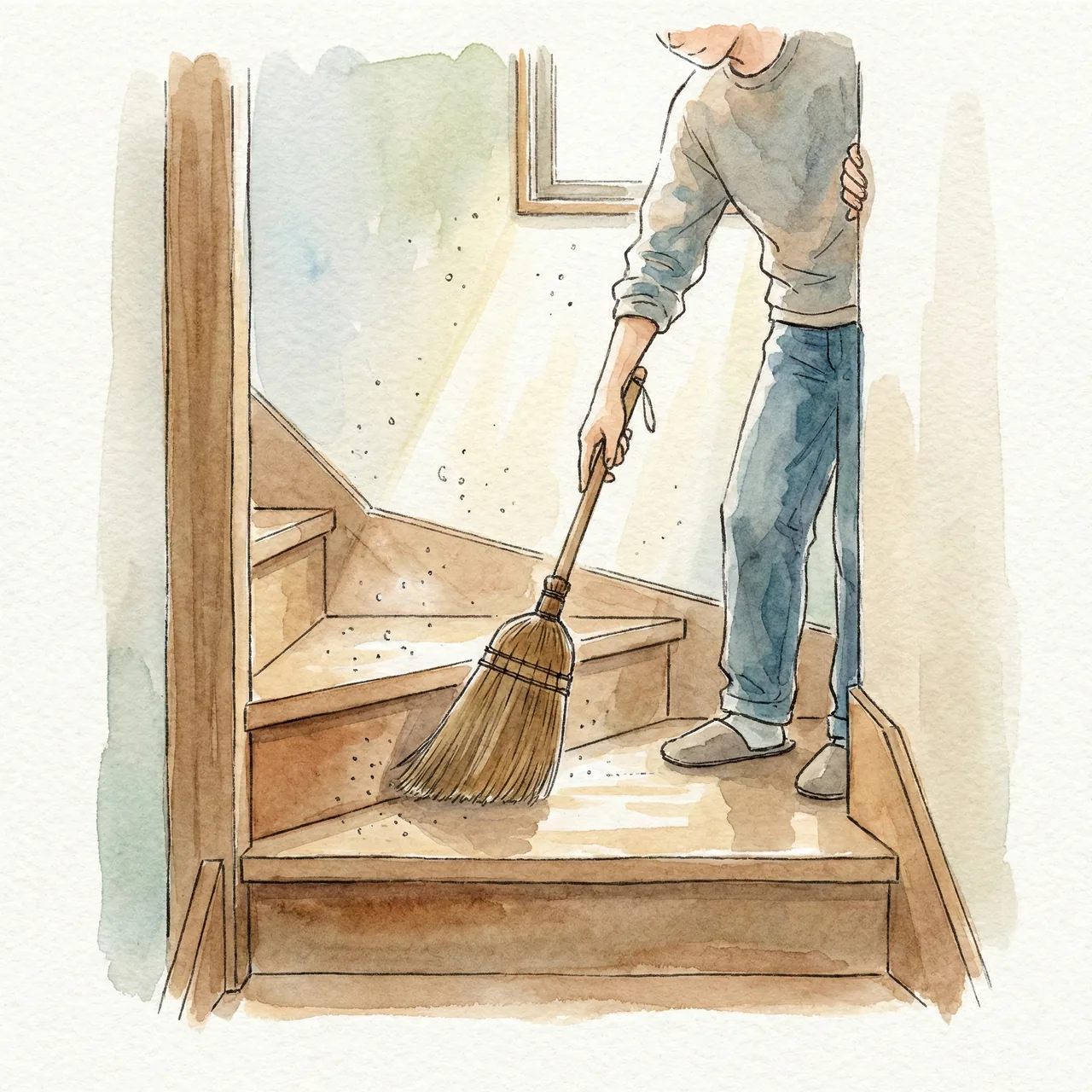
A "hand broom" at 70–80 cm is a one-handed tool.
Perfect for stair treads, under tables, or in narrow gaps between furniture.
For a single-room apartment, one short broom handles everything.
5. Recommended Japanese Shuro Broom Brand | Yamamoto Katsunosuke Shoten
A long-established shuro products maker in Kainan City, Wakayama Prefecture — in business since 1880 (Meiji 13).
Yamamoto Katsunosuke Shoten "Kaneichi"
Hand-wound by craftspeople — durable, never loosens.
The broom from Yamamoto Katsunosuke Shoten, known by its trademark "Kaneichi", is wound one by one by hand using copper wire by skilled artisans.
Unlike machine production, the bristles rarely loosen or shed even with long-term use — the binding holds firm for decades.
In particular, the "7-ball long-handled broom" is a bestseller, praised as the best-balanced and most practical model in the range.
6. The Perfect Partner | "Harimi" — the Traditional Dustpan
The natural companion to the shuro broom is the traditional Japanese dustpan known as a "harimi."
Shirokiya Denbei "Harimi" (Persimmon-Tannin Dustpan)
No static — a paper dustpan coated with persimmon tannin (kakishibu).
Plastic dustpans generate static that makes fine debris cling infuriatingly to the surface — but a harimi, made from thick paper coated with persimmon tannin, generates no static at all.
The satisfying way debris simply falls off the surface is addictive once you experience it.
Extremely lightweight with a hanging cord, so you can store it on the wall alongside the broom — a piece of Japanese design beautiful enough to leave on display.
7. Care & Maintenance | The "Break-In Powder" and How to Store It
There are a few things to know before you start using a new shuro broom — to help it age beautifully.
Always "Beat It Outside" First — Remove the Resin Powder Before Using Indoors
A brand-new shuro broom sheds fine "shuro powder" (plant resin) left over from manufacturing.
Using it straight inside will fill your room with the powder.
Before first use, always take it outside and pat and shake it thoroughly — over newspaper works well — until the powder stops coming out.
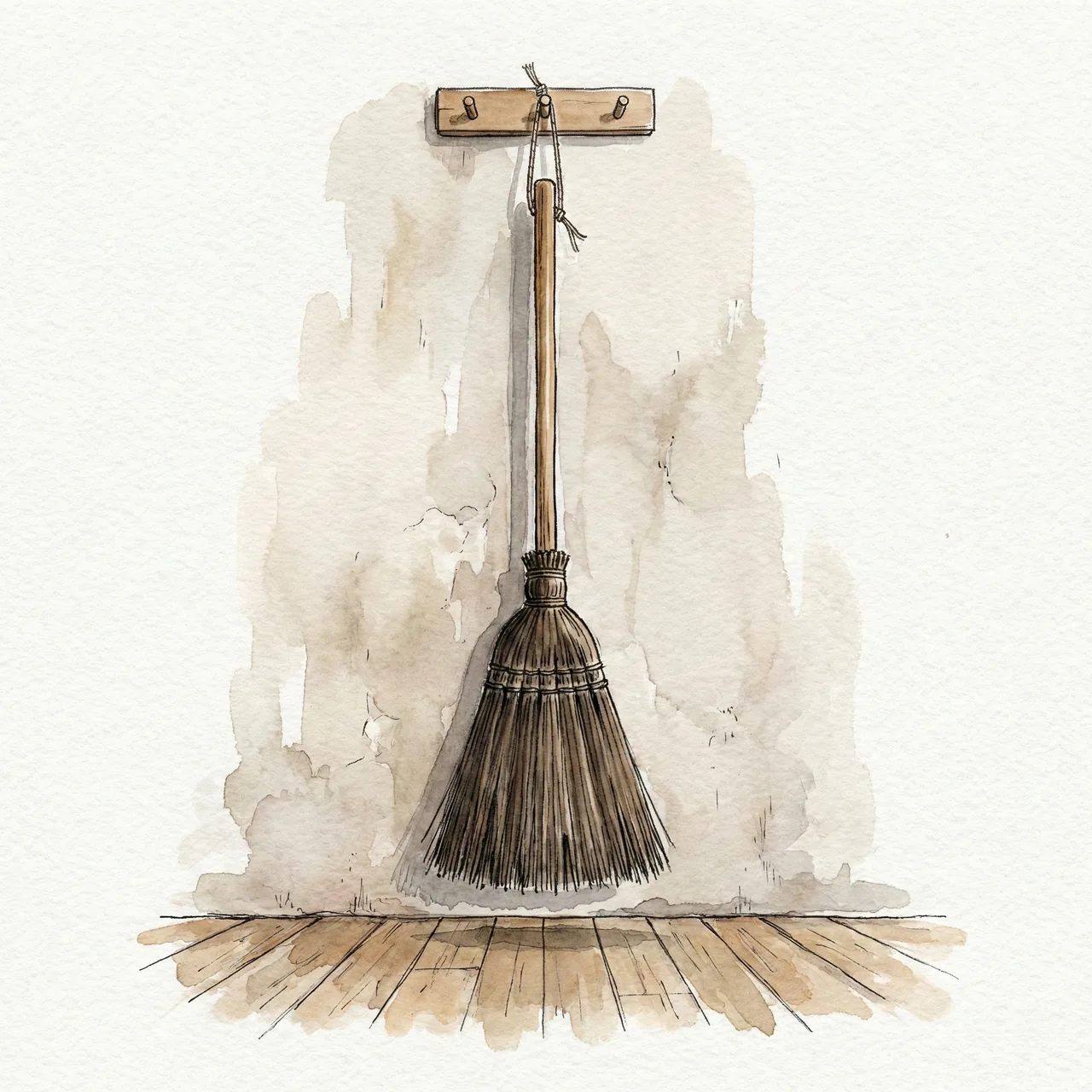
Always Store It Hanging — Keep the Bristle Tips from Bending
If you lean the broom with the tips touching the floor, the weight will set a permanent curve into the bristles.
When not in use, always hang it by its cord on a hook.
If a bend has already formed, soak the affected area in warm water, reshape by hand, and hang to dry — natural fiber returns to shape as it dries.
8. Frequently Asked Questions | Does It Work on Carpet or Tatami?
Can it pick up debris from carpet or rugs?
With the "kawa" (bark) type, yes — surprisingly well.
Hair and pet fur tangled into carpet fibers that a vacuum can't quite reach are combed out by the shuro fiber.
The "onige" grade, however, is too soft for carpet and is best reserved for hardwood.
How should I split use between the broom and the vacuum?
A popular approach: broom on weekdays, vacuum on weekends.
Use the broom for quick daily sweeps whenever you notice mess, and save the vacuum for a thorough weekend clean.
This reduces the friction of getting the vacuum out and makes it much easier to keep the house consistently tidy.
Can I wash it with water?
Yes, but it's not recommended frequently.
If very dirty, wash with diluted mild detergent and hang in the shade until completely dry.
The copper wire binding can rust if wet, so keep the metal parts as dry as possible and dry thoroughly before storage.
How long until the brown powder stops coming out?
With daily use, about 1 to 3 months.
The powder is shuro resin — not dirt. It's completely natural.
Give it a good shake outside at the beginning, keep using it patiently, and the powder will stop on its own.
The broom truly comes into its own once the powder phase is over.
The bristles bent out of shape during storage. Can I fix them?
Yes — warm water does the trick. Think of it like fixing bed-head.
Soak the bent area in warm water, gently work it back into shape by hand, then hang it in a well-ventilated spot and let it dry completely.
Natural fiber softens when wet and sets into whatever shape it dries in — so this method reliably works.
Final Thoughts: A 20-Year Companion — Turn Cleaning into a Ritual
No switch to flip. No cord to untangle.
Just pick it up and sweep.
The magic of the shuro broom is in that effortlessness.
The satisfying soft shush of the bristles, and the freshness of the air left behind — it transforms the chore of cleaning into something that settles the mind.
Twenty years from now, your floors will reward you with a shine they've been building all along. Why not start sweeping today?