The more you sweep, the more it shines. Lifetime Shuro brooms made by Kishu craftsmen.|Yamamoto Katsunosuke Shoten
A quietness that lets you sweep right away whenever you feel like it — early morning or late at night.
Start in the tatami room; move it to the earthen floor as it ages; finish in the garden.
A tool for enjoying the long time of using a single broom all the way through.
A broom you can use and nurture for 20 years
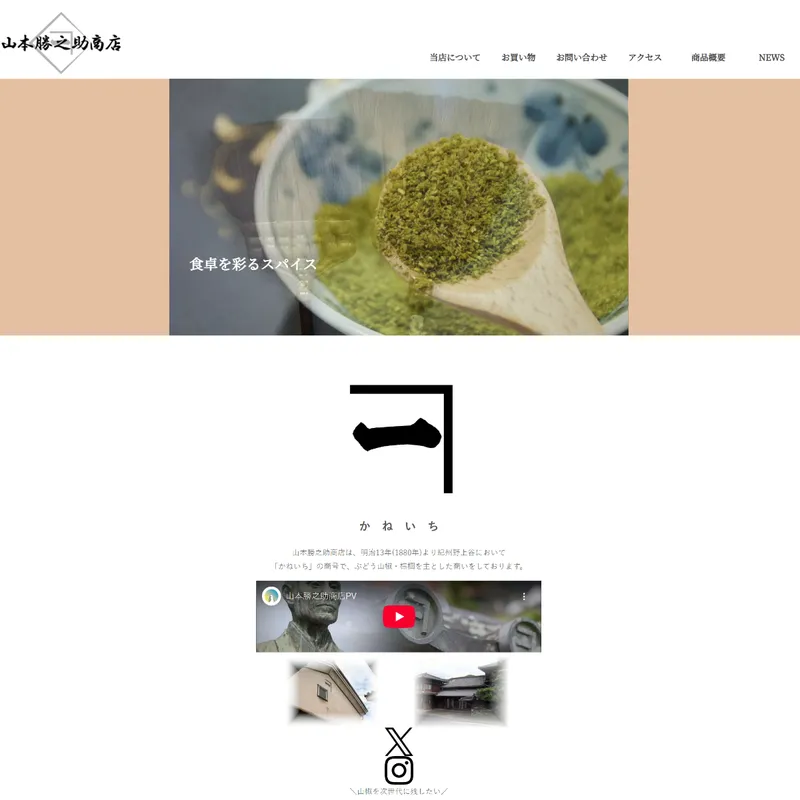
Founded in 1880 (Meiji 13). Yamamoto Katsunosuke Shoten (trade name: Kaneichi) continues to make Wakayama's traditional brooms using Kishu's specialty "shuro" (windmill palm) in Kainan City, Wakayama Prefecture. The bark of shuro, a palm-family plant, is water-resistant, durable, and above all characterized by oil contained within the fibers. Sweeping tatami or flooring with this broom creates a natural gloss as if waxed. "It cleans the room better than a vacuum cleaner." This Japanese wisdom and craftsmanship is causing a quiet boom in modern life.
Why "Yamamoto Katsunosuke" Is Chosen | 3 Reasons
A natural waxing effect
Shuro fibers contain natural plant-derived oil. As you sweep flooring or tatami with it, dust is removed while a small amount of oil transfers to the floor — giving a natural waxing (gloss) effect. The floor grows more beautiful the more you use it.
"Catching power" that doesn't kick dust up
With fine, supple fibers, shuro is excellent at catching hair, pet hair and fine dust. Unlike vacuum exhaust, it doesn't blow dust into the air — making it ideal for households concerned about house dust and homes with babies.
Hand-binding by Kishu craftsmen
A craft that bundles carefully selected shuro bark and binds it carefully with copper wire, one stalk at a time. It has a "tightness" that mass production can't produce, and a sturdiness in which the tips don't pull out even after decades of use. The beauty of a piece of craft that fits the hand more the more you use it is also part of the appeal.
Editor's Note
Since I started using the 7-ball long-handle broom, the number of times I use the vacuum has dropped sharply. The most impressive thing is that "dust doesn't fly up." Shuro fibers adsorb and catch the dust, so you can clean while keeping the air clean. And above all, the sound of sweeping "swish, swish" without thinking is comforting. What used to be a tiresome cleaning chore has turned into a Zen-like time that settles the mind. This is truly a tool that raises the quality of daily life.
Japanese Masterpieces for Daily Life | 5 Editor's Picks
We picked a classic broom recommended for beginners, the "Harimi" you'll want to use alongside it, and the hidden masterpiece "Sansho" as well.
Shuro Broom (7-Ball Long Handle)
Sweep smoothly without bending. A lifetime classic.
The long-handled broom that represents Yamamoto Katsunosuke Shoten. The length (about 125cm) lets an adult woman sweep comfortably while standing, with no strain on the lower back. The wide tip made of seven balls (bundles) gathers up dust across a large living room or hallway in one go.
For cleaning flooring, tatami and carpets. Recommended as your first broom.
Shuro Broom (5-Ball Hand Broom)
A quick swipe whenever you notice. A nimble handy type.
Shorter than the long-handle broom — a size easy to use with one hand (about 70cm). Ideal where you want nimbleness: stairs, under desks, gaps in furniture and the like. It doesn't take up storage space, so it's popular for single-person homes or as a second broom.
For cleaning stairs, around the entryway and children's rooms. Handy to own as a pair with the long-handle broom.
Harimi (Large) by Shirokiya Denbei
No static. The washi dustpan you'll want alongside the broom.
A broom calls for a "dustpan." This is a "harimi" made by laminating thick paper and finishing it with persimmon tannin (kakishibu). Unlike plastic, it doesn't generate static, so the gathered dust slides cleanly into the trash. Light, sturdy, and elegant to look at.
Excellent partner for a shuro broom. Hung together on the wall, it works as an interior detail too.
Kojin Broom (Small)
Bread crumbs on the table, dust in window sash grooves — a tiny all-rounder.
A mini broom originally used to purify the hearth god (Kojin-sama). The soft, springy tips are surprisingly useful for brushing eraser shavings and bread crumbs off the table, getting into the gaps of a computer keyboard, and cleaning window sash grooves.
A companion for desk work. Useful for cleaning a coffee grinder and around a pet's litter box too.
Kishu Sansho (Stone-Ground)
Eel restaurants buy it by name. Another flagship since founding.
In fact, Yamamoto Katsunosuke Shoten is also a long-established purveyor of the top-grade "Budo Sansho." Powdered sansho, stone-ground from large-grained, intensely fragrant Kishu sansho. Its citrus-like, refreshing yet powerful aroma is in another dimension from supermarket sansho. Once you taste it, you can't go back.
A finishing touch for eel, yakitori, miso soup and mapo tofu. A pick to savor "aroma" more than heat.
Summary: Richness over convenience.
Appliances that run at the flip of a switch are convenient — but there is an irreplaceable sense of fulfillment in the act of cleansing a room with your own hands and feet.
Bringing gloss to the floor and calm to the mind.
Yamamoto Katsunosuke Shoten's brooms create the "margin" that busy modern life truly needs.
- Company
- YAMAMOTO KATSUNOSUKE SHOTEN CO., LTD.
- Founded
- 1880
- Address
-
427 Hikata, Kainan City, Wakayama 642-0001, Japan
Google Map - Tel
- +81-73-482-1133
- Business
- Manufacturing and sales of shuro products (brooms, scrubbers), sansho, and household goods
愛用者の声・口コミ
口コミを投稿するには、ログインが必要です。
まだ口コミはありません。最初の愛用者の声を投稿しませんか?