Soy sauce, miso, vinegar, mirin, sake. The basic seasonings of Japanese food are all birthed from "fermentation."
Among cheaply sold seasonings in supermarkets are those force-fermented over short periods; but traditional "naturally brewed" seasonings are slowly aged taking from a year to several years amidst the temperature shifts of the four seasons.
A mellow saltiness with harsh edges removed, deep umami, plump aromas. These are tastes extractable only through the workings of microorganisms and the accumulation of time.
Improving culinary skills. The "Sa-Shi-Su-Se-So" supporting Japanese kitchens.
"Why does my usual cooking somehow taste so good?" That might be thanks to your seasonings. Wooden-vat brewed soy sauce, miso from brewery-dwelling yeast, dashi from hongare-bushi. Here, we collected authentic seasonings and fermented foods crafted carefully over time. Precisely because they are used daily, changing them to something just a little better completely shifts the scenery of your dining table.
How to choose Seasonings & Fermented Foods
The Origin of "UMAMI" Boasted to the World, Dashi
"Dashi" is the strongest tool to produce satisfaction while reducing calories and salt.
・Dried Bonito: "Hongare-bushi," repeating smoking and molding, yields a clear, elegant dashi without off-tastes.
・Kelp: Richness and sweetness vary based on producing areas like Rishiri, Rausu, or Hidaka.
・Awase Dashi: Blending Bonito (inosinic acid) and Kelp (glutamic acid) sparks a "synergistic effect" where umami feels 7-8 times stronger.
Recently, additive-free dashi packs are also excellent. Tearing the bag and sprinkling the contents into stir-fries allows it to be used as a natural seasoning as well.
Cooking Transforms with "Mirin" and "Oil"
[Hon-Mirin vs Mirin-style Condiments]
Please try using "Hon-Mirin" at least once. Hon-Mirin made solely from glutinous rice, koji, and shochu presents a complex sweetness and richness not found in sugar, adding beautiful glazes to dishes. It also possesses effects preventing ingredients from breaking apart while boiling.
[Japanese Vegetable Oils]
Cold-pressed rapeseed oil, aromatic sesame oil, rice bran oil. Japanese oils resist oxidation well, frying foods crisply. Rice oil, in particular, is habit-free and versatile even for dressings and baking.
Frequently Asked Questions (Q&A)
Q. Where to store soy sauce and miso?
A. A cool, dark place is fine before opening, but "refrigerator" is standard post-opening. Specifically, soy sauce oxidizes and turns black, dropping flavor upon air contact. Choosing double-structured anti-oxidation bottles or selecting small bottles and using them up quickly is the trick.
Q. Is anything labeled "Additive-free" good for health?
A. Beyond the "additive-free" label, check the "ingredients list." Items made solely from things existing in a kitchen (soybeans, wheat, salt, etc.) represent the true form of seasonings.
GUIDES & STORIES for this category
We've picked up related guides and stories for this category from our selection of Japanese-made products.
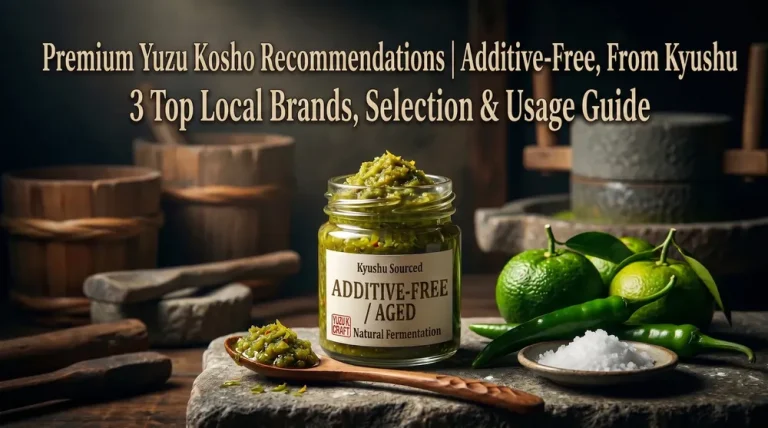
Yuzu Kosho: Three Ingredients, and Read the Label
Real yuzu kosho is yuzu peel, ch…

Shodoshima Olive Oil: Why Japan Grows Olives
A 1908 fishing treaty is why Jap…

Japanese Honey: Why Only 6% of It Is Japanese
Japan imports 94% of its honey, …
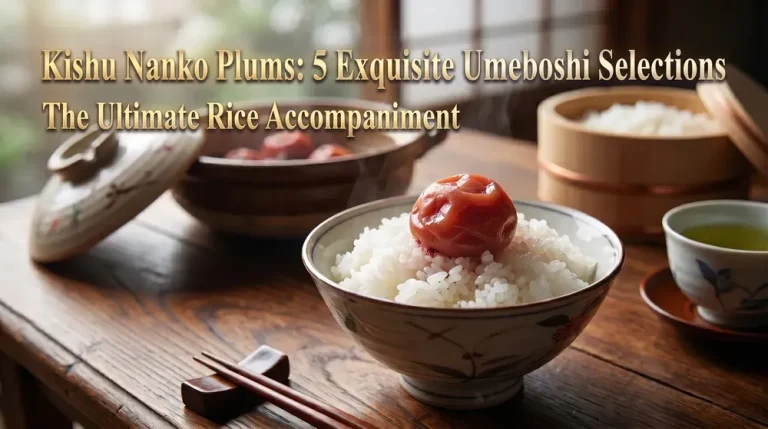
Umeboshi: How to Buy the Real Thing (3 Types)
Most umeboshi sold abroad is swe…

Japanese Premium Jams & Spreads: 5 Best Mail-Order Picks
Upgrade your toast with Japan's …
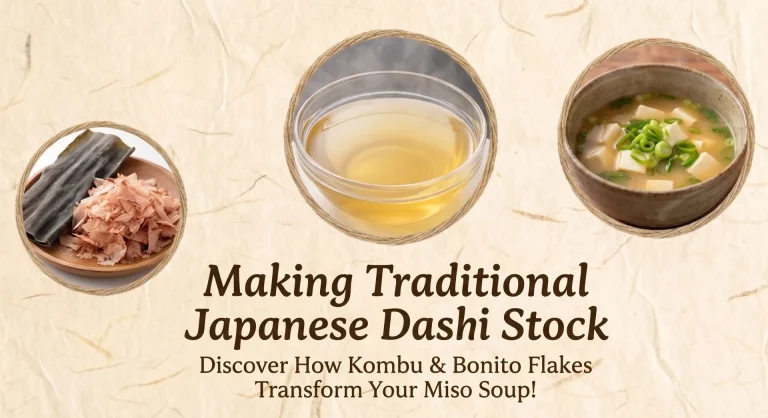
How to Make Japanese Dashi: Kombu & Katsuobushi in 4 Steps
Remove kombu just before boiling…

Japanese Hon Mirin: The 3-Ingredient Rule & Top Brands
Hon mirin is the upgrade that tr…
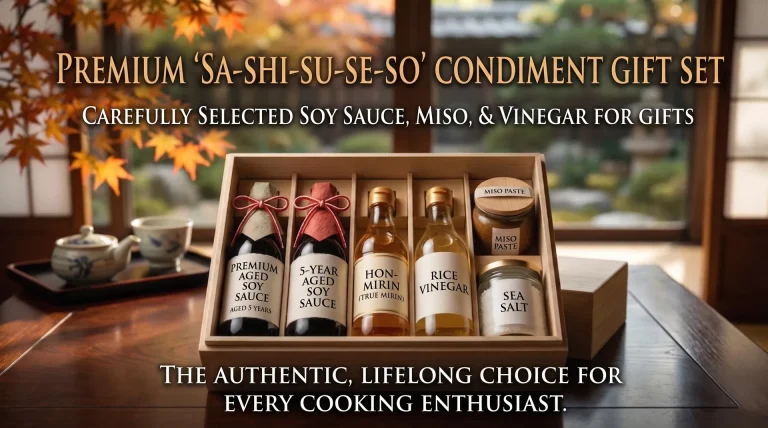
Japanese Seasoning Gifts: Premium Soy Sauce, Miso & Vinegar
Seasonings make the best Japanes…