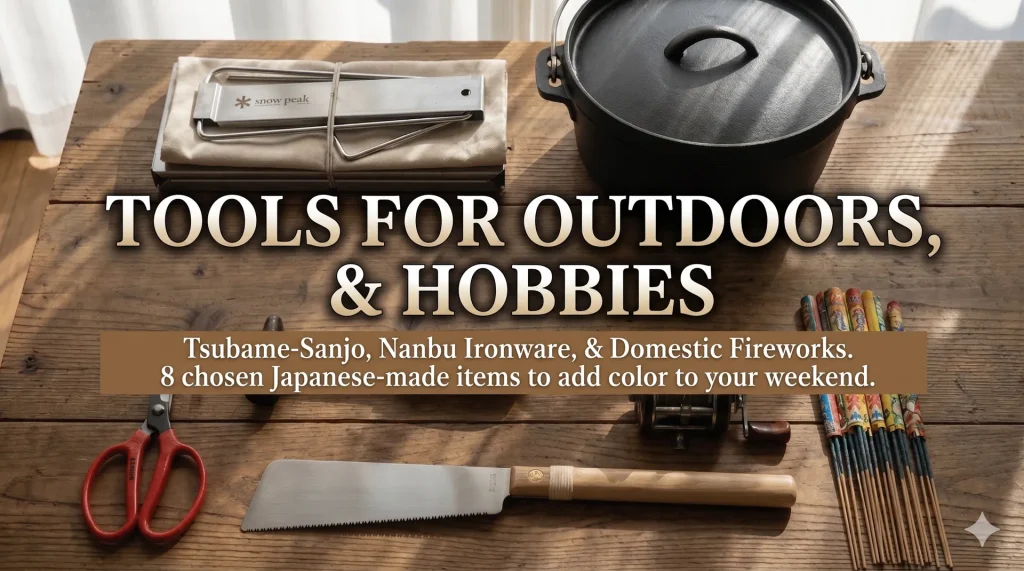
"What should I do with my day off?"
When you have a tool you're itching to use, that question answers itself.
Why not put the same care and attention into your play tools that you do into your work tools?
Japan has an extraordinary range of gear that outdoor enthusiasts and DIY hobbyists around the world actively seek out.
The campfire stands of Niigata's Tsubame Sanjo. The cast iron of Iwate's Nambu Tekki. The handcrafted sparklers of
Fukuoka.
These aren't just functional items — they're companions that make the time you spend with them genuinely richer.
This collection covers 8 categories of Japanese hobby tools that turn an ordinary weekend into something memorable.
Find your next companion for the days off ahead.
1. No Compromises on Play Tools | Choosing Things That Raise Weekend Quality
Work demands efficiency. Hobbies are about savoring the process.
That's exactly why the tools you choose for leisure deserve your full attention.
The More Inconvenient, the More Interesting
Oiling your cast iron so it doesn't rust. Wiping sap from your garden shears to keep the blade clean.
These are extra steps — but those extra steps are what build genuine attachment to a tool.
In an era when a button press can do almost anything, choosing to use your hands, to maintain something with care —
that's the finest kind of luxury available to a grown adult.
2. Fire & Iron | Camp Gear and Cast Iron from Tsubame Sanjo & Nambu
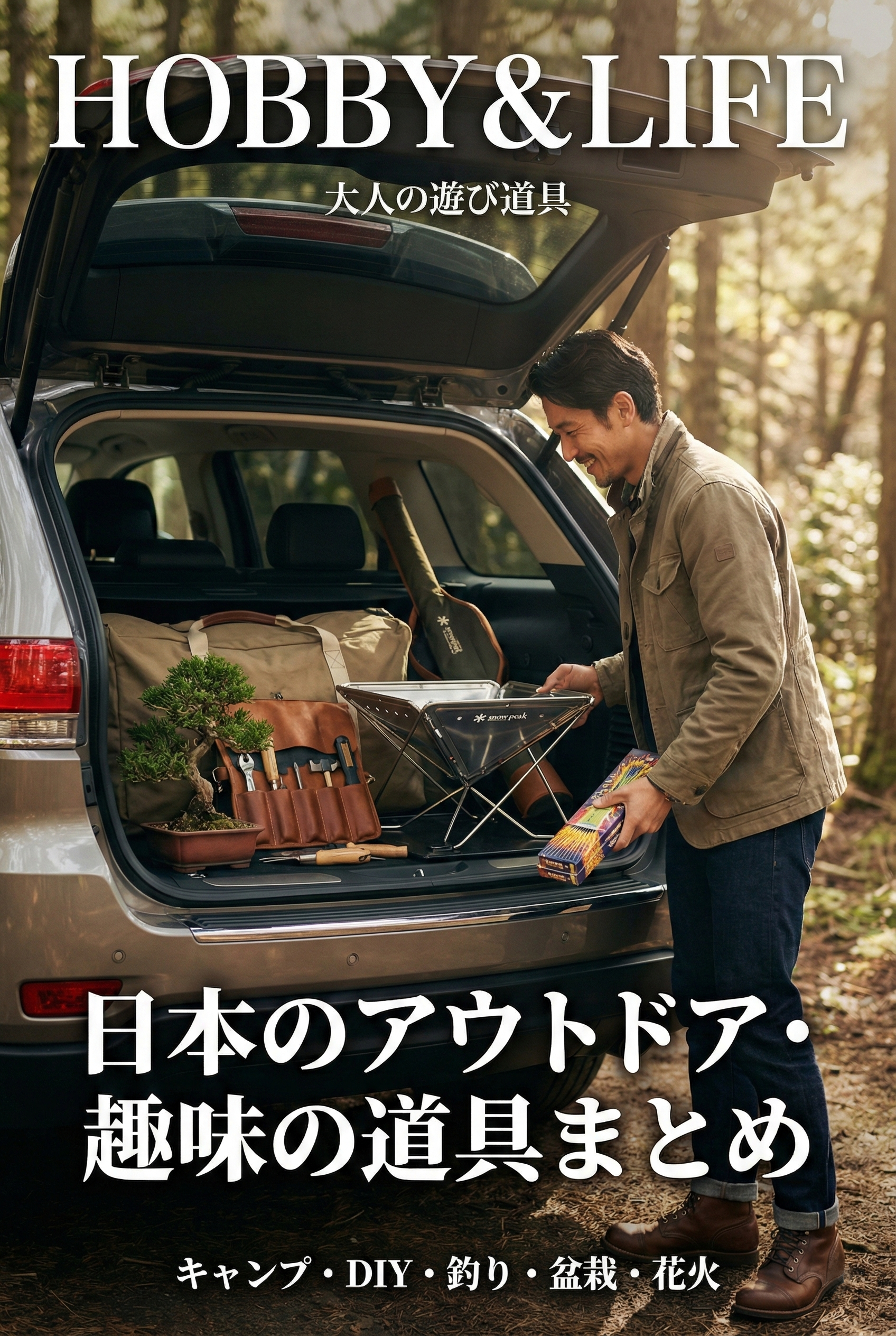
In the midst of the outdoor boom, the gear that gets chosen not as a trend but as a lifetime investment comes from Niigata and Iwate — Japan's iron heartlands.
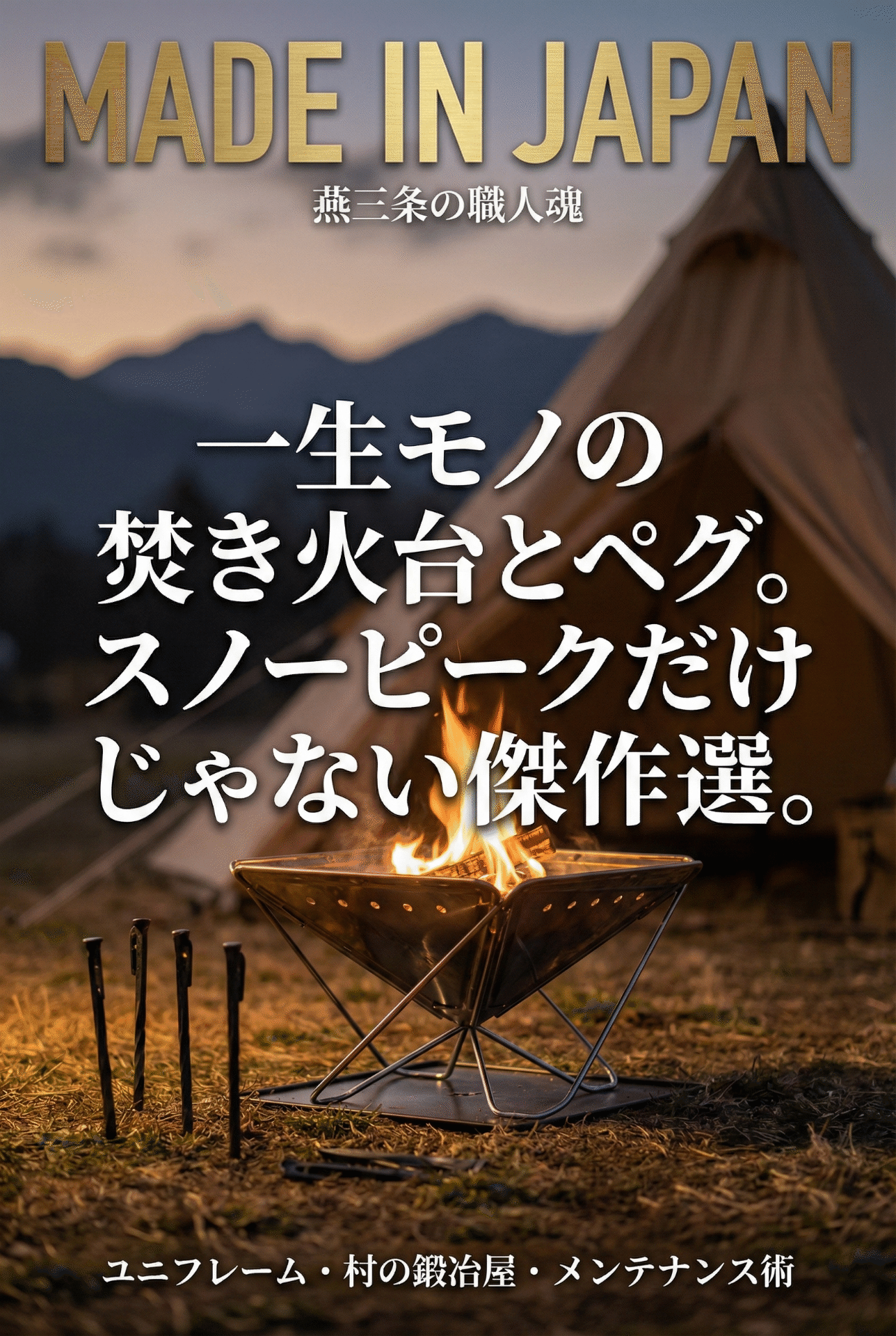
Camp Gear (Tsubame Sanjo, Niigata)
Strength is a form of kindness. Snow Peak fire pits and Uniflame cookware — lifetime metal tools that won't warp under heat.
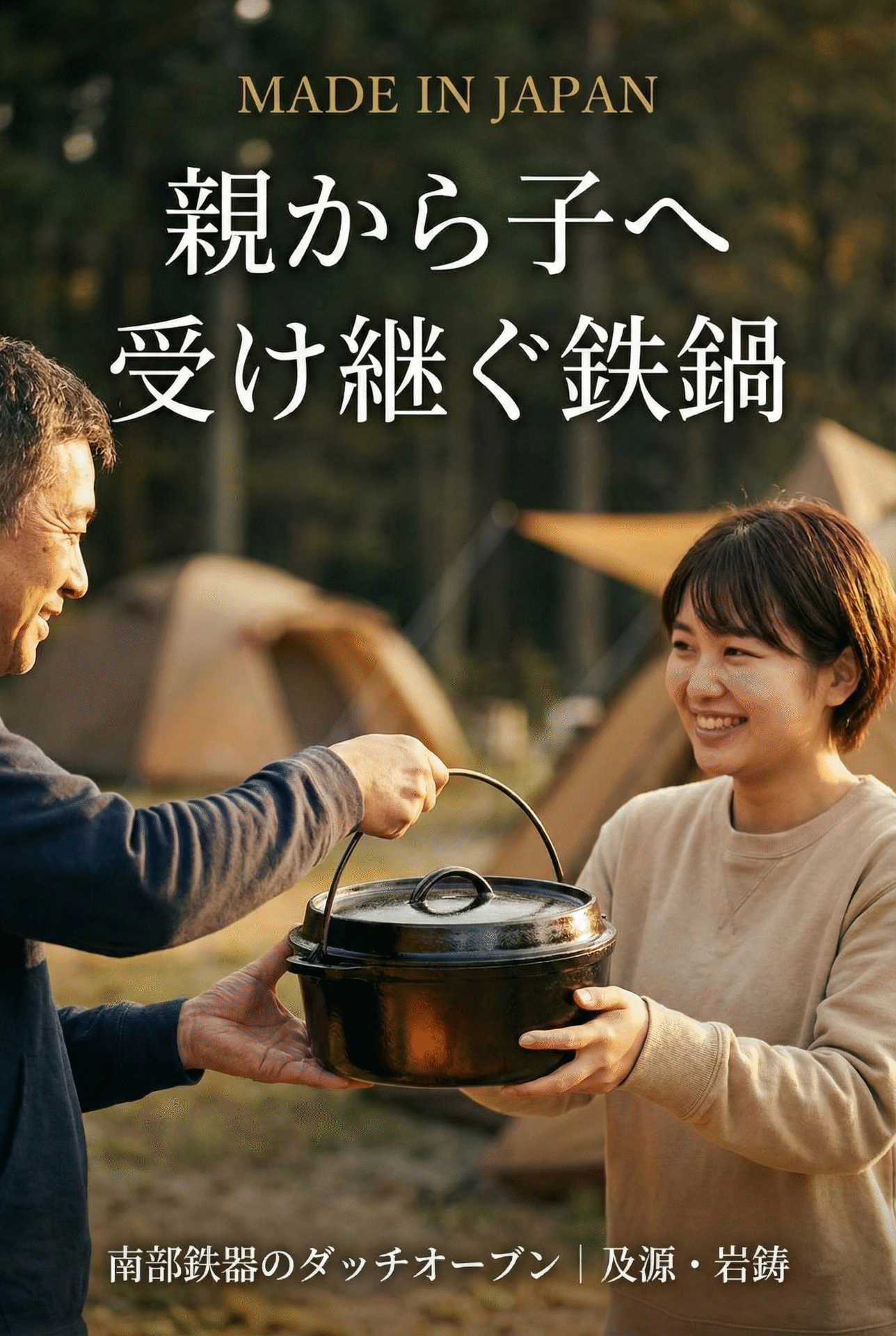
Dutch Oven (Nambu Tekki, Iwate)
The pinnacle of "vessels you raise." Master waterless curry and roast chicken in OIGEN's black cast iron pot.
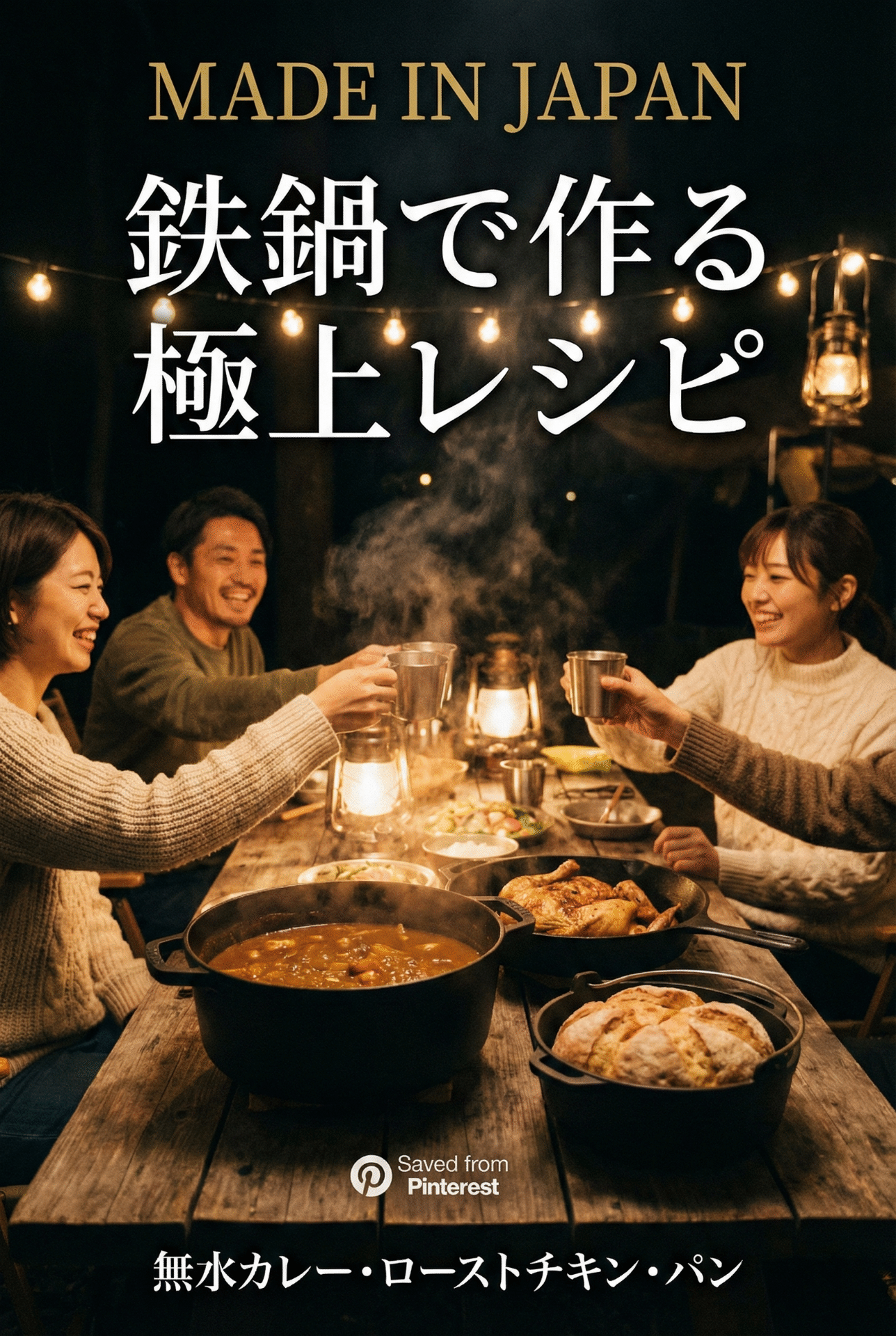
Bonus: 3 Great Recipes for Your Cast Iron Pot
Once you have the tools, it's time to cook.
Three dishes that are uniquely delicious in a Nambu Tekki Dutch oven: waterless curry, roast chicken, and
freshly baked bread.
The heavy iron lid locks in moisture, drawing every bit of flavor from the ingredients.
3. Earth & Green | Blades and Pots for Working with Plants
Whether you have a garden or a windowsill, tools that work with living things demand sharpness and precision.
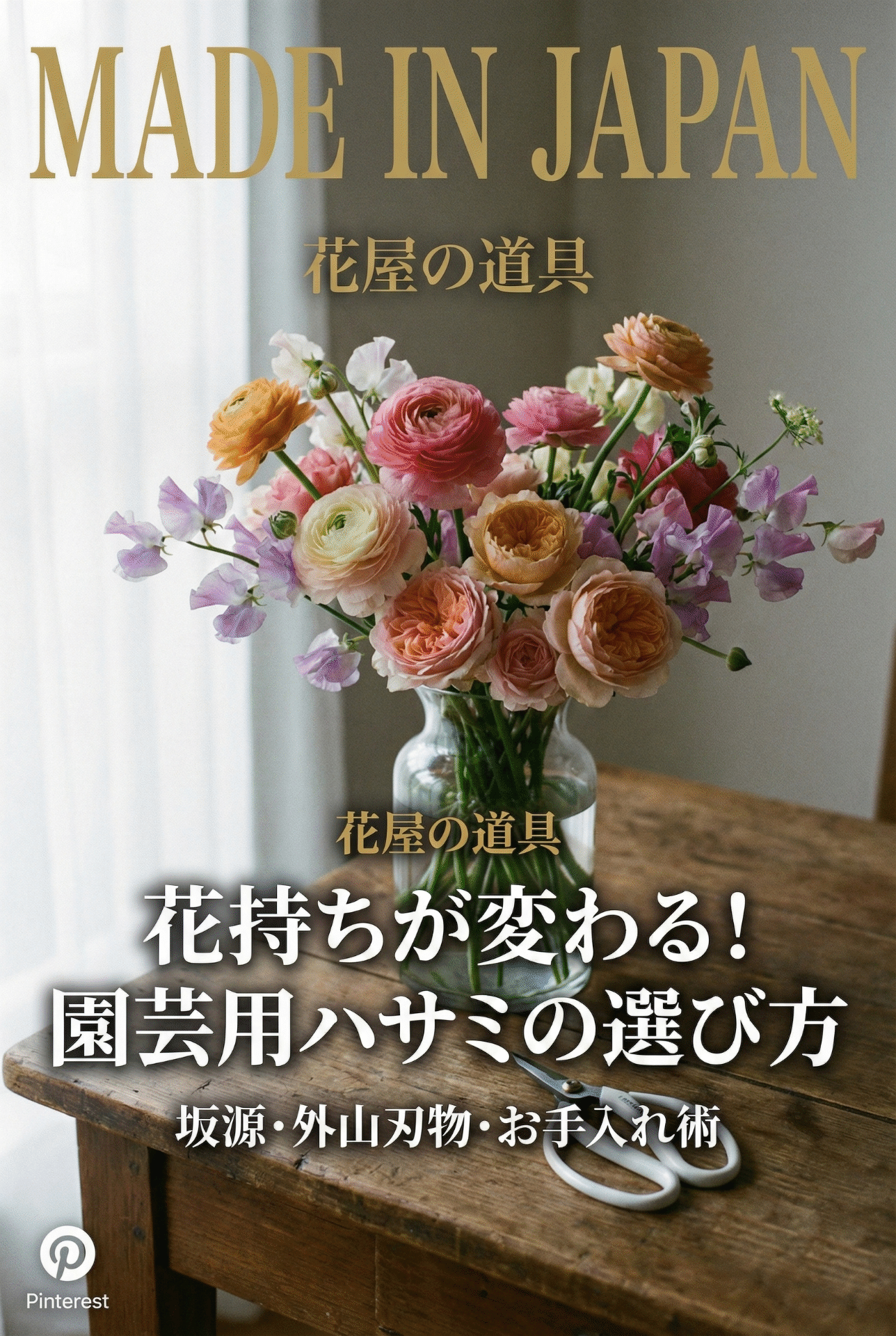
Garden Scissors (Sanjo, Niigata)
The white scissors loved by florists everywhere — Sakagen's blades cut without crushing the stem, keeping cut flowers alive dramatically longer.
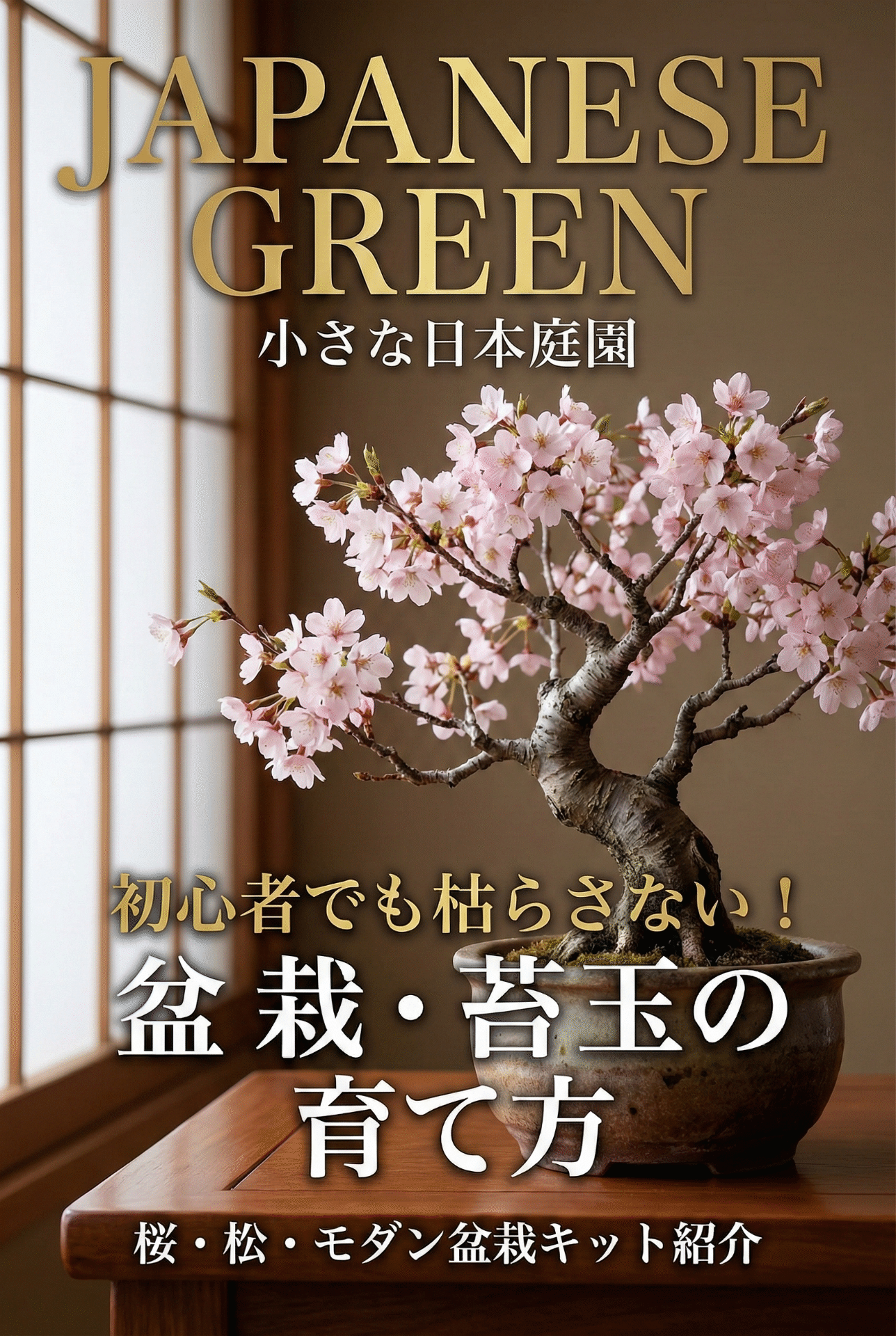
Bonsai & Kokedama Kits (Seto Ware & more)
A tiny universe on your desk. Grow cherry blossom or pine from seed in a modern pot — a genuine digital detox for the daily routine.
4. Wood & Steel | Functional Beauty in DIY and Hand Tools
Cut. Turn. Strike. The simpler the action, the more the precision of the tool shapes the result.
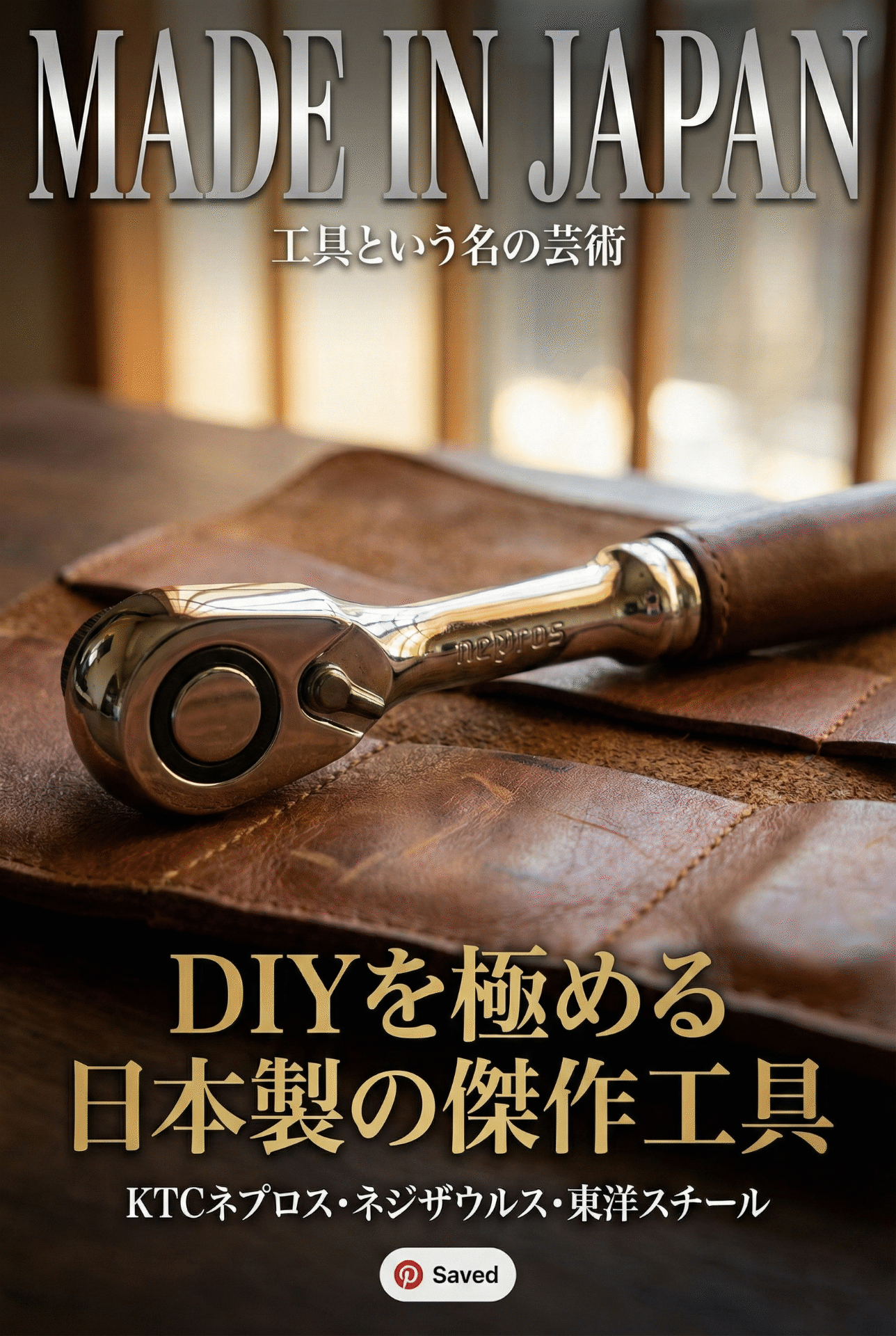
Japanese Hand Tools (Kyoto & Osaka)
The gleam of KTC Nepros wrenches, the legendary blade of an OLFA cutter — tools with such refined aesthetics that simply owning them is a pleasure.
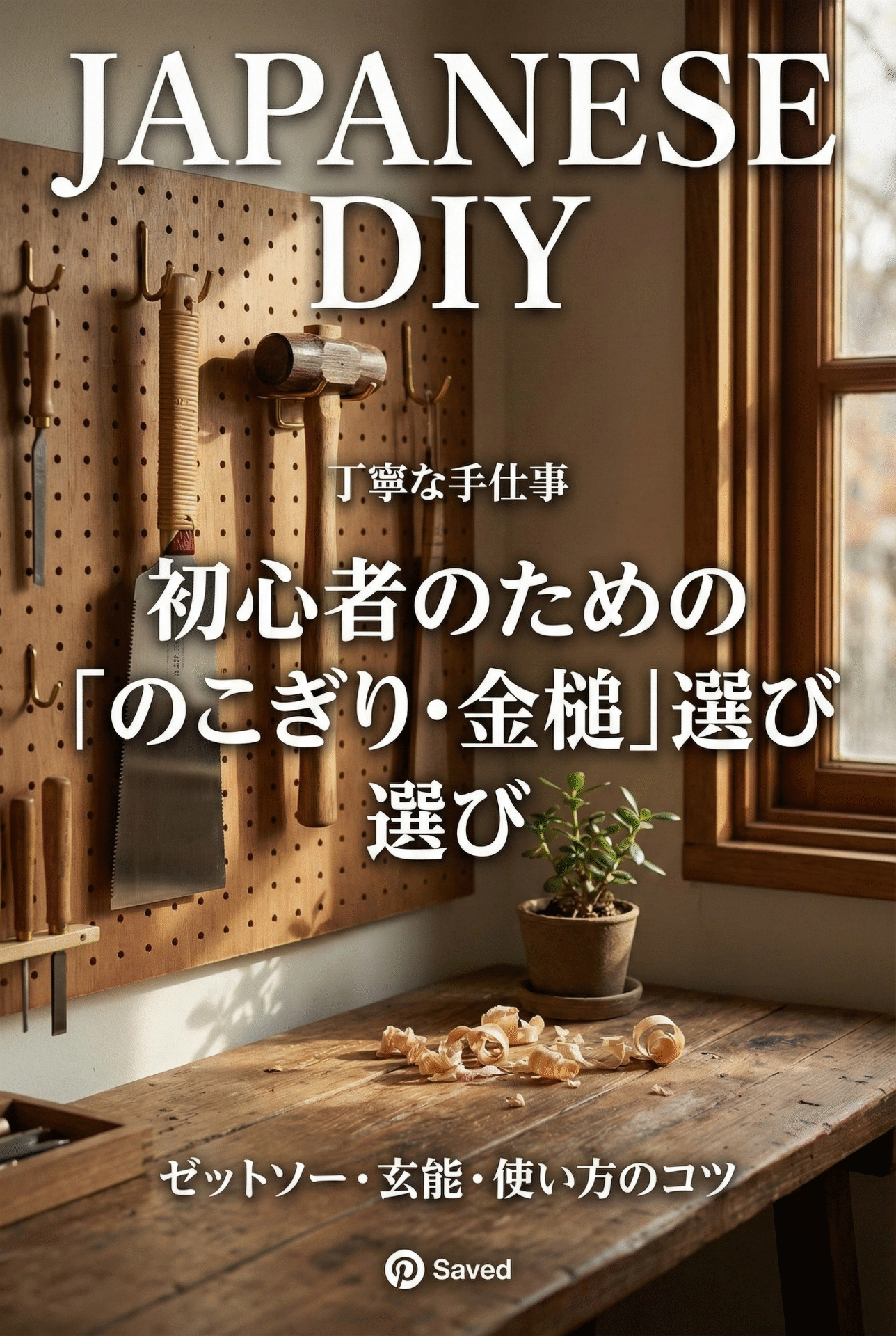
Saw & Hammer (Hyogo & Niigata)
The cutting precision of the Z-saw, which slices on the pull stroke, and a Japanese wooden-headed hammer (genno) that won't mark the wood. Essential hand tools recommended for any skill level.
5. Water & Light | Fishing and Fireworks — the Aesthetics of the Moment
For weekends spent near water. Tools that help you savor a fleeting glimmer of beauty.
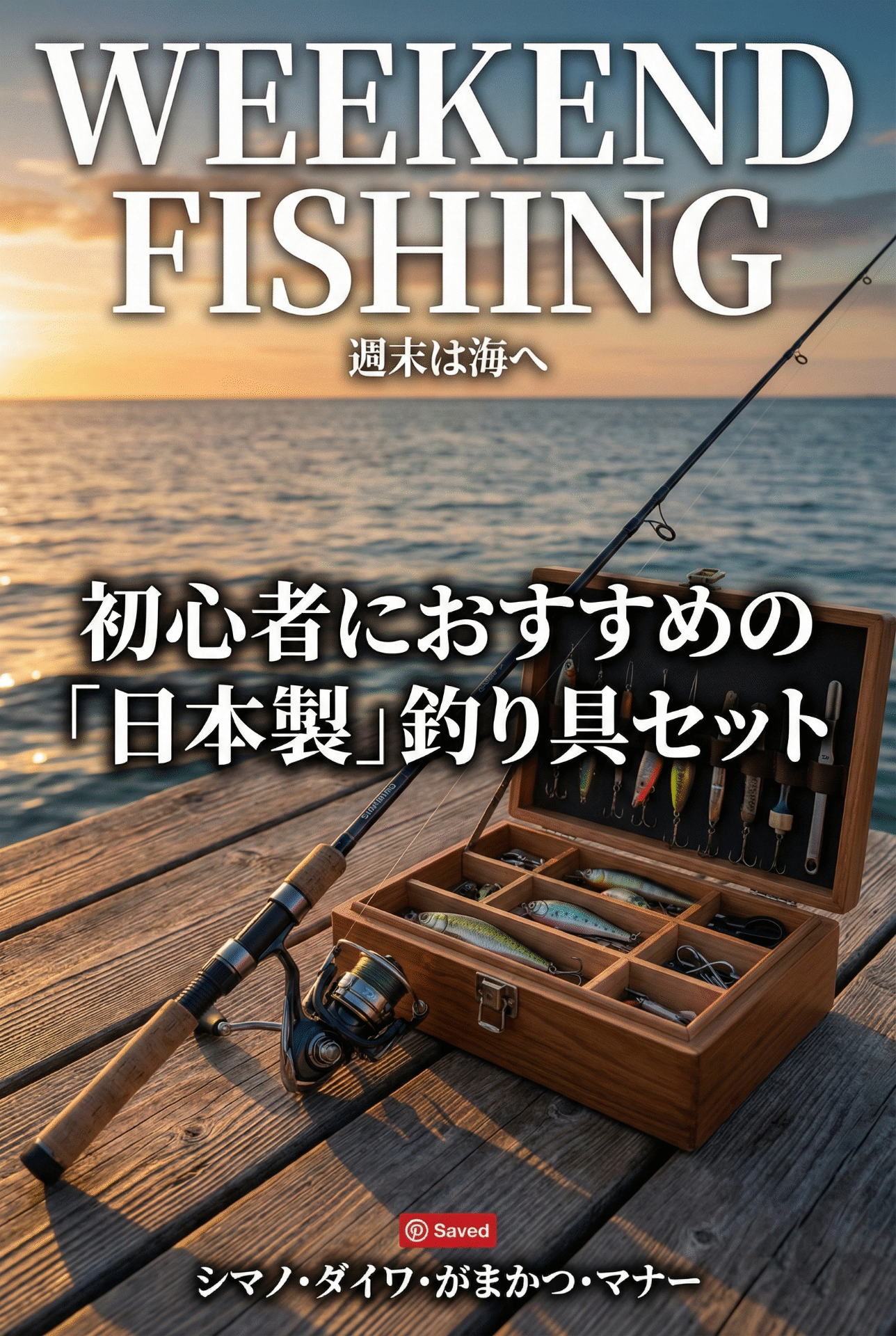
Fishing Beginner Sets (Osaka & Tokyo)
Shimano and Daiwa — the world's finest fishing technology, brought to your local pier. A starter set that satisfies an adult's sense of play.
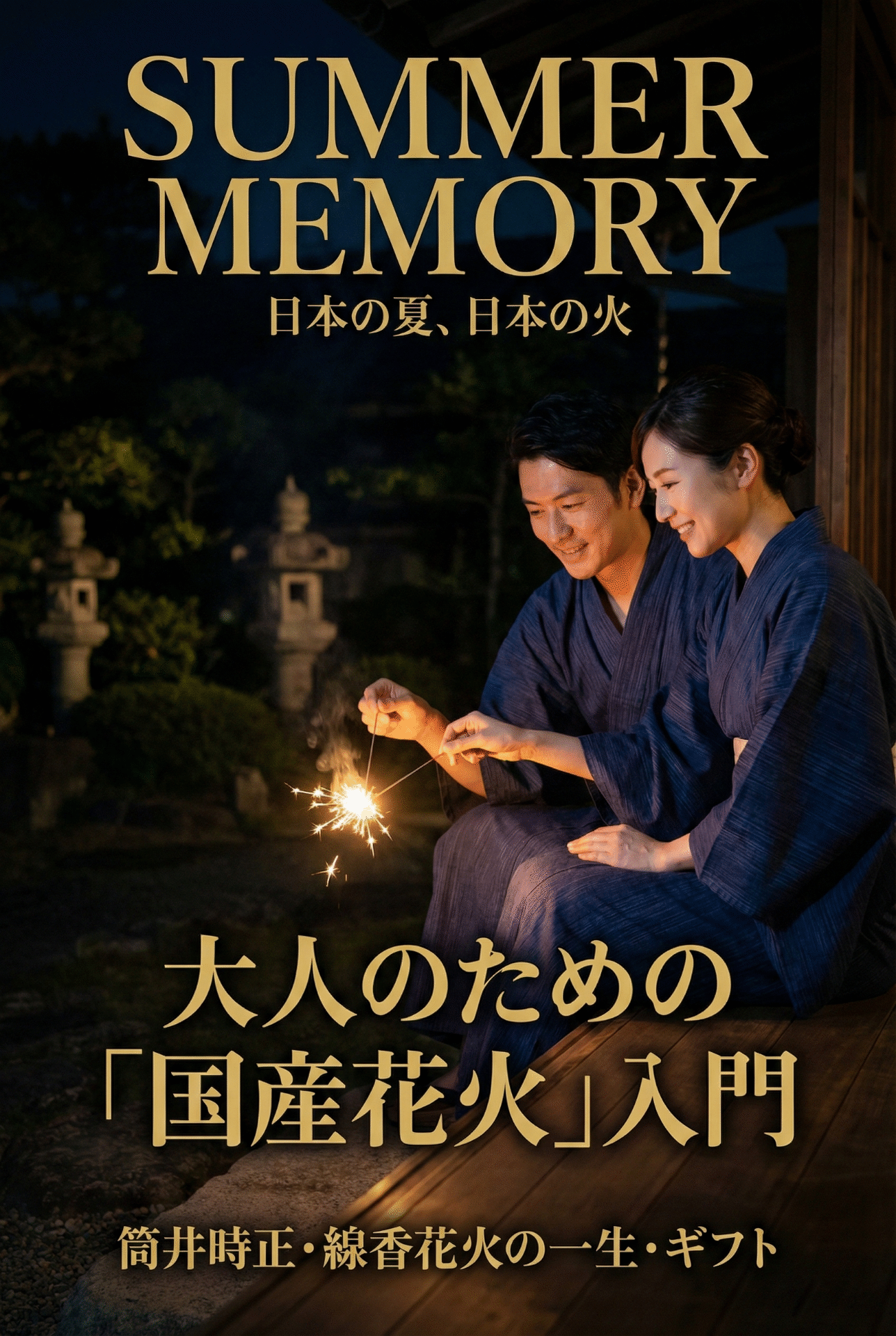
Japanese Sparklers — Senko Hanabi (Fukuoka)
Tsutsui Tokimasa Toy Fireworks Manufacturing — guardians of a fleeting light. From bud to scattered chrysanthemum, four stages of change that define a Japanese summer.
6. What They All Share: Tools That Grow with You
Every tool in this collection has one thing in common: the day you buy it is not its best day.
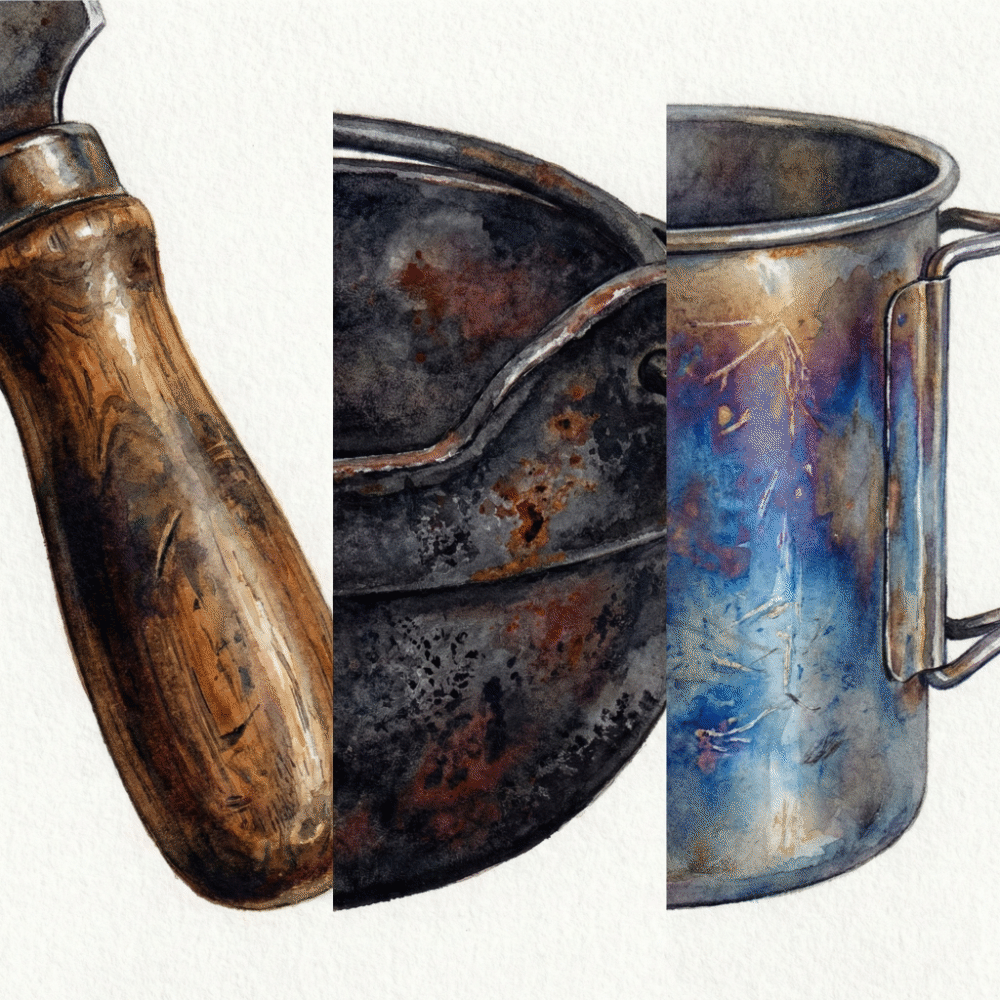
Scratches and Patina Become "Character"
A fire pit gains a rich char pattern from the flames. Cast iron darkens and deepens with every oiling. A tool
handle slowly shapes itself to the contours of your hand.
Cheap plastic products deteriorate when they get worn — quality Japanese tools gain character aging (aging), which
only adds to their value.
Ten years from now, pouring a drink and admiring the well-worn faces of your tools.
That future is part of what you're buying when you choose these things.
7. Frequently Asked Questions
I don't have space at home to store outdoor gear. What should I do?
Put it on display — make it part of the interior.
Toyo Steel toolboxes, Snow Peak storage containers — many Japanese outdoor and hobby tools are designed
beautifully enough to live on a shelf.
Rather than hiding them away, try arranging them so they're part of your everyday living space.
What should I buy first as a beginner?
Don't choose by function — choose by what makes your heart move.
Rationally speaking, you could cover the same ground with a dollar-store version.
But hobby tools aren't about logic. "I want to buy flowers because I want to use these scissors." "I'll go
hiking because I want to drink from this mug on a summit."
That kind of motivation is what makes a hobby stick — and that's the right tool for you.
Won't iron products rust quickly?
Wipe them dry and they'll be fine. Even if they do rust, they can be fully restored.
Moisture is the enemy of Nambu Tekki and iron tools. A dry wipe after use and a thin coat of oil is all it
takes to keep them in excellent condition for years.
And if rust does appear, sanding it off and re-seasoning brings it back to life — that resilience is one of
iron's great virtues.
Can things be repaired if they break?
Many Japanese manufacturers offer full repair services.
Snow Peak's lifetime warranty, sharpening services for pruning shears, replacement parts for cast iron — Japanese
brands take after-care seriously.
"Broken means replaced" is not the Japanese approach. "Broken means fixed and kept" is — and that's one of the
strongest arguments for choosing Japanese-made goods.
What makes a good gift from this collection?
Japanese sparklers (senko hanabi) and garden scissors are particularly popular choices.
Tsutsui Tokimasa's fireworks come in beautifully designed packaging and make a perfect summer gift.
Sakagen's scissors (Hand Creation line) come in a range of colors and are a thoughtful gift for anyone who loves
gardening or flower arranging.
Final Thoughts: What Japanese Tools Teach Us About Spending Time Well
In a world of instant convenience, we've gradually forgotten how to wait — how to put in the work.
But the tools made by Japan's craftspeople seem to say something to us:
"No need to rush. Let's grow together, slowly."
Building a fire, seasoning cast iron, cutting wood, dropping a line into the water.
In those analog moments — unhurried and hands-on — there's a kind of human joy that screens and shortcuts
simply can't replicate.
Which tool will you take with you next weekend?