"I'm buying the same beans as the coffee shop, but I can't get the same taste at home..."
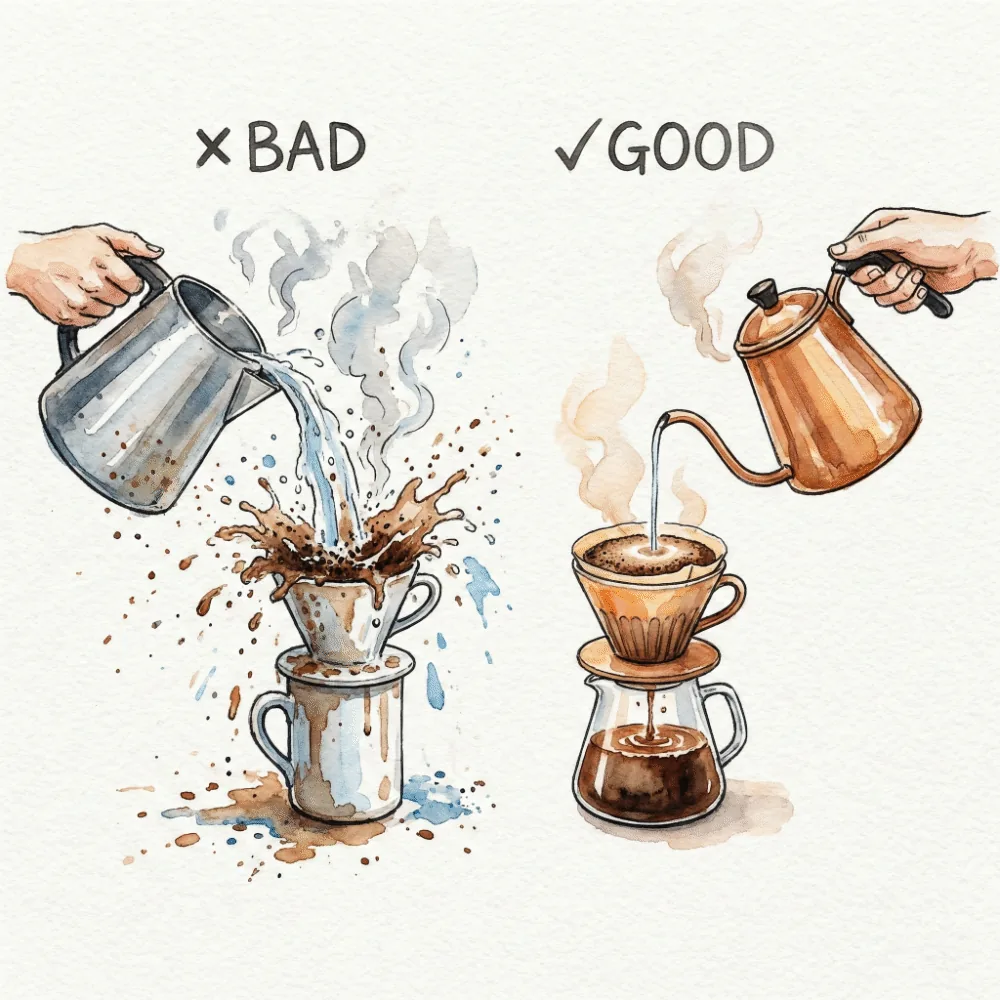
"Every time I try to pour a thin stream, it just drips and globs."
This is the first wall every hand-drip beginner hits: controlling the pour.
Before you blame your technique, consider this — it might be the equipment.
If you want café-quality coffee at home, the single most impactful upgrade you can make is switching to a
Japanese-made coffee drip
pot.
Pots from Takahiro in Tsubame City, Niigata, and the classic Tsukiusagijirushi
(月兎印) slim pot by Noda Horo are the tools that baristas around the world reach for first — and for good
reason.
This guide explains how spout design affects flavor, and how to find a pot you'll use for the rest of your life.
Series: This article is part 1 of the "Savor (Coffee · Spirits · Traditional Culture)" series.
Quick Reference: Drip Pot Materials at a Glance
| Material | Pour Control | Heat Retention | Maintenance |
|---|---|---|---|
| Stainless Steel | Excellent (polished precision) | Medium | Easy · rinse with water |
| Copper | Very good | High (excellent conductivity) | Some care needed (patina) |
| Glass | Medium | Low (cools quickly) | Easy · water level visible |
| Enamel | Medium–Good | High | Handle with care · stovetop safe |
1. Hand-Drip Flavor Is Determined by the Pour
Pouring directly from an electric kettle and using a dedicated drip pot produce completely different cups of coffee.
The Art of Flow Rate and Speed
The most critical variable in hand-drip coffee is maintaining a consistent, controlled flow of water.
Too fast and the grounds are flooded — the coffee turns thin and bitter as off-flavors rush out.
Too slow and it over-extracts — thick, harsh, and astringent.
A dedicated drip pot is engineered so that the angle of your wrist alone determines a steady, thread-thin
stream.
The right tool doesn't make technique unnecessary — it makes technique possible. Upgrading the pot is the
shortest path to improvement.
2. Why Baristas Worldwide Choose Japanese Drip Pots: The Tsubame-Sanjo Edge
From Blue Bottle Coffee to specialty roasters across Europe and North America, the pots on the brew bars are frequently from Tsubame-Sanjo in Niigata, Japan.
The Clean Cut Is Created by Polishing
Tsubame City is one of the world's premier centers for precision metalwork.
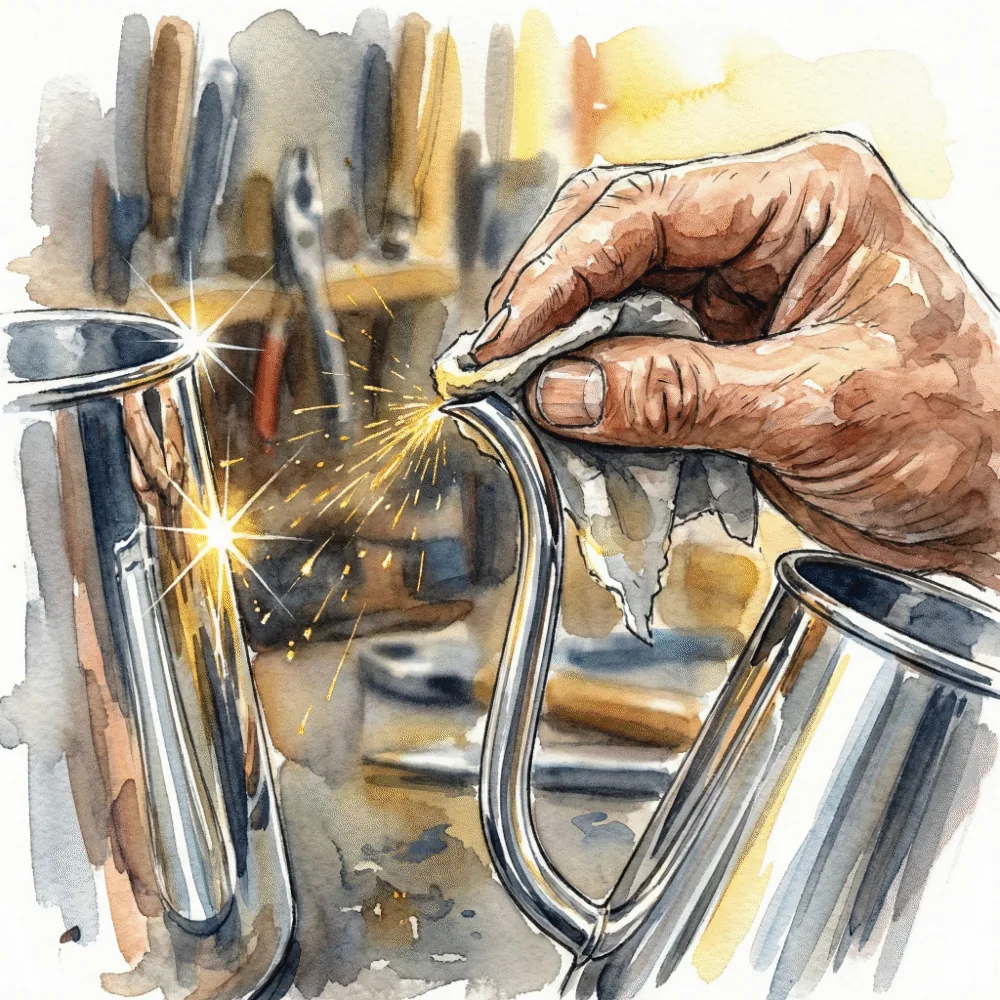
What separates these pots is the polishing (kenma) applied to the very tip of the spout.
Finished by hand to a thinness and smoothness that no machine can replicate, the tip produces a clean,
instantaneous cutoff — water stops the moment you tilt back, with no drip, no trail, no mess.
This precision in every pour is what professional baristas are paying for, and once you've used it, going back
is hard.
3. Thin-Neck vs Gooseneck: How Spout Shape Affects the Taste
When choosing a drip pot, the spout shape (or "spout type") is the most important consideration. There are two main types.
Thin-Neck for Beginners, Gooseneck for Expression
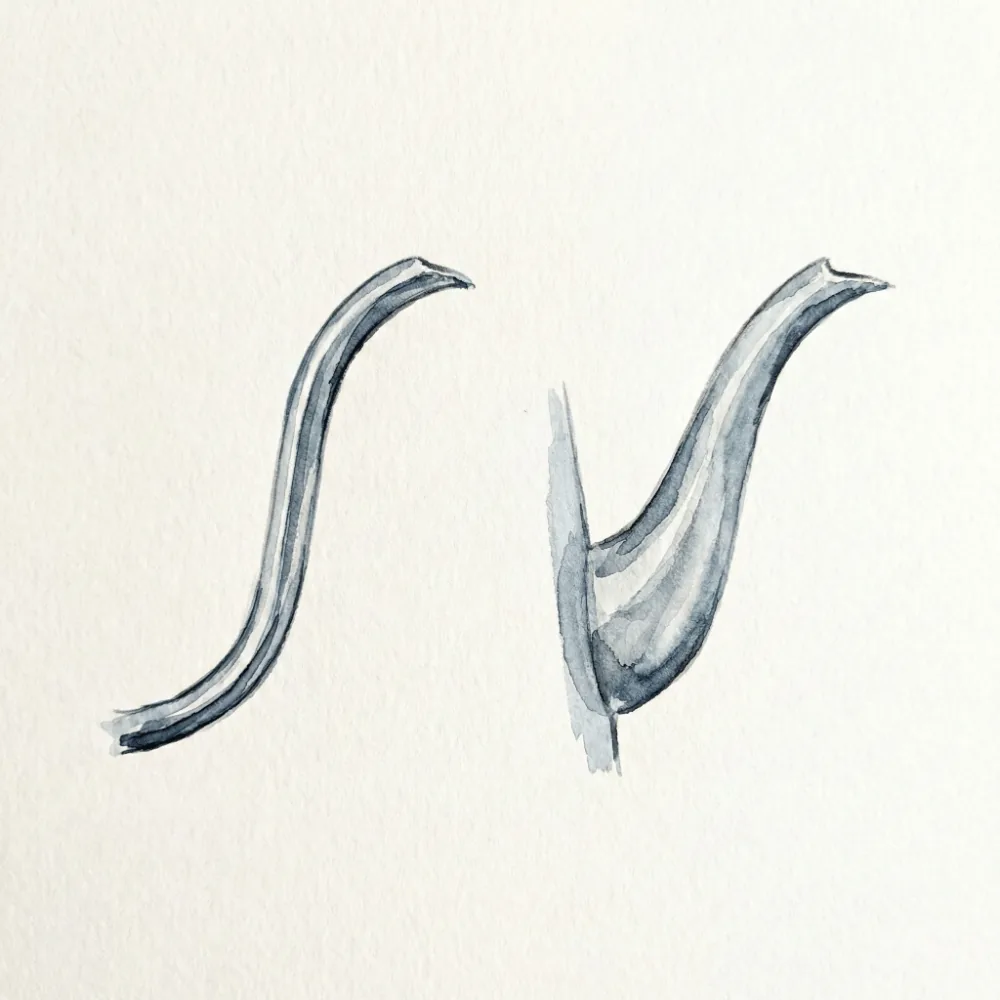
1. Thin-neck (straight narrow spout):
Consistent diameter from base to tip. Produces a steady, thin stream regardless of technique — ideal for
beginners because the results are predictable and repeatable.
2. Gooseneck / pelican (tapered spout):
Wide at the base, narrowing toward the tip. The pour rate responds directly to how far you tilt — from a single
drip up to a heavier flow, all controlled by wrist angle.
This allows experienced brewers to vary their pour intentionally: fine at the start to bloom the grounds gently,
then broader toward the finish. Preferred by intermediate to advanced home brewers.
4. Takahiro "Shizuku" — The Pot That Changed Everything
"Once you use this, you can't go back to anything else." That's the reputation of the Takahiro Coffee Drip Pot Shizuku (雫, meaning "droplet").
Takahiro — Coffee Drip Pot Shizuku 0.9L
Point-drip coffee made effortless — for anyone.
The Shizuku is a refined version of Takahiro's already-exceptional standard pot, with an even more narrowed
spout tip.
Its defining feature: tilt the pot straight down and you achieve "point-drip" — individual drops falling one
by one.
This allows you to bloom the coffee grounds during the pre-infusion stage without disturbing the bed — the
grounds absorb water gently, releasing CO₂ slowly and cleanly, for a cup free of harshness.
The Shizuku is the distillation of Tsubame-Sanjo stainless steel craftsmanship.
- Material
- Stainless steel · Made in Japan (Tsubame City, Niigata)
- Capacity
- 0.9L · serves 2–3 cups comfortably
- IH compatible
- Yes (0.9L and above) · check base diameter for smaller sizes
- Brand
- Takahiro (タカヒロ) · Tsubame City, Niigata
5. Tsukiusagijirushi Slim Pot — Noda Horo's Iconic Enamel Kettle
The retro, charming silhouette of the Tsukiusagijirushi (月兎印, "Rabbit Moon Mark") Slim Pot is a fixture in cafés and specialty coffee shops across Japan.
Tsukiusagijirushi — Slim Pot 0.7L / 1.2L
A Japanese bestseller with over 40 years on the market.
Designed by Kōmin Yamada, manufactured by enamel specialist Noda Horo — the Slim Pot combines beautiful
industrial design with practical daily function.
Enamel (iron coated with a fused glass layer) is entirely odor-free, so it never imparts a metallic taste to
your coffee.
Its standout advantage: it can be placed directly on the stovetop. Boil the water and pour
immediately — no transfer, no fuss. For the stovetop coffee ritual, nothing is more convenient.
Available in a range of colors that age gracefully on any kitchen counter.
Important notice:
Due to the closure of Fujii Co., Ltd. (the brand's parent company) in June 2025, production of
Tsukiusagijirushi products has been suspended.
Remaining stock may be the last available. If you find new stock, we recommend securing it
without hesitation.
- Material
- Enamel (Noda Horo) · Made in Japan
- Stovetop
- Safe for gas · check base diameter for IH compatibility
- Design
- Kōmin Yamada · available in multiple colors
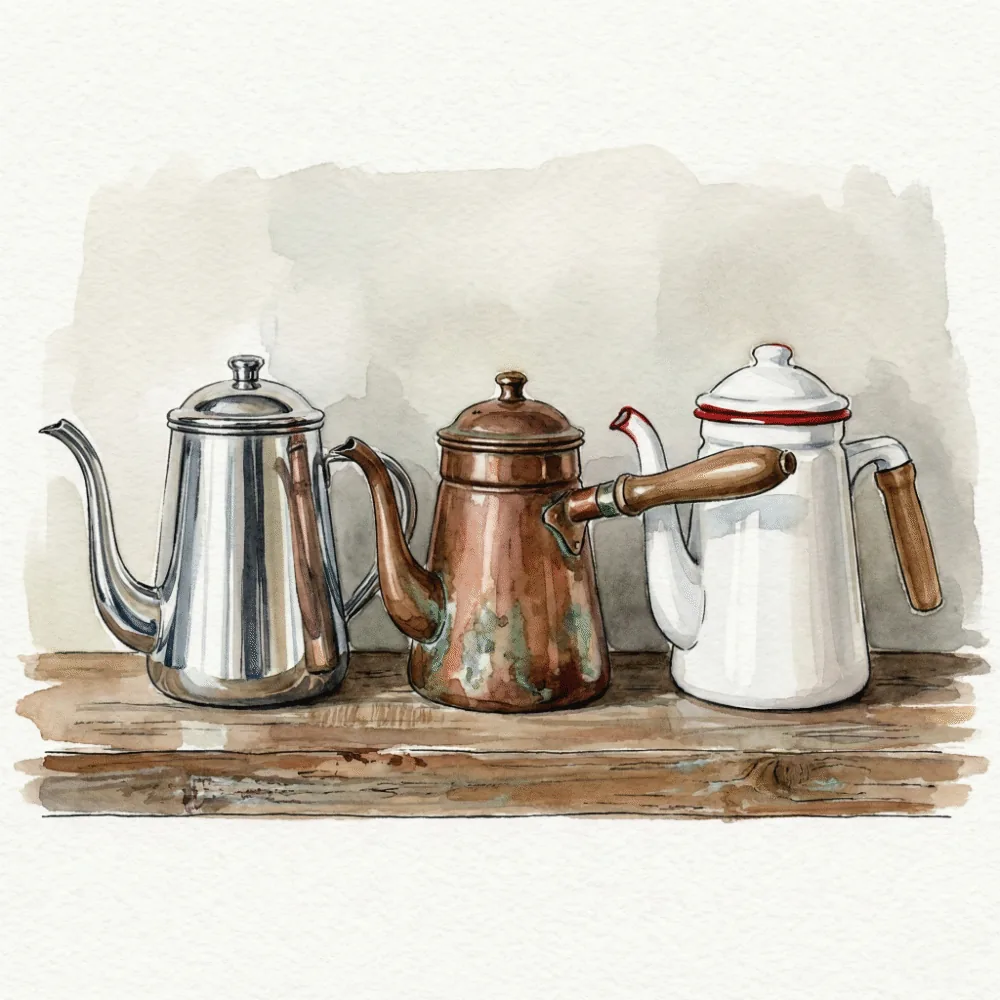
6. Stainless Steel, Copper, and Enamel: Materials Compared
The material of a drip pot affects more than just appearance — it determines heat conductivity, care requirements, and how the pot feels over years of daily use.
Finding Your Material
- Stainless steel (Takahiro, etc.):
Rust-resistant, durable, and easy to maintain. Mid-range heat retention. The most common material for professional and home use alike. - Copper (Kalita, etc.):
Outstanding thermal conductivity — keeps water temperature uniform throughout the pour. Develops a warm antique patina with age. Requires occasional care to manage the natural oxidation. - Enamel (Tsukiusagijirushi, etc.):
High heat retention, no metallic odor, stovetop compatible. The glass-fused surface can chip if dropped — handle accordingly.
7. Which Pot to Buy First: Recommendations by Level
Still not sure? Here's a straight recommendation by where you are in your coffee journey.
For Beginners: Takahiro Shizuku 0.9L
The fastest route to café-quality coffee — no technique required.
It seems expensive at first glance, but buying a cheap pot that makes it impossible to pour well — then
replacing it later — costs more in the end.
The 0.9L size is ideal for brewing 2–3 cups with room to spare, and the pour remains easy even when the pot is
only half full.
Built to last decades. The lifetime cost is unbeatable.
- Capacity
- 0.9L · recommended for 1–3 cups
- Material
- Stainless steel · Made in Japan (Tsubame City, Niigata)
For Those Who Want Style First: Tsukiusagijirushi Slim Pot
A pot that looks at home on the counter even when it's not in use.
Color options make it easy to match your kitchen décor.
The pour takes a little practice to master, but time spent learning with this pot becomes part of the pleasure
— it's the kind of object that makes the ritual feel worth it.
- Material
- Enamel · Made in Japan · stovetop compatible
- Note
- Production suspended as of June 2025 — stock while available
8. Frequently Asked Questions
Is it compatible with induction (IH) cooktops?
It depends on the model and size.
For Takahiro, the 0.9L and larger sizes have a wide enough base for most IH surfaces, but the 0.5L model may not
register reliably.
The Tsukiusagijirushi Slim Pot has a narrow base and may not be compatible with IH — check the base diameter
against your cooktop's specifications before purchasing.
Why do people transfer water from a kettle to the drip pot?
To bring boiling water down to the ideal brewing temperature (~90°C / 194°F).
Transferring water from a boiling kettle into the drip pot drops the temperature a few degrees — right into the
optimal range for coffee extraction.
Even for stovetop-compatible pots, letting the water settle briefly after boiling before pouring helps avoid
over-extraction from water that's still at a vigorous boil.
The inside of the pot is hard to clean. Any tips?
Use a long-handled bottle brush, and let it air-dry upside down.
If you use the pot exclusively for coffee, rinsing with water and drying completely is usually sufficient.
For stubborn mineral deposits, a citric acid solution (or a few tablespoons of citric acid in water, simmered
gently) will dissolve the buildup cleanly. Always store inverted to prevent rust from trapped moisture.
Which size is right for me — 0.7L or 1.0L?
Choose based on your typical brew volume, plus some margin.
A single large mug (around 200ml) can be managed with a 0.5–0.7L pot, but if you regularly brew for two or three,
go for 0.9–1.0L or larger.
As the water level drops, you need to tilt the pot further to maintain flow — which reduces control. Keeping the
pot at least one-third full makes pouring much more stable.
What's the difference between the Takahiro Shizuku and the standard Takahiro?
The Shizuku has a narrower spout — optimized for point-drip and ultra-fine pouring.
The standard Takahiro pot is already exceptional, but its spout is slightly wider, making it more versatile for
different pour weights.
The Shizuku is specialized: tilt it downward and individual drops fall one at a time. For the current trend toward
slow, gentle hand-drip, the Shizuku makes that technique effortless.
Do copper pots rust?
Copper doesn't rust — but it does develop patina (verdigris).
Verdigris (the blue-green coating) is not harmful, but if the appearance bothers you, wiping with a cloth dampened
in a salt-and-vinegar mixture removes it.
After each use, wipe the pot completely dry and store in a low-humidity place. The warm amber color that develops
over years of use is considered part of the charm of copper — something to cultivate, not avoid.
Final Thoughts: Controlling the Water, Listening to the Grounds

A great cup of coffee is not about forcing flavor from the grounds — it's about drawing out everything the beans
have to offer, at exactly the right pace.
That requires not just skill, but a pot designed to make precision feel natural.
The pots from Tsubame-Sanjo become an extension of your hand — the water lands exactly where you want it, when
you want it.
A few minutes each morning, surrounded by the sound of falling water and the smell of fresh coffee blooming.
That quiet focus might be the best part of the day.
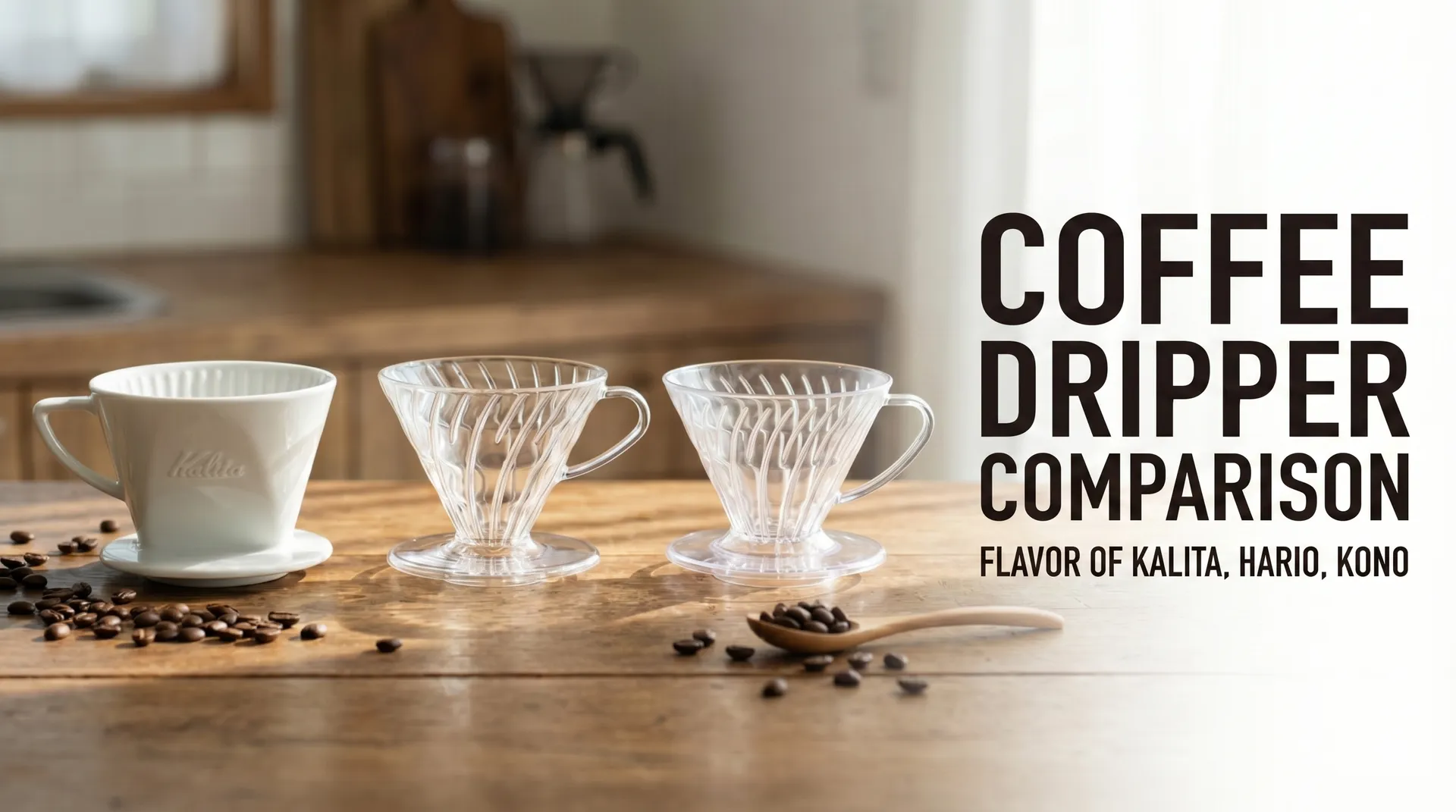
Japanese Coffee Drippers: Ceramic and Copper Pour-Over Drippers
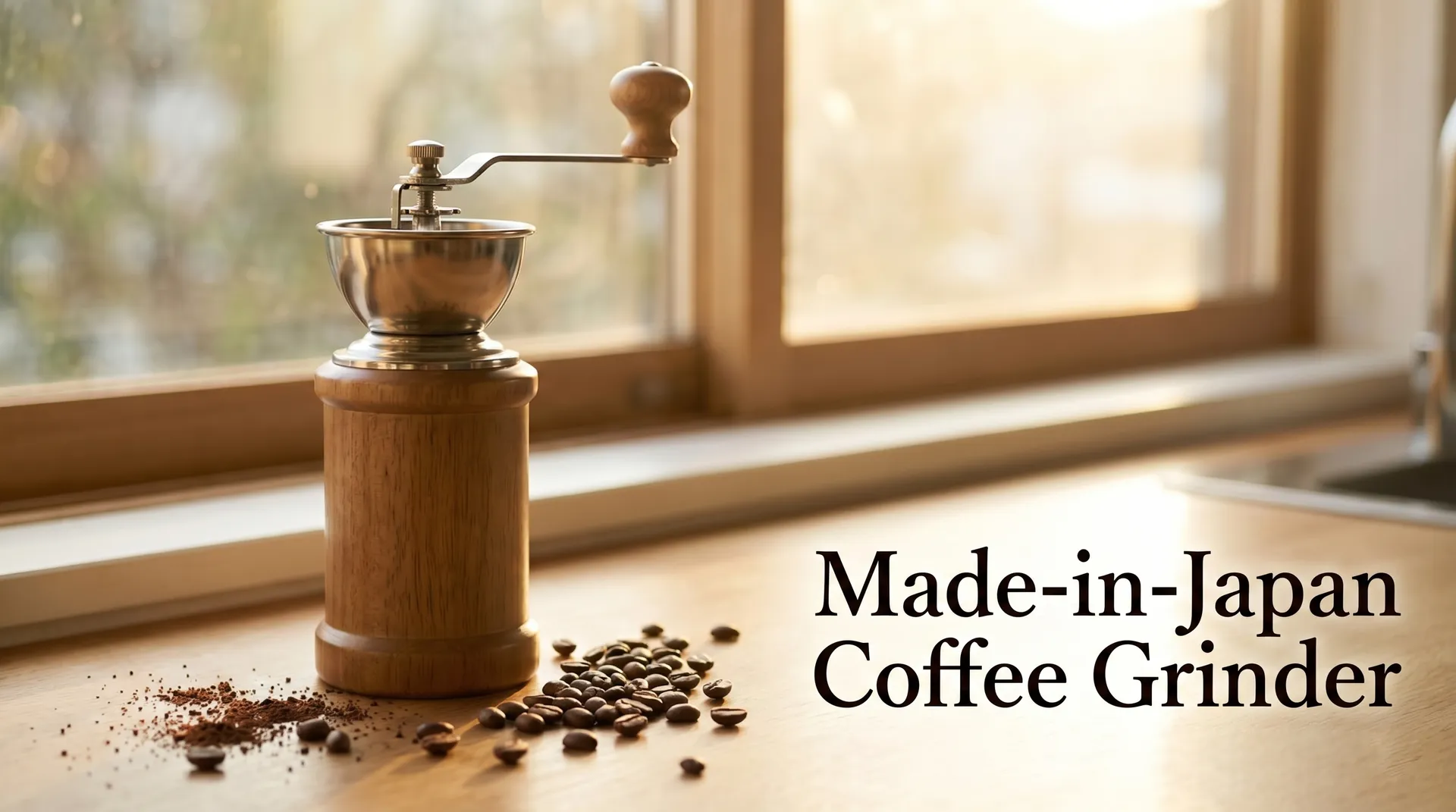
Japanese Coffee Hand Grinders: Quiet, Precise, and Built to Last