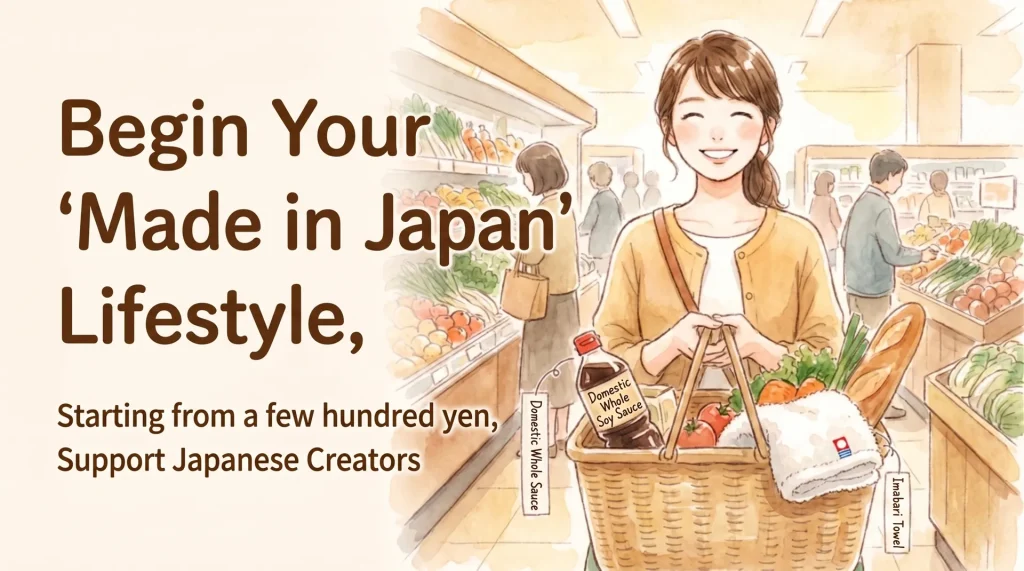
"The craftsmanship you see in Japanese videos looks amazing."
"But I bet the price tag is just as impressive, right?"
If that's your reaction to Japanese traditional crafts and domestic products, you're not alone.
Outfitting your home entirely with Japanese-made goods would take a serious budget, no question.
But giving up because "it's too expensive" is exactly the kind of thinking worth challenging.
There are genuinely many everyday items that require just a few hundred yen more than the cheapest option — and return dramatically higher satisfaction while supporting the people who make them in Japan.
This guide shares practical entry points for starting a Made in Japan lifestyle, without overextending your budget or your lifestyle.
"Not for Sale"? Why We Built This Site
"I want to buy Japanese-made goods — but they're never stocked in stores."
"I search online and all I find are cheap imports."
Sound familiar?
Walk down the aisles of a supermarket or home center and the shelves are filled almost entirely with overseas products. The problem isn't that Japanese-made goods don't exist — it's that consumers are rarely given the option to choose them in the first place.
At the same time, Japan is home to countless factories and craftspeople with extraordinary skills.
But many of them have the expertise to make exceptional products without the resources to market them online, or the production volume to qualify for shelf space in large chain retailers.
The buyer who wants it, can't find it.
The maker who makes it, can't reach the buyer.
This frustrating disconnect is what we set out to solve.
We built Made in Japan.jp to surface hidden gems from across Japan and connect them directly to people who are genuinely searching for them.
If you've struggled to find what you're looking for — that's not your fault. Everything here is something we're proud to stand behind.
The Truth About "Expensive": Cost Per Use, Not Sticker Price
Japanese-made goods often look expensive at first glance.
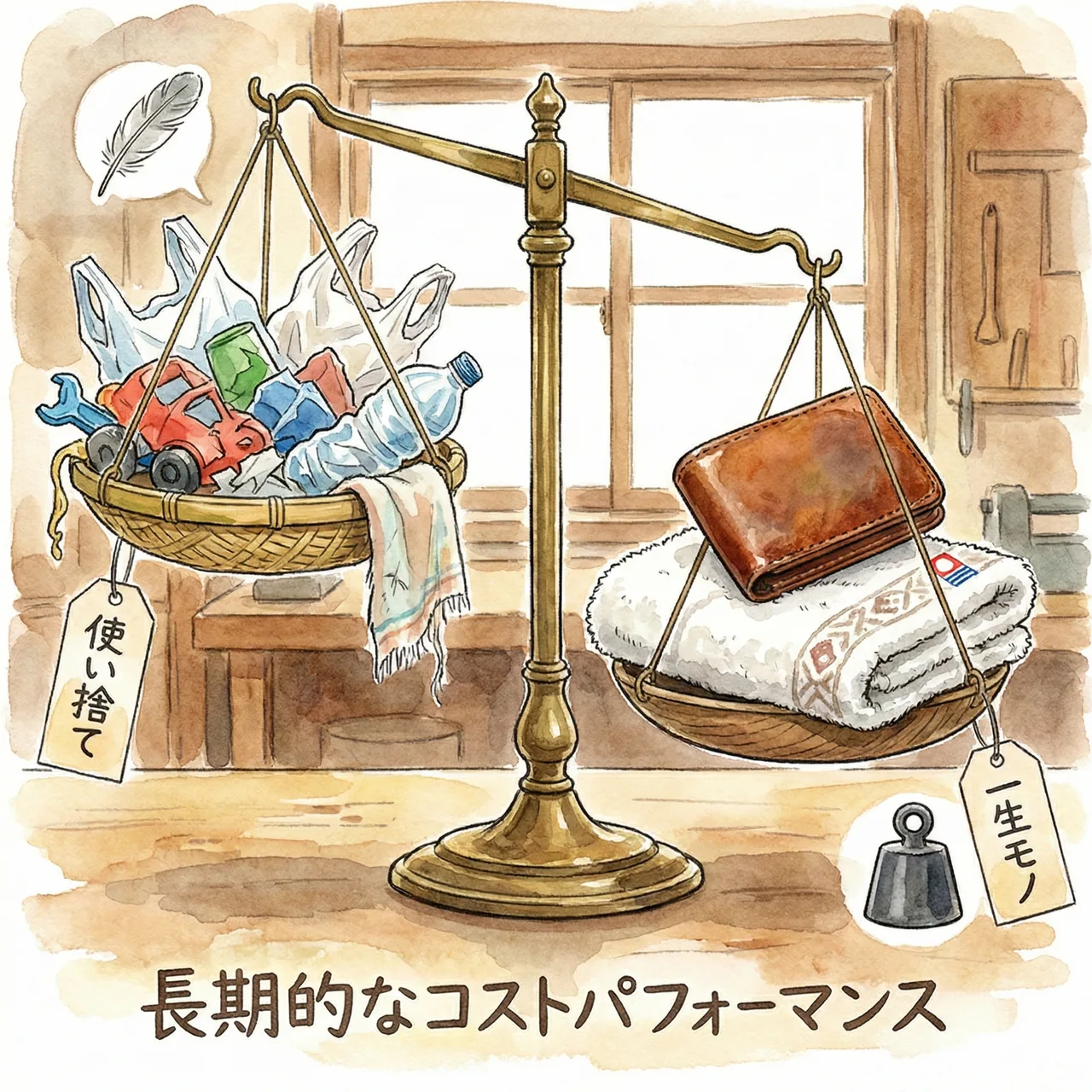
But when you calculate the cost per use (CPW: Cost Per Wear), they frequently come out ahead.
Graduating from "buy cheap, replace often"
Consider a ¥100 towel that goes rough and stiff after three months versus a ¥1,500 Imabari towel you use every single day for two years, still soft and pleasurable.
The per-use cost difference is smaller than you'd expect. But feeling genuinely happy every time you dry your face is something money can't directly measure.
Japanese goods are also frequently repairable — shifting from disposable consumption to a "care for it and keep it" relationship ends up being kinder on both your wallet and the environment.
1. Transform Your Table for Under a Dollar More: Start with Condiments
The easiest entry point — and the one where the whole family notices the difference immediately — is food.
Upgrade your soy sauce and miso to the real thing
The next time you reach for the discounted soy sauce, try spending a little more on a bottle made from domestic whole soybeans with traditional barrel fermentation.
Your chilled tofu and tamago kake gohan (egg over rice) will taste like a completely different dish.
Condiments are used every single day, but only in small amounts — a modest investment that elevates every meal.
[Shimane] Inoue Shoyu — "Inoue Kojiki Soy Sauce"
Three ingredients: soybeans, wheat, salt. No shortcuts, no additives.
While most commercial soy sauces contain added alcohol or flavor compounds, this is brewed in the Oku-Izumo region of Shimane Prefecture using traditional fermentation methods only — nothing else.
The depth of umami from the soybeans is in a different league entirely. Add it to a stew and you'll barely need sugar at all.
A product with legions of repeat customers who say "once you try this, there's no going back."
2. Treat the Things You Touch Every Day: Towels, Socks, and Chopsticks
Replacing furniture or appliances takes planning and real budget.
Start instead with the consumables that your skin touches every single day — these are where quality makes the most immediate difference.
You don't need to replace everything. One item that's yours alone.
You don't need to overhaul the whole household at once.
"Dad's socks are from a craftsman in Nara who has been knitting them for fifty years."
"My chopsticks are Wakasa lacquerware from Fukui."
The higher the frequency of use, the more you'll feel the quality difference every day.
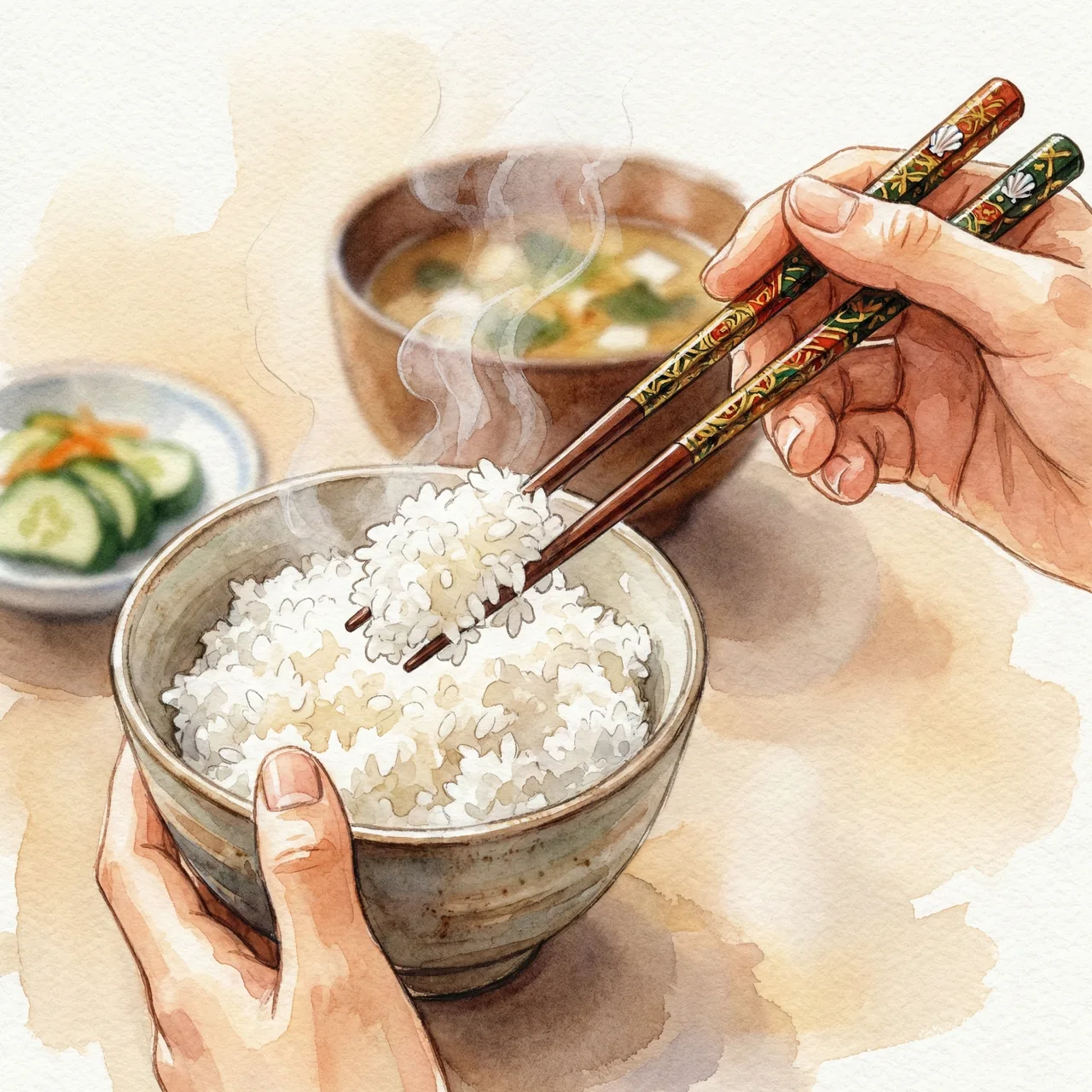
Chopsticks in particular — the tools that Japanese people bring to their mouths at every single meal — are a deeply meaningful place to invest a little more. Caring about the quality of your chopsticks is, in a small way, caring about the act of eating itself.
3. Invest in the Future: Baby and Children's Products
"I cut corners on my own things — but not my kids'." That is a perfectly valid and common approach to starting a Made in Japan life.
Peace of mind is a necessary expense, not a luxury
Babies have thin, sensitive skin. Toddlers put everything in their mouths. Japan's regulatory standards for chemicals like formaldehyde in baby products are among the strictest in the world.
Choosing Japanese-made gauze, diapers, or wooden toys isn't indulgence — it's an investment in safety.
Japanese-made goods are consistently popular as baby shower gifts precisely because that feeling of "I want to protect this little one" comes through clearly to the recipient.

4. Shopping Is Voting: Supporting the Makers You Believe In
Let's shift perspective for a moment.
Every time we spend money, we're casting a vote — for the kind of world we want to live in.
Your purchase preserves Japanese craftsmanship for the next generation
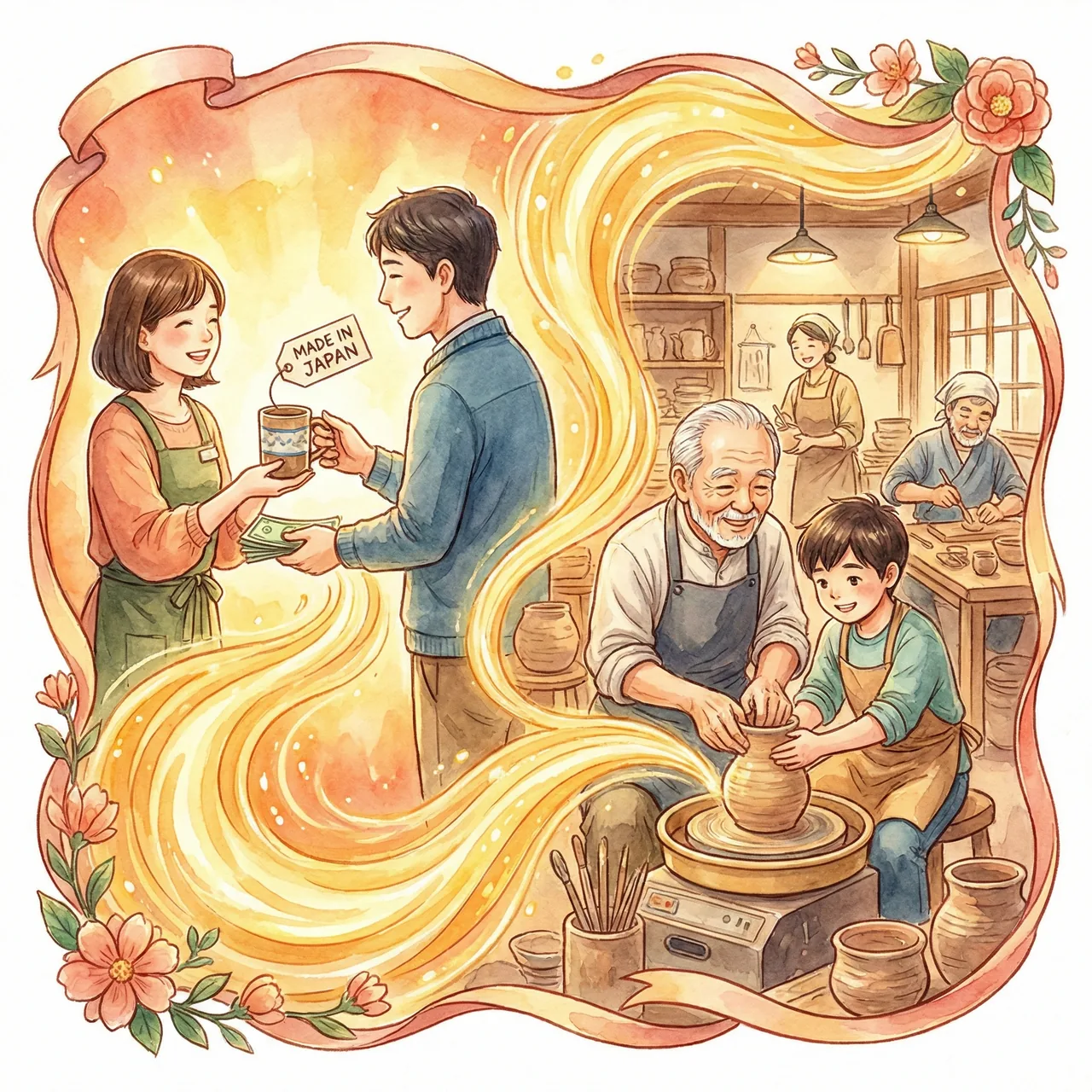
When consumers consistently choose the cheapest imports, domestic factories run out of work and close. Traditional skills and the craftspeople who carry them, once lost, cannot be recovered.
But when we buy from a domestic maker out of genuine appreciation, that business stays viable, its skills are passed on, and better products follow.
"Shopping for your favorite makers — like fandom for a craftsperson."
Treating your buying habits like supporting an artist or creator you believe in is a modern, meaningful, and deeply satisfying way to consume.
Final Thoughts: Small Choices, Real Impact
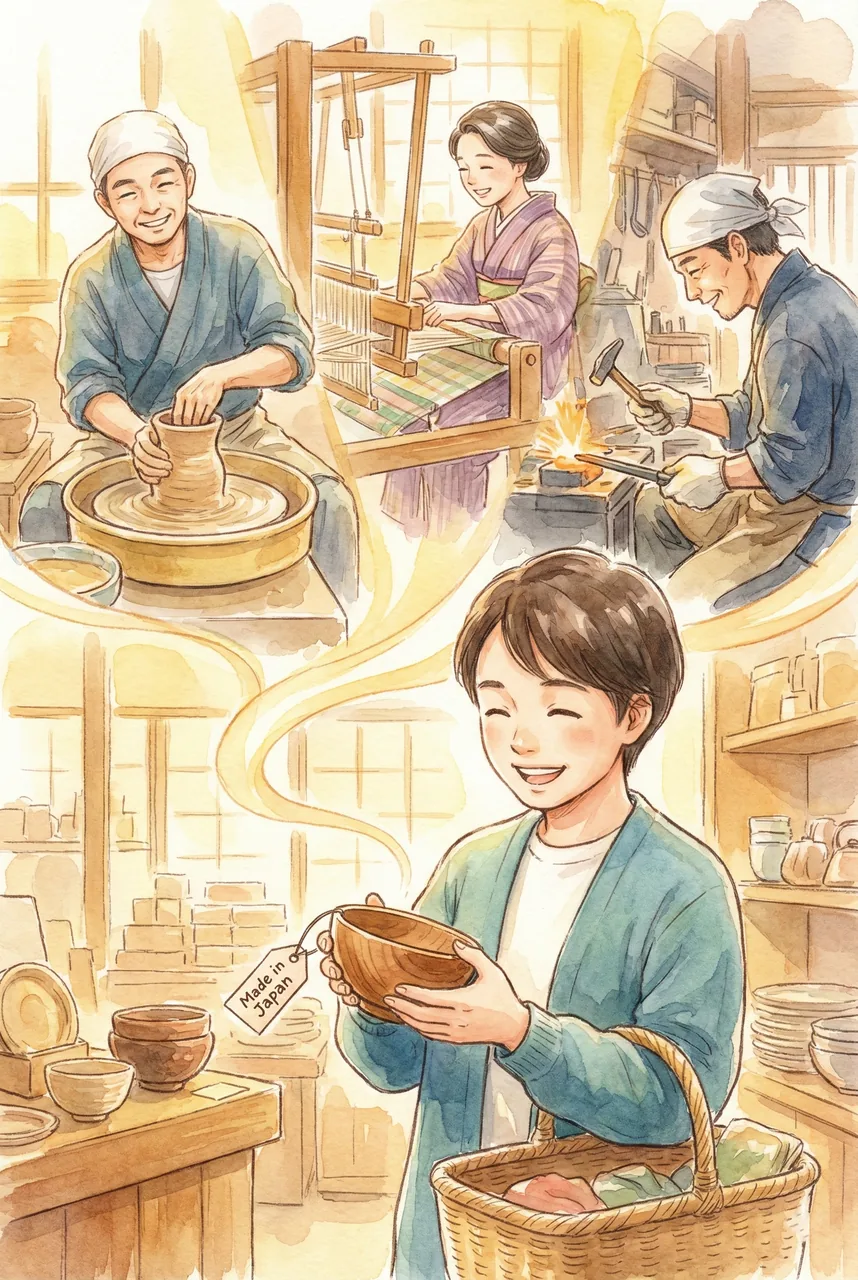
You don't need to go all-in. "Everything must be Japanese-made" is not the goal.
When you're choosing soy sauce at the supermarket, replacing a towel, picking a gift for a friend —
Just occasionally think: "The other one's cheaper, but this time I'll support a Japanese maker."
That small shift, repeated over time, adds up to something real — for the craftspeople and factories that deserve to survive, and for a daily life that feels richer, more intentional, and more your own.
Start with just one thing. Make it Japanese-made.