
"The grilled fish at home always comes out watery and a bit fishy…"
"The daikon oroshi is too pungent and overpowers the fish."
Here's the thing: a great grilled fish set doesn't require expensive fish.
Two changes make all the difference: proper pre-treatment of the fish and controlling the moisture in your daikon oroshi. Get these right, and supermarket fish becomes restaurant-quality.
This guide covers the science behind removing daikon harshness, the precise timing of pre-salting that produces crispy skin, and everything else you need to make a truly excellent Japanese grilled fish set at home.
Quick Reference: 3 Keys to a Perfect Grilled Fish Set
| Point | NG (common mistake) | Correct (pro technique) |
|---|---|---|
| Which part of the daikon | Bottom (tip end) → very pungent | Top (near the leaves) → naturally sweet |
| Draining the oroshi | Squeeze by hand → all umami gone | Rest on a zaru 5–10 min → fluffy & moist |
| Pre-treating the fish | Grill straight from the package | Salt 20 min ahead → crispy skin, zero fishiness |
| Preheating the grill | Place fish on a cold grill → it sticks | 3-min preheat + oil on grate → releases cleanly |
1. Why Grilled Fish and Daikon Oroshi? Flavor & Digestion Science
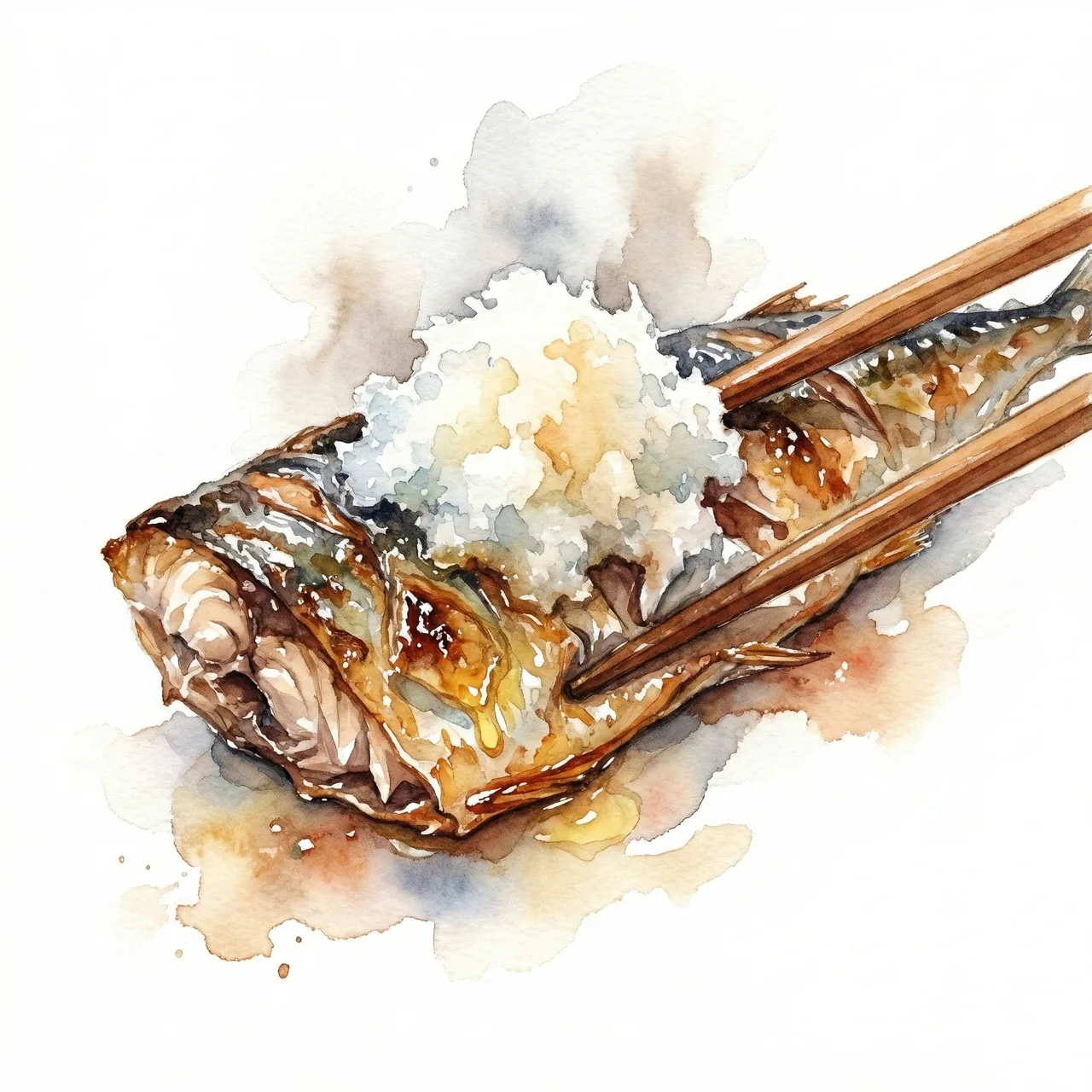
Daikon oroshi isn't just a garnish. Nutritionally and gastronomically, grilled fish and daikon are one of food's great partnerships.
Neutralizing Richness and Aiding Digestion
Daikon contains an abundance of digestive enzymes including diastase (amylase). These enzymes are heat-sensitive, so they're not useful in cooked dishes — but raw daikon oroshi delivers them at full potency.
Eaten alongside fatty fish like saury or mackerel, the enzymes break down the oils, preventing that heavy post-meal feeling and resetting your palate between bites. It's not decorative — it's functional.
2. How to Make Fluffy, Sweet Daikon Oroshi
"The oroshi at home is always harsh and watery."
Both problems come down to which part of the daikon you use — and how you drain it.
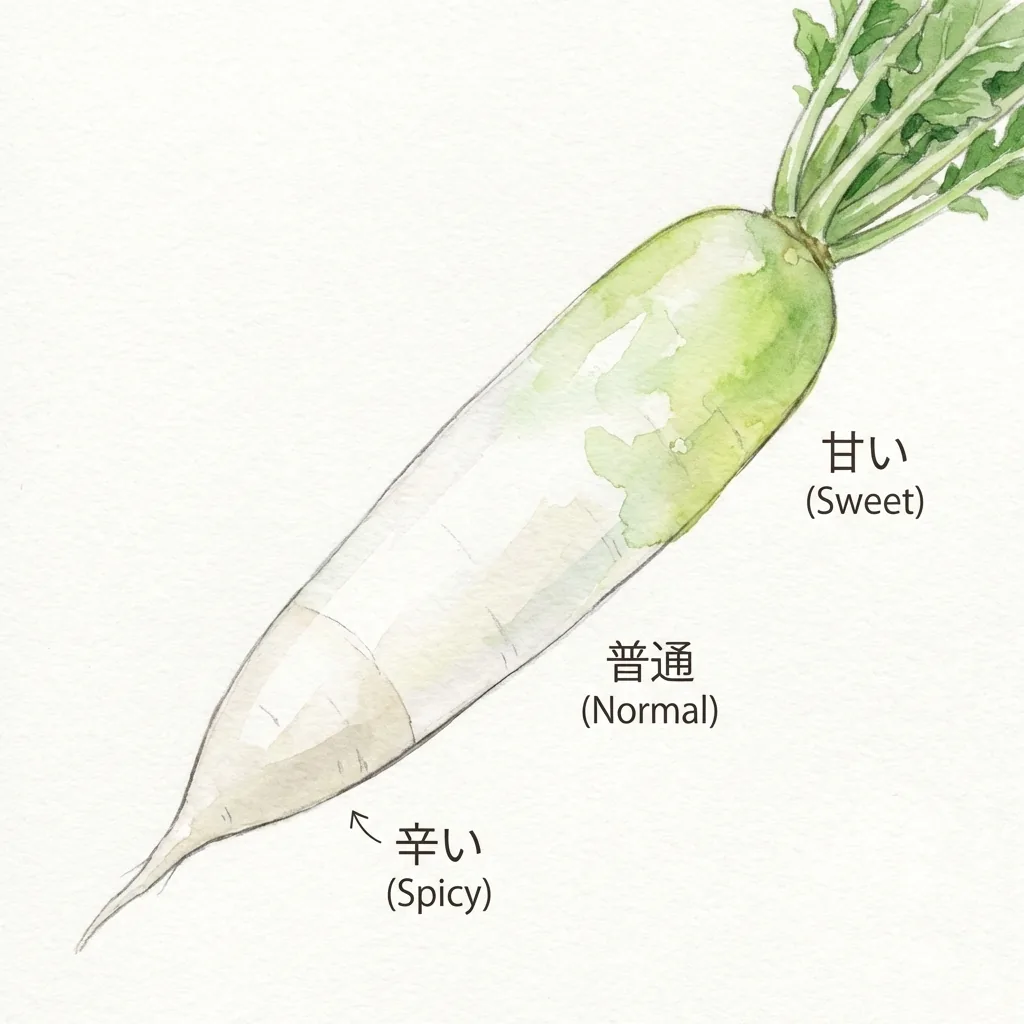
① Which Part: Use the Top (Near the Leaves) for Grilled Fish
Different parts of the daikon taste completely different.
Top (near the leaves): High moisture, naturally sweet. → Best for grilled fish, salads
Middle: Balanced sweetness and mild heat. → Best for simmered dishes
Bottom (tip): Sharp and spicy, less moisture. → Best for soba dipping sauce, condiments
For grilled fish, always use the green-tinged top section — it's sweet enough to eat in large amounts without overwhelming the fish.
② Draining: Never Squeeze by Hand — Use the Zaru Method
This is the most important step. Are you squeezing the freshly grated daikon with your hands?
Doing so forces out all the moisture — including the umami — leaving behind dry, flavorless fiber.
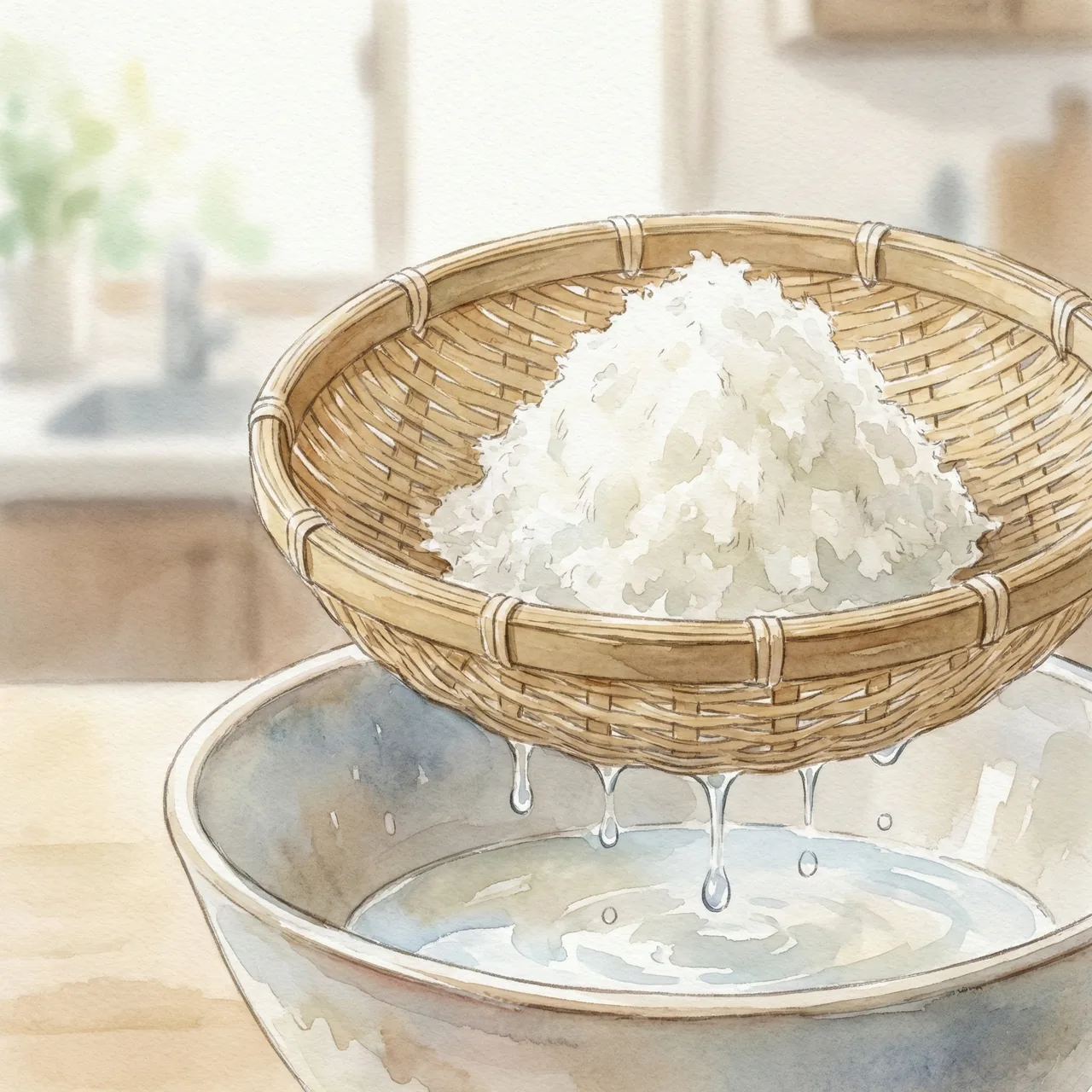
The correct draining method:
1. Transfer the grated daikon to a zaru (bamboo draining basket).
2. Leave it alone for 5–10 minutes.
3. Done. Gravity does the work, leaving exactly the right moisture balance.
The result: light, fluffy oroshi with a sweet juice that floods your mouth the moment you eat it — just like at a restaurant.
3. Crispy Skin, Moist Flesh: How to Grill Fish Perfectly
Whether you're using a fish grill or a frying pan, one pre-treatment step eliminates fishiness and concentrates umami.
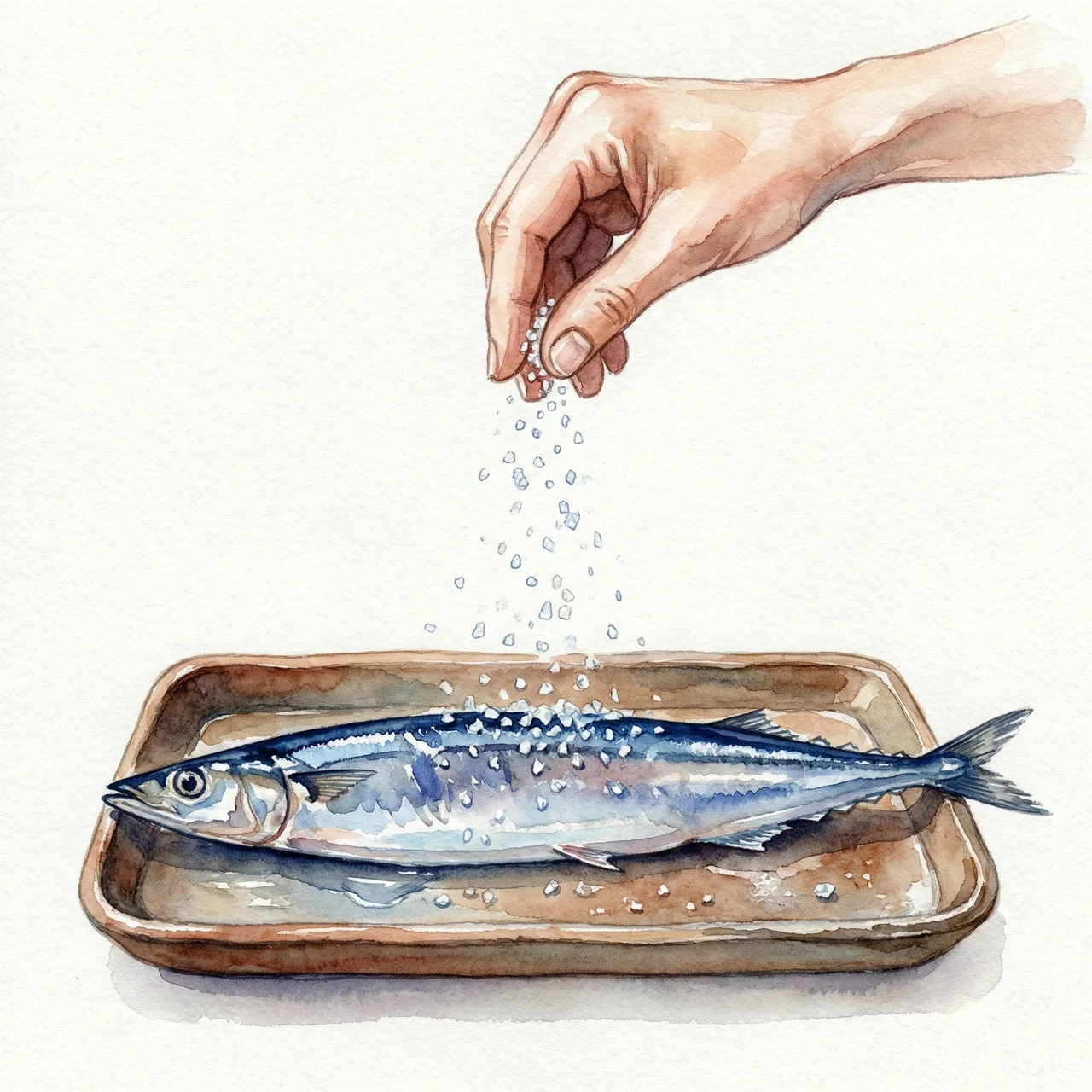
Salt the Fish 20 Minutes Before Cooking
Never grill fish straight from the package. Salt the fish 20 minutes ahead — hold the salt high and let it fall evenly across the surface (shakujio).
- Eliminates fishiness: Osmotic pressure draws out excess moisture along with odor compounds.
- Firms the flesh: The fish holds together better during cooking and plating.
- Crispy skin: With moisture removed from the skin, it browns and crisps beautifully.
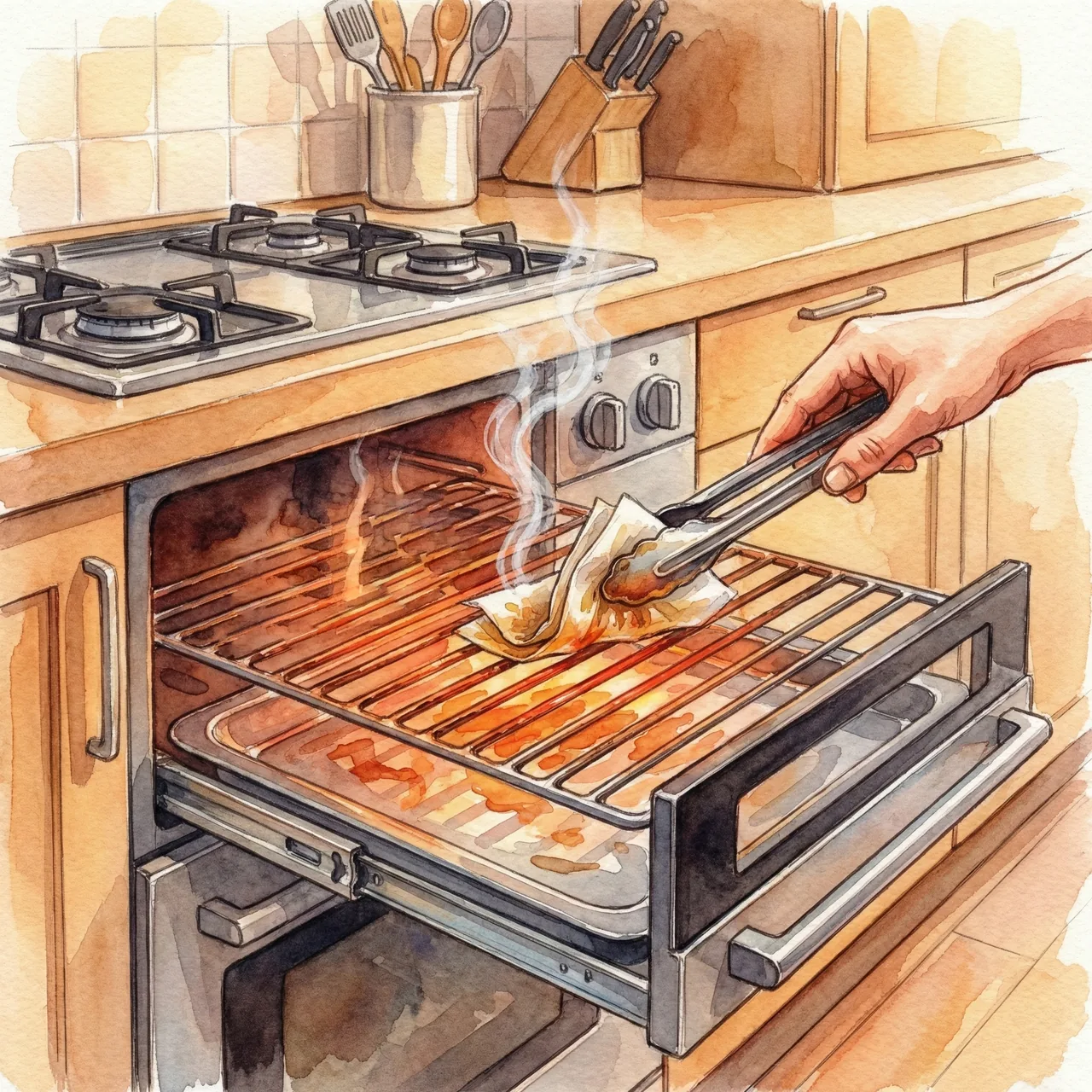
Important: Just before grilling, pat away the moisture that has pooled on the surface with kitchen paper. This single step makes a dramatic difference.
Always Preheat the Grill Before Adding Fish
Fish sticking and falling apart on the grate is caused by insufficient temperature.
Preheat (empty) for 3 minutes, then brush the grate with oil or vinegar. Protein denatures instantly on contact with high heat, sealing the surface and preventing sticking.
Start presentation-side down and avoid touching the fish until it's time to flip.
4. Where Does the Soy Sauce Go? The Proper Way to Eat Grilled Fish
Pouring soy sauce all over the grilled fish is considered poor form in Japan — and it leads to an overly salty dish.
The recommended approach:
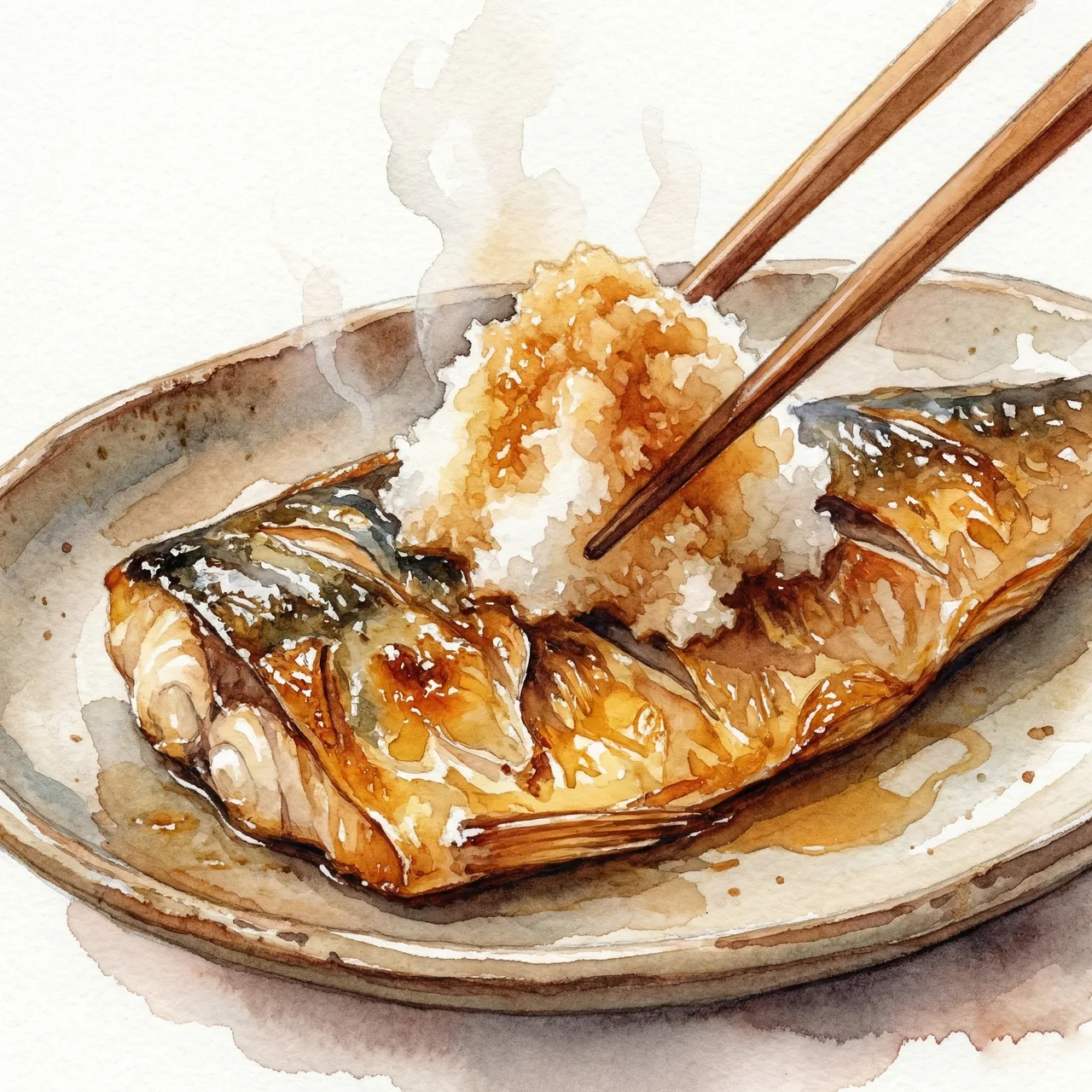
Pour a small amount of soy sauce onto the daikon oroshi beside the fish.
Pick up a little of this "soy-soaked oroshi" with your chopsticks and place it on a bite of fish.
The fish's natural saltiness, the oroshi's gentle sweetness, and the soy's aroma all come together in your mouth at once.
The daikon oroshi becomes a sauce — and the eating experience becomes something entirely different.
5. Tools That Make a Difference: Graters and Roasting Nets
Technique matters — but the right tools make great technique possible.
For Fluffy Oroshi: A Properly Toothed Grater
A grater made by a craftsman using hometate (hand-cut teeth) — in copper or stainless steel — slices rather than crushes daikon fibers. This releases less harshness and produces an oroshi with a lighter, more pleasant texture.
6. Frequently Asked Questions
My daikon oroshi is too spicy. How can I make it milder?
A short burst in the microwave will tame the heat.
If you accidentally used the spicy lower end, microwave on 600W for 30 seconds to 1 minute without covering. The pungent compound (isothiocyanate) is volatile and dissipates with heat, making it remarkably mild. Note that the digestive enzymes are also reduced by heat, so think of this as a flavor rescue, not the ideal method.
Fish keeps sticking to the grill and falling apart. Help.
Insufficient preheat is almost always the cause.
Always preheat the grill empty for 3–5 minutes before adding any fish. Then brush the grate with rice vinegar or oil using kitchen paper. Hot grate + vinegar is the reliable solution — fish proteins seize on contact and release cleanly.
Should I eat the fish skin?
Please do — the skin is where the best nutrition and flavor concentrate.
The layer just under the skin is richest in DHA, EPA, and collagen. With the pre-salting technique described here, the skin loses its fishiness and becomes irresistibly crispy — often the best bite on the plate.
Can I grate the daikon ahead of time?
Grate it right before serving — that's the rule.
Daikon oroshi starts oxidizing immediately after grating: vitamin C drops, and a sulfurous odor (similar to pickled daikon) develops within minutes.
For the best experience, grate the daikon while the fish is in its final minutes of cooking.
What can I do with leftover daikon oroshi?
Freeze it, or cook it into a hot dish.
Lightly drained oroshi wrapped in plastic wrap can be frozen for about one month. After thawing, the texture softens, so it's better used in heated preparations — stir it into miso soup, or add it to a mizore-nabe (oroshi hot pot) rather than serving fresh.
Does pre-salting work for all types of fish?
Yes, though timing depends on fat content.
Oily fish like saury, mackerel, and yellowtail have a stronger smell and benefit most from a full 20 minutes. White fish like cod or flounder are milder, so 10–15 minutes is sufficient.
The critical step regardless of fish type: after salting, always pat away the drawn-out moisture with kitchen paper before grilling.
Final Thoughts: Tonight, Make the Perfect Grilled Fish Set
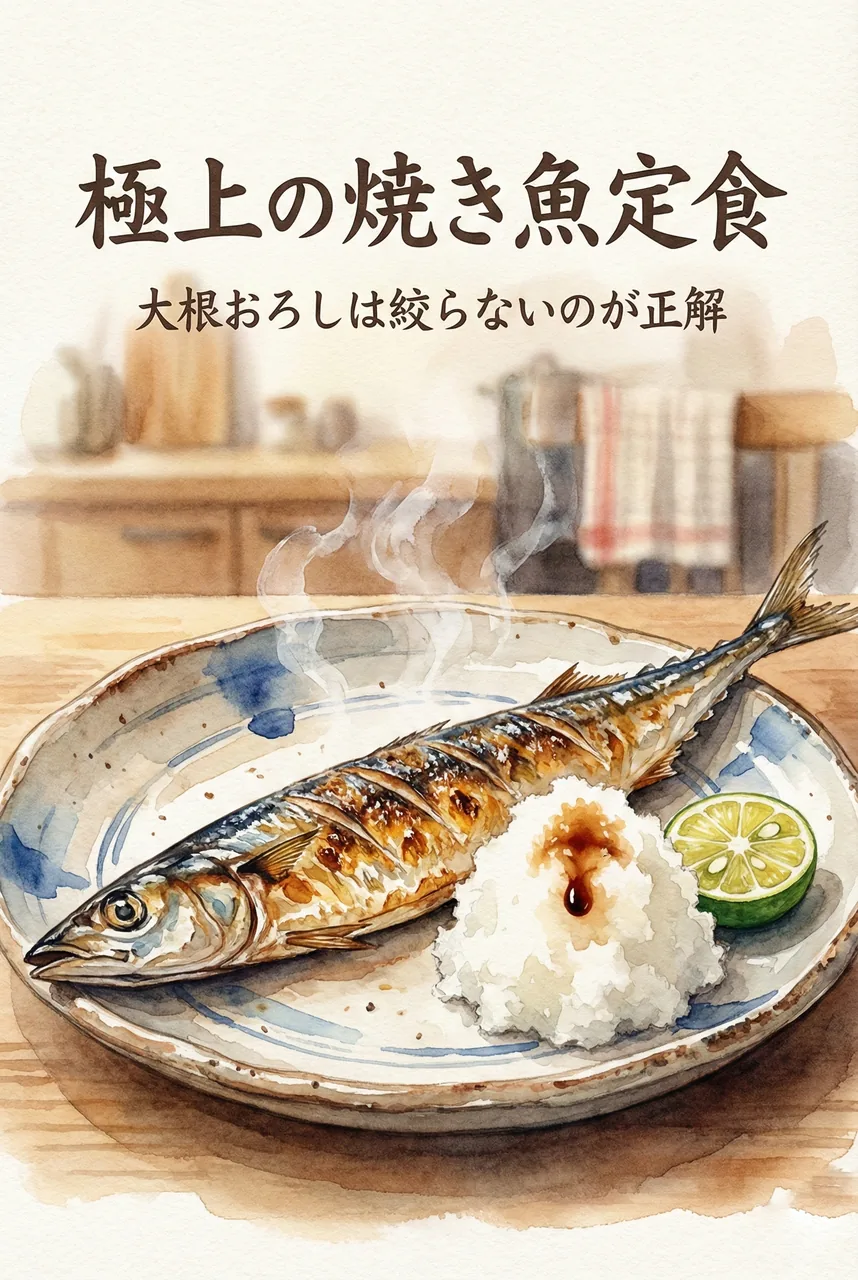
It's just daikon oroshi — but what a difference it makes.
Sweet, lightly drained oroshi beside perfectly crispy-skinned fish is already a genuine feast.
"Drain on a zaru." "Salt the fish 20 minutes before."
Start with these two small habits tonight and transform your everyday dinner table.

Japanese Oroshigane Graters: Copper & Sharkskin for Incredibly Fluffy Daikon Oroshi

Japanese Bamboo Zaru: Why Chefs Love Them for Noodles, Vegetables & More