Fu is Japanese wheat gluten — think of it as Japan's seitan, but light, airy and made to soak up broth.
It comes in two kinds: baked "yaki-fu" and unbaked "nama-fu." And baked fu takes a completely different shape depending on where it's made.
Kanazawa has sudare-fu, essential to the local dish jibuni, and takara-no-fu, which becomes a bowl of soup when you pour on hot water. Niigata has kurumafu, big rings that simmer up plump. Shonai in Yamagata has flat sheets of fu, said to have been shaped that way for shipping on Kitamaebune trading boats. And Kyoto has chewy nama-fu.
This guide covers four kinds of Japanese fu, how to rehydrate and eat them, and where to buy Japanese fu outside Japan.
Quick Reference: 4 Kinds of Japanese Fu at a Glance
| Fu | Type | Maker | How to eat |
|---|---|---|---|
| Takara-no-fu ▾ | Fuyaki (a wafer-like fu shell) | Fumuroya (Kanazawa, Ishikawa) | Pour on hot water for soup |
| Kyoto nama-fu ▾ | Nama-fu (fresh) | Itofu (Yamashina, Kyoto) | Grilled, as dengaku |
| Kurumafu ▾ | Yaki-fu (ring) | Fujin (Niigata) | Simmered, stir-fried |
| Shonai-fu ▾ | Yaki-fu (flat sheets) | Aso Shokuhin (Shonai, Yamagata) | Miso soup, sukiyaki |
Click a fu to jump to it.
1. Why Japanese: Baked Fu, Fresh Fu, and a Shape for Every Region
Made from wheat protein
Fu is made from gluten, the protein extracted from wheat flour. Baked and dried, it's yaki-fu; steamed or boiled instead of baked, it's nama-fu. If you know seitan, it's the same starting point — but Japanese baked fu is light and porous, built to drink in broth, while nama-fu is dense and chewy.
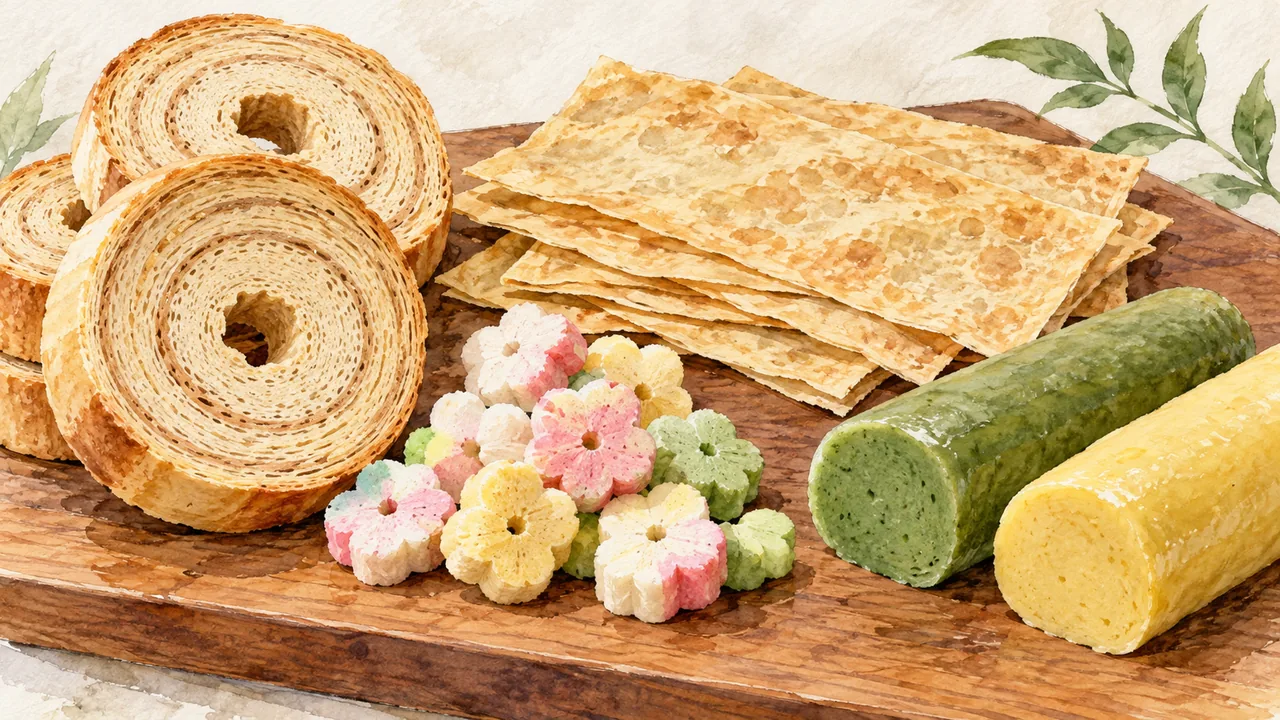
Baked fu changes shape by region: Kanazawa's sudare-fu and flower-shaped fu, Niigata's ring-shaped kurumafu, Shonai's flat sheets. Different shape, different way of soaking up flavor, different dishes.
2. Fumuroya, Kanazawa: Handmade Kaga-fu and Takara-no-fu
Reading the gluten's mood every day
Fumuroya began making and selling fu in 1865 in Owari-cho, Kanazawa. It still makes Kaga-fu, born in the castle town of the Kaga domain, following the taste and methods of its founding.
In Fumuroya's words: "Much of fu-making depends on handwork. Especially in making the dough, we constantly check the condition of the gluten and other ingredients, which change subtly with temperature and humidity, and fine-tune the blend."
The sudare-fu served to the Emperor and Empress
According to Fumuroya's history, in 1958, when the Emperor and Empress toured Ishikawa, Fumuroya's sudare-fu was served in Kanazawa's local dish jibuni (duck simmered in a thickened broth). Sudare-fu is a flat fu marked with the pattern of a bamboo blind — indispensable to jibuni.
Fumuroya Takara-no-fu, 1-Week Pack — pour on hot water and flowers open in the bowl
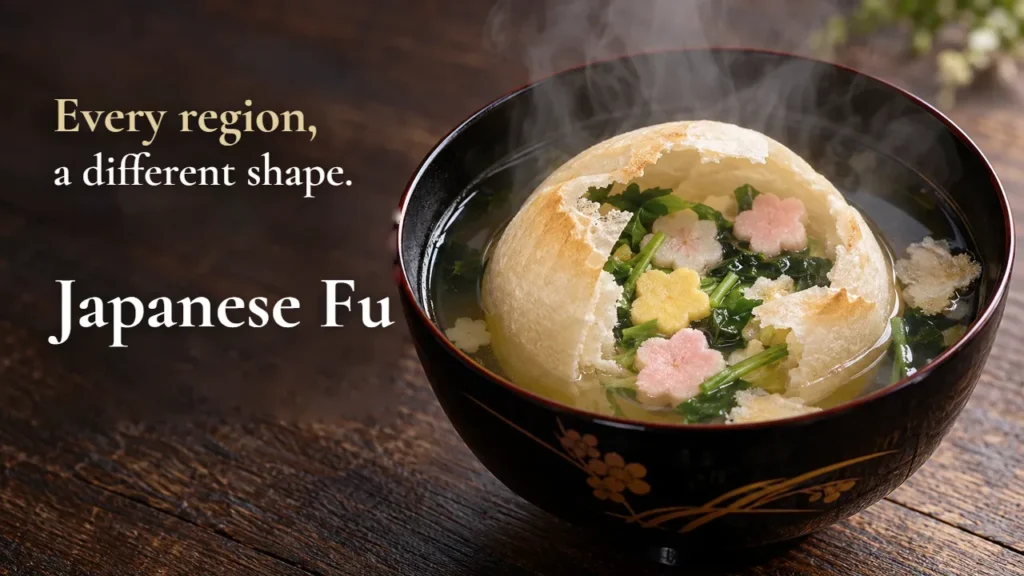
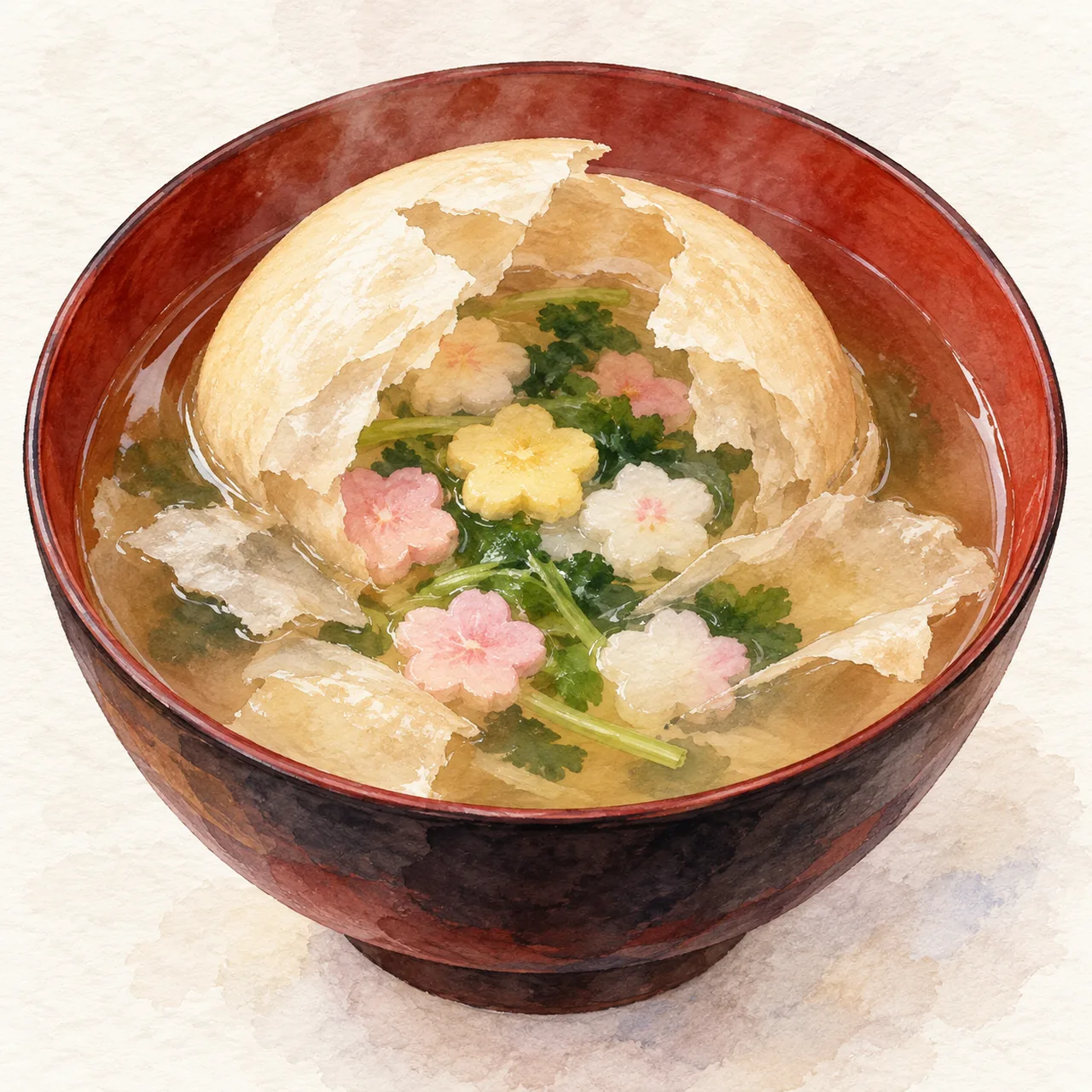
Instant soup devised by the mother of the sixth-generation head. Inside a "fuyaki" shell made of glutinous rice are colorful fu, other ingredients and kombu dashi. Put it in a bowl, pour on hot water, and the shell opens into a colorful clear soup.
The 1-week pack has seven varieties of clear soup and miso soup — a good gift for family living alone, or a way to try it. Sold in Japan.
3. Itofu, Kyoto: Chewy Nama-fu
Wheat protein and glutinous rice flour
Itofu in Yamashina, Kyoto, sells baked and fresh fu under the name "Kyo no Ofuya Itowokashi." Kyoto nama-fu is made from wheat protein combined with glutinous rice flour — which is why it has a chewy, springy bite utterly unlike baked fu.
"Awa-fu" with foxtail millet, mugwort-scented "yomogi-fu," and seasonal colors like "ao-momiji-fu" (green maple) and "ume-fu" (plum): a slice on the side brightens the whole dish.
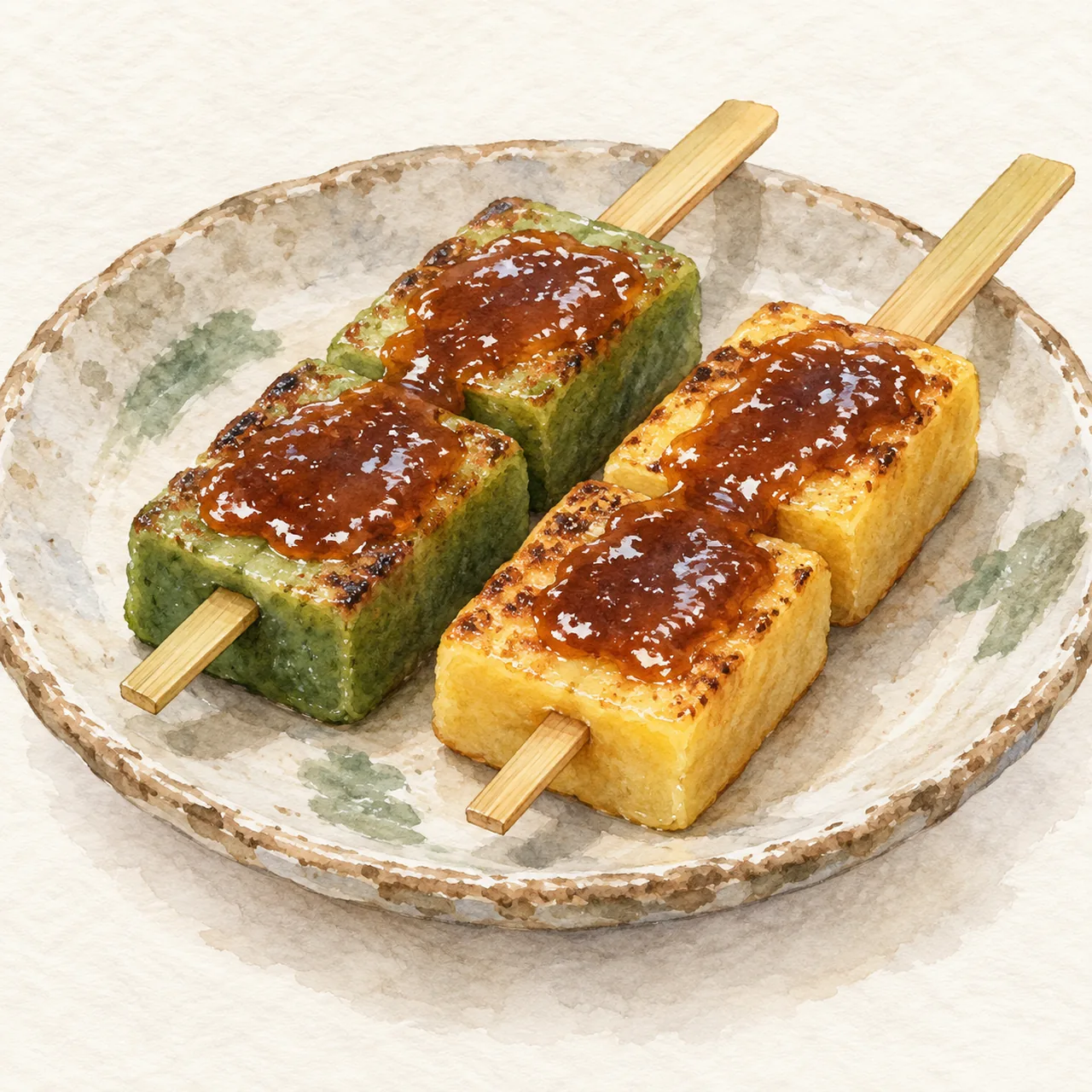
Itofu Kyoto Nama-fu, 5 Bars with Dengaku Miso — slice, grill, top
Slice, grill and spread with the included miso, and you have nama-fu dengaku. Five bars — awa, sagara, yomogi, ao-momiji and ume — plus three packs of dengaku miso. Made in Yamashina, Kyoto.
Ships frozen; keep at −18°C (0°F) or below. In the freezer, it's ready when guests come or a dish needs color. Sold in Japan.
4. Fujin, Niigata: Kurumafu Since 1925
Made the way it always has been
Kurumafu is a large, ring-shaped baked fu — "kuruma" means wheel. Fujin in Niigata, founded in 1925, still makes Niigata's traditional kurumafu the same way it always has.
Soaked in water, kurumafu swells plump and large and drinks up broth. Simmered dishes, stir-fries — and soaked in egg and pan-fried, it eats like French toast. A remarkably versatile ingredient, and a favorite meat substitute in vegan cooking.
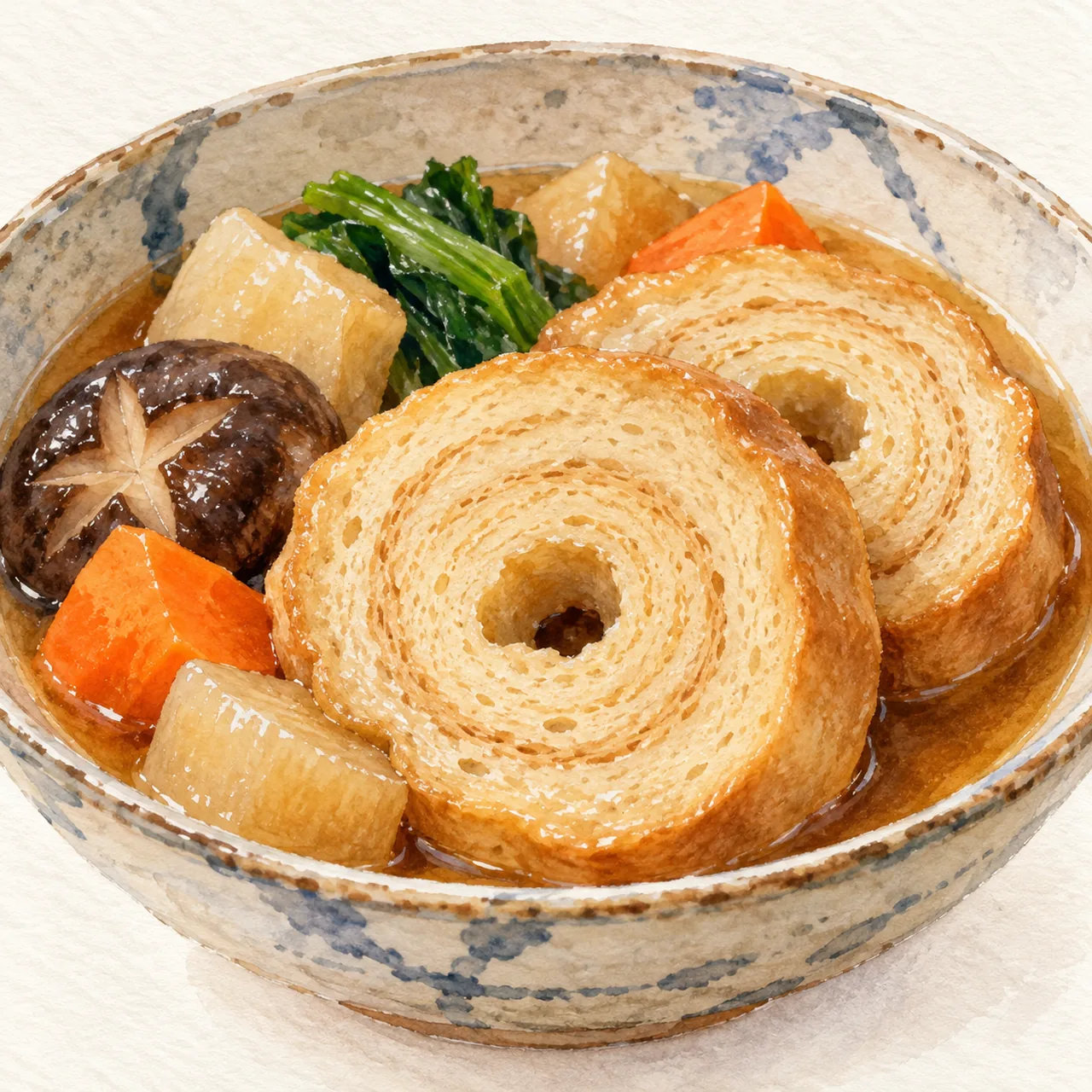
Fujin Niigata Traditional Kurumafu, 6 Packs — for simmering, or French toast
Niigata kurumafu from Fujin, founded 1925. Six rings per pack, six packs, sold through Niigata Prefecture's official shop.
Simmered, stir-fried, or sweet as French toast — a bag in the pantry saves the day when you're out of ideas. Sold in Japan.
5. Shonai-fu, Yamagata: Flat Fu for the Kitamaebune
Flattened for shipping
The baked fu of the Shonai region of Yamagata comes in flat sheets — unusual in Japan. It's said to have been made flat in the Edo period to be easy to ship on the Kitamaebune, the trading ships that sailed between the regions (Shonai tourism and products center).
Aso Shokuhin's Shonai-fu is simple: wheat flour, wheat protein and baking soda. Classic in miso soup and sukiyaki; lately people also layer it into mille-feuille or fry bite-size pieces as a snack.
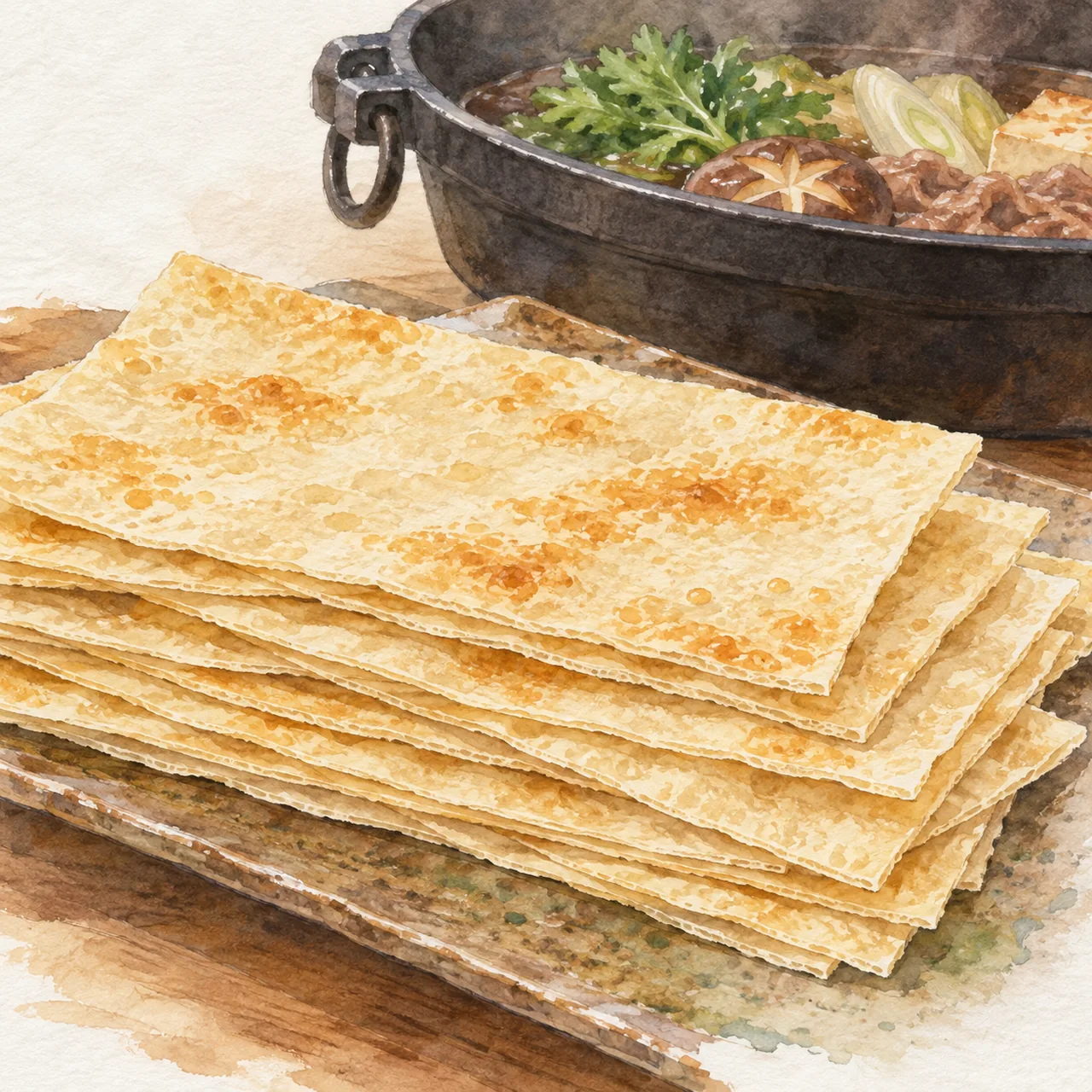
Aso Shokuhin Shonai-fu, Flat Fu, 10 Sheets — for miso soup and sukiyaki
Shonai's flat fu, handed down since the days of the Kitamaebune. Ten sheets. Break by hand into miso soup; in sukiyaki it soaks up the sauce.
Because it's flat, you can stack it, roll it, cut it to suit the dish. Sold in Japan.
6. Rehydrating and Eating Fu
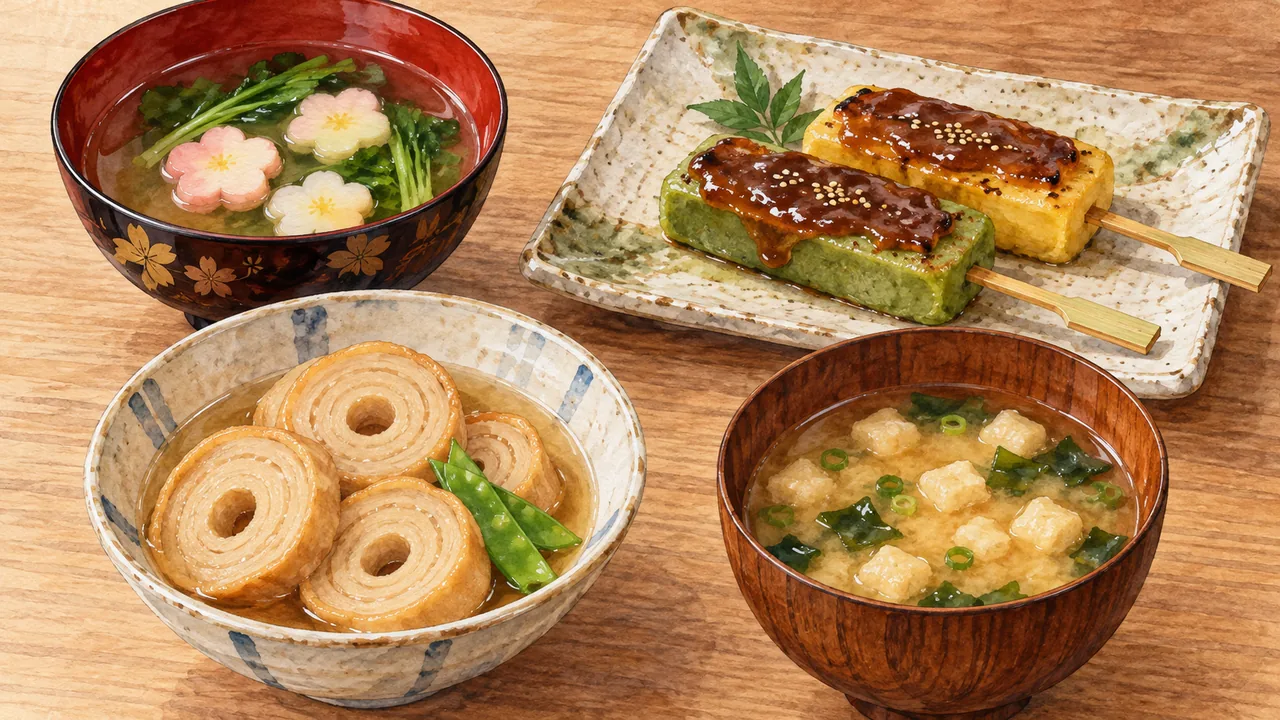
Soak baked fu; grill or simmer fresh fu
Baked fu like kurumafu and flat fu is soaked in water to soften, then gently squeezed before cooking. Flat fu can also be broken straight into miso soup. Nama-fu needs no soaking — slice and grill, simmer or fry it. Takara-no-fu just needs hot water poured over it in the bowl.
Baked fu in the pantry, nama-fu in the freezer
Baked fu is a dried food: keep it at room temperature, away from moisture. A few kinds on the shelf mean you're never short of something for soup. Itofu's nama-fu arrives frozen and is kept at −18°C or below; slice off only what you need.
Nama-fu's chewiness comes from rice flour
Baked fu is light and airy; nama-fu is chewy and dense. Part of the difference is in the ingredients: Itofu's nama-fu adds glutinous rice flour to wheat protein, while Shonai-fu is wheat flour, wheat protein and baking soda. The same wheat protein makes two entirely different textures.
7. Buying Japanese Fu Outside Japan
The four products above are sold in Japan; we couldn't find them on Amazon.com, and the fu listed there didn't state where it was made. A practical option is Japanese Taste, a food shop that ships from Japan internationally and carries several kinds of Japan-made fu — flower-shaped hana-fu, spiral uzumaki-fu, shiratama-fu and more.
See Japanese fu at Japanese Taste
At a Japanese grocery store, look for 麩 (fu), 車麩 (kurumafu), 生麩 (nama-fu) and 国内製造 (made in Japan) on the label. Baked fu is light and keeps for months — an easy thing to bring home from Japan.
8. Frequently Asked Questions
Is fu the same as seitan?
Both are made from wheat gluten. Seitan is usually dense and meaty; Japanese baked fu is light and porous, made to soak up broth, while nama-fu is chewy with added glutinous rice flour. Kurumafu is the one most often used as a meat substitute.
What's the difference between yaki-fu and nama-fu?
Baked and dried is yaki-fu; finished without baking is nama-fu. Yaki-fu is a dried food kept at room temperature. Nama-fu is chewy and springy; Itofu's is stored frozen.
How do I rehydrate kurumafu?
Soak in water until soft, then squeeze gently. It swells large and plump, so in a simmered dish let it soak up plenty of broth.
How do you eat takara-no-fu?
Put it in a bowl and pour on hot water. The glutinous-rice shell opens and the fu, ingredients and kombu dashi inside become a clear soup or miso soup.
Why is Shonai-fu flat?
It's said it was flattened in the Edo period to ship easily on the Kitamaebune. Flat fu is rare in Japan; it's classic in miso soup and sukiyaki.
Is fu gluten-free?
No — fu is made from wheat gluten. It's plant-based, which makes it popular in vegetarian and vegan cooking, but it isn't suitable for anyone avoiding gluten or wheat.
Final Thoughts: Every Region, a Different Fu
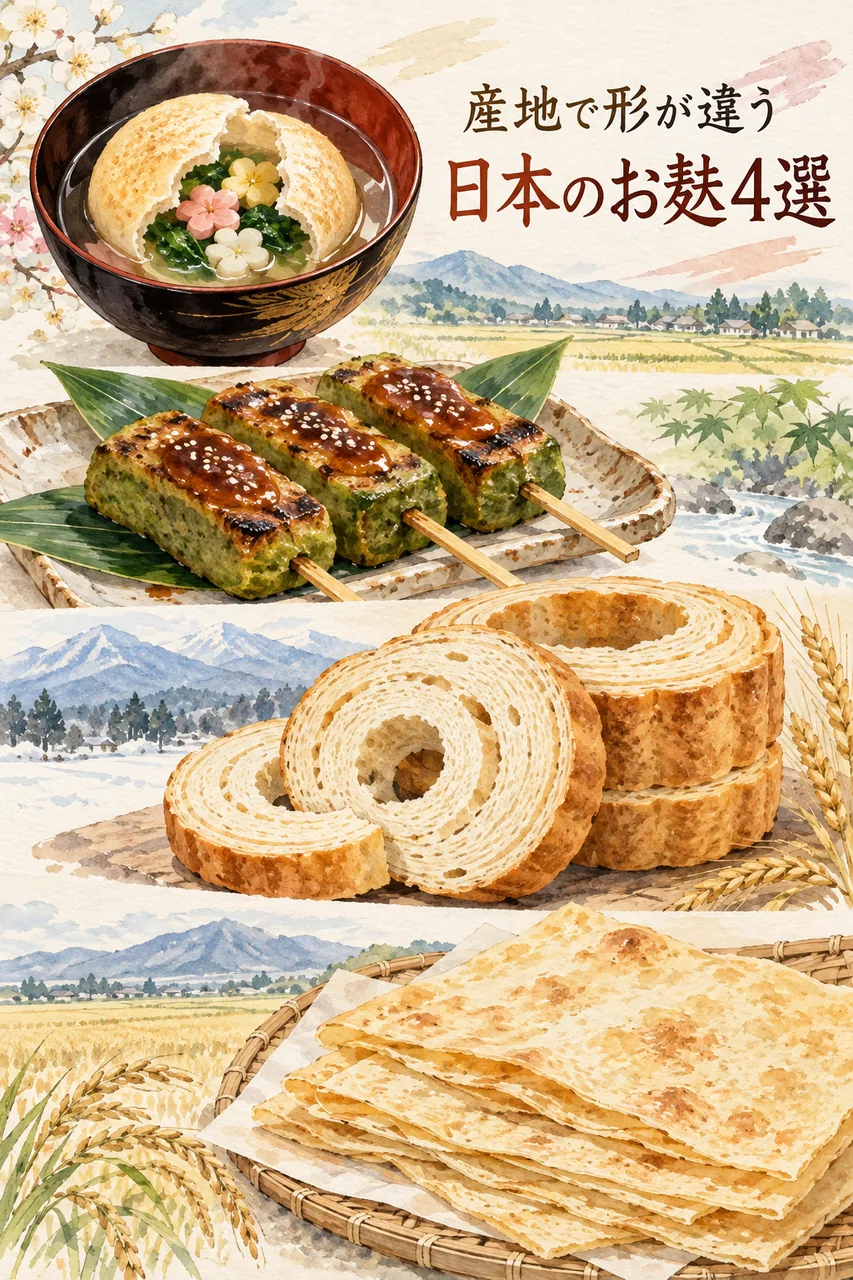
Fu changes shape, and the way you eat it, with every region.
Fumuroya's takara-no-fu, blooming in hot water, from a Kanazawa house founded in 1865. Itofu's chewy Kyoto nama-fu. Fujin's kurumafu, made in Niigata since 1925. And Shonai's flat fu, shaped for the Kitamaebune. Each is Japanese fu, made the way its region always has.
Keep a few on the pantry shelf — and your miso soup will never be the same twice.
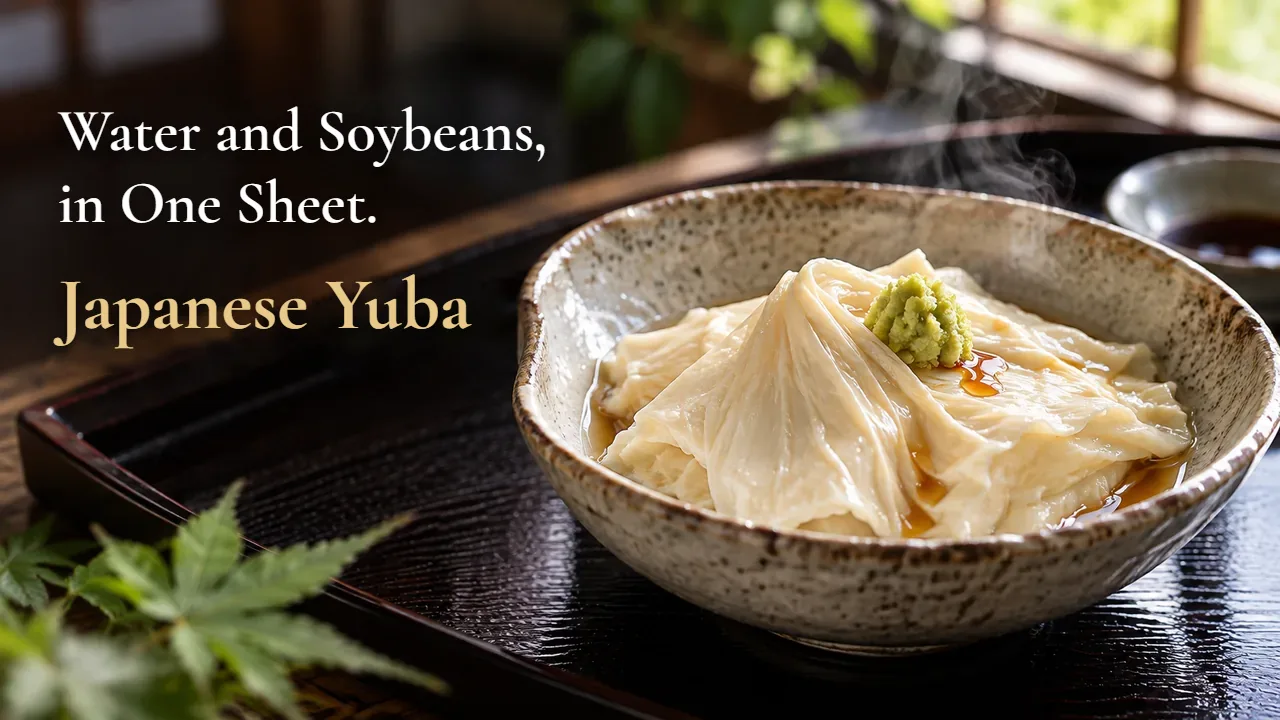
Yuba: Japanese Tofu Skin From Kyoto, Minobu and Nikko

Japanese Dashi Packs & Miso Soup Guide: 6 Best Picks