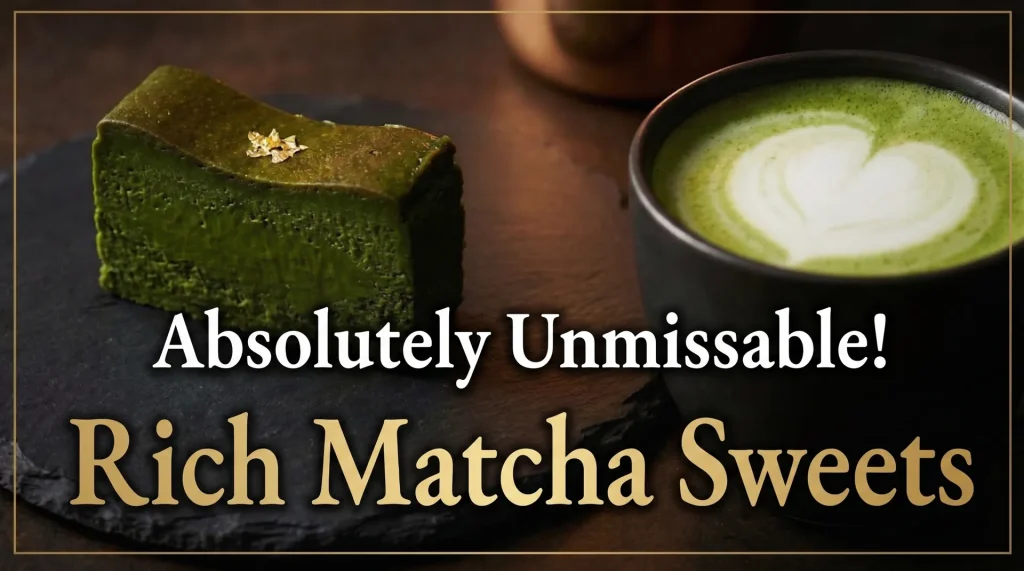
Convenience-store matcha is fine — but you want something that actually hits.
Real matcha sweets from Kyoto's finest tea houses are now just a few clicks away.
The secret to choosing matcha sweets you won't regret? One simple rule: buy from the tea shop, not the pastry shop.
Tea houses use premium stone-ground matcha without artificial colorings, so the aroma and depth are in a different league.
From melt-in-your-mouth matcha terrine to gifting-ready daifuku and ice cream, this guide covers the best mail-order matcha sweets worth ordering.
Quick Reference: Matcha Sweets at a Glance
| Type | Storage | Texture & Flavor | Best For |
|---|---|---|---|
| Matcha Terrine | Frozen / Chilled | Dense, silky — melts like ganache | Self-treat, adult gift |
| Matcha Daifuku | Chilled | Chewy mochi with cream filling | Gift for wagashi lovers |
| Matcha Ice Cream / Gelato | Frozen | Bold bitterness — intensely concentrated | Summer treat, gifting |
| Matcha Yokan & Wagashi | Room temperature | Refined, longer shelf life | Year-end gifts, seniors |
1. How to Choose: Two Things That Matter Most
The internet is full of matcha products. To avoid buying something that looks beautiful in photos but tastes flat, check just two things before you order.
① Look for a Named Origin — "Uji," "Nishio," or "Yame"
Generic "matcha-flavored" products are not the same as sweets that name their matcha's origin. Look for Kyoto Uji matcha, Aichi Nishio matcha, or Fukuoka Yame matcha — all respected tea-growing regions with centuries of tradition.
Sweets made or supervised by established tea houses in these areas are almost always worth the price.
Uji matcha in particular holds its aroma even after baking and blending, making it the gold standard for sweets.

② Deep Color Is the Real Deal
Genuine matcha sweets made without artificial colorings have a deep, saturated green. Because natural matcha fades in light, high-quality products are often sold in light-blocking packaging — itself a mark of quality.
"Intense color = bitter" is a common misconception. Top-grade matcha carries strong umami alongside its characteristic bite. The best matcha sweets are complex, not harsh.
2. Rich & Dense: Matcha Terrine & Cake
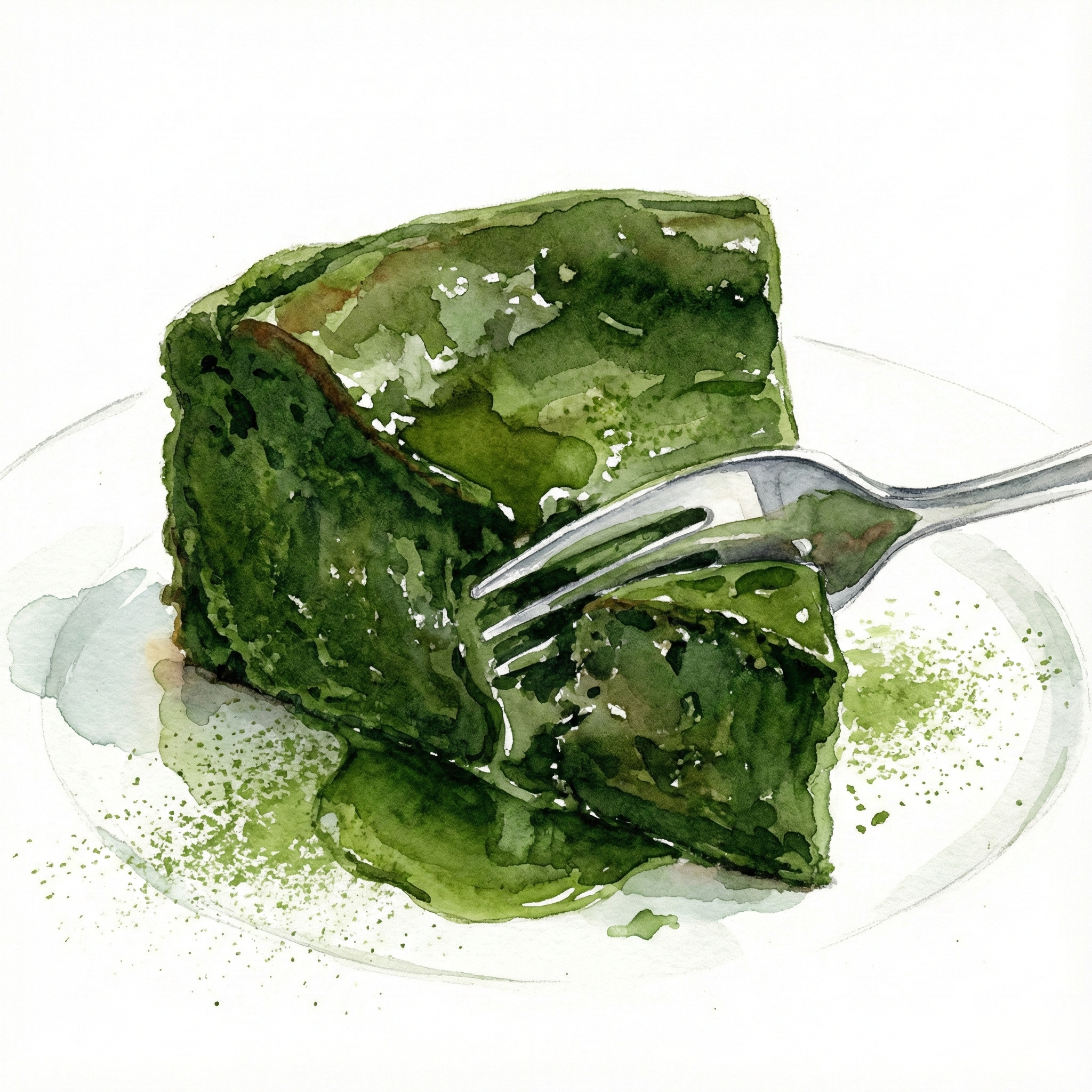
If you want maximum matcha intensity, terrine is the answer.
Made with very little flour — just matcha, chocolate, butter, and egg — it melts the instant it touches your tongue.
ITOHKYUEMON — First-Harvest Ceremonial Grade Matcha (Uji, Kyoto)
One of Uji's most celebrated tea houses — the matcha that makes their famous sweets extraordinary.
Ito Kyuemon's "Ichibancha" ceremonial matcha is made from the first spring harvest of shade-grown leaves in Uji, Kyoto — the same matcha that goes into their renowned gateau and terrine. On its own, whisked into water, it produces a bowl with intense aroma, vivid green color, and umami depth that no convenience-store matcha can approach. For anyone who wants to understand why Kyoto matcha is special — or recreate it in their own kitchen — this is the starting point.
- Grade
- Ceremonial (first harvest / ichibancha)
- Origin
- Uji, Kyoto (Ito Kyuemon)
- Best for
- Drinking, baking, matcha lattes and desserts
- Price range
- $15–$25 (20g tin)
Imuraya — Uji Matcha Mizu Yokan in a Can (Kyoto Matcha)
The closest thing to a Kyoto matcha confection, available year-round.
Imuraya's mizu yokan (water yokan) is made with Kyoto Uji matcha and has a firm, smooth texture — cool, dense, and intensely matcha. Opening a can of mizu yokan and eating it chilled is one of the most quietly satisfying Japanese sweet experiences. The canned format means it is shelf-stable, portable, and ships without issue. Set of 6 cans makes an elegant gift.
- Sweet type
- Mizu yokan (water bean jelly)
- Matcha origin
- Kyoto Uji matcha
- Best enjoyed
- Chilled, with hojicha or green tea
- Price range
- $20–$30 (set of 6 cans)
3. Japanese Style: Matcha Daifuku & Wagashi
For wagashi (traditional Japanese sweets) lovers, matcha daifuku — soft rice cake stuffed with matcha filling — is the ultimate treat.
Many arrive frozen, so you can also enjoy them semi-thawed, ice-daifuku style.
Matcha Daifuku with Fresh Cream
Dense matcha bean paste and lightly whipped fresh cream, all wrapped in pillowy soft mochi.
As the cream and matcha blend in your mouth, the result is something like a matcha latte in wagashi form.
Individual wrapping makes these ideal for office gifts or party favors.
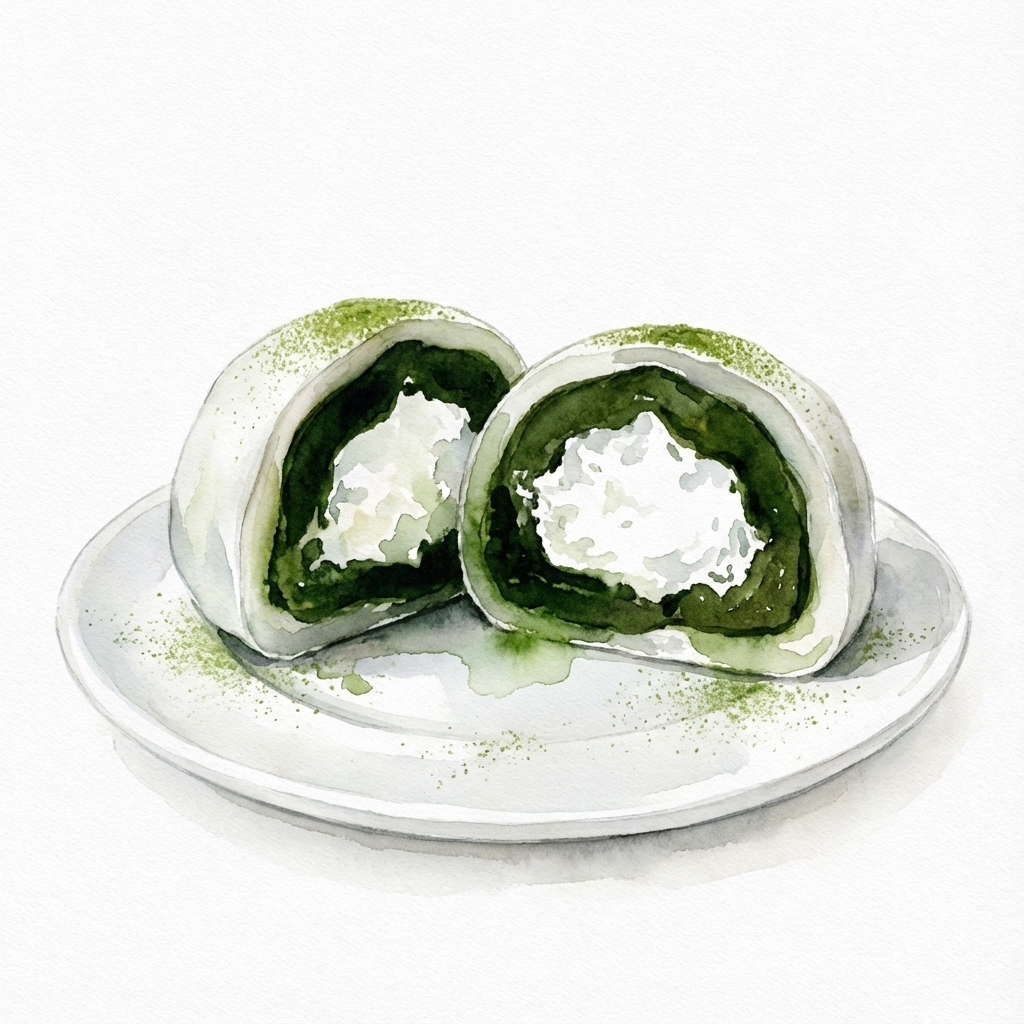
Japanese Fruit Daifuku Mochi — Matcha, Chestnut & Kohaku Variety Pack
Authentic Japanese daifuku in a curated three-flavor set — the classic matcha variety included.
Soft, pillowy mochi rice cake enclosing sweet bean paste and cream filling. The matcha daifuku in this set uses real matcha for a genuine bitter-sweet character — not the artificial green of cheap imitations. Eight pieces per flavor (24 total) makes this an ideal sharing gift or office treat. Ships directly from Japan.
- Sweet type
- Daifuku mochi (soft rice cake)
- Flavors included
- Matcha, Chestnut (Kuri), Kohaku
- Best for
- Gifting; those new to Japanese wagashi
- Price range
- $20–$35
4. Frozen Treats: Matcha Ice Cream & Gelato
Perfect for summer gifting or a post-bath indulgence.
Mail-order matcha ice cream reaches concentrations of matcha that no mass-market brand can touch — the kind where you taste the bitterness of the leaf itself.
The "Choose Your Intensity" Matcha Gelato Trend
One of the most popular formats is a tasting set where you select your matcha concentration — from a gentle No. 1 up to an extreme No. 7.
Shizuoka's Nanaya pioneered this style, claiming the title of "world's most concentrated matcha gelato."
The highest levels taste almost like powdered matcha itself. For any real matcha fan, working through the scale is an experience in its own right.
Matcha Daifuku Green Tea Rice Cakes — Chilled Matcha Treat
Soft rice cakes infused with premium matcha — a chilled dessert that delivers intense matcha flavor.
These matcha daifuku rice cakes are made with premium green tea matcha and have the same satisfying contrast between the chewy mochi exterior and the sweet, matcha-rich filling as the finest Kyoto versions. Serve chilled from the fridge for a frozen-adjacent experience. The 7oz (two-pack) format makes this an easy gift or personal indulgence.
- Sweet type
- Matcha daifuku (green tea rice cakes)
- Best enjoyed
- Cold or semi-frozen
- Best for
- Matcha lovers; summer gifting
- Price range
- $15–$25 (2-pack)
5. Frequently Asked Questions
How long do mail-order matcha sweets last?
About one month frozen, two to three days chilled.
Terrine and daifuku typically arrive frozen. Transfer only what you plan to eat into the fridge to thaw — even solo households can take their time finishing the rest.
Once thawed, finish within two days as flavor fades quickly after defrosting.
Can I request gift wrapping?
Yes — most established tea houses handle it as standard.
Brands like Itoh Kyuemon are built for the gift market and include premium wrapping paper and a bag by default.
Limited-edition seasonal packaging often appears around Mother's Day, Father's Day, and Respect for the Aged Day — worth checking at those times.
What drink pairs well with matcha sweets?
Hojicha (roasted green tea) or black coffee work best.
The toasty, slightly bitter profile of hojicha cleanses the palate between bites of rich matcha.
For Western-style pieces like terrine, black coffee or unsweetened black tea are equally good matches.
Avoid pairing with regular sencha — same-family flavors tend to clash rather than complement.
What's the difference between culinary matcha and ceremonial matcha?
They serve very different purposes. Culinary (confectionery) matcha is formulated to withstand heat and blend with sugar — a more affordable grade is used.
Ceremonial matcha prioritizes umami, aroma, and color when whisked on its own — typically a higher grade.
For sweets, culinary grade is entirely appropriate. If you want to drink it, choose ceremonial grade.
Is matcha safe for children?
In small amounts, yes — but matcha contains caffeine.
It is best to limit or avoid it for children under school age.
For a similar treat without the caffeine concern, look for hojicha-flavored sweets instead.
6. Final Thoughts

Premium matcha sweets are not just bitter — they carry a layered sweetness that sets them entirely apart from anything you'll find at a convenience store. One bite and you'll understand why people describe it as being transported to a Kyoto tea room.
Quick picks:
· For rich intensity — Matcha Terrine
· For chewy and sweet — Cream Matcha Daifuku
· For a safe starting point — any Uji tea house brand
Whether it's a reward for yourself or a thoughtful gift for someone who appreciates the finer things, this is one rabbit hole worth going down.
Japanese Green Tea Gifts: Uji vs. Shizuoka and Top Brands

Japanese Incense Guide: Awaji, Kyoto Brands & How to Burn