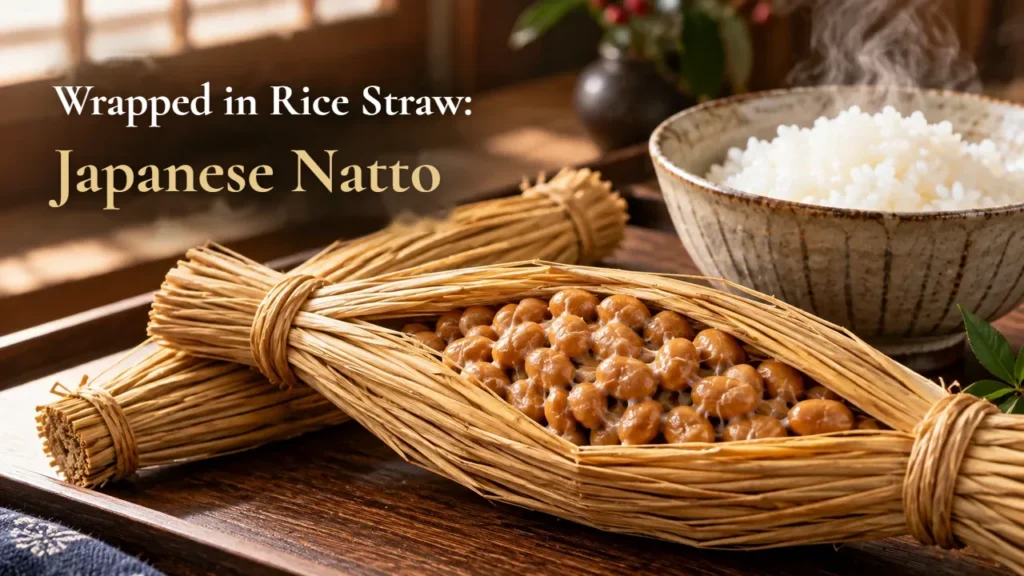
The short answer: if you're seeking out good natto, choose it by the wrapping.
Natto (fermented soybeans) wrapped in rice straw, natto wrapped in kyogi (thin wood shavings) — change the wrapping, and the aroma and bite change too. Mito's Tengu Natto describes its straw natto as "a traditional method in which the straw absorbs just the right amount of moisture from the natto, for a pleasing bite." What made Mito natto famous nationwide was natto sold as a souvenir at Mito Station when it opened in 1889. This guide introduces three Japanese natto — Tengu Natto's straw-wrapped natto, Hokkaido kyogi-wrapped natto from Donan Hiratsuka Shokuhin in Noboribetsu, and Hoya Natto made with Japanese organic small beans — and how to enjoy natto outside Japan.
Quick Reference: Three Japanese Natto
| Natto | Wrapping | Maker | Soybeans |
|---|---|---|---|
| Small-bean straw natto ▾ | Rice straw | Tengu Natto (Mito, Ibaraki) | Japanese, small |
| Dosan natto, kyogi ▾ | Kyogi (wood shavings) | Donan Hiratsuka Shokuhin (Noboribetsu, Hokkaido) | Hokkaido, medium |
| Organic small-bean natto ▾ | Pack | Hoya Natto | Japanese organic, small |
1. Eating Natto Outside Japan
Short answer: fresh natto is a chilled, perishable food and doesn't ship abroad — but you can make it yourself with Japanese natto starter, or try freeze-dried natto. The straw- and wood-wrapped natto in this guide are things to enjoy in Japan. At home, natto starter spores (nattomoto) let you ferment your own soybeans, and freeze-dried natto keeps at room temperature as a topping or snack.
Japanese Natto Starter Spores (Nattomoto)
Natto bacteria from Japan, for fermenting your own natto from cooked soybeans — a small packet goes a long way. Follow the instructions for temperature and time.
Japanese Natto Starter Spores (Nattomoto), 3 g
Loading product details…
Yamasan Freeze-Dried Natto
Japanese-made freeze-dried natto that keeps at room temperature — crunchy on its own, or scattered over rice and salads.
Yamasan Freeze-Dried Natto, 70 g
Loading product details…
2. Why Japanese: Choose Natto by Its Wrapping
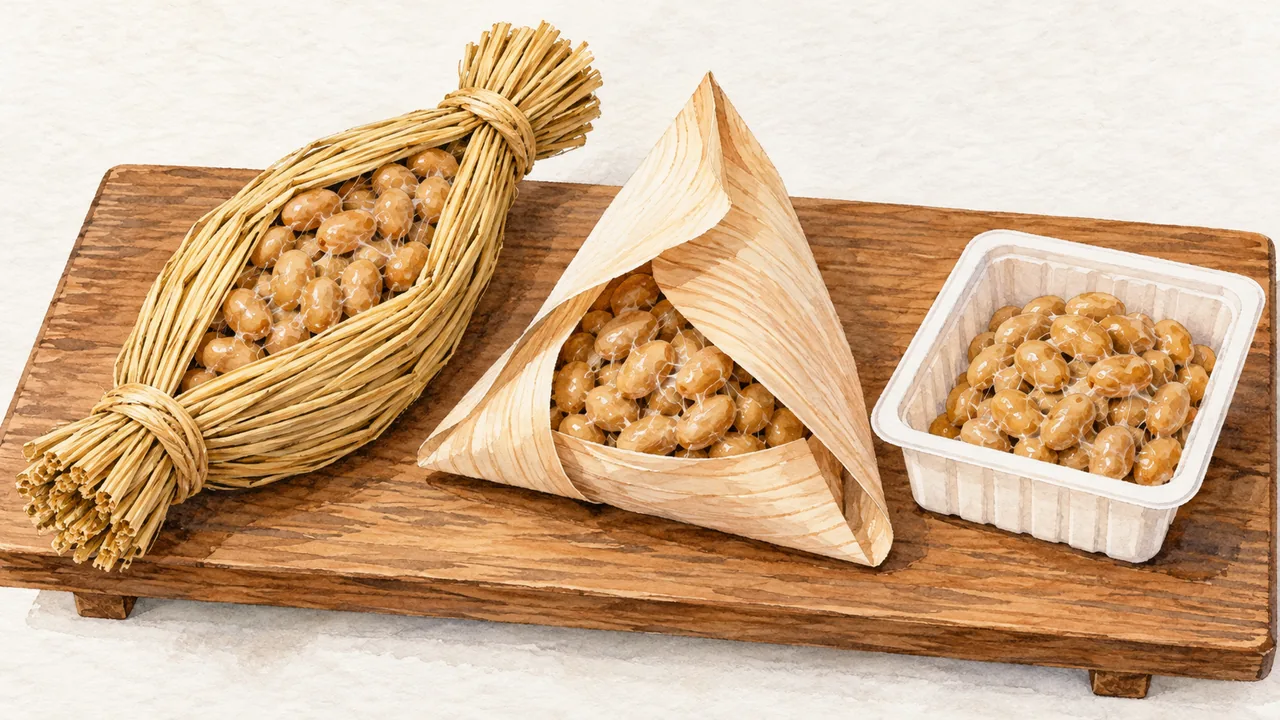
Most natto in Japanese supermarkets comes in plastic packs. But traditional wara-natto wrapped in rice straw, and natto wrapped in kyogi — wood shaved paper-thin — are still made. According to Mito's Tengu Natto, straw absorbs just the right amount of the natto's moisture, giving a pleasing bite different from pack natto. The scent of straw or wood when you open the wrapping is part of the pleasure. Choose by wrapping and bean size, and everyday natto becomes a little special.
3. Mito, Tengu Natto: Straw Natto Sold at the Station
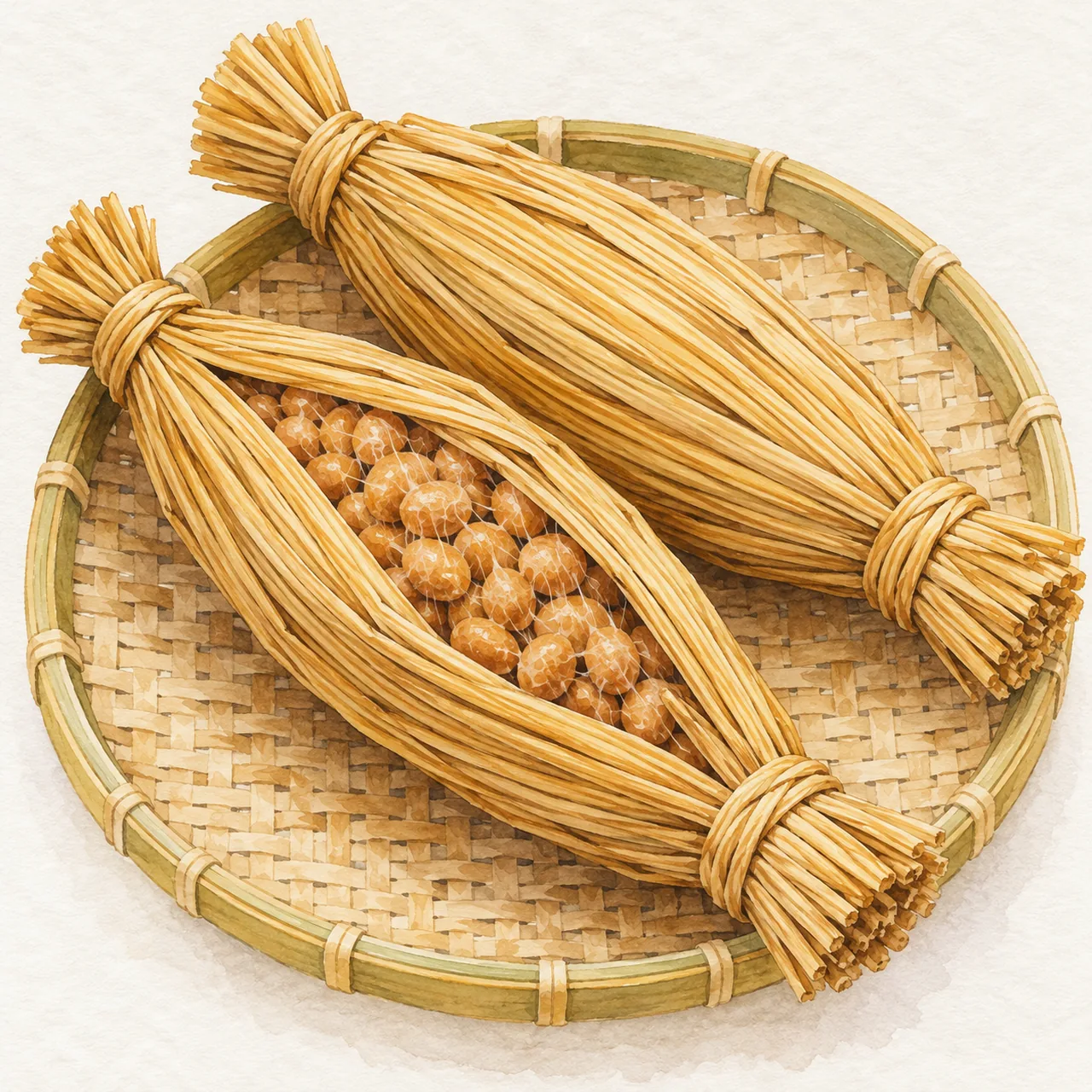
Mito's natto became known nationwide in 1889, when Mito Station opened and natto was sold there as a souvenir. Travellers took Mito natto home — and the maker was Tengu Natto Sasanuma Goro Shoten (as introduced on a TV Tokyo programme). Tengu Natto still makes traditional straw natto as the originator of Mito natto, and on the second floor of its shop in Sannomaru, Mito, a free Natto Exhibition Hall shows natto's origins and history.
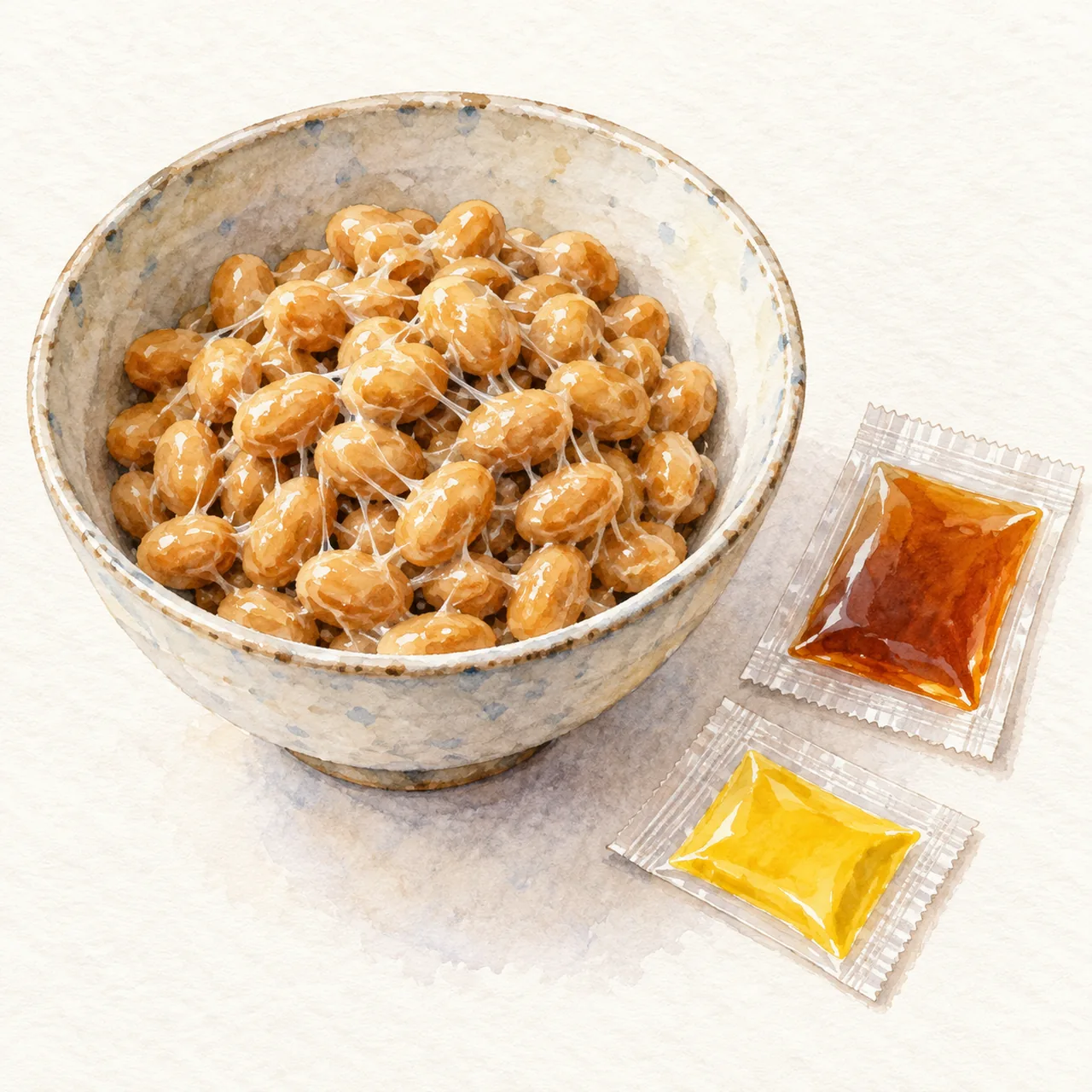
Its small-bean straw natto wraps Japanese small soybeans in straw, bringing out straw's rich aroma and the stickiness of small beans: two 70 g bundles, with sauce and mustard. Open the straw and put it straight onto freshly cooked rice.
4. Hokkaido, Donan Hiratsuka Shokuhin: Hokkaido Natto in Kyogi
Donan Hiratsuka Shokuhin is a natto maker in Noboribetsu, Hokkaido, making natto under names like "Mame no Bunshiro" and "Kuma Natto," particular about Hokkaido ingredients.
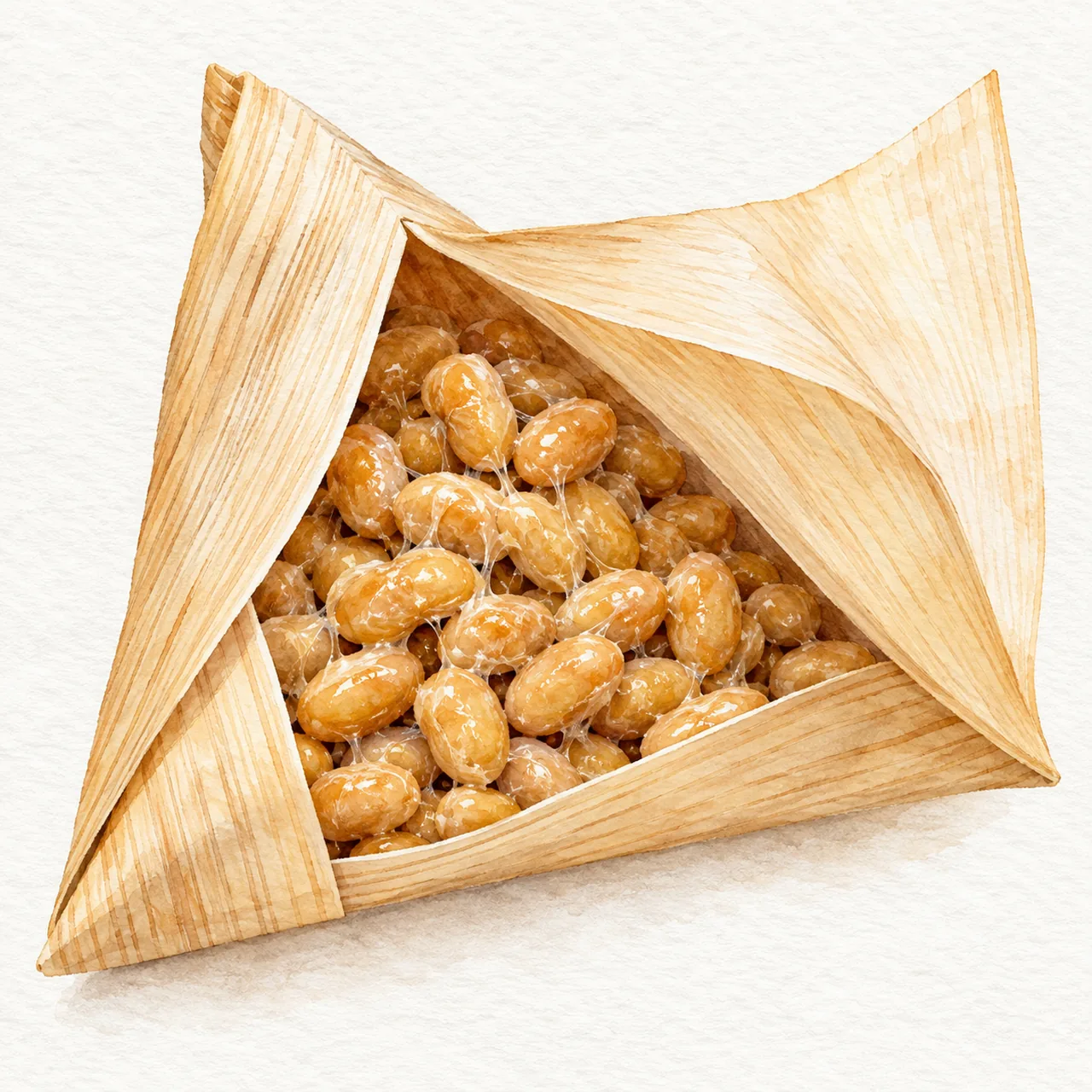
Its "Dosan Natto Kyogi" wraps medium Hokkaido soybeans in traditional kyogi; the maker writes that the kyogi wrapping brings out the natto's flavour and preserves it. Open the wood, and natto appears with the scent of wood — 100 g, with the satisfying bite of medium beans.
5. Hoya Natto: Japanese Organic Small Beans
Hoya Natto's certified-organic small-bean natto uses 100% Japanese organic small soybeans; the ingredients are just organic soybeans and natto bacteria. Its sauce uses no chemical seasonings or preservatives, and the mustard is uncoloured — chosen from bean to sauce, with a firm texture and good umami.
Straw or kyogi natto for special days; Hoya Natto for every morning's breakfast.
6. How to Eat and Keep It
First Bite With Nothing Added
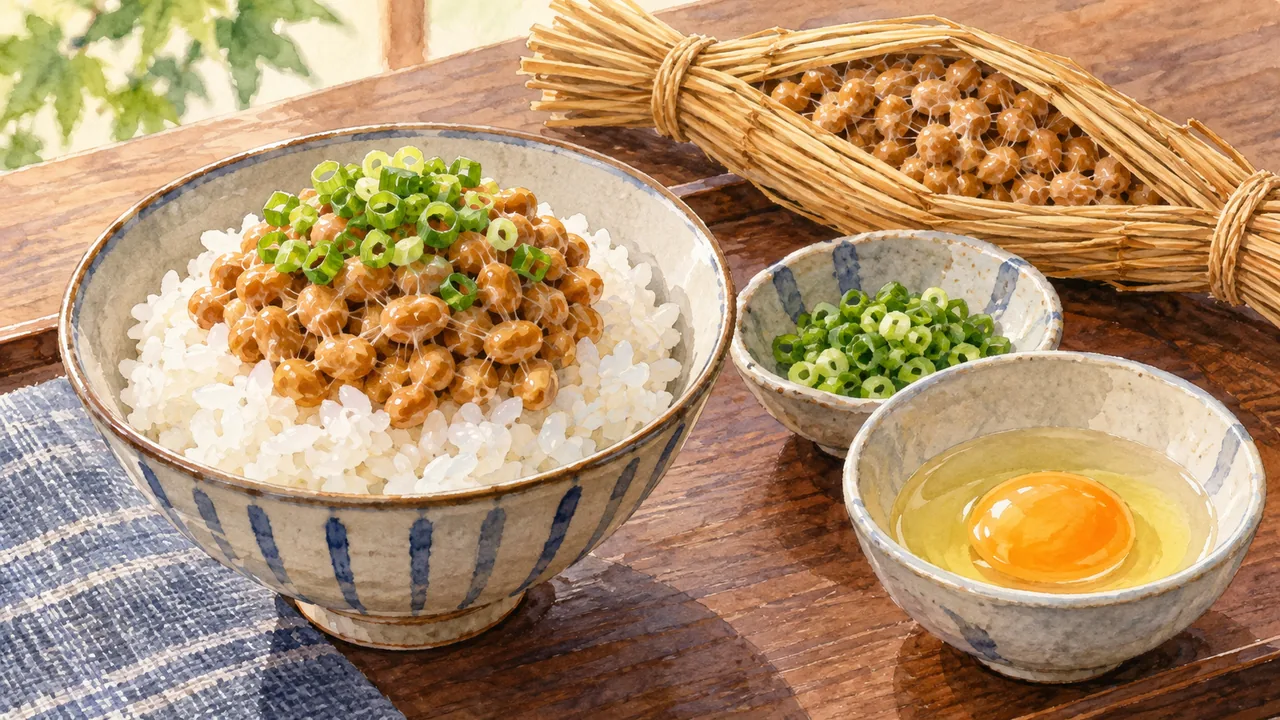
Taste good natto first with just its own sauce. Straw natto can go straight into a bowl once the straw is opened; kyogi natto, too, can be opened onto rice. Add scallions, egg or mustard afterwards, once you've noticed the beans and the wrapping's scent.
Into the Fridge Straight Away
Fresh natto is a chilled, perishable food. Refrigerate it as soon as it arrives and check the best-before on the label.
7. Frequently Asked Questions
How is straw natto different from pack natto?
The wrapping changes the bite. According to Tengu Natto, straw absorbs just the right amount of moisture for a pleasing bite — and you get straw's aroma too.
What is kyogi?
Wood shaved as thin as paper, used as wrapping. Donan Hiratsuka Shokuhin wraps Hokkaido soybeans in it.
Why is Mito natto famous?
Because it was sold as a souvenir when Mito Station opened in 1889 — made by Tengu Natto Sasanuma Goro Shoten.
Can I get Japanese natto outside Japan?
Fresh natto doesn't ship well — it's chilled and perishable. Make your own with Japanese natto starter, or try freeze-dried natto, which keeps at room temperature.
Small beans or medium?
Small for stickiness and how it blends with rice; medium for a bean-y bite. Tengu Natto and Hoya Natto are small; the Hokkaido kyogi natto is medium.
Where can I learn about natto in Mito?
Tengu Natto's free Natto Exhibition Hall, upstairs at its shop in Sannomaru, Mito — worth a stop when buying straw natto.
Final Thoughts: Mornings of Unwrapping Japanese Natto
Natto is fun to choose by its wrapping — straw, kyogi — and its beans.
Tengu Natto's straw natto, spread from Mito Station's opening in 1889. Donan Hiratsuka Shokuhin's Hokkaido beans in kyogi. Hoya Natto's Japanese organic small beans.
In Japan, open the straw and taste it. At home, try fermenting your own.
Furikake: The Original, Yukari, and a Tokyo Classic
Yuba: Japanese Tofu Skin From Kyoto, Minobu and Nikko