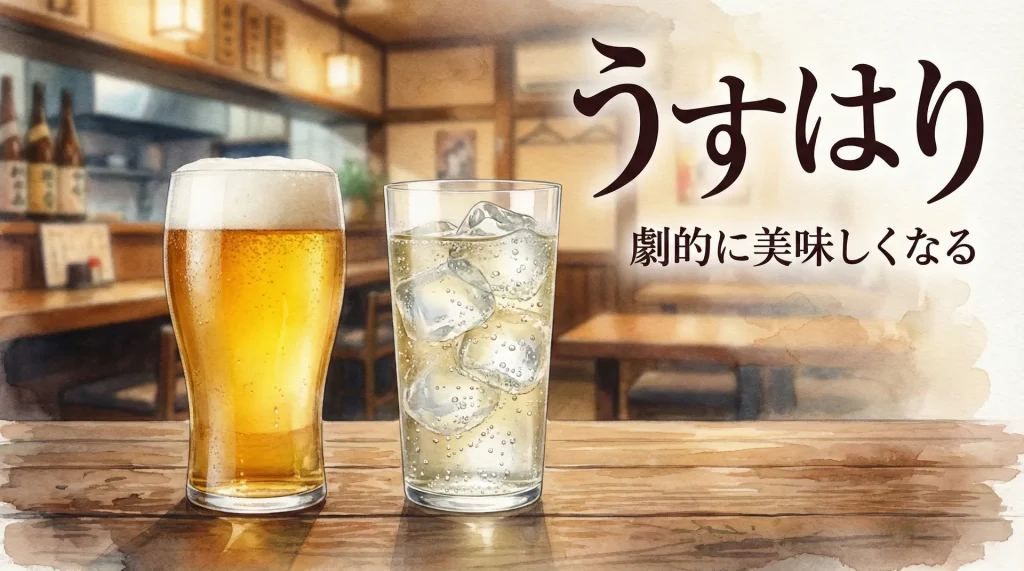
The same beer you buy at the supermarket tastes noticeably different — better — in a restaurant. The beer is
identical. The glass is not.
Rim thickness is the single biggest variable that changes how beer, sake, and whisky feel in your
mouth.
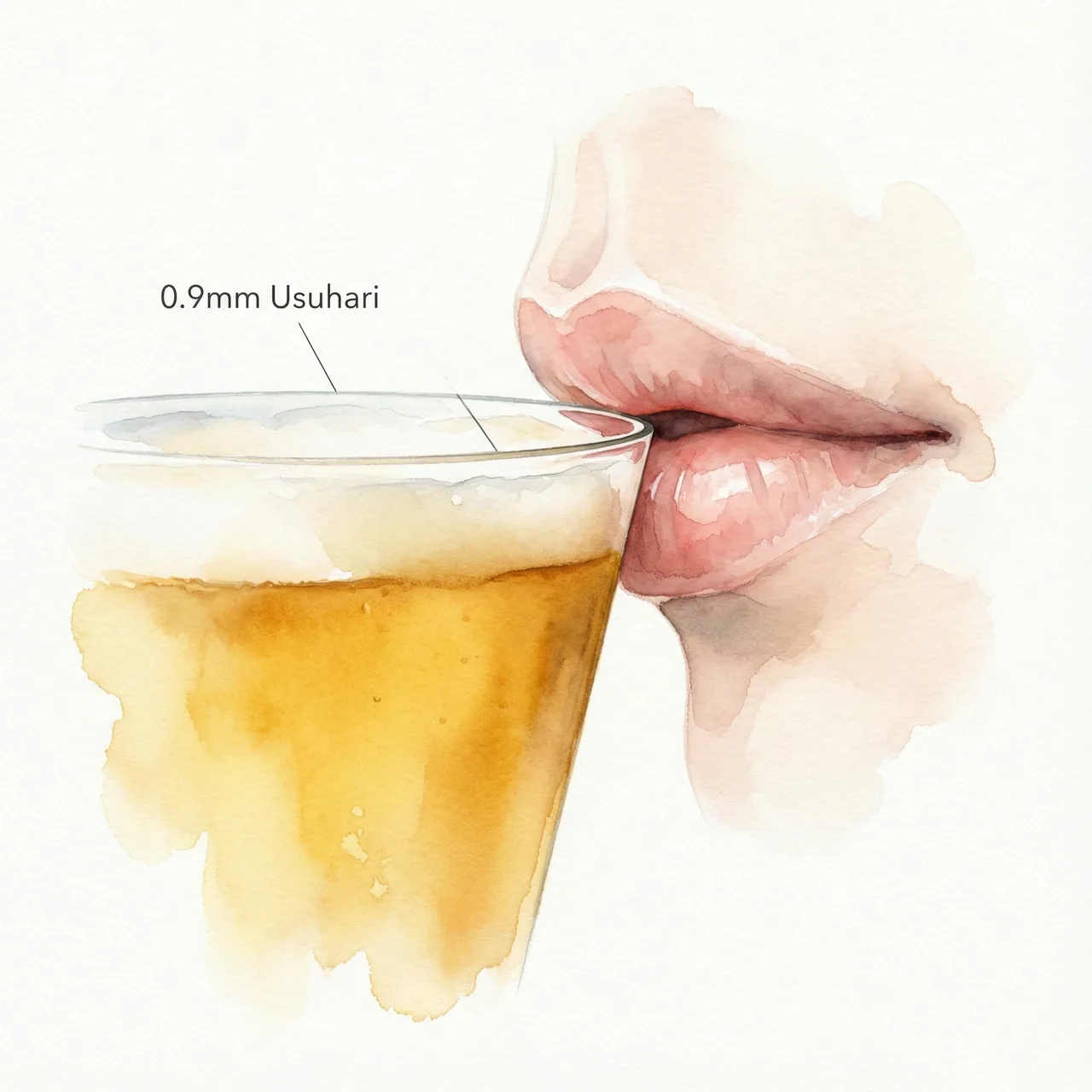
Shotoku Glass's usuhari (薄張り, "thin-blown") glasses take this to its logical extreme: a 0.9mm wall that
makes the glass virtually disappear on your lips.
This guide explains why the science works, which size to buy, and how to keep them from breaking.
Quick Reference: Usuhari Glass Size Guide
| Model | Capacity | Best Drink | Why It Works |
|---|---|---|---|
| Tumbler L | 375ml | Beer, highball | Holds a 350ml can perfectly to the foam — the most popular model |
| Daiginjo | 250ml | Sake, wine | Tapered tulip bowl; a small bump on the base creates gentle convection when swirled |
| Old Fashioned | 300ml | Whisky on the rocks, shochu | Low, wide form; ice rings with a crystalline clarity that thick glass can't produce |
Why 0.9mm Changes the Taste
The rim of a standard everyday glass is roughly 2–3mm thick. Usuhari is 0.9mm — less than a millimeter. This difference doesn't just feel different; it measurably changes how the brain processes the drink.
The "Invisible Rim" Effect
When you drink from a thick glass, your lips grip the rim before the liquid arrives. The brain registers a solid
object and braces for it — this micro-tension subtly dampens your perception of the drink's temperature, fizz,
and flavor.
At 0.9mm, the usuhari rim essentially vanishes. The liquid lands directly on your lips with nothing in between.
Cold hits colder, carbonation hits sharper, and the flavor hits more immediately and clearly.
It sounds like marketing copy. It isn't — you will notice the difference on the first sip.
Uniform Thinness — Base to Rim
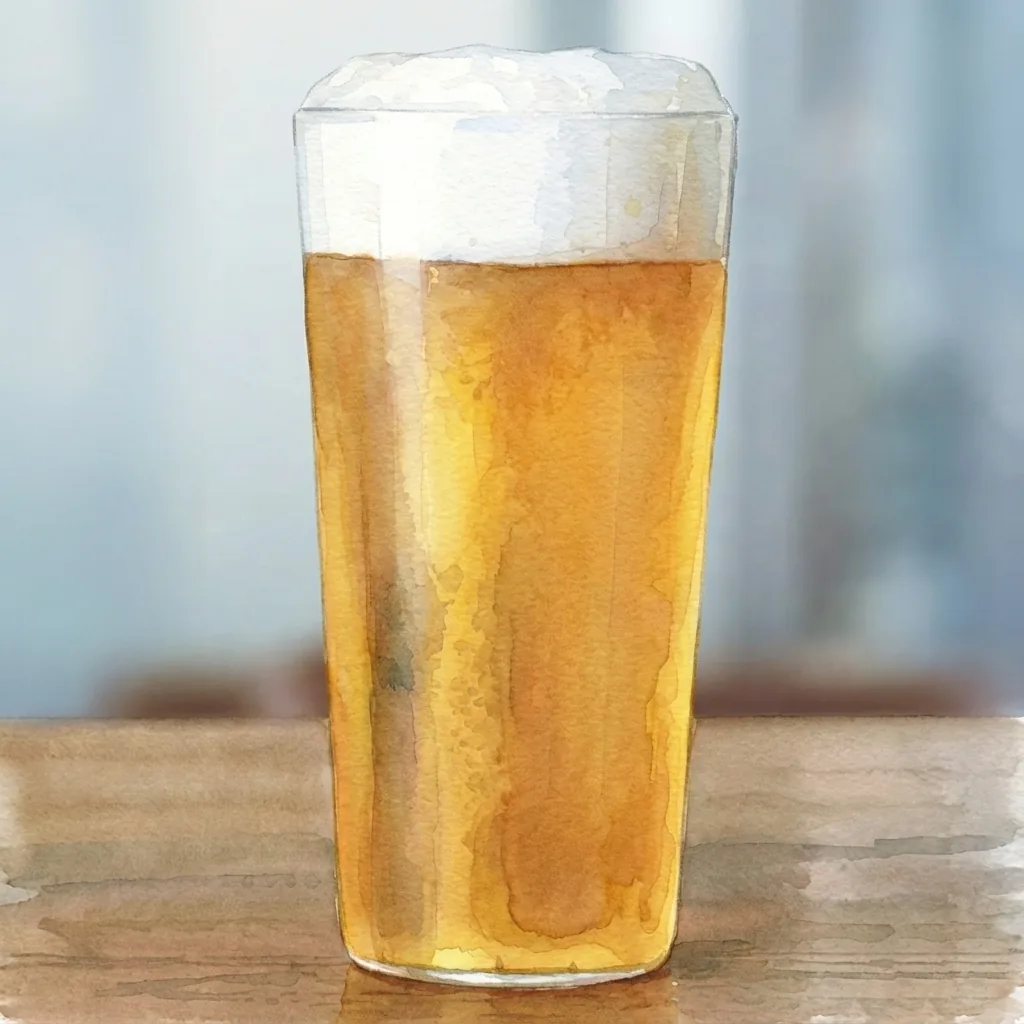
Conventional glasses thicken toward the base to add stability. Usuhari maintains the 0.9mm wall all the way down
to the base.
The visual effect is striking: when you fill it with golden beer, the liquid appears to float above the table
without a glass around it. This visual anticipation — the color unobstructed by thick glass — is part of the
experience before the first sip.
From Lightbulb Factory to Drinkware Icon: Shotoku Glass
Shotoku Glass (松徳硝子) is based in Sumida, Tokyo — the same district that has produced Japan's finest glass for over a century. But their thin-glass mastery didn't come from the drinkware industry.
The Lightbulb Legacy
In the early 20th century, Shotoku Glass made lightbulbs by hand — one at a time, blown by craftspeople who had to
maintain paper-thin walls that were uniform enough to transmit light and flexible enough not to shatter from
heat.
When mass-produced bulbs displaced handmade ones, Shotoku turned that same technique to drinkware. The constraints
are almost identical: the glass must be thin enough to be remarkable, yet durable enough to survive being picked
up and washed daily.
This heritage is why usuhari can be 0.9mm and still survive years of regular use — in the hands of craftspeople
who have spent generations working right at that edge.
The Three Models: Which One to Buy
Tumbler L (375ml) — The Beer Glass
This is the one to start with. A 350ml can of beer fills it perfectly — with just enough room for a proper foam
head. The straight cylindrical form preserves carbonation and keeps the beer cold longer than a wide-mouth
glass.
It's the most-sold usuhari model for good reason: beer is the drink that benefits most immediately from the
thin-rim effect, and this is the size built around Japan's standard 350ml can.
- Capacity
- 375ml
- Made in
- Sumida, Tokyo
- Best for
- Lager, pilsner, craft beer, highball
- Price range
- $25–$40 per glass
Daiginjo (250ml) — The Sake Glass
Named after the most fragrant category of sake, this model has a slightly tulip-shaped bowl that tapers gently
toward the rim — trapping aroma inside the glass the way a wine glass does.
The defining feature is a small raised bump on the inside of the base. Swirl the glass and the sake hits the bump,
creating a gentle convection current that lifts the fragrance upward. It's an elegant piece of glass engineering.
- Capacity
- 250ml
- Made in
- Sumida, Tokyo
- Best for
- Ginjo, daiginjo sake, light white wine
- Price range
- $30–$45 per glass
Old Fashioned (300ml) — The Rocks Glass
The low, wide form of a standard whisky rock glass, blown to 0.9mm. The revelation here is the sound: when ice
hits the inside of an usuhari old fashioned glass, it rings with a clear, crystalline note that a thick glass
simply cannot produce. The tone is higher and cleaner — like a small bell.
If you drink whisky, shochu, or any spirit on the rocks, this glass will change the ritual of the pour.
- Capacity
- 300ml
- Made in
- Sumida, Tokyo
- Best for
- Whisky on the rocks, shochu, aged spirits
- Price range
- $30–$45 per glass
How to Wash Usuhari Without Breaking It
Most usuhari breakage happens at the sink, not at the table. These two rules prevent almost all of it.
Never Twist a Sponge Inside the Glass
The most common breakage point: pushing a sponge inside and twisting to clean the bottom. Thin glass is vulnerable
to torsion — the lateral pressure from a twisting motion inside the cylinder can crack it in an instant.
Instead: use a long-handled bottle brush, or squeeze dish soap directly into the glass, fill with a small amount
of water, swirl gently with your fingertips, and rinse. No twisting, no internal pressure.
Wash It First — Before Other Dishes
Don't let usuhari sit in a crowded sink with pots and other dishes. Contact with heavy ceramic or cast iron causes
chips and cracks.
Best practice: when you're done drinking, rinse the glass immediately and wash it first — before anything else in
the sink. It takes 20 seconds and eliminates almost all accidental breakage.
Store Upright, Not Stacked or Rim-Down
Don't stack usuhari or store them rim-down. The rim is the thinnest and most vulnerable point. Store upright with space between glasses, or return them to their original box between uses.
FAQ
Can usuhari go in the dishwasher?
No — Shotoku Glass explicitly recommends hand-washing only. The issue isn't the water temperature so much as the
movement: dishwasher water jets shift dishes around, and the moment a 0.9mm glass contacts another dish at any
speed, it chips or cracks.
Hand-wash only, with a gentle brush and no twisting.
Can I put hot drinks in usuhari?
No. Usuhari is standard soda glass — not heat-resistant borosilicate. Sudden thermal change (hot liquid into a room-temperature glass, or vice versa) will crack it. Use usuhari for cold and room-temperature drinks only. For warmed sake or hot tea, choose heat-resistant glass or ceramic.
Which model should I buy first if I'm not sure?
Start with the Tumbler L (375ml). It works for beer, highball, and cold sake, and the impact of the thin rim is most immediately obvious with carbonated drinks. Once you experience the difference, adding the Daiginjo for sake and the Old Fashioned for spirits is an easy next step.
What's the difference between Tumbler M and Tumbler L?
Tumbler M is approximately 270ml; Tumbler L is 375ml. A standard 350ml beer can fills the L perfectly with foam head included — which is why the L is recommended for beer drinkers. The M works better if you drink sparingly or want to use the glass for water and non-beer drinks too.
Is usuhari good as a gift?
Excellent. Shotoku Glass packages usuhari in paulownia wood boxes (kiri-bako) for the gift sets — which add a Japanese craft aesthetic to the presentation. A pair of Tumbler L in a gift box ($60–$80) is one of the best practical gifts for a beer or sake lover, particularly because it's a product most people have never encountered but immediately understand when they use it.
How long will usuhari last with regular use?
Users who follow the no-twist, wash-first approach report usuhari lasting several years of daily use. The glass is
more resilient than it looks — Shotoku's craftspeople specifically designed it with practical durability in mind,
not just visual delicacy.
Breakage almost always comes from one of two causes: a twisting wash motion, or contact with something heavy in
the sink. Avoid those two and the glass will last.
8. Summary: Elevate Your Evening Drink
A $30 glass sounds like an indulgence until you use it — then it makes every $2 beer taste better than it has
any right to.
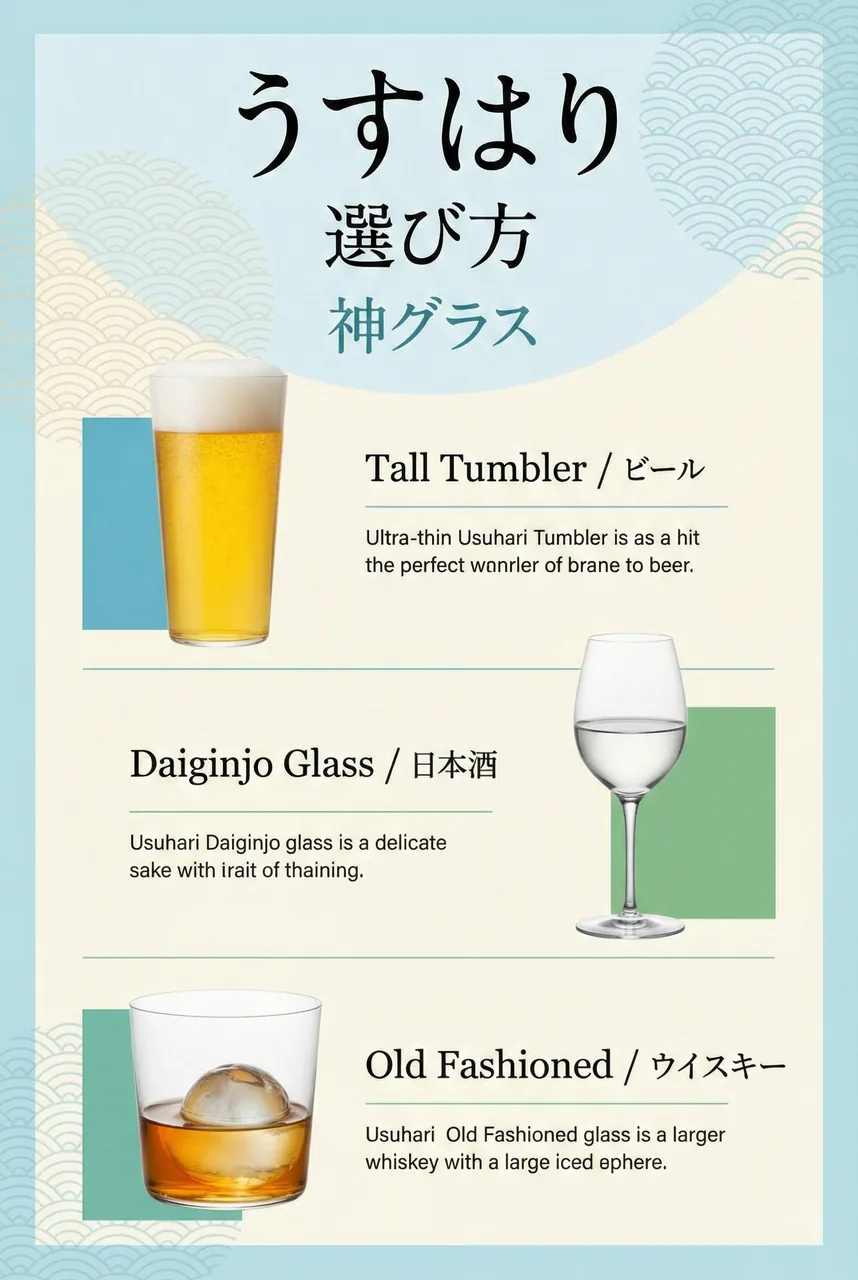
【The Usuhari Choice】
1. Tumbler L (375ml) for beer and highball
2. Daiginjo (250ml) for sake and wine
3. Old Fashioned (300ml) for spirits on the rocks
The usuhari effect is real, and the craft behind it is genuine.
Start with one, and the next two will follow naturally.