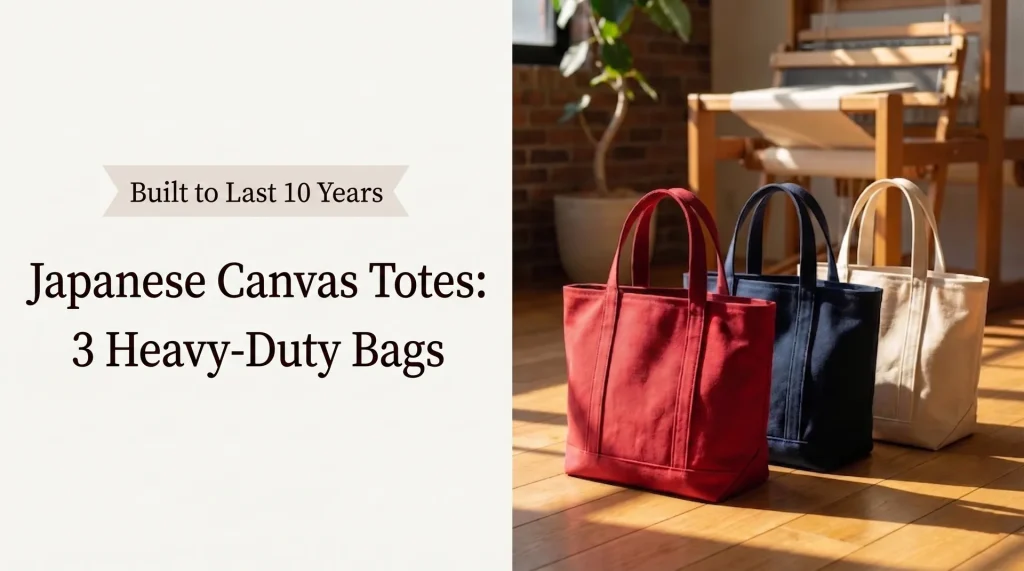
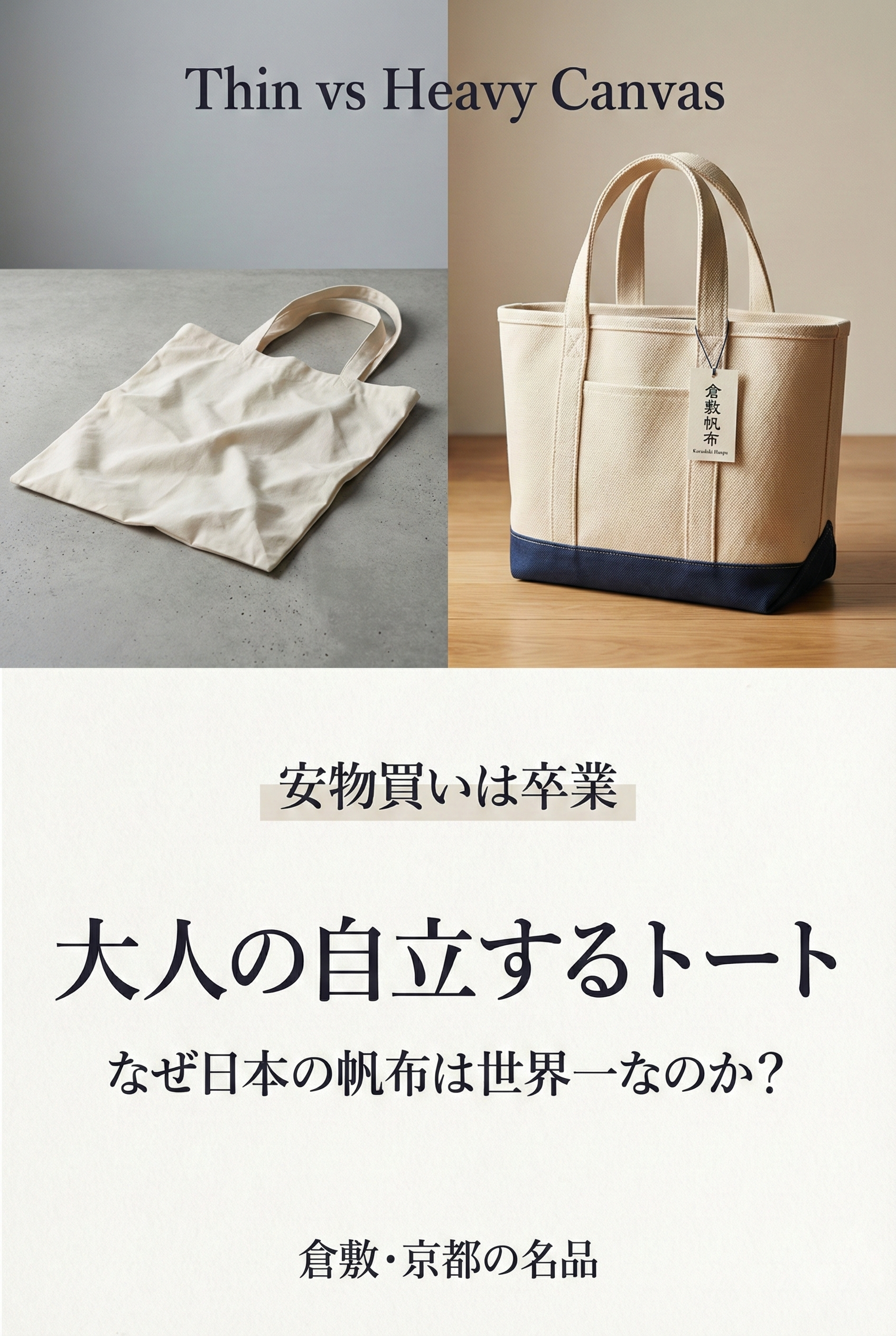
The test of a good tote bag is simple: set it down. Does it stay upright?
A thin cotton tote is convenient until it collapses, flops sideways under a laptop, and starts looking limp after
three washes. The better choice is hanpu — heavy-weave Japanese duck canvas, woven by craftspeople on
century-old shuttle looms in Kurashiki, Okayama.
Japanese canvas totes start rigid — almost board-like. Give them months of daily use and they soften and conform to
your movements, the way raw denim does. Scuffs and stains don't read as damage. They read as
history.
This guide covers the Kurashiki shuttle-loom standard, how to choose the right canvas grade for your use, and
3 top Japanese canvas totes worth carrying for a decade.
Quick Reference: Canvas Gauge at a Glance
| Grade | Thickness | Self-standing | Best for |
|---|---|---|---|
| No. 3–4 | Extra heavy | ◎ Yes | Outdoor, tools, maximum durability |
| No. 6 | Heavy | ◎ Yes | Heavy loads, camping, standing bags |
| No. 8 | Medium | ○ Yes | Daily commute, everyday use |
| No. 11 | Light | ✕ No | Eco bag, secondary bag, packable |
1. Kurashiki Canvas: 70% of Japan's Hanpu, Woven on 100-Year-Old Looms
Around 70% of Japan's canvas (hanpu) is produced in Kurashiki City, Okayama Prefecture. The reason this fabric is valued worldwide comes down to a single piece of equipment: the loom.
Shuttle Looms from the Early Showa Era
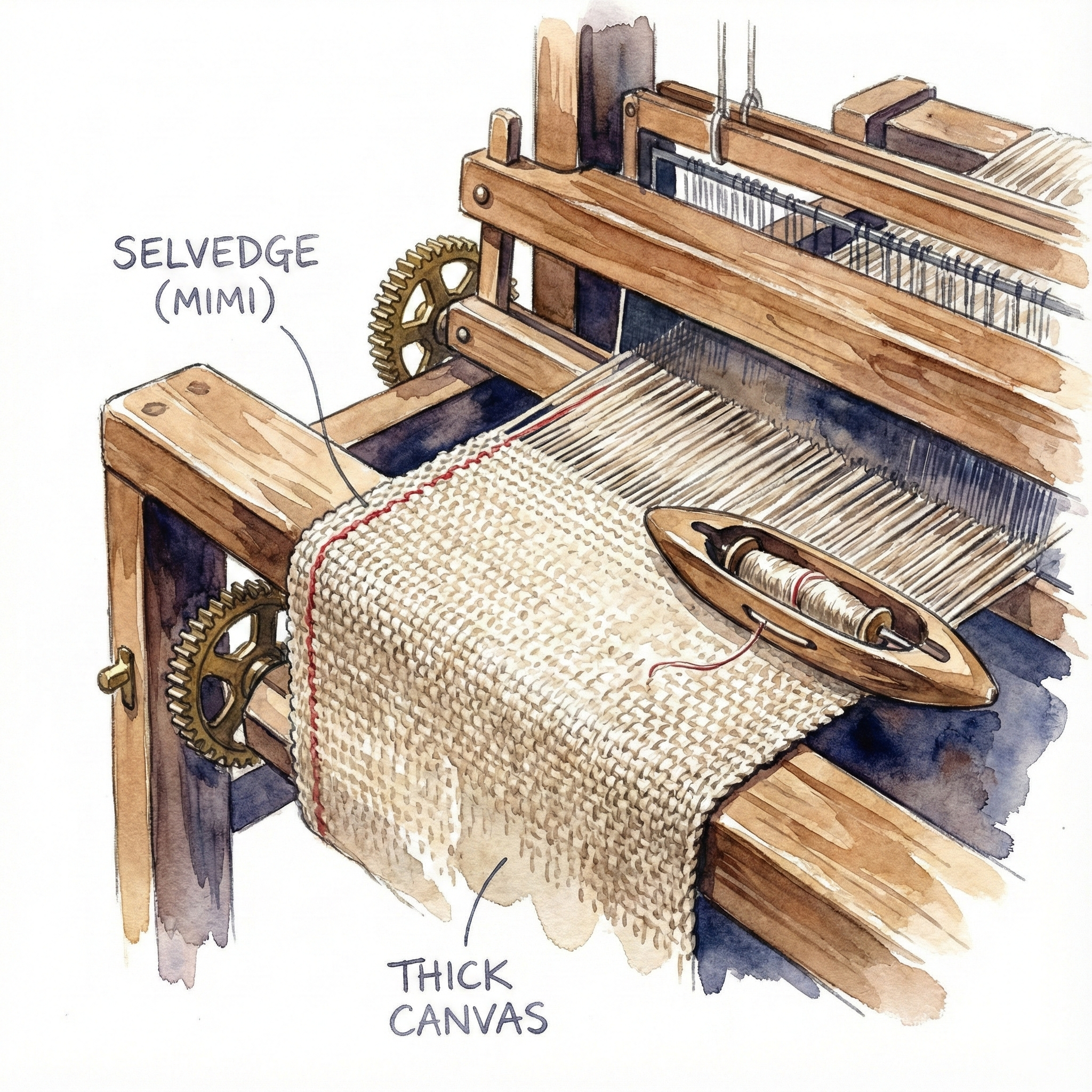
Modern high-speed power looms weave fast. Shuttle looms, in use since the early twentieth century, weave slowly
— with a craftsperson managing thread tension continuously throughout the process.
What this produces:
· Volume: Without excessive thread tension, the yarn stays round and full — the finished canvas
has body and spring that machine-spun fabric cannot replicate.
· Selvedge: The fabric's edge forms a clean, tightly-bound border (mimi, or selvedge)
that does not fray — a mark of quality that high-speed looms cannot produce.
· Density: High-thread-count weaving creates a structure that resists water penetration.
The selvedge is the visible proof of the process. When you see it on a tote bag, you know the canvas came from a
shuttle loom.
2. Choosing by Grade: No. 6, No. 8, or No. 11?
Japanese canvas is graded on a scale from No. 1 (thickest) to No. 11 (thinnest). Lower numbers mean stiffer, heavier fabric. Choose based on how you plan to use the bag.
① Boards: Grade No. 4–6
Use for: Outdoor, heavy tools, camping, any situation requiring the bag to stand
independently
At gym-mat thickness, these are the toughest canvas grades available. They feel like structural panels when new.
The payoff: no load deforms them, no weather damages them, and with use they develop a patina similar to broken-in
leather. For serious outdoor or workshop use, nothing else compares.
② The Everyday Balance Point: Grade No. 8
Use for: Daily commuting, school, general everyday carry
The most common tote grade for good reason. Enough stiffness to stand on its own, light enough to not add
noticeable weight. It breaks in faster than the heavy grades and adapts to daily use within weeks. If you are
unsure which grade to choose, No. 8 is the answer.
③ Light and Packable: Grade No. 11
Use for: Eco bags, secondary bags, in-bag overflow
Close to ordinary cotton in feel and weight. Folds flat, packs into a small square, goes anywhere. Does not stand
on its own. Best used as a backup or grocery bag rather than a primary carry.
3. 3 Japanese Canvas Totes Worth Buying
Solid quality, no excess — these three bags define what Japanese canvas everyday carry is supposed to be.
[No.1] Hanpu Kobo 3J40 Tote Bag — The Classic Kurashiki Canvas
Hanpu Kobo (帆布工房) is a brand dedicated exclusively to canvas goods, utilizing traditional Japanese Hanpu. The 3J40 is an excellent entry point into the world of Japanese canvas—sturdy enough to stand on its own, but soft enough for daily commuting. It features simple, rugged construction with practical pockets, showcasing the raw texture and durability of genuine shuttle-loom woven fabric.
- Material
- Japanese Hanpu Canvas
- Known for
- Traditional canvas texture; self-standing structure
- Best for
- First Japanese canvas bag; everyday commuting
[No.2] PORTER GIRL BOYFRIEND TOTE (Medium) — Function and Character
Yoshida Kaban (PORTER) is legendary in Japan for their uncompromising build quality. The BOYFRIEND TOTE series brings that same engineering to heavy cotton canvas. The canvas is treated with a light water-repellent finish, and the interior is lined with PVC for extra water resistance and structure. The medium size is the perfect daily balance—large enough for a 13-inch laptop, but compact enough for a crowded train.
- Based in
- Tokyo (Yoshida Kaban)
- Known for
- Water-resistant PVC interior lining; exceptional sewing quality
- Best for
- Daily commuting; all-purpose use; reliable brand reputation
[No.3] PORTER GIRL BOYFRIEND TOTE (Large) — The Heavy Hauler
The large version of Porter's iconic canvas tote. This size is built for heavy lifting—perfect for a weekend trip, a heavy load of groceries, or as a highly durable diaper bag. Despite the size, the refined design and color-matched handles keep it looking sharp rather than sloppy. Like all Yoshida Kaban bags, the stress points are reinforced to outlast years of heavy carrying.
- Based in
- Tokyo (Yoshida Kaban)
- Capacity
- Large (Fits 15-inch laptops, overnight clothes)
- Best for
- Weekend trips, heavy hauls, diaper bag
4. Care Guide: How to Clean Canvas Without Ruining It
The Default Rule: Don't Wash
Machine-washing canvas — especially paraffin-treated canvas — causes the bag to lose its shape, go limp, and
bleed color. If aging the bag is the point, washing is the enemy of the process.
Spot cleaning instead:
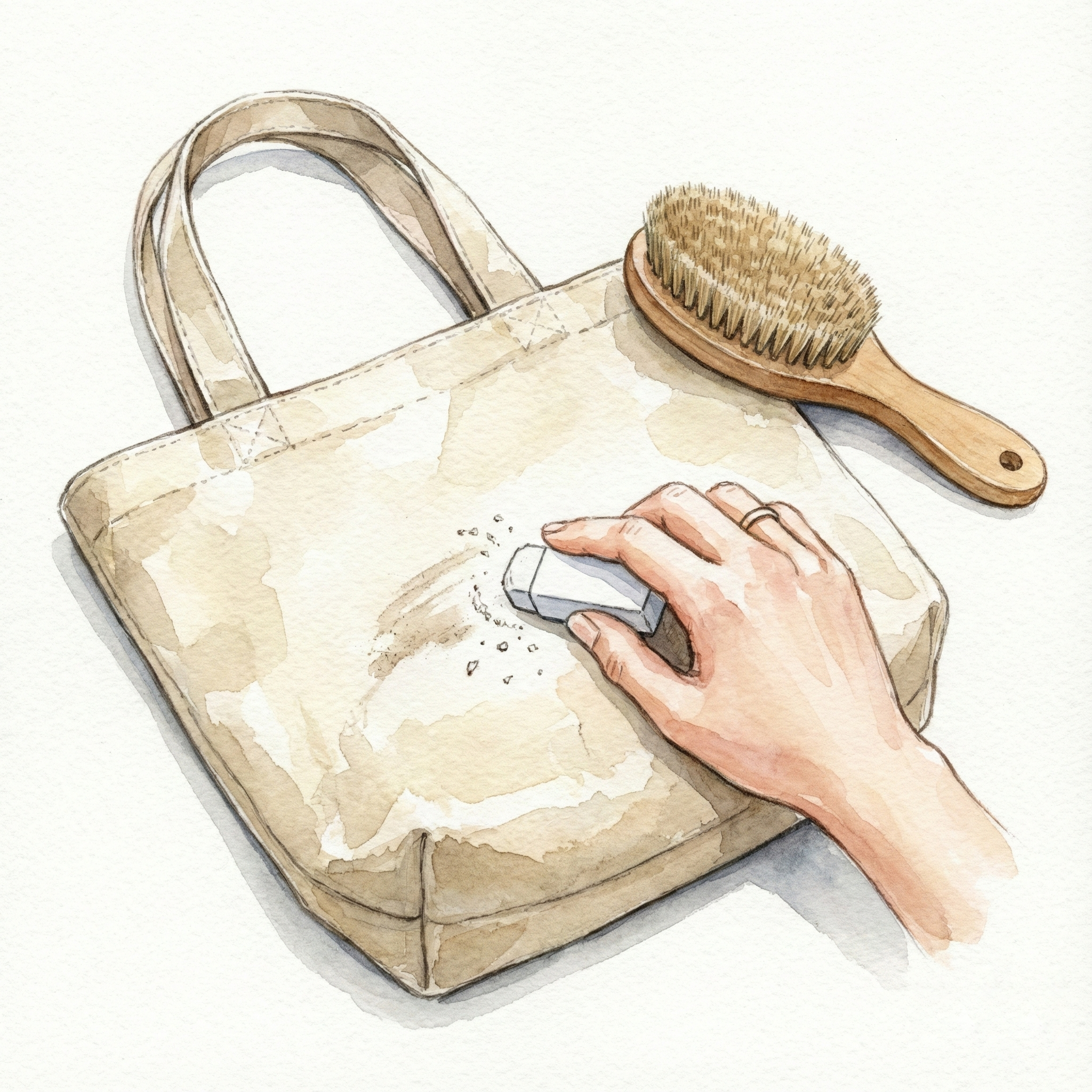
1. Dust: Brush off with a stiff-bristled brush.
2. Small marks: Rub with a clean white eraser — the same technique used on sneaker rubber soles. It works far
better than it sounds and leaves no residue.
3. When you must wash: Hand-wash with mild detergent, skip the spin cycle entirely, and hang to dry in
shade.
The eraser method handles 90% of daily dirt without touching the canvas surface finish.
5. Final Thoughts: Scuffs and Stains Become Part of the Story
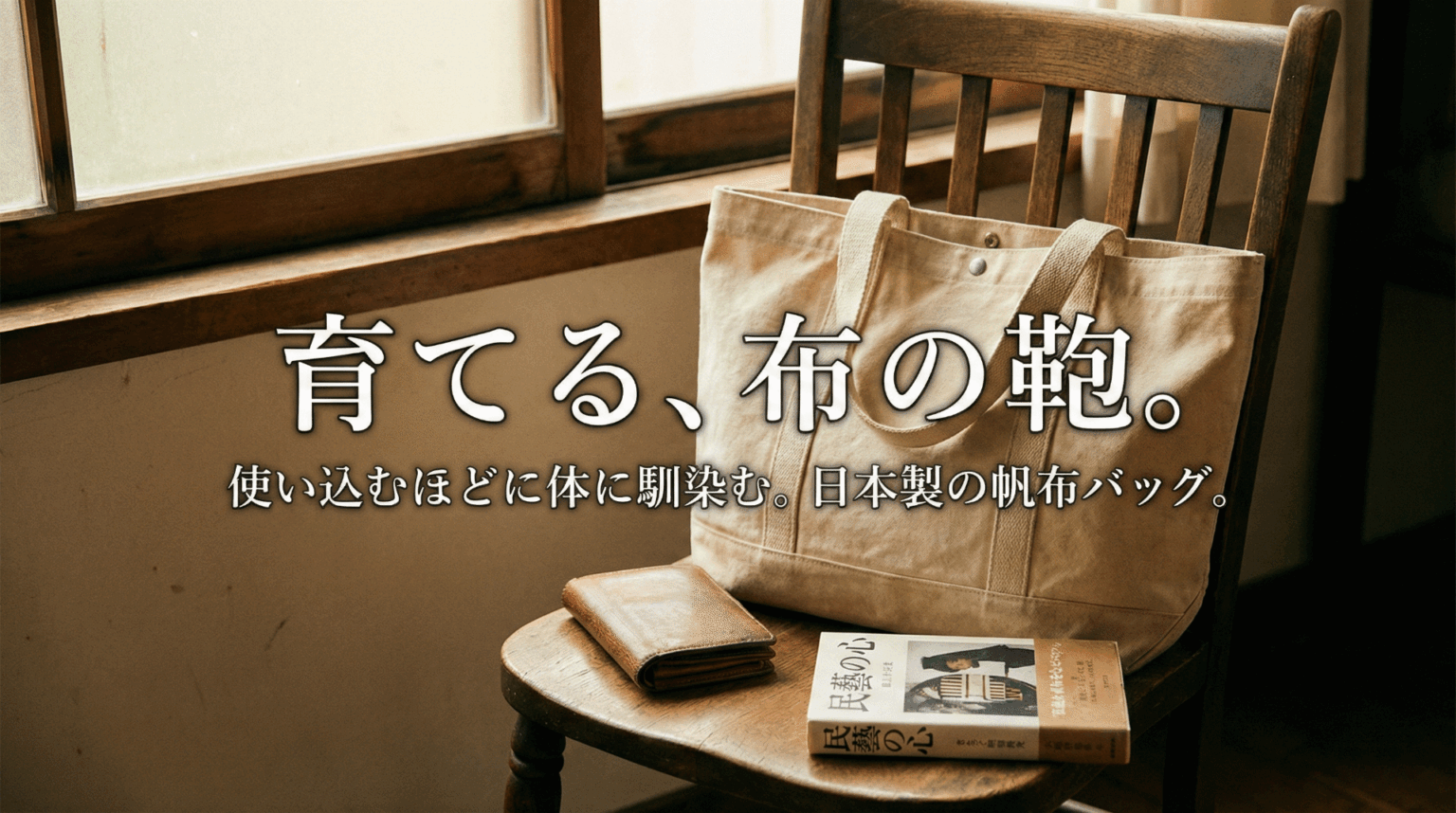
A Japanese canvas tote is not finished when you buy it. The first week it feels stiff and heavy — that is
correct, that is what it is supposed to feel like.
Use it daily. Fill it, walk in the rain with it, wear the handles smooth. The canvas softens exactly where your
hand grips and holds structure where it needs to. Every mark records a use. In a few months, it will feel like
the bag was shaped specifically for you — because in a sense, it was.
Nylon cannot do this. Most bags cannot do this. Japanese hanpu can.
Japanese Canvas Bags: Sturdy, Simple, Built to Last
Japanese Leather Wallets: 7 Brands That Age Beautifully