"Jeans are jeans — what's the difference?"
In an era when fast-fashion pairs cost almost nothing, there are still jeans that fashion obsessives around the
world will spend hundreds of dollars to own. They're made in Okayama Prefecture, in a district
called Kojima — Japan's denim heartland.
What makes them worth it? The more you wear them, the more they become yours — fading, creasing, and shaping
themselves to your exact body and habits. They're not clothes you consume. They're something you
finish.
This guide covers how to choose your first pair without making costly mistakes, and introduces five Okayama brands
that serious denim lovers consistently rate at the top.
Quick Reference: Denim Key Terms at a Glance
| Feature | Option A | Option B |
|---|---|---|
| Silhouette | Tapered — slim at ankle, room in thigh | Straight — even width, classic cut |
| Fabric weight | 13–14 oz — all-season, best first pair | 15+ oz — dramatic fades, fall/winter |
| Loom type | Shuttle (selvedge) — textured, red line on cuff | Modern projectile — smooth, no selvedge edge |
| First pair pick | One-wash (OW) — pre-shrunk, true to size | Rigid (raw) — shrinks 3–5 cm; for experienced buyers |
1. Why Okayama Denim? Shuttle Looms and Selvedge
Louis Vuitton, Gucci, and other global luxury brands source denim from Okayama. The reason comes down to an old machine and the patience to run it slowly.
Kojima: Birthplace of Japanese Jeans, Home of the Shuttle Loom
The Kojima district of Kurashiki City is where Japan's first domestic jeans were made.
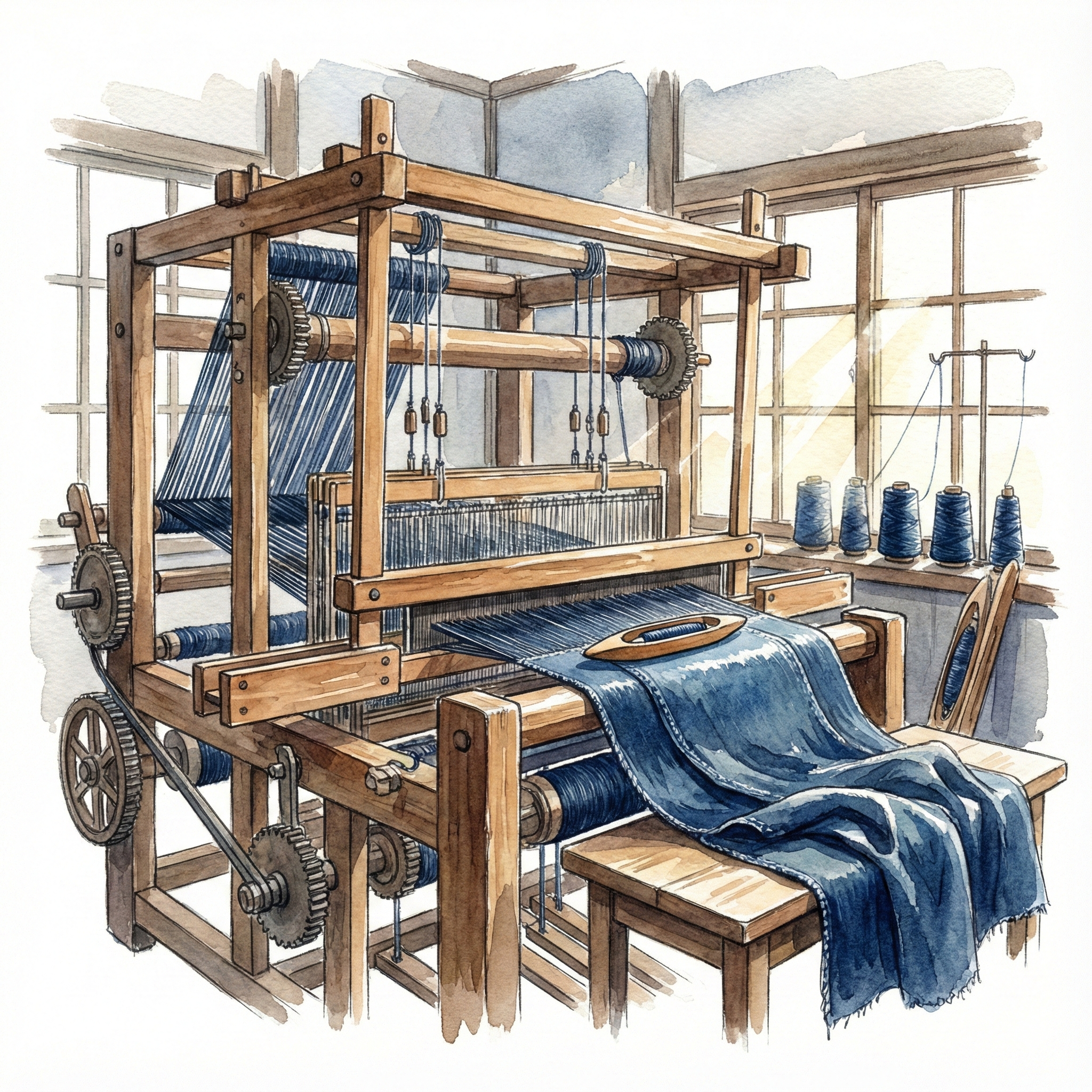
Its defining feature is the continued use of vintage shuttle looms — machines that run at a
fraction of modern loom speeds, weaving air into the fabric as they work.
The result is a slightly textured, almost hand-woven quality that modern high-speed looms can't replicate. This
texture is what creates the deep, clean fade patterns — whiskers, honeycomb creases — that denim enthusiasts
pursue.
The Selvedge Edge (Red Line): A Quality Marker
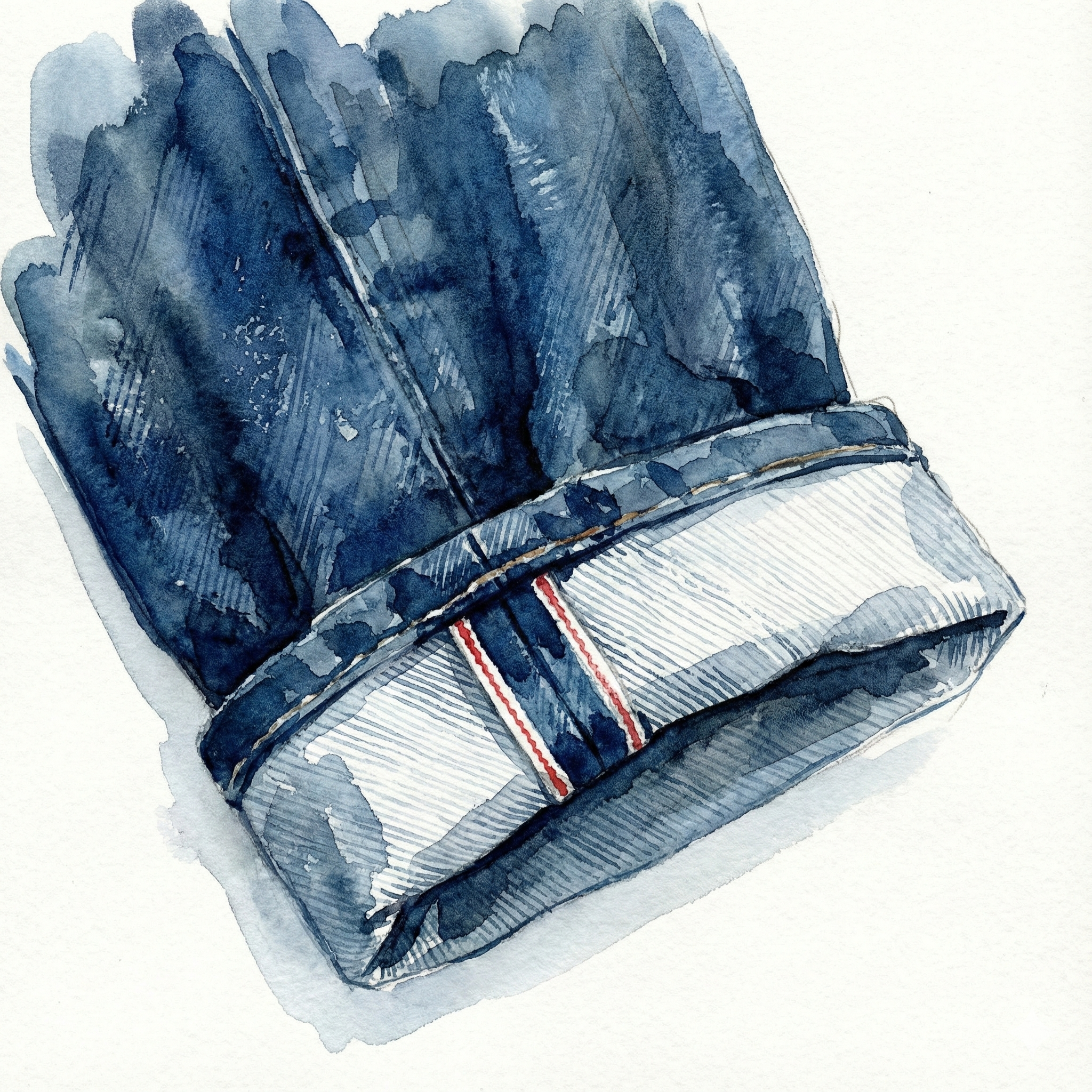
Shuttle looms produce fabric with a clean self-finished edge on each side — this is the selvedge (from
"self-edge"). A red thread is often woven into this edge.
When you roll up your cuffs, that thin red line becomes visible — a quiet signal that you're
wearing fabric made the slow, correct way.
2. How to Choose: Silhouette and Weight
Before you look at brands, settle on the cut and weight. These two decisions shape everything else.
① Silhouette: Tapered Is the Versatile Choice
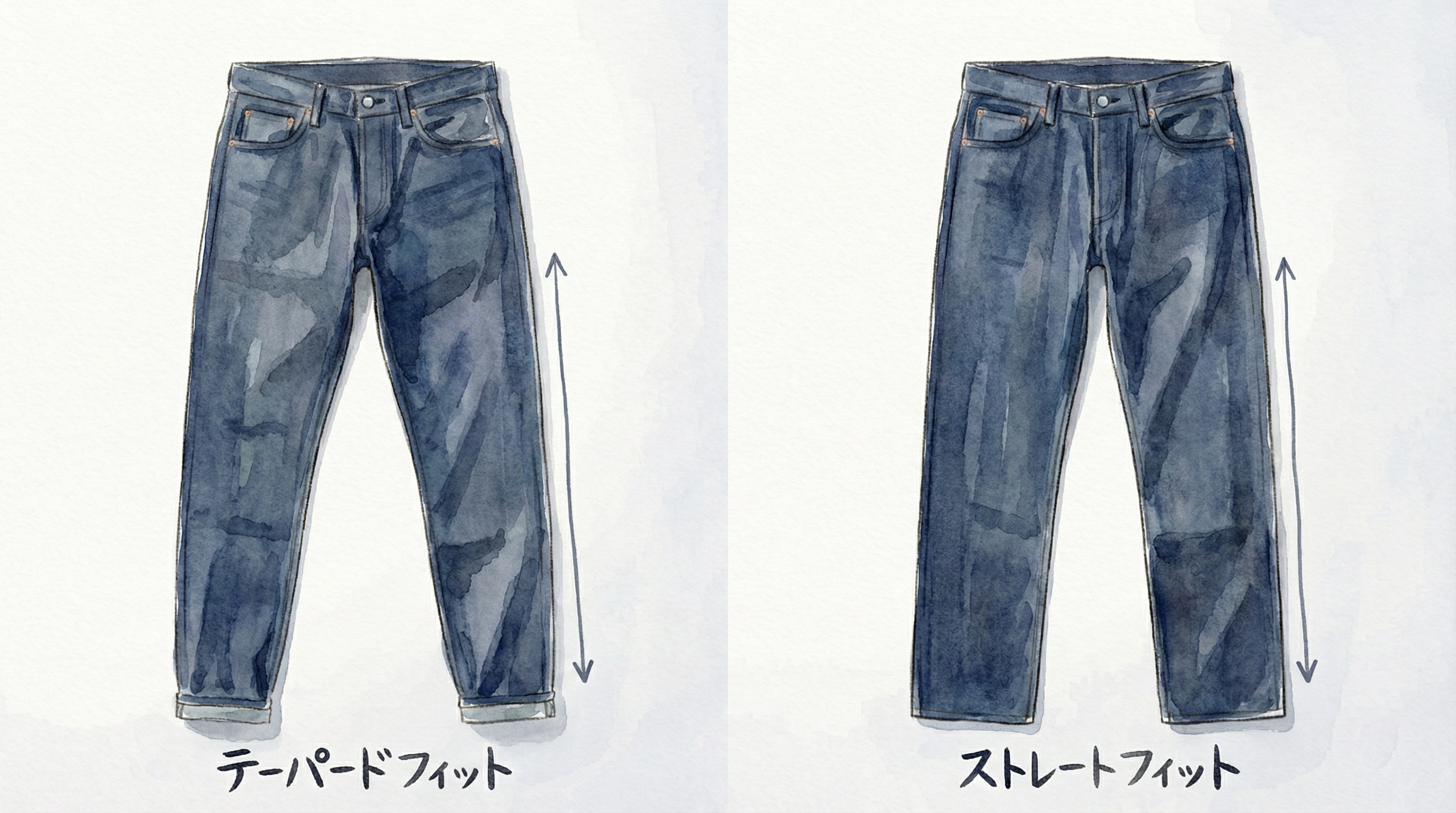
Tapered:
Room in the thigh, narrowing toward the ankle. Flatters most body types, reads as modern, and pairs naturally with
blazers, leather shoes, and clean sneakers. The safest choice for most adult men.
Straight:
Even width from hip to hem — the classic American jean. Strong Americana feel, works with boots and chunky
footwear, but takes more thought to style well.
② Weight (oz): How Thick Is the Fabric?
13–14 oz (standard):
The most practical range. Comfortable through most of the year except peak summer. The right starting point for
your first pair.
15+ oz (heavy):
Stiff and substantial — like wearing armor at first. But heavy denim produces more dramatic, sharply defined
fades. The choice of dedicated aging enthusiasts.
Tip for first-time buyers: Choose a one-wash (OW) pair. The manufacturer has already pre-shrunk the fabric, so it fits true to size. Raw (rigid) denim shrinks 3–5 cm at the waist and 5–8 cm in length when washed — sizing it correctly requires experience.
3. Five Okayama Denim Brands Worth Buying
From Kojima's many makers, these five are consistently rated highest for quality, heritage, and value.
No.1 — MOMOTARO JEANS — 10-Year Warranty Selvedge
Their fabric — premium Zimbabwe cotton woven at extraordinary density — is both incredibly durable and surprisingly supple for its weight. The two white "departure lines" on the back pocket are instantly recognizable. The 10-year free repair warranty on stitching is a genuine statement of confidence in their own work.
- Material / Type
- Zimbabwe cotton selvedge denim (shuttle loom)
- Made in
- Kojima, Okayama, Japan
- Best for
- Long-term investment, aging enthusiasts
- Price range
- $200–$350
No.2 — JAPAN BLUE JEANS — Modern Silhouette, Best Value
A sibling brand of Momotaro Jeans, originally developed for the Western market — which is why the silhouettes feel distinctly contemporary and clean. The "CIRCLE" series uses a curved waistband fitted to Japanese body proportions, eliminating the gap at the back waistline. The most accessible starting point in this tier.
- Material / Type
- Selvedge denim (shuttle loom)
- Made in
- Kojima, Okayama, Japan
- Best for
- First Japanese selvedge jean, modern fit
- Price range
- $150–$250
No.3 — FOB FACTORY — Factory-Direct Craft Quality
By handling weaving, sewing, and finishing almost entirely in-house, FOB FACTORY achieves high quality at a price that makes sense. Designs are timeless and untrend-dependent — particularly popular with men in their 40s and 50s who want clothes that don't call attention to themselves. Denim shirts and jackets rated as highly as the jeans.
- Material / Type
- Selvedge denim, in-house production
- Made in
- Kojima, Okayama, Japan
- Best for
- Timeless design, long-term wardrobe investment
- Price range
- $180–$280
No.4 — BIG JOHN — Japan's Original Jeans Maker
The first company to manufacture jeans domestically in Japan. Today known for applying new technology to traditional forms — their stretch denim series looks like vintage selvedge but wears like athletic apparel. The strong choice for anyone who loves the look of serious denim but finds stiff fabric uncomfortable.
- Material / Type
- Selvedge denim (traditional and stretch varieties)
- Made in
- Kojima, Okayama, Japan
- Best for
- Comfort-first wearers, innovative denim technology
- Price range
- $150–$280
No.5 — TCB jeans — Obsessive Vintage Reproduction
Founded by the factory itself, TCB jeans reconstructs specific vintage Levi's from the 1930s through 1960s with microscopic attention to period-correct fabric, stitching spec, and hardware. The founder is a devoted cat lover, and a cat leather patch graces the waistband — a wink that co-exists with the brand's otherwise dead-serious accuracy.
- Material / Type
- Vintage-spec selvedge denim (shuttle loom)
- Made in
- Kojima, Okayama, Japan
- Best for
- Vintage enthusiasts, period-correct reproduction collectors
- Price range
- $250–$400
4. Raw Denim (Rigid): What to Know Before You Buy
Raw Denim Shrinks Significantly — Size Carefully
Raw (rigid) denim is unwashed fabric — stiff with sizing starch, exactly as it came off the loom.
When you wash it, expect 3–5 cm of shrinkage at the waist and 5–8 cm in length.
Enthusiasts love raw denim because the fades that develop are uniquely yours — shaped by the exact way you move,
sit, and carry things. But sizing requires real experience. First-time buyers should always start with a
one-wash (OW) pair, which has been pre-shrunk by the manufacturer and fits true to the marked size.
5. The Joy of Aging: Making Denim Uniquely Yours
With Okayama denim, the day you buy it is not the finished product — it's the beginning.
Your Life, Written in Fades
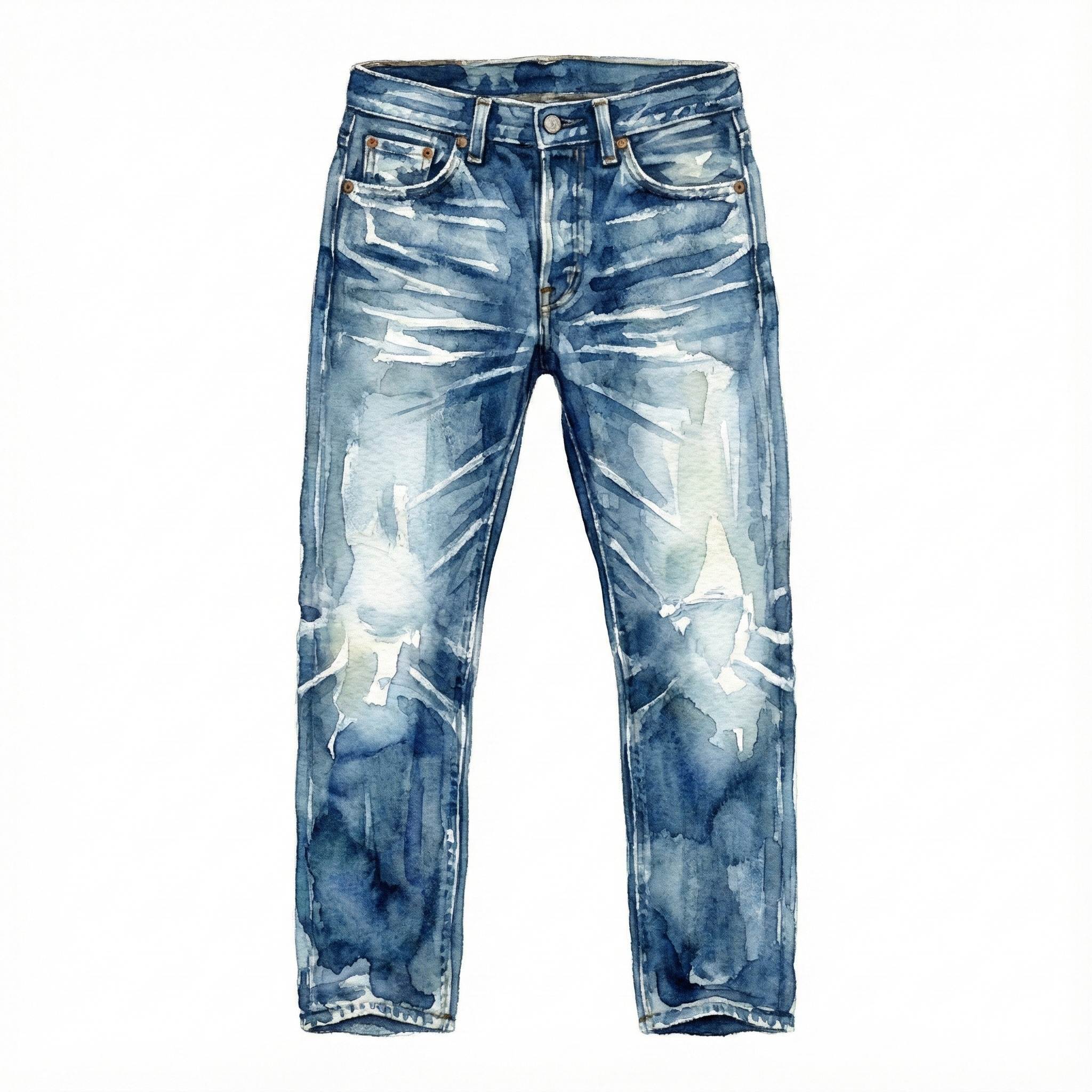
The pocket where you keep your phone. The crease behind the knee from sitting at your desk. The diagonal lines
at the thigh from your particular way of walking.
These areas fade white while the rest stays dark blue — a record of exactly how you've lived in your jeans.
Do you need to avoid washing?
The old subculture advice was to never wash for six months or more ("stoic wearing"). Modern thinking has moved
on: wash when it smells, and the fabric will last longer. Sweat and body oils degrade denim fibers faster than
washing does. In summer, care for the fabric appropriately.
6. Frequently Asked Questions
How do I get the hem length right?
The easiest route is to order from a store that offers hemming — many online retailers accept an inseam
measurement in the order notes.
If you want the best possible result, find a local tailor and ask for chain-stitch hemming with a Union
Special machine. The slight rope-twist this creates at the hem produces some of the most beautiful
fading in denim — worth seeking out.
Can I use the washing machine?
Yes — with precautions. To prevent color bleeding: turn the jeans inside out, use a mesh laundry bag, and
choose a detergent without optical brighteners (a gentle garment wash works well).
Optical brighteners in standard detergent will gradually bleach the indigo, turning your dark blue to a washed-out
gray-blue prematurely.
Can I wear them in summer?
A 13–14 oz pair is manageable in mild summer weather, but peak summer heat is genuinely difficult.
For warm months, look for a 10 oz "light-ounce" denim, or try rolling up the cuffs and wearing
with sandals to improve airflow. Wearing denim through heavy summer sweating without washing also accelerates
fabric degradation, so be mindful of care during the hotter months.
7. Final Thoughts
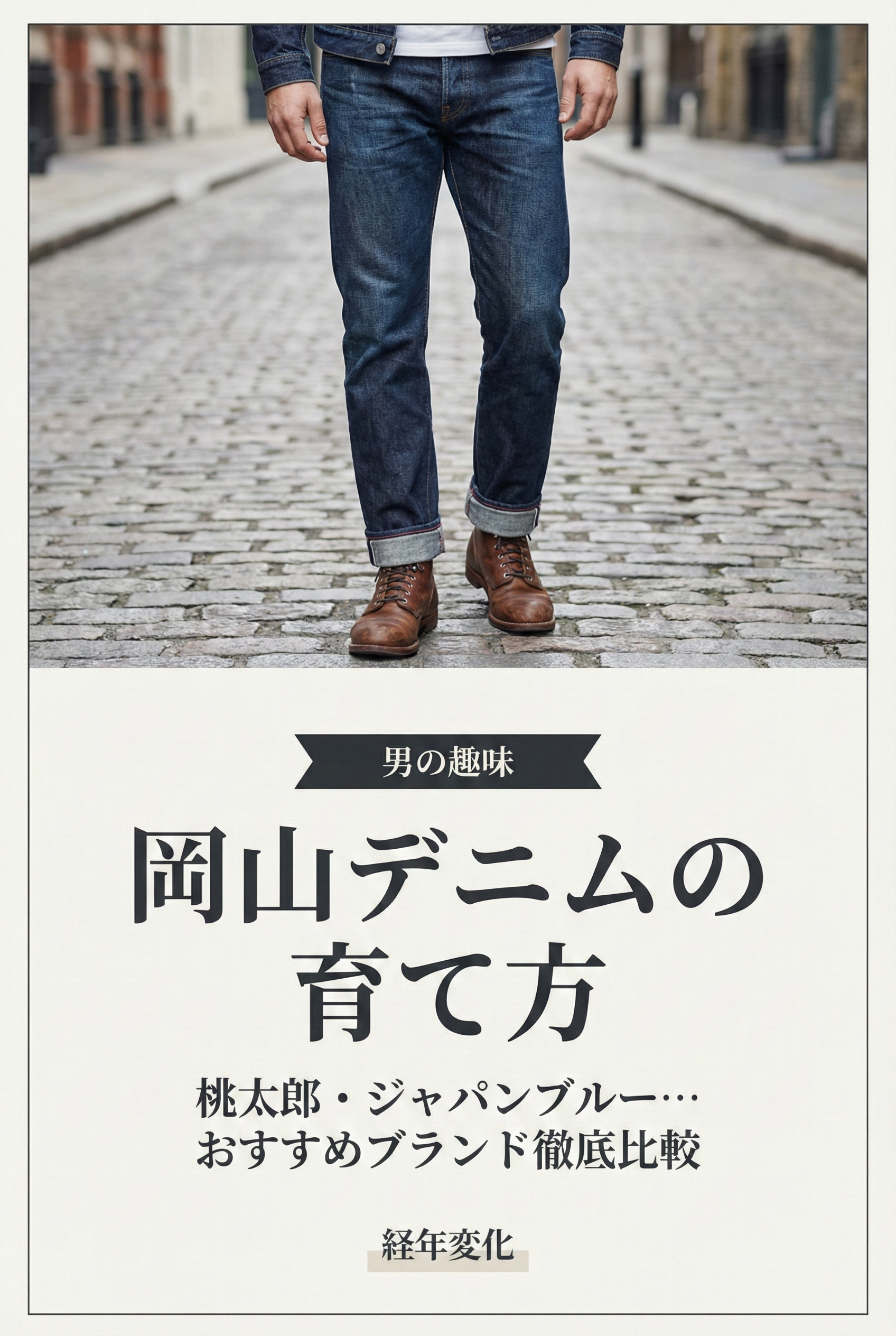
Okayama denim is not an inexpensive purchase. But the math looks different when you consider that a good pair,
properly cared for, will still be in your wardrobe in ten years — repaired, faded, and irreplaceable.
That kind of attachment to clothing is increasingly rare. These jeans make it possible.
Start with JAPAN BLUE JEANS or MOMOTARO JEANS for a reliable first pair. Choose tapered for versatility, 13–14
oz for all-season comfort, and one-wash to avoid sizing guesswork.
Then wear them. The rest takes care of itself.
Japanese Sneakers: Kurume Vulcanized, MoonStar, Spingle & More
Japanese Socks Guide: Nara's Best Brands and Materials