"I'd love to try nukaduke, but it sounds complicated to manage…"
"The smell and the counter space put me off."
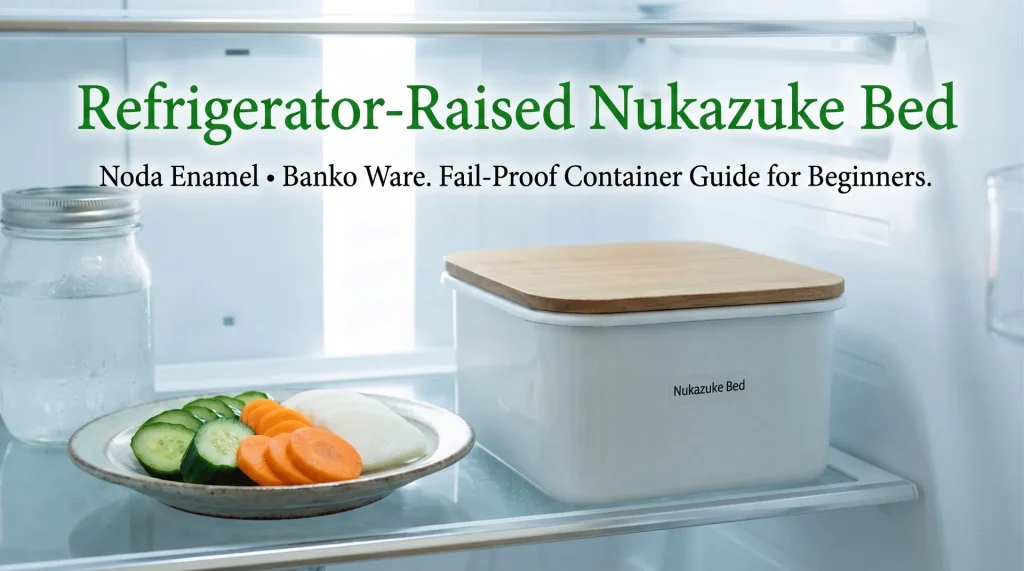
Traditionally, a nukadoko (rice-bran pickling bed) lived in a cool corner of the house and needed to be stirred every single day. But for modern life, keeping it in the refrigerator has become the standard approach.
The key to making nukaduke stick as a habit is choosing a dedicated Japanese-made container that fits in your fridge.
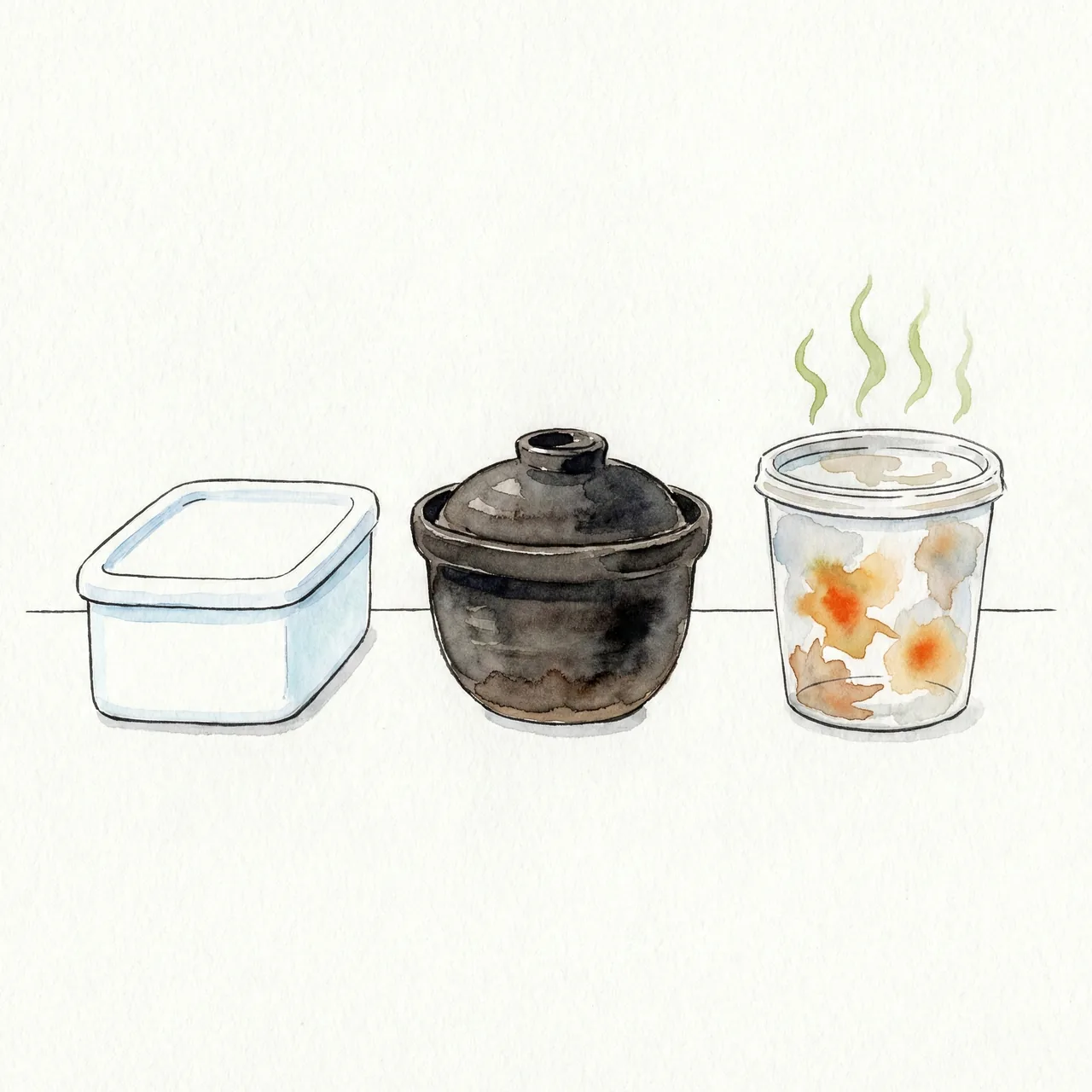
Containers like Noda Horo (nodahoro) enamel — resistant to acids and salt, odor-free — or breathable stoneware from Banko-yaki (banko-ware) pottery transform a nukadoko from a "high-maintenance roommate" into a reliable kitchen companion.
This guide walks you through how to start a modern nukaduke life that supports gut health and overall wellbeing.
Series: This article is Part 4 of the "Prepare & Organize (Hygiene, Disaster Prep & Food Storage)" series.
Quick Reference: Nukaduke Container Materials at a Glance
| Material | Features | Capacity | Care |
|---|---|---|---|
| Enamel | Resistant to acids & salt; no odor transfer; rectangular shape fits fridges perfectly | 1–3 L | Rinse or mild soap OK; avoid impacts |
| Stoneware / Ceramic | Stable temperature; breathable, aids fermentation | 2–5 L | Rinse OK; heavy — handle with care |
| Glass | See-through; no odor transfer | 1–2 L | Rinse OK; fragile — avoid drops |
| Plastic | Lightweight; inexpensive; good entry-level option | 1–4 L | Rinse OK; absorbs odors over time |
1. Gut Health & Mindful Living: How to Choose the Right Container
Nukaduke containers come in plastic, enamel, stoneware, and wooden barrels. To find a container you'll actually stick with, focus on these three factors.
Pros & Cons by Material
| Material | Pros | Cons |
|---|---|---|
| Enamel (Noda Horo, etc.) |
Acid- and salt-resistant; won't rust. No odor transfer; stays hygienic. Rectangular shape fits fridges easily. |
Can chip if dropped. |
| Stoneware (Banko-ware, etc.) |
Stable temperature; great aesthetics. Breathable — regulates excess moisture. |
Heavy. Can break if dropped. |
| Plastic | Light and affordable. Contents visible. |
Absorbs odors permanently. Stains easily. |
For long-term use, enamel or stoneware is far superior — neither absorbs odors and both handle the acids in nukadoke without degrading.
2. Enamel: Noda Horo's "Nukazuke Bijin" — Clean White That Fits Your Fridge
Noda Horo is Japan's most iconic enamelware brand.
Their flagship nukaduke product — aptly named "Nukazuke Bijin" (Pickle Beauty) — is a long-running bestseller designed specifically for fridge fermentation.
Noda Horo — Nukazuke Bijin
A precisely calculated size that slots perfectly into your fridge shelf.
The standout feature is its rectangular shape, engineered to fit the standard height and depth of most refrigerator shelves. Unlike round crocks, it uses every centimeter of shelf space efficiently.
The glass-like enamel surface resists the strong acids and salt of a nukadoko without rusting or discoloring, while naturally inhibiting bacterial growth.
It also comes with a porcelain water-absorber insert — a thoughtful touch for beginners who want to manage excess moisture without fuss.
3. Stoneware: Banko-Ware Crocks — Traditional Fermentation at Its Best
For those who care about aesthetics and want to ferment at room temperature the traditional way, stoneware (kame) crocks are the answer.
Thick ceramic walls shield the nukadoko from temperature swings and keep fermentation conditions stable.
Banko-Yaki Nukaduke Crock
A modern black crock you'll actually want to display in your kitchen.
Banko-yaki (banko-ware) is a traditional craft from Mie Prefecture with a history of over 300 years.
Its sleek matte black or white finish looks stylish left out on the kitchen counter — no need to hide it.
The natural breathability of unglazed stoneware aids the activity of beneficial yeasts, adding depth to fermentation.
Look for sizes that can also fit in the fridge — essential for summer management in warmer climates.
4. The Basic Method: Prep, Pack, Done — 3 Steps to Your First Pickle
Making nukaduke is less like cooking and more like a hands-on craft project.
No heat, no seasoning to worry about. Just bury the vegetables and let the nukadoko do all the work.
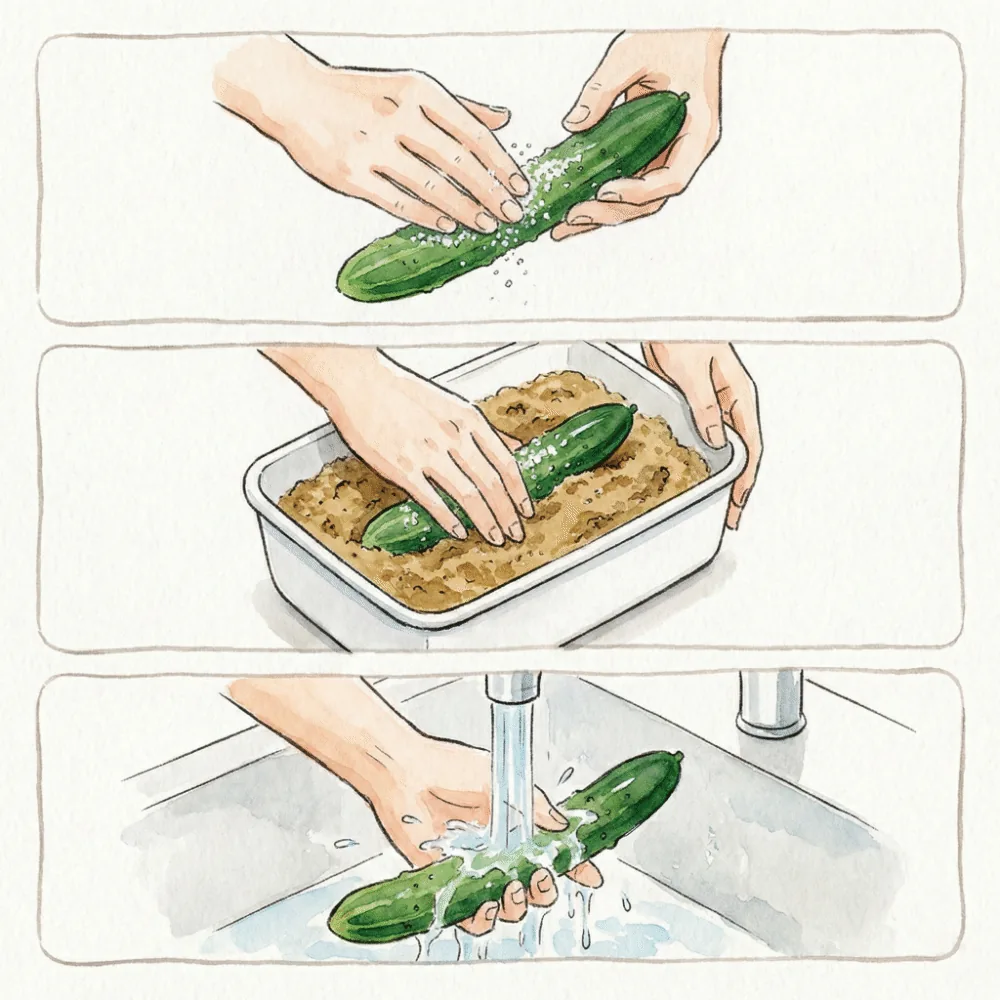
Anyone Can Do It: 3 Steps
- Prep (salt rub):
Wash and pat the vegetables thoroughly dry.
For cucumbers and eggplant, rub with a little salt (about 1 teaspoon) to help the color stay vibrant and allow the flavor to penetrate more deeply. - Pack (bury in the bed):
Make a small hollow in the nukadoko, nestle the vegetables inside, and cover completely with nuka so no part is exposed to air. Smooth the surface flat. - Retrieve (rinse and serve):
Once the pickling time is up, pull the vegetables out, rinse off the nuka under running water, and slice to your preferred thickness. Ready to eat.
· Cucumber: 12–24 hours
· Eggplant (halved lengthwise): 24–48 hours
· Daikon (cut into matchsticks): 24–36 hours
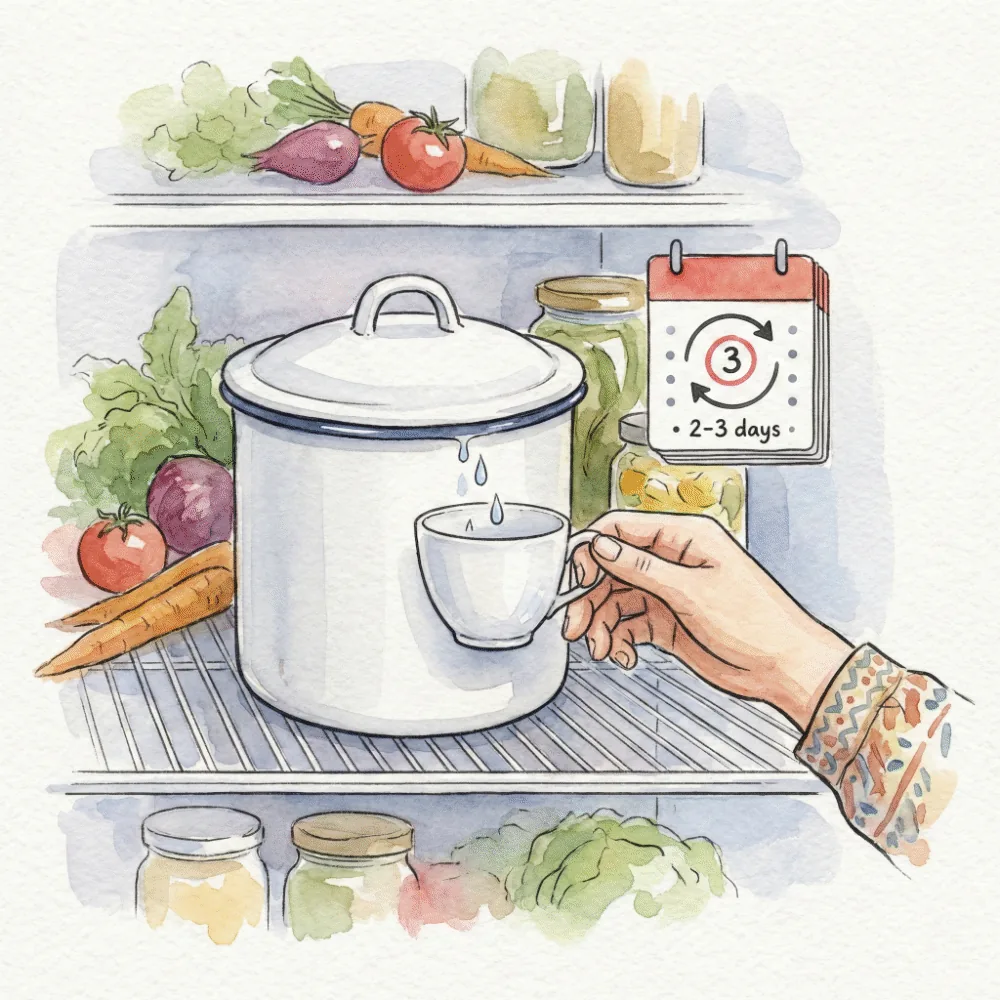
5. Fridge Tips: How Often to Stir, How to Handle Excess Water
"You have to stir a nukadoko every day" — that's only true for room-temperature beds.
Refrigerator nukaduke follows its own, more forgiving rules.
3 Key Points for Fridge Management
- Stir every 2–3 days, not daily:
Cold temperatures slow bacterial activity, so daily stirring isn't necessary.
That said, neglecting it entirely allows butyric acid bacteria (responsible for off-odors) to thrive — aim to fold the bed from the bottom at least twice a week. - Allow extra pickling time:
A cucumber that takes half a day at room temperature takes a full day to a day and a half in the fridge.
The upside: slower fermentation smooths out sharp salt flavors for a rounder, mellower taste. - Manage excess moisture:
Vegetables release water as they pickle, which dilutes flavor and can encourage mold.
Use the included water-absorber insert or blot excess liquid with paper towels regularly. The nukadoko should always feel about as firm as an earlobe.
6. Beyond Cucumber: Avocado, Cheese & Other Surprising Nukaduke
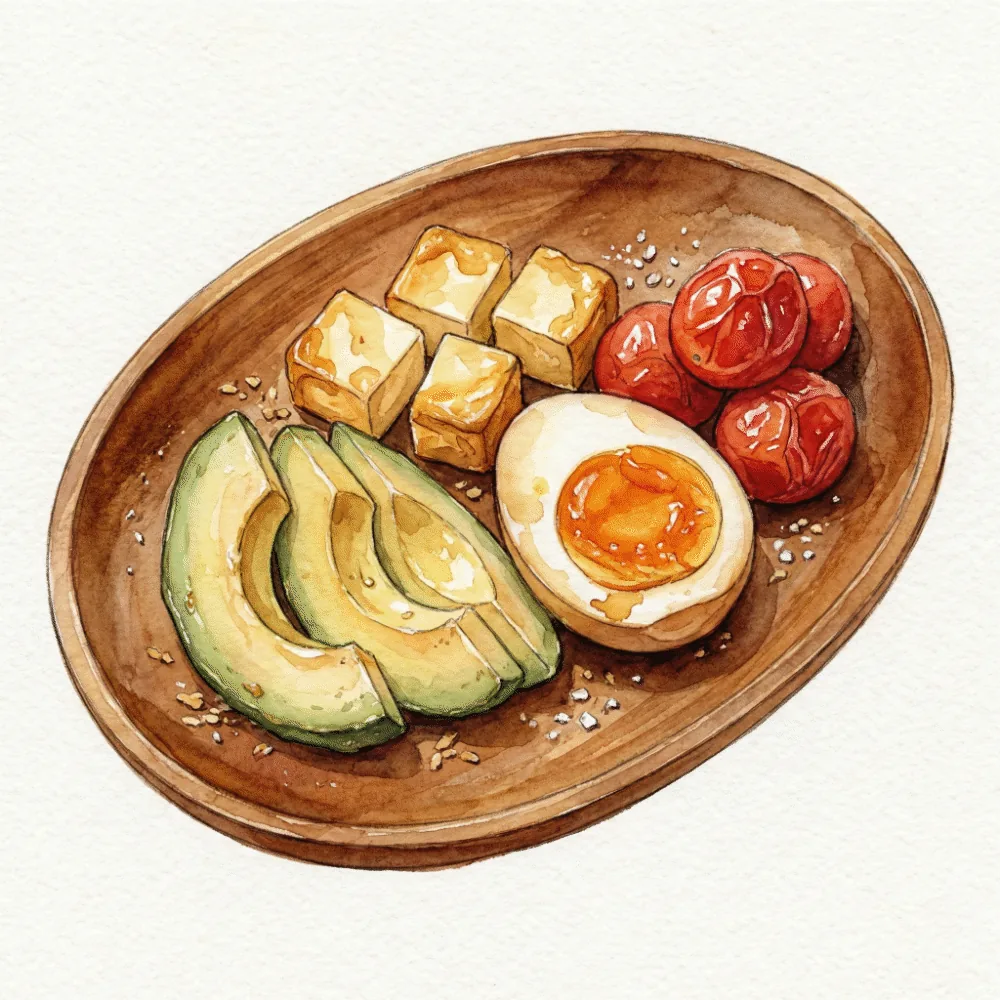
Nukaduke isn't just for vegetables — and it's about more than preservation.
Pickling unexpected ingredients creates a deep, almost smoky umami that makes cheap ingredients taste luxurious.
Unexpected Ingredients Worth Trying
- Avocado: Peel, remove the pit, pickle for 12–24 hours.
The result is creamy and intensely rich — buttery and complex. Perfect with sake or wine. - Processed cheese: Drop a slice straight in for about one day.
Develops a flavor very close to smoked cheese. Budget cheese takes on a gourmet character. - Hard-boiled egg: Shell it and pickle whole for about one day.
The flavor penetrates all the way to the yolk for a Japanese-style savory egg that beats ramen eggs. - Cherry tomatoes: Pickle skin-on for about one day.
The natural sweetness intensifies in a fruity, almost dessert-like way.
7. Troubleshooting Odors & Mold: Keeping Your Nukadoko Healthy
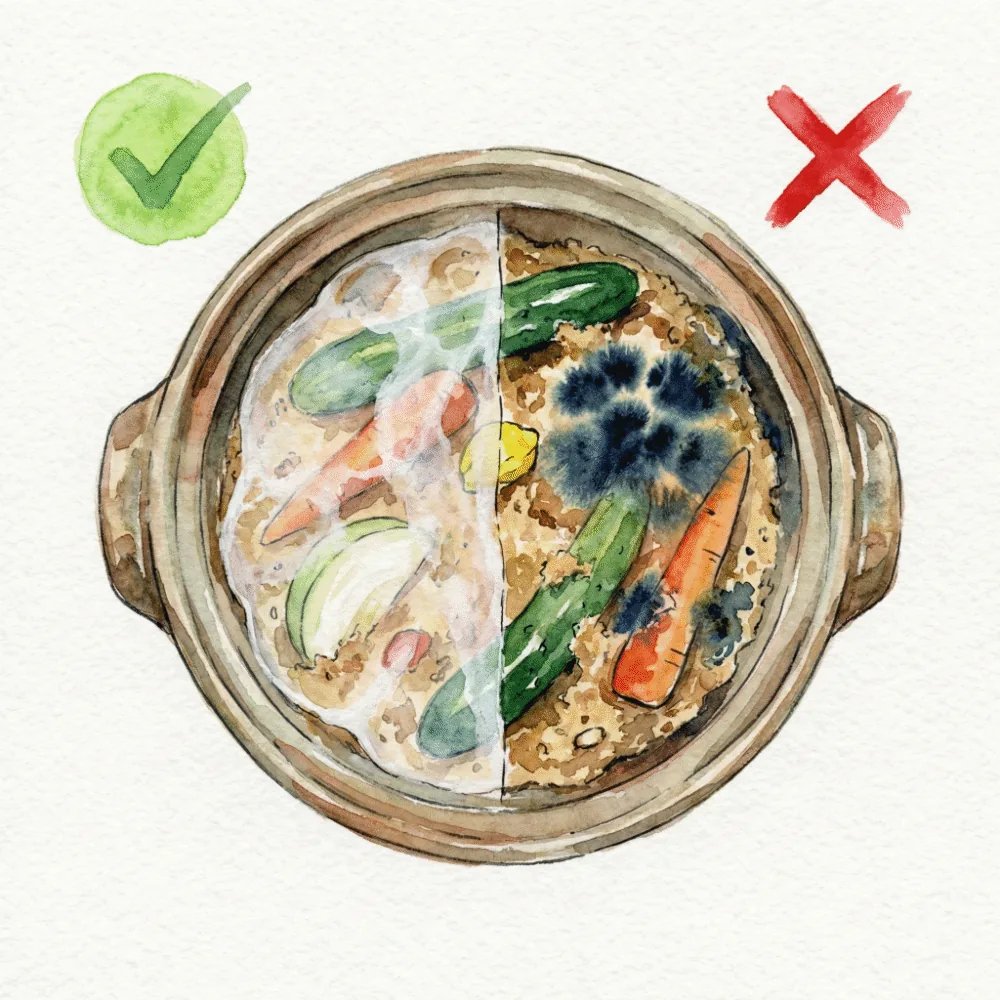
A nukadoko is a living thing. It can occasionally go through rough patches — odd smells, surface discoloration — but knowing what to do means there's nothing to fear.
Troubleshooting Guide
Paint-thinner or solvent-like smell:
"Film yeast" (a white surface layer) has overgrown.
→ Fix: The white layer is harmless — mix it straight in. Stir thoroughly to aerate the bed, then add extra salt.
White film on the surface:
Also film yeast. A thin layer can be mixed in. If it's thick, scrape just the surface off before stirring.
※ However, blue, red, or black mold is dangerous — remove a generous amount around the affected area, or start the bed fresh.
Keep the container rim clean:
Nuka left on the rim creates a prime spot for mold to start.
After every stir, always wipe the rim clean with a paper towel — this is non-negotiable.
8. Ready From Day One: Pre-Fermented Starter Bed & Container Sets
If building a nukadoko from scratch feels like too big a commitment, using a pre-fermented "aged nukadoko" is the fastest path to success.
No "dummy pickling" (the initial stage of pickling vegetable scraps to activate the bed) required — you can enjoy properly fermented pickles the same day it arrives.
Noda Horo × Aged Nukadoko Starter Set
Container and starter bed together — a foolproof kit for beginners.
A starter kit combining Noda Horo's "Nukazuke Bijin" container with a ready-to-use domestically produced aged nukadoko.
The nuka volume is matched perfectly to the container size, so there's no guessing or leftover mess.
Strike while the motivation is there — this set lets you start before the enthusiasm fades.
9. Frequently Asked Questions
What do I do with the nukadoko when I travel?
In the fridge, it's fine for about a week without stirring.
Remove all vegetables, smooth the surface, lay a sheet of paper towel on top, put on the lid, and refrigerate.
For longer absences (a month or more), sprinkle extra salt on the surface as a "salt cap," or seal the whole bed in a zip-lock bag and freeze it — the bacteria go dormant and wake back up when you're ready to restart.
I don't like the smell on my hands after stirring.
Disposable polyethylene gloves solve this completely.
There's a popular belief that bare-hand stirring improves flavor (your skin's natural bacteria contribute to fermentation), but gloves are perfectly fine for hygiene and skin protection.
In fact, if you have any cuts or abrasions, gloves are actually recommended to avoid introducing harmful bacteria.
My nukaduke has gotten too sour. What do I do?
The fermentation has progressed too far.
Adding dry mustard powder or crushed, boiled eggshells can help neutralize excess acidity.
Alternatively, discard half the nukadoko and replenish with fresh nuka and salt — this effectively resets the bed's balance.
Can I use a regular plastic container?
You can, but odor absorption and staining are real concerns.
The distinctive sour smell of nukadoke absorbs into plastic and can't be washed out.
Avoid sharing a plastic container with other foods — dedicate it to nukaduke only.
For long-term use, the glass-surface enamel or stoneware options are simply more comfortable.
Can nukaduke serve as a preserved food in emergencies?
Yes — it's a legitimate preservation method.
Nukaduke was originally developed as a way to store vegetables through Japan's lean winter months.
With a higher salt concentration the bed can be kept at room temperature for extended periods.
Eating fermented foods regularly also supports immune health — making a well-maintained nukadoko a meaningful form of "nutritional preparedness."
What size container should a beginner start with?
1.5–2 L for 1–2 people; around 3 L for 3–4 people.
Too small makes it hard to fit vegetables and stir effectively; too large may not fit in your fridge.
Noda Horo's "Nukazuke Bijin" M size (approximately 3 L) is the most popular choice for households of 2–4.
Starting small and upgrading once you're comfortable is also a perfectly valid approach.
Final Thoughts: The Joy of Nurturing — Start Your Fermented Life
Having a nukadoko in your fridge is a little like keeping a small pet — one that lives in a white enamel container and never makes a sound.
It changes with the seasons and your touch. Vegetable scraps become something special. That small, living rhythm adds a quiet pleasure to busy everyday life.
Just having a Noda Horo container in the fridge might give you a small sense of pride — "I'm living well."
Start with one cucumber. That's all it takes to begin Japan's oldest fermentation tradition in your own kitchen.
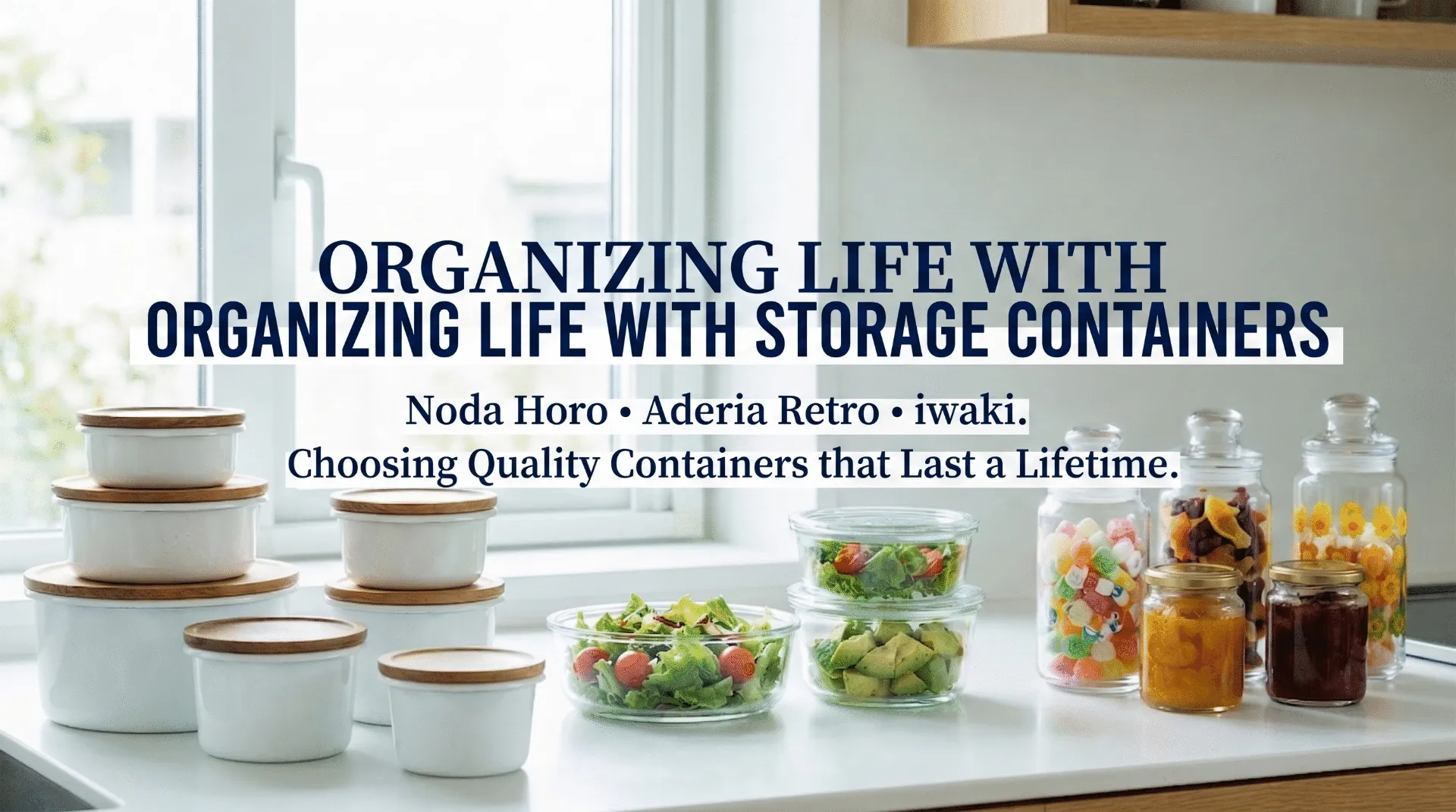
Best Food Storage Containers: Noda Horo & Aderia Retro for an Organized Fridge

Japanese Miso & Dashi Culture: How to Make Homemade Miso and Real Dashi