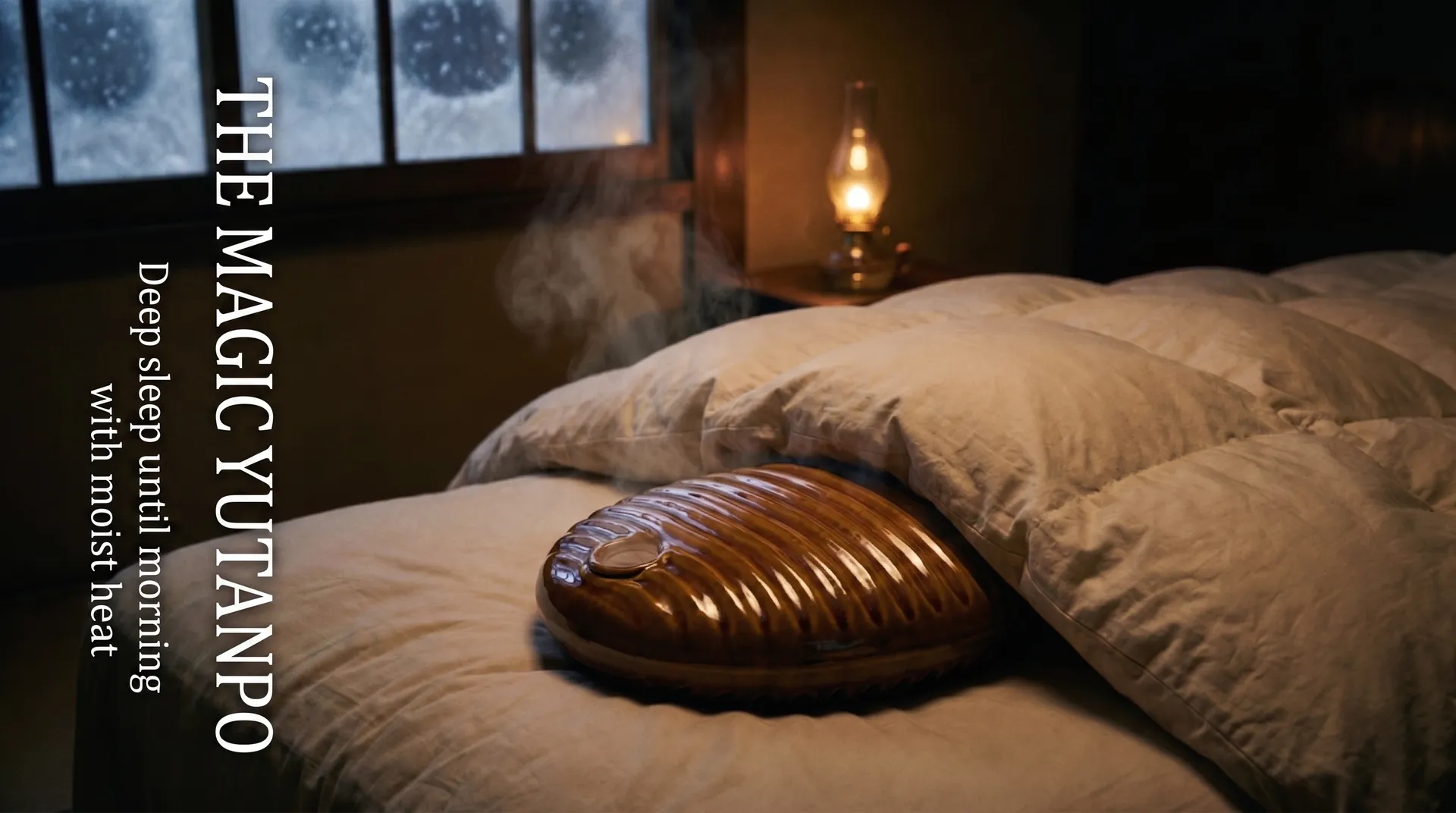
"The moment I turn off the heater, the cold wakes me right back up..."
"I've piled on two heavy blankets and my feet are still freezing..."
If this sounds familiar, the culprit is likely under-performing bedding or layering them in the wrong order — not the cold itself.
Japan is home to two world-class centers of sleep warmth.
The first is Izumiotsu (Osaka), a city that produces over 90% of all domestic Japanese blankets.
The second is Kawata Feather (Mie Prefecture), home to Japan's most advanced down-washing technology.
This guide covers how to choose a lifetime blanket or down duvet from these legendary sources — and the single layering trick that dramatically improves warmth.
Quick Reference: Blanket & Duvet Materials at a Glance
| Material | Characteristics | Weight | Best season |
|---|---|---|---|
| Wool | Excellent insulation & moisture absorption | Medium-heavy | Autumn–Spring |
| Cashmere | Lightweight with a supremely soft hand | Light | Year-round |
| Silk | Excellent moisture-wicking; gentle on skin | Light | Summer–Autumn |
| Cotton | Easy to wash, durable, great value | Heavy | Spring–Summer |
1. Izumiotsu: Japan's Blanket Capital and Its Napping Technique
Izumiotsu City in southern Osaka Prefecture produces over 90% of all blankets made in Japan — earning it the nickname "Blanket Town."
How did such a concentration develop in one place?
90% of Japan's blankets: the raising (kimo) technique that rivals cashmere
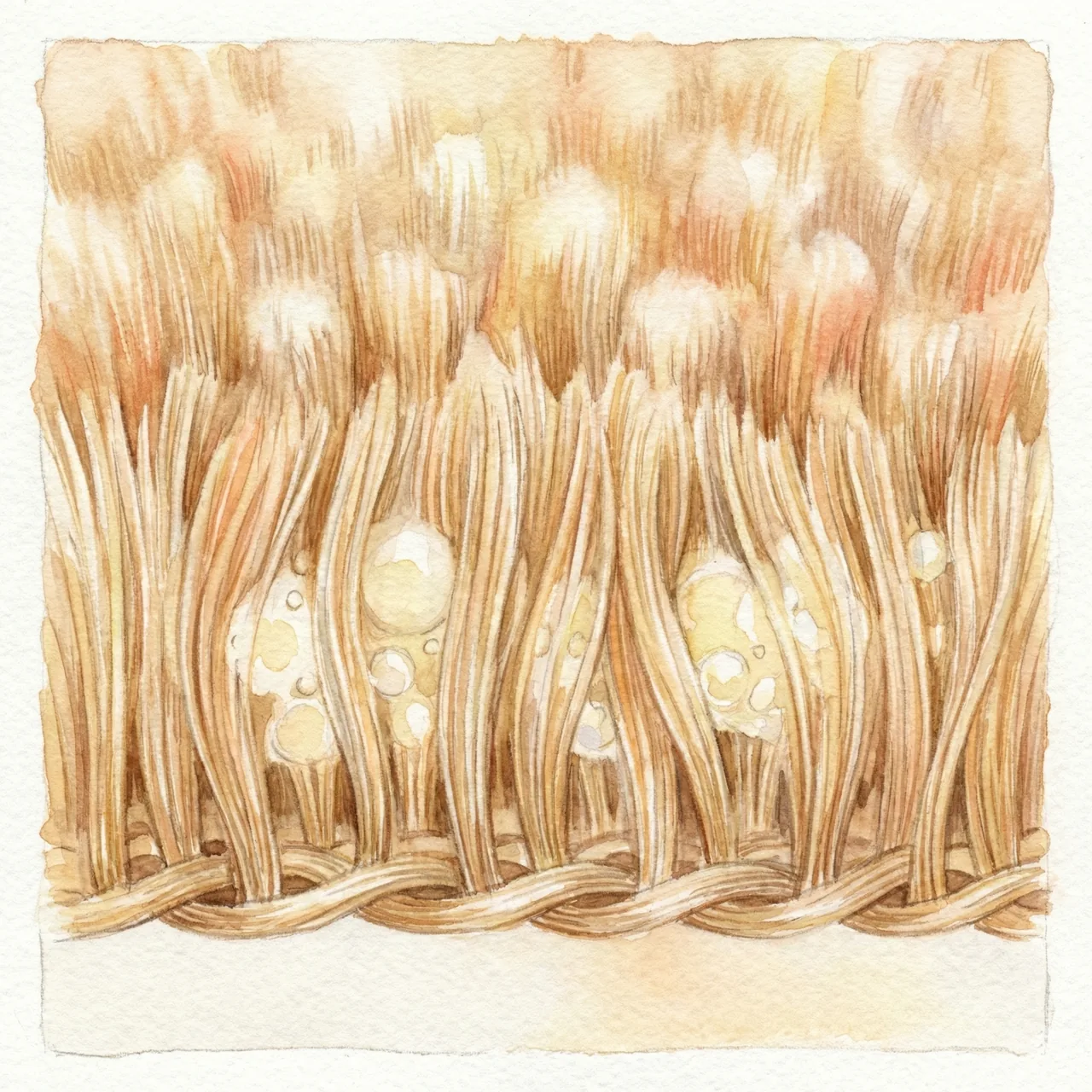
Izumiotsu's defining skill is raising (kimo) — a process that combs out fibers to create a soft, voluminous pile without cutting or damaging them.
What began as a hand technique using teasel burrs has evolved into a precision craft capable of raising ultra-fine acrylic fibers (a fraction of the thickness of a human hair) into a perfectly even, uniform pile.
The result? A synthetic fiber that genuinely feels like cashmere.
Mayer blankets vs. printed imports: why the construction matters
Cheap imported blankets are often made by printing patterns onto white fabric. Izumiotsu's premium products use a different construction called Mayer (maiyaa) blankets, where colored yarns are knitted together to form the pattern in the weave itself.
Because they're yarn-heavy and tightly constructed, Mayer blankets resist flattening even after years of use — a durability edge no printed blanket can match.
2. Choosing a Blanket: Acrylic vs. Wool & Natural Fibers
The first fork in the road when choosing a blanket is material.
Your living environment matters as much as personal preference.
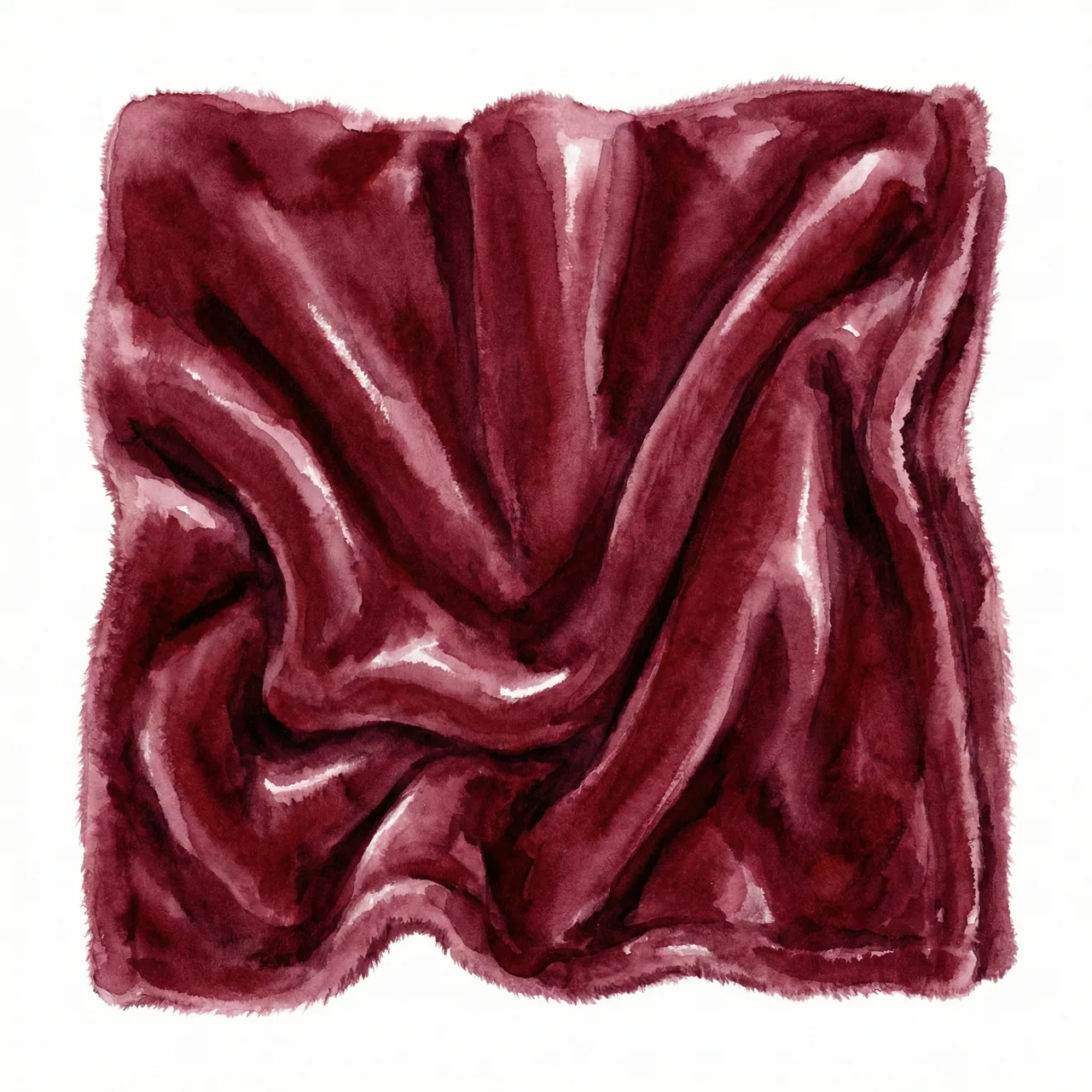
Acrylic Mayer blankets: maximum volume and silky smoothness
Best for: People who love the feeling of a heavy blanket, or those living in colder climates (Hokkaido, Tohoku).
Acrylic excels at insulation but absorbs little moisture, so it can feel stuffy if placed directly on skin. It works best on top of a down duvet as a thermal lid, sealing in the warmth generated underneath.
Pure wool & cashmere blankets: the "breathing" blanket that warms from sweat
Best for: People who sweat heavily during sleep, or those in well-insulated apartments where humidity builds up.
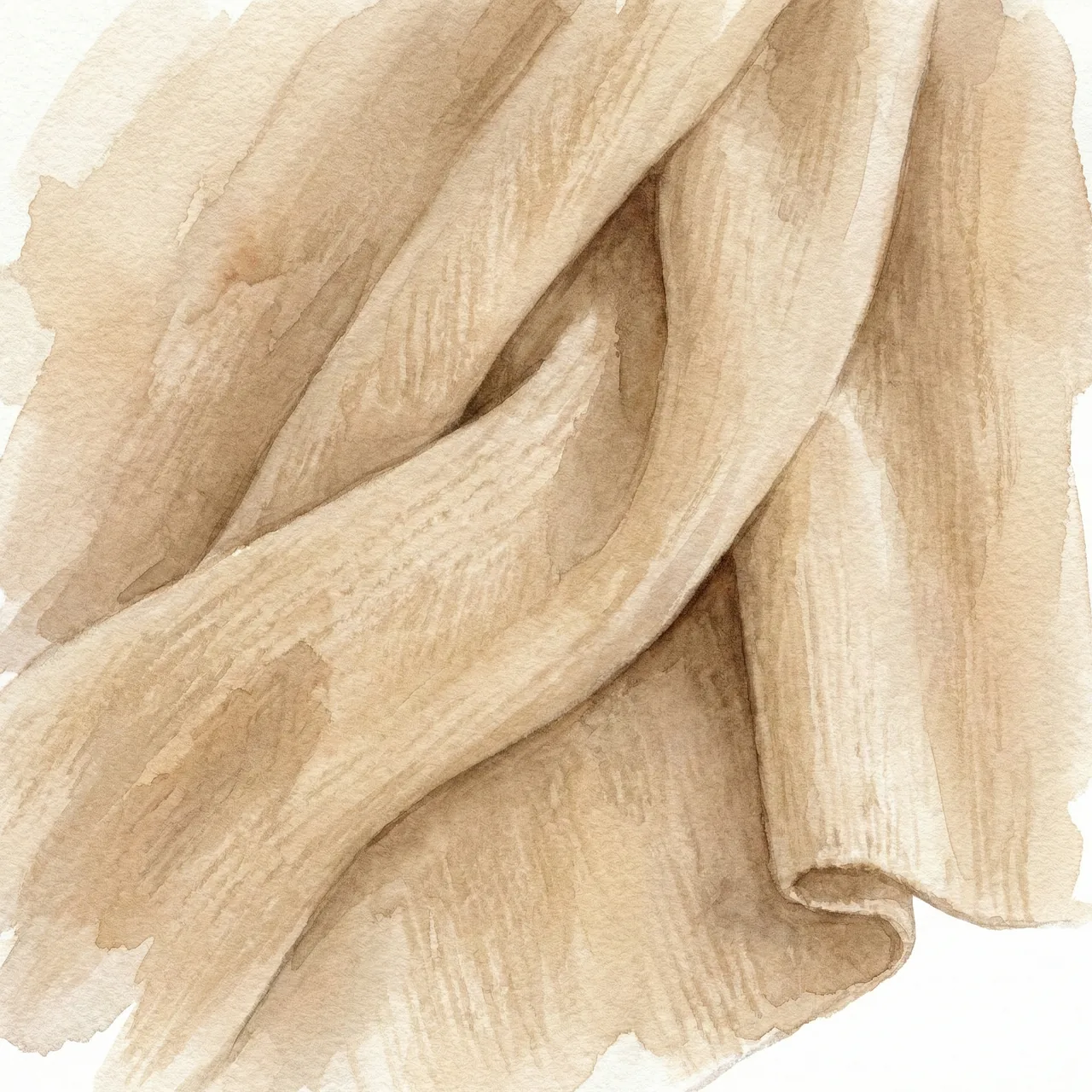
Natural fibers absorb moisture and convert it into heat (hygroscopic exothermic reaction) — a property no synthetic can replicate. Because they breathe, they're ideal placed closest to your skin, between your body and the duvet.
3. Choosing a Down Duvet: Why Washing Quality Matters Most
Down duvet spec sheets typically lead with "X% down fill" — but there's a metric that matters far more: cleanliness of the down.
World-class technology: Kawata Feather's ultra-soft-water washing
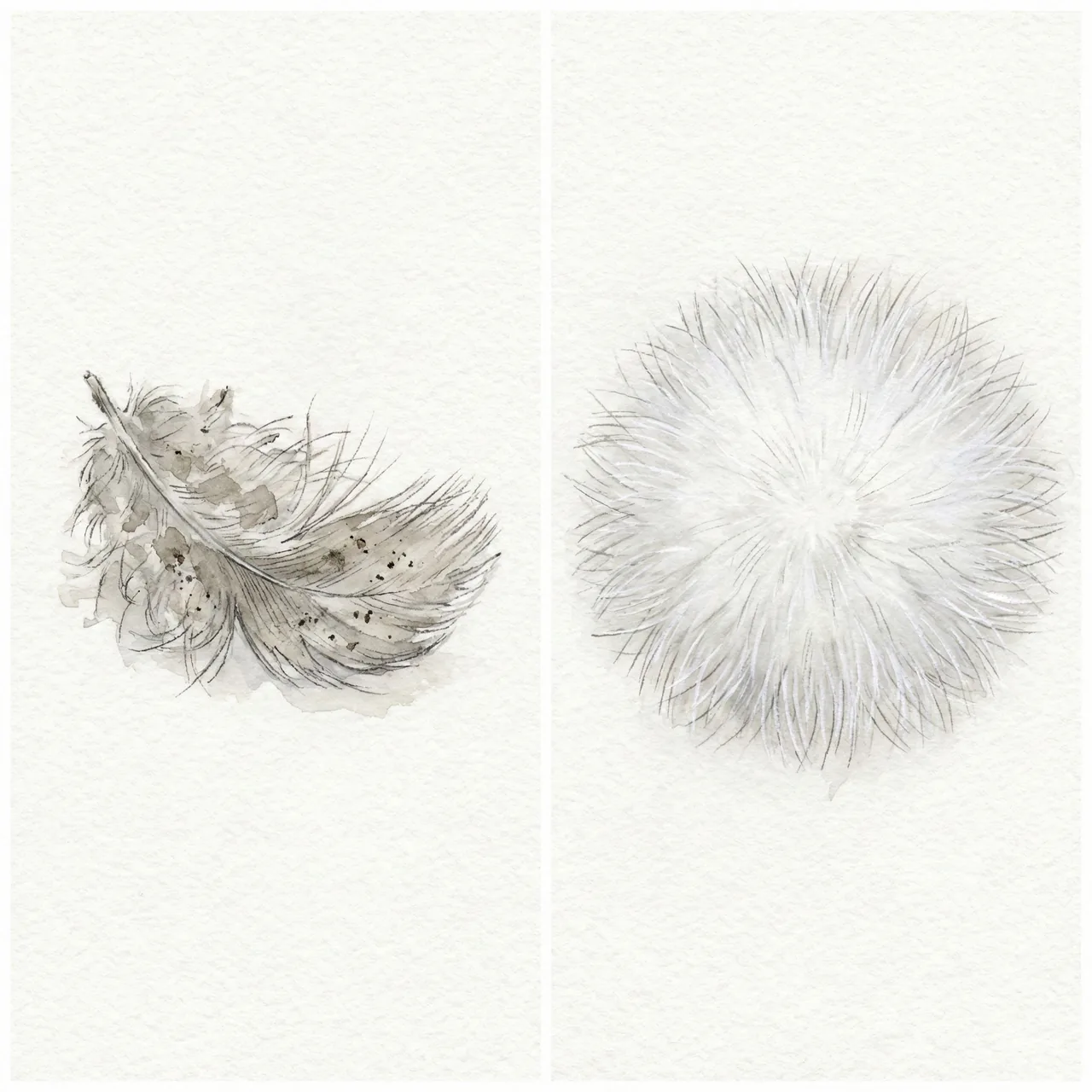
Raw down — collected from geese and ducks — carries a significant load of oil, dirt, and odor. Unless that's removed completely, the down can't fully loft, and you'll notice a persistent animal smell.
Kawata Feather in Mie Prefecture is Japan's only factory that washes down using ultra-soft groundwater with exceptionally fine particles.
Down processed here is stripped of impurities to an extreme degree, maintaining its full loft volume for far longer than conventionally washed down.
Duck vs. goose down — and the "down power" number to look for
Goose down: Larger birds produce larger down clusters that trap more air — warmer, and considered premium.
Duck down: More affordable but can have a slight odor compared to goose.
When shopping, look for the "down power" (dp) number. For winter use, aim for 400dp or above.
4. The Warmth Secret: Which Blanket Goes on Top vs. Underneath?
Do you assume the blanket always goes under the duvet?
The correct answer depends on what the blanket is made of.
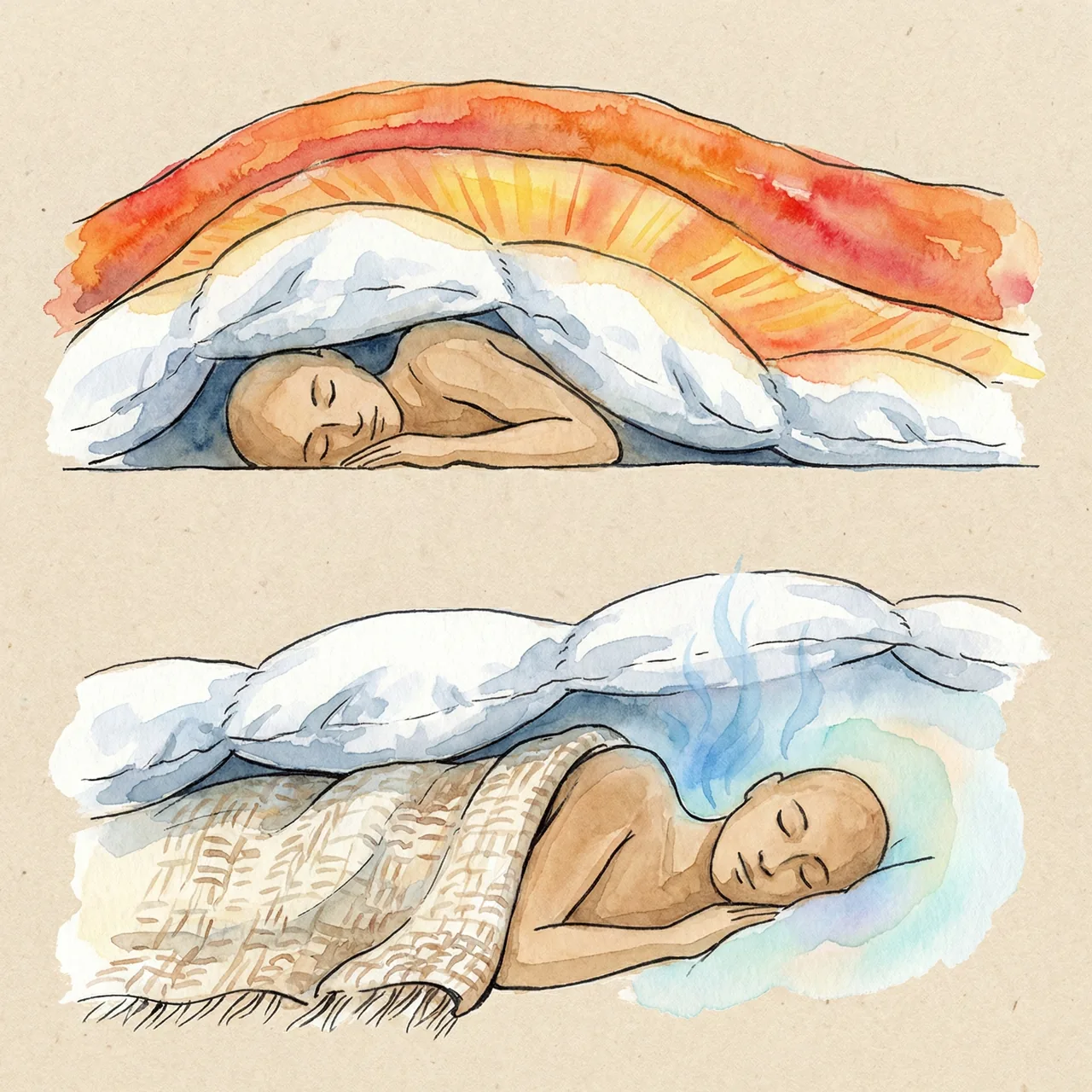
Acrylic blanket on top: seal the duvet's warmth in
Because acrylic doesn't breathe well, placing it against skin causes night sweats. On top of the duvet, however, it acts like a lid — locking the warm air generated by the down inside and preventing it from escaping.
Wool or cashmere blanket on the inside (closest to skin): regulate humidity
Natural-fiber blankets do their best work when they're touching your body. Placed between you and the duvet, they absorb excess moisture, maintain a comfortable humidity level inside the bedding, and wrap you in their incomparably soft hand.
5. The Underrated Mattress Pad: Cold Rises from Below
Most people focus all their attention on what goes on top — but what's underneath matters just as much.
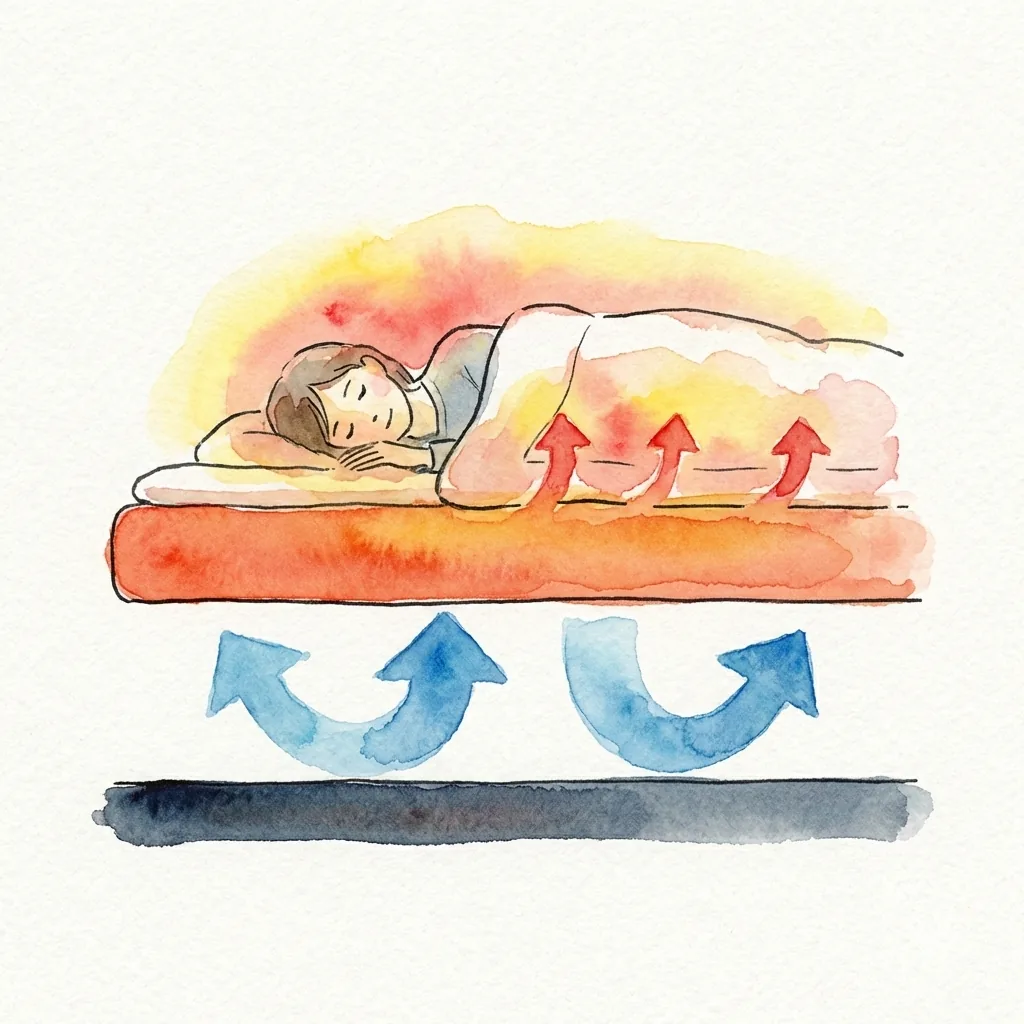
Adding a pad under you warms you more than adding a blanket on top
Heat rises, but it also flows toward cold. Cold air from the floor constantly draws heat away from your back, no matter how many layers are above you.
In practice, adding a warming mattress pad or underblanket beneath you raises your perceived body temperature far more dramatically than an extra blanket on top ever could.
Warming your back is the most efficient path to warming your whole body.
6. Care & Storage: Can You Wash It at the Laundromat?
Good bedding properly cared for can last decades. Here's how to make yours last.
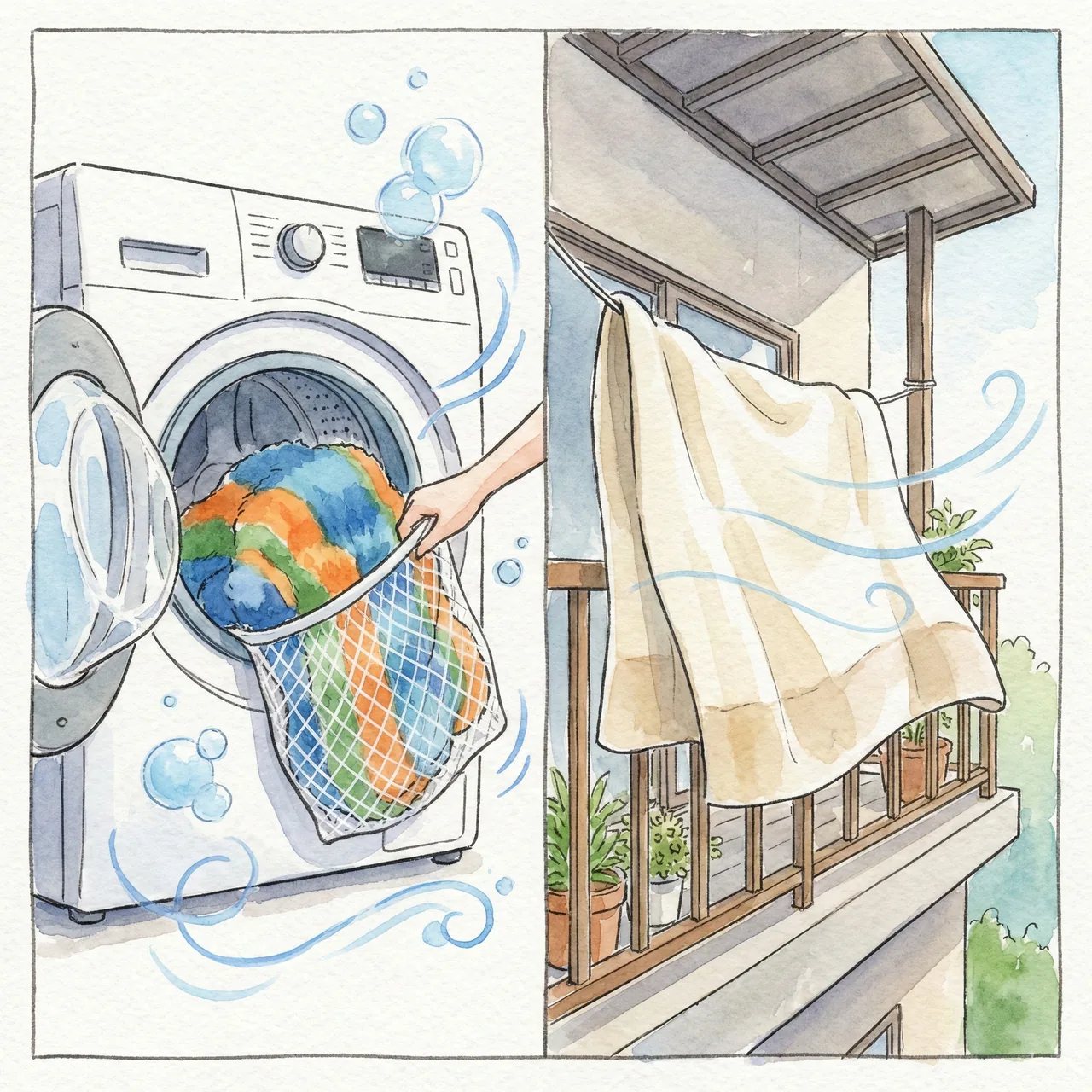
Acrylic: laundromat-safe. Wool and down: air out, then dry-clean.
- Acrylic blankets: Durable enough for a large-mesh laundry bag at the coin laundromat. Tumble-dry works fine too.
- Wool & down: Water washing causes shrinkage and structural damage. Air them in a well-ventilated shade regularly, and take them to a specialist cleaner when needed.
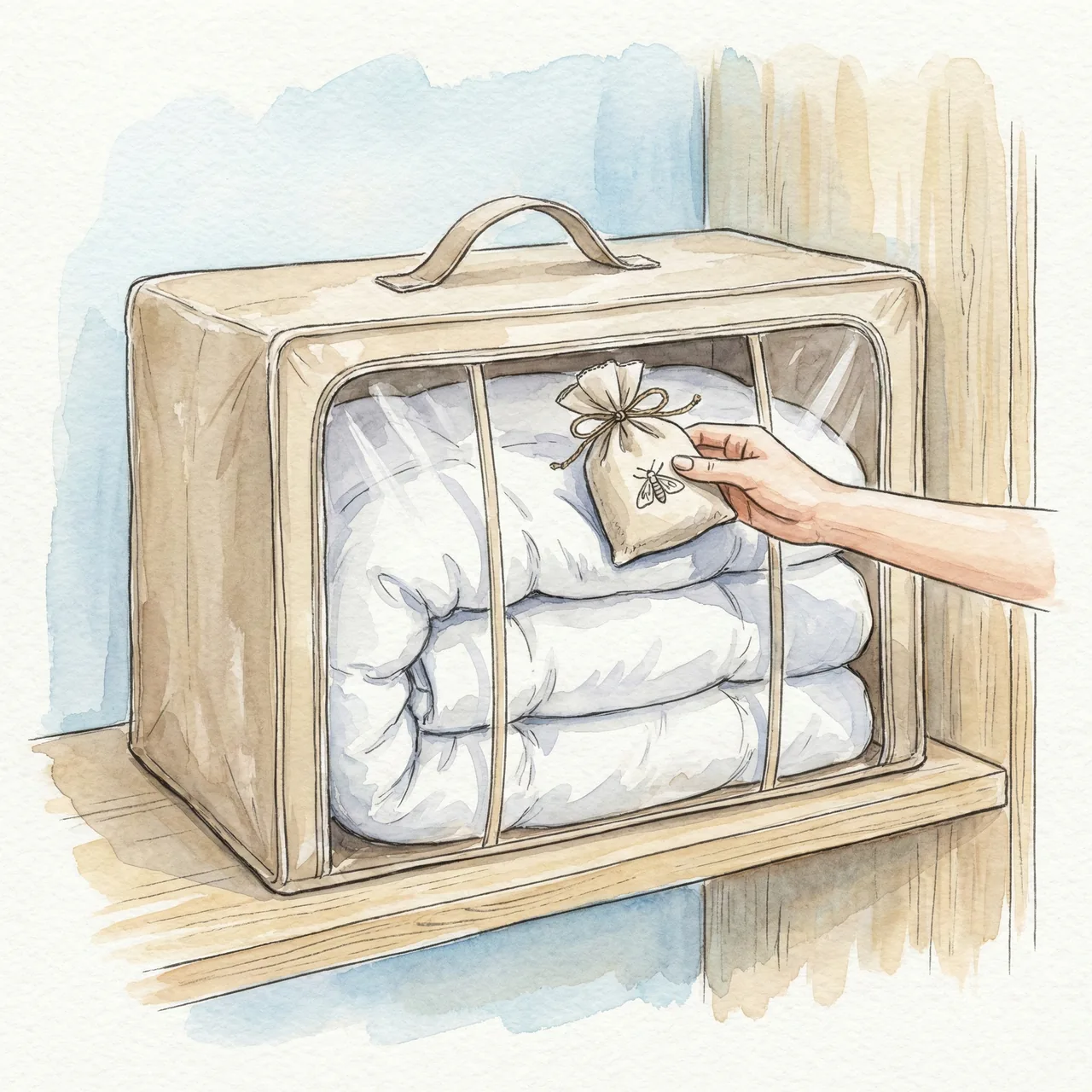
Storage: moth repellent for wool, no vacuum bags for down
Natural fibers are a favorite meal for clothes moths — always store wool blankets with an effective moth repellent.
Never compress a down duvet in a plastic vacuum bag; the mechanical pressure breaks the down clusters permanently. Store it in a breathable non-woven fabric case, loosely packed.
7. Top 3 Made-in-Japan Blanket & Duvet Brands
Trusted Japanese brands that genuinely change the quality of your sleep.
Nishikawa — Down Duvets & Blankets
450 years of history. If in doubt, choose Nishikawa.
Japan's leading bedding brand, setting the industry benchmark for quality.
Nishikawa's down duvet standards are said to be the strictest in the business — from down cleaning rates and fill weights to the stitching of the shell fabric, nothing is left to chance.
A Nishikawa duvet is also a classic wedding or milestone birthday gift — the name alone carries an unmistakable weight of quality.
They also carry a wide range of Izumiotsu-made premium blankets.
Mitsui Keori — Izumiotsu Factory-Direct Store
Factory-direct pricing on natural-fiber blankets from a 70-year veteran.
A blanket manufacturer based in Izumiotsu with over seven decades of history.
They offer blankets in rare natural materials — wool, cashmere, silk, camel hair — at factory-direct prices, because they spend nothing on advertising and put every yen into materials.
The result is quality-to-price ratio that genuinely shocks: a "this much quality for this price?" reaction that explains their perennial top rankings on Japanese e-commerce sites.
CALDO NIDO
Italian design meets Izumiotsu craftsmanship: warm and beautiful.
A luxury heat-retaining blanket built around the concept of "warm and beautiful."
Chic, modern patterns by an Italian designer are reproduced with exceptional fidelity using Izumiotsu's dyeing and raising techniques.
The ultra-soft hygroscopic exothermic fiber used has over 120 years of heritage behind it — the smoothness and warmth at first touch are in a league of their own.
An ideal upgrade for a bedroom where aesthetics matter as much as performance.
8. Frequently Asked Questions
When should I consider having my down duvet re-stuffed (reformed)?
Start thinking about it after 10 years of use.
Key signs: the collar area feels thin, down keeps poking through the shell, or you no longer feel as warm as you used to.
Reforming — extracting the old down, washing it, adding new fill, and replacing the shell — can bring a duvet back to near-new condition, often at less cost than buying a replacement. A classic example of Japanese "use things well and long" philosophy.
Heavy blanket or light duvet — which one is actually warmer?
For pure insulation, a lightweight down duvet wins.
Down insulates by trapping air in the clusters. Pressing it down with a heavy blanket on top squeezes out that air and reduces thermal performance.
That said, many people genuinely sleep better under weight — if that's you, layering a moderate-weight acrylic blanket on top of your duvet is the best of both worlds.
Is it safe to wash a down duvet at a coin laundromat?
Only if it has solid quilting construction.
More duvets now come with a "washable" label, but older duvets with weakened shells can have down shift or fabric tear in the machine.
If in doubt, take it to a bedding-specialist cleaner — the certainty is worth the cost.
What duvet cover material should I use?
Always choose 100% cotton or gauze (natural fibers).
A cheap polyester cover blocks the down duvet's breathability, trapping humidity inside and causing the very stuffiness you're trying to avoid.
Even the finest duvet will underperform under a synthetic cover. A breathable natural-fiber cover is the final key to unlocking its full potential.
Can I use an electric blanket together with my down duvet?
Yes — but turn it off before you get in.
High-quality bedding retains heat so effectively that leaving an electric blanket on while you sleep will cause excessive sweating, dehydration, and a jarring chill when the sweat cools.
The ideal approach: turn it on 30 minutes before bed to pre-warm the duvet, then switch it off when you climb in.
Should the blanket go on top of the duvet or underneath it?
The blanket closest to your skin, then the duvet on top — that's the standard rule.
The blanket captures body heat directly; the outer duvet acts as an insulating barrier. Putting the duvet on top of the blanket instead creates a heat escape path and leaves cold air next to your skin.
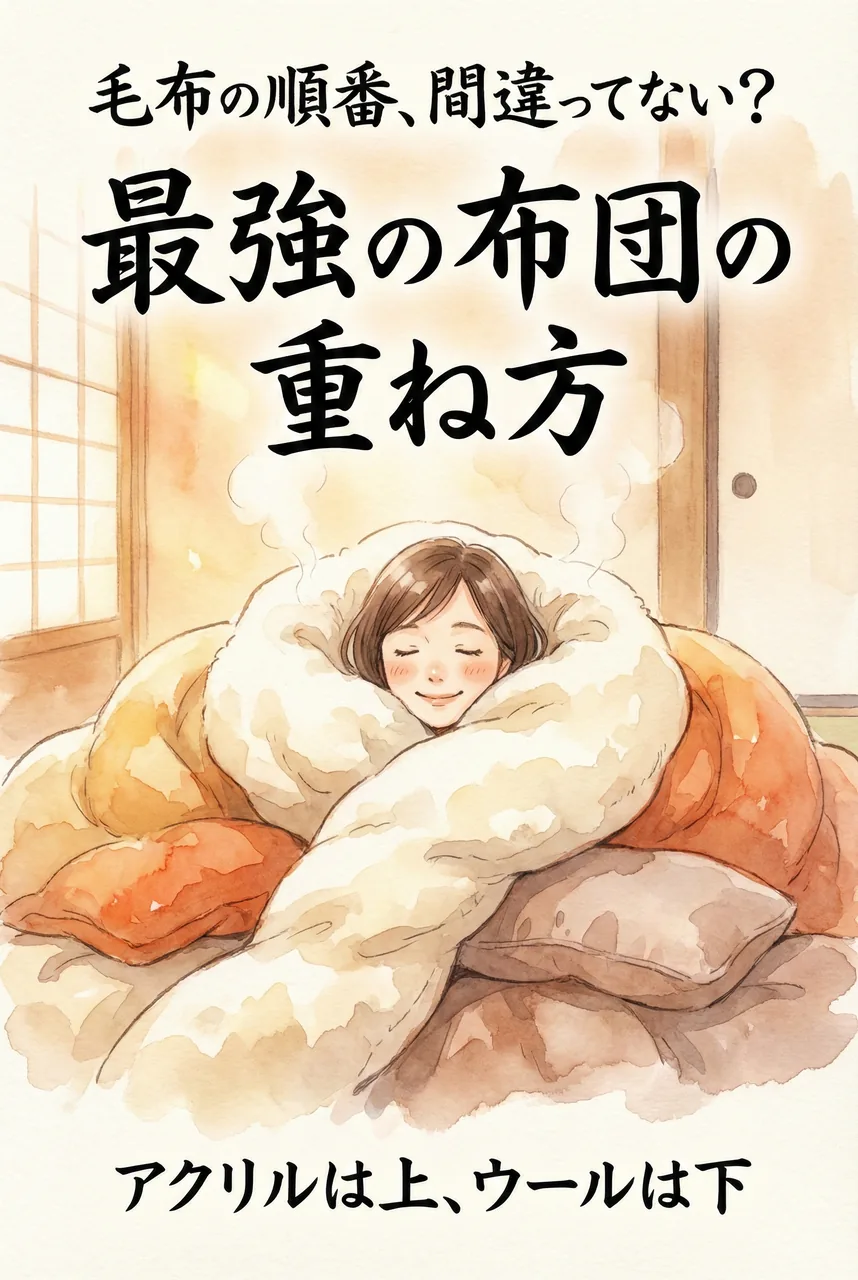
Just changing the order — without buying a single new product — can make a noticeable difference in how warm you feel.
Final Thoughts: A Night Without Waking Up
Cold is the single biggest enemy of sleep quality.
No matter how expensive your mattress, poor bedding will deny you the deep sleep you're after.
The silky smoothness of an Izumiotsu blanket raised by craftspeople who've spent decades perfecting the technique.
The extraordinary loft of Kawata Feather down, purified to near-perfection.
Wrapped in both, you'll know exactly what "sleeping like royalty" means.
Good bedding lasts more than a decade. Spread that cost over 3,650+ nights, and it's a few cents per sleep — the most affordable self-investment you'll ever make.
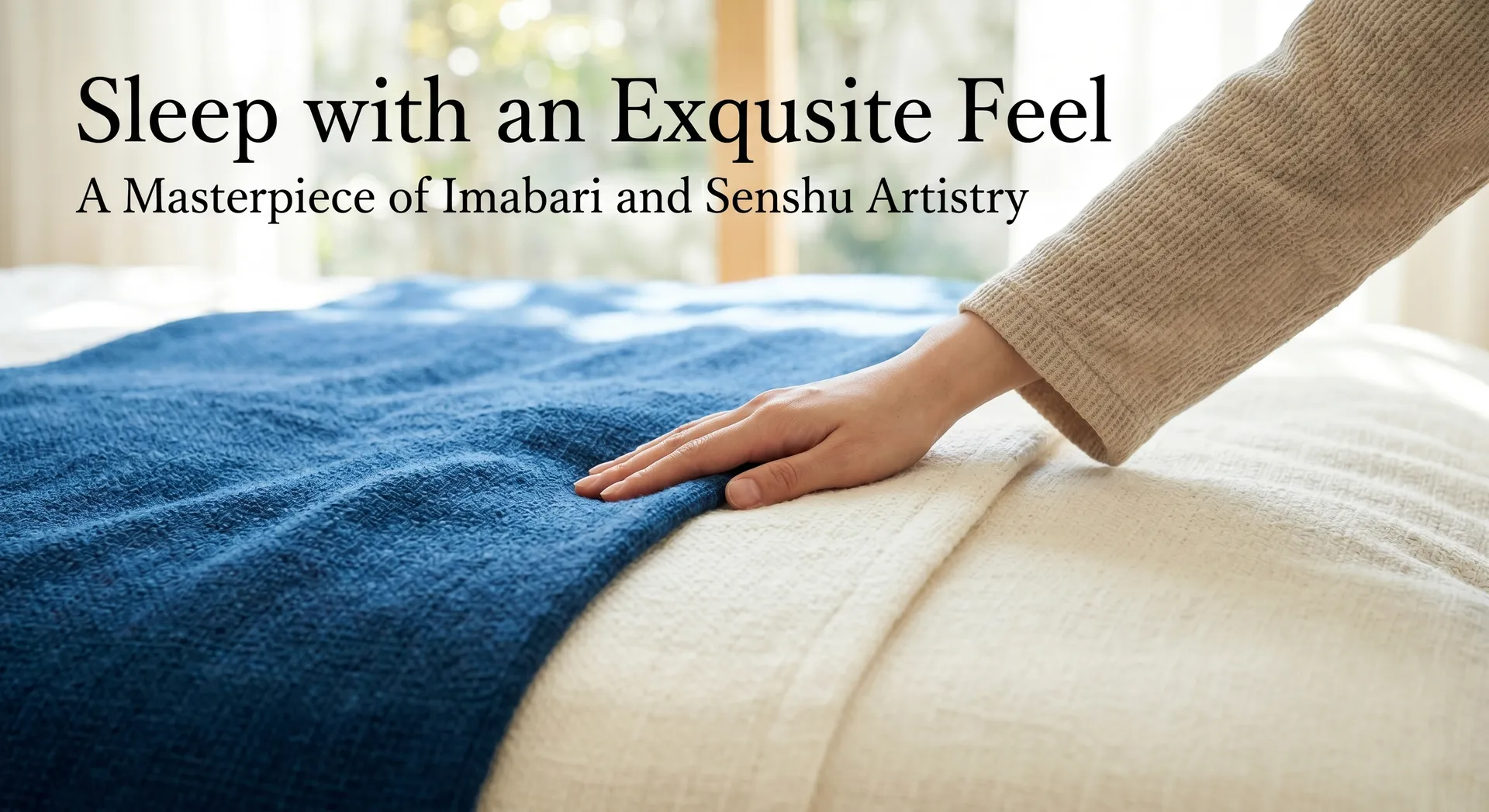
Japanese Blanket Guide: Izumiotsu Craftspeople & Their Finest Wool
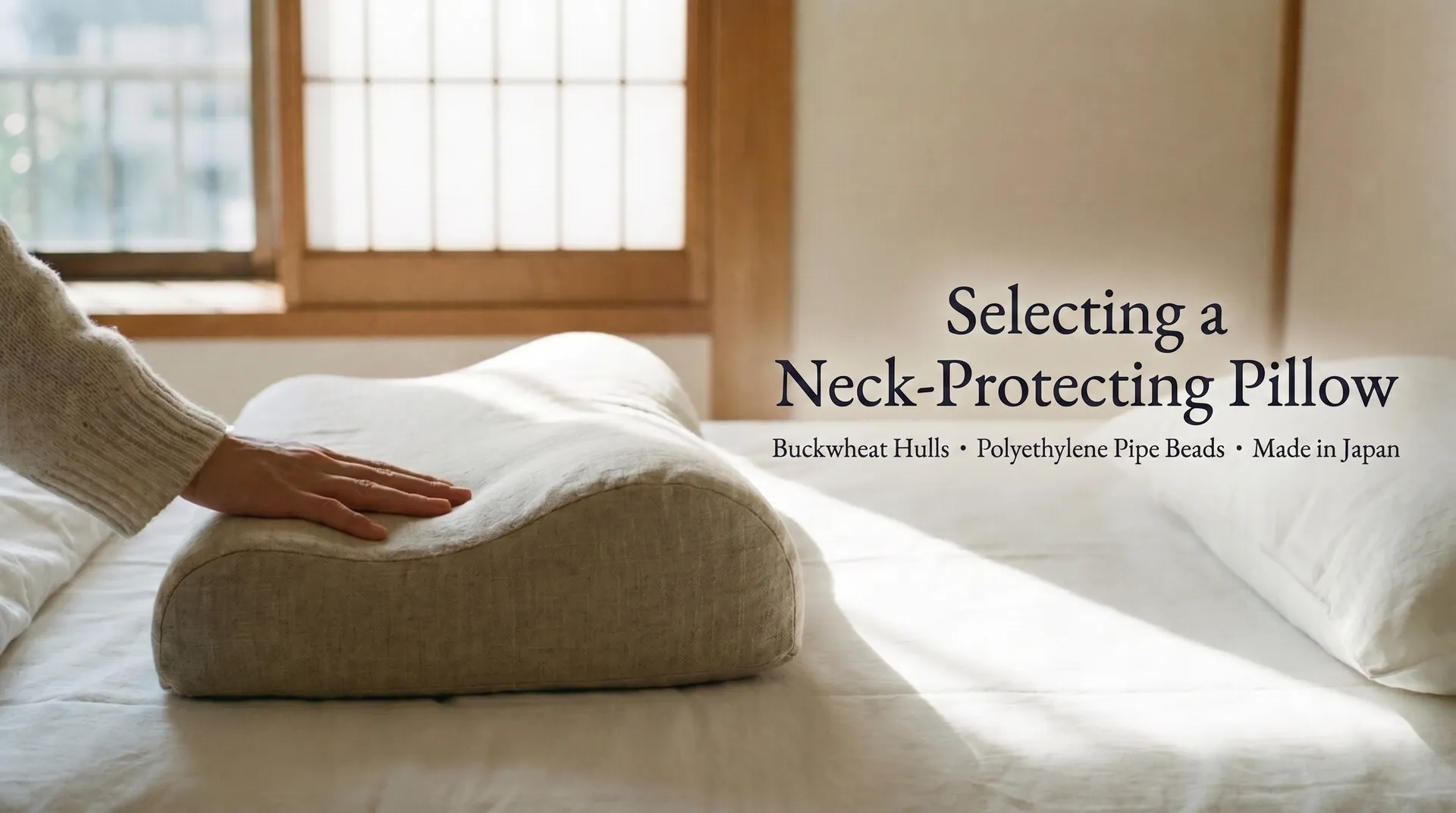
Japanese Pillow Guide: Buckwheat, Pipe, and Urethane Compared