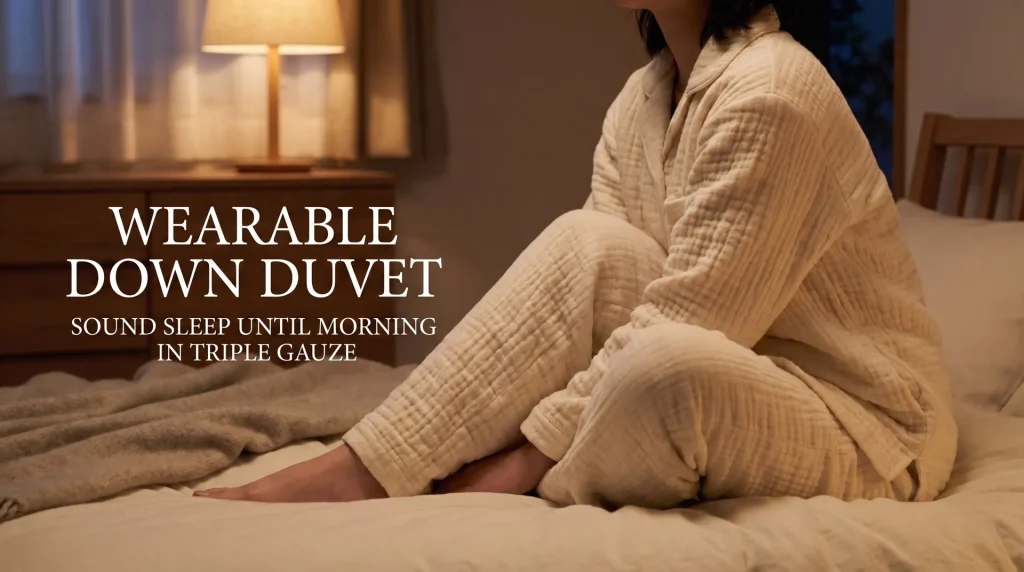
"I go to bed warm, but I wake up freezing at 3am."
"My fleece pajamas make me sweat, and then I get cold."
The real enemy of winter sleep isn't cold air — it's sweat turning cold on your skin. Synthetic fleece keeps heat in, but it can't absorb moisture. The sweat builds up, chills you as it evaporates, and that's the restless, fitful sleep so many people know but can't explain.
Truly great winter pajamas aren't simply thick — they're functional natural-fiber garments that convert moisture into warmth.
This guide explains how Japan's triple-gauze and knit-quilt constructions work, and introduces the Japanese-made brands that have perfected this technology.
1. Fleece vs. Natural Fibers: The Key Difference for Winter Sleep
The most important question in winter pajama selection isn't "How warm is it?" — it's "Where does the sweat go?"
Why synthetic fleece makes you colder: the evaporation trap
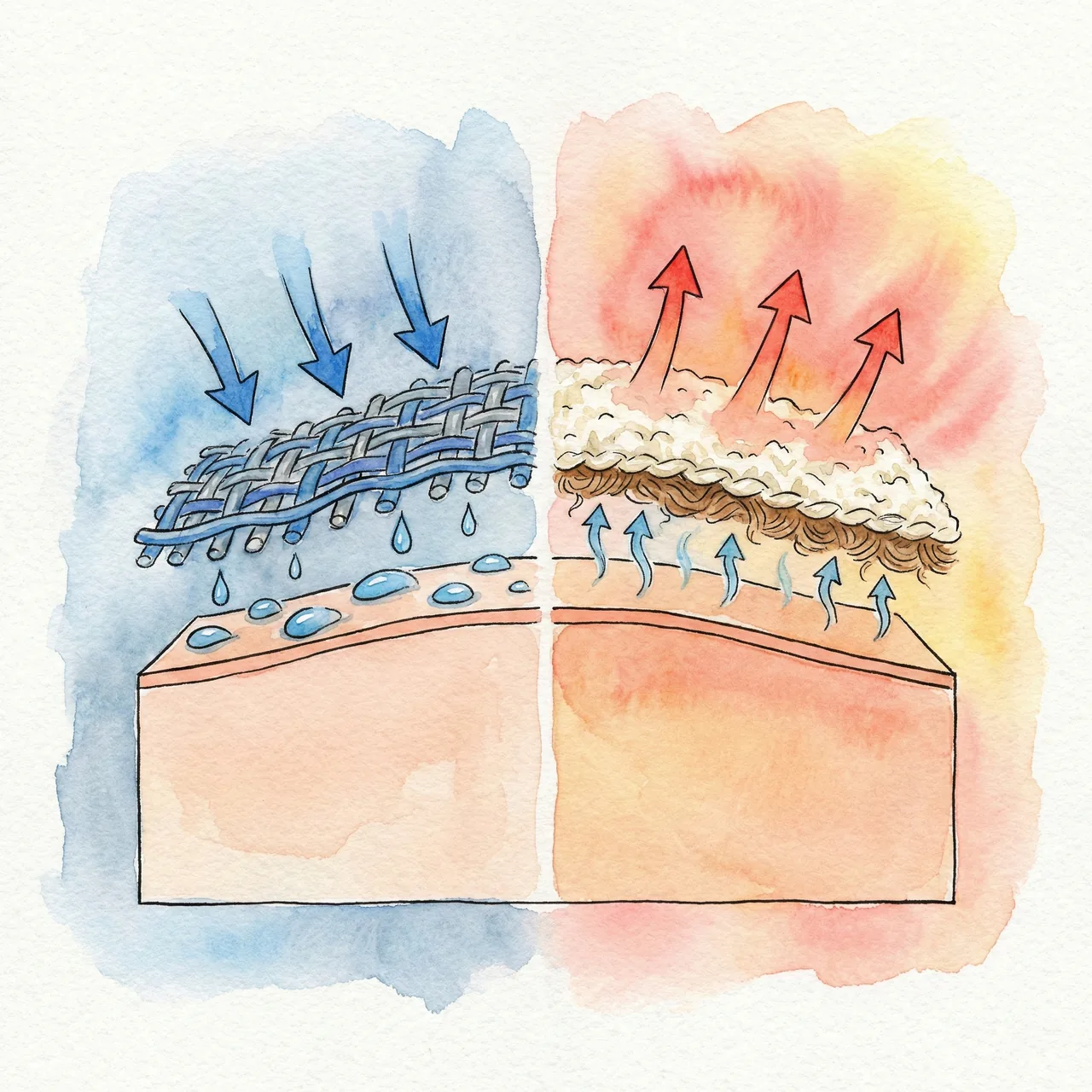
Polyester fleece insulates well but absorbs almost no moisture. Sweat produced during sleep sits on the surface of your skin, unable to escape.
When that moisture eventually evaporates, it pulls heat away from your body — the "evaporative cooling" effect. This is why you wake up feeling inexplicably chilly despite wearing warm-looking pajamas.
Synthetic fabrics also generate static electricity in dry winter air, which can irritate sensitive skin.
How cotton and wool "hygroscopic heating" keeps you warm through the night
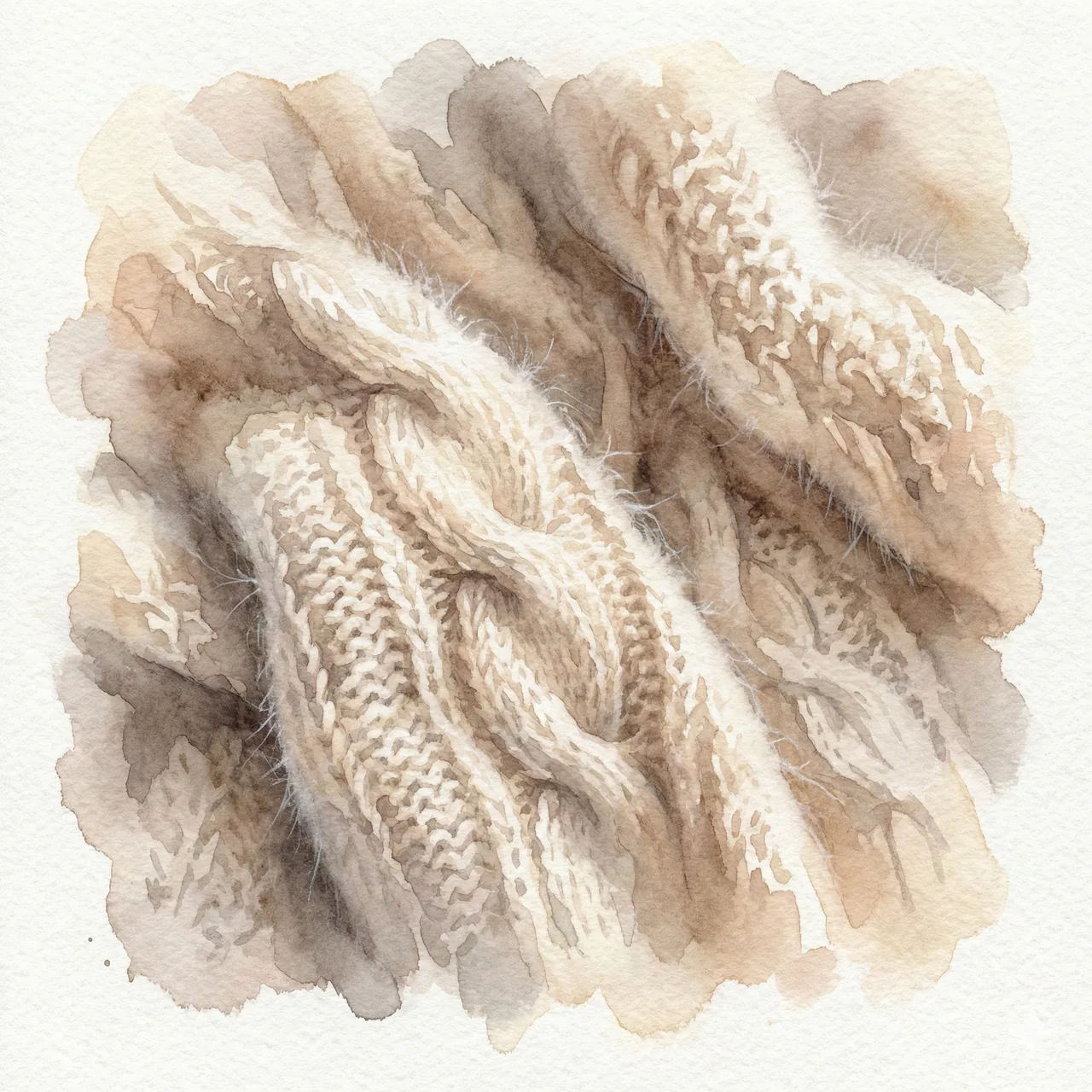
Natural fibers like cotton and wool have a remarkable property called hygroscopic heating: they generate a small amount of heat as they absorb moisture.
They draw sweat away from the skin, release it as vapor, and convert that moisture into warmth — a natural thermostat built into the fabric itself. This is why a good natural-fiber pajama keeps you comfortable from bedtime to morning, not just the first hour.
2. Triple-Gauze Pajamas: Air-Layer Warmth That Gets Better with Every Wash
Think gauze is a summer fabric? Three layers of it creates the warmest structure in textile engineering.
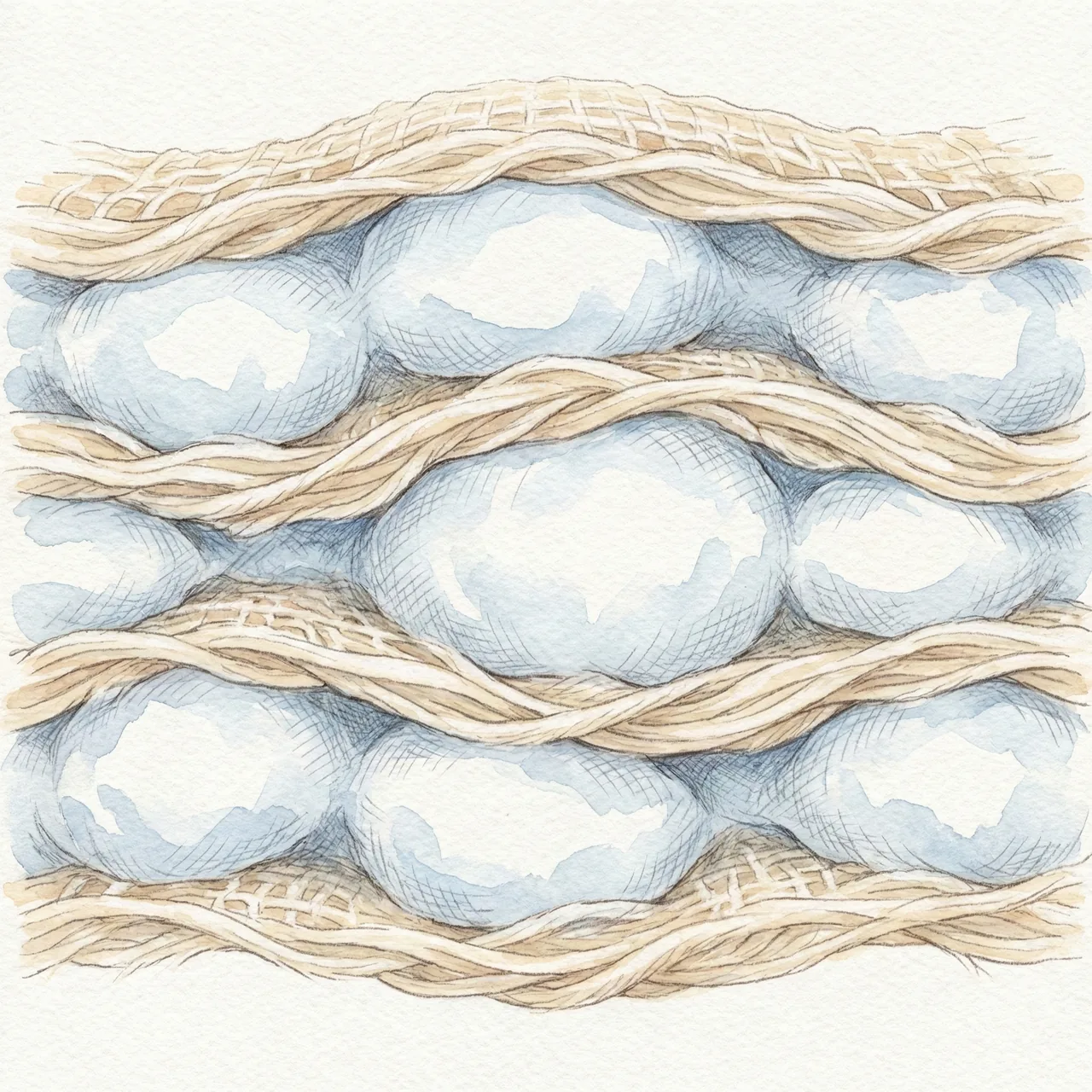
Three layers of gauze = down jacket logic: trapped air is the insulator
Triple gauze (three layers of loosely woven cotton fabric) traps a thick cushion of still air between each layer — the same principle that makes a down jacket warm. The feathers in a down jacket hold warmth not by themselves, but by preventing air from moving. Triple gauze does exactly that, in fabric form.
Body heat warms the trapped air; the gauze holds it there. Meanwhile, excess moisture passes out through the open weave. The result is a pajama that feels almost weightless yet stays warm through the coldest nights.
A fabric that improves with washing: the "growing pajama"
Fresh from the package, triple gauze has a slight stiffness. But with each wash, the cotton fibers soften and fluff out, trapping even more air and becoming warmer and more comfortable over time.
Owning a pair of triple-gauze pajamas is a long-term relationship — one that keeps getting better.
3. Knit-Quilt Pajamas: Like Wearing Your Duvet
For those who feel the cold most intensely, knit-quilt construction offers a step beyond triple gauze.
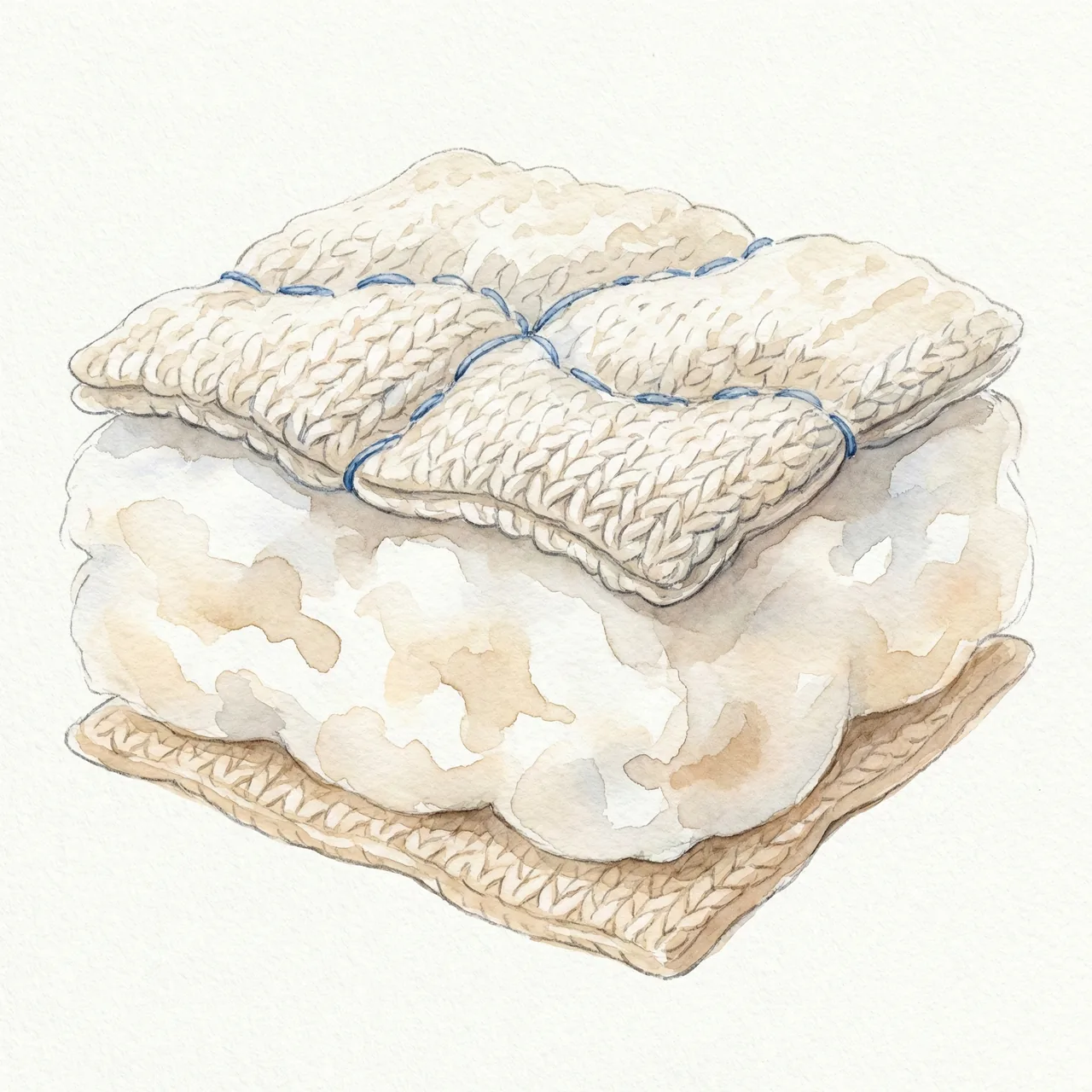
A sandwich of knit fabric around batting — the same structure as your duvet
Knit-quilt fabric sandwiches a layer of polyester batting between two layers of knit cotton, then stitches through all three layers to hold the filling in place. It's structurally identical to a quilted duvet — and feels like wearing one.
Since the skin-contact layer is still cotton, static electricity and irritation are a non-issue, even for sensitive skin.
Stretch like a T-shirt: quilted warmth that moves with you as you sleep
Because the outer layers are knit rather than woven, the whole garment stretches and recovers like a T-shirt. Heavy winter pajamas often restrict movement, but knit-quilt construction moves with every turn, so your body never has to fight the fabric through the night.
4. Premium Materials: Wool and Silk for All-Night Warmth
Worth the extra investment for winter — the natural fiber royalty.
Japanese merino wool: the itch-free performance fabric of natural fibers
Wool absorbs roughly twice the moisture of cotton before feeling damp, giving it twice the hygroscopic heating capacity.
"Won't it be scratchy?" — not with Japanese premium wool pajamas. They use superfine fibers with diameters well below the itch threshold, so they feel soft against bare skin. The same fiber technology used in high-performance outdoor base layers, adapted for bedtime.
Silk: a beauty treatment you sleep in
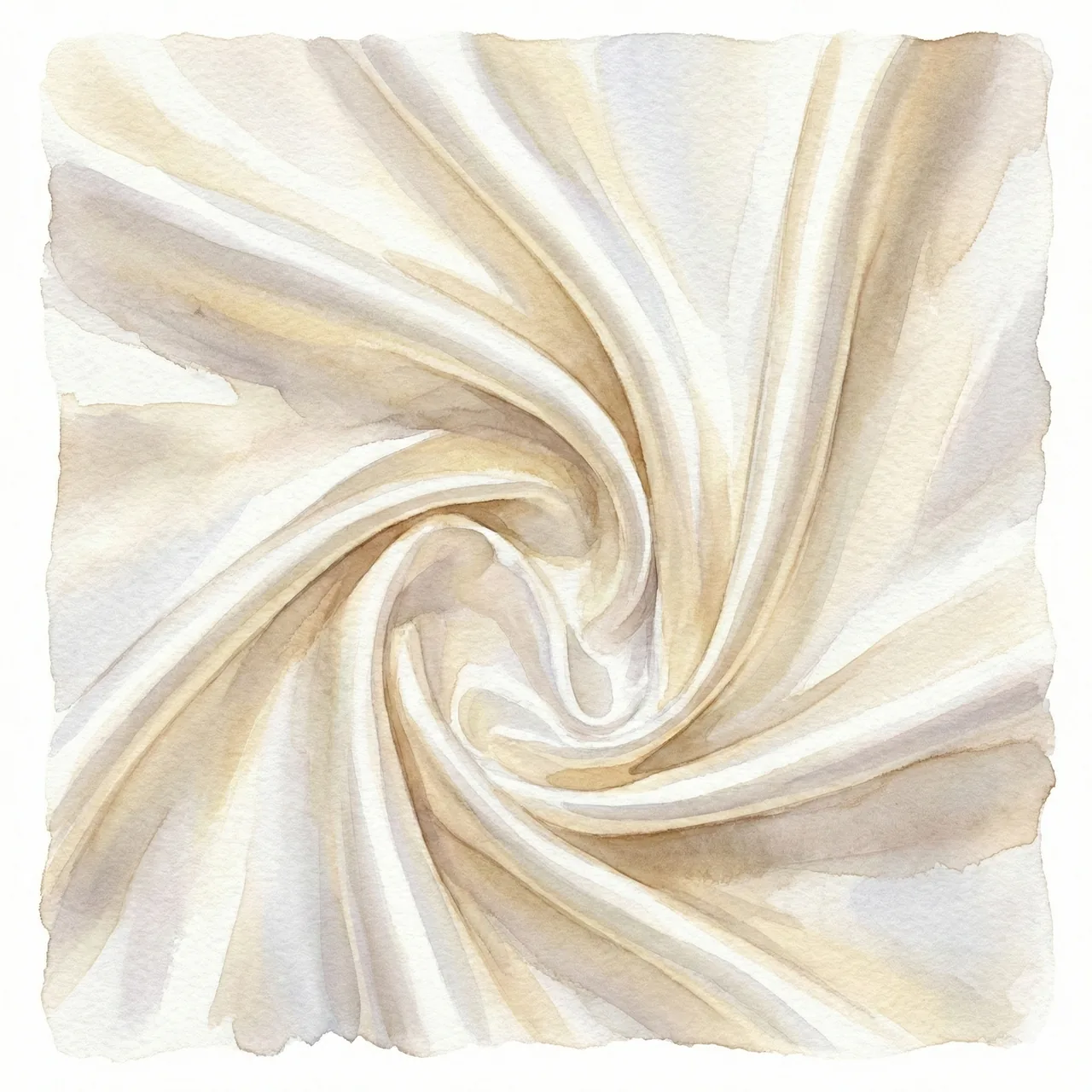
Silk is composed of the same protein building blocks as human skin, which is why it causes virtually zero friction against the body.
It's also warmer than it looks — the hollow structure of silk filaments traps air efficiently. With no friction to break down the skin's moisture barrier overnight, silk pajamas are sometimes called "wearable skincare."
5. Design Details: Protecting the Three Pulse Points from Cold
The shape of the pajama matters almost as much as the fabric. Heat escapes through gaps.
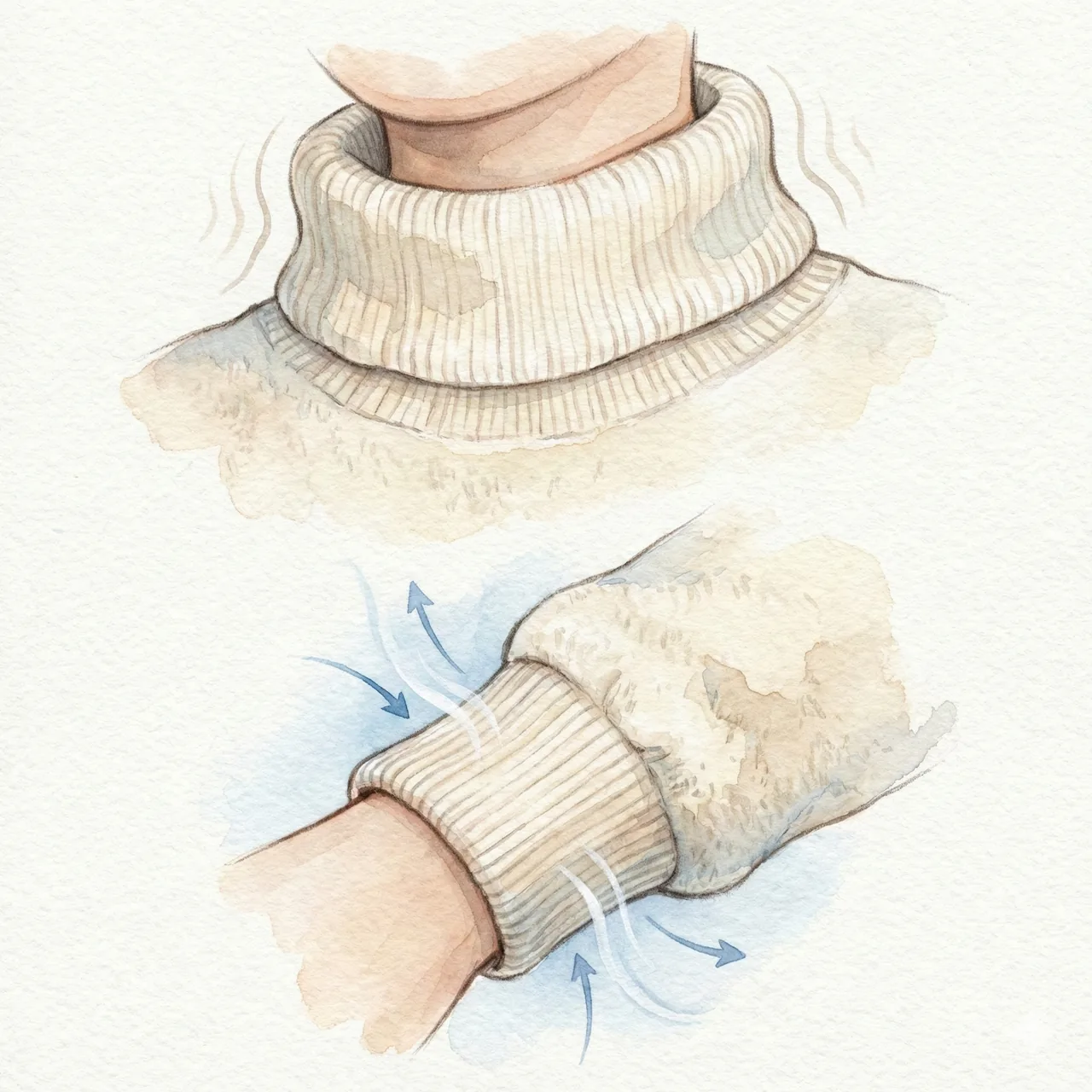
Turtleneck or ribbed cuffs: blocking cold air at the neck, wrists, and ankles
Major blood vessels run close to the surface at the neck, wrists, and ankles. When these three "pulse points" get cold, the blood circulating through them chills the entire body.
Winter pajamas should cover all three — look for a raised collar (turtleneck or band collar), ribbed cuffs that seal at the wrist, and ribbed or elasticated ankle hems that prevent cold air from drifting up the legs as you move in your sleep.
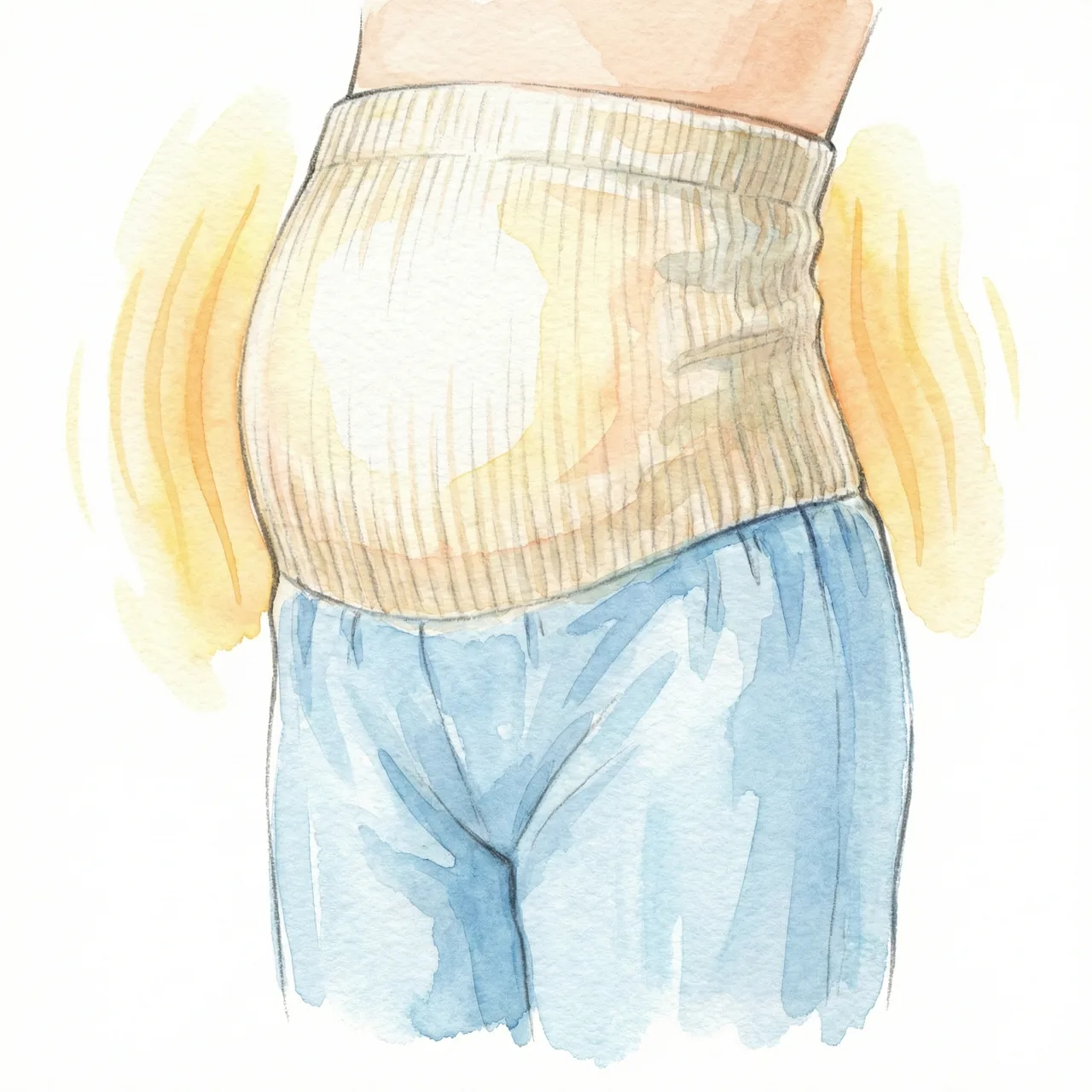
Built-in belly warmer pants: the cold-sensitive sleeper's secret weapon
If you tend to kick off your covers or roll in ways that expose your abdomen, look for pajama bottoms with an extended waistband that acts as a built-in belly warmer — a fold of fabric that keeps the midsection covered regardless of how much you move.
Warming the abdominal area directly supports digestive organ function and helps maintain immune response through the night.
6. Care & Washing: How to Dry Thick Winter Pajamas Properly
Winter pajamas are thick and slow to dry — a few simple habits make a real difference.
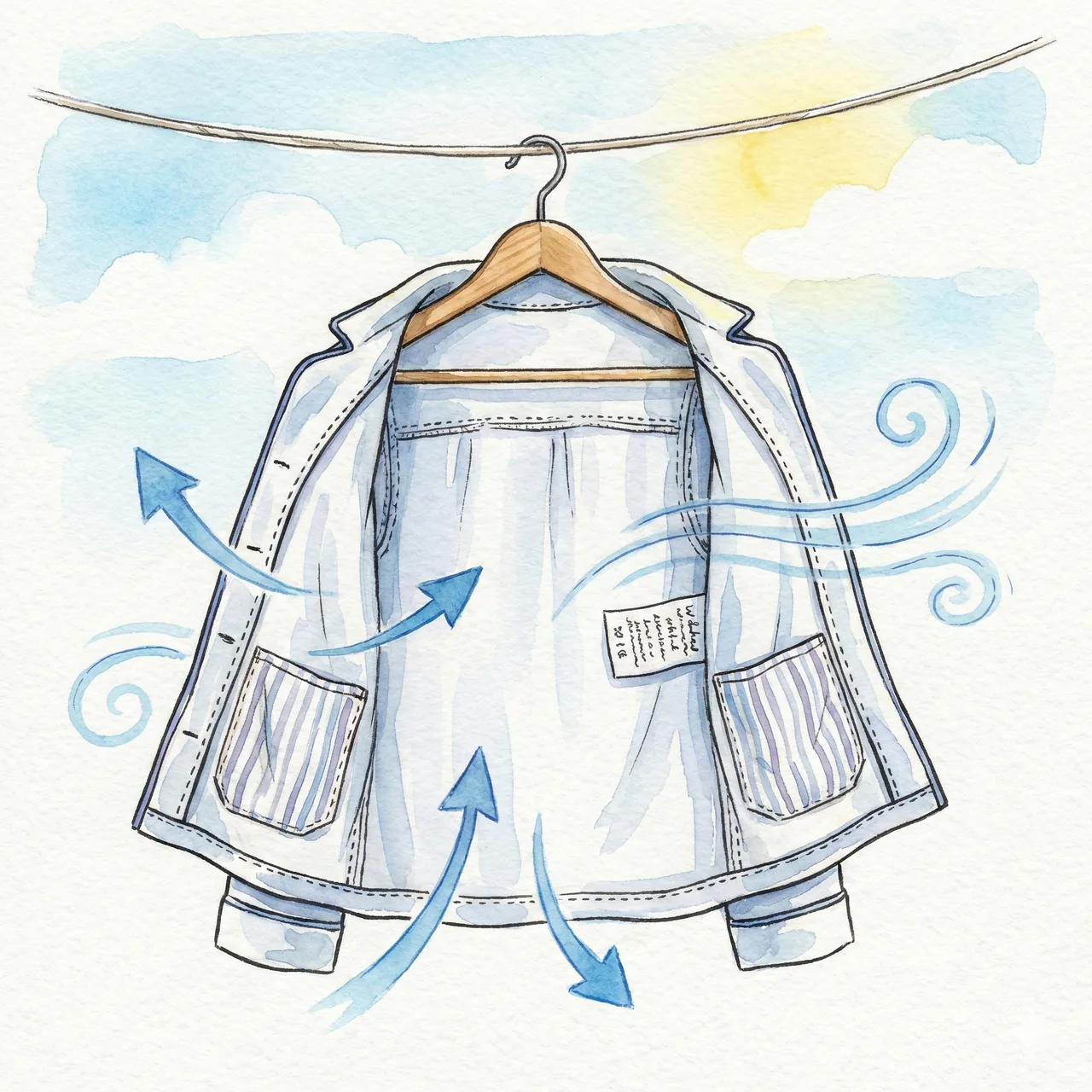
Turn them inside out before hanging to dry pockets and seams
Pocket interiors and side seams — where layers overlap — are the last things to dry. Turn the pajamas inside out immediately after washing to expose these areas directly to airflow.
This significantly reduces drying time and prevents the musty smell that comes from fabric that isn't fully dry.
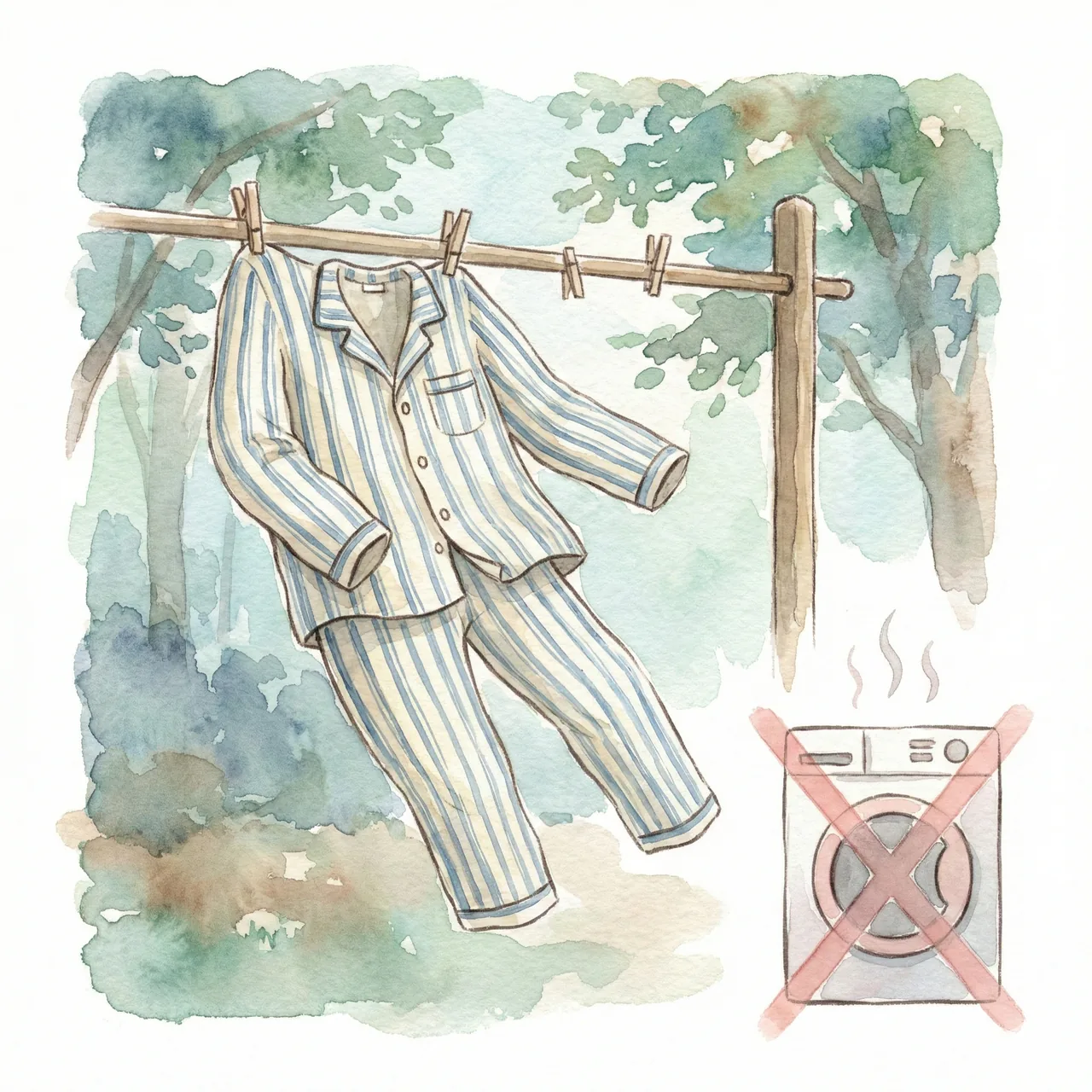
Avoid the dryer — cotton gauze shrinks dramatically in heat
Cotton and gauze fabrics are heat-sensitive: a standard tumble dryer cycle can shrink them to children's sizes. Use a shorter spin cycle (to remove moisture gently), shake the pajamas firmly before hanging to restore loft and remove wrinkles, then dry in the shade.
Shade drying — rather than direct sunlight — keeps fibers from stiffening and preserves that fluffy, cloud-like texture that makes gauze pajamas so special.
7. 3 Recommended Japanese Winter Pajama Brands
Perfect as a personal treat, and just as welcome as a gift for a parent, partner, or anyone who deserves better sleep.
Kaiminlabo (快眠ラボ) — Kumogokochi Gauze
A cloud-on-your-skin experience, made with patented yarn technology.
Made by a 60-year-old manufacturer in Okayama Prefecture, this is the ultimate triple-gauze pajama.
Their proprietary Kumogokochi ("cloud comfort") gauze processes yarn to an extraordinary softness — the triple-layer construction weighs almost nothing and disappears from awareness within minutes of putting it on.
The balance of moisture absorption and insulation is exceptional, making it comfortable from December through early spring. The gauze has light stretch, so even restless sleepers don't feel constrained.
Matsunamiki (松並木) — Additive-Free Wazarashi Gauze
A lifeline for sensitive skin — zero chemicals, pure traditional cotton.
Matsunamiki specializes entirely in additive-free gauze: no chemical sizing, no bleach enhancers, no softeners applied during production.
Their wazarashi (traditional kettle-bleached) gauze is processed using a slow, old-fashioned simmering method that strips away impurities while preserving the cotton fiber's full absorbency. The result is gauze that soaks up moisture at a rate far beyond conventionally processed fabric.
Triple-gauze pajamas from Matsunamiki loft up more with every wash, creating better insulation over time. They have a devoted following among people with atopic dermatitis and chronic skin sensitivity.
UCHINO — Marshmallow Gauze
The department store gift standard — patented softness in a premium package.
UCHINO, celebrated as a towel brand, applied that same expertise to their patented Marshmallow Gauze — a construction using ultra-fine yarn combinations to achieve a lightness and softness that seems physically improbable for a winter garment.
Certified by the Japan Atopy Association for skin safety. Color options are generous, and the gift packaging has the kind of refined presentation that works for any occasion — birthday, anniversary, or holiday.
8. Frequently Asked Questions
How do I choose the right size?
Size up by one — a relaxed fit is warmer than a snug one.
Thick winter fabric can feel restrictive at your normal size, especially around the joints. More importantly, a little extra room between your body and the pajama creates an additional air pocket — which is exactly what keeps you warm.
Also account for the fact that cotton fabrics (especially gauze) shrink slightly with washing, so starting with a touch of extra room pays off over time.
Should I wear an undershirt underneath?
A thin cotton base layer adds warmth and protects the pajama fabric.
Most of these pajamas are soft enough to wear directly on skin. But adding a thin undershirt creates one more air layer, increases insulation, and reduces how much body oil and sweat contacts the pajama itself — which means less frequent washing and longer fabric life.
Will I get static shocks?
No — natural fibers (cotton, wool) are essentially static-free.
Static electricity builds up when dry synthetic fibers rub together. Natural fibers retain a small amount of ambient moisture, which dissipates charge before it can accumulate. If you've ever hated the clinging and crackling of synthetic sleepwear, switching to cotton will feel like a revelation.
Will pilling be a problem?
Some pilling can occur in friction zones, but cotton pills are easy to remove.
Soft knit-quilt fabrics in particular may develop small pills at areas that rub together during sleep. Using a mesh laundry bag and a gentle machine cycle greatly reduces this.
Cotton pills differ from acrylic pills: they come off easily with a fabric shaver or even by hand, and unlike acrylic, they don't significantly affect the feel or warmth of the garment.
Are these suitable as maternity pajamas?
Yes — the non-restrictive designs are ideal during pregnancy.
Most brands featured here use soft elastic or adjustable waistbands that accommodate a growing belly without pressure. Warmth is especially important during pregnancy as cold can affect circulation, and the front-opening styles recommended here also make nighttime nursing easier after birth — a practical choice for a baby shower gift.
Final Thoughts: Investing in the Uniform You Wear a Third of Your Life
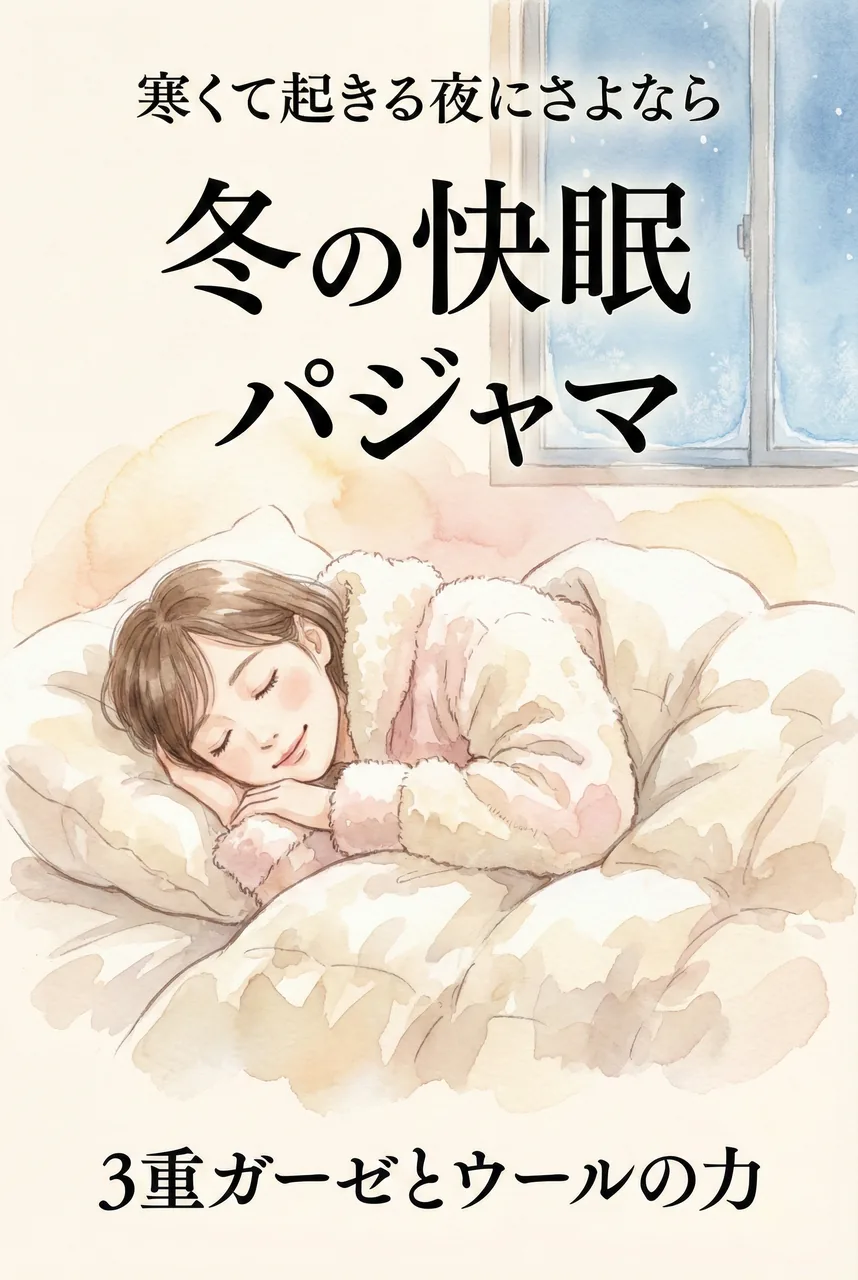
We spend money on what the world sees — and forget what we wear for eight hours every night, alone.
But sleep takes up a third of our lives. The garment we wear during that time deserves as much thought as anything in our wardrobe.
Wrapped in triple-gauze or quilted cotton, the cold stops waking you at 3am. You sleep through. You wake up actually rested.
That's when you realize: better pajamas weren't an indulgence. They were an investment in every tomorrow.