The biggest reason Japanese drinks are delicious is the quality of the base "water."
Most of Japan's tap water is "soft water," low in minerals and mild to the mouth.
Soft water holds the power to maximize the delicate aroma of tea leaves, the umami of dashi, and the workings of koji mold. As the saying goes, "Where there is renowned water, there is renowned sake," the difference in preparation water directly becomes the personality of the land's taste.
A cup arranging the rhythm of the day, made by Japan's renowned waters and artisans.
Pristine water and the harvests of four seasons. Behind Japan, a great beverage nation, lies its blessed "water resources."
Sake and Japanese whisky creating a global boom, Japanese tea blended by tea masters, and premium juices purely squeezing fully ripened fruits.
Far from just quenching thirst, we feature "special cups" that relax the mind and spring up conversations. Bottles meticulous down to the label design are also chosen as gifts for important people.
How to choose Beverages & Liquor
"Japanese Alcohol" Enchanting the World
[Sake (SAKE)] The Art of Polishing Rice and Brewing Water
If wine is a "brewed liquor where grapes are everything," sake is a "brewed liquor where human hands decide the taste."
The decider is the "rice polishing ratio" (the percentage of rice scraped away). "Daiginjo (50% or less)" using only the central core (shinpaku) by scraping the outside, releases gorgeous ginjo aromas like apples or bananas. Conversely, "Junmai-shu" retaining the rice's umami blossoms in hidden richness when warmed (kanzake).
Enjoying the differences between sake-rice like "Yamada Nishiki" and "Omachi," and aromas depending on yeast, is a depth unique to sake.
[Authentic Shochu (SHOCHU)] The Distilled Liquor the World Watches
A "distilled liquor" just like whisky or gin, but a globally rare existence as a mid-meal drink enjoyable during meals.
Its greatest charm is the diversity of raw materials and the magic of "koji."
・Sweet Potato Shochu (Satsuma): Intensely rich with "black koji," mild with "white koji." Serving it hot releases the aroma.
・Barley Shochu (Iki/Oita): Amber barley shochu aged in barrels boasts mellowness akin to whisky.
・Rice Shochu (Kuma): Some possess ginjo aromas like clear sake, perfect for mixing with soda.
Its healthy aspects of zero sugar and zero purines are also a delightful point for modern drinkers.
[Japanese Whisky] "Amber Dreams" Nurtured by the Four Seasons
Whisky taking scotch as a model while evolving uniquely in Japan. What decided its reputation was Japan's unique "Mizunara (water oak) barrels."
Tailoring Mizunara, which is difficult to process and prone to leaking, into barrels with artisan skill and aging it long-term births an oriental scent described as agarwood or sandalwood.
Additionally, Japan's four seasons (temperature differences) activate the barrel's breathing, causing aging to progress faster than in Scotland. The separation of base spirits and the precise blending technique by blenders are precisely the pinnacle of craftsmanship.
[Japanese Wine] Wine Born for Japanese Cuisine
"Domestic Wine" and "Japanese Wine" are different. Japanese Wine is a title claimable only by those using 100% domestic grapes and brewed domestically.
The representative variety "Koshu (White)" bears thick layers of umami atop citrus aromas via the sur lie method (aging with lees), harmonizing perfectly with raw fish, tempura, and dishes using dashi.
"Muscat Bailey A (Red)" pairs outstandingly with simmered dishes using soy sauce and mirin. A wine matching the Japanese dining table, not an imitation of Europe, has been established.
"MATCHA" Attracting Global Attention and the Depth of Japanese Tea
[MATCHA] The "Drinkable Superfood" Sweeping the World
Today, "MATCHA" is a global common tongue. Because the tea leaves are cultivated shielded from direct sunlight and entirely ground in a stone mill, one can ingest catechins, vitamins, and theanine without waste; leading it to welcome an enthusiastic boom as a superfood for beauty and health.
High-grade matcha made in famous producing areas like Kyoto/Uji and Aichi/Nishio is characterized by low bitterness and a rich "umami" akin to dashi, ending with a sweet lingering taste. Besides the traditional style whipped with a bamboo whisk (chasen), modern enjoyments like pouring it over ice cream or shaking it in a shaker are expanding.
[Diversity of Japanese Tea] Sencha, Gyokuro, Hojicha
They are made from the same "tea plant," but become utterly different beverages depending on cultivation and processing.
・Sencha: The representative of Japanese tea. The vivid green born from the "steaming" process, and the balance of refreshing astringency and sweetness are indispensable to the everyday dining table.
・Gyokuro: The highest grade tea where umami is maximized to the limit by draping covers before harvest and blocking sunlight. Slowly brewing with low-temperature hot water results in a taste like a syrupy sweet dew.
・Hojicha: Tea with savoriness drawn out by roasting over high heat. Low in caffeine and gentle on the palate, making it ideal for children or relaxing times before bed.
[Wa-Kocha and Craft Beverages]
Black tea made with Japanese tea leaves "Wa-Kocha" lacks the strong astringency of overseas varieties, holding an attractive, gentle sweetness even without sugar.
Furthermore, "domestic craft colas" and ginger ales using Kochi ginger, Setouchi citrus, and forest aromatic wood (kuromoji) continue to evolve as mature non-alcoholic drinks leveraging regional materials.
Drinking Fruit as It Is. The Luxury of "Straight Juices"
Highly recommended for gifts or self-rewards are "100% straight fruit juices" instead of from-concentrate.
・Mandarins: Comparing drinks not just by producing areas like "Arida" and "Ehime," but by varieties like "Unshu," "Shiranui," and "Kiyomi" is popular.
・Apples: Turning fully ripened apples from Aomori or Nagano into juice via "sealed pressing" shielding them from air. The aroma spread is as if you've bitten into a fresh apple.
・Amazake (Sweet Sake): Rice koji amazake, labeled a "drinkable drip infusion," is surprisingly sweet despite using no sugar, and being non-alcoholic, pregnant women and young children can enjoy it.
Tips for "Pairing" to Make Meals More Delicious
・Sashimi × Light and Dry Sake: Flushes the fish fat away crisply, making the next bite feel fresh.
・Tempura / Fried Foods × Highball / Lemon Sour: The carbonation and acidity reset the oiliness. With domestic lemons, you can squeeze them skin and all, giving off a supreme aroma.
・Chocolate / Yokan × Aged Sake / Whisky: Heavy drinks possessing an aged feel synchronize (marriage) with intensely rich sweetness.
Frequently Asked Questions (Q&A)
Q. Does sake have an expiration date?
A. Generally, it isn't written, but there are guidelines for drinking it deliciously.
"Nama-zake" (unpasteurized) takes 3 to 6 months refrigerated from production, and "hi-ire" (pasteurized) takes about 6 months to 1 year in a cool, dark place. Even if it gets old, you can use it as cooking sake, and there's also a culture enjoying intentional aging (Koshu).
Q. What is the storage period for opened juices?
A. Because many use no preservatives, airborne bacteria will enter after opening. Always refrigerate and finish drinking within 3 to 4 days as a guide.
Q. What should I do for an alcohol gift when I don't know their preferences?
A. A "tasting comparison set" is the surefire choice. Those containing several types in small bottles like 300ml provide the fun of choosing, and even if one isn't their preference, the others can cover it, meaning there are few failures.
GUIDES & STORIES for this category
We've picked up related guides and stories for this category from our selection of Japanese-made products.
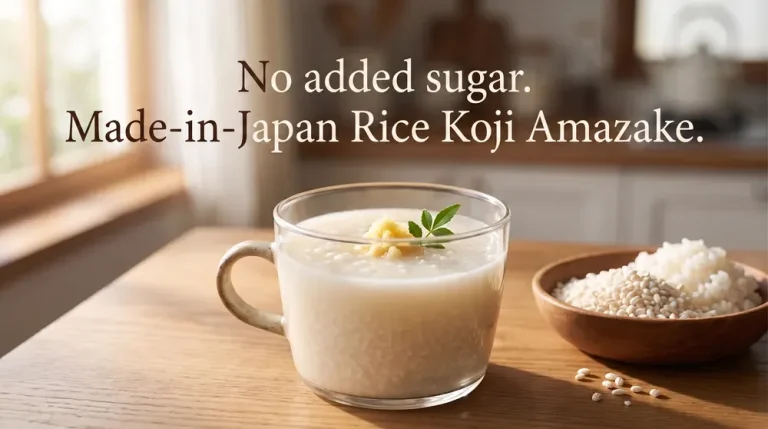
Amazake: One Name, Two Drinks, One Has Alcohol
Koji amazake is rice and koji, a…
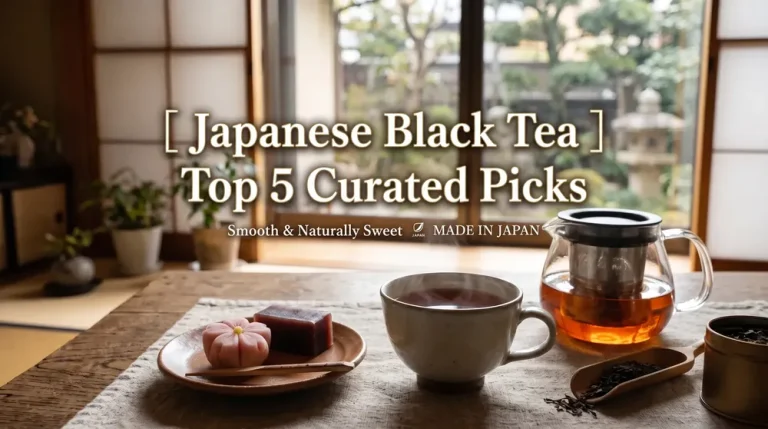
Japanese Black Tea: Wakoucha, and Don’t Add Milk
Japan exported black tea for a c…
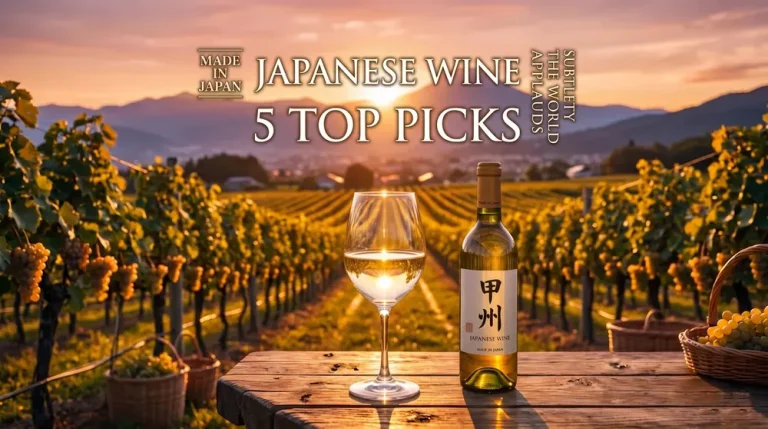
Japanese Wine: Why the Label Must Say “Japan Wine”
Since 2018 "Japan Wine" legally …
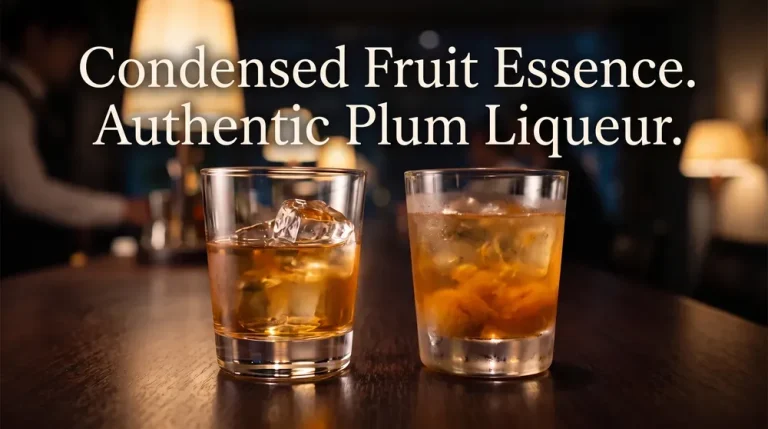
Umeshu: Not a Plum, Not a Wine, and How to Buy It
Ume is an apricot and umeshu is …

Japanese Whisky Gift Guide: 3 Brands You Can Actually Buy
Yamazaki and Hibiki are sold out…
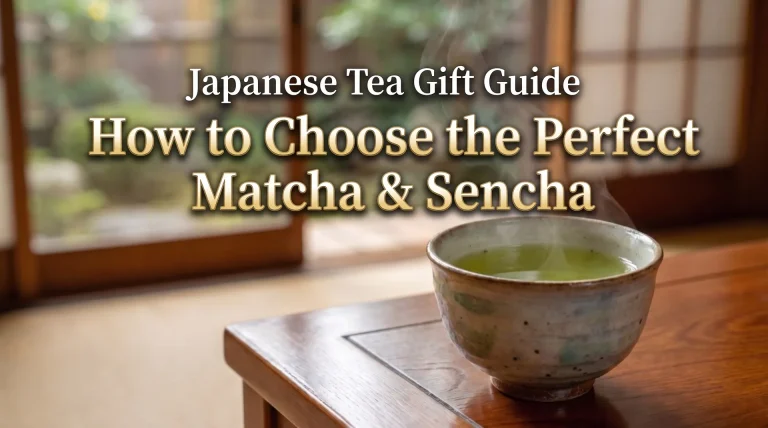
Japanese Tea Gift Guide: Best Matcha, Sencha & Gyokuro
Find the perfect Japanese tea gi…
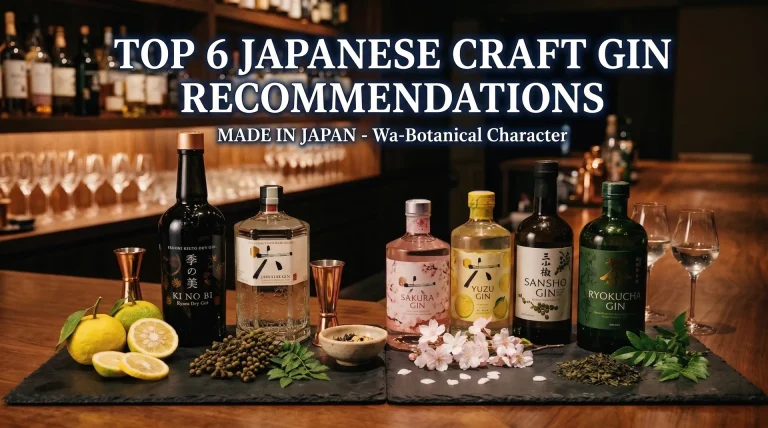
Japanese Gin: Ki No Bi, ROKU, and the Botanicals
Gyokuro, yuzu, sansho, sakura — …
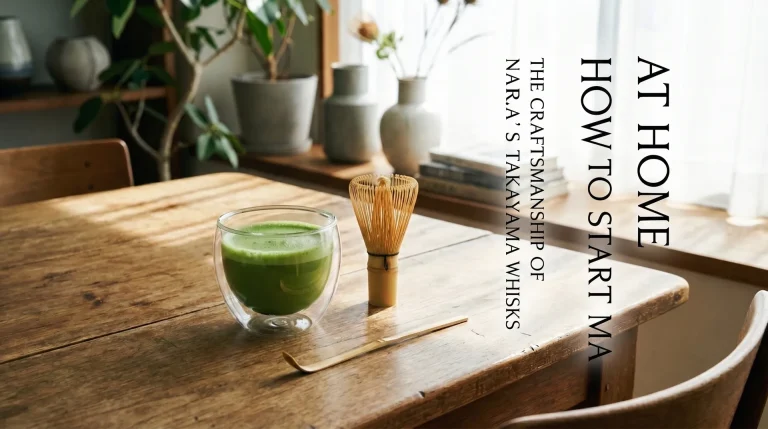
How to Make Matcha at Home | Takayama Chasen Whisking Guide
Learn to whisk café-quality matc…