"I just want to put my phone down, sit by the water, and do nothing for a while."
"Camping is great, but I'd love something a little more hands-on with nature."
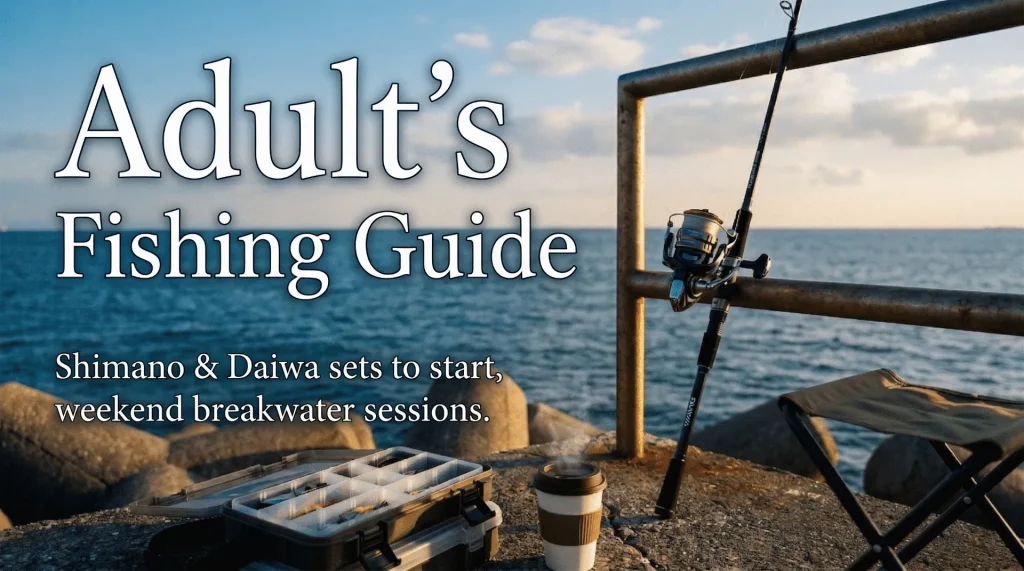
If that sounds like your weekend mood, pier fishing — just dropping a line from the nearest breakwater — might be exactly what you're looking for.
The only problem: walk into any tackle shop and you're instantly overwhelmed by rows of gear with no idea where to start.
If you're a beginner, the answer is simple: go with an all-in-one set from a Japanese fishing brand.
SHIMANO, whose precision metalworking roots go back to bicycle components, and DAIWA, a world leader in carbon fiber rod technology, both make entry-level sets that perform far above their price. This guide walks you through the gear you need to start fishing with style — and without frustration.
Series: This article is part 7 of the Outdoor & Hobby Tools series.
Quick Reference: Fishing Styles at a Glance
| Style | Difficulty | Target Fish | Gear Required |
|---|---|---|---|
| Pier / Breakwater | ★☆☆ (Easy) | Horse mackerel, sardine, mackerel | Minimal |
| River Fishing | ★★☆ (Moderate) | Yamame trout, rainbow trout | Moderate |
| Rocky Shore | ★★★ (Advanced) | Black sea bream, Japanese parrotfish | Extensive |
| Lure Fishing | ★★☆ (Moderate) | Seabass, largemouth bass | Moderate |
1. Why Pier Fishing Is the Perfect Adult Hobby
You don't need to be standing on a rocky cliff in full gear to enjoy fishing.
A quiet corner of a local harbor, a thermos of coffee, and a line in the water — that's all it takes to genuinely switch off for a few hours.
Start with Sabiki Fishing
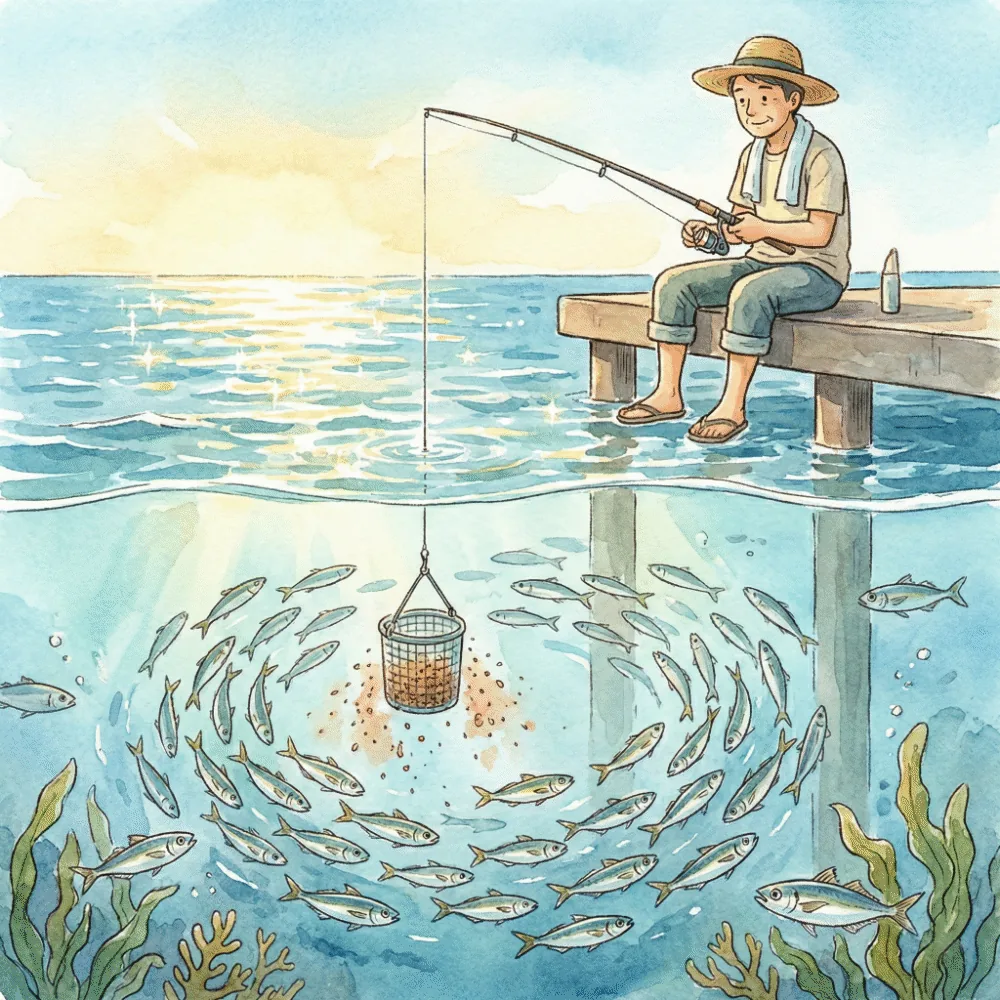
The easiest and most reliably productive style for beginners is sabiki fishing — a technique using a multi-hook rig and a small cage filled with krill.
You lower it into the water and jig the rod gently up and down. Small fish like horse mackerel and sardines mistake the lures for food and bite.
No casting skill required. Just drop it straight down from the pier — perfect for first-timers.
2. Why Japanese Fishing Brands Lead the World | Shimano & Daiwa's Precision
Japan's two giant fishing brands — Osaka's SHIMANO and Tokyo's DAIWA (Globeride) — together dominate the global market for reels, rods, and tackle.
Here's why they're worth choosing even at the entry level.
The Smoothness Is in the Microns
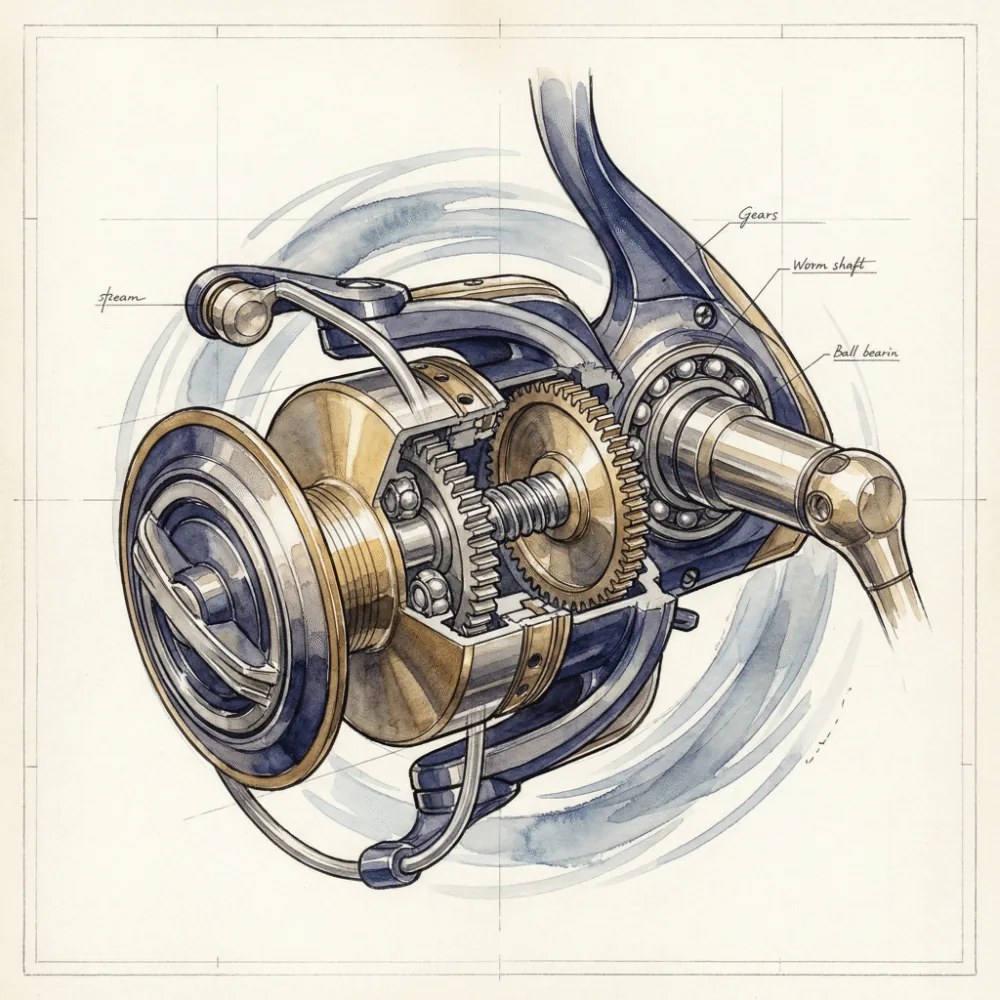
A fishing reel is a precision machine — dozens of interlocking gears spinning under load, every cast and retrieve.
Shimano applies its cold-forging metal technology (originally developed for bicycle components) to create gear sets that run with near-zero play for years.
Daiwa's lightweight carbon fiber bodies mean you can fish all day without arm fatigue.
Budget reels from offshore manufacturers quickly develop wobble and heavy handles; with Japanese brands, even the starter models spin smoothly.
3. Start Right: Japanese All-in-One Fishing Sets
A combo set — rod, reel, and line included — means you open the box and go.
Avoid the cheapest options; they're a source of frustration. These two Japanese sets give you a real experience from day one.
Shimano Buenavista Combo S60ML
Everything you need. Just add water.
Shimano's latest all-in-one set was built for people who don't want to think about gear — and it delivers.
Available in calm khaki and blue colorways, the reel comes pre-spooled with nylon line so you're ready immediately.
Versatile enough for sabiki fishing, light lure work, and casual rock fishing, all from the same rod.
Comes with a dedicated carry case — keep it in your trunk and you're always one impulse away from a session.
Daiwa #go_fishing SS
Stylish enough for the city, compact enough for the train.
Daiwa designed this set around the idea that fishing should feel accessible — not intimidating.
The rod collapses to a very compact size and fits in the included bag, making it easy to carry on public transit.
The clean, urban design works just as well for an after-work evening session as it does for a weekend trip.
4. Why Hooks Matter Most | Gamakatsu & Owner — Banshu Region Craftsmanship
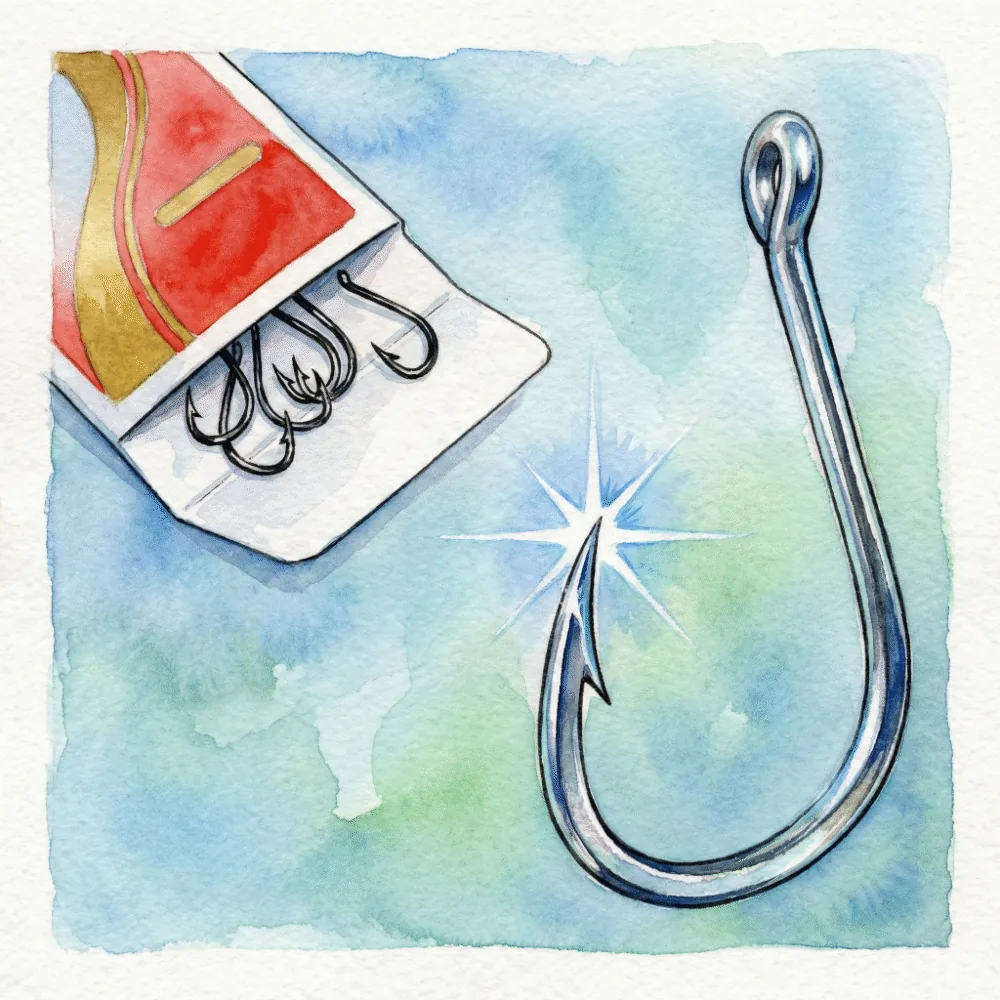
The hook is the only part of your tackle that actually touches the fish — so it matters more than almost anything else.
What most beginners don't know: around 90% of all fishing hooks sold in Japan are made in the Banshu region of Hyogo Prefecture, using techniques handed down from the Edo period.
The Difference Is in the Point
Hooks from Gamakatsu and Owner — Banshu's two most respected makers — are chemically sharpened to a point so fine it slides in with almost no resistance.
The hooks that come with cheap starter rigs rust quickly and allow fish to shake free before you land them.
For a few extra dollars, upgrading just your rig to a name-brand Japanese hook set makes a real difference in catch rate.
If you're not catching fish, check your hook before blaming the spot.
5. MEIHO Tackle Boxes | The Storage System Anglers Swear By
Once you start accumulating tackle, you'll need somewhere to put it.
MEIHO (Meibou Kagaku Kogyo), an Osaka plastics maker, produces the "Versus" series of tackle boxes — loved by anglers worldwide for their thoughtful modular design.
MEIHO VS-7055N System Box
Sturdy enough to sit on. Expandable enough to become a basecamp.
This isn't just a box — you can mount rod holders and drink holders on the outside, turning it into a compact fishing station.
The lid doubles as a worktop, and the structure is rigid enough to support an adult's weight.
Even the snap-lock latches have a satisfying click that quietly signals Japanese manufacturing quality.
6. Gear for Cooking Your Catch | Japanese Knives & Bone Tweezers
Fishing isn't finished until dinner is on the table.
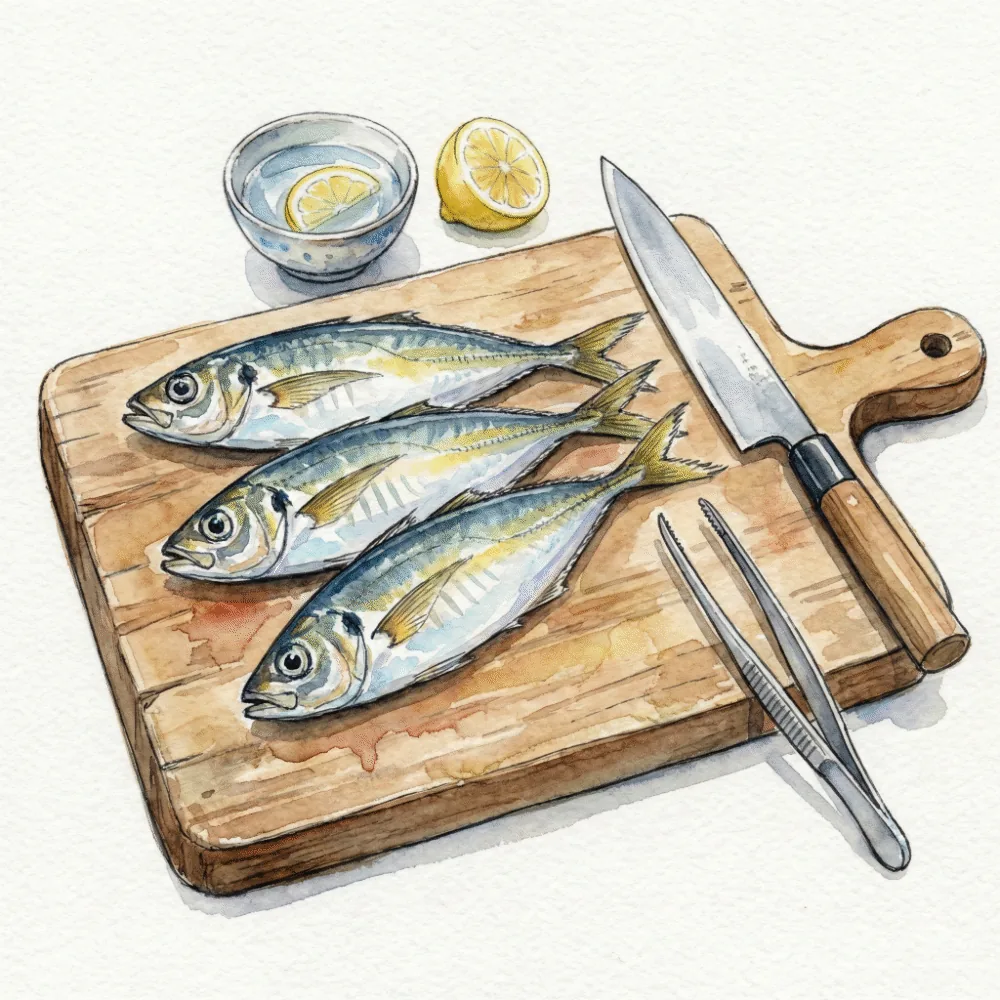
A few small Japanese-made tools make cleaning and prepping fresh mackerel or sardines far less daunting.
Tsubame-Sanjo Knives & Bone Tweezers
1. Fishing knife: Used to bleed the fish immediately after catching — a technique called ikejime that keeps the flesh clean-tasting.
Stainless knives from Niigata's Belmont and similar Tsubame-Sanjo makers resist rust and hold an edge through saltwater conditions.
2. Bone tweezers: Small fish like mackerel are full of pin bones — a cheap pair just snaps them off mid-pull.
A Tsubame-Sanjo bone tweezer grips each bone cleanly at the root and draws it out in one smooth motion.
Better tools make prep fast enough that you'll actually want to cook your catch.
7. Fishing Etiquette | Life Jackets and Leave No Trace
The ocean is generous — and it asks for a little respect in return. Here's what responsible fishing looks like.
The Sakura Mark: Japan's Life Jacket Safety Standard
Even on a calm pier, a life jacket is non-negotiable. Look for the Sakura Mark — Japan's Ministry of Land, Infrastructure, Transport and Tourism certification, indicating the jacket meets national safety standards.
Modern waist-pack inflatable types are unobtrusive enough to wear without thinking about them.
Beyond safety: take every scrap of your waste home. Fishing line, packaging, bait containers — all of it.
"Leave the spot cleaner than you found it" is the unspoken code among serious anglers.
8. Frequently Asked Questions
I hate touching worms. Is bait always involved?
Good news: sabiki fishing uses krill paste, not worms.
The ami ebi (krill) bait sold for sabiki fishing comes in toothpaste-style tubes — you squeeze it straight into the cage without touching anything.
Some versions even have a mild fruity scent added. No bugs, no smell, no problem.
What about restrooms? Where should I fish as a beginner?
Look for managed fishing parks or piers near rest stops.
These facilities have proper restrooms, vending machines, and parking — ideal for beginners and families.
They're also typically fenced and have stable footing, so they're safe even with children.
How much does it cost to get started?
Budget around $70–$150 USD to get fully set up for day one.
A Shimano or Daiwa starter set runs $60–$100. Add rigs, bait, a bucket, and scissors and you're in the range above.
After the initial outlay, your only ongoing cost is bait (a few dollars per session).
When is the best time to go?
Season: late summer to autumn (July–November). Time: dawn or dusk.
Horse mackerel and sardines run most actively in the warmer months.
The "golden hours" — just before sunrise (asaMAzume) and just before sunset (yuuMAzume) — are when fish feed most actively and bites come fast.
Is pier fishing safe to do with kids?
Pier and sabiki fishing are among the most family-friendly options available.
Choose a managed pier with barriers and good footing. Life jackets are essential for children regardless.
Both Shimano and Daiwa make lightweight kid-sized sets, so the whole family can join in.
How do I bring fish home in good condition?
You'll need a cooler and ice.
A camping cooler works fine — no need for a dedicated fish cooler at first.
Bring reusable ice packs from home, or buy ice at the tackle shop.
Place the fish in a mix of seawater and ice (ice-bath method) for the freshest results by the time you get home.
Final Thoughts: Time Away from the Screen, Right at the Water's Edge
Drop the line. Watch the float. Wait.
In that pause — no notifications, no messages, just the sound of water — something genuinely restful happens.
If the fish don't bite, it doesn't matter.
The pleasure of working a Shimano or Daiwa reel — gear engineered with decades of Japanese precision — and standing at the edge of the sea breathing deeply: that's the real catch.
Pick your set, find your pier, and head out next weekend.

Best Tsubame-Sanjo Camping Gear | Snow Peak & Uniflame — How to Choose
Japanese Saw & Hammer Guide | Z-SAW and Genno for DIY Woodworking