"Isn't all hojicha just toasty?"
The difference between one hojicha and another isn't price. It's whether the tea is made from leaves or stems, and how deeply it's roasted.
Hojicha is Japanese green tea roasted over strong heat until it turns brown and smells of toast and caramel. Roast the leaves or roast the stems; roast lightly or roast deep. Those two choices change the aroma, the color and the feel in the mouth. One analysis found stem hojicha carries 1.5 times the toasty aroma compounds of leaf hojicha.
This guide covers five Japanese hojicha, from the Kaga bocha first made for Emperor Showa to Shizuoka stem tea, two from old Uji tea houses and a deep roast from Chiran, plus a stem hojicha you can buy outside Japan and how to brew it so the aroma comes through.
Quick Reference: Japanese Hojicha at a Glance
| Hojicha | Made from / roast | Why choose it | Where to buy |
|---|---|---|---|
| Kenjo Kaga Bocha (Maruhachi) ▾ | First-flush stems, light roast | Clear amber color, clean aroma | Sold in Japan |
| Hagiri Kaori Bocha ▾ | Shizuoka stems, small-batch roast | Sweet, fresh, an everyday stem tea | Sold in Japan |
| Marukyu Koyamaen Kikukaori ▾ | First-flush leaves, sand-roasted | Sweet and refreshing, for meals | Sold in Japan |
| Ito Kyuemon Takara Kaori ▾ | Kyoto leaves | The hojicha served in its Uji tearoom | Sold in Japan |
| Chiran Organic Deep-Roast ▾ | Organic first flush, deep roast | Bold toastiness, gentle sweetness | Sold in Japan |
| Sugimoto Tea Hojicha (stems) ▾ | Shizuoka stems | A stem hojicha you can order abroad | Amazon.com |
Tap a name to jump to its review.
1. Why Japanese: Stems or Leaves, Light or Deep
Leaves or stems
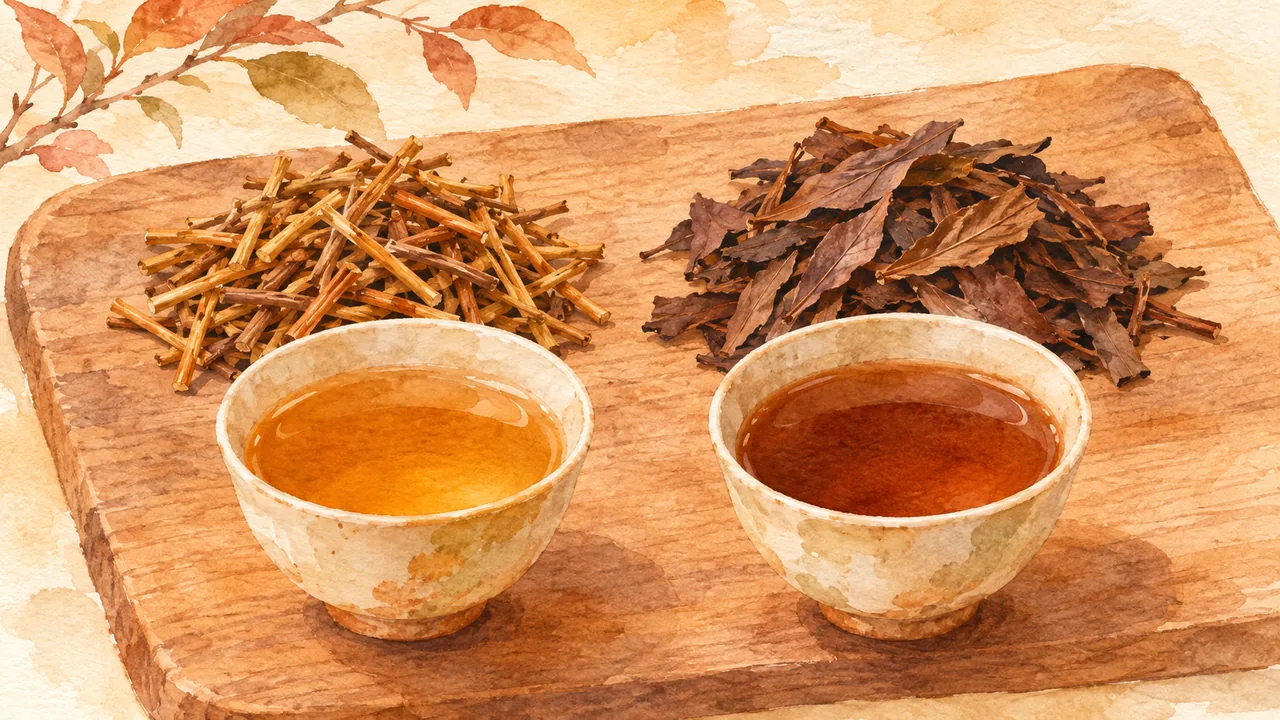
Hojicha is made either from roasted tea leaves or from roasted tea stems. Stem hojicha is called bocha ("stick tea") or kuki hojicha. When tea is picked, stems come with the leaves. Sencha and gyokuro use the leaf, so the sorted-out stems were long drunk locally as everyday tea, and roasting them to bring out more flavor is said to be how bocha began.
In an analysis that the tea maker Maruhachi Seichajo of Kaga, Ishikawa commissioned from the Ishikawa Prefectural Industrial Research Institute, stem hojicha contained 1.5 times the pyrazines (the compounds behind its toasty aroma) of leaf hojicha. Aroma compounds also found in lavender and rose were higher in the stems, too.
A light roast or a deep one
A light roast gives a clean aroma and a clear color; a deep roast gives stronger toastiness and a darker cup. The method matters as well. Direct-fire roasting, stirring the tea on a hot iron plate, gives a fuller flavor and a deeper color. Sand roasting mixes the tea with hot sand and is said to bring out an amber cup with a refined aroma and umami.
Hojicha once had the image of a cheap tea made from second- and third-flush leaves. Makers who choose their raw material and their roast have changed that.
2. Stem Hojicha: Kenjo Kaga Bocha and Shizuoka Bocha
"The finest roasted tea" for Emperor Showa
In 1983, Emperor Showa was to visit Ishikawa Prefecture for the National Tree Planting Festival. The hotel where he would stay decided to serve roasted tea, since he avoided strong drinks, and asked for "the finest." The request went to Maruhachi Seichajo, founded in 1863.
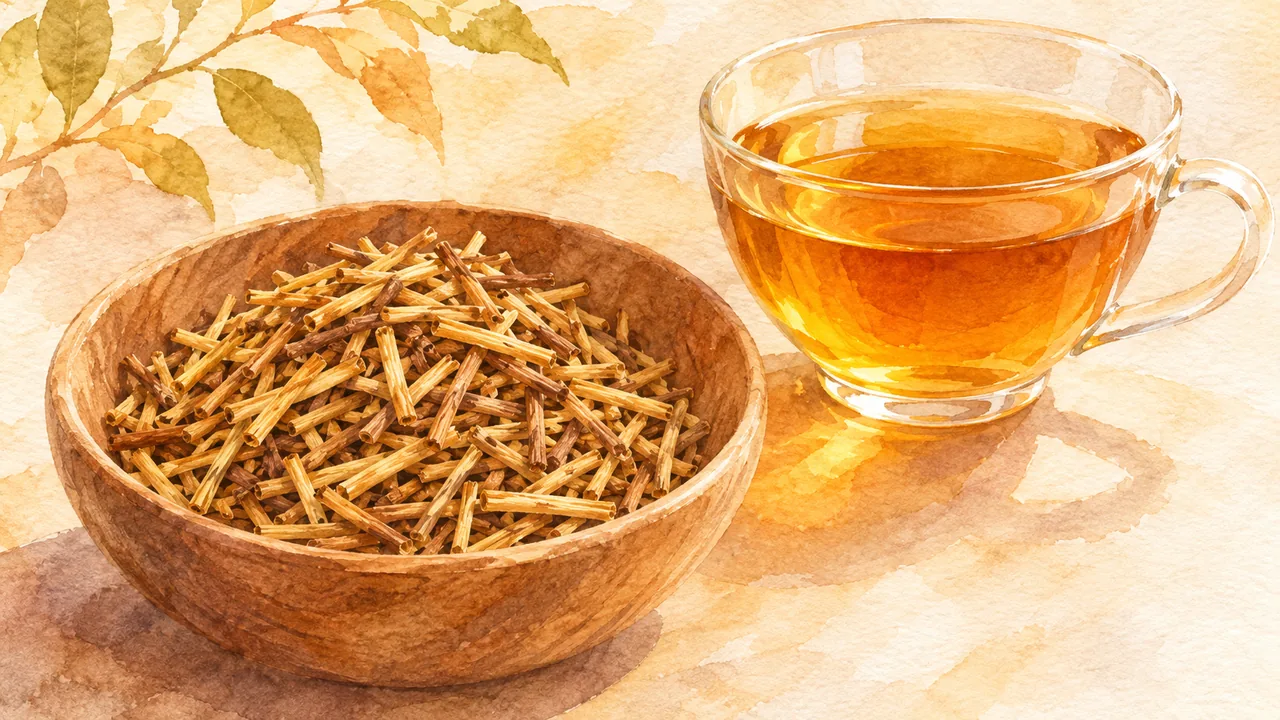
Maruhachi searched tea gardens across Japan and settled on the stems of the first picking. It also rethought the roast. Ordinary hojicha is roasted right through, which can scorch the surface and flatten the flavor; Maruhachi roasted the stems lightly instead, bringing out a toasty aroma and an easy, clean finish. The result was Kenjo Kaga Bocha, "Kaga stem tea presented to the Emperor."
Maruhachi Seichajo Kenjo Kaga Bocha: clear amber stem tea
For guests, or as a gift with a story. Good stems, roasted lightly so they puff up from the core. Stems aren't grown for their own sake, so they are hard to gather; Maruhachi works with several tea wholesalers to collect only the softest, best stems of the first flush.
A roaster adjusts each batch to the day's raw material, and several staff taste it before it ships. It's good brewed quickly in boiling water and also cold-brewed, where the toastiness comes through even more clearly. Sold in Japan.
Hagiri Kaori Bocha: Shizuoka stems, roasted in small batches
For drinking every day, by the large mugful. Stems from tea grown without pesticides in the upper Abe River area of Shizuoka City, roasted a little at a time by the Shizuoka tea shop Hagiri so it arrives freshly roasted. Sweet and fresh.
Cold-brew it over ice in summer; pour boiling water over it in winter. It goes well with rice crackers and even ice cream. Sold in Japan in 100 g bags.
3. Uji Hojicha: Marukyu Koyamaen and Ito Kyuemon
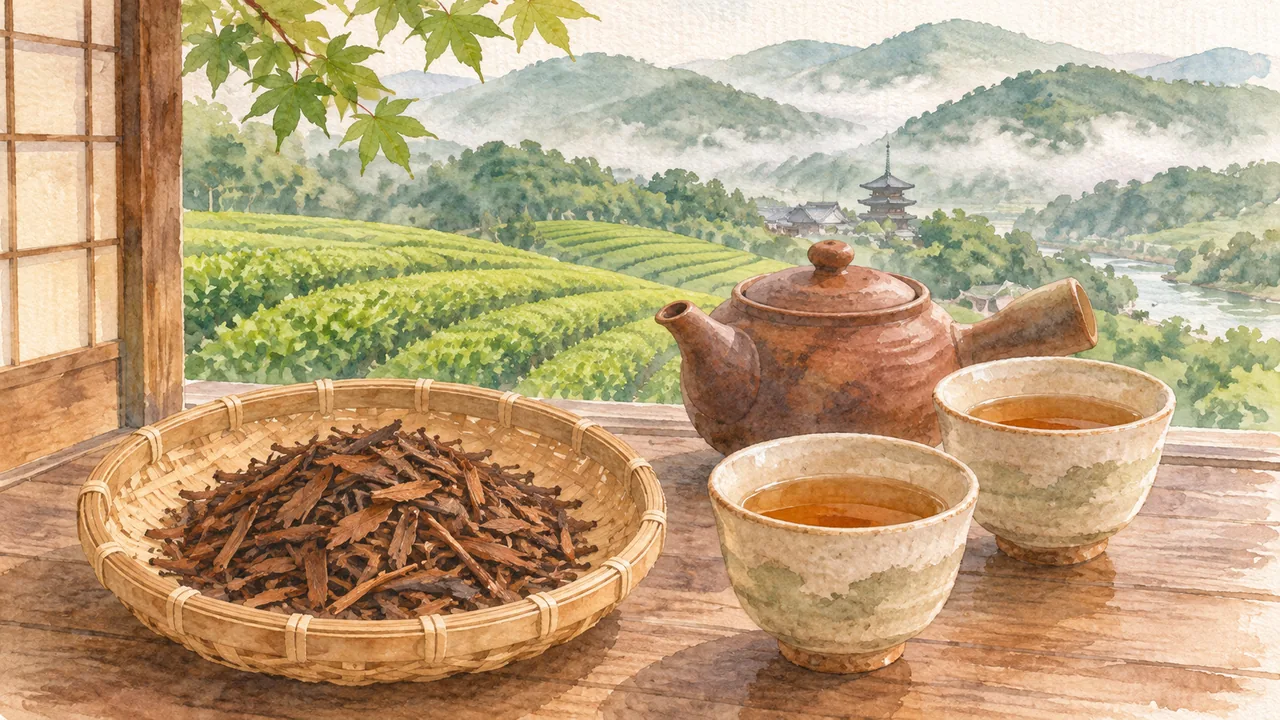
Uji, south of Kyoto, is known for matcha and gyokuro. Its old tea houses put the same care into hojicha, using first-flush tea or roasting the traditional way. It suits meals and sweets alike.
Marukyu Koyamaen Hojicha Kikukaori: first-flush tea, sand-roasted
For the tea you drink with meals. Marukyu Koyamaen of Uji roasts good first-flush and trimmed tea in hot sand, then blends in roasted stems left over from finishing tencha, the leaf that becomes matcha, for both depth and freshness.
Kikukaori is the upper grade, roasted from first-flush crude tea: sweet, light and very easy to drink. Sold in Japan.
Ito Kyuemon Hojicha Takara Kaori: the cup served in its tearoom
For enjoying the aroma. This is the hojicha Ito Kyuemon of Uji actually serves in the tearoom at its main shop; guests often ask which tea it is, and it is the most popular hojicha the house makes.
Founded in 1832, the tea house uses only selected Kyoto leaves. A 60 g bag is an easy first try. Sold in Japan.
4. Deep-Roasted Hojicha: Organic Chiran
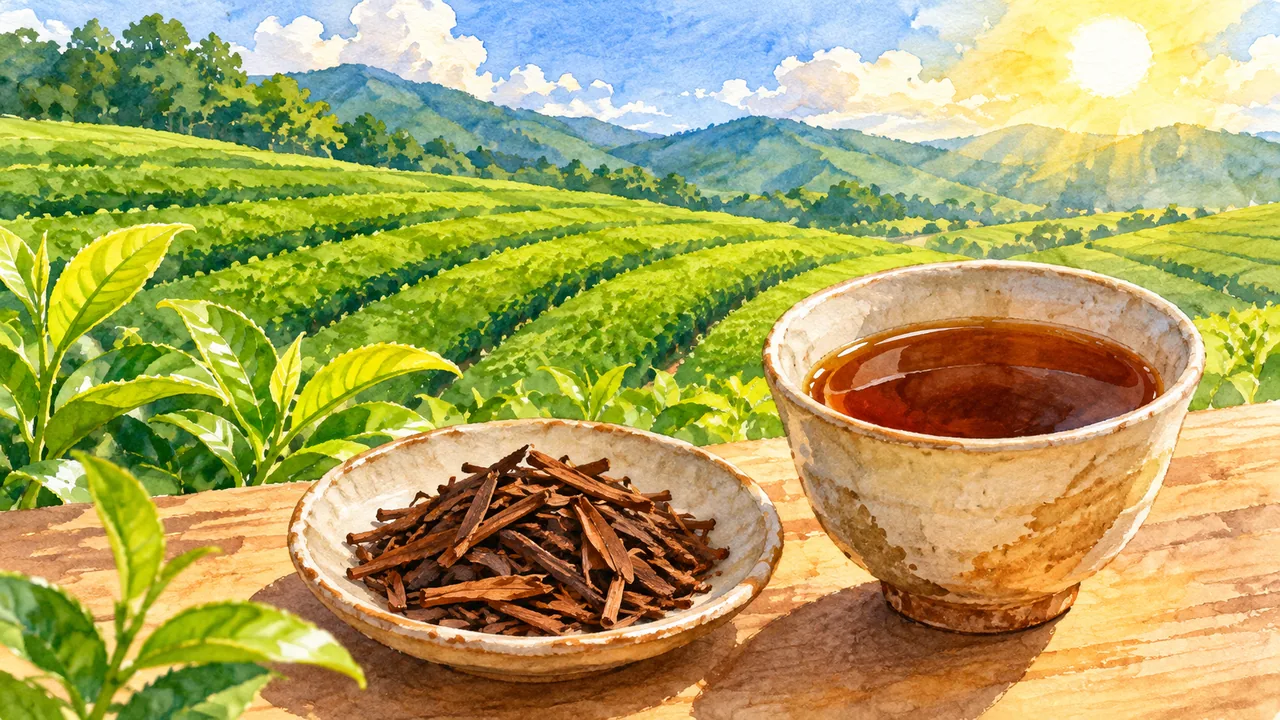
Chiran Organic Hojicha, Deep Roast: first flush only, roasted dark
For anyone who likes a bold, toasty cup. Tea farmers in Chiran, Kagoshima, grow the first flush organically and roast it deep. It is 100% JAS-certified organic Chiran tea, with a deep-roast toastiness and a faint sweetness. Where a light-roast bocha is clean, this one is rich. Sold in Japan.
5. How to Brew Hojicha
Boiling water, briefly
Sencha wants slightly cooled water, but hojicha is brewed with water straight off the boil, 100°C (212°F). The high temperature lifts the toasty aroma all at once.
A good starting point is 2 g of tea to 100 ml of boiling water for about 30 seconds. For Kenjo Kaga Bocha, Maruhachi suggests 6 g (about 3 tablespoons) to 260 ml for two people, for 25 seconds, and advises against simmering or long steeping. For a second infusion, leave it about a minute and the roast comes through more.
Cold-brewed, too
Put the leaves and cold water in a jug and leave it in the fridge overnight; by morning you have iced hojicha with a clean, toasty taste. Tea picks up moisture and smells easily, so close the bag well after opening.
6. Buying Hojicha Outside Japan
The five hojicha above are sold in Japan; we couldn't find them on Amazon.com. Much of the "hojicha" sold abroad is powder for lattes, and the package doesn't always say where the tea was grown. One stem hojicha that does say so:
Sugimoto Tea Hojicha Roasted Green Tea Stems (Shizuoka)
A stem hojicha, or bocha, you can order outside Japan. Sugimoto Tea, a Shizuoka tea company founded in 1946 with a base in the United States, roasts Shizuoka tea stems. The listing states 100% made in Japan. A 2.0 oz (57 g) bag is enough to try the stem style before buying more.
Sugimoto Tea Hojicha Roasted Green Tea Stems 2.0 oz (Shizuoka)
Loading product details…
If you're shopping at a Japanese grocery store or ordering from a Japanese online shop, these words on the label help:
· ほうじ茶 / 焙じ茶 (hojicha) — roasted green tea
· 棒茶 / 茎ほうじ茶 (bocha / kuki hojicha) — stem hojicha
· 加賀棒茶 (Kaga bocha) — stem hojicha from Kaga, Ishikawa
· 浅煎り / 深煎り (asairi / fukairi) — light roast / deep roast
· 一番茶 (ichibancha) — first flush; 国産 (kokusan) — grown in Japan
7. Frequently Asked Questions
Which is better, stem hojicha or leaf hojicha?
Choose stems for a clean aroma and a clear cup, leaves for toastiness and body. One analysis found stem hojicha carried 1.5 times the toasty aroma compounds of leaf hojicha.
What's the difference between hojicha and kyobancha?
Kyobancha is Kyoto's everyday tea of large leaves roasted over strong heat. It looks like fallen leaves, smells smoky like a bonfire and is simmered in a kettle. Hojicha is brewed briefly in a teapot.
How do I choose between a light roast and a deep roast?
Light roast if you like a clean aroma, deep roast if you like it toasty. A light roast is clearer in color and lighter to drink; a deep roast is darker, with a sweet toastiness.
Can I cold-brew hojicha?
Yes. Put the leaves and cold water in a jug and leave it in the fridge overnight. The maker of Kenjo Kaga Bocha says the toastiness comes through even more clearly cold than hot.
How should I store hojicha?
Away from heat, humidity and strong smells. After opening, seal the bag well or move the tea to a tea canister, and drink it soon.
Which hojicha makes a good gift?
Kenjo Kaga Bocha, created for Emperor Showa, is a gift with a story. Hojicha from the old Uji tea houses is another good choice. To pair it with sencha or gyokuro, see our Japanese tea gift guide.
Final Thoughts: Stems or Leaves, Light or Deep
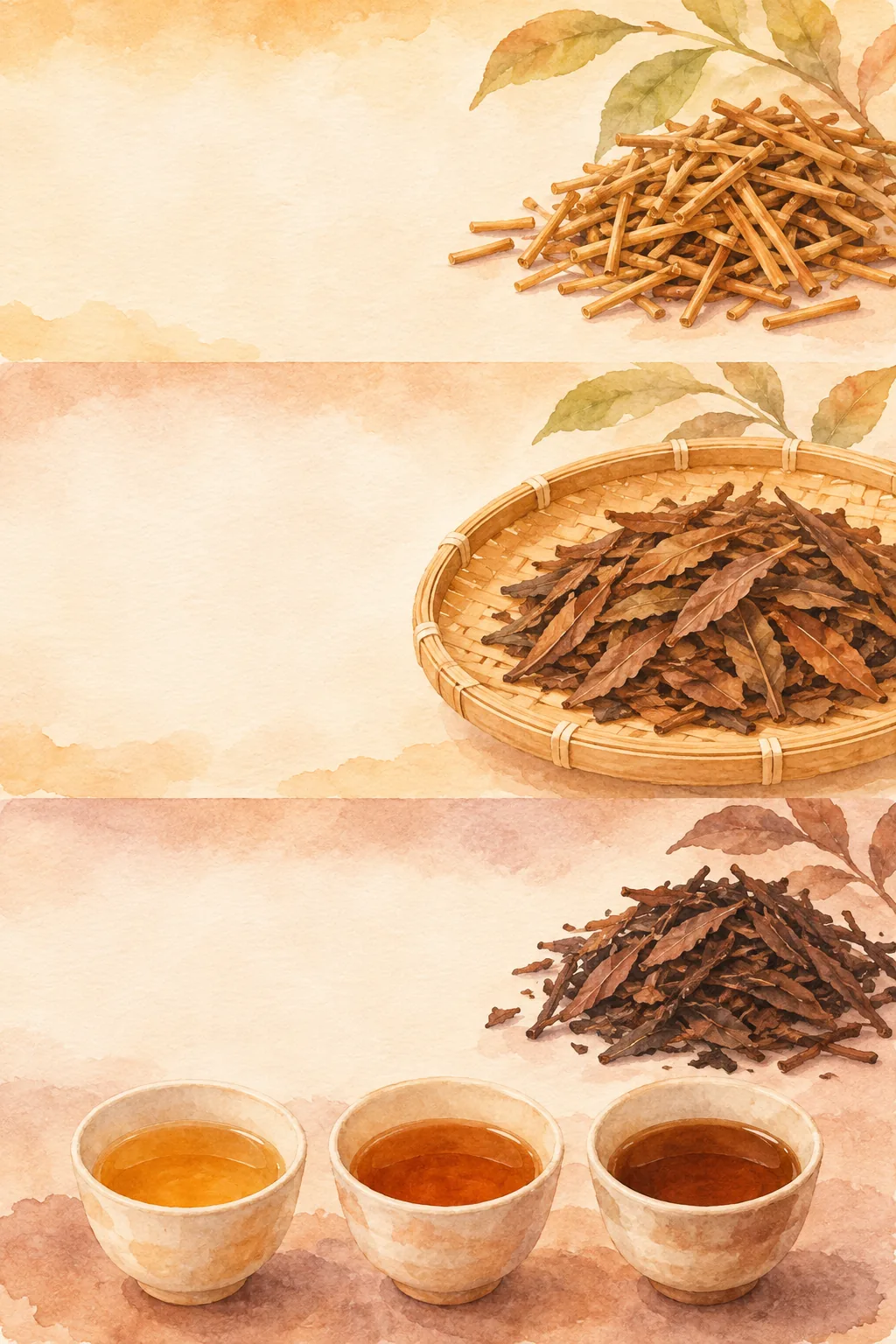
The aroma of hojicha comes down to its raw material and its roast.
First-flush stems, lightly roasted: Kenjo Kaga Bocha. Shizuoka stems roasted in small batches: Hagiri. First-flush tea roasted in sand: Marukyu Koyamaen. The cup from an Uji tearoom: Ito Kyuemon. Organic first flush roasted deep: Chiran. Outside Japan, try Sugimoto's Shizuoka stem hojicha.
Choose your next cup by how it was roasted.
Japanese Tea Gift Guide: Best Matcha, Sencha & Gyokuro

How to Brew Sencha: Temperature & Steeping Time Guide