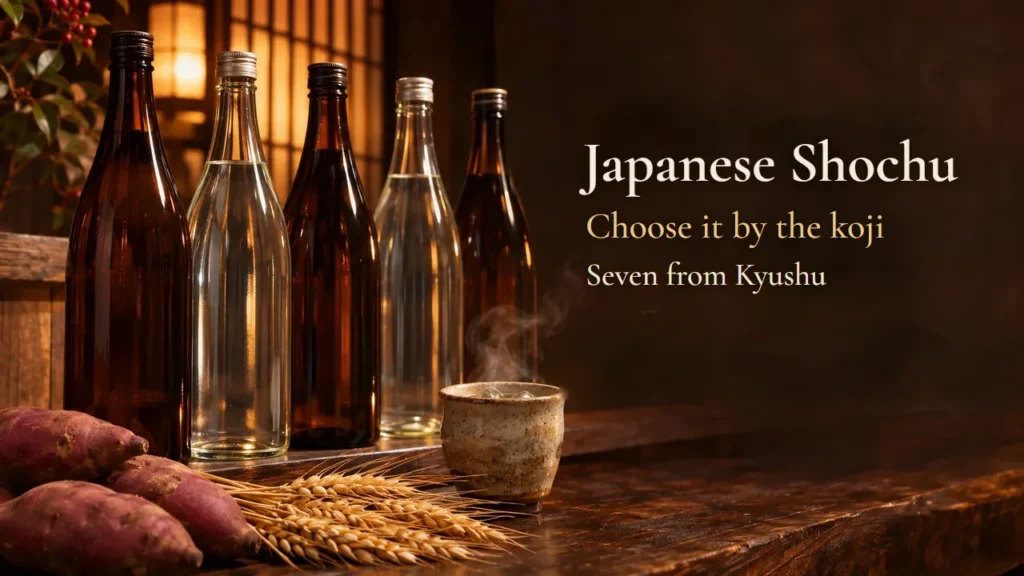
"Sweet potato shochu smells too strong for me."
If that's been your experience, the cause may not be the sweet potato at all, but the koji and the still. The same sweet potato can make a rich, round shochu or one that smells of fruit, depending on which koji ferments it and how it's distilled. Kyushu's distilleries choose that combination deliberately.
This guide introduces seven Kyushu shochu: black-koji Kurokirishima, yellow-koji Tomino Hozan, hand-made-koji Nakamura, Nikaido (said to be the first 100% barley shochu), naked-barley Kanehachi, Nakanaka from the house of Hyakunen no Kodoku, and Iki, from the island said to be where barley shochu began. Plus how to drink it.
Quick Reference: Seven Kyushu Shochu
| Shochu | Distillery (region) | Base / koji | For |
|---|---|---|---|
| ▼ Imo (sweet potato) shochu | |||
| Kurokirishima ▾ | Kirishima Shuzo (Miyazaki) | Kogane Sengan / black koji | The classic first bottle |
| Tomino Hozan ▾ | Nishi Shuzo (Kagoshima) | Kogane Sengan / yellow koji | If imo shochu seems too strong |
| Nakamura ▾ | Nakamura Shuzojo (Kagoshima) | Sweet potato / hand-made rice koji | A small distillery's hand work |
| ▼ Mugi (barley) shochu | |||
| Nikaido ▾ | Nikaido Shuzo (Oita) | Barley / barley koji | An everyday bottle |
| Kanehachi ▾ | Yotsuya Shuzojo (Oita) | Naked barley / barley koji | Toasty barley lovers |
| Nakanaka ▾ | Kuroki Honten (Miyazaki) | Two-row barley / barley koji | Hot water mixes |
| Iki Super Gold ▾ | Genkai Shuzo (Iki, Nagasaki) | 2 barley : 1 rice koji, oak-aged | A gift |
1. Why Japanese: Koji and the Still Matter More Than the Base
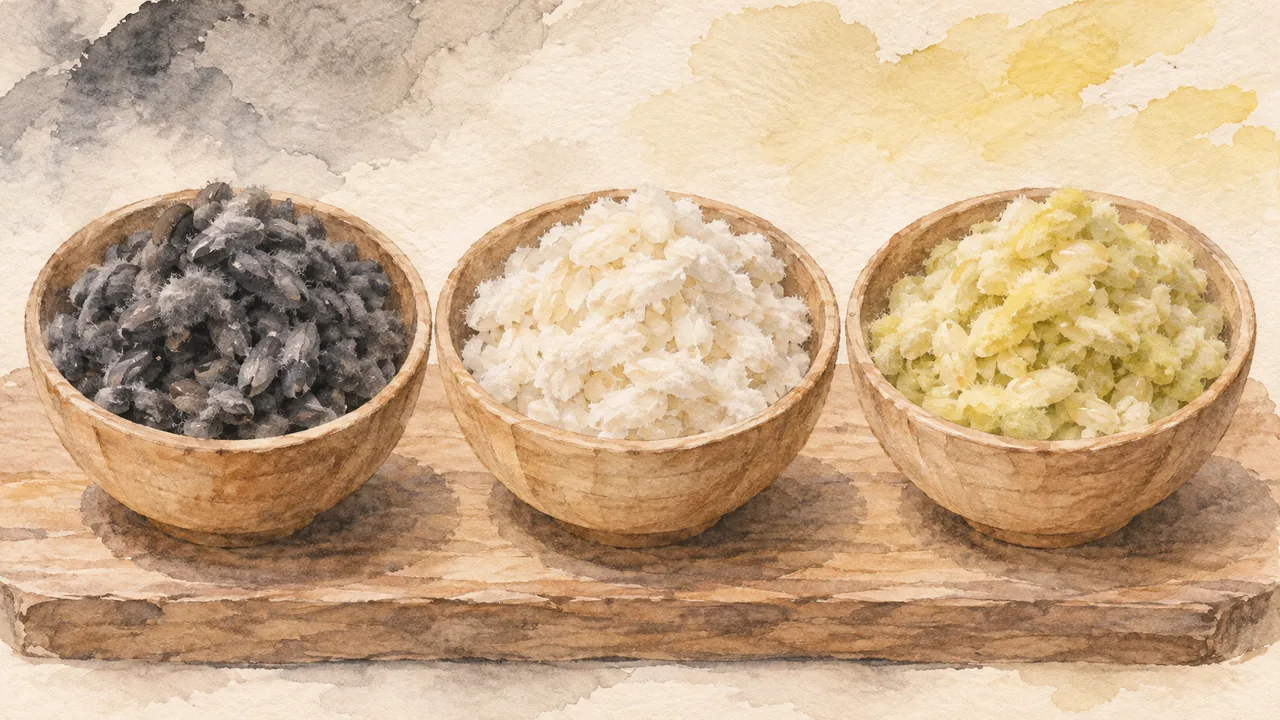
The color of the koji sets the direction
Shochu is made by fermenting a base, such as sweet potato or barley, with koji (rice or barley grown with koji mold), then distilling it. The type of koji largely decides the flavor.
· Black koji is said to give body and a crisp finish. Kirishima Shuzo describes black koji's flavor as "a thick sweetness and a sharp, clean finish."
· White koji is said to give a mild, soft taste, and is the most widely used today.
· Yellow koji, the koji used for sake, is said to bring out fruity, aromatic notes.
Atmospheric or reduced-pressure distillation
Atmospheric distillation, at normal pressure, is said to keep the base's aroma and body. Reduced-pressure distillation lowers the pressure so it distills at a lower temperature, giving a lighter, cleaner spirit. If imo shochu has seemed too strong, try one made with yellow koji or reduced-pressure distillation; if you want the full character of sweet potato, look for black koji and atmospheric distillation.
2. Imo Shochu: Black Koji, Yellow Koji, Hand-Made Koji
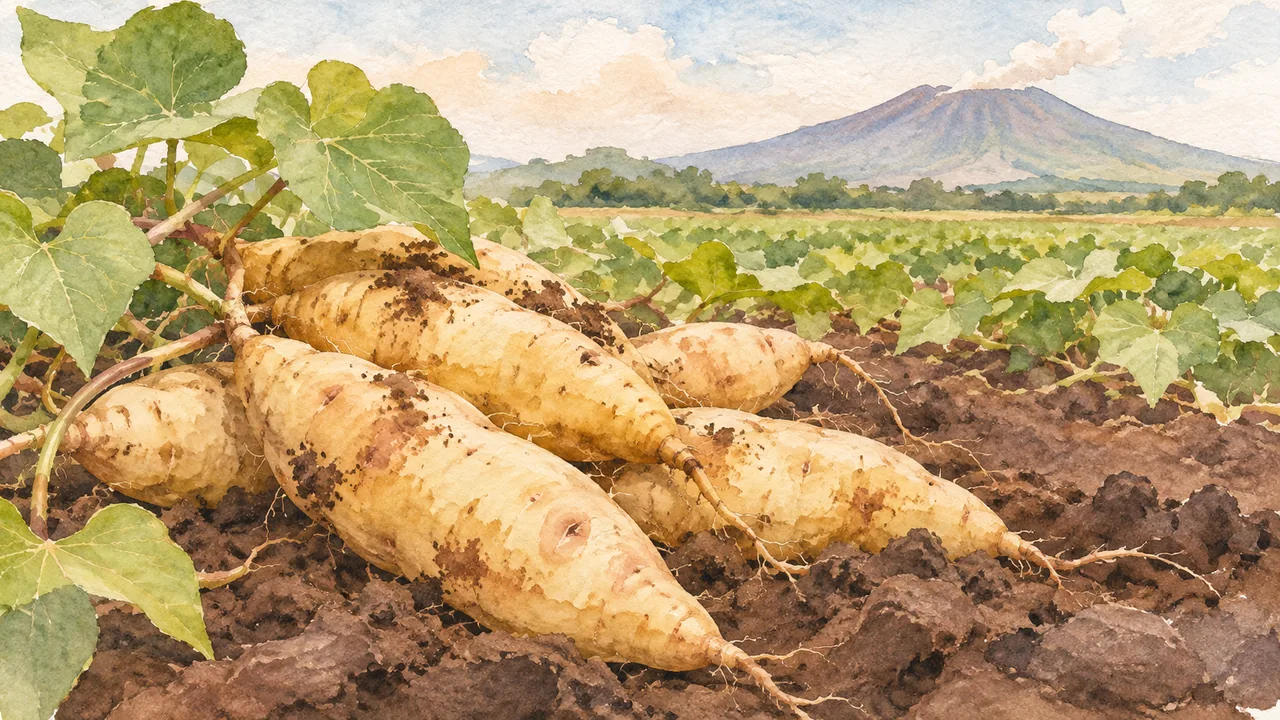
Kagoshima and Miyazaki in southern Kyushu are imo shochu country. These three show the koji difference clearly: black koji for body, yellow koji for aroma, hand-made koji for a small distillery's character.
Kirishima Shuzo Kurokirishima: black koji, thick and crisp
The classic first imo shochu. Kirishima Shuzo of Miyakonojo, Miyazaki, recreated the black-koji taste of its early days. It uses Kogane Sengan sweet potatoes from southern Kyushu and Kirishima Rekka Sui, spring water from beneath the Miyakonojo basin. Few rough edges in the aroma, a rounded sweetness and a clean finish. The distillery recommends it on the rocks, with a glass full of cracked ice.
Nishi Shuzo Tomino Hozan: yellow koji and two stills
For anyone who thinks they don't like imo shochu. Nishi Shuzo, founded in 1845 in Hioki, Kagoshima, ferments carefully polished Kogane Sengan slowly at low temperature with yellow koji, and uses both atmospheric and reduced-pressure distillation. Aromatic and light going down, yet with real sweet-potato sweetness and depth.
Nakamura Shuzojo Nakamura: hand-made rice koji
A small distillery's hand work. Nakamura Shuzojo in Kirishima, Kagoshima, makes its rice koji by hand from Hinohikari rice grown in Kagoshima with added calcium and magnesium for the volcanic soil. Distilled at atmospheric pressure, with sweet-potato character and softness.
3. Mugi Shochu: Oita and Miyazaki
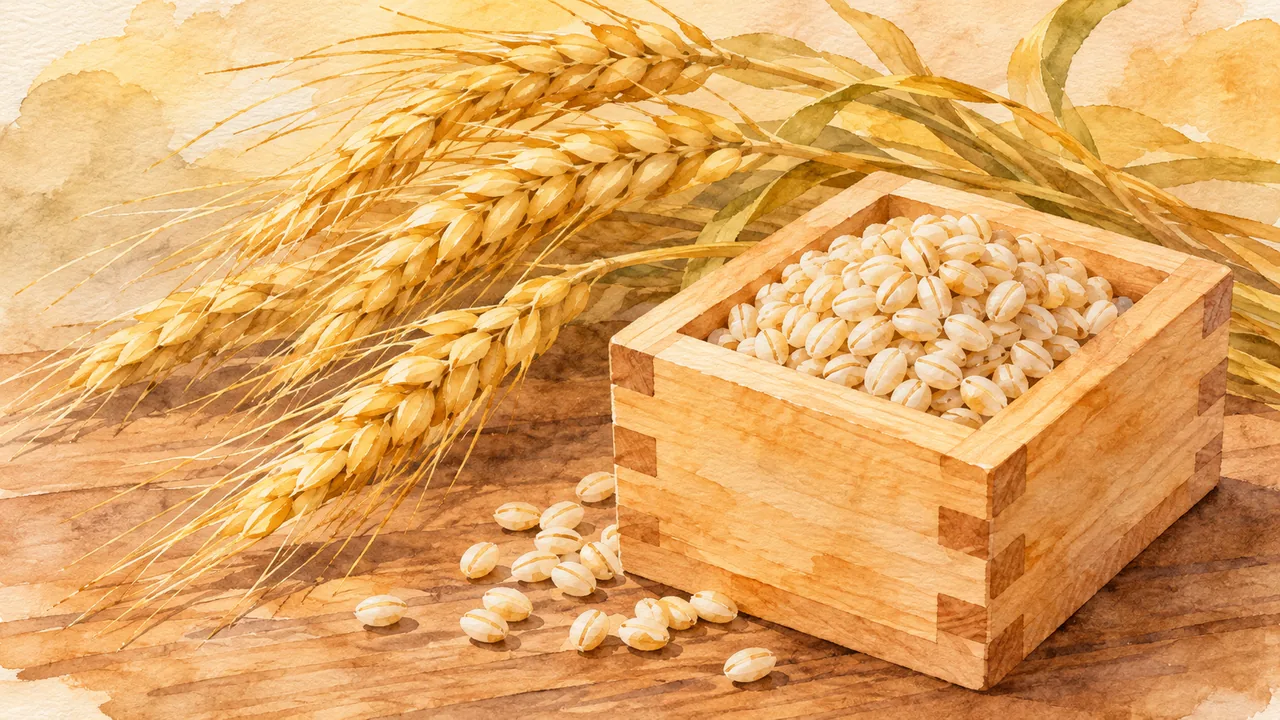
Nikaido Shuzo Nikaido: from the first 100% barley shochu
The distillery said to have created 100% barley shochu, koji included. Nikaido Shuzo in Hiji, Oita, began making koji from barley in 1951, developed a shochu of barley and barley koji alone in 1973 and released it in 1974, which is said to have sparked Japan's shochu boom. An everyday bottle with history behind it.
Yotsuya Shuzojo Kanehachi: the toastiness of naked barley
For barley you can taste. Yotsuya Shuzojo in Usa, Oita, polishes Japanese naked barley to 65% and distills it at atmospheric pressure in a pot still to draw out the grain's own aroma. Toasty and deep, nothing like the clean, light barley shochu. Try it on the rocks.
Kuroki Honten Nakanaka: the everyday bottle from the house of Hyakunen no Kodoku
For hot-water mixes on winter nights. Kuroki Honten in Miyazaki, known for the aged barley shochu Hyakunen no Kodoku, makes Nakanaka from Kyushu two-row barley. Light aroma, smooth texture and a toasty, gently sweet grain character; with hot water, the sweetness deepens.
4. Iki: The Island Where Barley Shochu Is Said to Have Begun
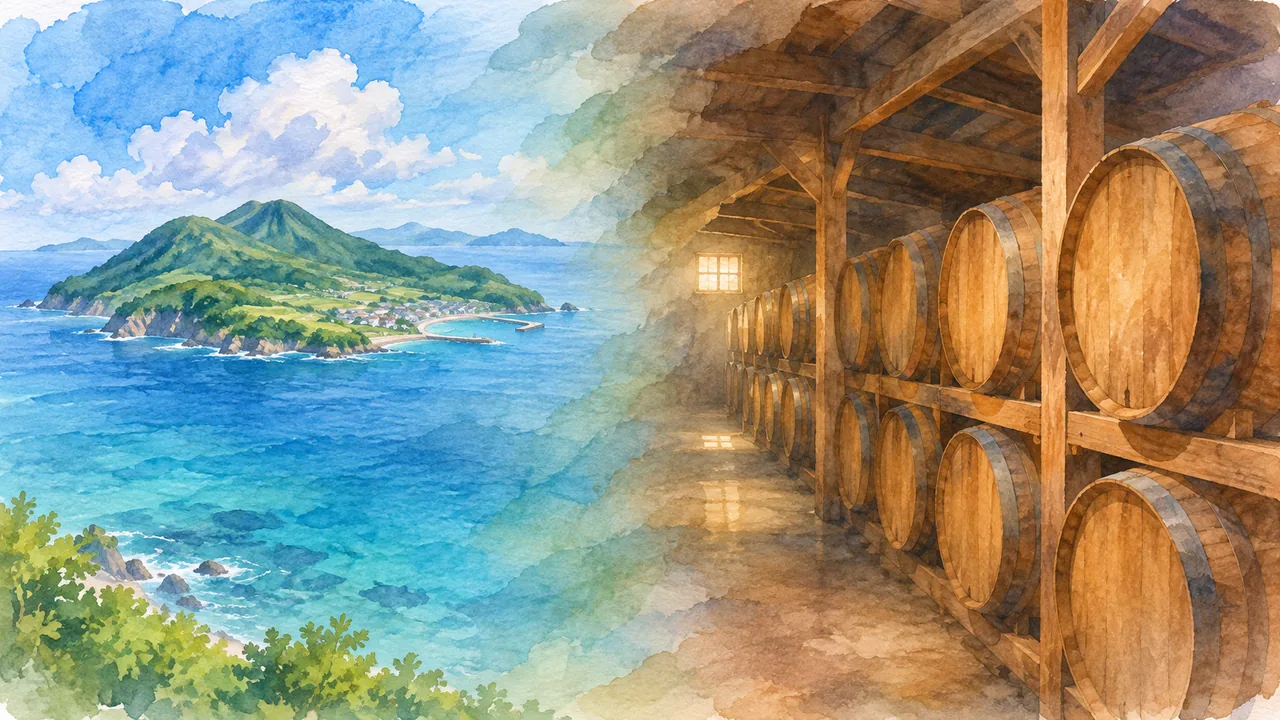
Iki, an island in Nagasaki Prefecture, is said to be where barley shochu began, first made by farmers for their own use. In 1995 Japan's National Tax Agency designated "Iki" a geographical indication for shochu. Where other barley shochu usually uses barley koji, Iki shochu is traditionally made from two parts barley to one part rice koji, and the rice koji gives it a natural sweetness.
Genkai Shuzo Iki Super Gold: five years in oak, in an underground cellar
A gift-worthy Iki shochu. Genkai Shuzo keeps only the hondare, the stable middle cut of the distillation with the best aroma and flavor, and ages it five years in oak barrels in an underground cellar. Released in 1990, with no added sweeteners; the sweetness comes from rice koji and barley. The 720 ml bottle is an easy size to give.
5. Hot Water, Rocks or Maewari
In winter, with hot water. Pour the hot water first, then the shochu; it mixes on its own and the aroma lifts, it's said. Six parts shochu to four parts hot water is a common starting point.
On the rocks to taste the aroma: fill the glass with ice, as Kurokirishima's distillery suggests, and stir slowly.
Maewari, a Kyushu custom: dilute shochu with water in advance and let it rest for a few days to a week. The water and spirit are said to marry and soften.
6. Finding Shochu Outside Japan
Amazon.com doesn't sell shochu in the US, and we couldn't find these seven there. Your best route is a liquor store with a Japanese section or a Japanese grocery store with a liquor license. Searching the brand name on Wine-Searcher can show which shops near you stock it.
On a Japanese label, these words help: 芋焼酎 (imo shochu), 麦焼酎 (mugi shochu), 本格焼酎 (honkaku shochu), 黒麹 / 白麹 / 黄麹 (black / white / yellow koji), 常圧 / 減圧 (atmospheric / reduced-pressure).
7. Frequently Asked Questions
I don't like the smell of sweet potato shochu. Where should I start?
Tomino Hozan. It's fermented with yellow koji, which is said to bring out fruity aromas, and distilled with both atmospheric and reduced-pressure stills for a light, aromatic spirit.
Imo or mugi for a first shochu?
Mugi for something clean, imo for aroma and body. Nikaido and Kurokirishima are the easy classics of each.
What does "honkaku shochu" mean?
Shochu distilled once in a pot still, keeping the base's character. Under Japanese liquor law it's single-distilled shochu, and only shochu made from approved ingredients may be labeled honkaku.
How is Iki shochu different from other barley shochu?
It uses rice koji with the barley, two parts barley to one of rice koji. Other barley shochu usually uses barley koji. The rice koji gives Iki its natural sweetness.
How long does an open bottle keep?
A long time; shochu is a distilled spirit. Keep it out of direct sun and heat, tightly closed. The aroma slowly changes once opened, so drink aromatic ones sooner.
Which makes a good gift?
Iki Super Gold in its 720 ml bottle. For a shochu lover, Kanehachi's toasty naked barley is a memorable choice.
Final Thoughts: Choose Shochu by Koji and Base
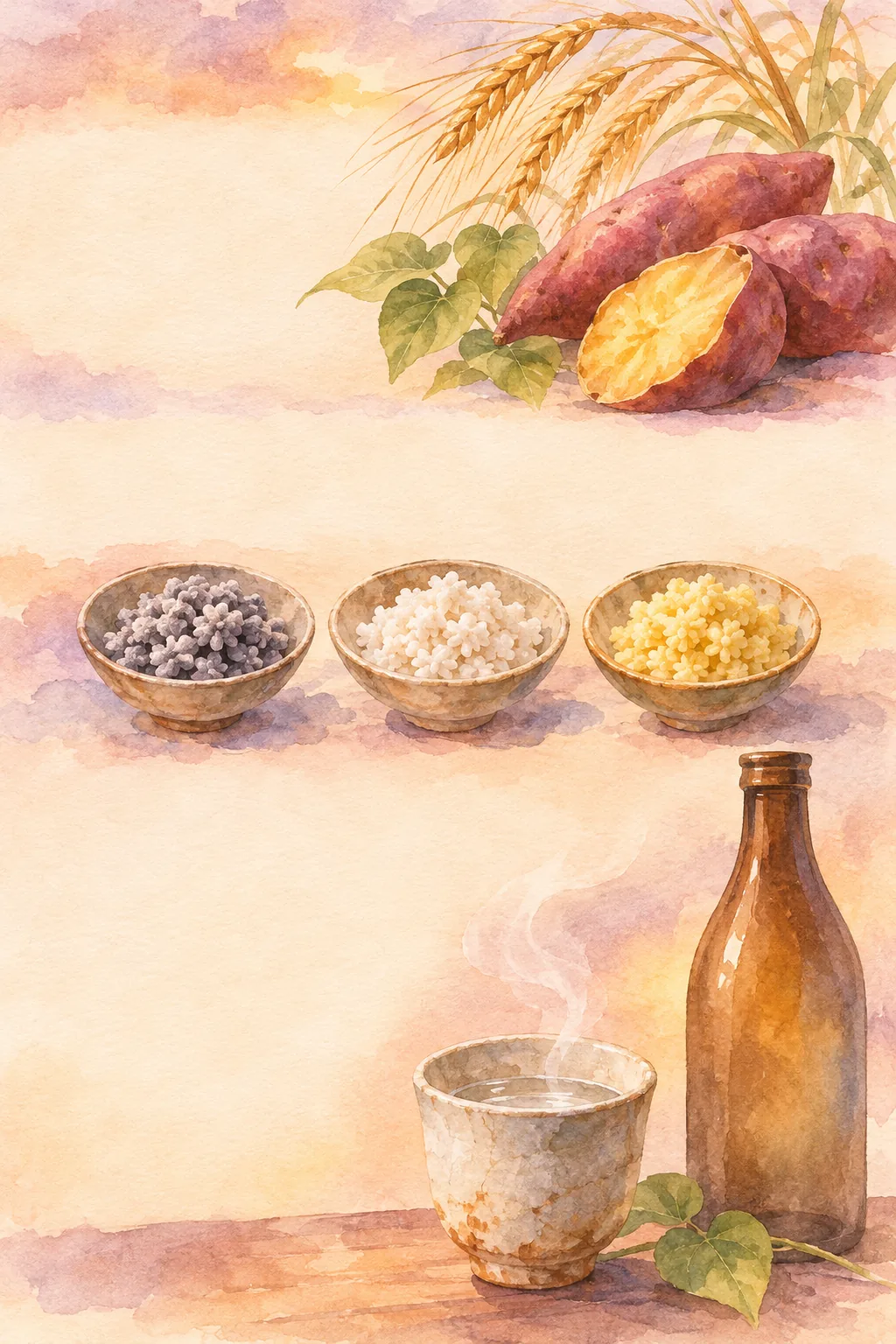
Shochu's flavor depends less on sweet potato or barley than on the koji and the still.
Black koji's body and finish in Kurokirishima; yellow koji's aroma in Tomino Hozan; hand-made koji in Nakamura. Nikaido's 100% barley, Kanehachi's naked barley, Nakanaka's two-row barley. And Iki, two parts barley to one of rice koji, aged in oak.
Japanese Shochu Servers & Kurojoka: The Art of Maewari at Home
How to Choose Sake: Kimoto, Yamahai and Rice Polishing