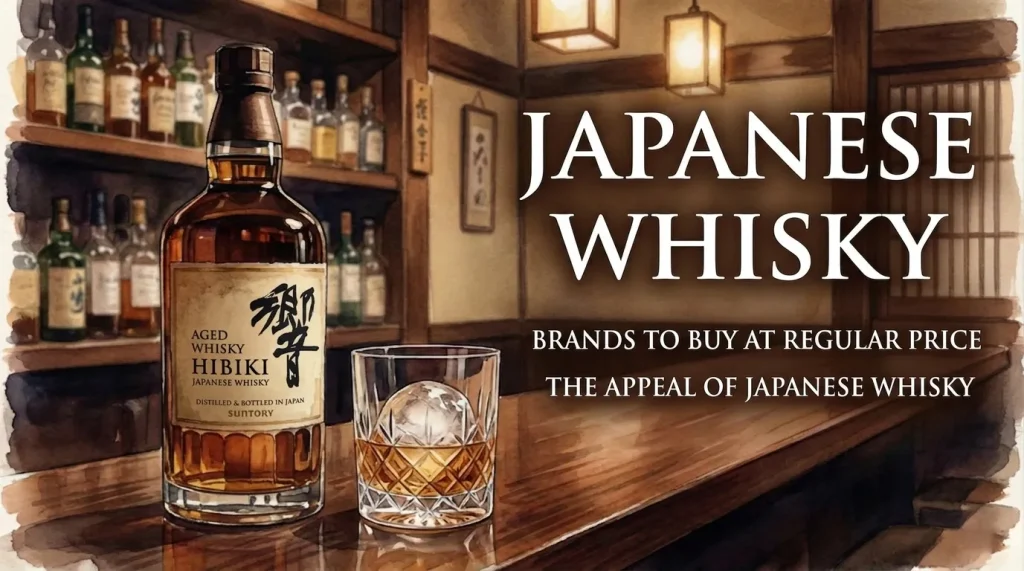
Japanese whisky has become one of the most coveted gift categories in the world — and for good reason.
① For the beginner: Suntory Toki — light, herbaceous, and effortlessly elegant in a highball.
② For the curious: Nikka Coffey Grain — the grain whisky that surprises every first-time drinker with its sweetness and depth.
③ For the enthusiast: Nikka Yoichi — the single malt from Hokkaido that Scotch lovers consistently reach for.
"I'd love to give Yamazaki or Hibiki — but they're impossible to find and the resale prices are absurd."
You are not alone in this frustration. The good news is that outside the heavily scalped single malts, there is a layer of genuinely excellent Japanese whisky that can be purchased at retail price — and that impresses whisky drinkers far more than an overpriced bottle with a famous label.
This guide explains what makes Japanese whisky special, how to choose a gift that is both findable and impressive, and which three bottles to consider first.
Quick Reference: 3 Gift Whiskies Compared
| Feature | Suntory Toki | Nikka Coffey Grain | Nikka Yoichi Single Malt |
|---|---|---|---|
| Style | Blended (Hakushu, Yamazaki, Chita) | Grain whisky (Coffey column still) | Single malt (Hokkaido) |
| Flavor | Fresh, light, herbaceous — highball-ready | Sweet vanilla and coconut, gentle finish | Smoky, maritime, robust — complex and layered |
| Availability | ◎ Widely available on Amazon.com | ◎ Available on Amazon.com | ◎ Available on Amazon.com |
| Gift presentation | ◎ Sleek, modern bottle — minimal and elegant | ○ Unique grain style — impresses the whisky-curious | ◎ Prestigious single malt from Hokkaido's legendary distillery |
| Best for | Beginners; highball lovers | Whisky curious; those who want something unexpected | Scotch lovers; enthusiasts who appreciate robust character |
1. Why Japanese Whisky Has Won Over the World
Why has "Japanese whisky" become so sought after globally? The answer lies in a combination of distinctive natural conditions and a fundamentally different philosophy about what whisky should do.
Built for the Table — Delicate and Balanced
Where Scotch whisky often leads with powerful smoke and medicinal intensity, Japanese whisky prioritizes fruit, flowers, and balance.
Japan developed its own drinking styles — water-diluted mizuwari and the highball (whisky with soda) — that require a spirit refined enough to hold its character without overwhelming the palate or the food alongside it. Japanese whisky was engineered to disappear into a meal rather than dominate it. This is not a weakness. It is extraordinary precision.
The Science: Mizunara Oak, Lactones, and Japan's Four Seasons
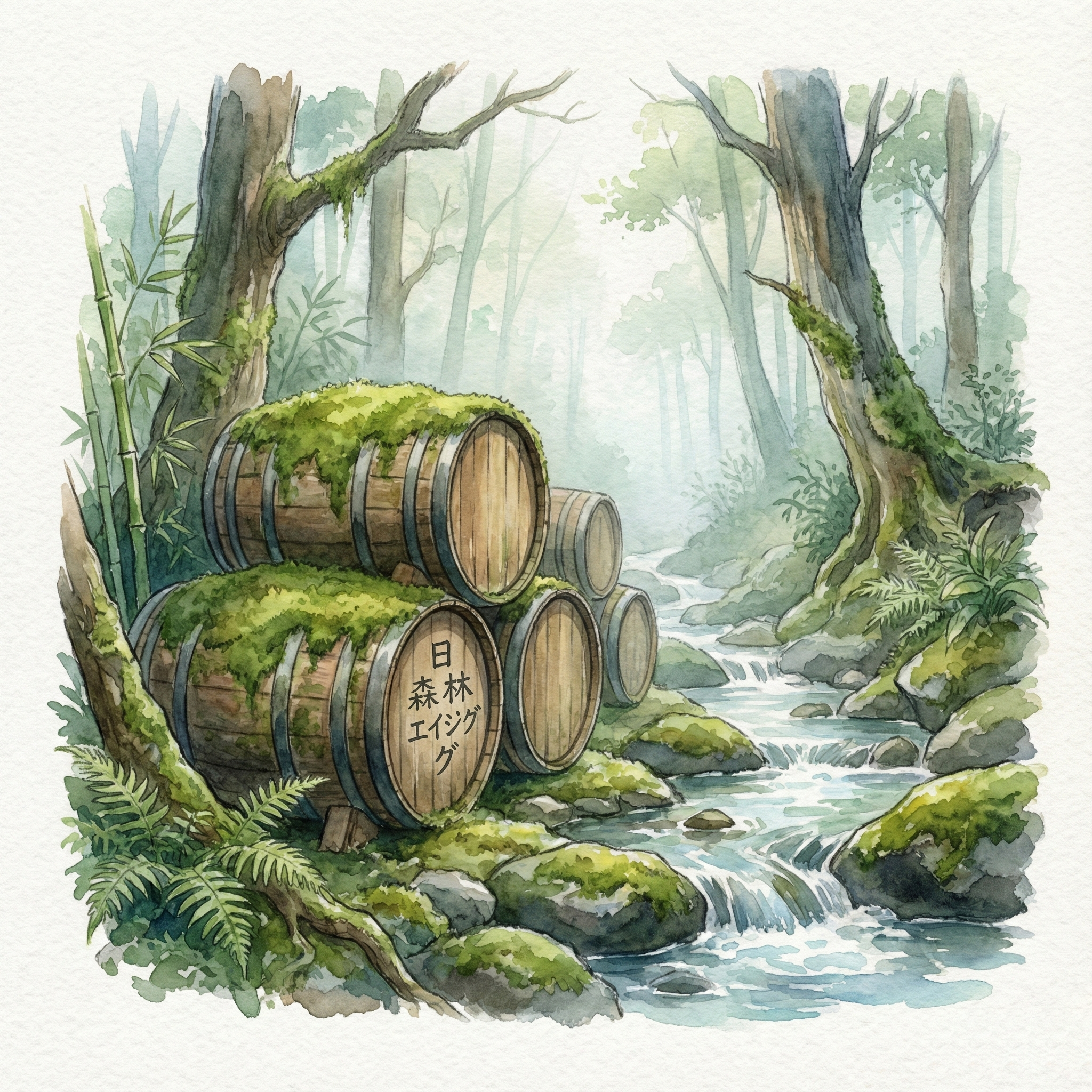
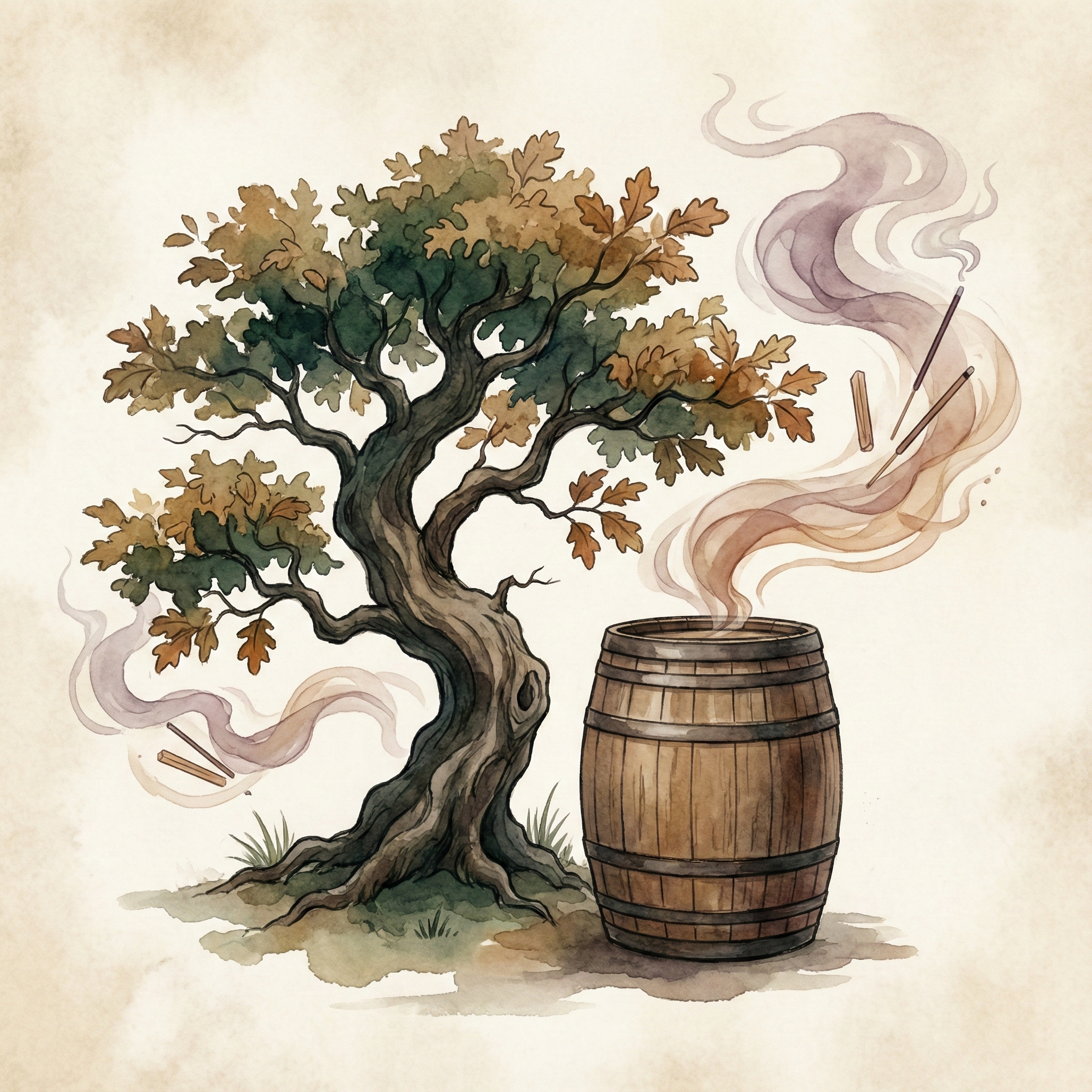
The incense-like, sandalwood fragrance that confounds and captivates international whisky judges comes from a unique Japanese oak: mizunara (水楢). This compound is chemically identified as oak lactone (whisky lactone).
Mizunara grows slowly and is porous — technically difficult to use as a cask material because it weeps spirit. But that porosity allows the wood's compounds to diffuse deeply into the matured spirit. Combined with Japan's dramatic seasonal temperature swings, which cause intense barrel expansion and contraction (the barrel "breathing"), lactone is extracted in exceptional quantities that few other climates can replicate.
The resulting fragrance — sacred, complex, almost otherworldly — is something the world's other whisky-producing nations cannot simply copy.
2. How to Choose a Whisky Gift — The Retail-Price Strategy
The famous single malts — Yamazaki, Hakushu — are currently selling at 3–5 times their retail price on the secondary market.
For a gift, look instead at premium blended whiskies and single malts that remain available at retail: more accessible, equally impressive, and honest to give.
Look for the Upper-Range Blended Expression
Blended whisky — multiple malt and grain spirits combined by a master blender — has more stable production volumes than limited single malts. And blending is where Japanese whisky houses show their deepest craft: not "mixing" in a pejorative sense, but composing a precise harmony from dozens of elements.
In the $30–$70 range, the quality of Japanese whisky available on Amazon is remarkable. This is where the real value lives right now.
Always Choose a Boxed Bottle
Whisky is light-sensitive. Quality bottles always come in a protective carton.
When purchasing online, confirm the listing specifies "boxed" (hako-tsuki). The cartons themselves are often beautifully designed — structured, considered, premium in feel. They need no additional gift wrapping to make an impression.
3. 3 Japanese Whiskies Perfect for Gifting
Each of these can be purchased at retail price on Amazon.com — and each one will impress a whisky drinker who actually knows what they are looking at.
Suntory Toki — The Highball Standard
A blended whisky crafted from Suntory's three legendary distilleries — and the definitive Japanese highball bottle.
Toki (meaning "time" in Japanese) draws from Hakushu, Yamazaki, and Chita to produce a spirit that is fresh and lightly herbaceous on the nose, with notes of crisp green apple, basil, and a clean, lingering finish. Designed specifically to shine in a highball — diluted with sparkling water over ice — it reveals a minerality and elegance that belies its approachable price.
The best first bottle for a recipient who is new to Japanese whisky, or for anyone who enjoys the highball ritual.
- Style
- Blended Japanese whisky
- Distilleries
- Hakushu, Yamazaki, Chita (all Suntory)
- Best enjoyed
- Highball (whisky + sparkling water) or on the rocks
- Price range
- $35–$50
Nikka Coffey Grain — The Unexpected Gem
A grain whisky distilled in 19th-century Coffey stills — delivering a sweetness and texture that surprises even seasoned drinkers.
Named after Aeneas Coffey, inventor of the continuous column still, Nikka's Coffey Grain is made primarily from corn at the Miyagikyo distillery. Grain whisky is typically the backbone of blends, rarely bottled on its own — which makes this release a genuine curiosity. It offers sweet vanilla, coconut, and tropical fruit on the palate with a gentle, lingering warmth that feels lighter and more refined than traditional malt whisky.
For a recipient who has tried the usual suspects and wants to be genuinely surprised.
- Style
- Single grain whisky (Coffey continuous still)
- Distillery
- Miyagikyo (Nikka, Sendai, Miyagi)
- Best enjoyed
- Straight or with a single large ice sphere
- Price range
- $50–$65
Nikka Yoichi Single Malt — For the Scotch Lover
Japan's most Scotch-like single malt — built on peaty, maritime character from Hokkaido's northernmost distillery.
Masataka Taketsuru, who founded Nikka, trained at Scottish distilleries before choosing Yoichi in Hokkaido for its climate resembling the Scottish Highlands. The result is a single malt with unmistakable smoke and maritime richness — complex, layered, with dried fruit, peat, and a long warming finish. Where most Japanese whiskies prioritize delicacy, Yoichi delivers power and depth.
The ideal gift for a Scotch drinker who is ready to discover that Japan can produce something in that tradition — and do it differently.
- Style
- Single malt
- Distillery
- Yoichi (Nikka, Hokkaido)
- Best enjoyed
- Neat or with a splash of still water
- Price range
- $65–$90
4. How to Drink It — Glassware That Makes a Difference
A carefully chosen bottle deserves a glass that honors it. The right glass does not simply hold the whisky — it changes how it lands on the palate and in the nose.
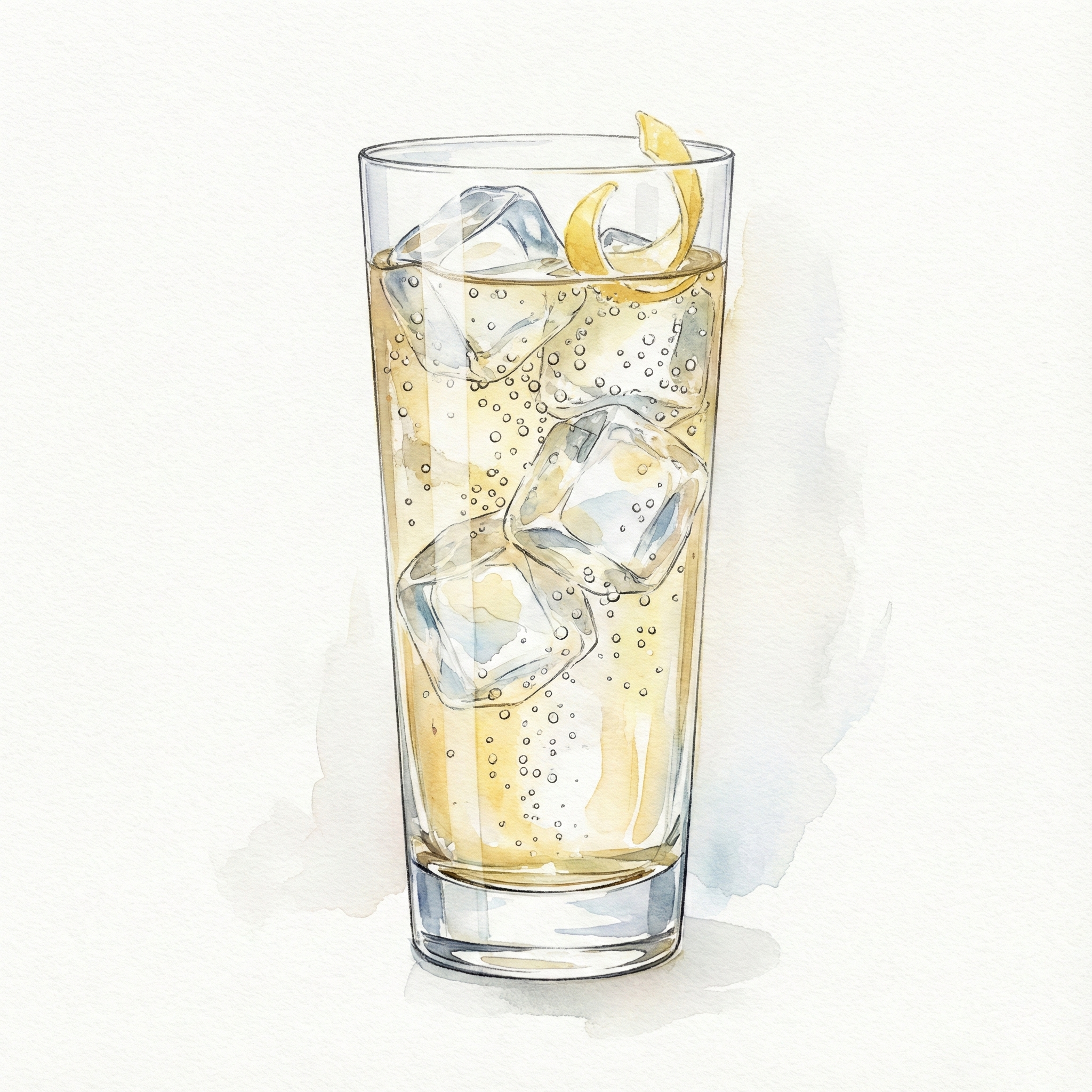
For Highball: Usuhari Thin Glass
Japanese whisky in soda water is one of the great pleasures of the cuisine — and the glass matters more than most people realize.
Usuhari (薄張り) glass — mouth-blown to extreme thinness — eliminates the barrier that a thick rim creates between the drink and the palate. The carbonation and flavor arrive with nothing between them and your tongue. The same highball you've been drinking for years tastes noticeably cleaner and more alive in an usuhari glass.
For On the Rocks: Edo Kiriko Cut Glass
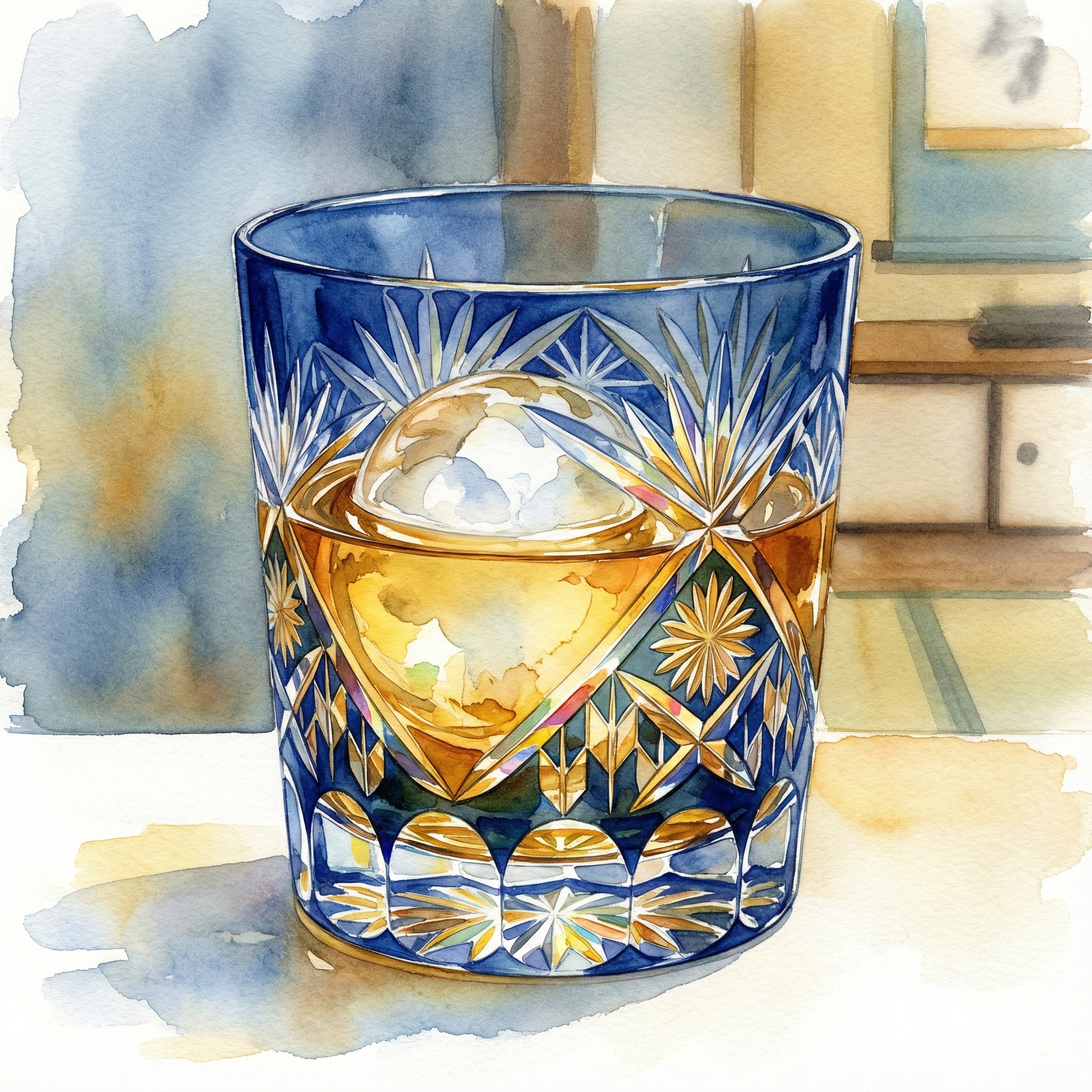
When drinking over ice — a slower, more contemplative pace — a substantial rock glass befits the ritual.
Edo kiriko (江戸切子) cut glass, the traditional Tokyo craft, refracts light through its geometric facets in a way that makes amber whisky look like liquid citrine. Setting ice in an Edo kiriko glass and watching the color play as it melts is its own small theater.
It is a gift within a gift: buy the whisky, include the glass, and give someone an evening.
5. Frequently Asked Questions
Does whisky have an expiration date?
No — the high alcohol content prevents spoilage indefinitely.
An unopened bottle stored correctly can be drunk with full enjoyment ten or twenty years later. Once opened, the flavor remains stable for six months to a year before oxidation gradually softens the character — which for many expressions is simply a different kind of pleasure.
How should whisky be stored?
Upright, in a cool dark place — specifically not lying on its side.
Unlike wine, whisky must stand vertically. Horizontal storage causes the cork to remain in prolonged contact with high-proof spirit, which accelerates deterioration and can taint the whisky. A cupboard away from direct sunlight — not a refrigerator, not a windowsill — is ideal.
Which Japanese whisky works best as a highball?
Clean, well-balanced blended whiskies — particularly Suntory Toki.
Highball requires a spirit whose fruit and floral character can survive dilution and carbonation without turning harsh. Toki's fresh, herbaceous notes bloom beautifully in sparkling water. Nikka Coffey Grain is also excellent — its sweetness and light body make it surprisingly highball-friendly. For a deeper, smokier result, Nikka Yoichi with soda creates a rich and satisfying drink.
What is the right glass for each style?
Match the glass to the drinking style.
Straight (neat): use a tulip-shaped nosing glass — the tapered top concentrates the aroma.
On the rocks: an old fashioned glass — heavy base, wide mouth, room for one large ice sphere.
Highball: a straight-sided tumbler — tall, slim, large enough for a generous measure and full carbonation.
In all cases, a thinner rim improves the experience — this is why usuhari glass is considered the benchmark for Japanese whisky drinking.
What budget makes sense for a whisky gift?
$35–$70 is the strongest range — impressive without demanding justification.
Suntory Toki (around $35–$50) and Nikka Coffey Grain (around $50–$65) both sit comfortably here. For a more significant occasion, Nikka Yoichi Single Malt (around $65–$90) delivers the full prestige of a named single malt at a price that makes sense.
Should I buy a bottle at scalper prices as a gift?
Avoid it — and not only because of the price premium.
Secondary-market bottles have unknown storage histories. Exposure to light or heat during transit or storage can degrade flavor in ways that are invisible on inspection but immediately apparent when poured. For a gift intended to genuinely please the recipient, a properly stored retail-price bottle is both more reliable and more honest.
Final Thoughts: Japanese Whisky Is a Gift of Time
Whisky spends years — sometimes decades — maturing inside wood before it reaches a glass. To give someone a bottle is, in a real sense, to give them all of that accumulated time: the mountain water, the oak, the seasons of expansion and contraction in the dark.
A summary of the options:
· For elegance and universal appeal: Suntory Toki
· For something genuinely unexpected: Nikka Coffey Grain
· For the Scotch lover ready to explore Japan: Nikka Yoichi
Japanese craftspeople spent years making the spirit inside that bottle. Give it to someone who will take the time to appreciate it.
Japanese Green Tea Gifts: Uji vs. Shizuoka and 3 Top Brands
Matcha Sweets by Mail: Terrine, Daifuku & Ice Cream from Kyoto