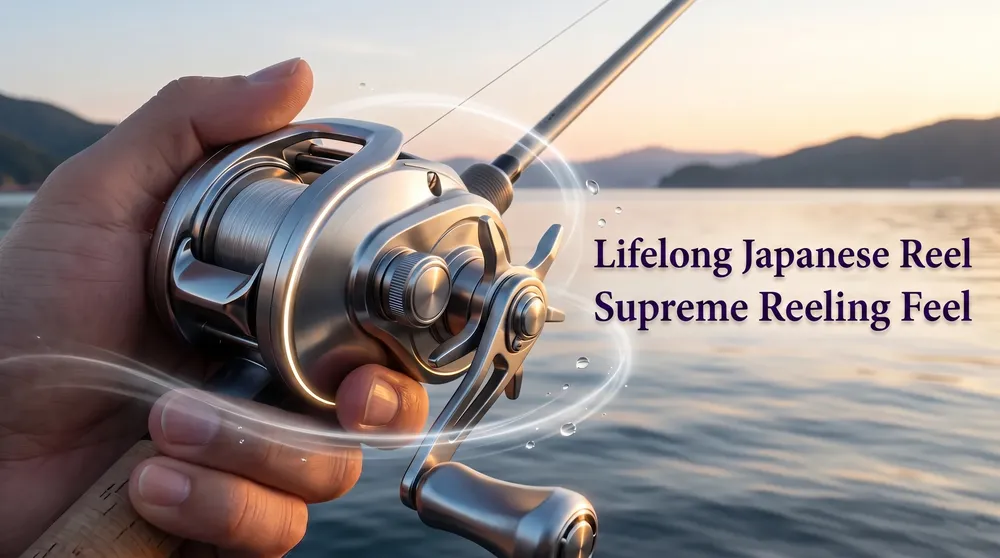
If you know Shimano at all, you probably know it from a bicycle. The derailleur on your
bike and the gear inside a $900 fishing reel come out of the same company and the same
metalworking — which is a stranger fact than it sounds, and it explains most of what
follows.
The other thing worth settling early: the JDM question. There is a whole
English-speaking scene built around importing Japan-market reels, and the assumption underneath it
is that the Japanese version is the better one.
For flagship reels, that assumption is mostly wrong. The Stella you buy in Japan
and the Stella you buy at home are essentially the same reel — and the domestic one comes with the
better warranty. This guide explains where the JDM advantage is real and where it is not.
Quick Reference: Stella vs Exist
| Shimano Stella | Daiwa Exist | |
|---|---|---|
| Built around | Gear strength — cold-forged drive gear | Sealing — magnetic fluid barrier |
| Feel | Heavier, more solid, wind stays smooth under load | Noticeably lighter, more sensitive |
| Best at | Big fish, heavy drag, sustained fights | All-day casting, finesse, light lures |
| Buy JDM? | Only for a variant your market does not sell. Otherwise buy locally for the warranty | |
| Neither is "better". Stella is a strength argument, Exist is a weight argument, and which one wins depends entirely on what you fish for. | ||
Why Japanese Reels — and Why Shimano Makes Bicycle Parts
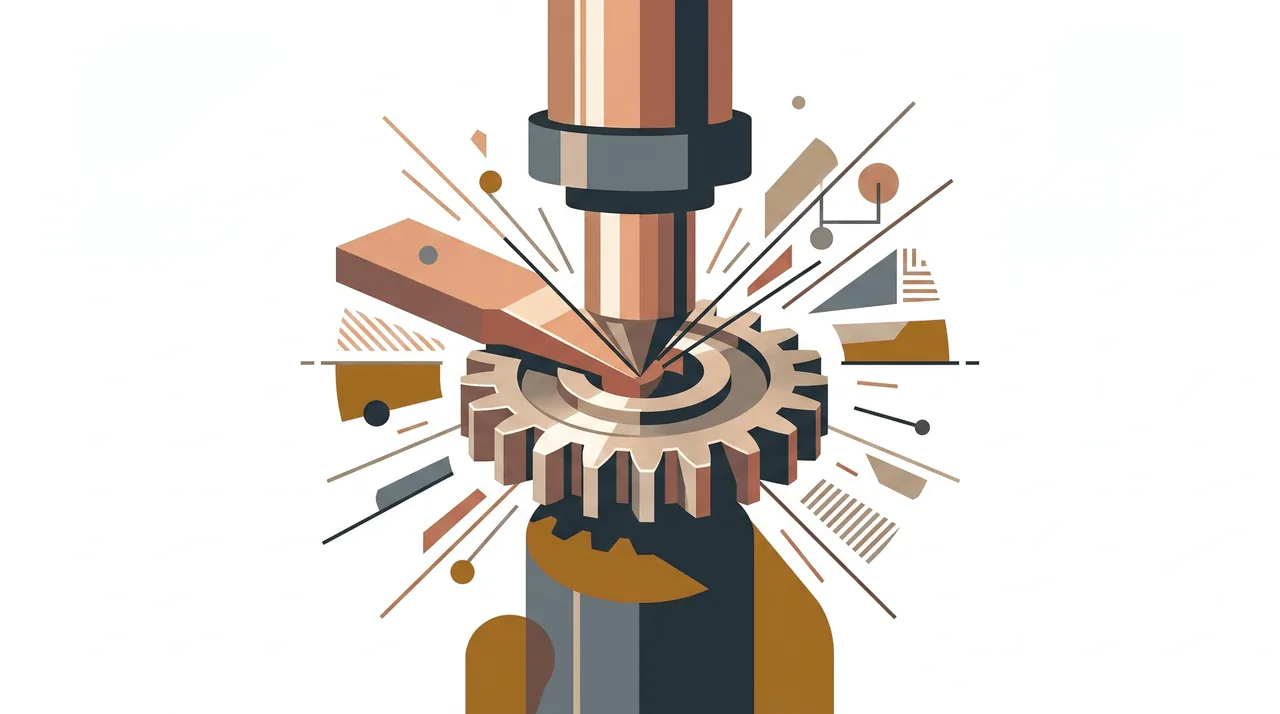
Most people outside Japan meet Shimano through cycling. It is one of the largest bicycle component manufacturers on earth, and if you have ridden a geared bike you have almost certainly used its parts.
The connection to fishing is not a coincidence of branding — it is the same manufacturing. Both products depend on producing small metal gears that transmit force smoothly, precisely and for years without developing play. Shimano solved that problem for drivetrains and applied it to reels.
Cold forging, and why it matters here
A gear can be cut from a blank, or it can be cold forged — pressed into shape
under enormous force without heating the metal.
Cutting removes material and severs the grain of the metal wherever the tool passes. Forging
makes the grain follow the tooth profile, so the load runs along the fibre
rather than across it. The result is a tooth that resists deforming under drag pressure — and a
reel that still winds smoothly after it has fought something large.
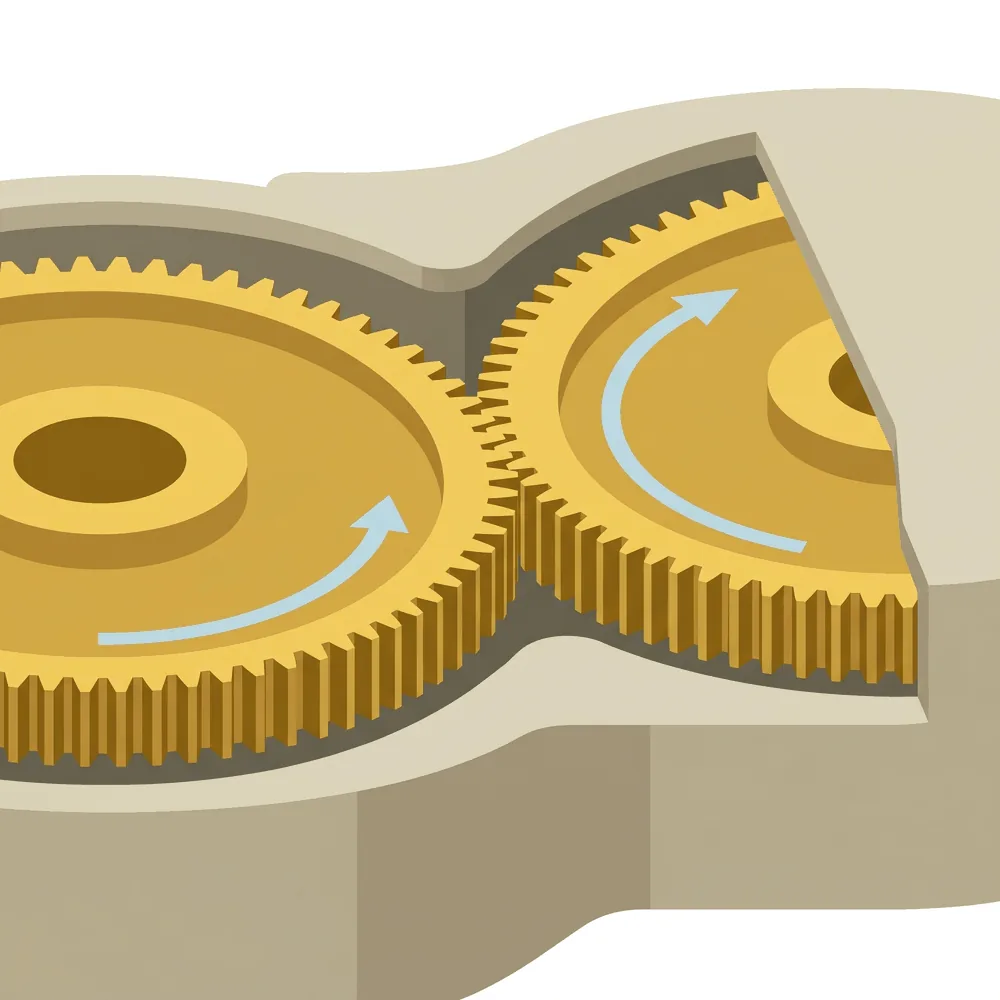
This is why the difference between a mid-range reel and a flagship does not show up in the shop. Both feel smooth on the counter. The difference appears in year three, and during the fight, when a cut gear has begun to develop the roughness that a forged one has not.
Daiwa's answer: sealing instead of strength
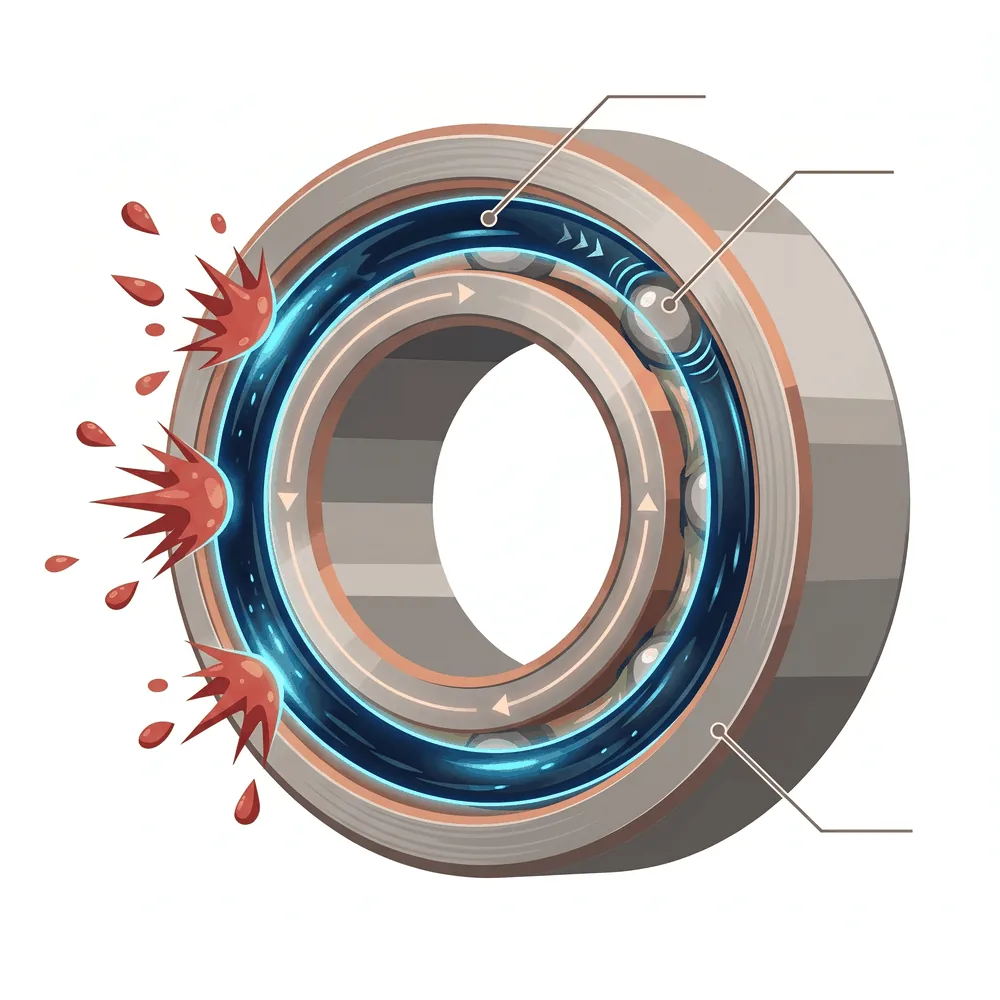
Daiwa attacked a different problem. A conventional rubber seal keeps water out by
pressing against a spinning shaft, which means friction — and friction is
exactly what a reel is trying to eliminate.
Daiwa's Magsealed approach suspends a magnetic fluid in the gap and holds it there
with a magnet. A liquid barrier that blocks water and dust while touching nothing.
No friction, no wear on the seal, and — crucially — the reel resists the gradual roughening
that saltwater intrusion causes.
These two philosophies are the whole comparison. Shimano makes the moving parts strong enough not to care; Daiwa keeps the contamination out in the first place.
JDM or Your Local Model? The Honest Answer
There is a genuine English-speaking scene around importing Japan-market tackle — retailers, forums, comparison blogs. The premise is that JDM gear is the better gear.
For flagship spinning reels, the premise does not hold up.
| JDM model | Your local model | |
|---|---|---|
| The reel itself | Essentially the same | |
| Warranty | Grey import. Local support is on you | Proper regional warranty |
| Lineup | Much wider — more gear ratios, compact bodies, technique-specific builds | A curated subset |
| Small extras | Some variants ship with upgraded knobs or spools | Standard fittings |
| Servicing | Parts may not match your local service centre's catalogue | Straightforward |
When importing genuinely makes sense
Japan's domestic tackle market is built around highly technical lure fishing, which means the lineup is subdivided far more finely than anywhere else. Import when:
- You need a gear ratio your market does not stock — a very slow or very fast retrieve for a specific technique.
- You want a compact body on a larger spool, a combination Japan offers and most markets do not.
- You fish a technique with a Japanese-market model built for it — area trout, eging, ajing.
- The model simply is not sold where you live.
Do not import to get "the real one". You already can buy the real one, and it comes with someone to call when it stops working.
Stella and Exist, Compared Properly
Both are flagships in the $700–$1,200 range and both are made in Japan. The choice between them is not about quality.
Shimano Stella — buy it for the fight
The reputation rests on the drivetrain holding its smoothness under load.
Cold-forged drive gear, a rigid body that resists flexing when drag pressure tries to twist
it, and the result is a reel that winds the same at the end of a long fight as at the
start.
It is heavier than an Exist of the same size, and that is the trade you are
making.
- Core technology
- Cold-forged gearing, rigid body construction
- Character
- Solid, planted, unbothered by drag pressure
- Best for
- Larger fish, saltwater, sustained fights
- Made in
- Japan
- Price range
- $800–$1,200
Perfect for: Anyone who regularly hooks something that pulls back hard, and anyone who values durability over grams.
Daiwa Exist — buy it for the day
Built around being light and staying sealed. The weight difference against a
comparable Stella is real enough to notice after a few hours of casting, and the magnetic
fluid sealing means the reel resists the slow degradation that finishes most
saltwater reels without adding the friction a rubber seal would.
Lighter also means more sensitive: you feel more of what the lure is doing.
- Core technology
- Magnetic fluid sealing, lightweight body
- Character
- Light, sensitive, easy on the arm
- Best for
- All-day casting, finesse presentations, light lures
- Made in
- Japan
- Price range
- $700–$1,100
Perfect for: Lure anglers making hundreds of casts a session, and anyone who fishes light gear where feel is everything.
Do you actually need a flagship?
Honestly: no, for most fishing. Both companies' mid-range reels use trickled-down
versions of the same technologies at a third of the price, and they will land the same fish.
What the flagship buys you is how it feels in year five — and if you fish
saltwater weekly, that is a real difference rather than a marketing one. If you fish six times a
year, it is not.
Reading the Size Numbers
Japanese reel sizing confuses newcomers because the two manufacturers do not use the same system, and neither system matches the simple "size 20/30/40" numbering used elsewhere.
- The number is roughly the spool capacity class. 1000 is tiny, 2500 is the everyday all-rounder, 4000 and up is heavier saltwater work.
- A trailing letter changes the spool, not the body. An S suffix generally means a shallower spool — the same reel holding less line, which is what you want with thin braid.
- A leading C means a compact body on a larger spool. A C3000 is a 2500-size body carrying a 3000 spool: more line, less weight. This is one of the genuinely useful JDM combinations.
- H or HG means high gear, XG extra high, PG power gear. Faster retrieve or more cranking torque — a technique choice, not a quality tier.
- Daiwa's LT means "Light Tough", its current generation of lighter bodies. It is a platform name, not a size.
If you are buying one reel for general use, a 2500 or C3000 in a standard gear ratio covers an enormous range of fishing. Start there and specialise later.
The Three-Minute Rinse That Decides Everything
A flagship reel will last decades in freshwater and can be ruined in one season of saltwater neglect. The sealing on a modern reel is excellent and it is not a licence to skip rinsing — salt crystallises in every gap it reaches, and crystals are abrasive.
- Loosen the drag fully first. This is the step people skip. A tightened drag holds the washers compressed while water finds its way in.
- Rinse with a gentle flow of fresh water — not a pressure washer, not a hard jet. High pressure drives salt water past seals rather than removing it.
- Wipe the body and the line roller with a soft cloth. The line roller is where salt does the most damage and where most people never look.
- Dry it standing, out of direct sun, then re-set the drag once dry.
Beyond that: a full service every year or two if you fish saltwater often, less for freshwater. Grease dries out and salt accumulates in places rinsing cannot reach. The service costs a fraction of the reel and is the difference between a decade of use and three years.
Frequently Asked Questions
Should I import a JDM reel?
Only if you need a specific variant your market does not sell — an unusual gear
ratio, a compact body on a larger spool, or a technique-specific model.
The reel itself is essentially the same, and the locally sold version comes with a proper
warranty and matching service parts. Importing to get "the real one" gets you the same
reel with less support.
Stella or Exist?
Stella if you fight fish, Exist if you cast all day. Stella is built around
gearing that stays smooth under drag pressure; Exist around being light and sealed.
Neither is better made. Pick the one whose compromise matches your fishing.
Is a $900 reel actually worth it over a $300 one?
Not for the fish — for the fifth year. Mid-range reels use trickled-down versions
of the same technology and will land everything a flagship will.
What you pay for is how the reel feels after hundreds of sessions, which matters if you fish
weekly in salt and does not if you fish a handful of times a year.
What does C3000 mean?
A compact body carrying a larger spool — roughly a 2500-size reel holding
3000-size line capacity. More line without the extra body weight.
An S suffix generally means a shallow spool, suited to thin braid. HG /
XG / PG are gear ratios, not quality grades.
Do I really need to rinse after every saltwater session?
Yes, and loosen the drag before you do it. Modern sealing is very good and salt
still crystallises in every gap it reaches — and salt crystals are abrasive.
Use a gentle flow, never a pressure washer: high pressure pushes salt water past seals instead of
washing it away.
Is Shimano really a bicycle company?
Both, and that is the point. Shimano is one of the world's largest bicycle
component makers, and the precision metalworking behind a drivetrain is the same capability
behind a reel's gearing.
Cold forging — shaping metal under pressure rather than cutting it — is the shared technique, and
it is why the gears keep their smoothness under load.
Final Thoughts: Buy Locally, Rinse Religiously
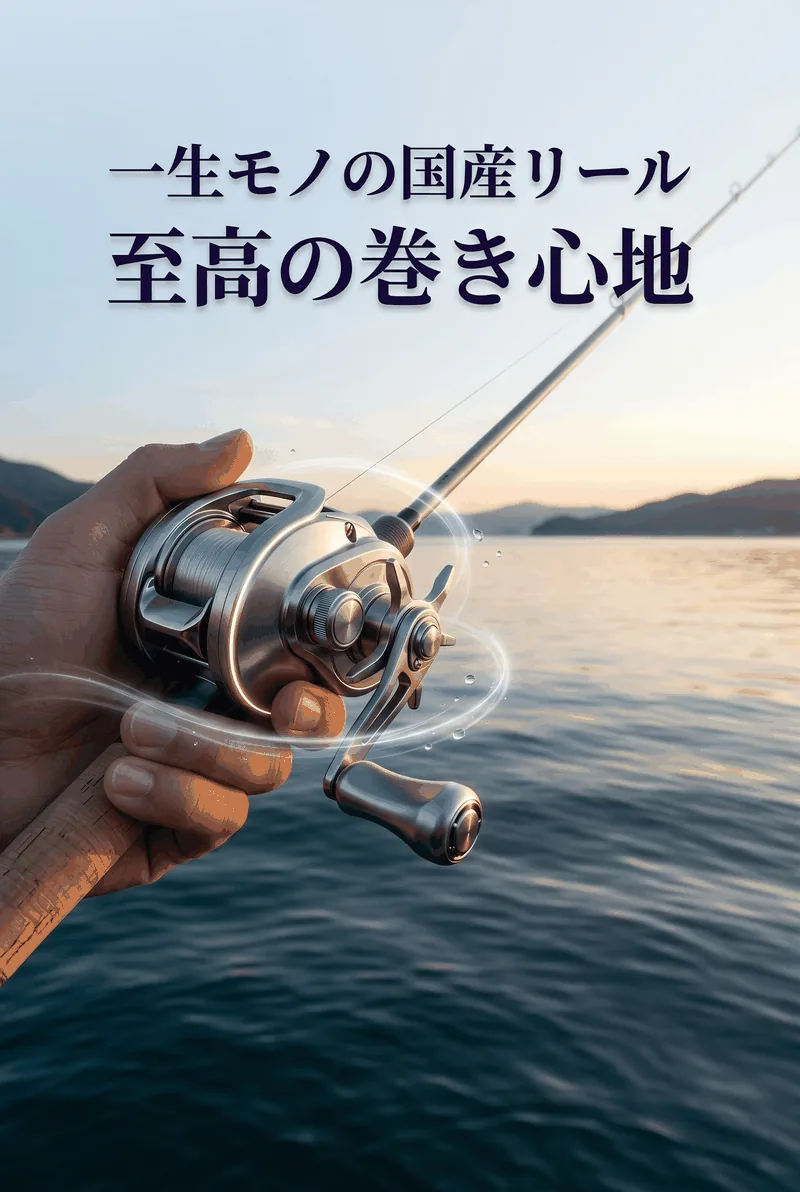
The JDM mystique does not apply here the way it does to golf clubs or cars. Stella and Exist are the same reels wherever you buy them — so buy the one with a warranty attached, and import only when you need a variant nobody stocks locally.
Between the two: Stella is a strength argument, Exist is a weight argument. Neither is the answer on its own. What you fish for is.
And whatever you buy — loosen the drag and rinse it gently after every saltwater trip. That habit is worth more to the reel's life than the price difference between the flagship and the model below it.
Fishing in Japan: What a Beginner Needs
Japanese Headphones: From the E3000 to Flagships