"I'd love to have flowers in the room, but they always die before I can enjoy them…"
"A fancy bouquet is too much effort — I don't know how to arrange things properly…"
The answer to both of those problems is the same: a Japanese single-stem vase (ichirinzashi), made by a
craftsperson who knows how much the vessel matters.
The material of your vase has a measurable impact on how long your flowers stay fresh.
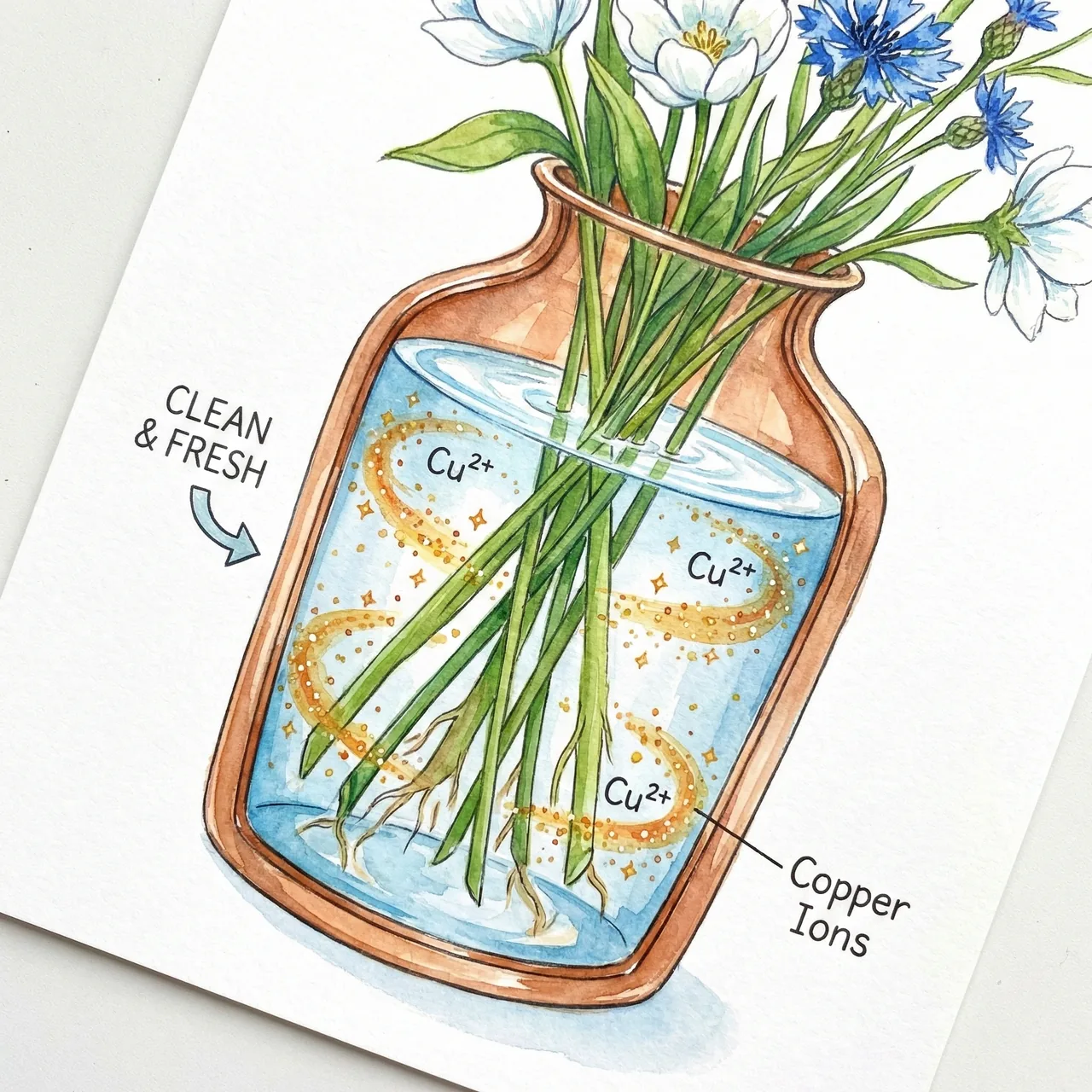
Copper, in particular, releases ions into the water that kill the bacteria responsible for clogging stems — cut
flowers in a copper vase last dramatically longer than in glass or ceramic.
And Shigaraki pottery has a natural earth texture that makes even a single roadside wildflower look like it belongs
in a gallery.
In this guide: how to choose a vase that actually works, what opening width to look for, and the 10-yen coin trick
that extends your flowers' life without spending a yen.
Quick Reference: Flower Vase Materials at a Glance
| Material | Features | Works Best With | Notable Origins |
|---|---|---|---|
| Pottery | Warm earthy feel, good water retention | Wildflowers, branches, seasonal grasses | Shigaraki, Bizen, Mashiko |
| Porcelain | Clean white finish, hard and smooth | Roses, tulips | Arita, Hasami |
| Glass | Transparency, beautiful with light | Calla lily, aquatic stems, single stems | Tsugaru, Satsuma |
| Metal (brass, copper) | Copper ions keep water fresh, ages beautifully | Dried flowers, cut flowers of all kinds | Takaoka, Tsubame-Sanjo |
1. One Flower, One Vase: The No-Technique Art of the Japanese Single-Stem Display
When most people think about putting flowers in a room, they picture a bouquet from a florist, careful arrangement, and the pressure of getting it right. The Japanese single-stem vase is the opposite of that.
The vase is the artwork. The flower just shows up.
A well-made Japanese single-stem vase (ichirinzashi) is a complete object on its own — sculptural enough to
stand alone even before you put anything in it.
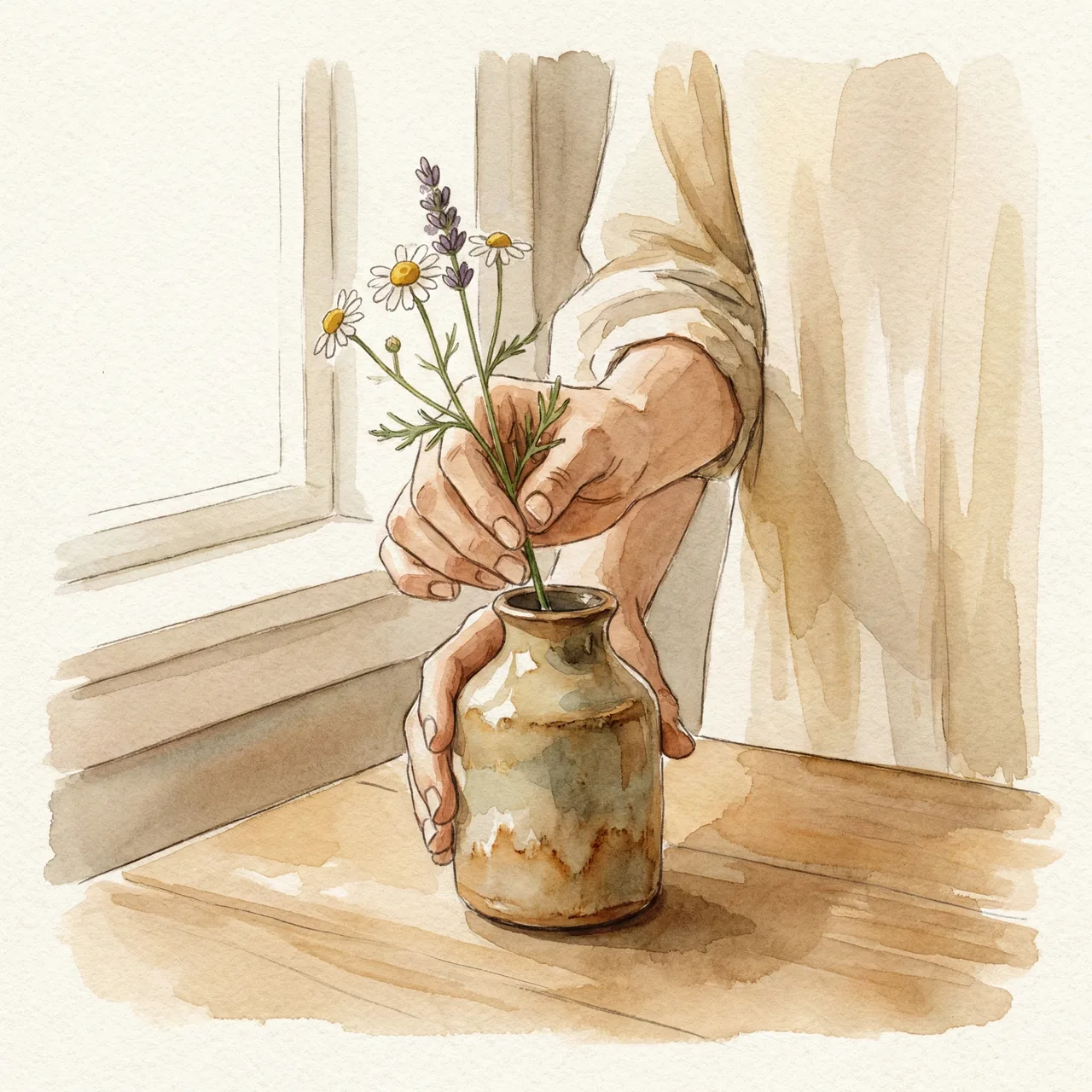
That's why the flower doesn't need to do much. A sprig of rosemary from the garden, a wildflower from the
roadside, a bare branch from a winter walk — drop one in, and the vessel does the rest.
No skill required. No special flowers needed. No arrangement technique.
It is the most minimal, lowest-effort form of bringing nature indoors — and when the vessel is beautiful, it's
also one of the most striking.
2. Copper & Brass Vases: The Science Behind Longer-Lasting Flowers
If you want a vase that performs as well as it looks, metal — specifically copper — is the strongest choice.
Clean water, clear stems: why copper works
The main reason cut flowers die quickly is bacterial. Microbes multiply in the water, block the stem's vascular
system, and the flower stops being able to drink. That's when it wilts.
Copper changes this dynamic: when copper comes into contact with water, it releases copper ions
that inhibit bacterial growth — a well-documented antimicrobial effect called the oligodynamic action.
The result is water that stays clean far longer than in glass or ceramic, and stems that can keep absorbing
water for days longer than you'd expect.
Brass (an alloy of copper and zinc) has the same effect, with a warmer golden color that ages into a rich
patina.
3. Pottery Vases (Shigaraki & Bizen): Earth That Makes Wildflowers Look Natural
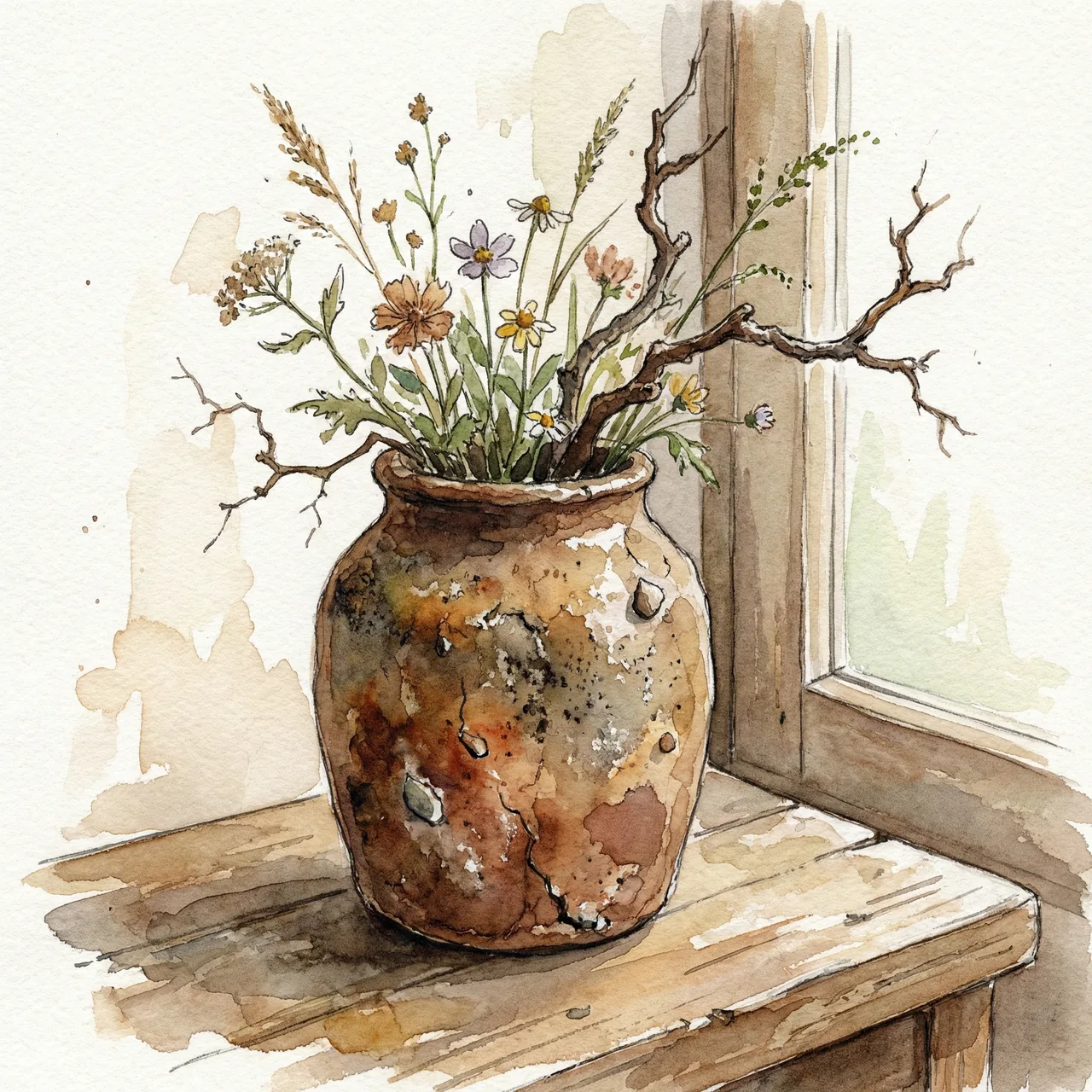
Shigaraki-yaki (Shiga Prefecture) and Bizen-yaki (Okayama Prefecture) — along with Mashiko and other regional pottery traditions — are characterized by unglazed or minimally glazed surfaces that expose the raw texture of the clay body. This is what makes them so effective for displaying Japanese wildflowers and grasses.
The rough, grainy surface reads as "rock" or "earth" to the eye — it signals the natural world, which makes
whatever plant is placed in it feel like it was found there rather than arranged.
Pottery also has microscopic pores in its surface, and as water slowly evaporates through them, the cooling
effect helps keep the water temperature from rising — a practical advantage in summer that glass and metal don't
share.
4. Glass Vases (Tsugaru Vidro): Playing with Light and Transparency
Tsugaru Vidro (津軽びいどろ) — a traditional craft from Aomori Prefecture — and other Japanese art glass traditions bring a quality that pottery and metal simply cannot: the ability to interact with light.
With a glass vase, you see the whole picture — the stem in the water, how it moves, even the roots if you're
growing something. That visibility is practically useful: the moment the water clouds, you notice it, which
means you're more likely to change it promptly and keep the flower healthy.
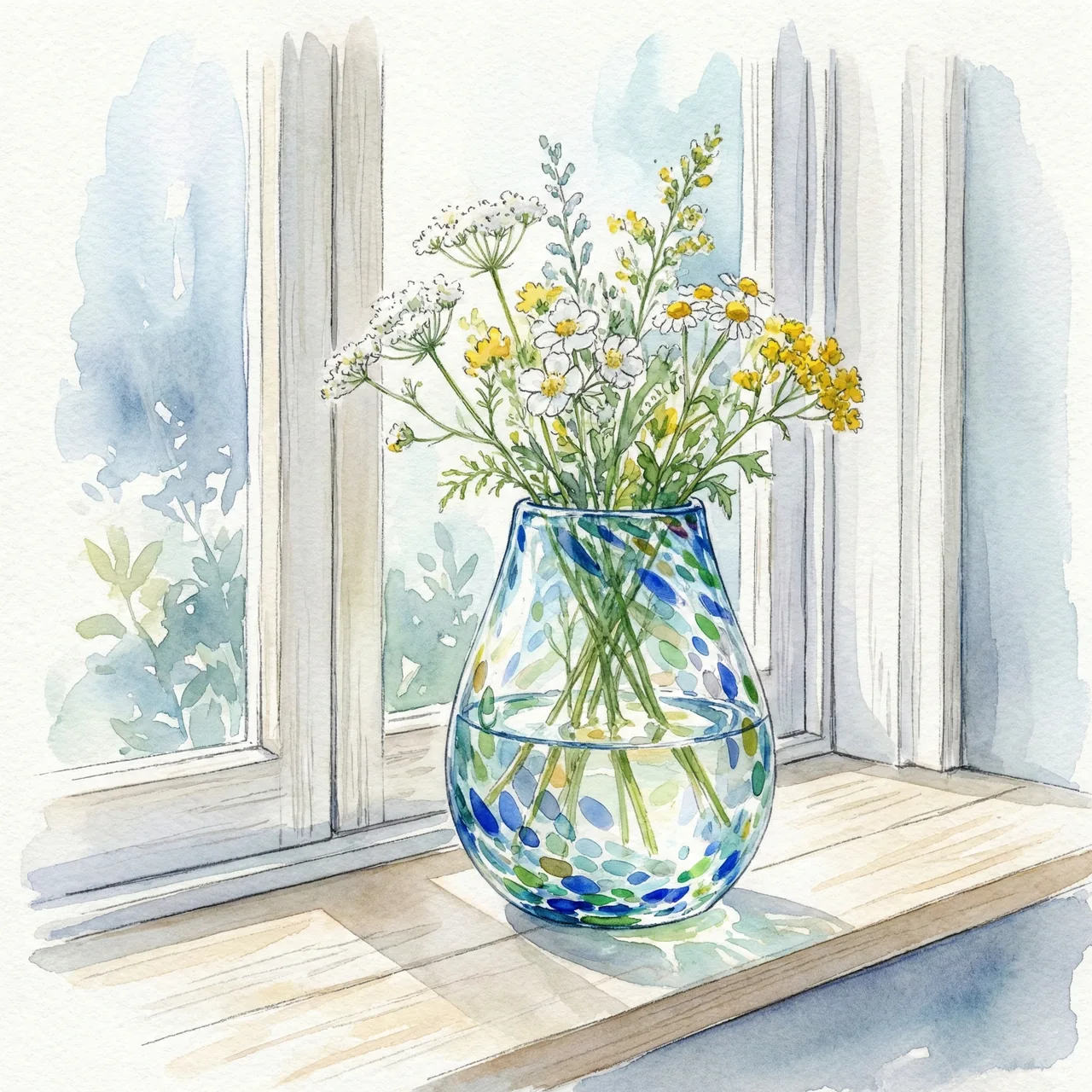
Place a glass vase in a window and the entire room shifts — light refracts through the water and the vessel, and
the space feels cooler and more alive. A quality piece of Japanese hand-blown glass does this differently than
any mass-produced vessel could.
5. How to Choose a Vase: The Golden Ratio and Opening Width
"I bought a vase and the proportions feel off — nothing looks right in it."
There are two simple rules that prevent this from happening.
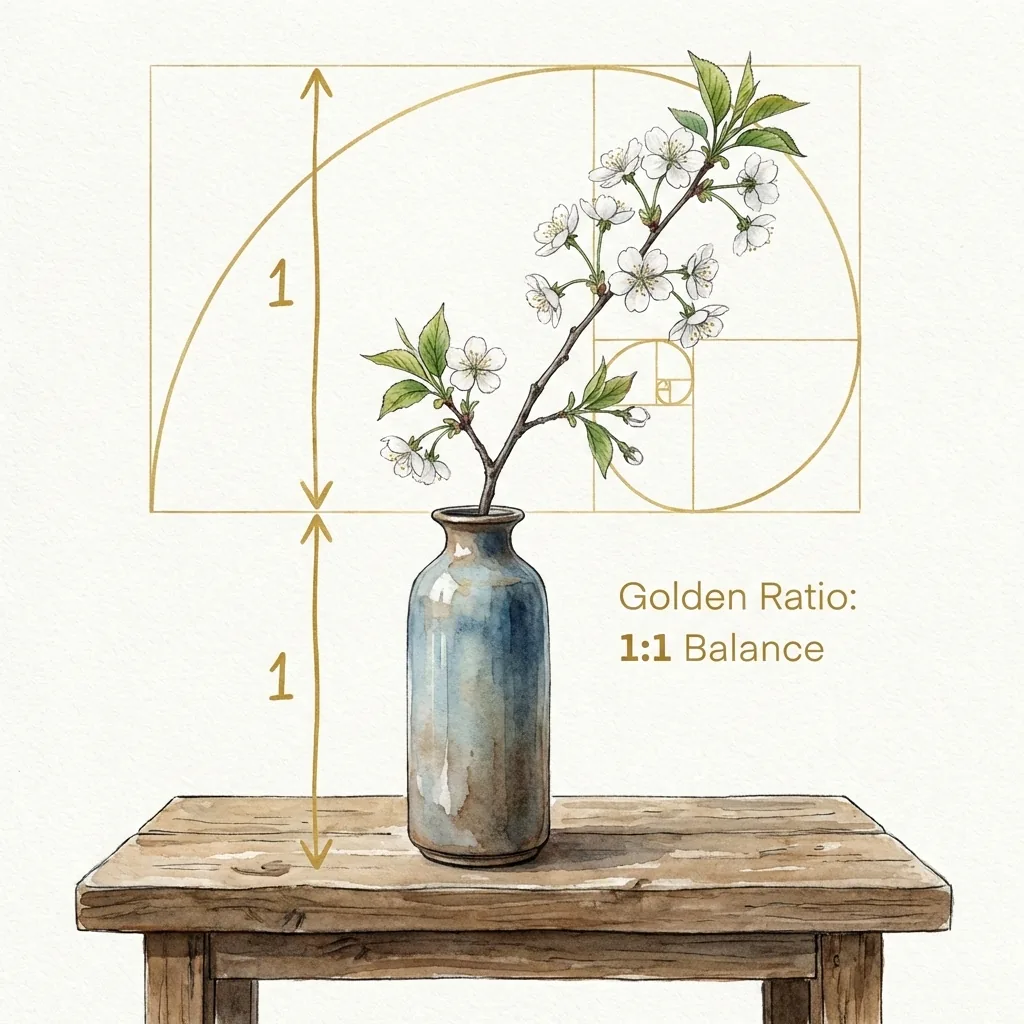
The golden ratio: vase and flower at 1:1
The most visually balanced arrangement is usually achieved when the height of the vase equals the height of the
plant above the rim — a 1:1 ratio.
Use this as your starting point when trimming stems: cut until the flower sits at roughly the same height as the
vase itself, then adjust from there.
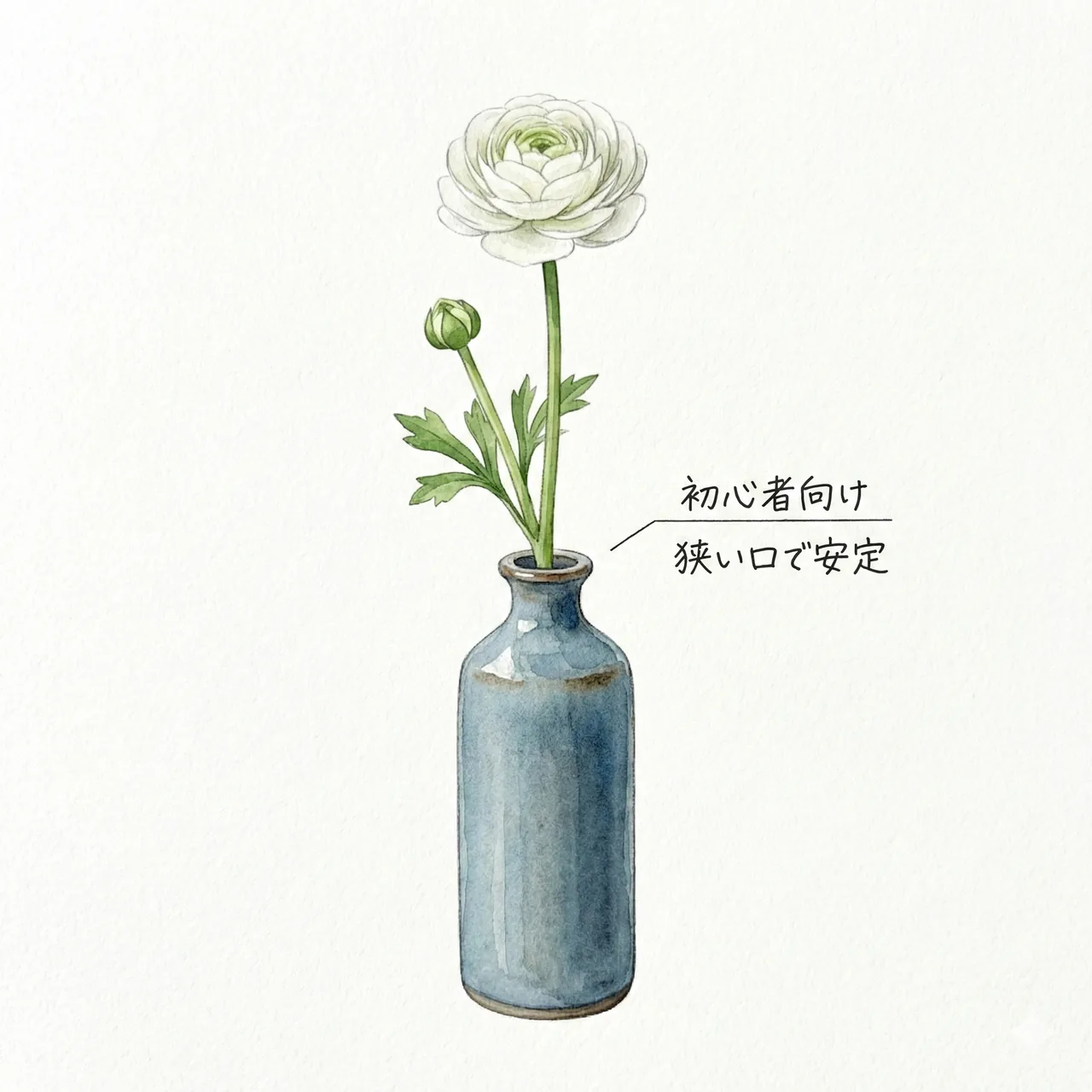
Beginners: choose a narrow opening (flask or test-tube shape)
Wide-mouth vases look like cups — flowers spread outward and it becomes difficult to make them look intentional
without arrangement skill.
If you're new to this, start with a flask-neck shape or test-tube style that
constricts at the opening.
Even a single stem will stay upright, supported by the narrow neck, and look composed without any technique.
6. How to Keep Cut Flowers Fresh: Water Cutting & the 10-Yen Coin Trick
The basics and the tricks — small habits that genuinely extend how long your flowers last.
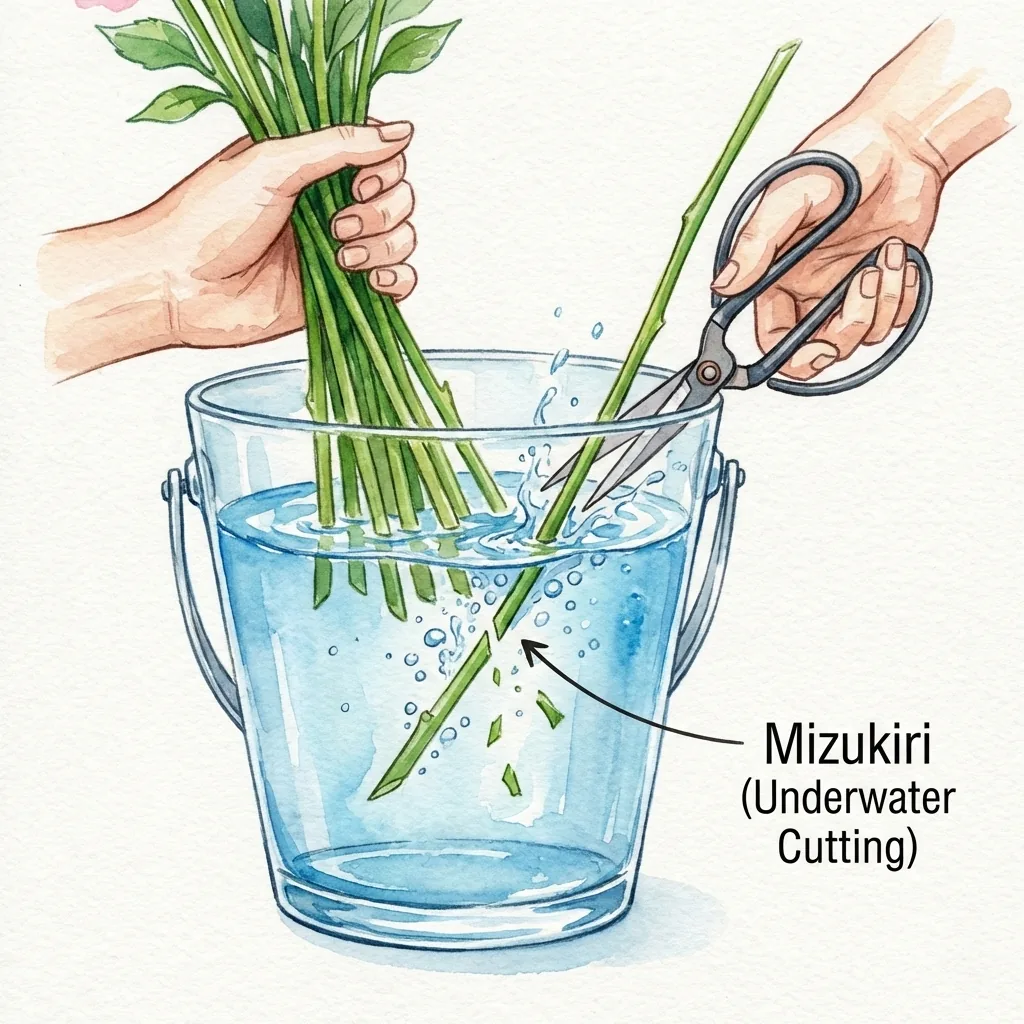
The fundamental: cut stems underwater (mizukiri)
Before placing fresh flowers in a vase, fill a bucket or basin with water and cut the stems at an angle —
while the stem is submerged.
When you cut in open air, the severed end immediately draws in air, creating a blockage that prevents water
uptake. Cutting underwater lets the stem drink immediately under water pressure, and the angled cut maximizes
the surface area for absorption.
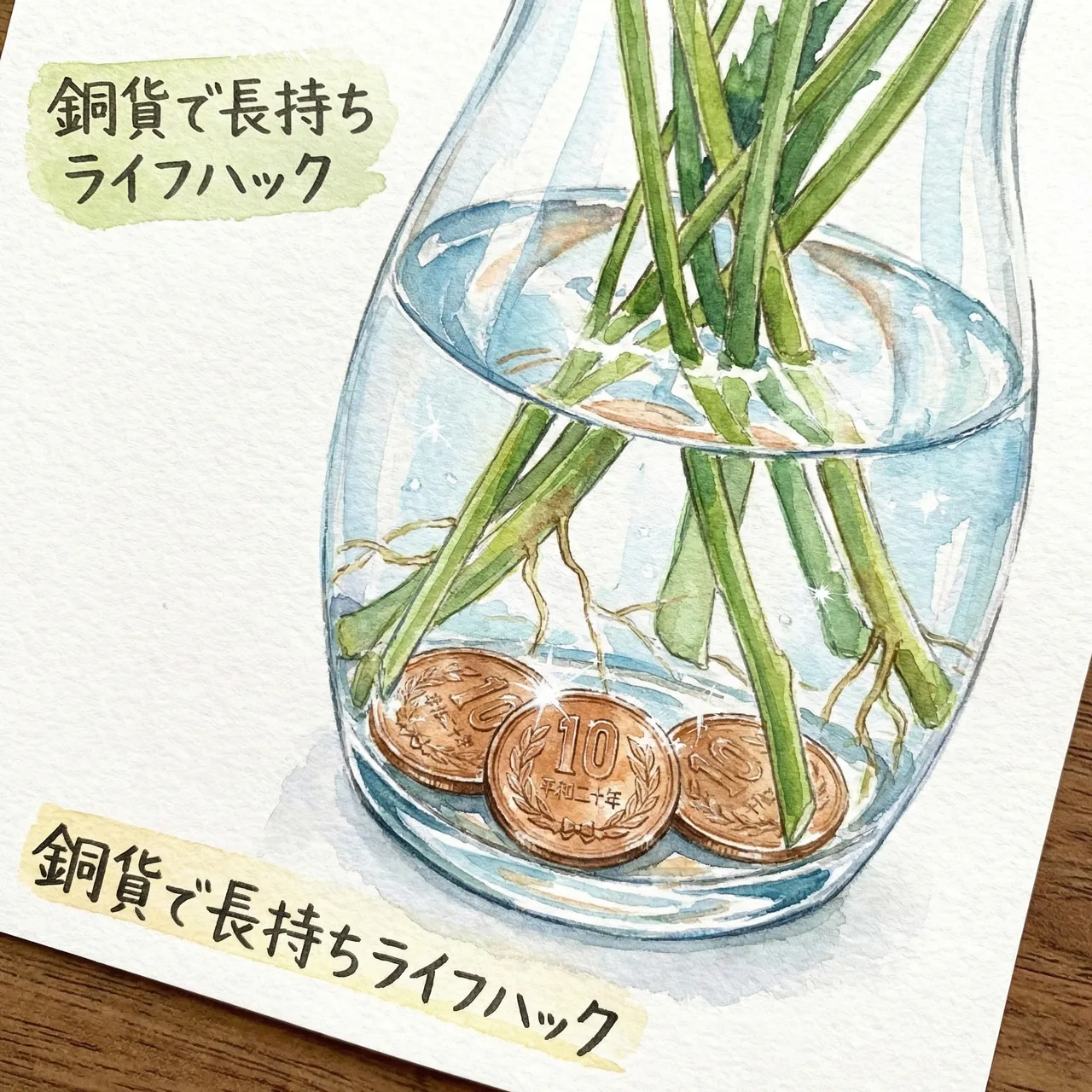
The trick: drop a 10-yen coin into the vase
No copper vase? No problem. Rinse a few 10-yen coins and drop them into any glass or ceramic
vase.
Japanese 10-yen coins are approximately 95% copper — close enough to release copper ions into the water and slow
bacterial growth noticeably.
※ When the water turns murky, the coins will have blackened too — swap them for fresh ones when you change the
water.
7. Cleaning Narrow Vases: The Eggshell Method and More
Single-stem vases have narrow openings — sponges won't fit, and the slime that builds up inside will shorten the
life of every flower you put in.
Here are two methods that work without specialized tools.
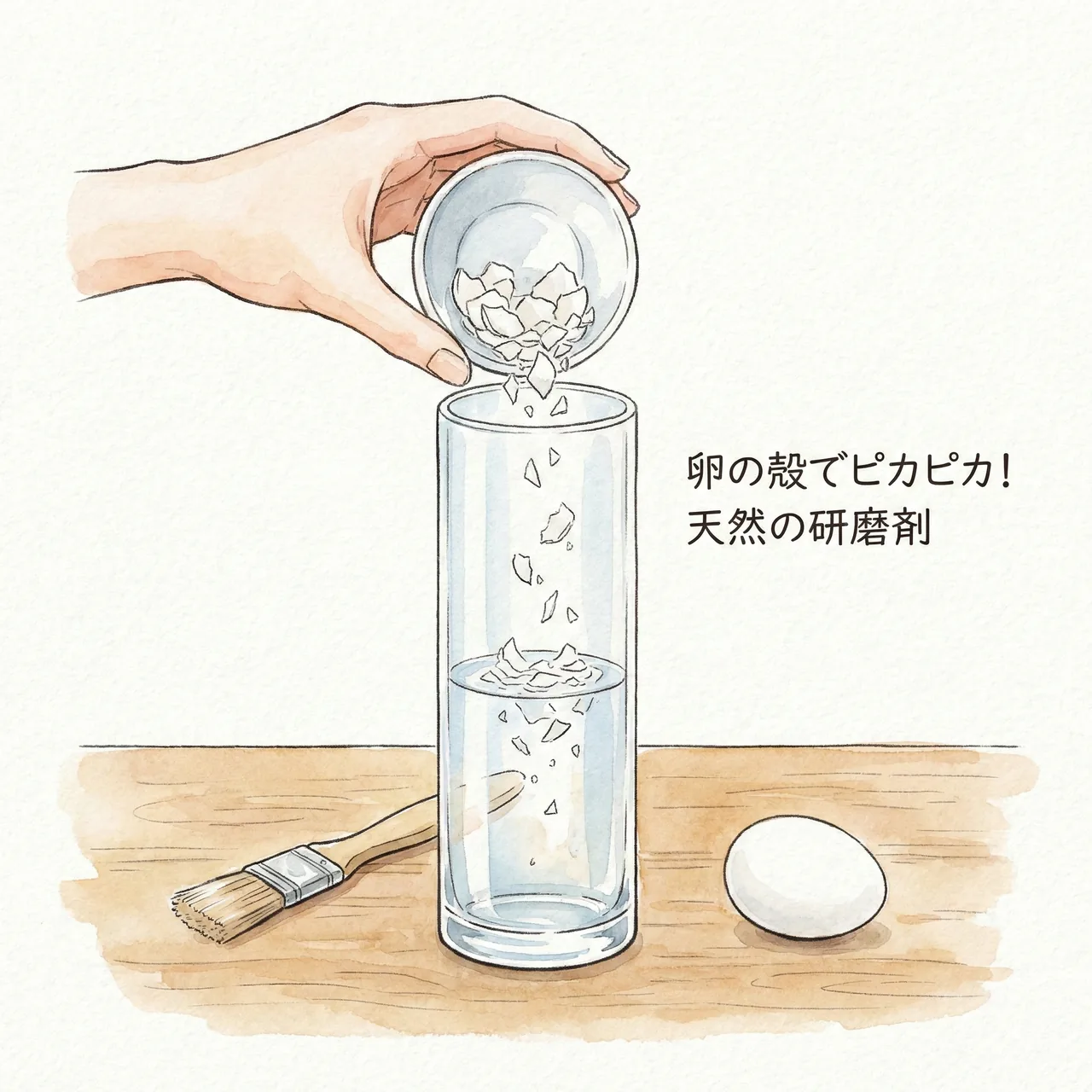
The eggshell shake
Crush a dry eggshell into small pieces and drop them into the vase with a little water. Cover the opening with
your hand and shake vigorously.
The crushed shell acts as a natural abrasive, scrubbing the interior walls and dislodging the slime without
scratching the surface.
This method is especially good for metal vases where bleach is not advisable.
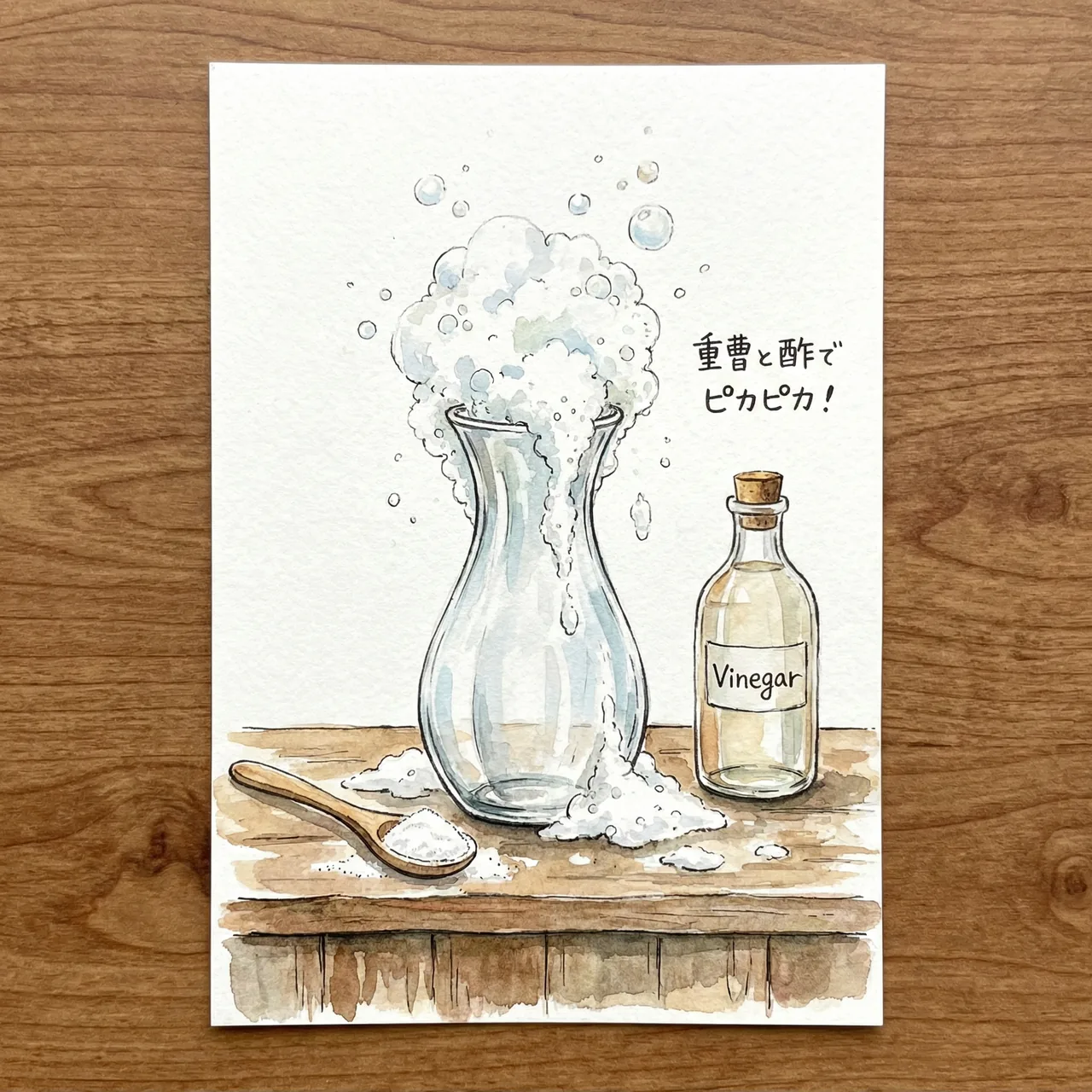
Stubborn residue: baking soda and vinegar
Add a teaspoon of baking soda to the vase, then pour in a small amount of white vinegar or citric acid solution.
The two react to produce vigorous fizzing.
Let the foam do its work for several minutes, then rinse thoroughly with water. The interior will come out clean
and odor-free.
8. 3 Recommended Japanese-Made Flower Vases — Pottery, Copper & Glass
Each of these is beautiful enough to display even without a flower in it.
[Ashikaga, Tochigi] ALART — Copper & Aluminum Flower Vessels
Structural art that positions your flower for you.
ALART's designs combine metal frames — circles, squares, organic forms — with small glass tubes or trays that
hold the water. The result looks like contemporary sculpture before you add a single stem.
The genius is in the structure: the flower-holding element is precisely designed so that placing one stem in
it immediately looks intentional. Works equally well in a traditional Japanese room or a modern living space.
ALART at-2 Twist Metal Flower Vase (Single Stem, Size L)
A sculptural twisted metal frame with a single-stem glass tube insert — structural art that positions one flower perfectly without any arrangement technique.
View on Amazon[Shiga] Shigaraki-yaki "Hechimon" — Single-Stem Pottery Vase
Raw earth — no two ever alike.
Shigaraki is famous for its tanuki (raccoon dog) figurines, but it's also one of Japan's finest flower vessel
traditions. "Hechimon" means "something wonderfully odd" in the local dialect — and that's exactly what these
vessels are.
Hand-formed by craftspeople, each piece carries the slight irregularities of the maker's hands and the
unpredictable color effects of kiln-firing (yōhen). Wildflowers and seasonal grasses look exactly right placed
in one of these.
Shigaraki-yaki Hechimon Single-Stem Vase (MR-Mini 051)
Hand-formed Shigaraki pottery with irregular clay texture and unique kiln-fired color variations — no two pieces the same. White with red Tokusa pattern.
View on Amazon[Aomori] Hokuyo Glass "Tsugaru Vidro" — Single-Stem Glass Vase
Japan's seasons captured in hand-blown glass.
Hokuyo Glass began as a manufacturer of fishing floats, and the craft that came from that tradition — Tsugaru
Vidro — became one of Japan's most celebrated art glass styles. Each piece incorporates layers of colored
glass evoking cherry blossoms, ocean, autumn leaves, and other natural motifs.
The palm-sized round single-stem vase in the Irodemari series has become a collector's item — and one of the
most popular gifts to give or receive.
View the Tsugaru Vidro brand profile
ADERIA Tsugaru Vidro Cherry Blossom Flower Vase (Made in Japan)
Hand-blown Aomori art glass with layered colors inspired by fluttering cherry blossoms — beautiful on a windowsill with or without a flower.
View on AmazonFrequently Asked Questions
How often should I change the water in a flower vase?
Every day is ideal. In summer especially, bacteria multiply quickly — aim for a fresh water
change every 1–2 days at minimum.
Each time you change the water, snip a small amount off the bottom of the stem (water cutting) to open a fresh
surface for absorption.
Copper vases have a natural advantage here: the copper ions slow bacterial growth significantly, so the water
stays cleaner for longer.
What flowers work best in a single-stem vase?
Flowers with a clean, simple stem that can stand on their own.
Tulips, gypsophila, cosmos, small hydrangea sprigs, wildflowers (dandelion, fleabane) — anything with enough
presence in a single stem.
The real pleasure of the ichirinzashi format is picking seasonal flowers from a garden or roadside: that freedom
is precisely what makes the format so appealing.
How do I clean the inside of a narrow vase when a sponge won't fit?
A 1:1 solution of water and white vinegar is the easiest method.
Fill the vase, let it sit for a few hours, then rinse thoroughly. Slime and mineral deposits both respond well to
this.
For deeper access, a long test-tube brush works well. For pottery, regular attention matters more — the porous
surface can harbor residue that affects water quality.
Is it true that a 10-yen coin makes flowers last longer?
Yes — there's real science behind it.
Japanese 10-yen coins are roughly 95% copper. When submerged, copper ions slowly dissolve into the water and
inhibit bacterial growth, which delays the clouding and stem-clogging that causes wilting.
The effect is modest compared to a copper vase, so combine the coin trick with regular water changes and
stem-cutting for the best results.
What's the difference between Shigaraki-yaki and Bizen-yaki pottery vases?
The key difference is glaze (or the absence of it) and the character of the clay.
Shigaraki-yaki uses a coarser clay with a warm texture; it comes in both glazed (colored) and unglazed varieties.
The most rustic Shigaraki pieces have a rough, almost gravelly surface that works beautifully with wild and
seasonal flowers.
Bizen-yaki is always unglazed — the surface character comes entirely from the interaction of clay and fire during
long kiln sessions. The result has a quiet, austere beauty associated with wabi-sabi aesthetics. Choose by which
feeling matches your space.
How do I care for a brass vase?
Rinse with water after use and dry with a soft cloth — that's usually enough.
Brass oxidizes over time and darkens to a rich, warm brown — many people consider this patina the most attractive
stage of the material. If you prefer to maintain the polished gold finish, a metal polish (such as Pikal) used
periodically will restore it.
If water sits in a brass vase for extended periods, green verdigris (rokusho) may form on the interior — it's
harmless and washes off with a rinse.
Final Thoughts: Inviting the Seasons in Through a Small Vessel
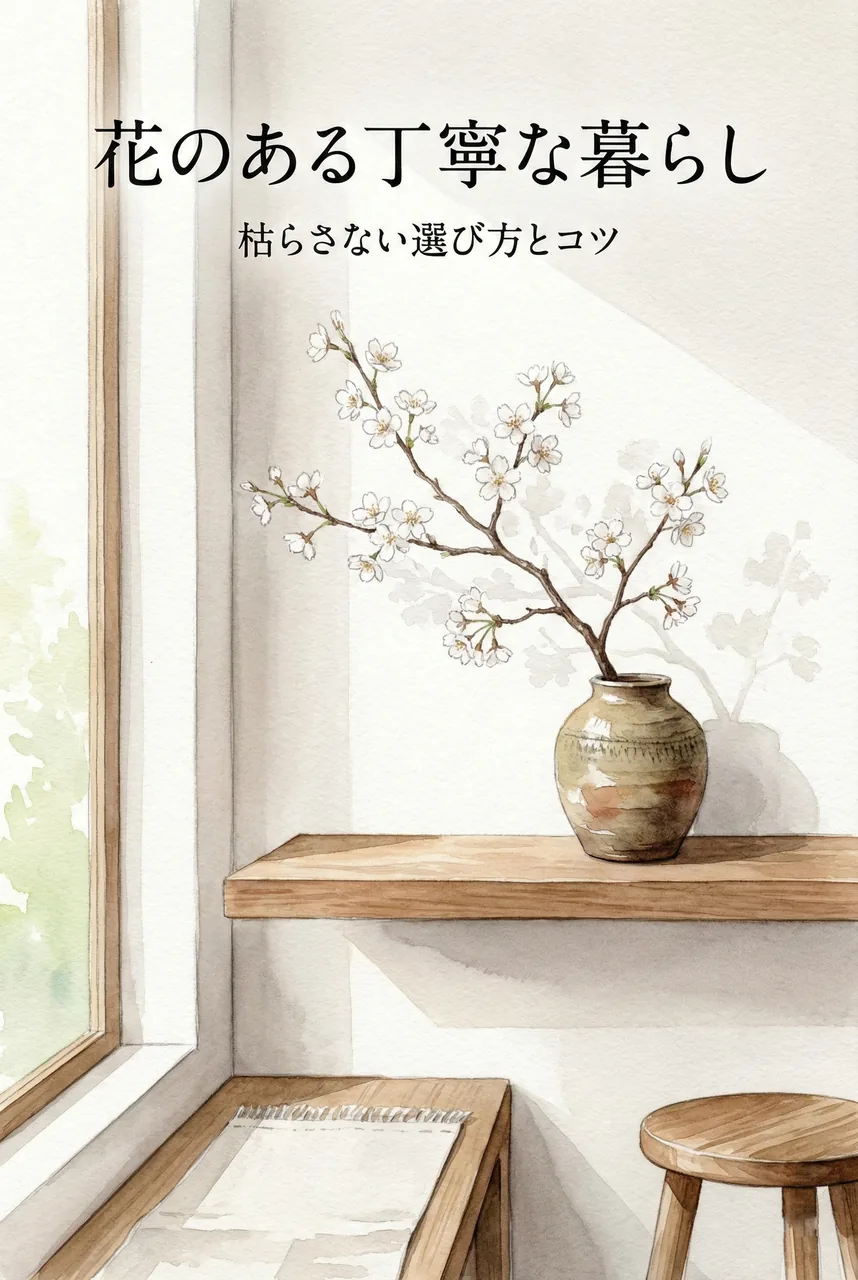
A flower vase is not just a container. It's a threshold — an opening through which the seasons enter the
house.
Rapeseed flowers in spring. Spiderwort in summer. Pampas grass in autumn. Camellia in winter.
You don't need to buy anything expensive. You just need to notice something small, carry it home, and place it
in a vessel that deserves it.
That noticing — that small act of attention — might be what "living with care" actually means.
Japanese Traditional Candles (Warosoku): The Craft Flame That Transforms a Room

Washi Paper Lighting: Gentle Light for a Japanese-Inspired Interior