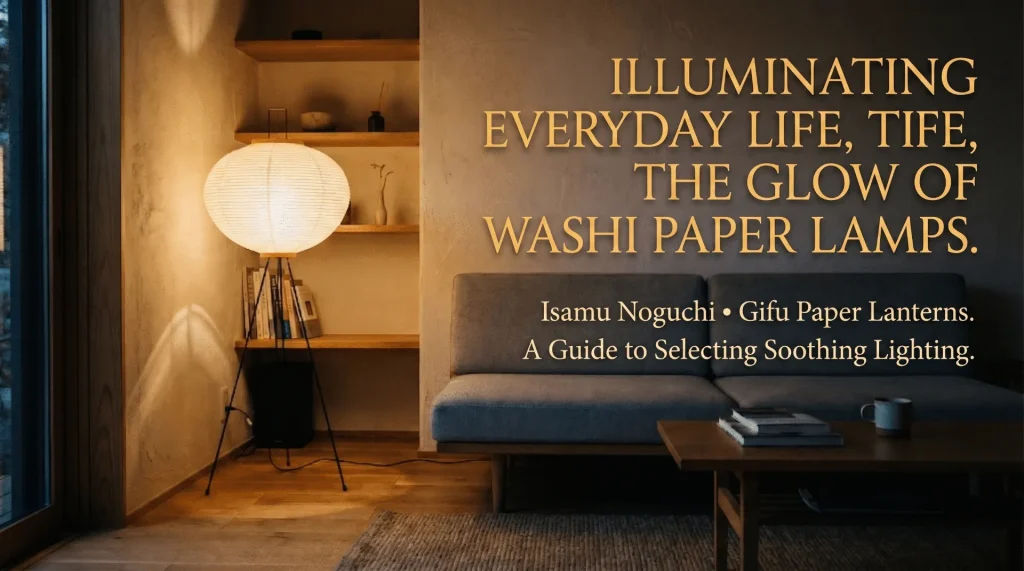
"The ceiling light is too harsh — I can't really relax in here."
"I want my evenings to feel a little more settled, a little quieter."
If that sounds familiar, try this: switch off the main ceiling light, and let a single washi paper lamp do the
work instead.
Light filtered through washi diffuses gently in every direction — the same soft, shadow-free quality as sunlight
through shoji screens, wrapping a room in a warm, even glow.
Isamu Noguchi's "AKARI" series and the floor lamps produced using the craftsmanship of the
Gifu chochin (lantern) tradition are not merely lighting fixtures. They are sculptures of light —
celebrated by interior enthusiasts worldwide.
This guide introduces Japanese washi paper lighting that fits naturally into Scandinavian, modern, and minimalist
interiors alike.
Series: This article is part 7 of the "Savor (Coffee · Spirits · Traditional Culture)" series.
Quick Reference: Washi Lighting Types at a Glance
| Type | Character | Placement | Best Use |
|---|---|---|---|
| Andon (floor lantern) | Floor-standing · light spreads in all directions | Living room or bedroom corner | Pre-sleep wind-down · ambient accent light |
| Chochin (pendant) | Hanging · light expands up and down | Ceiling hook · pendant mount | Dining area · Japanese-style rooms |
| Shade (desk/floor) | Desk or floor stand · directional accent | Next to desk · corner of room | Reading light · secondary lamp |
| Wall-mounted | Creates shadow patterns on the wall | Hallway · entryway wall | Interior accent |
1. Why Light Through Washi Paper Calms the Mind: Diffusion and the Magic of Scatter
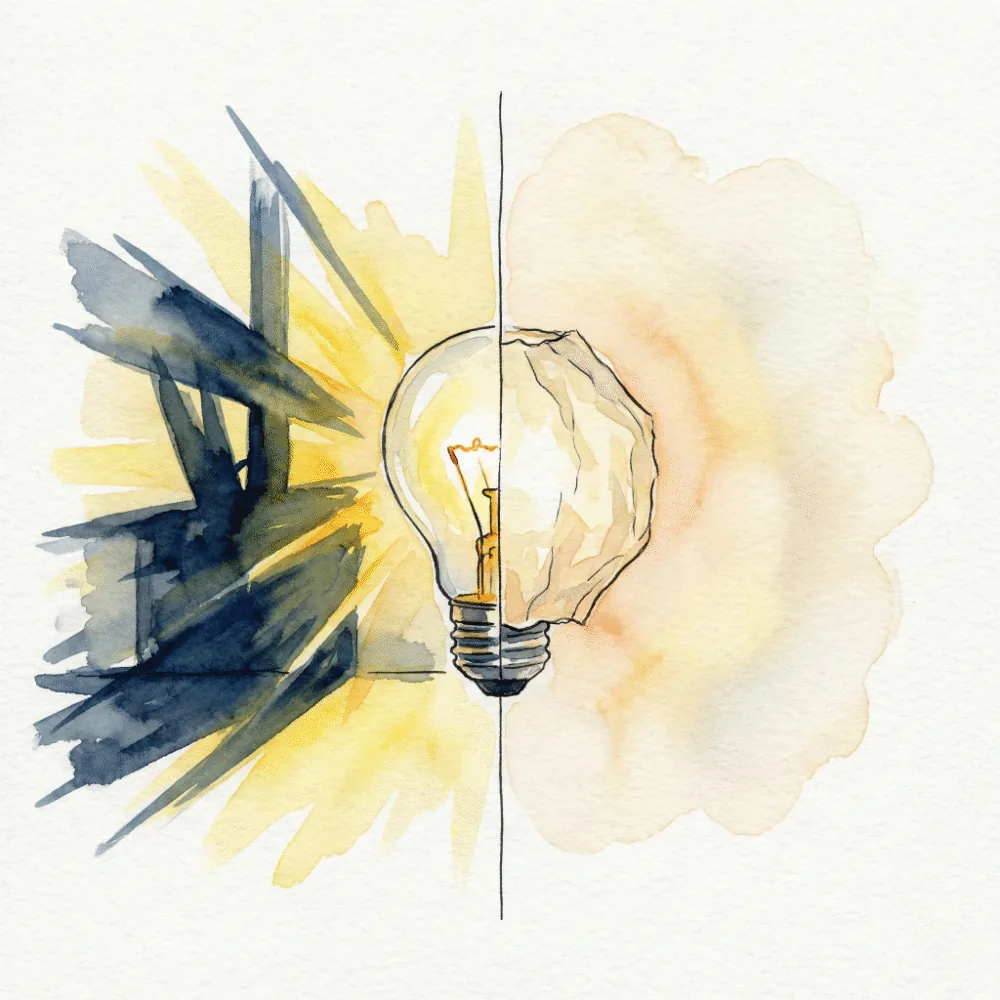
Unlike glass or acrylic shades, washi paper is made of plant fibers woven together in irregular, overlapping
patterns.
This natural structure filters and scatters light in a way no manufactured material can quite replicate.
Light Without Hard Shadows
When direct light passes through washi, the glare is absorbed and the beam becomes scattered light — spreading
evenly in all directions, the same principle as a shoji screen.
This softens shadows and envelops the whole room in warmth rather than directing a beam into your eyes.
Like firelight or a setting sun, it's something you can look toward without strain — which makes it ideal for
winding down before sleep.
2. Isamu Noguchi's AKARI: A Master Sculptor's Tribute to Light
Any conversation about washi paper lighting must begin with AKARI (アカリ) — the series designed by Isamu Noguchi, one of the most celebrated sculptors of the twentieth century.
Isamu Noguchi — AKARI 1A Floor Lamp
A masterwork that truly deserves the title "sculpture of light."
In 1951, Isamu Noguchi visited a Gifu chochin factory and was profoundly moved by the craft — the delicate
bamboo ribbing, the translucent washi, the elegant collapse of traditional lantern forms. AKARI was born from
that encounter.
The traditional technique — washi paper stretched over a bamboo wire frame — is faithfully preserved. The shape,
however, is entirely modern: spare, geometric, and beautiful even when unlit.
True to the concept of "bringing sunlight indoors through washi," AKARI functions as a sculptural object
throughout the day, coming alive at night with a warm, diffused glow.
Note: Due to sustained global demand, AKARI can be difficult to find in stock. It is worth the wait — but
Hayashi Kogei's Fores line (below) is an excellent and more accessible alternative.
- Material
- Washi paper (Mino-washi) + bamboo frame · Made in Japan (Gifu Prefecture)
- Design
- Isamu Noguchi · 1951 · manufactured by Ozeki
- Bulb
- LED bulb compatible · warm white (2700K) recommended
3. Gifu Lantern Craft: Hayashi Kogei's Modern Floor Lamps
Gifu Prefecture — the birthplace of AKARI — is one of Japan's great lantern-making regions.
Hayashi Kogei (林工芸) carries on that tradition, crafting contemporary lighting that speaks the same
language as its centuries-old predecessors.
Hayashi Kougei — Fores Floor Stand Light
Pure Japanese craftsmanship — the glow of a master's hands.
This floor lamp applies the distinctive qualities of Gifu chochin: ultra-thin, strong washi and precisely worked
bamboo ribs. The result is elegant and durable.
Designs range from Mino-washi paper embedded with maple leaves or hemp-leaf patterns to cocoon-shaped
silhouettes — each piece handmade and unique.
More accessible than AKARI while maintaining exceptional quality, making it the ideal first washi lighting piece
for most people.
- Material
- Mino-washi paper + bamboo · Made in Japan (Gifu Prefecture)
- Design
- Hayashi Kougei (林工芸) · Gifu traditional crafts heritage
- Bulb
- LED compatible · E26/E27 socket · warm white (2700K) recommended
4. Why Washi Lighting Works Perfectly with Scandinavian Interiors (Japandi)
Think washi paper lighting is only for Japanese-style rooms? Think again.
The Japandi style — a fusion of Scandinavian (Scandinavian) and Japanese (Japanese) design
sensibilities — has become a global interior trend, and washi lighting is its defining element.
Natural Materials in Harmony
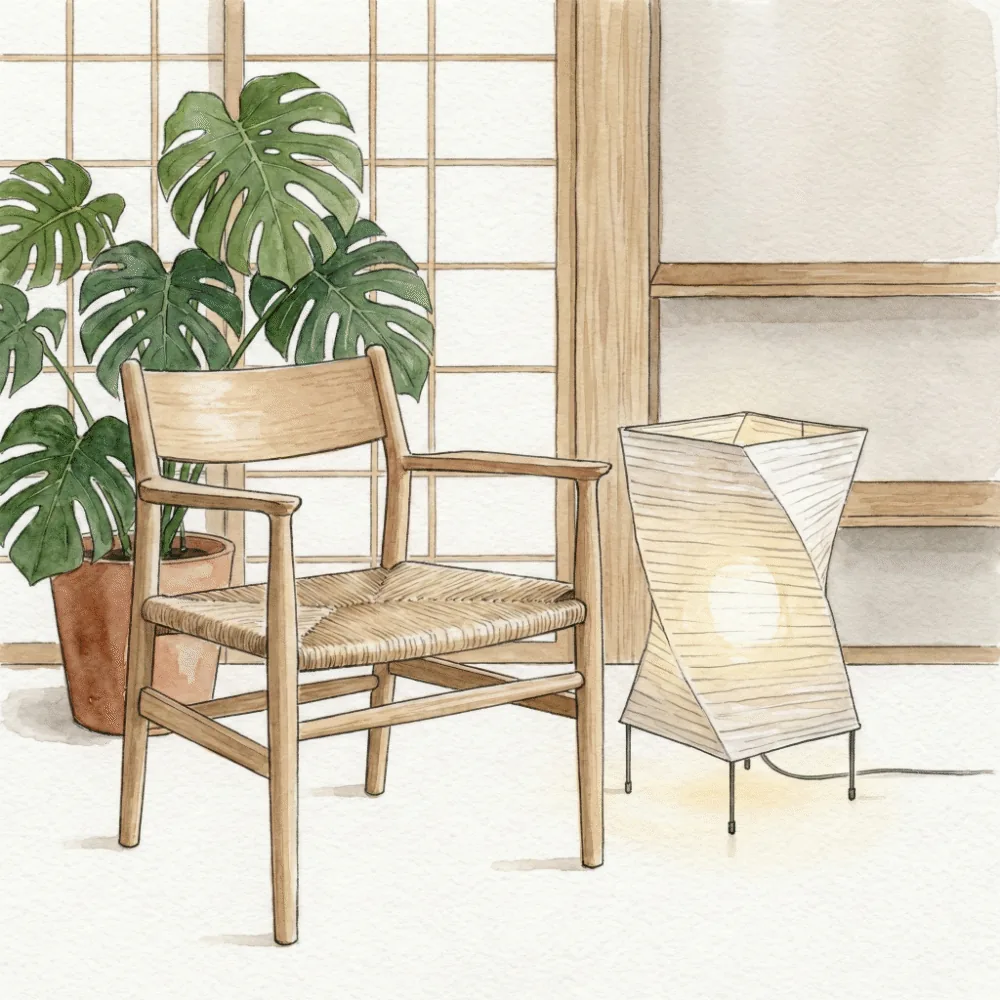
Both Scandinavian and traditional Japanese interiors share a deep respect for natural materials — wood, linen,
unfinished surfaces.
Place a washi floor lamp with its organic silhouette beside a light wood table and a grey sofa, and something
unexpected happens: the lamp looks like it belongs there completely.
Bringing one element of Japanese craft into a modern space creates a refinement — a breathing room — that pure
minimalism can't quite achieve on its own.
5. Cordless and Compact: Washi Lights That Work in Any Rental
No outlet nearby, no nail holes allowed — there's now a washi lamp for every living situation.
Battery-powered and rechargeable washi lighting has opened up new possibilities for renters and frequent
re-arrangers alike.
Hayashi Kougei — Portable LED Paper Lantern (Maru)
The traveler's lantern — reinvented for modern life.
This battery-powered LED cordless light takes direct inspiration from the folding paper lanterns that Japanese
travelers carried centuries ago.
It collapses flat for easy storage and expands into a beautiful glowing lantern in seconds. Carry it to the
bedside, take it to the balcony on a warm evening, or place it in the center of the table without a single cord
in sight.
The freedom from wiring makes this the most flexible washi lamp you can own.
- Material
- Washi paper + bamboo · Made in Japan (Gifu Prefecture)
- Power
- Battery-powered LED · cordless
- Feature
- Foldable · portable · no outlets needed
- Brand
- Hayashi Kougei (林工芸) · Gifu Prefecture
6. Transforming Your Evenings with Layered Lighting
Hotel rooms feel relaxing partly because they don't rely on a single ceiling light — they use multiple light sources
at different heights and angles.
This approach is called layered lighting, and it's the single most effective way to change how a
room feels at night.
Light the Corners, Not Just the Center
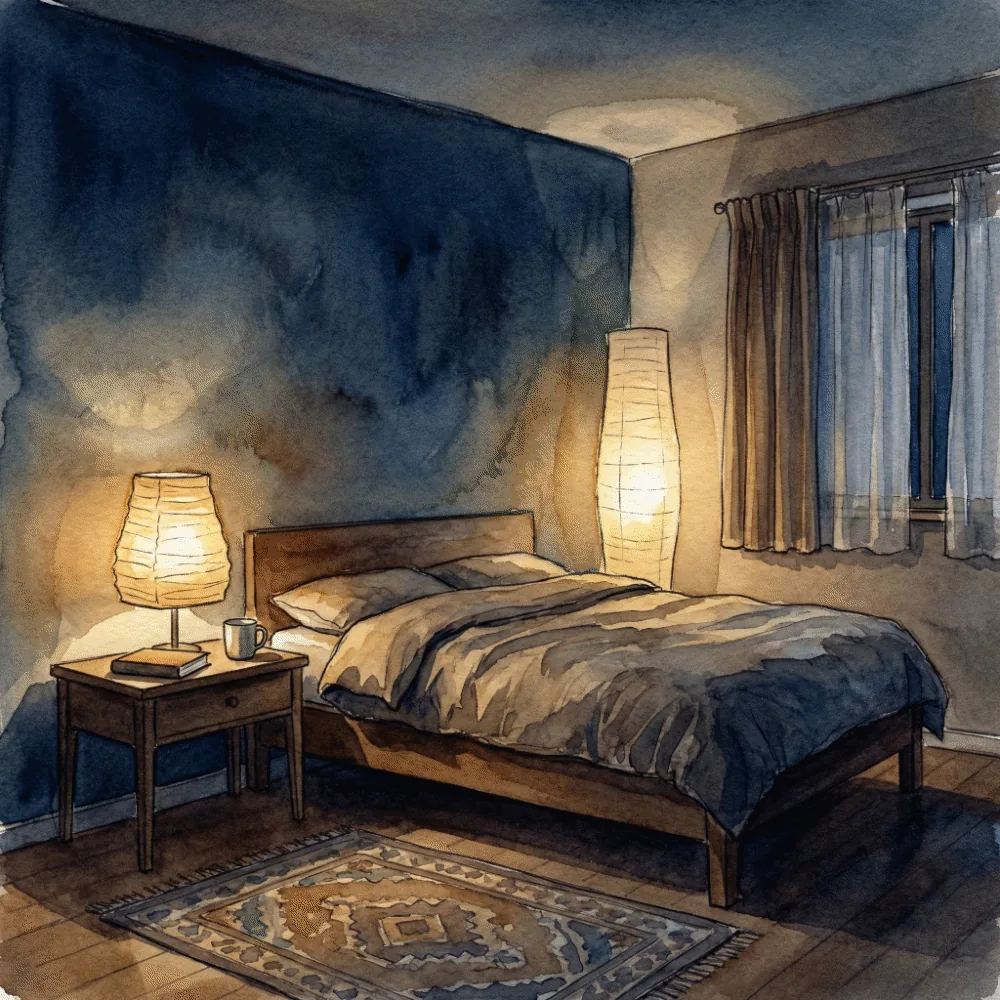
The rule with washi lighting: place it in a corner or at a low height — floor level, or on a side table.
Lighting the corner of a room creates depth and makes the whole space feel larger.
Switching off the main overhead light and spending the evening in just the gentle warmth of a washi floor lamp
quiets the mind in a way that a bright ceiling fixture simply cannot. It's one of the easiest paths to genuinely
restorative sleep.
7. Maintenance: Cleaning and Caring for Your Washi Lamp
"Won't paper tear easily?" "It must be impossible to clean." Let's address both concerns directly.
More Durable Than You'd Expect — and Only Gets Better with Age
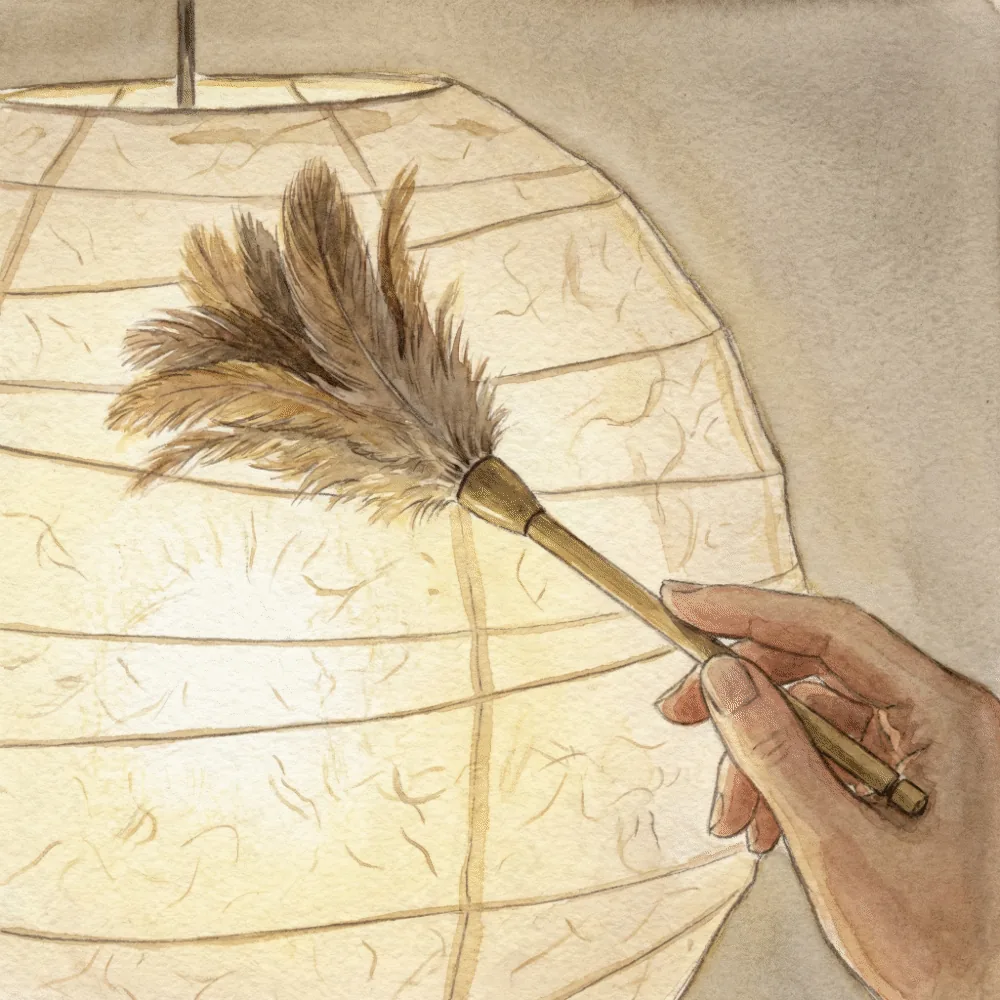
1. Cleaning:
The enemy of washi is dust. Oil marks are hard to remove, so never wipe with a damp cloth.
Use a soft-bristled brush or a dry dusting cloth — gently sweep the surface without pressing.
2. If the paper tears:
Just like shoji screens, small tears can be patched with a scrap of washi — the patch often adds to the charm
rather than detracting from it.
Many modern washi lamps now use resin-reinforced washi that resists tearing much better. Check before you buy.
8. Frequently Asked Questions
Can I use an LED bulb inside a washi lamp?
Yes — LED is actually the better choice.
Incandescent bulbs generate significant heat, which can damage or yellow the washi over time.
LED bulbs run cool, extending the life of the shade and eliminating any fire risk.
What color temperature works best?
Warm white (2700K) — no question.
The amber-orange tone of warm white brings out the natural warmth of washi and creates that calming evening
atmosphere.
Cool white or daylight (5000K–6500K) will make the washi look cold and clinical, and the relaxation effect
disappears entirely.
I don't have a Japanese-style room. Will a washi lamp look out of place?
Not at all.
AKARI is celebrated worldwide in contemporary homes of every style. The white of washi paper and the clean
geometry of these lamp forms pair naturally with modern Western interiors.
They look especially good near wooden furniture or beside plants, where the natural materials reinforce each
other.
My washi has started to look yellowish. Is it time to replace it?
It could be patina — or it could be time for a new shade.
Washi gradually yellows from UV exposure and oxidation. Some people find this aging beautiful, like a well-worn
book.
If the light output has dropped noticeably or the discoloration bothers you, that's a good signal to replace the
shade — many styles allow this.
Can I use a washi lamp in the kitchen or bathroom?
Avoid areas with water, steam, or cooking splatter.
Washi readily absorbs moisture and oil, which leads to staining and mold.
Living rooms, bedrooms, entryways, and hallways are ideal — anywhere with low humidity and no grease.
Where can I buy AKARI? Is it really hard to find?
It's available through official retailers and department stores, but popular models do sell out
quickly.
AKARI is manufactured by Ozeki, based in Gifu Prefecture, and sold through authorized dealers worldwide.
Demand consistently outpaces supply, especially for smaller models.
If AKARI is unavailable, Hayashi Kogei's Fores line is a high-quality alternative made using the same Gifu
craftsmanship — and considerably easier to purchase.
Final Thoughts: Like the Sun. Like the Moon. A Light That Belongs in Your Home.
By day, a washi lamp stands quiet and beautiful — a sculptural object waiting for nightfall.
By night, it becomes something else entirely: a moon in the corner of the room, transforming the atmosphere with
a single switch.
After a day spent under fluorescent office lights, coming home to the gentle, diffused warmth of washi paper —
and taking a slow breath in that light — might be exactly the transition your body needs.
Start with one small floor lamp. Let the washi do its quiet work.
Japanese Wax Candles (Warosoku): Healing Flame and Living Light
Japanese Incense Guide: Shoyeido, Awaji Island, and the Art of Scenting a Room