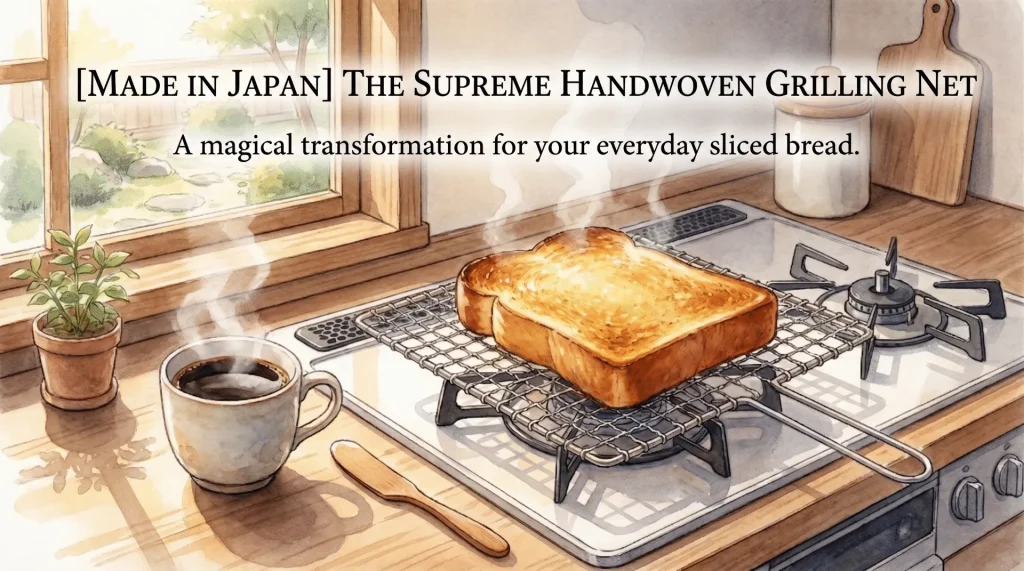
"My toast comes out dry and flat from the toaster every morning…"
"I want my breakfast to actually feel like something — something worth looking forward to."
Your toaster is convenient, but if you want to turn an ordinary supermarket loaf into something that tastes like a
high-end hotel breakfast, the answer is a Japanese-made hand-woven roasting net (yakiami) — and
nothing else comes close.
Set it on the gas stove, let the direct flame do the work.
Far-infrared radiant heat gives you a result no electric toaster can match: a crackling golden crust on the outside while
the moisture stays locked inside.
Each net is hand-woven by a Kyoto artisan — one at a time. It's not just a cooking tool.
Watching for the moment it colors, breathing in that unmistakable toasty fragrance — it brings an analog richness to
your morning that no digital appliance can replicate.
This guide covers the best Japanese hand-woven roasting nets, plus the essential things to know before using one on
a modern gas stove — IH compatibility, the Si-sensor problem, and how to solve it.
Series: This article is part of the "Lifetime Kitchen Tools" collection.
Quick Reference: Roasting Net Materials at a Glance
| Material | Characteristics | Durability | Best For |
|---|---|---|---|
| Iron | High far-infrared output; artisan hand-woven craftsmanship | Lifetime with proper care | Bread, mochi, dried fish, yakitori |
| Stainless Steel | Rust-resistant, easy to maintain; lower barrier to entry | Good; rust-resistant and long-lasting | Vegetables, cheese, seafood |
| Copper | Even heat conductivity for precise, delicate control | Good; discolors over time but stays strong | Premium fish, delicate ingredients |
| Ceramic | Strong far-infrared output for fluffy, even results | Fragile; prone to cracking | Mochi, sweet potato, grilled onigiri |
2. Why a Hand-Woven Net? What an Electric Toaster Can't Do
"Seriously — why bother with a wire net when I have a toaster?"
Toast it once this way and you'll find it very hard to go back.
Kyoto Kanaami Craft & the Far-Infrared Science Behind Perfect Toast
The secret lies in a craft tradition stretching back to the Heian period — Kyoto's kanaami (金網, woven wire)
artisans who originally created fine mesh tools for tofu scoops and Buddhist cuisine — and in the
heat-conversion physics of the woven mesh.
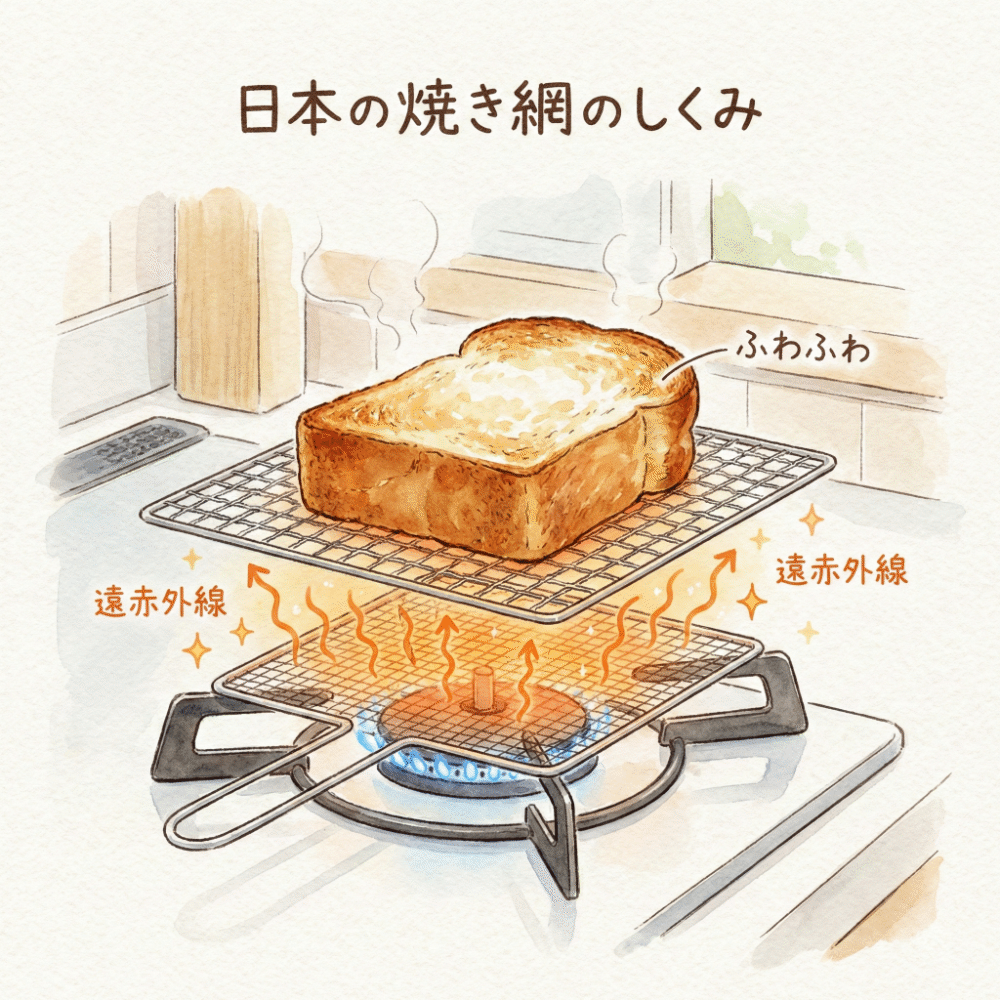
When the gas flame (convective heat) hits the fine inner mesh, it converts efficiently into radiant far-infrared
energy, which then envelops the
ingredient from all sides like a dome and sears it rapidly and thoroughly.
An electric toaster heats slowly and steadily — which evaporates moisture from inside the bread, leaving it dry.
A roasting net on a medium-high flame sears the surface fast, sealing in the moisture and producing a result
that is remarkably tender and chewy inside.
3. Top 2 Japanese Roasting Nets: Kyoto Artisan Picks
Unlike cheap hardware-store nets, a Japanese hand-woven roasting net resists warping under heat and lasts for years
with basic care.
Here are two brands that represent the best of Kyoto's deep kanaami tradition.
Tsujiwakanaami — Hand-Woven Roasting Net with Handle
A Kyoto kitchen icon: practical, beautiful, and built to last.
Tsujiwakanaami has been hand-weaving wire nets in Kyoto since the early Showa era. This model comes with an
attached handle for easy maneuvering — a real difference-maker in daily use.
The fine inner mesh diffuses the gas flame and distributes heat evenly, so bread colors consistently without
burning, even for beginners.
In testing, a slice of bread turns
a perfect golden brown in just 2–3 minutes. A simple, beautiful lifetime tool that will make you
genuinely look forward to standing at the stove each morning. (The inner mesh detaches for easy washing.)
Kanaami Tsuji — Hand-Woven Roasting Net
Artistic kikko weave: striking enough to hang as kitchen décor.
Also famous for their tofu scoops, Kyoto's Kanaami Tsuji crafts this roasting net in an intricate kikko (亀甲,
tortoiseshell hexagonal) pattern that is as visually stunning as it is functional.
A ceramic inner mesh delivers powerful far-infrared heat, cooking mochi and vegetables to a fluffy, evenly
cooked finish. Hanging it from your kitchen wall, it looks like a piece of folk art rather than a cooking
implement.
Ideal for anyone who wants a tool that rewards daily use and grows more personal over time.
4. Before You Buy: IH Incompatibility & Gas Sensor Solutions
There are two important facts about using a roasting net on a modern kitchen stove. Know these before you order to avoid regret.
1. Roasting Nets Do Not Work on IH Cooktops
Wire mesh does not respond to induction magnetic fields, so a roasting net cannot be used on an IH
cooktop at all.
If your kitchen is IH, pick up a tabletop cassette stove and use the net on that instead. (Important: choose a
net small enough that it doesn't overhang the gas canister compartment — radiant heat from a large net can
overheat the canister and cause a serious accident.)
2. Japanese Gas Stoves Have a Safety Sensor That Will Cut Your Flame
Modern Japanese gas stoves are required by law to have a temperature safety sensor (Si-sensor) in the center
burner. When you place a roasting net on the flame, the sensor reads the heat as dangerously high and automatically reduces the flame or cuts it
entirely.
Solutions:
If your stove has a sensor override button (often labeled "high-temp stir-fry mode"), press and hold it for 3
seconds to disable the sensor temporarily.
If there's no such button, use a small auxiliary grate (gotoku) designed for roasting nets — a
small riser that sits between the burner and the net, preventing direct sensor contact. One riser solves the
problem permanently.
5. Beyond Toast: Everything You Can Cook on a Roasting Net
A hand-woven roasting net isn't just for morning bread.
From snack time to New Year celebrations, here are the ways it earns its place in your kitchen year-round.
| Ingredient | What a Roasting Net Does Differently |
|---|---|
| Mochi (New Year's rice cakes) |
Watch it puff up beautifully right before your eyes. Electric toasters let mochi stick to the tray. On a roasting net, it puffs and crisps on the outside while the inside goes molten and stretchy — with gorgeous golden char marks. |
| Vegetables (shiitake, broad beans) |
The umami juices well up right before your eyes. When shiitake caps start "sweating" on the underside, they're ready. A pinch of salt and a drop of soy sauce turns them into something you'd pay good money for at a Japanese izakaya. |
| Yaki-onigiri (grilled rice balls) |
The crispy, caramelized crust a frying pan can never give you. Brush with soy sauce and turn slowly over direct heat. The scorched "okoge" crust your frying pan can't create fills the kitchen with a warm, irresistible aroma. |
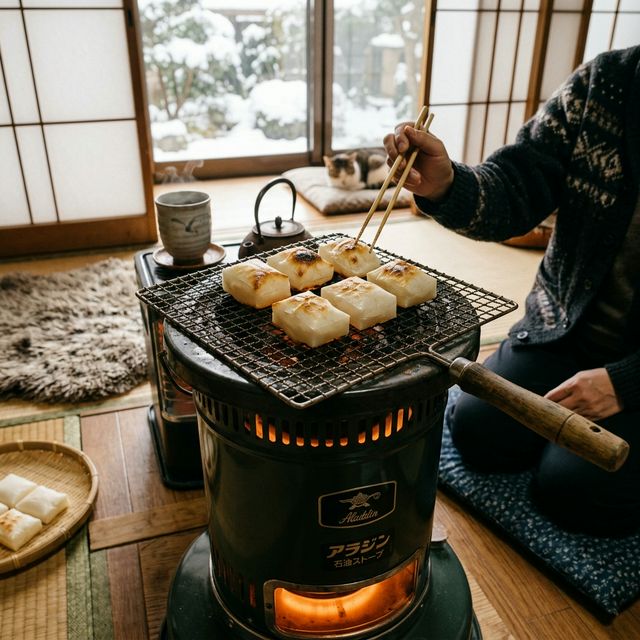
A Winter Ritual: Cooking on Top of a Kerosene Heater
If you have a conventional convection or radiant kerosene heater at home (the kind that gets a hot top surface —
Aladdin, Corona, etc.), a roasting net opens up a whole new world of slow, ambient cooking in the cold
months.
The gentle heat from the heater top combined with the net's far-infrared radiation is a remarkably luxurious
combination — warming yourself while food cooks slowly beside you.
- Mochi: Far-infrared penetrates to the core, so it puffs without scorching — the ideal way to cook it.
- Surume squid & dried eel fin: Gas flame can char dried food in an instant, but the heater top gives you gentle, even heat — soft inside, fragrant outside, perfect with a drink.
- Miso-grilled onigiri: Brush with soy sauce and miso, cook low and slow, and the whole room fills with a snack-stall warmth.
Note: The inner mesh helps prevent drips from reaching the heater surface, keeping it cleaner than you'd
expect.
Note: Some heater models advise against cooking on the top panel — check your heater's manual before trying
this.
6. Frequently Asked Questions
Is there any way to use a roasting net on an IH cooktop?
A separate cassette stove is the only solution.
Wire mesh doesn't respond to induction, so IH is simply not compatible. A tabletop cassette stove solves the
problem — just make sure to choose a small to medium net (roughly 20cm diameter) that won't overhang the gas
canister.
The gas sensor keeps cutting my flame. What can I do?
A small auxiliary grate (gotoku for roasting nets) is the permanent fix.
If you don't want to press the sensor override button every single time, an inexpensive small riser sits between
the burner grate and the net, preventing the sensor from making direct contact. Stable flame, no interruptions.
How do I clean and care for a roasting net?
Wipe off residue while it's still warm, then dry it thoroughly if you rinse it.
If cleaning after it has cooled, rinse gently with warm water and dry immediately to prevent rust. Many hand-woven
nets like Tsujiwakanaami's have a removable inner mesh, which makes cleaning much easier.
What's the difference between a shichirin and a roasting net?
Different tools for different purposes. A shichirin is a charcoal stove; a roasting net goes on top of
your gas stove.
A shichirin uses charcoal for far-infrared outdoor or tabletop grilling — great for authentic yakitori and BBQ. A
roasting net is a daily kitchen tool you use on a gas burner for morning toast or quick snacks. If you cook
something several times a week, a roasting net is more practical. For an outdoor cooking experience, a shichirin
wins.
Is using a roasting net on a cassette stove safe? (Risk of canister explosion?)
Choosing a compact net that doesn't extend over the gas canister compartment is
non-negotiable.
When used on a cassette stove, the strong radiant heat from the net can overheat the canister cover if the net
overhangs it — a serious explosion risk. Always choose a net that fits entirely within the stove's burner grate
and does not extend over the canister side — roughly 15–20cm in diameter.
What other drinking snacks can I cook beyond mochi and vegetables?
Dried eel fin (eihire), dried squid (surume), shishito peppers, and satsuma-age (fried fish cake) are all
fantastic.
Hand-woven roasting nets are especially wonderful with dried snacks. Sear eel fin or squid over a very low flame
and the far-infrared keeps the interior soft and yielding while the outside caramelizes — done in minutes.
Excellent with mayonnaise and shichimi pepper.
7. Final Thoughts: How Two Minutes Over a Direct Flame Transforms Your Morning
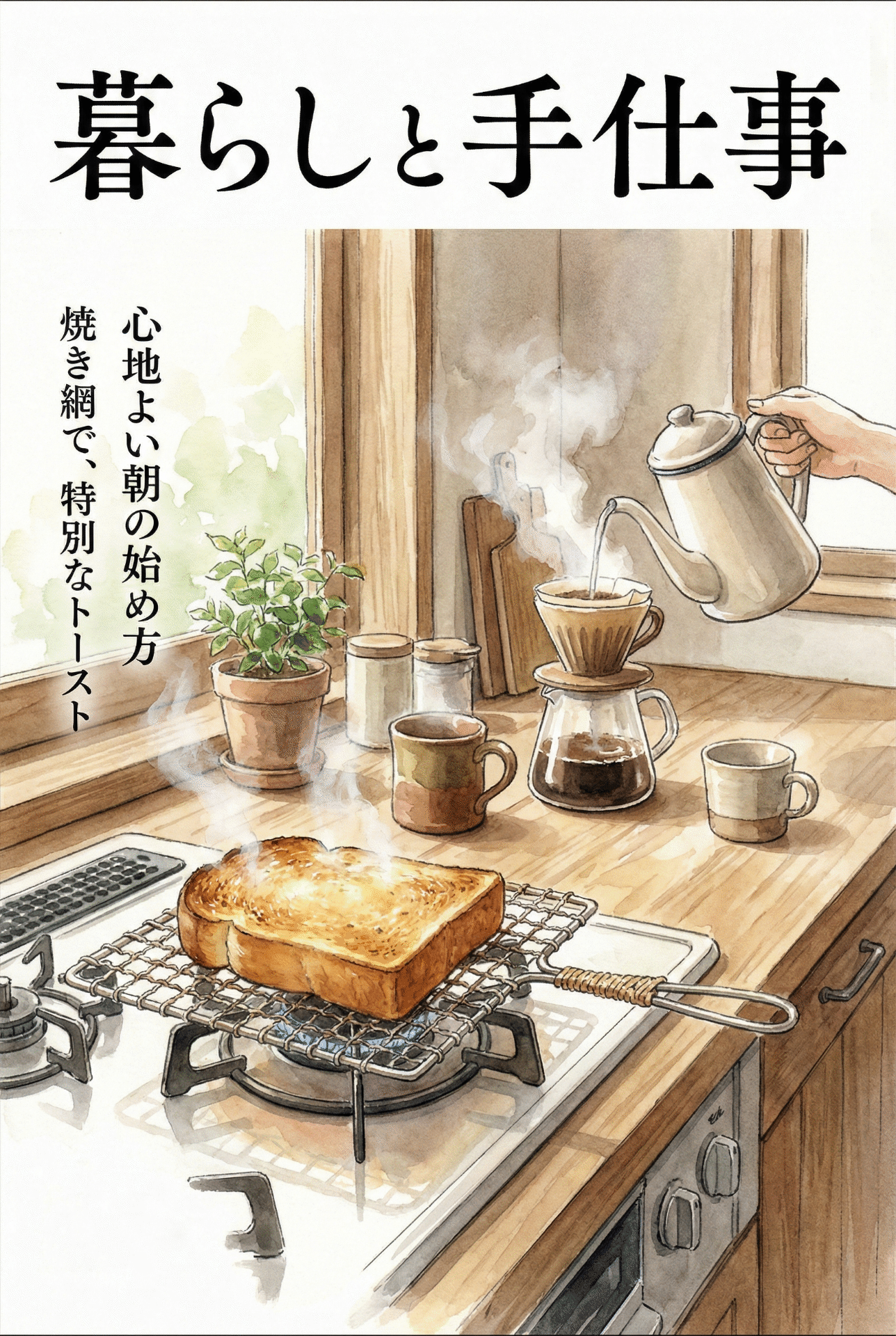
A toaster is push-and-forget. A roasting net asks a little more — watching the color, flipping it at the right
moment.
But those 2–3 minutes listening to the crackle and breathing in the smell of toasting bread are, for anyone
navigating a busy modern life, one of
the most genuinely mindful moments you can give yourself.
A beautiful, durable hand-woven net from a Kyoto artisan. Easy to clean, built to last, a joy to use every
morning.
Bring one home and start tomorrow with the best toast of your life.
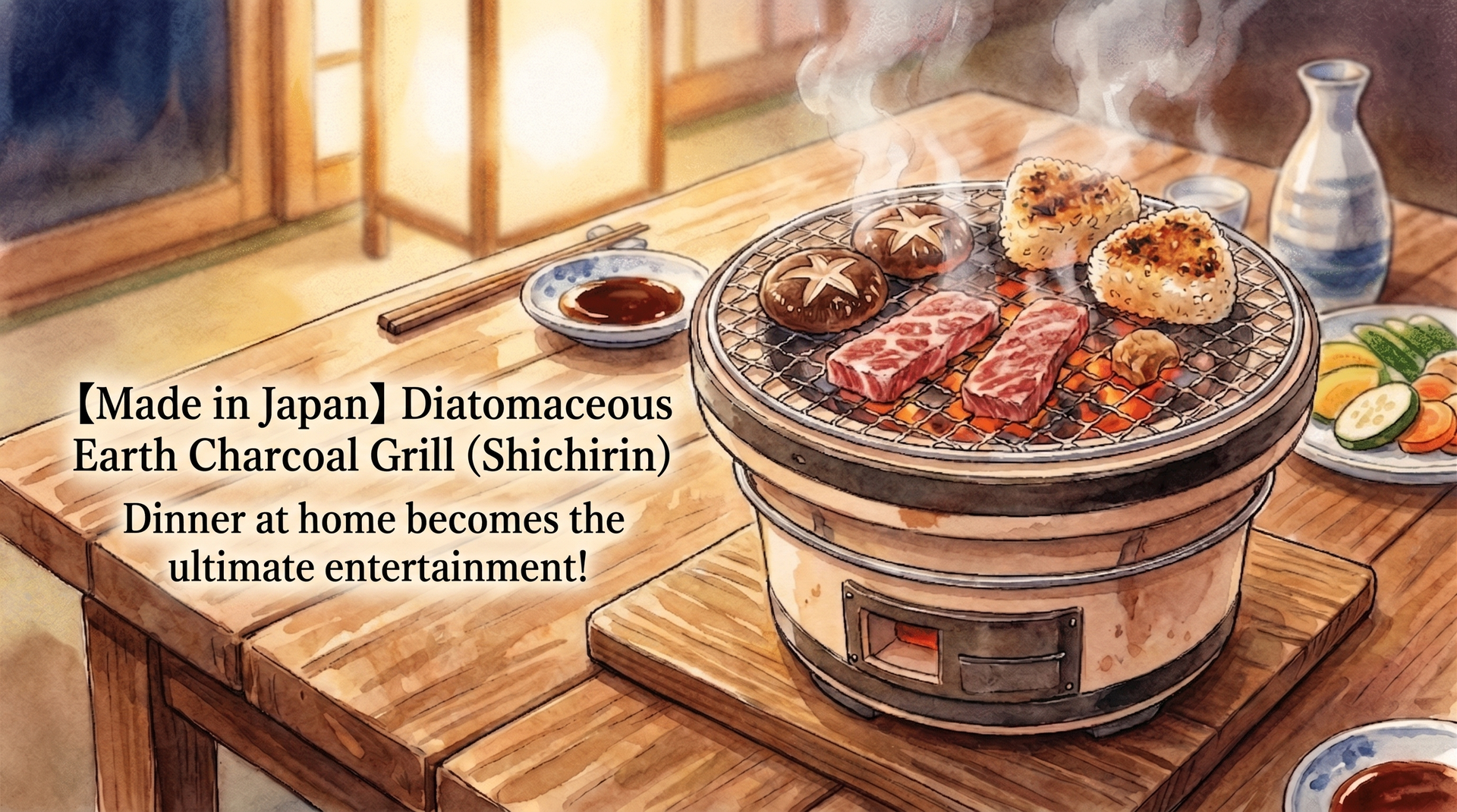
Best Japanese Shichirin | Diatomite Charcoal Grills for Tabletop BBQ
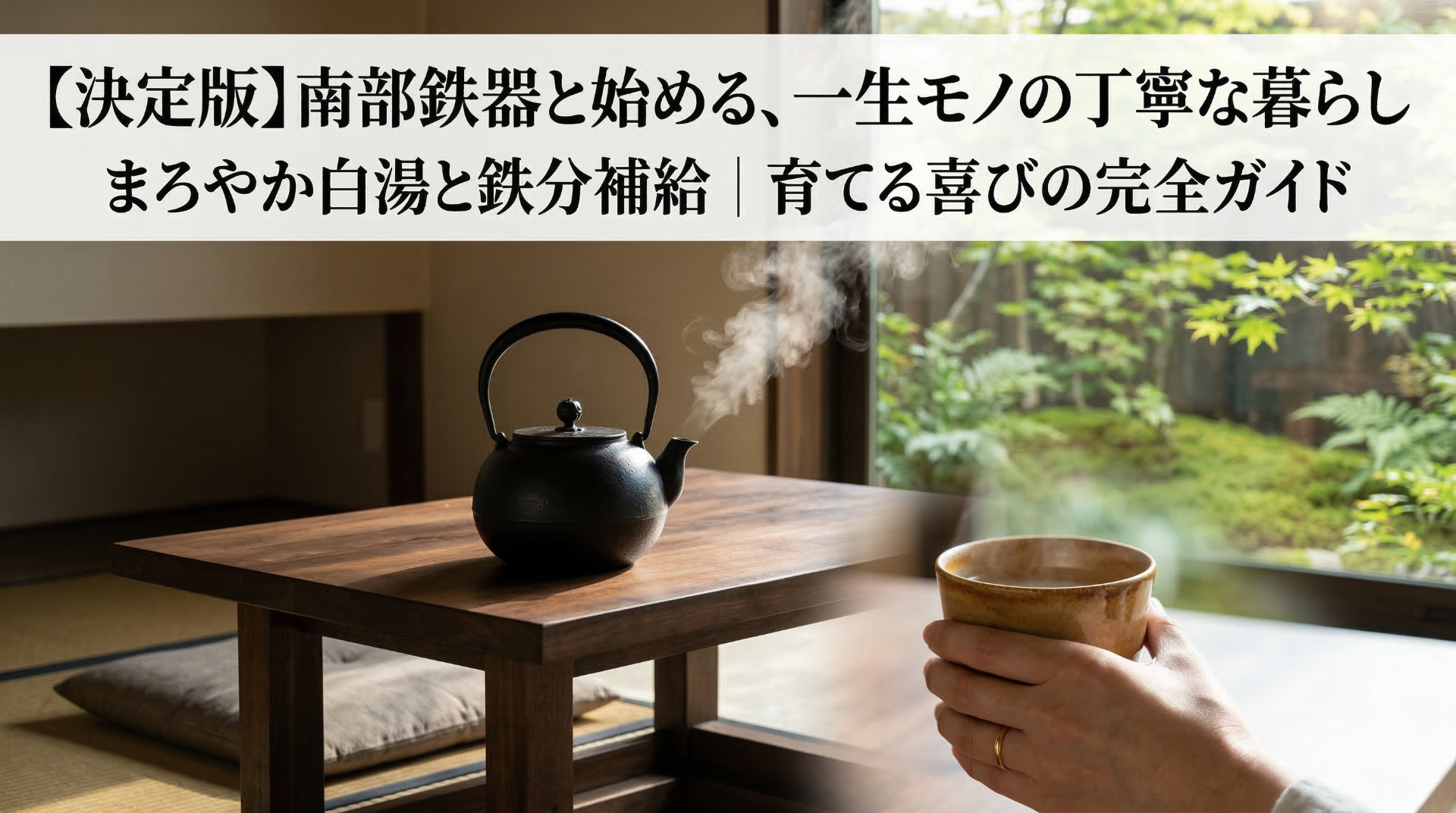
Best Nambu Ironware | How to Choose & Compare the 5 Major Brands