"The shikishi someone gave me, the tenugui I bought on a trip — they're too precious to use, so they sit in a drawer."
What's missing may not be wall space, but the right frame.
Shikishi (square boards for calligraphy and painting) have their own frames; so do tenugui (Japanese printed cotton cloths) and photos. And in Japan there are craftsmen who wrap frames in cherry bark, back them with gold-flecked mats, and coat them in lacquer clear enough to show the grain.
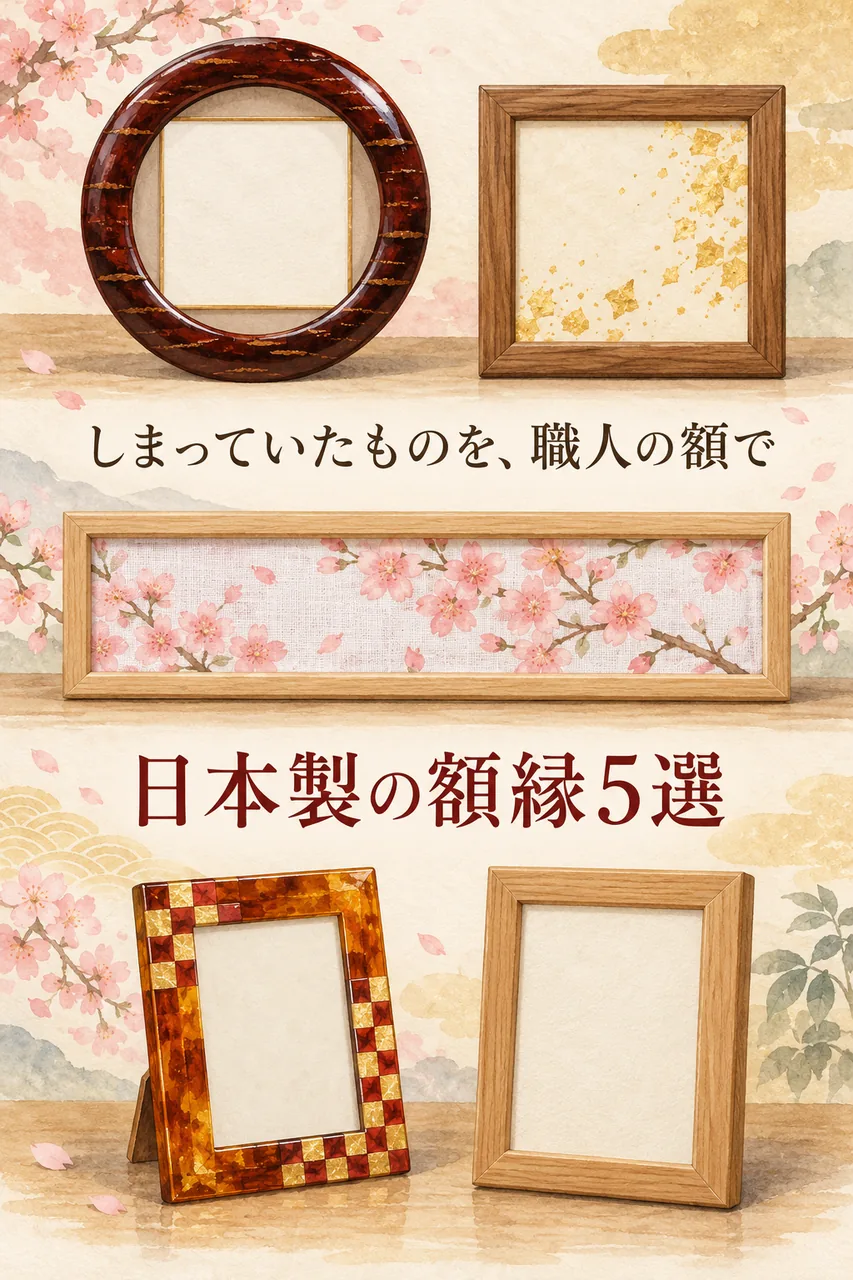
This guide covers five Japan-made frames: a cherry-bark round frame and a classic shikishi frame from a Kyoto frame shop, a tenugui frame from a maker of kitchen-cabinet doors, a Hida Shunkei lacquer photo stand, and a handmade solid-wood frame — plus how to choose and hang them.
Quick Reference: 5 Japan-Made Frames at a Glance
| Frame | For | Maker | What sets it apart |
|---|---|---|---|
| Cherry-bark round frame ▾ | Shikishi | Kyoto Takumi (Kyoto) | Rare cherry bark wrapped by hand |
| Shikishi frame X158 ▾ | Shikishi | Kyoto Takumi (Kyoto) | Gold-flecked mat, lacquered frame |
| Tenugui frame ▾ | Tenugui | Gifu no Mokkoya (Gifu) | UV-cut, about 1 kg |
| Hida Shunkei photo stand ▾ | Photos | Motoda Shikki (Takayama, Gifu) | Clear lacquer and a checkered pattern |
| Solid-wood frame ▾ | Photos, A4 paper | bosky (own workshop) | Each one handmade |
Click a frame to jump to it.
1. Why Japanese: Decide What to Hang, and the Frame Follows
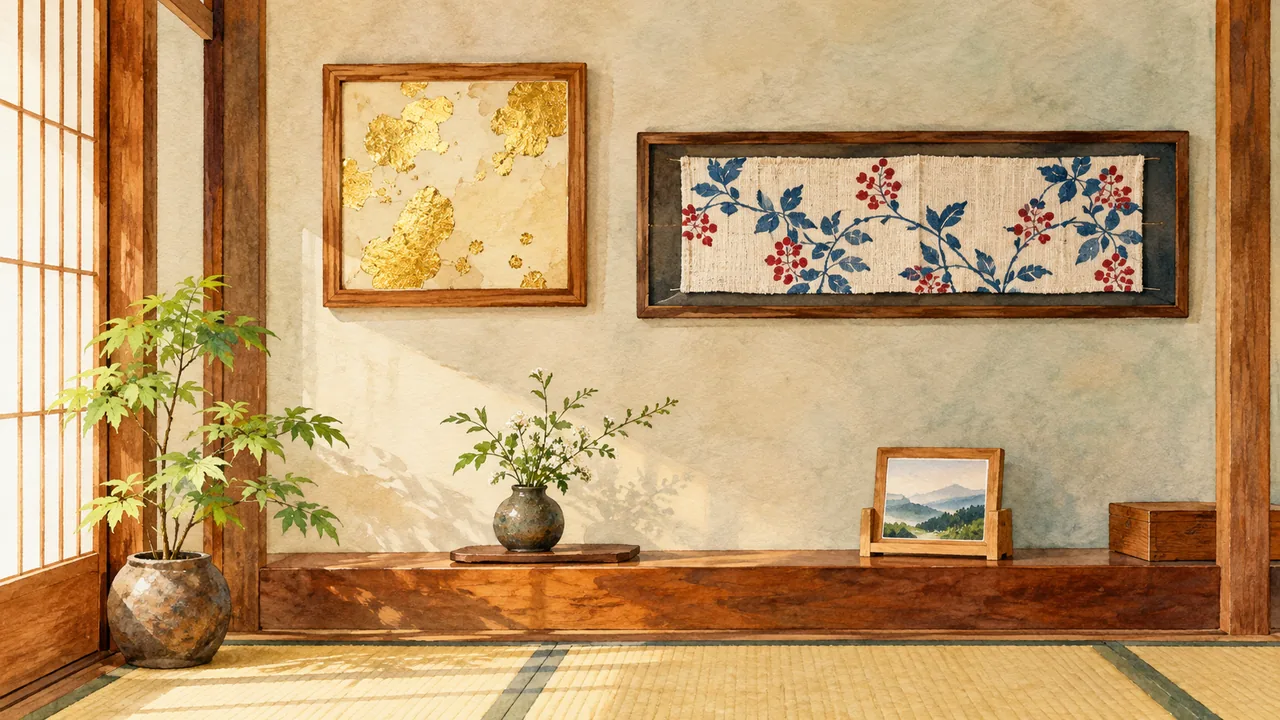
Shikishi, tenugui, photographs
The first thing to decide is what you're hanging. For calligraphy or painting on shikishi — the square, gold-edged boards used for writing poems or autographs in Japan — a wa-gaku (Japanese-style frame) with a gold-flecked mat. For a long tenugui, a frame made to its size. For family photos, a stand for a shelf.
Each of the five frames here was finished by a Japanese maker for a particular thing to display.
2. Kyoto Wa-gaku: Cherry Bark and Gold Flecks
A Kyoto shop for paintings, frames and mounting
"E to Gakubuchi Kyoto Takumi" is a Kyoto specialist in paintings, frames and traditional mounting. Its wa-gaku are presented as Kyoto frames suited to a tokonoma alcove, an entryway or a tatami room.
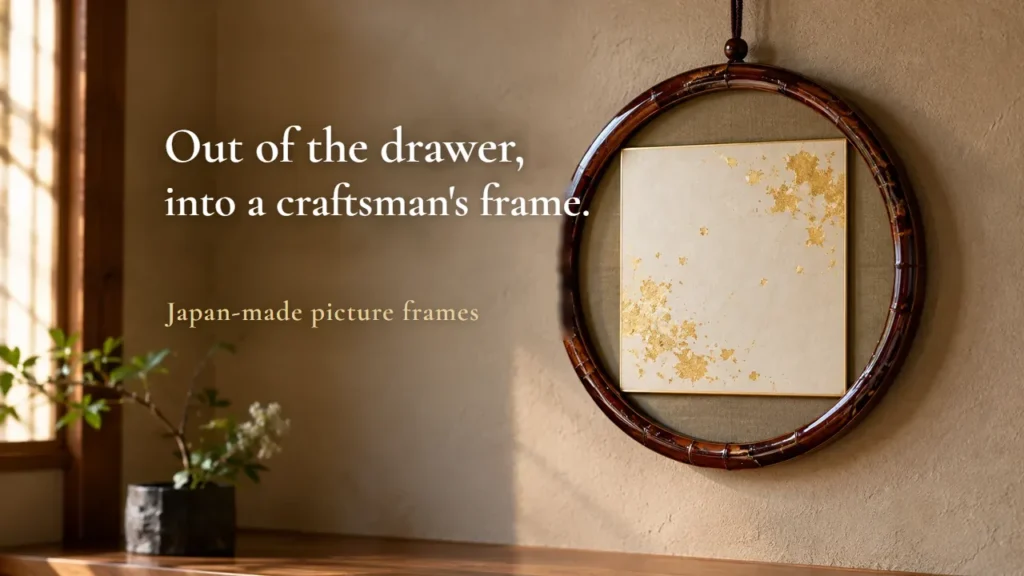
The eye-catcher is a round frame wrapped in cherry bark. In the shop's words: "A round frame using cherry bark, now rare, finished by a skilled craftsman with traditional techniques." The carefully wound bark gives a deep, glossy brown.
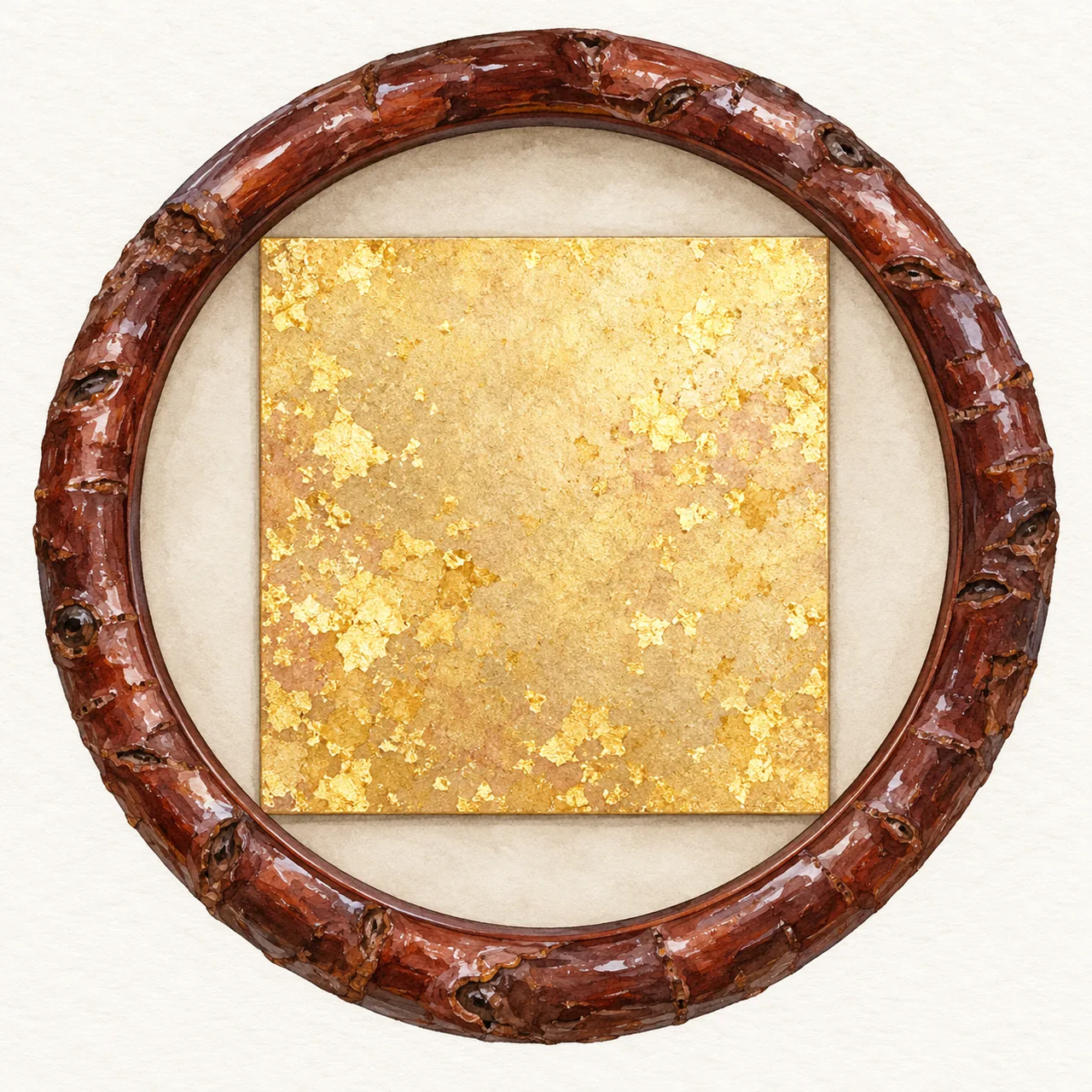
Kyoto Takumi Wa-gaku, Round Frame, Cherry-Bark Wrapped — a shikishi like a round window
Rare cherry bark frames the shikishi in a circle. Takes a standard shikishi (272 × 242 mm, 10.7 × 9.5 in); outer diameter 455 mm (17.9 in); gold-flecked mat. It makes a gift of calligraphy, or your own painting, the centerpiece of an alcove or entryway. Sold in Japan.
Kyoto Takumi Wa-gaku, Shikishi Frame X158 — gold-flecked mat, lacquered frame
A wa-gaku finished piece by piece in a Japanese workshop. A softly glittering gold-flecked mat and a handsomely lacquered wooden frame set off the shikishi, in a clean shape that suits modern homes too.
The hanger is fitted vertically; ask when ordering if you want to hang it horizontally. Sold in Japan.
3. A Tenugui Frame from a Kitchen-Door Maker
Cut, finished and fastened by three craftsmen
The tenugui frames of "Gifu no Mokkoya" (a Gifu woodworking shop) are made by a manufacturer of kitchen-cabinet doors — the woodworking behind doors that open and close every day, turned to framing tenugui.
With dedicated machines, three craftsmen cut the frames, finish the corners and fasten the screws by hand. It's built light, about 1 kg (2.2 lb), so hanging and changing it is easy.
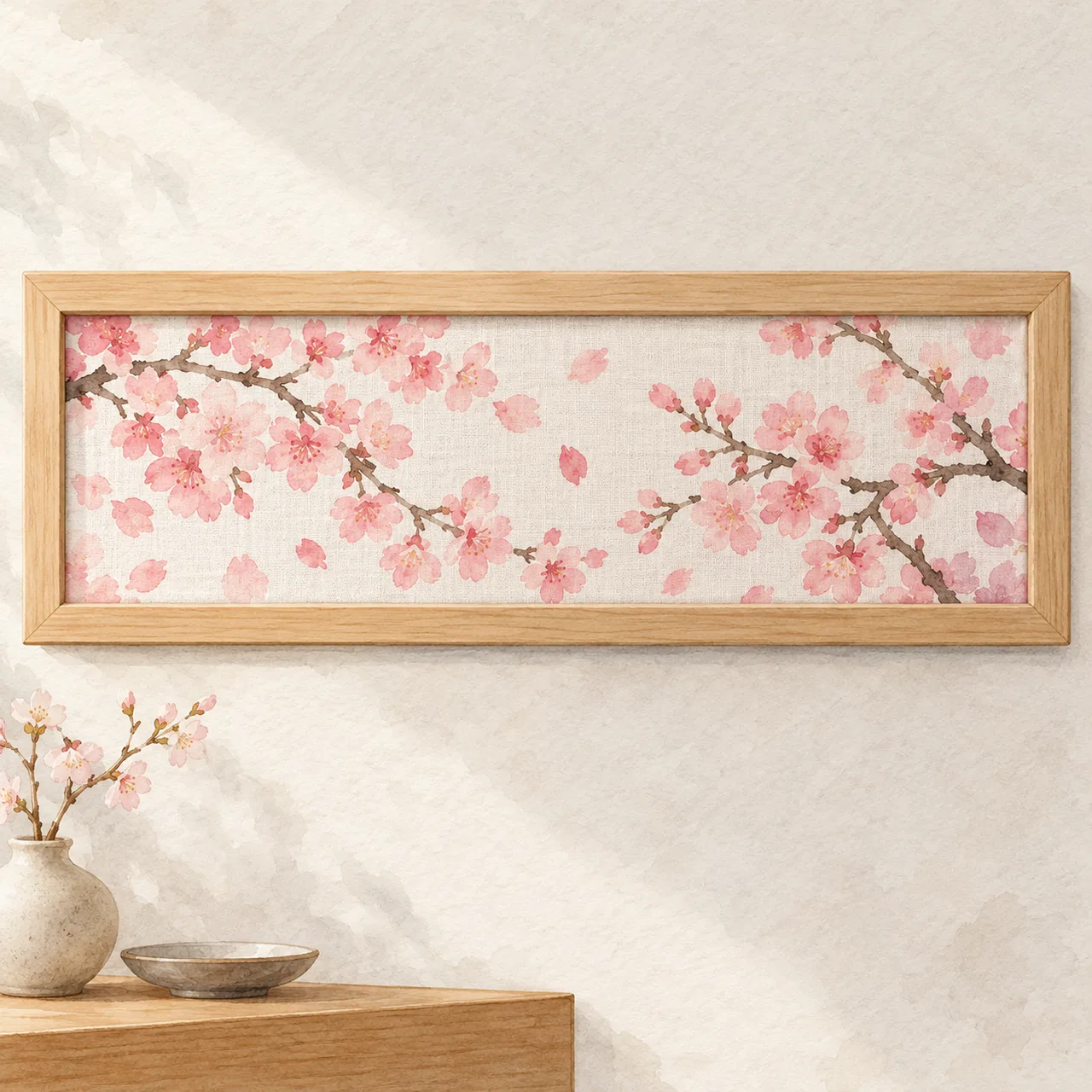
A displayed tenugui fades in the light
Fabric on a wall slowly fades in ultraviolet light from the window. This frame uses a UV-cut PET panel to protect the tenugui — lighter than glass and harder to break — so changing tenugui with the seasons can go on for years.
Gifu no Mokkoya Tenugui Frame, Lightweight, Natural Wood Grain — change it with the seasons
A wooden frame sized exactly for a tenugui, handmade in Japan. The calm wood tone suits any pattern and any room; dark brown also available.
Cherry blossoms in spring, goldfish in summer, maple leaves in autumn — change the tenugui and the wall marks the season. A good housewarming gift. Sold in Japan.
4. Hida Shunkei: A Photo Stand in See-Through Lacquer
Showing the grain of split wood through clear lacquer
Hida Shunkei is a lacquerware born about 400 years ago in Takayama, Gifu. Instead of covering the wood in black or red like most lacquerware, it's coated in clear lacquer that shows the grain beneath.
Takayama City describes it this way: "Because it uses a clear lacquer through which the wood grain shows, a high level of skill is demanded in everything from selecting the material and working it to lacquering." Nothing can be hidden under color.
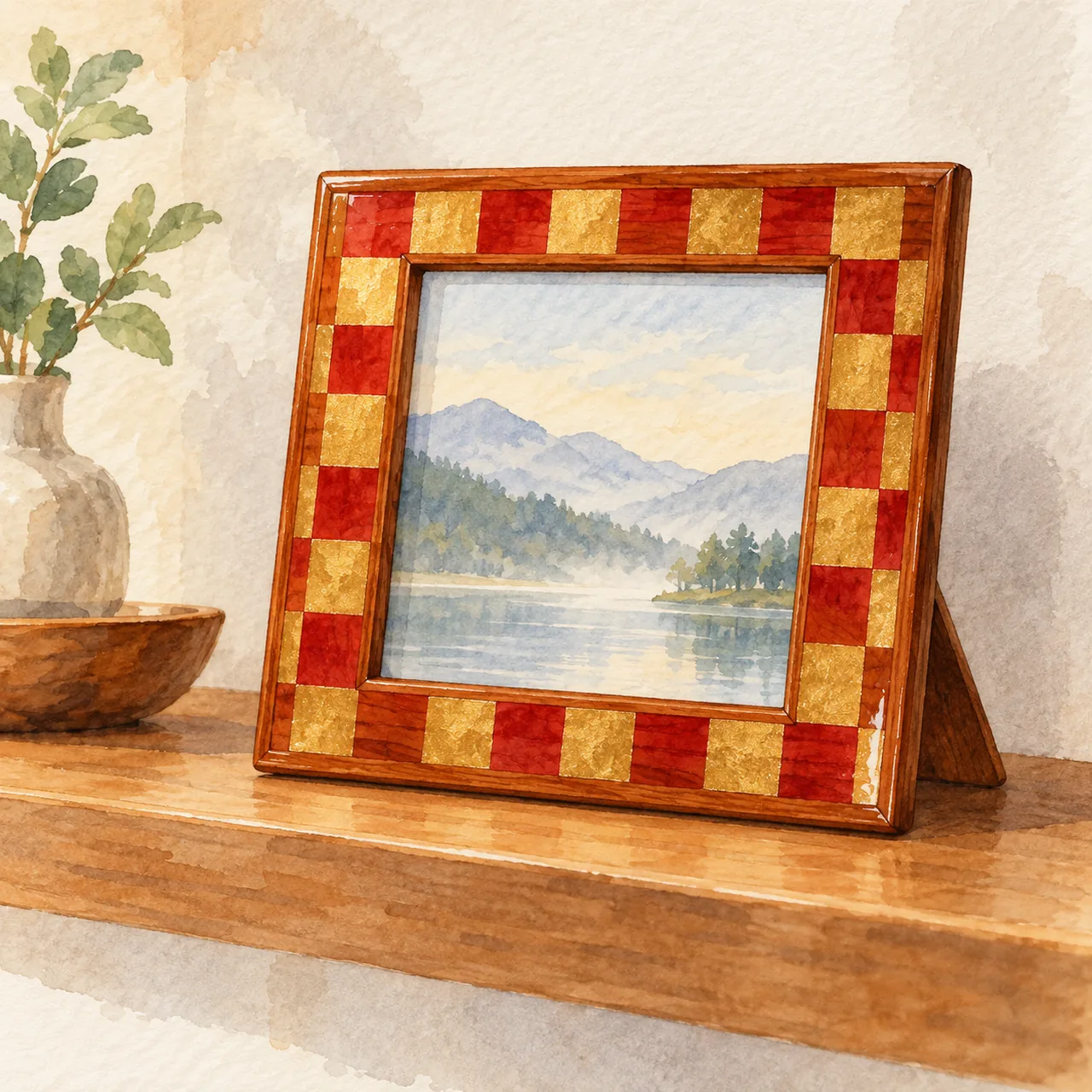
Hida Shunkei, Motoda Shikki Photo Stand, Ichimatsu — framing a photo in shunkei color
Vivid shunkei lacquer with a modern checkered (ichimatsu) pattern. A traditional-craft photo stand by Motoda Shikki of Takayama, with the wood grain showing through the lacquer — a special place for a family photo. Sold in Japan.
5. A Solid-Wood Frame, Handmade in Its Own Workshop
No two grains alike
bosky's solid-wood photo frames are made in its own workshop, each finished by hand by a craftsman. Because the wood is natural, grain and color vary piece to piece — "the beauty of natural wood," in the shop's words.
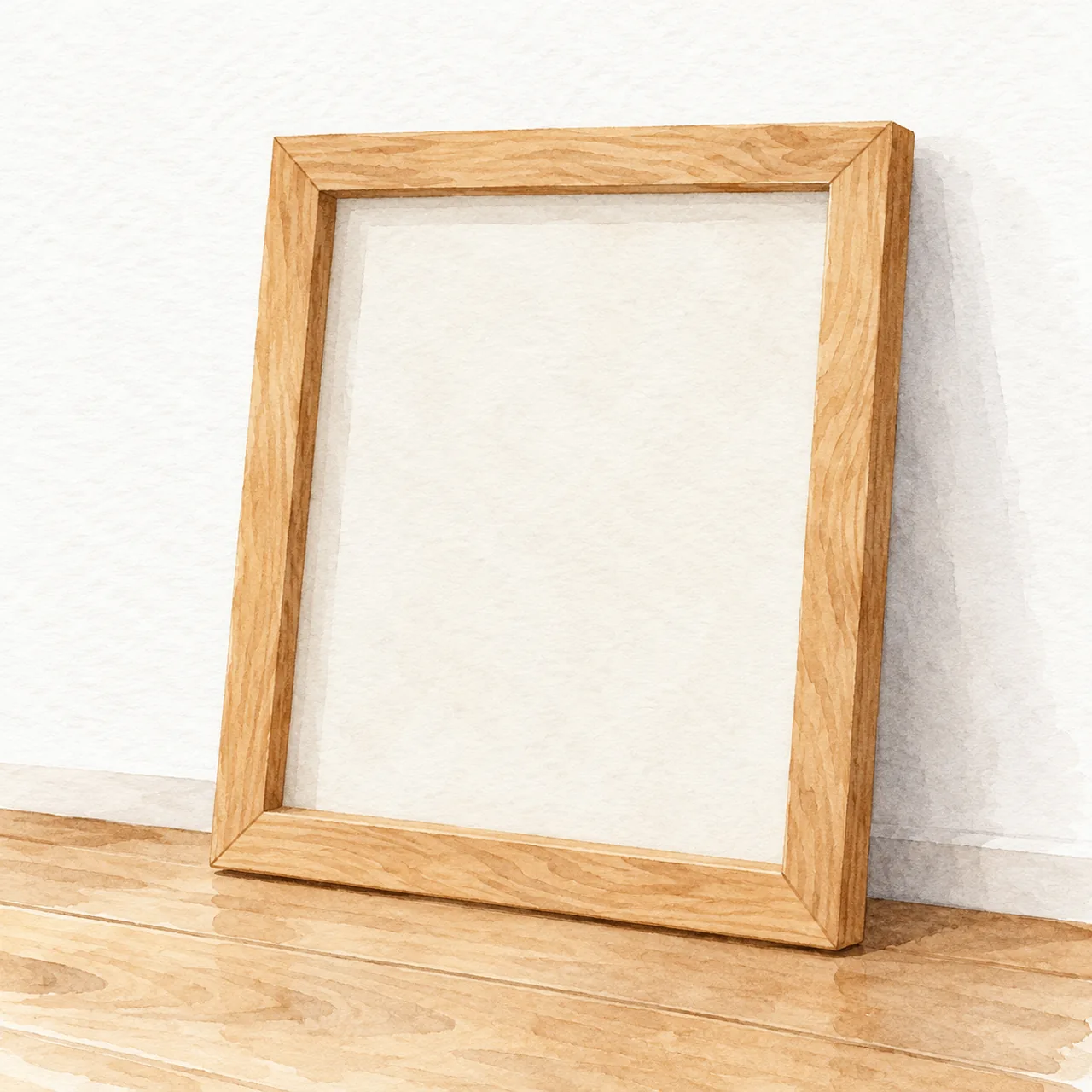
bosky Solid-Wood Photo Frame, A4 — for photos, or a child's drawing
A solid-wood frame that fits A4 paper (8.3 × 11.7 in) or photos. Dark brown, mid brown, clear or white; made in Japan. Perfect for a child's drawing or a favorite poster; no mat is included, so add one to suit. Sold in Japan.
6. Choosing and Hanging a Frame
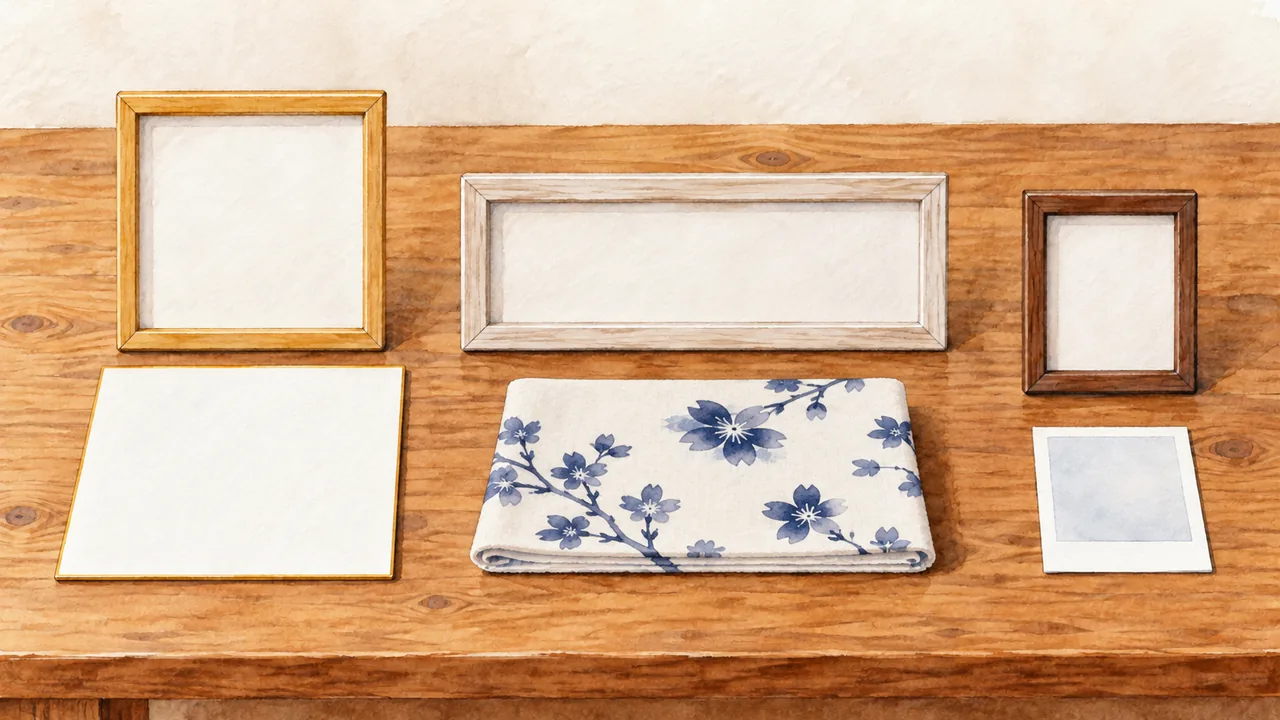
First, measure what you'll hang
A frame's opening is exact. Check whether a shikishi is standard size (272 × 242 mm), and whether a photo is Japanese L size (89 × 127 mm, about 3.5 × 5 in), 2L (127 × 178 mm, about 5 × 7 in) or A4. Both Kyoto frames here take standard shikishi. For tenugui, a tenugui-specific frame holds it without folding.
Think about light and orientation
Near a window, choose a frame with a UV-cut panel so cloth and paper fade less. Wa-gaku hangers depend on vertical or horizontal hanging; for Kyoto Takumi's shikishi frame, ask for a horizontal hanger when you order.
Hida Shunkei began with a tray
Hida Shunkei is said to have begun in the early Edo period, when a craftsman, to show off the beautiful grain of split wood, finished it as a tray in clear lacquer (Takayama City). Four hundred years on, the same lacquer coats a photo stand; the wish to show the grain hasn't changed.
7. Buying Japanese Frames Outside Japan
The five frames above are sold in Japan; we couldn't find them on Amazon.com, and the shikishi and tenugui frames listed there didn't state where they were made. Frames are bulky and glazed, so if you're in Japan, a frame shop or department store is the easiest place to buy one; in Kyoto and Takayama you can see the craft in person.
Shopping in Japanese? Look for 色紙額 (shikishi frame), 手ぬぐい額 (tenugui frame), 和額 (wa-gaku), 飛騨春慶 (Hida Shunkei) and 日本製 (made in Japan).
8. Frequently Asked Questions
What size frame does a shikishi need?
Measure the shikishi first. Both Kyoto Takumi frames here take a standard shikishi (272 × 242 mm, 10.7 × 9.5 in).
Can a wa-gaku hang horizontally?
Kyoto Takumi's shikishi frame can be fitted with a horizontal hanger if you ask when ordering. It normally comes with a vertical one.
Won't a framed tenugui fade?
In light, it fades slowly. The Gifu tenugui frame uses a UV-cut PET panel. Avoid direct sun from a window as well.
Is a tenugui frame heavy?
The Gifu frame is built light, about 1 kg (2.2 lb), so hanging it and changing tenugui with the seasons is easy.
Will a solid-wood frame look like the photo?
Natural wood varies in grain and color piece to piece — bosky presents that as the beauty of natural wood. Enjoy the grain you get.
Which makes the best gift?
A tenugui frame for a housewarming; a wa-gaku for someone who studies calligraphy or painting. Add a tenugui and it can go on the wall the day it arrives.
Final Thoughts: Out of the Drawer, onto the Wall
Shikishi, tenugui, photographs — in a drawer, no one sees them.
A cherry-bark round frame and a gold-flecked wa-gaku from a Kyoto frame shop. A tenugui frame finished by three craftsmen at a kitchen-door maker. A Hida Shunkei photo stand in see-through lacquer. And a handmade solid-wood frame.
Measure what you want to hang, and this weekend, put one thing up in a Japanese frame.
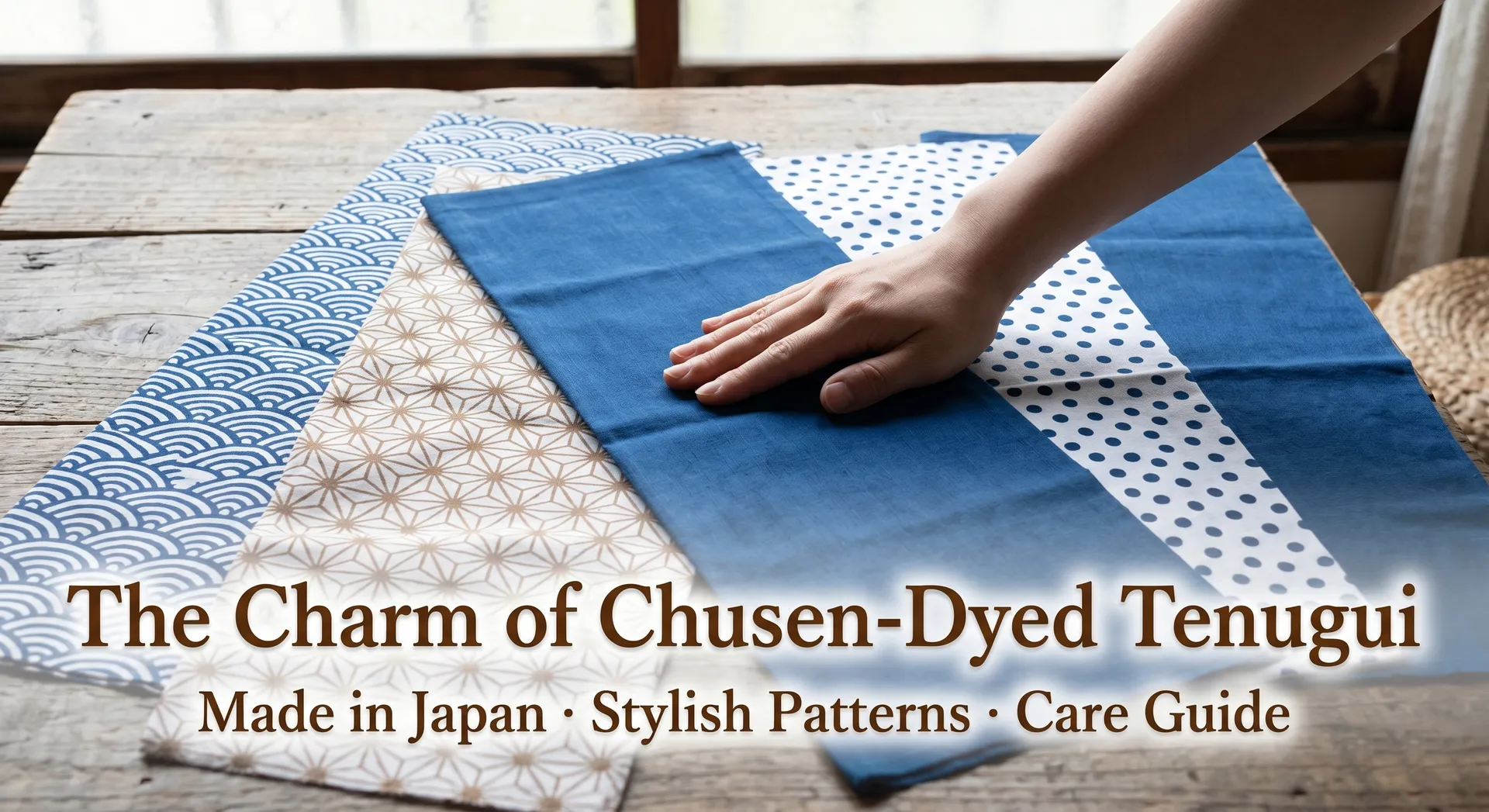
Tenugui: What It Is and 12 Ways to Use It
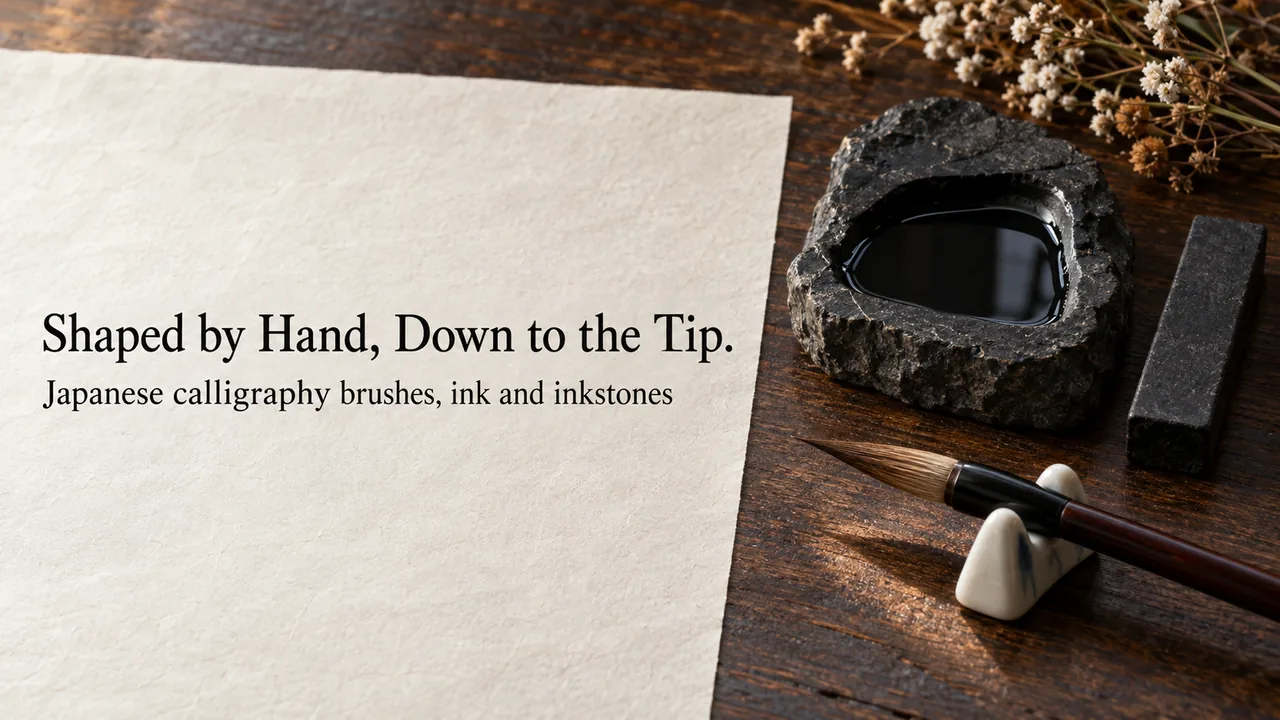
Japanese Calligraphy Brushes, Sumi Ink, and Inkstones