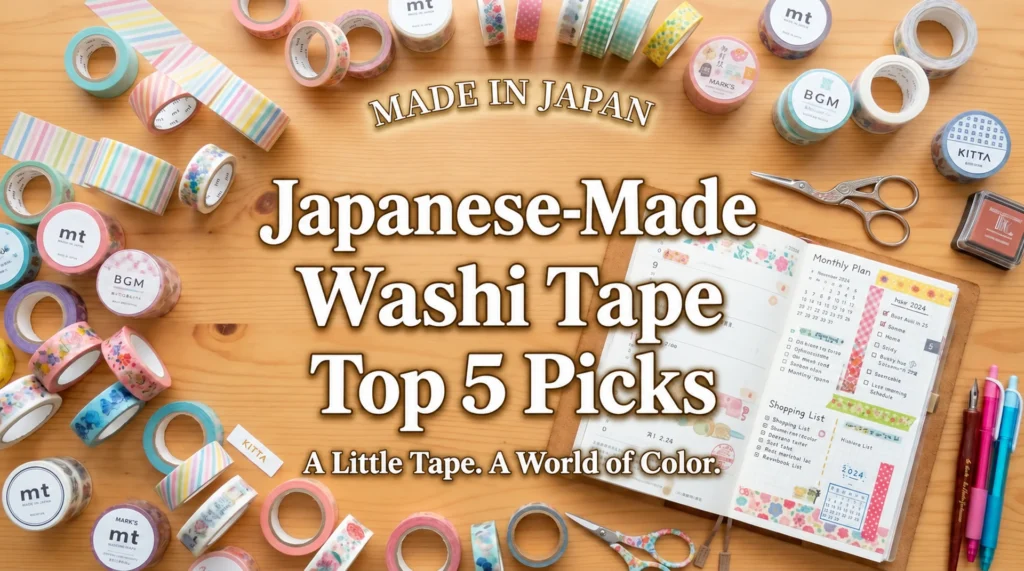
Decorating a journal, wrapping a gift, dressing up a wall — washi tape turns ordinary moments into small works of art.
And the worldwide craze for this colorful, paper-thin tape? It all started with one small Japanese company.
Overseas, it's known simply as "Washi Tape" — and the name says everything. Japanese masking tape is made from washi-style Japanese paper, a material whose tradition in Japan goes back more than 1,300 years.
Its soft translucency, the way it tears cleanly with your fingers, and its ability to stick firmly yet peel without a trace — these qualities transform a roll of tape into something genuinely special.
In this guide, you'll discover how Kamoi Kakoshi's "mt" brand turned an industrial product into a global stationery phenomenon, explore 10 creative everyday uses, and find the best Japanese washi tape brands — from classic solid colors to die-cut peel-off sticker rolls and glittering gold foil designs.
Quick Reference: Top 5 Japanese Washi Tape Brands at a Glance
| Brand | Key Feature | Approx. Price (per roll) | Best For |
|---|---|---|---|
| Kamoi Kakoshi / mt | The original pioneer. Unmatched variety of solid colors | From $1.50 | Anyone starting out — a solid-color set covers virtually every creative use |
| bande | Peel off one sticker at a time from the roll | From $5 | Decorators who want die-cut flower petals and shapes they can place precisely, like stickers |
| BGM | Watercolor illustrations with gold & silver foil stamping | From $5 | Journal and planner lovers who want a refined, glamorous look |
| Saien | Gold & silver foil from a Kagawa printing house | From $8 (set) | Gift-givers and anyone who wants a cohesive Japanese craft aesthetic in one curated set |
| Marks / maste | Cute illustrated designs; writable variant compatible with pens | From $5 | Planner and notebook fans who write directly on tape as a sticky-note substitute |
1. From Factory to Stationery: How Japan Reinvented the Masking Tape
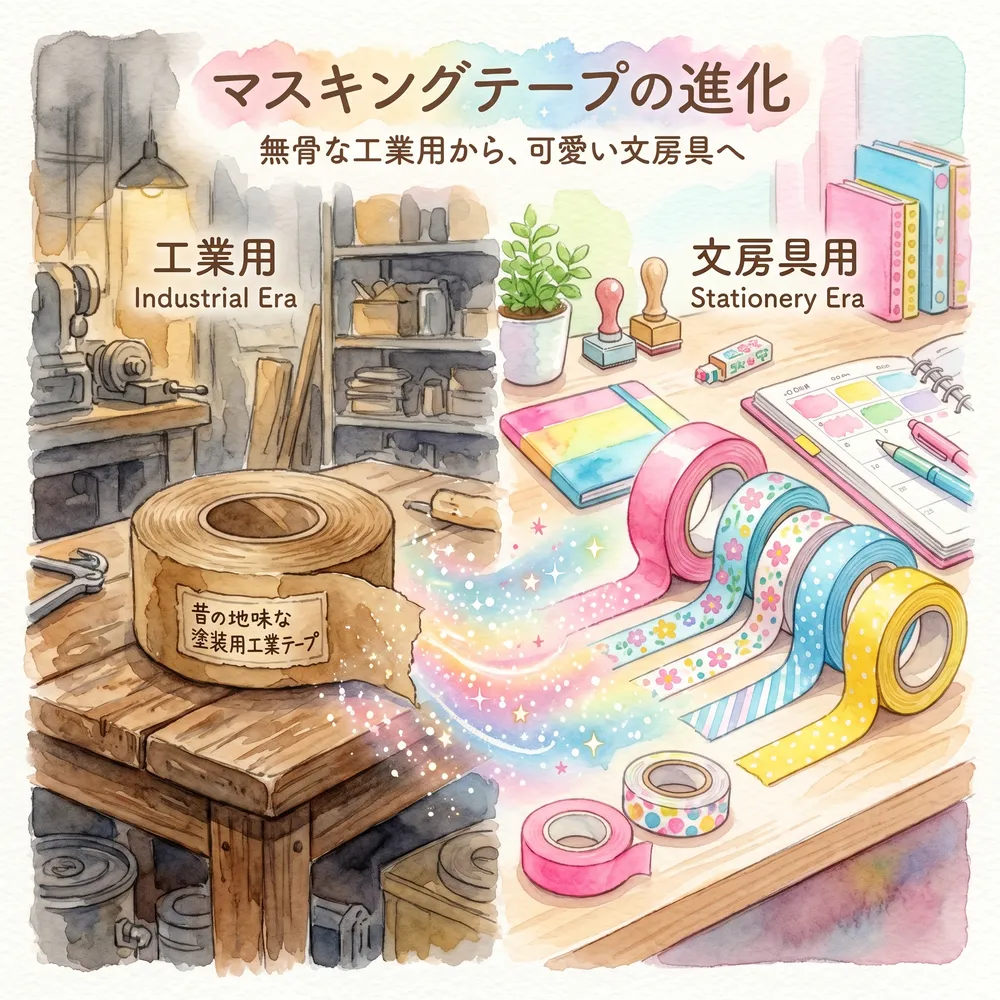
Masking tape began as a strictly industrial product — a plain brown or white tape used on factory floors and construction sites to protect surfaces while paint was applied. For decades, no one imagined it could be anything else. Then, in 2006, a letter arrived at Kamoi Kakoshi, a tape manufacturer in Kurashiki, Okayama Prefecture.
Three Women Who Changed Everything
Three women wrote to Kamoi Kakoshi asking if they could visit the factory. They had been buying the company's industrial tape and decorating it themselves — cutting it, layering colors, using it in collages and journals.
What they wanted, in short, was tape made for decorating rather than for painting, and in far more colors than the factory had ever offered.
That letter set off a chain of events that would eventually produce the global "Washi Tape" craze. In 2008, Kamoi Kakoshi launched mt — a line of washi masking tapes in a wide range of colors and patterns, designed purely for creative use. Within a few years, "washi tape" had become a recognized category in stationery stores worldwide.
2. Why Washi? The Secret Behind the Translucency and Clean Peel
Most tape sold in the West is made from plastic or cellulose film. Japanese masking tape is made from washi — and that single material choice explains nearly everything that makes it special.
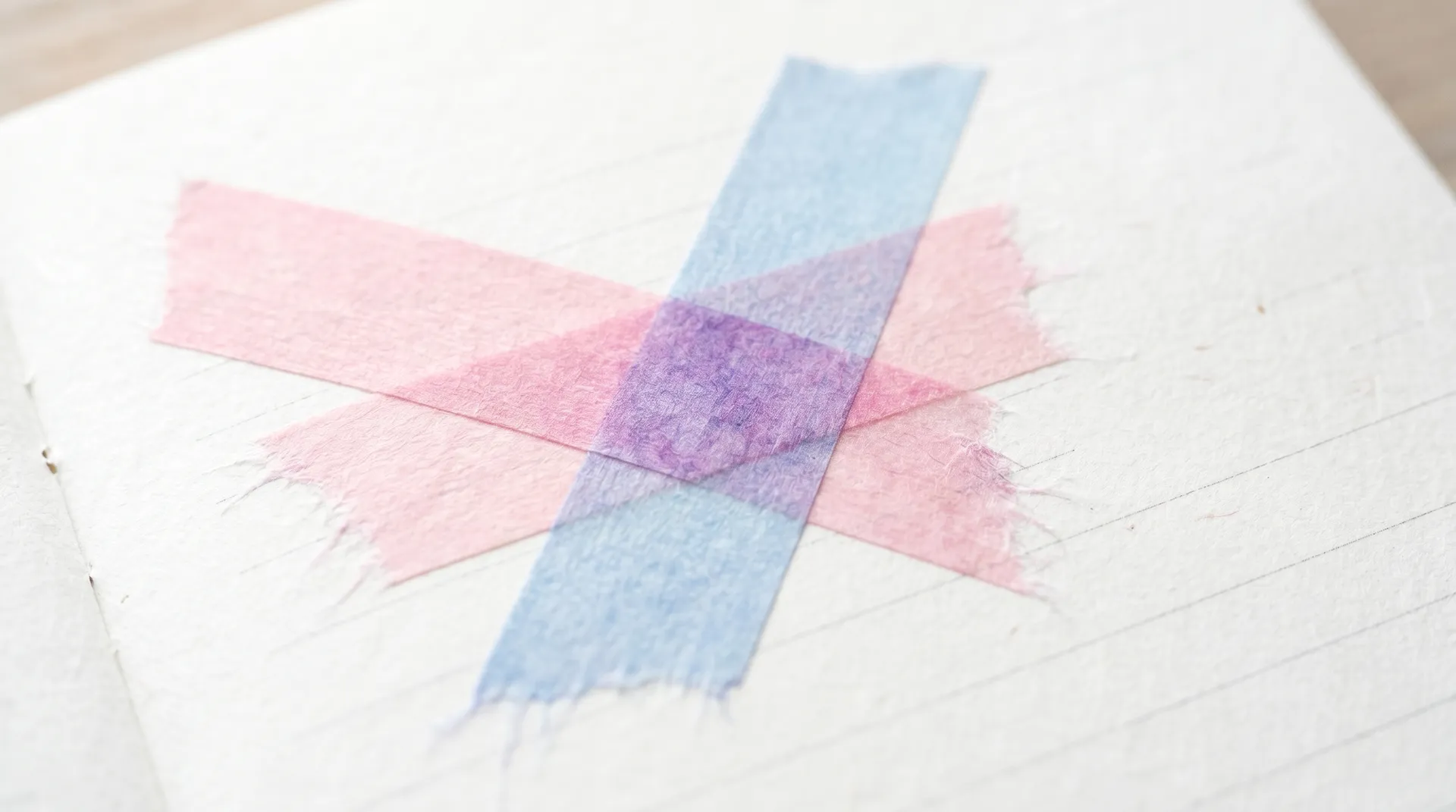
- Translucency: Washi is thin enough to let light through. Layering two different-colored tapes produces a third color, like mixing watercolors — an effect impossible with opaque tape.
- Finger-tear-friendly: Washi fibers tear cleanly across the roll without scissors. The torn edge has a soft, feathery texture that gives finished work a handmade warmth.
- Stick and peel without damage: Thanks to Japan's advanced adhesive technology, washi tape bonds firmly to paper, wood, and most surfaces — yet peels away cleanly without tearing journal pages or leaving residue.
3. 10 Creative Ways to Use Washi Tape Every Day
Bought a roll (or ten) and not sure where to start? Here are ten practical ideas you can try today.
10 Washi Tape Ideas
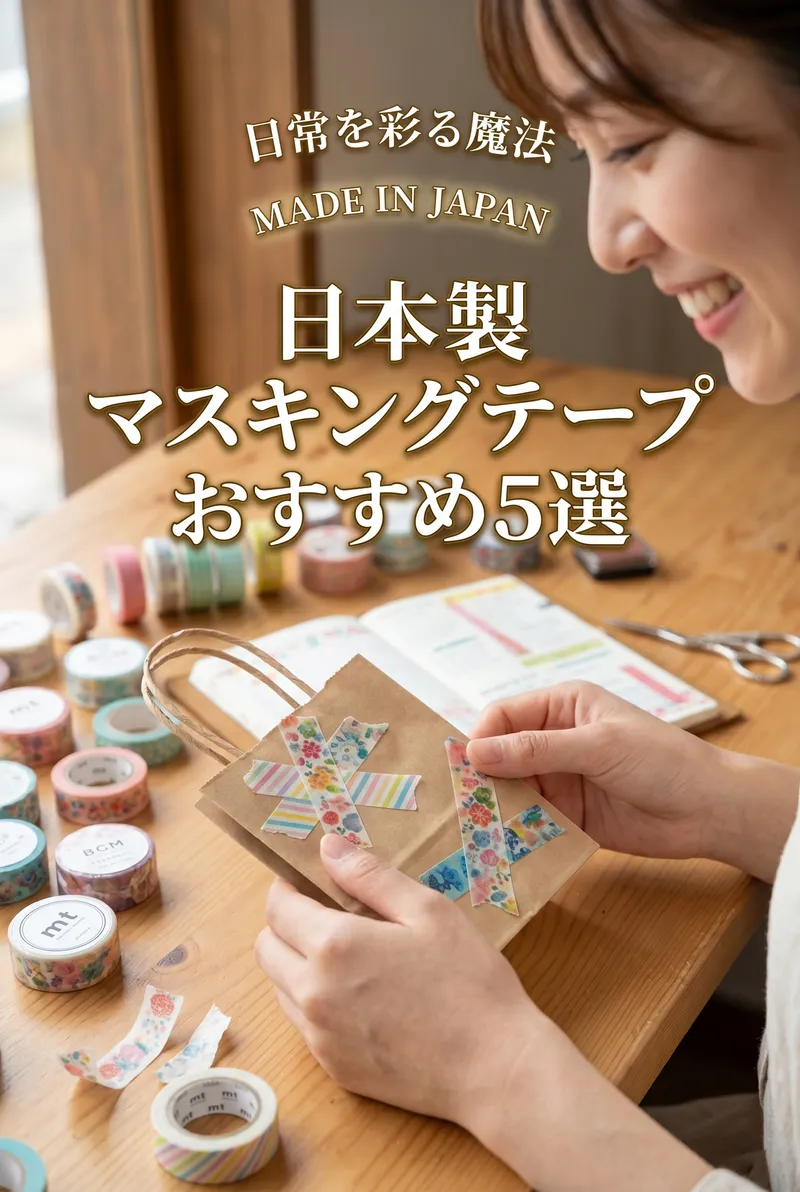
- ① Journal & planner decorating: Frame pages, mark sections, or simply add a stripe of color to an otherwise blank spread.
- ② Gift wrapping: Seal a plain kraft envelope or paper bag with a strip of washi tape — instant elegance.
- ③ Tab dividers: Fold a strip over the edge of a notebook page so it sticks out as a colorful, repositionable tab.
- ④ Photo display: Mount prints to a wall or album by taping each corner — photos stay secure and come down without damage.
- ⑤ Envelope sealing: Use it as a decorative seal on handwritten letters. Far more personal than a plain sticker.
- ⑥ Cable labeling: Wrap a small flag of tape around each charging cable and write the owner's name on it. No more cable mix-ups.
- ⑦ Party picks: Fold a strip of tape around the tip of a toothpick, cut into a pennant shape — instant food flag for a dessert spread.
- ⑧ File & folder labels: Stick tape to a clear folder, write the category in marker — remove and rewrite when contents change.
- ⑨ Poster & postcard mounting: Hang art on your wall without nails or sticky putty. Washi tape holds light prints securely on most painted surfaces.
- ⑩ Handmade ribbons & rosettes: Gather a length of tape into pleats and form a round rosette — a zero-cost decoration for packages or bulletin boards.
4. What's Next: Die-Cut Stickers, Foil Stamping & Writable Tape
Washi tape has moved well beyond the classic roll. Three innovations have expanded what the medium can do:
- Die-cut peel-off stickers (bande): The tape looks like a normal roll, but each printed motif is individually die-cut — you peel off one petal, one star, one flower at a time. The result feels exactly like using stickers, with the soft texture of washi.
- Foil-stamped tape (BGM): Gold or silver metallic foil is hot-stamped over a watercolor-style illustration, catching light in a way that plain ink cannot. One strip elevates an ordinary planner page to something luxurious.
- Writable tape (maste by Marks): The tape surface is treated so that water-based pens, ballpoint pens, and even some brush pens write on it cleanly. Use it as a repositionable sticky note, or write dates and to-dos directly onto your planner spread.
5. Top 5 Japanese Washi Tape Brands (by Design & Function)
Here are five brands worth knowing — each fills a different creative niche.
Kamoi Kakoshi / mt
The pioneer that started it all. An almost overwhelming range of solid colors and patterns.
mt is the brand that invented the modern washi tape category — and it's still the benchmark everything else is measured against.
The solid-color range alone runs into the hundreds: dusty pastels, deep jewel tones, earthy neutrals, and neons. The adhesive is calibrated to stick firmly to paper, wood, and most surfaces while peeling cleanly without residue. If you're buying your first washi tape, start here. A set of solid-color rolls covers virtually every creative use, and the quality is consistent enough that you'll never be disappointed.
mt Washi Masking Tape — Set of 20 Solid Colors
The essential starter set: 20 rolls in both bright and cool solid colors, 15mm × 7m each. Made in Japan by Kamoi Kakoshi.
View on Amazonbande — Die-Cut Peel-Off Sticker Rolls
A roll of tape where every motif peels off individually as a sticker.
bande reimagined what a masking tape roll could be. Each design is die-cut around its shape — cherry blossom petals, ginkgo leaves, small birds — so you can peel off a single piece at a time, place it precisely, and layer several together to build up a scene.
For sealing a letter with a row of falling petals, or arranging a wreath of leaves around a journal header, nothing else works the same way. The washi base still tears by hand and peels cleanly, so all the classic advantages remain.
bande Masking Roll Sticker — Cherry Blossom Petals (BDA336)
200 individually die-cut sakura petal stickers on a single roll — 20 different petal designs. A classic for spring journaling.
View on AmazonBGM — Watercolor & Gold Foil Washi Tape
Watercolor-style illustrations with gold and silver foil that genuinely catches the light.
BGM's signature look pairs soft, painterly illustration with metallic hot-stamp foil — the kind of finish you'd expect on an upscale greeting card, applied to a washi tape roll.
A single strip along the top of a weekly planner page makes the whole spread look designed rather than just filled in. Popular uses include framing journal pages, decorating gift tags, and adding a line of shimmer to handmade cards. If you want your stationery to look elevated without much effort, BGM is the shortcut.
BGM Lovely Jewelry Box Washi Tape — 20mm, Gold Foil
20mm × 5m roll with an elegant jewelry-box illustration and gold foil stamping. Made in Japan. A single strip transforms any journal page.
View on AmazonSaien — Traditional Japanese Craft Washi Tape Set
A washi goods brand from a printing house in Kagawa, known for its gold and silver foil.
Saien is the original washi brand of Kamiiso Sansyo, a company in Kanonji, Kagawa Prefecture, that handles planning, design, printing, and manufacturing under one roof. Its foil-stamped tapes are the brand's best-known work: gold and silver applied to washi in patterns that feel rooted in traditional Japanese aesthetics rather than modern graphic design.
The result works beautifully for wrapping gifts, writing letters, and any use where you want a distinctly Japanese visual identity. If you're looking for a gift for a stationery lover, or want a cohesive "Japanese craft" look across several rolls, a set is the easy way in.
Saien Washi Masking Tape Set — 5 Rolls, Gold & Silver Foil
A 5-roll set of washi tape with gold and silver foil patterns. A ready-made gift for a stationery lover.
View on AmazonMarks / maste — Illustrated Washi Tape (Writable Variant Available)
Charming illustrated designs — and a writable surface for planner and notebook users.
maste by Marks is known for two things: playful, illustration-driven tape designs (food motifs, travel themes, cultural icons) that have a distinctly Japanese graphic sensibility, and a specially treated "writable" variant that accepts water-based pens and ballpoints directly on the tape surface.
The writable version is used as a repositionable label — write a schedule entry on a strip of tape, stick it in your planner, peel it off and move it if plans change. The illustrated standard rolls work for all the usual decorating uses, and the quality is solid throughout. The illustrated designs on Amazon make a great starting point.
Mark's maste Washi Tape — Onigiri Design (15mm)
A classic illustrated maste tape in a beloved Japanese food motif. 15mm × 7m. Great for journals, gift wrapping, and food-themed spreads.
View on Amazon6. Go Big: Decorating Your Walls with mt CASA Interior Tape
mt CASA is Kamoi Kakoshi's line of extra-wide masking tape designed specifically for interior decoration. It works on walls, furniture, and floors — and because it's still washi masking tape at its core, it is made to come off again. Wallpaper and delicate finishes vary, though, so try a small strip somewhere hidden first.
- Renter-friendly wall stripes: Apply 50mm-wide tape in vertical stripes to create a bold accent wall, then peel it off when you're ready for a change. Keep it out of strong direct sun, which makes any tape harder to remove (see the next section).
- Furniture makeovers: Run tape along the edge of a plain shelf or the frame of a mirror. A few carefully placed strips change the look entirely for the cost of a roll of tape.
7. Sticky Residue & Peeling Problems: What to Do
Washi tape is designed to peel cleanly — but two conditions can cause problems: prolonged exposure to direct sunlight and high heat (like a south-facing window in summer). Left in place for months under these conditions, the adhesive can harden and leave a residue.
How to Remove Stubborn Residue
- Apply gentle heat: A hair dryer on low heat softens the adhesive and makes the tape peel much more easily. Keep the dryer moving to avoid overheating any single spot.
- Dissolve what's left: Commercial sticker-removing spray, a small amount of rubbing alcohol on a cotton pad, or even a dab of hand cream (its oil loosens the adhesive) will lift most residue. Test on a hidden area first, as some surfaces discolor with solvents.
8. Frequently Asked Questions
Will washi tape damage notebook or journal pages when I peel it off?
High-quality washi tape from brands like mt is specifically formulated with a low-tack adhesive that holds securely to standard paper stock without tearing it on removal. The main exception is very thin or textured paper (like some Japanese washi-paper journals) where the surface can be delicate. When in doubt, test a small piece at the corner of a page before committing to a full spread.
What is the most useful tape width to start with?
15mm (about half an inch) is the standard for general use — wide enough to be visible as a decorative element, narrow enough to work as a tab or seal. For writing on tape (schedule entries, labels), 15mm to 20mm gives you room. For accent borders on scrapbook pages, 24mm to 30mm makes more impact. The wide mt CASA tapes (50mm and above) are for walls and furniture only.
Can I use washi tape in humid environments like a kitchen or bathroom?
Short-term use is fine — labeling containers in the kitchen or marking soap bottles works well. But washi is paper, and prolonged exposure to steam or splashing water will cause it to lift, wrinkle, or lose its adhesion. Rotate or replace kitchen and bathroom labels every few weeks if you keep them near sinks or stovetops.
How popular is Japanese washi tape outside Japan?
mt launched in 2008 and within a few years had become a recognized product category in stationery stores across Taiwan, South Korea, Europe, and North America. Today, "washi tape" appears in craft stores, bookshops, and online marketplaces worldwide as a standard stationery item, and much of that traces back to mt. The term itself (borrowed directly from the Japanese word for traditional paper) has entered common usage in English.
What's the difference between washi tape and regular masking tape?
Standard masking tape (the kind sold at hardware stores) is made from a smooth, slightly stretchy crepe paper and uses a stronger adhesive designed for paint masking — not decorating. It doesn't tear cleanly by hand, comes in limited colors, and leaves residue if left in place too long. Washi tape uses traditional Japanese paper with a more refined adhesive calibrated for decorating: cleaner tear, more colors and designs, and a significantly lower risk of surface damage on removal.
How should I store washi tape so it lasts?
Keep rolls away from direct sunlight, heat, and humidity — the same conditions that make tape misbehave once it's stuck down. A drawer or a closed box works well, and it also keeps dust off the sticky edges of the roll.
Final Thoughts: Small Tape, Big Joy
A couple of dollars. A roll of paper-thin tape. And somehow, an entire creative world opens up.
The story of Japanese washi tape — an industrial product transformed into a global cultural export by three women who simply loved making things — is as inspiring as the tape itself is useful. The washi tradition behind it stretches back over a thousand years. The modern form is barely twenty years old. And both are worth celebrating.
Start with mt's classic solid colors. Find one design from bande or BGM that you genuinely love. Stick a strip somewhere you'll see it every day. That's really all it takes.
The Bento Box That Makes Lunch Beautiful: Japan's Magewappa Wooden Boxes

The Wearable Blanket: Japan's Traditional Hanten Winter Jacket