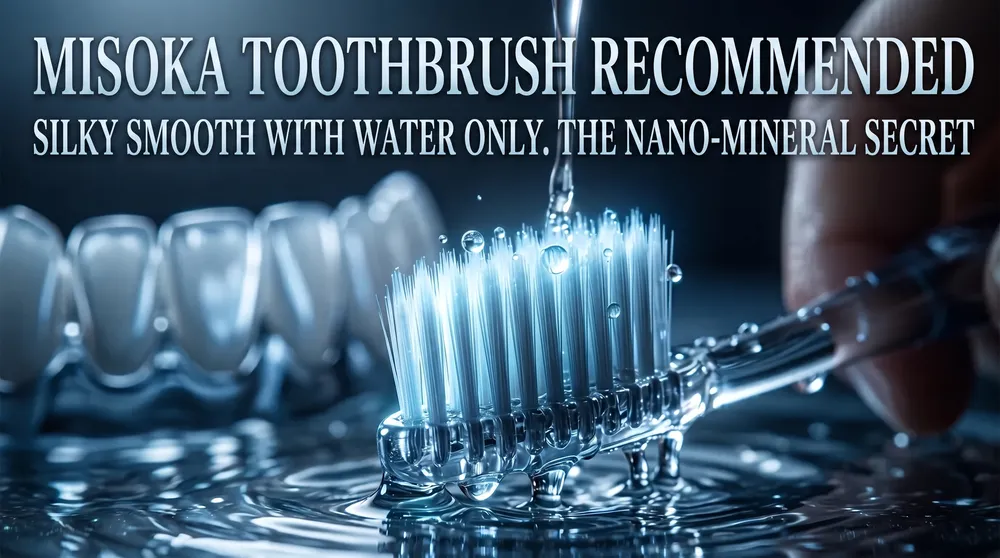
MISOKA is a toothbrush whose bristles are coated in a mineral finish, and which the maker intends you to use with water and nothing else. No paste, no foam, no mint.
Two things are worth knowing before you order one. The coating is a consumable — the brush is designed to be replaced monthly, which makes the running cost the real decision rather than the sticker price. And using no paste means using no fluoride, which is a question for your dentist and not for a shopping guide. This piece covers what the brush changes, what it does not, and what a year of it actually costs.
Nano-Mineral Brush vs. Standard Brush
| Feature | Nano-Mineral (MISOKA) | Standard Nylon Brush |
|---|---|---|
| Toothpaste Required? | No (Just water) | Yes |
| Bristle Coating | Nano-sized magnesium/calcium | None |
| After-Feel | Noticeably smooth; no foam, no mint | Clean, but vulnerable to stains |
1. How the Mineral Coating Works
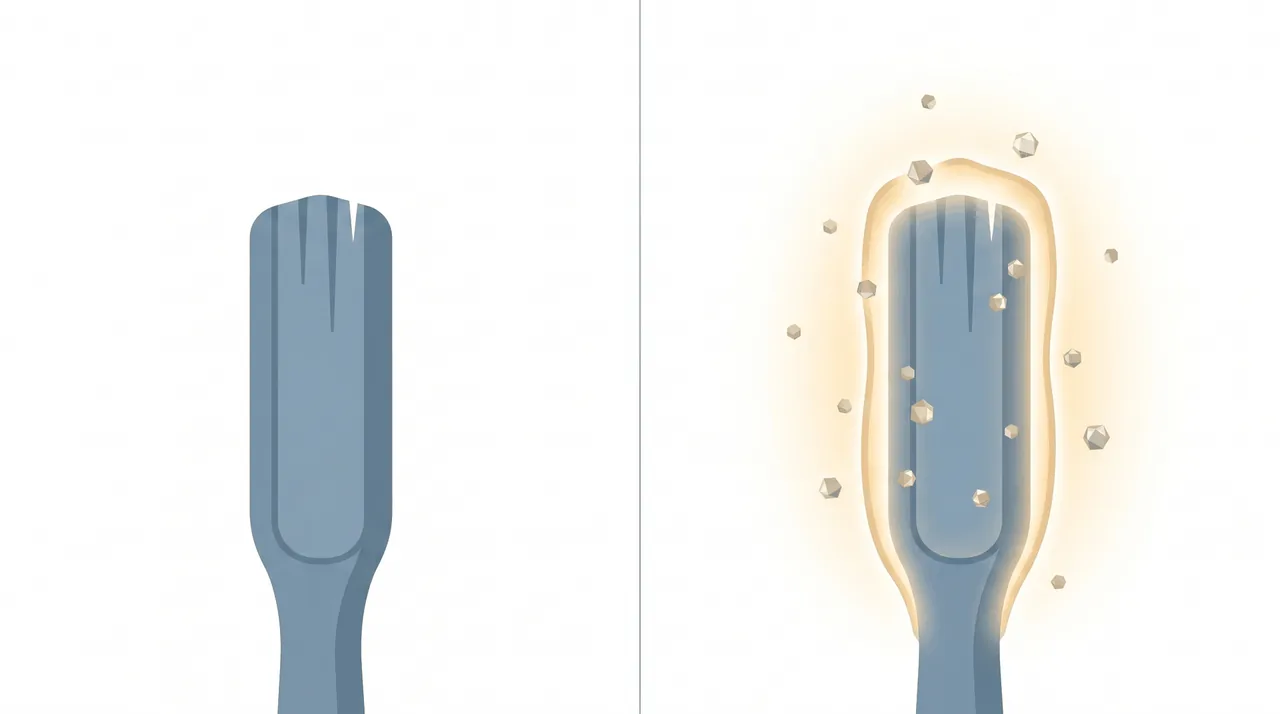
The secret lies entirely in the bristles. Each individual nylon bristle is coated with nano-sized magnesium, calcium, and sodium minerals.
When these minerals come into contact with water and rub against your teeth, they perform two functions simultaneously: the maker's stated intention is that the mineral finish does the polishing that an abrasive paste would otherwise do, and leaves a water-attracting film behind. What you can judge for yourself is the feel: teeth are noticeably smooth afterwards, which is the thing users consistently report.
2. What Brushing Without Paste Is Like
Nothing Tells You When to Stop
Toothpaste foams and tastes of mint, and both of those are signals. When the mouth feels fresh, brushing feels finished. Dentists have been telling people for years that the feeling and the finishing are not the same thing, which is why the standard advice comes with a timer attached.
With water alone, that signal is simply absent. There is no foam, no flavour, and no moment where your mouth announces that you are done. What you have instead is the texture of your own teeth under the brush — and most people, finding no reason to stop, brush for noticeably longer.
Whether that is better is not ours to declare. What we will say is that it is different, and that the difference is a change of habit rather than a change of chemistry. Some people find the absence of mint unpleasant and go back within a week. Others describe it as the thing that finally made them brush properly. You will know inside a fortnight which one you are.
3. Tapered Bristles: Reaching the Pockets
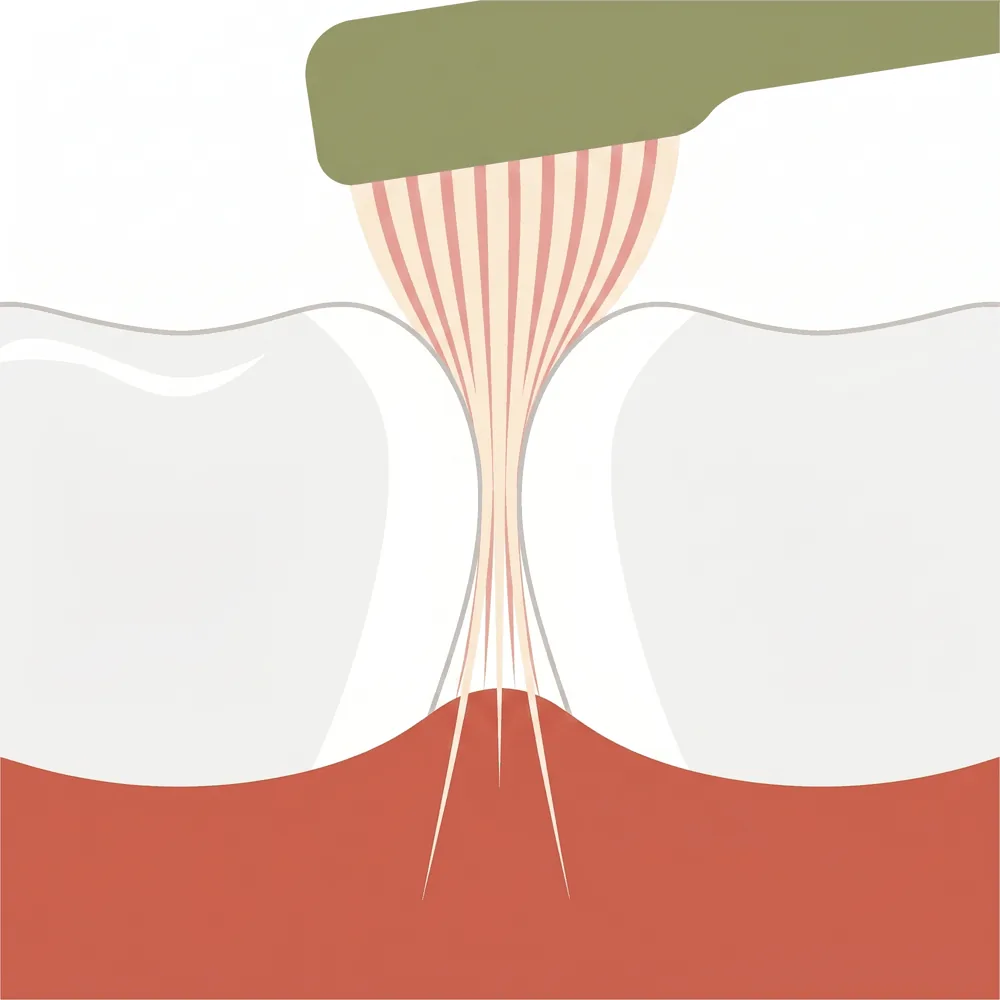
Why the Bristle Tips Are Tapered
Japanese oral-care products are designed around the gap between tooth and gum, which is narrow and awkward to reach with a blunt bristle.
Premium brushes use ultra-fine, tapered bristles that thin out to just 0.02mm at the tip. Those hair-like tips are fine enough to enter that gap, which a cylindrical bristle simply cannot. Whether that suits your mouth is a question for your dentist, not for a shopping guide.
Why the Head Is So Small
Japanese toothbrushes generally have smaller heads than Western ones, and this is deliberate rather than a size difference in mouths. A compact head turns more easily behind the back molars, and it sits further forward on the tongue — which matters if you have a strong gag reflex.
The trade-off is that a small head covers less per stroke, so brushing takes longer. That is broadly the point: these are designed around the assumption that you are working tooth by tooth rather than sweeping.
4. The Brand That Started It All: MISOKA
MISOKA (Yumeshokunin)
The one that defined the category.
Made in Osaka by Yumeshokunin. The name means "the last day of the month" — a deliberate reminder of the replacement cycle rather than a poetic flourish. The bristles carry a proprietary mineral coating, and the brushes have collected a shelf of international design awards, which is a fair part of why people buy them. They make a good gift precisely because most people will not buy one for themselves at this price.
We could not confirm an English-language route to this maker. It is straightforward to buy in Japan, and we would rather say so than send you to a search that returns something else.
KISS YOU (Ionic Toothbrush)
Using electricity to repel plaque.
Another famous Japanese innovation. The KISS YOU brush features a small metal plate on the handle. When touched with a wet hand, it sends a safe, microscopic negative ion current through the bristles. The manufacturer's explanation is that the current alters how deposits adhere to the tooth. We are reporting the claim rather than endorsing it.
We could not confirm an English-language route to this maker. It is straightforward to buy in Japan, and we would rather say so than send you to a search that returns something else.
5. How to Use One, and What It Costs
The routine is short, and the second and third steps are the ones people get wrong.
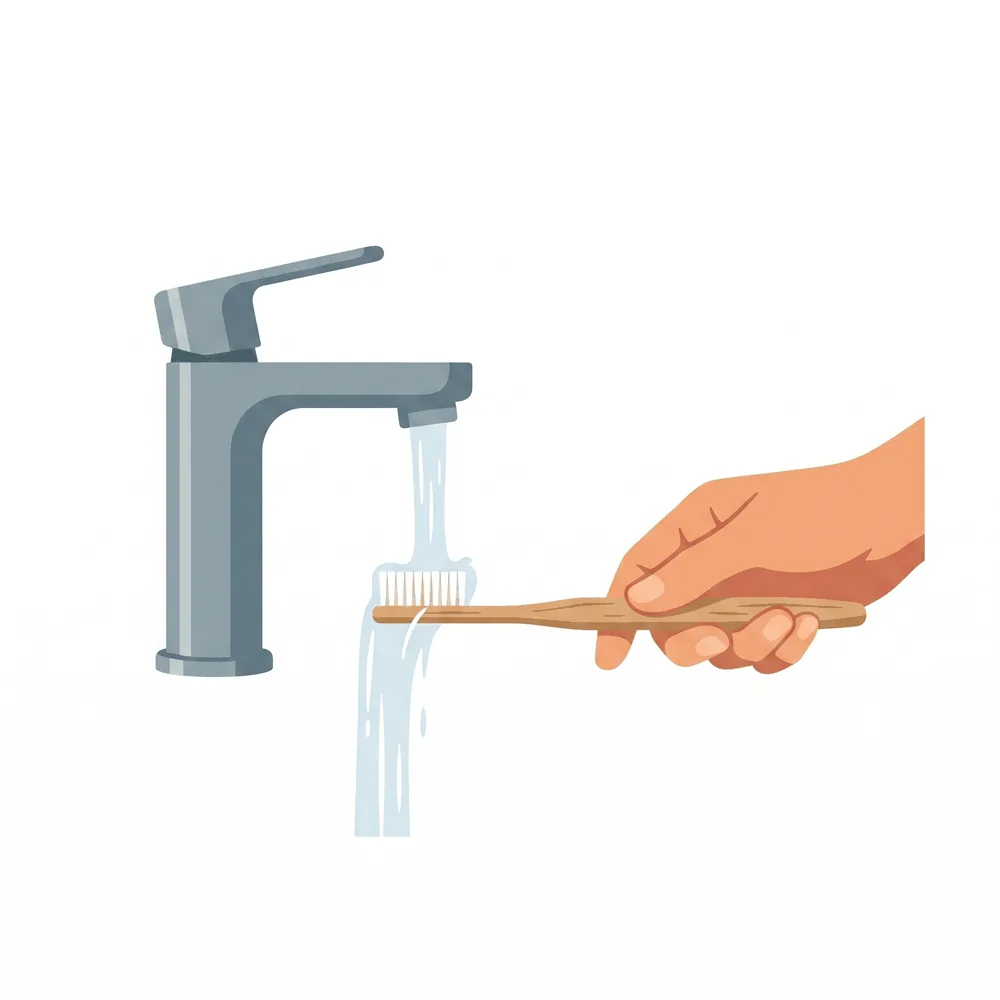
- Wet the bristles: dip the head in clean water. The coating needs water to do anything at all — a dry brush is just a brush.
- Do not scrub: pressure is the enemy here. There is no abrasive paste to spread, so hard scrubbing achieves nothing except wearing the coating off faster and being rough on your gums. Sweep gently.
- Judge by texture, not by time: run your tongue over your teeth. Smoothness is the only feedback the system gives you, which is the whole design.
- Rinse and stand it up to dry: no cap, no closed travel case while wet. A brush that stays damp is unpleasant whatever it is coated in.
⚠ The running cost is the real decision
This is the part worth sitting with before you order. The coating is the product, and the maker specifies replacement about every month. A MISOKA is not an expensive toothbrush you buy once — it is a monthly purchase at several times the price of a supermarket brush.
Run the arithmetic for a year rather than for one brush, and compare it against what you currently spend on brushes and paste combined. For some people that comes out closer than expected, because the paste disappears from the sum. For others it is several times the cost and the answer is simply no.
Neither answer is wrong. But it should be a decision you made rather than one you discover on the third repeat order.
What it does not replace
Worth stating plainly, because the marketing around water-only brushing can read as though it settles everything:
- It does not floss. No brush of any kind reaches between teeth. Whatever you do now for interdental cleaning, keep doing.
- It contains no fluoride. That is the design, not an oversight — but it means dropping paste means dropping fluoride, and whether that matters to you is a question with a real answer that depends on your teeth and your history.
- It does not change how often you should see a dentist.
One genuine convenience, though: no paste means nothing liquid in your hand luggage. For frequent travellers that is a small pleasure that has nothing to do with your teeth at all.
6. Frequently Asked Questions
Can I still use toothpaste if I want to?
Yes, but use very little. If you miss the minty flavor or need fluoride, you can use a tiny smear of paste. However, heavy use of abrasive toothpaste can wear down the nano-mineral coating faster.
How long does the mineral coating last?
The maker specifies about a month, and the name is the reminder. That figure is the coating's working life as the maker states it — not something you can see happening, and not something we have measured. The bristles themselves will still look perfectly usable at day 30, which is exactly why the name exists.
Plan around it. This is the number that decides whether the brush suits you, and there is a section on the arithmetic above.
Will it fix bad breath?
We are not going to claim that. Breath has many causes and a toothbrush is not a treatment for any of them.
What is fair to say is that it cleans well without paste, and that people who dislike mint often brush for longer with it — which is the part that actually matters.
Are the bristles soft or hard?
Soft, but not floppy. Tapered tips are fine enough to flex, while the base of the bristle stays stiff enough to actually move against the tooth.
Hard bristles have been out of favour in Japanese oral care for a long time, and the general advice you will hear from dentists there is to avoid them. If you have always used a firm brush and a light one feels ineffective, that impression is worth discussing at your next check-up rather than acting on.
Are they safe for children?
The brush itself is a soft brush, so yes. The no-paste aspect genuinely helps with children who cannot stand mint or who swallow paste rather than spitting it out.
⚠ But children and fluoride is a subject with actual dental guidance attached to it, and that guidance differs by country and by age. If your child currently uses a fluoride paste, ask your dentist before dropping it. This is the one place in this guide where we would rather you did not take our word for anything.
⚠ Can I stop using fluoride toothpaste?
Ask your dentist before you do. These brushes are designed to work with water alone, and that is a design intention rather than dental advice.
Fluoride is a separate question from cleaning, and whether you need it depends on your teeth, your water supply and your history — none of which a shopping guide knows.
7. Final Thoughts: Two Questions to Settle First
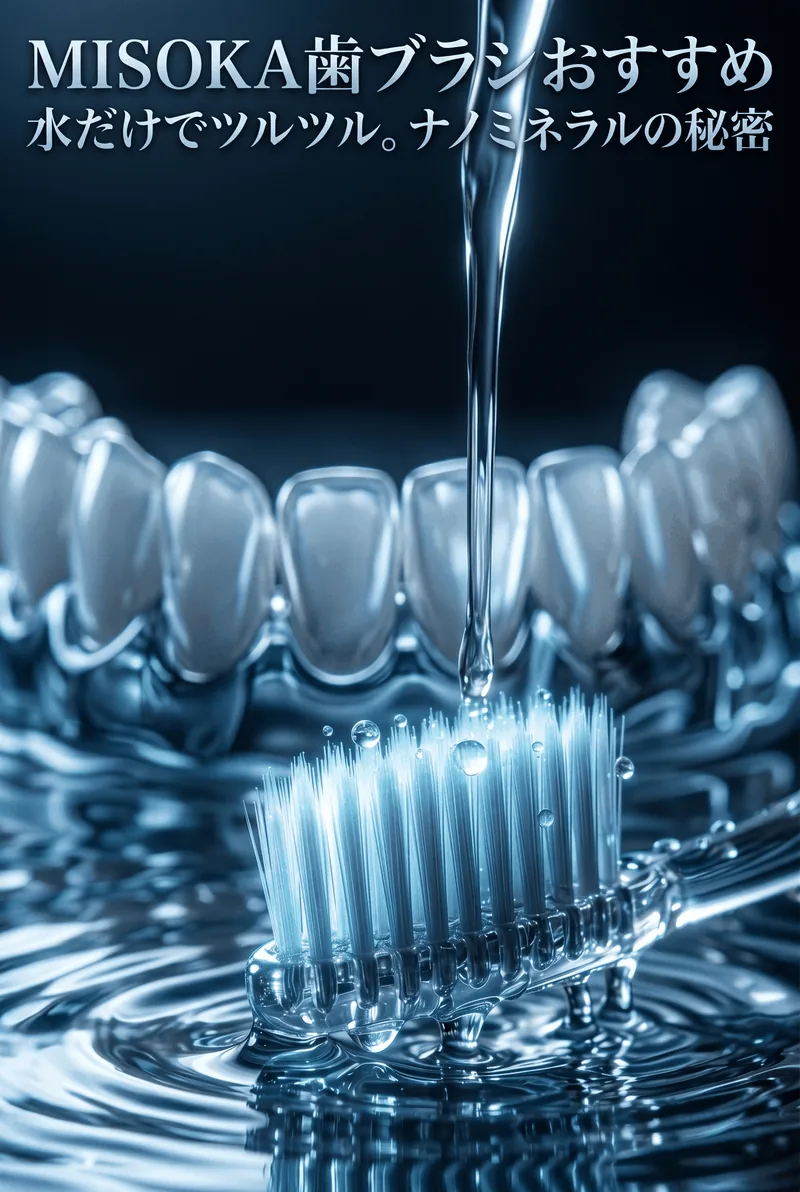
MISOKA is a well-made object that asks you to change a habit. The mineral coating is real, the smooth feeling afterwards is what people consistently report, and the design awards are deserved.
What it is not is a replacement for dental care. It does not floss, it contains no fluoride, and nothing about it changes what your dentist would tell you. Those are separate questions and they stay separate.
Decide on the running cost and on the fluoride question. If both answers work for you, it is a genuinely pleasant thing to use every morning — and if the mint is what you actually like about brushing your teeth, this is not the brush for you, and that is a perfectly good answer too.

Japanese Skincare: Sunscreen, Sake Lees, Rice Bran
Kumano Makeup Brushes: Which 3 to Buy First