A zaisu is a chair with a back and no legs. You sit on the floor, at a low table, with something behind you — which is the entire idea, and it is a better one than a cushion.
But it is not a solution for everyone, and the honest version of this guide has to say so early. A zaisu deals with what your back is doing. It does nothing at all about what floor sitting asks of your knees and hips, and for a lot of people that is the part that actually decides the matter. This guide covers how to tell which group you are in, what the reclining gears are for, and the one measurement people get wrong when pairing one with a kotatsu.
Premium Zaisu vs. Cheap Floor Cushions
| Feature | Premium Japanese Zaisu | Cheap Floor Chair |
|---|---|---|
| Reclining Gears | Dozens of small steps, a couple of degrees each | 3 to 5 click-stops |
| Cushioning | Pocket coils or high-density urethane | Basic sponge foam (flattens quickly) |
| Ergonomics | Shaped back, often with a neck section | Flat backrest, causes slouching |
1. The Slouching Epidemic and Floor Sitting
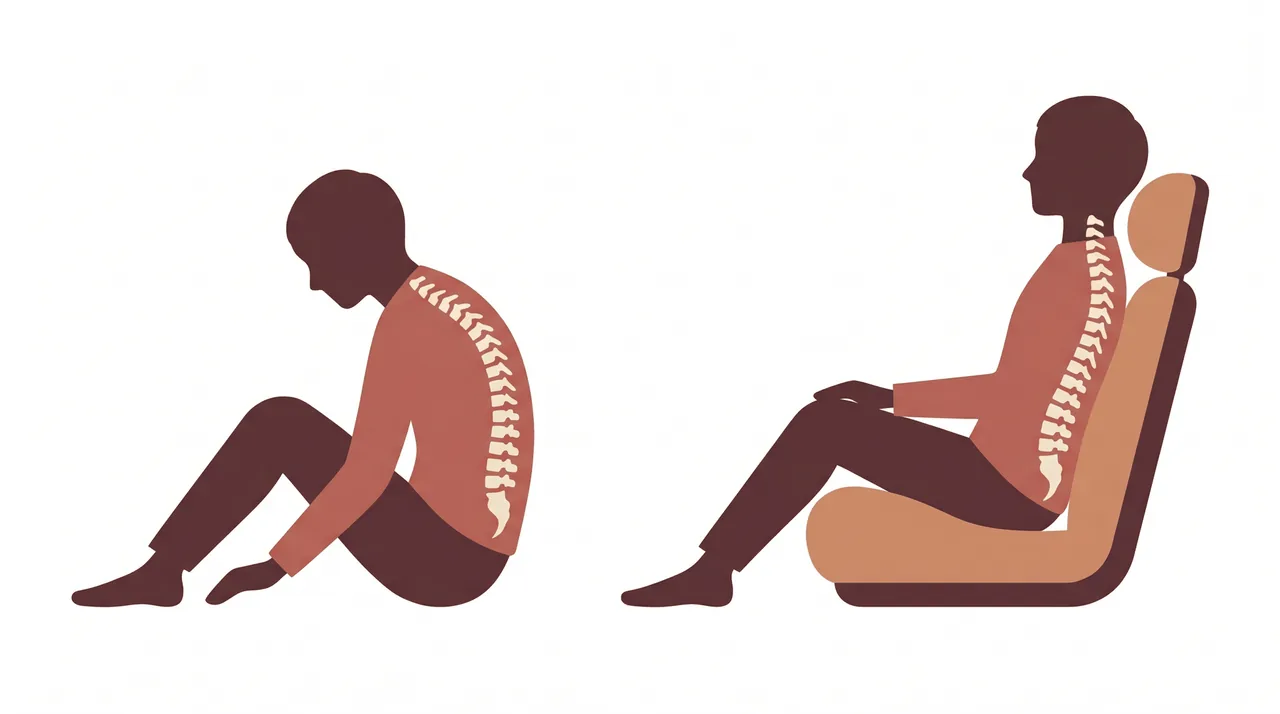
Sit on a floor with nothing behind you and your pelvis rolls backwards. To keep your eyes level, the spine compensates by curving forward, and you end up in the shape everyone recognises from a long evening at a low table. Most people find it uncomfortable after an hour or two.
A zaisu gives the pelvis something to sit against, so it stays closer to upright and the back keeps more of its natural curve. That is the whole mechanism, and it is a furniture argument rather than a medical one. Whether it helps a particular back is a question for someone who has examined that back — we are describing a chair, not prescribing one.
⚠ Whether floor sitting suits you at all
Almost everything written about zaisu skips this, so here it is first. A zaisu improves what your back is doing. It does not change what floor living asks of the rest of you.
Floor sitting requires two things a chair does not:
- Knee and hip range. Getting down to the floor and back up again, several times an evening, is the real demand — not the sitting itself. If you have had a knee replacement, or your hips do not fold comfortably, this is the deciding factor and no amount of lumbar shaping changes it.
- Legs that tolerate being folded. Pins and needles, or legs that go numb, are common and are about circulation and nerve compression rather than about the chair. A reclining zaisu with a leg section helps; it does not remove the issue.
Try this before you buy: sit on your floor against a wall for thirty minutes, then stand up. If the standing up is the unpleasant part, a zaisu will not fix it. If the thirty minutes against a wall was fine and it was your back that complained, a zaisu is aimed squarely at your problem.
There is no shame in the answer being no. Floor living is a habit built over a lifetime in Japan, and joints that were not raised into it often do not take it up in middle age.
2. The Magic of Japanese Reclining Gears
KOYO Precision Gears
The part that separates a real zaisu from a cushion with a back is the ratchet gear in the hinge. These come from a small number of Japanese specialists rather than from the furniture makers themselves — KOYO is the name that comes up most often — which is why chairs from quite different brands feel similar when you work the mechanism.
A cheap floor chair clicks into three or four fixed positions, and none of them is the one you want. A good gear steps through dozens of positions a couple of degrees apart, so you can settle on an angle rather than choose between two wrong ones. This is the single feature worth paying for.
Better models then repeat the trick: separate gears for the neck section, the back, and sometimes the leg rest. That matters less for a short sit and a great deal for a whole evening, because the position you want at hour three is not the one you wanted at hour one.
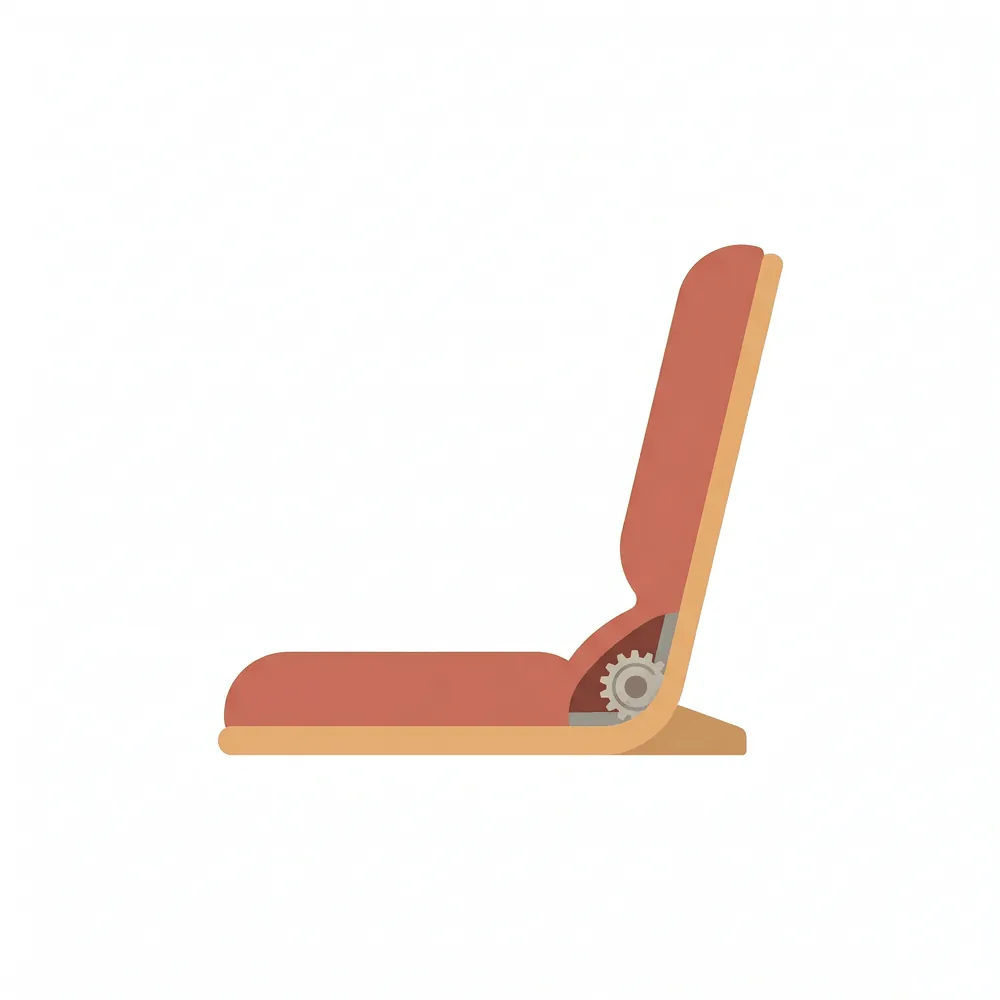
The Reclining Mechanism, and Why It Matters
Older chairs required you to fold the backrest completely flat before you could reset the angle. Modern premium gears feature a "Free-Lock" system, allowing you to reset and adjust the angle from a 90-degree position without needing space behind you.
3. The Telework and Gaming Revolution
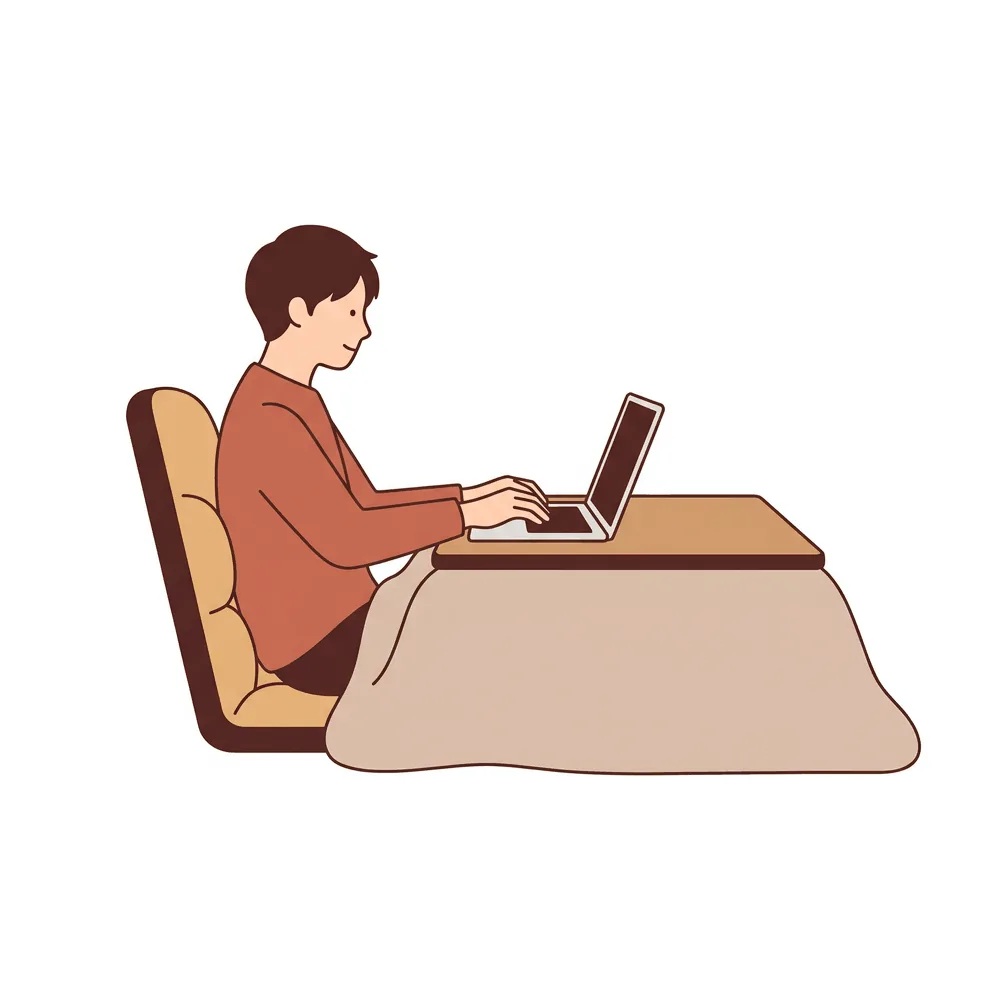
Your Floor Desk Companion
In small apartments, a full-sized office desk isn't always possible. The shift to remote work saw a massive surge in "floor teleworking" using low tables (chabudai) or kotatsu.
A good zaisu makes a low table a workable desk rather than a compromise you endure. There is also a whole sub-category aimed at gaming: armrests, and backrests designed to be straddled so you can lean forward onto your elbows facing a screen.
⚠ Be realistic about the hours, though. A zaisu is better than the floor and it is not better than a proper desk chair. If you work eight hours a day at a low table, the limit you eventually run into is the floor sitting itself, not the chair.
4. Top Japanese Zaisu Brands
Yamazaki (Zaisu Research Institute)
Ergonomics backed by university research.
Yamazaki is the best-known name in ergonomic floor chairs in Japan, and unusually for the category they publish the research behind the shapes, carried out jointly with Shibaura Institute of Technology. Their Kiwami series is the flagship: the most gears, the most shaping, the highest price. If back support is the reason you are buying, this is the range to compare others against — though as above, a chair is a chair, and a back that hurts every day is a matter for a clinician.
We could not confirm an English-language route to this maker. It is straightforward to buy in Japan, and we would rather say so than send you to a search that returns something else.
Tendo Mokko (Traditional Zaisu)
Moulded plywood, no cushion, 1960s.
The other tradition entirely. Tendo Mokko's plywood zaisu have no gears and no padding — a single curved shell that flexes a little under your weight. They belong in a tatami room, they are beautiful, and they are firm. Choose this if you sit for an hour with tea, not eight hours with a laptop; it is a different object doing a different job.
We could not confirm an English-language route to this maker. It is straightforward to buy in Japan, and we would rather say so than send you to a search that returns something else.
5. Pairing Zaisu with a Kotatsu
A zaisu and a kotatsu are the obvious pairing, and this is where most people make their one avoidable mistake. It is a measurement problem: seat height.
Premium floor chairs with thick pocket-coil seating elevate your hips by 10 to 15 centimeters. If your Kotatsu or low table is standard height (about 35cm), your knees will hit the underside of the table. If you plan to use a thick ergonomic Zaisu, ensure you purchase "leg extenders" (tsugi-ashi) for your Kotatsu to raise it to a comfortable 40-42cm clearance, creating the perfect winter sanctuary.
6. How to Maintain Your Floor Chair
To ensure your chair doesn't flatten out after a few months, keep these tips in mind:
- Choose pocket coils: If you are heavy or plan to sit for 8+ hours a day, buy a chair with miniature mattress pocket coils in the seat, not just foam. Foam will inevitably compress over time.
- Washable covers: Since Zaisu sit on the floor, they attract dust and pet hair. Always choose a model with a removable, machine-washable zip cover.
- Do not force the gears: If the chair doesn't click forward, do not push it. Push it all the way flat to reset the gear mechanism safely.
7. Frequently Asked Questions
Will a floor chair scratch my hardwood floors?
Usually no, but caution is advised. Premium Zaisu have the metal frame deeply buried under padding. However, dragging the chair while sitting in it can cause friction burns on wood. Use a rug if you are concerned.
How do I sit in it correctly?
Push your hips all the way back. There should be no gap between your tailbone and the backrest. If you slide forward, you defeat the lumbar support and return to a slouching posture.
Are there floor chairs for tall people?
Yes, look for "High-Back" models. Standard Zaisu only support up to the mid-back. If you are over 170cm (5'7") and want head support, specifically search for "high-back" models with adjustable neck gears.
Can I sleep in it?
Yes, if it reclines 180 degrees. Many premium chairs fold completely flat, turning into a remarkably comfortable temporary mattress for napping.
Why is my chair losing its cushioning?
Urethane foam degrades with heat and pressure. If you use it daily, basic foam will flatten within a year. For longevity, invest in models using pocket coils (like a bed mattress) for the seat.
How heavy are they?
Between 4kg to 10kg (9 to 22 lbs). The more gears and pocket coils they have, the heavier they get. They are generally easy to slide around but can be cumbersome to carry upstairs.
8. Final Thoughts: Try the Floor First
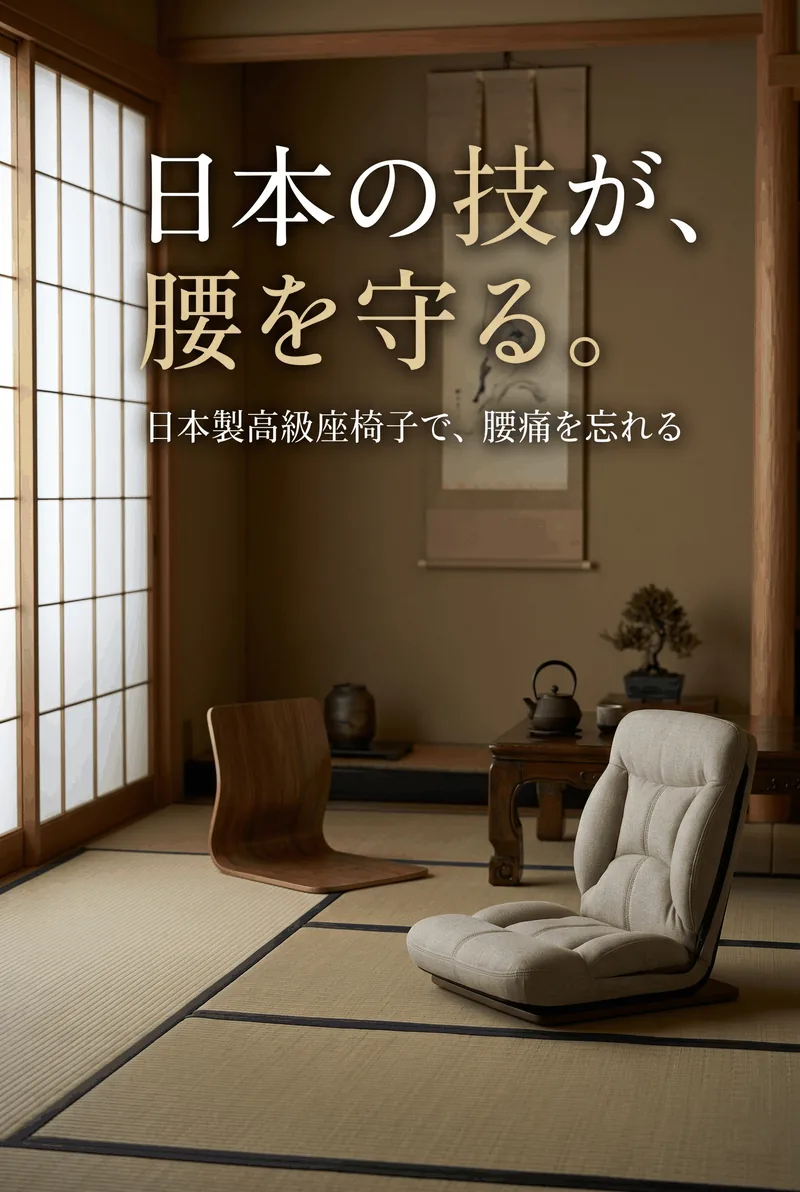
Living close to the floor makes a small room feel larger, and a zaisu is what makes it sustainable for more than an hour.
A premium Japanese Zaisu is an investment in your posture. By utilizing highly engineered micro-gears, these chairs mold precisely to your body, turning a hard floor into the most comfortable workstation or reading nook in your house.
But answer the first question first. Sit on your floor for half an hour and then stand up. If standing up is the problem, this is not the product for you and no amount of gears will change that. If it was your back that complained, a zaisu with a proper ratchet gear is aimed exactly at you — and the measurement to check before ordering is the gap under your table.

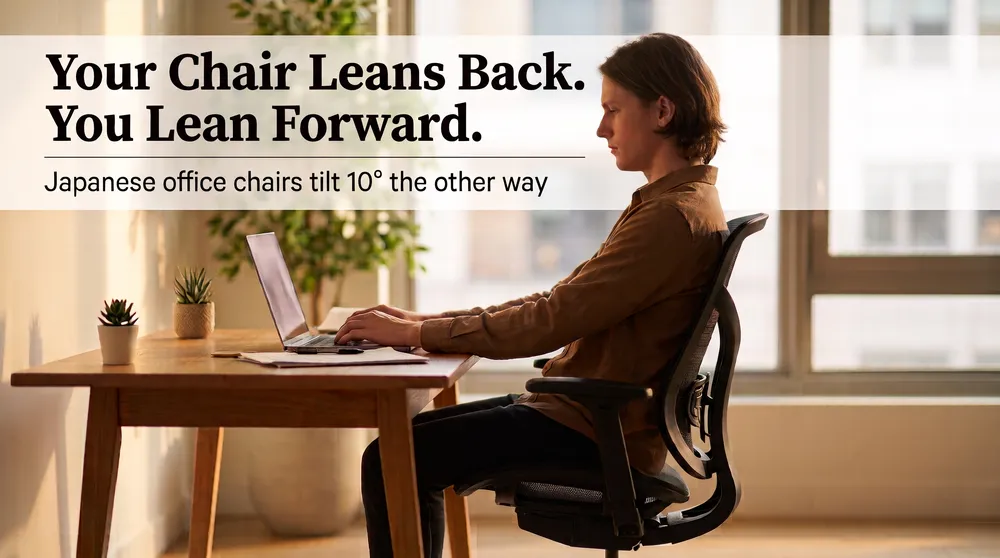
Japanese Office Chairs: Okamura vs the Aeron
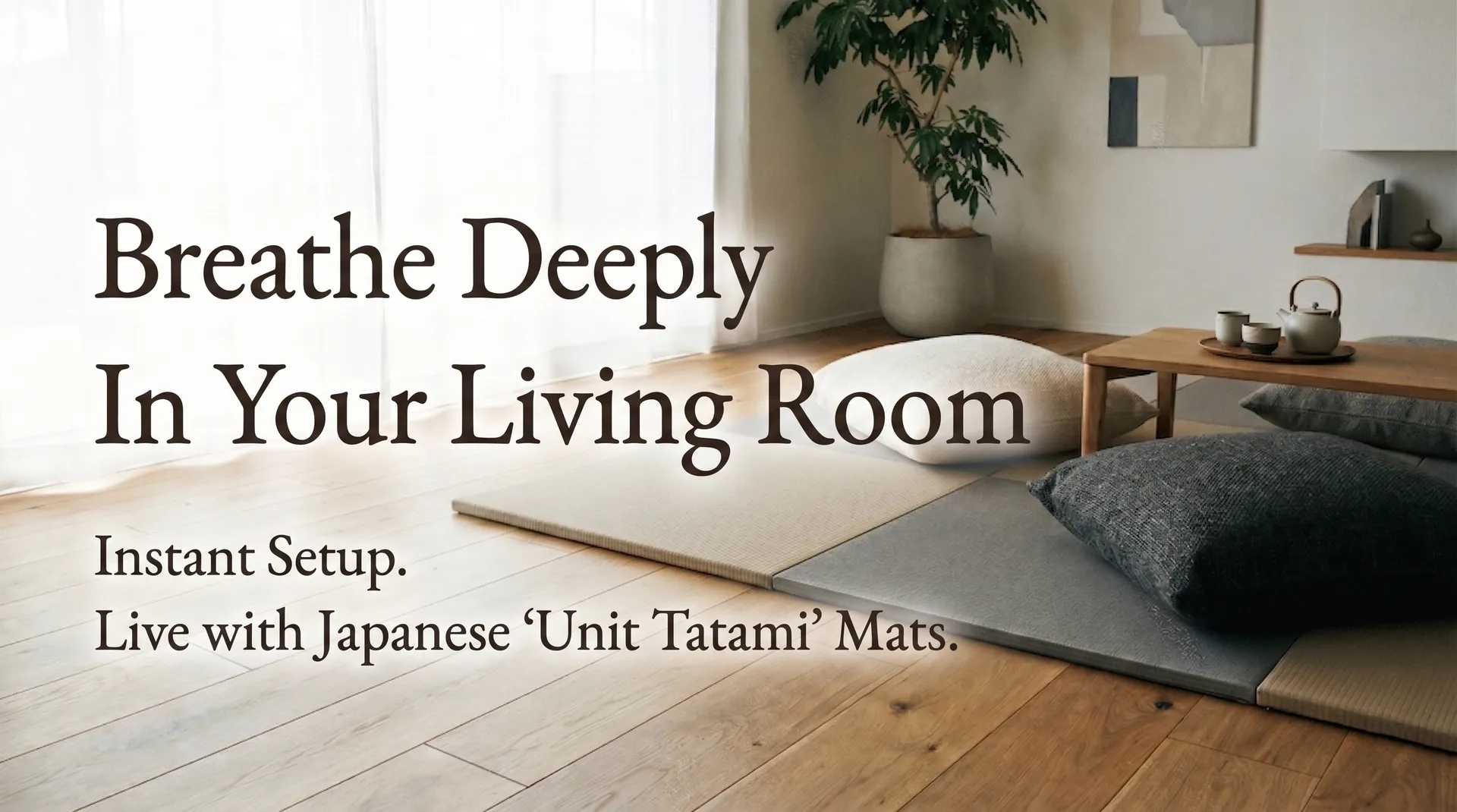
Japanese Igusa Tatami Mats: Humidity Control on Any Floor