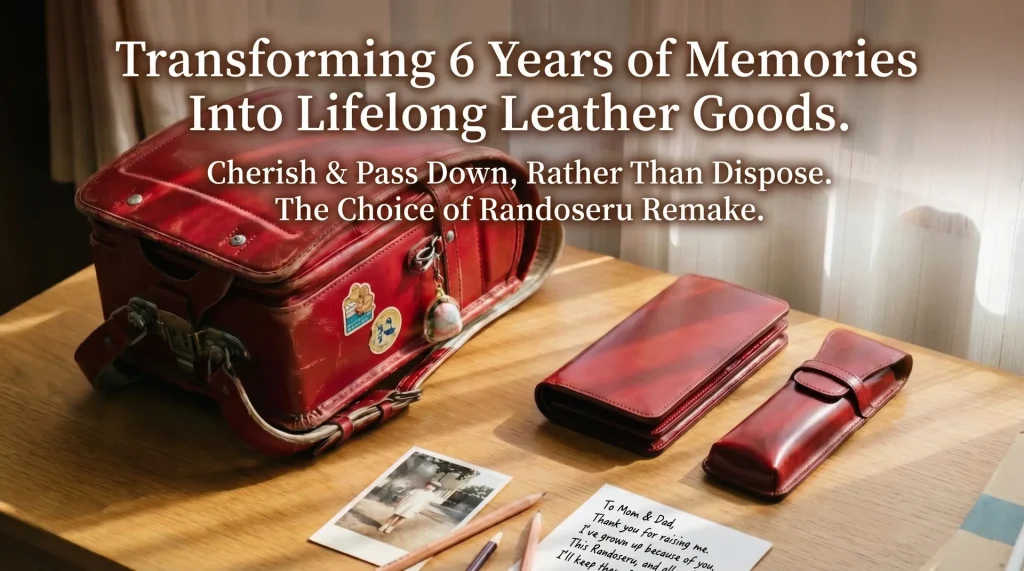
Six years of memories are sewn into that school bag — the scuffs, the dirt, maybe a few signatures on the inside flap.
After graduation, it feels wrong to throw it out. But storing it in a closet forever isn't quite right either.
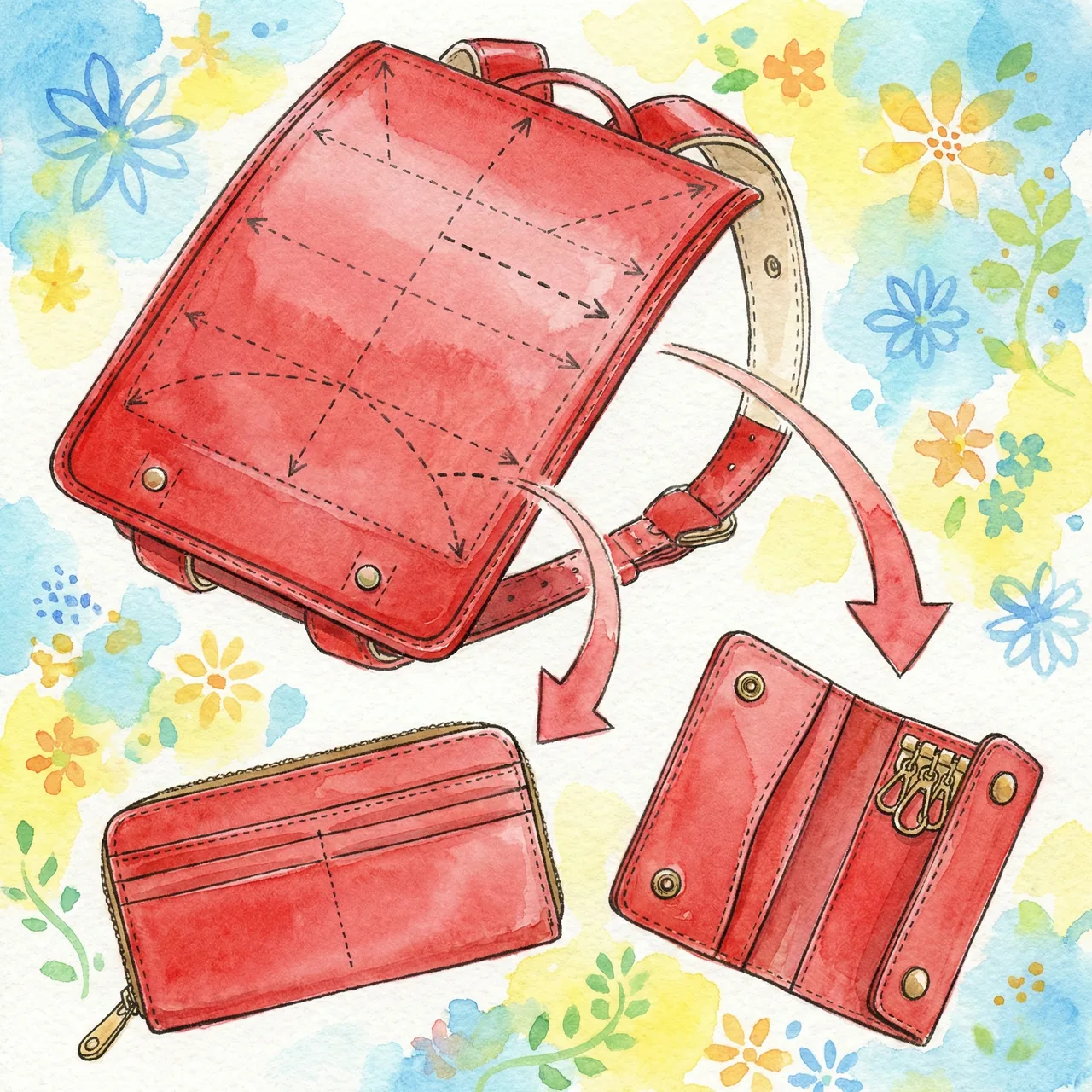
There's a third option: having a skilled craftsperson remake it into something your child will actually use — a wallet, a pen case, a pass holder — for years to come.
The leather used in Japanese randoseru (cordovan, clarino, and similar materials) is among the most durable available anywhere. It deserves a second life in something worthy of it.
This guide covers how the remake process works, what to look for in a workshop, and the most trusted services available today.
1. What Is a Randoseru Remake? | From "Discard" to "Transform"
This isn't a souvenir project. The best remake workshops produce pieces that hold their own against any fine leather goods on the market.
Six years of character — scratches, inscriptions, all of it — becomes the design
Randoseru are built from genuinely high-grade materials: the outer shell, called the "flap" or kabuse, is typically the largest usable section and often in the best condition despite years of use.
Skilled craftspeople deliberately include the scuffs from schoolyard days, or position the pattern so that a farewell message written inside the flap appears on the finished product — turning wear into story.
Mini replicas are the old approach — practical items are now the standard
Years ago, the standard remake was a miniature decorative replica of the original bag — nice as a display piece, but not much use beyond that.
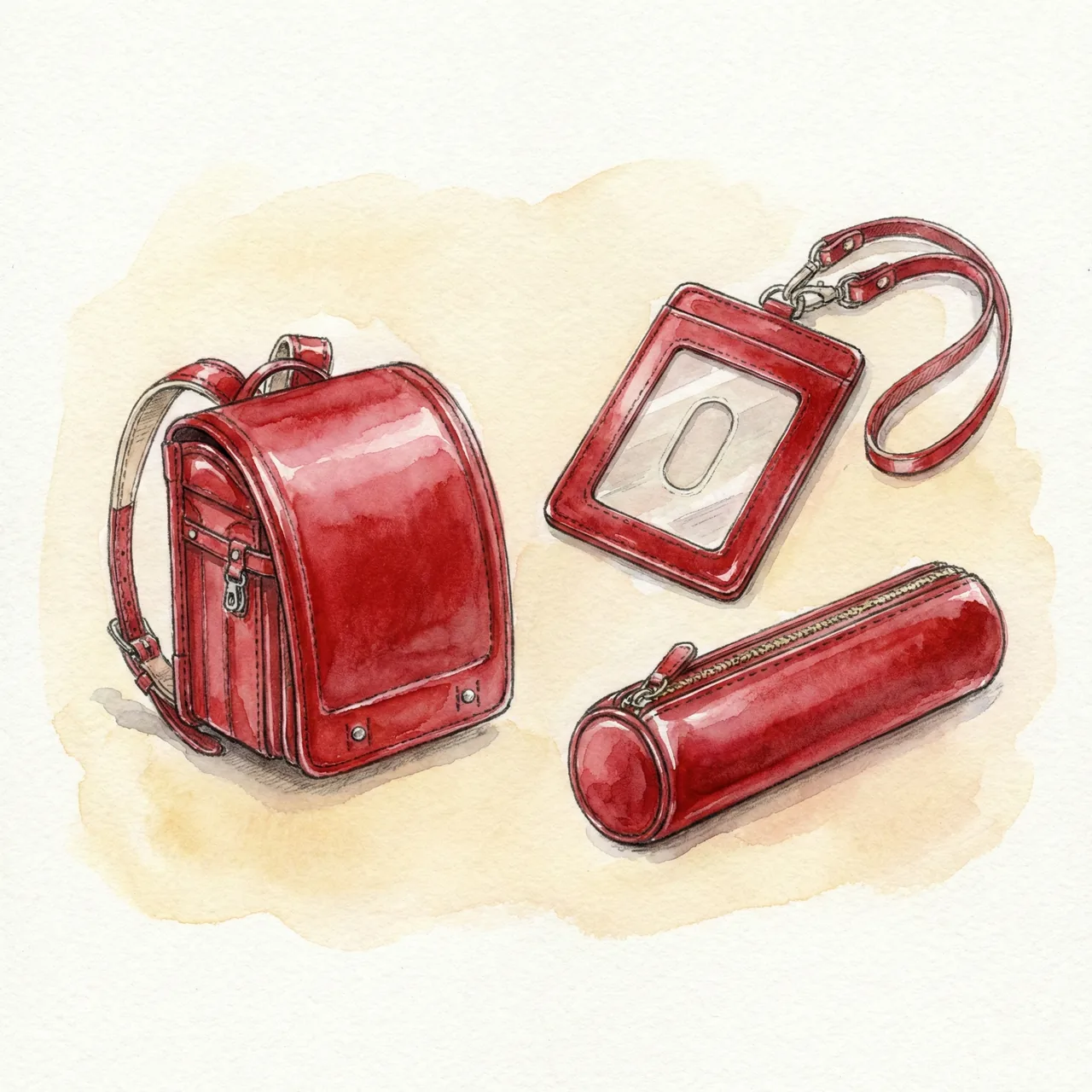
Today, wallets, pen cases, and pass holders dominate. These are things a child starting middle school can carry daily — which means the memories stay present, not shelved.
2. Which Bags Can't Be Remade? | Check for Deterioration Before You Send
Not every randoseru is suitable for remaking.
Leather that has deteriorated will crack when cut and sewn, and any honest workshop will decline to work with it.
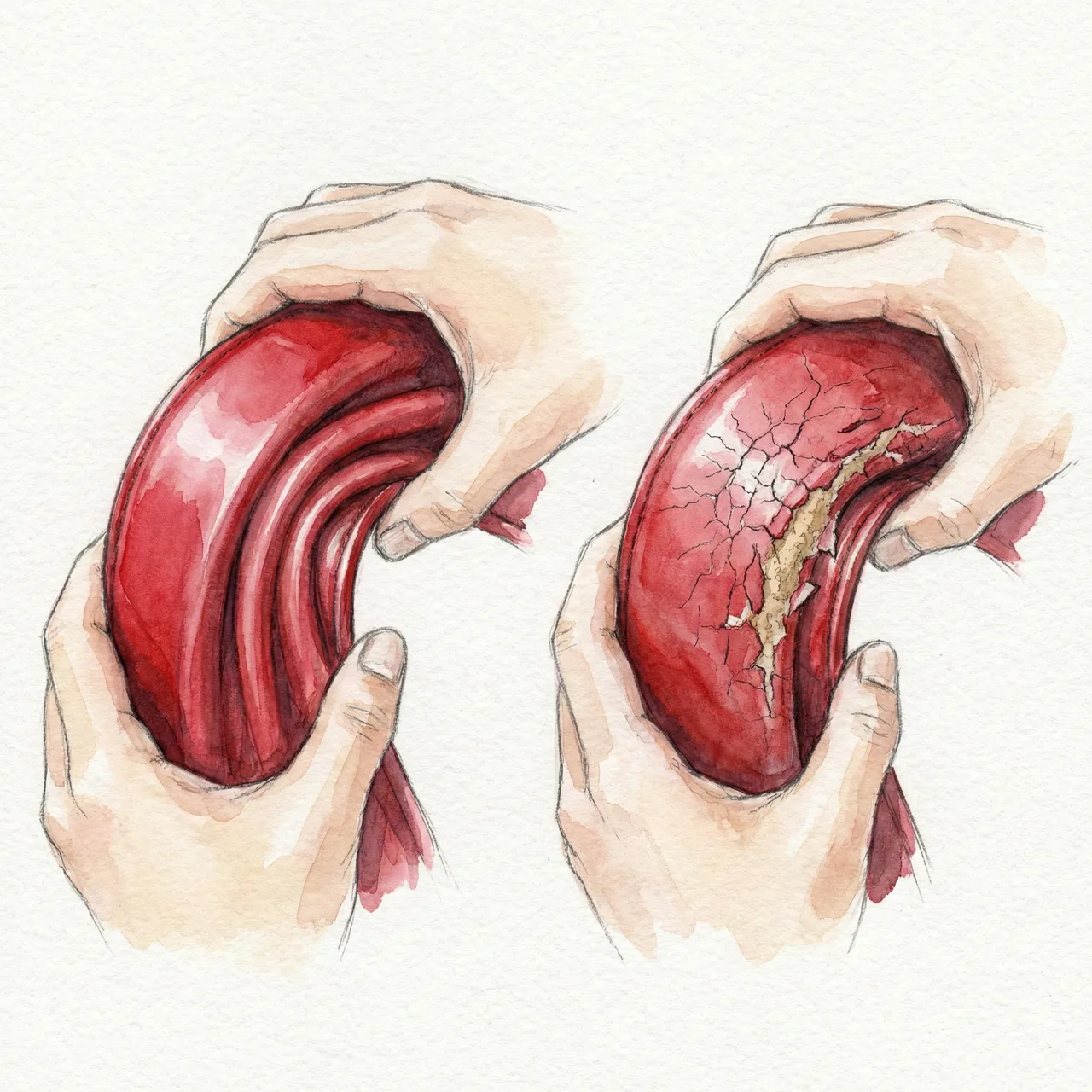
The fold test: cracking = no; creasing = yes
The test is simple: bend the flap of the randoseru firmly.
If the surface shows fine cracks or flaking — signs of material breakdown or hydrolysis — the remake process will accelerate that damage and the workshop will likely refuse.
If it simply creases without cracking, the material is still viable. A crease is not a problem; a crack is.
Unusual shapes — horizontal-opening or half-flap designs — may limit options
Standard randoseru work well because the full flap provides a generous cutting surface.
Horizontal-opening bags or half-flap (han-kabuse) designs yield significantly less usable leather, which limits which items can be made. Send photos to the workshop before ordering to confirm what's possible with your specific bag.
3. How to Choose a Remake Workshop | Don't Choose on Price Alone
You're trusting someone with an irreplaceable object. A workshop's skill level is visible if you know what to look for.
Check the edge (koba) finish and stitch line quality in their portfolio photos
Randoseru leather is thick and stiff — sewing it well requires significant technical skill.
Look at close-up photos on the workshop's website or social media. The cut edge (koba) should be smooth and uniformly painted or burnished. The stitching should run in a perfectly straight line without wobbling.
A workshop that takes the time to finish the koba properly is one that cares about the parts you don't immediately see.
Does the workshop incorporate the original hardware and details?
A truly skilled workshop does more than cut and sew — they salvage what made the original bag meaningful.
The timetable pocket repurposed as a card window. The distinctive brass rivets reused as decorative accents on a zipper pull. The embossed logo repositioned intentionally on the front face.
These details are what turn a leather item into a keepsake.
4. 3 Popular Remake Items | Things They'll Use Through Middle and High School
The best remakes are things that get used every day — not displayed on a shelf.
L-zip wallet / long wallet | The most popular choice — a proper first adult wallet
Randoseru leather is exceptional for wallets: durable, holds its shape, and ages beautifully.
A compact L-zip coin wallet is the ideal first "real" wallet for a middle school student — grown-up enough to feel special, simple enough to use without thinking about it.
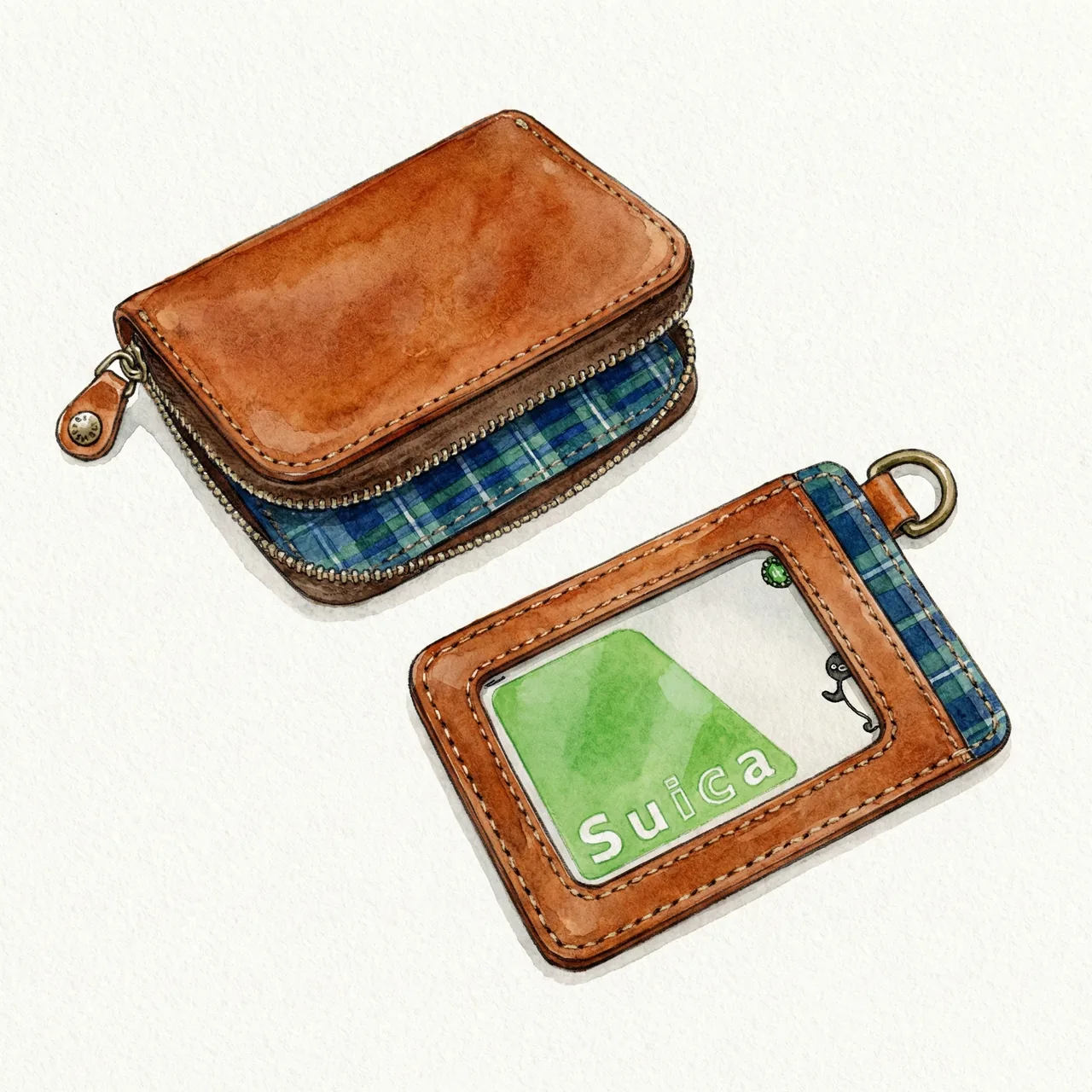
Pass holder / IC card case | Something they touch at every train gate
For students who commute by train, a pass holder is a daily-use item that brings the randoseru's texture to their fingertips every time they tap through the gate.
Some workshops add a retractable reel strap — practical and recognizably from their childhood bag.
5. 3 Recommended Randoseru Remake Workshops
Three workshops with strong track records and genuinely skilled craftspeople.
Askal (Kaban Workshop Asuka) — Aichi Prefecture
Consistently top-ranked, with flexible set plans and exceptional hardware reuse.
Based in Aichi, Askal has become one of Japan's most recognized names in randoseru remake, regularly appearing at the top of Rakuten rankings.
Their set plans are genuinely flexible: choose your main item (wallet, key case, etc.) and the remaining leather is used for a generous selection of smaller accessories — cord holders, key fobs, and more.
Their craftspeople are particularly praised for how naturally they incorporate original stitching, embossing, and hardware into the final design.
Randoseru Remake Workshop "Hanakujira"
Affordable and seriously crafted — with edge finishing that rivals workshops at twice the price.
Hanakujira was built around the belief that randoseru remake should be accessible, not a luxury decision.
That mission didn't come at the expense of quality: their koba (edge) burnishing is meticulous, their designs skew clean and grown-up rather than sentimental — the kind of thing a teenager will carry without embarrassment.
Multi-item plans (matching parent-and-child key cases, for example) are a house specialty.
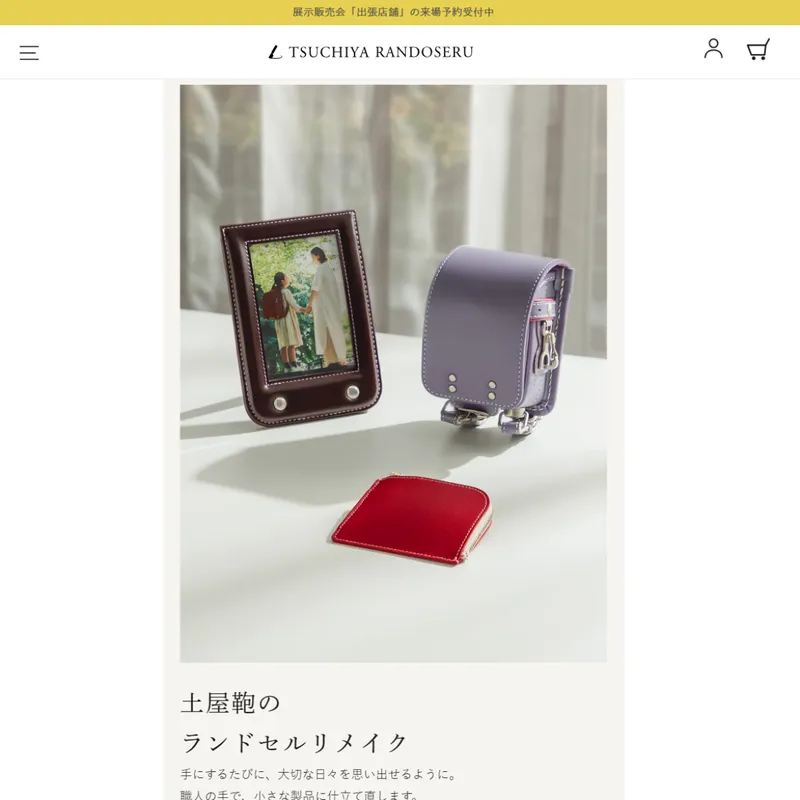
Tsuchiya Randoseru (Official Remake — Own Products Only)
The original craftspeople, remaking their own work.
Tsuchiya Randoseru is one of Japan's most respected school bag makers, and their official remake service is run by the same craftspeople who built the original bags.
That inside knowledge — understanding how the bag is constructed, where the best leather sits, which hardware is worth saving — produces results that are simply in a different category from third-party workshops.
The finished pieces follow Tsuchiya's characteristic refined aesthetic: understated, beautifully proportioned, built to last another few decades.
Note: this service is limited to Tsuchiya-made randoseru and operates during specific acceptance windows — check the official site to confirm availability.
6. From Order to Completion | How to Send Your Randoseru
The logistics are straightforward — most workshops handle the heavy lifting for you.
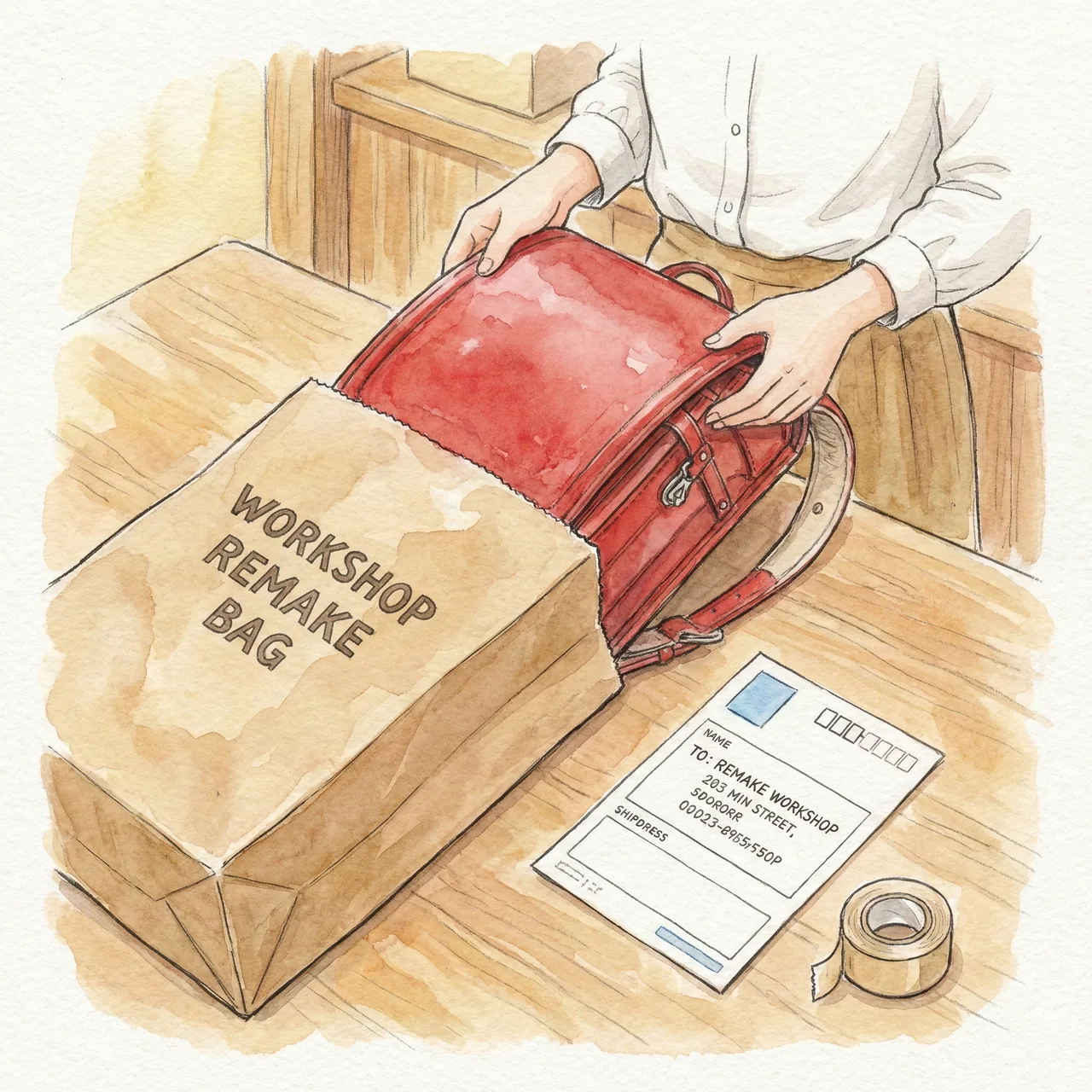
Order online, receive a shipping kit, drop it in the post — then wait
- Order the remake service online.
- A few days later, the workshop sends a shipping kit (bag and label) to your home.
- Empty the randoseru completely and place it in the kit. Drop it at a post box or arrange a pickup.
- Wait several months to around a year for completion.
Most workshops cover the inbound shipping cost (either through a prepaid label in the kit, or by absorbing it into the service fee). Confirm before ordering — a small number of workshops ask you to ship at your own expense.
7. Frequently Asked Questions
What happens to the leather that isn't used in the remake?
In most cases, unused leather is discarded by the workshop.
If you want as much of the original material to live on as possible, order additional small accessories — cord clips, key fobs, luggage tags — as add-ons. This uses up more of the leather and gives you more pieces to pass around the family.
Our child graduated several years ago. Is the bag still usable?
If the leather passes the fold test, yes — age alone is not disqualifying.
The concern is storage conditions: a bag kept in a damp environment may show stickiness, mold, or cracking. If the fold test produces only creasing (no cracking), a bag from 10 years ago is entirely viable.
How long does the process take?
Typically six months to a year from submission.
Graduation season (March–April) triggers a surge of orders and pushes lead times longer. Each bag is disassembled and sewn by hand, which is inherently slow.
Think of the wait as intentional — something that arrives after you've half-forgotten about it lands as an unexpectedly wonderful surprise.
What does a remake typically cost?
A wallet-and-accessories set runs roughly ¥15,000–¥25,000.
That sounds significant until you compare it to buying a new handmade leather wallet in cordovan or full-grain cowhide, which typically starts at ¥30,000+.
You're supplying premium material and getting expert craftsmanship applied to it — the price-to-quality ratio is genuinely favorable.
We have a Seiban or Fit-chan bag. Will specialist workshops accept any brand?
Independent remake workshops like Askal and Hanakujira accept any brand.
The restriction to watch for is manufacturer-run official services like Tsuchiya Randoseru's: those accept only their own products.
When evaluating a workshop, look for "all manufacturers welcome" (全メーカー対応) language on their site — or simply ask before ordering.
Final Thoughts: A Second Life for the Bag That Carried Six Years
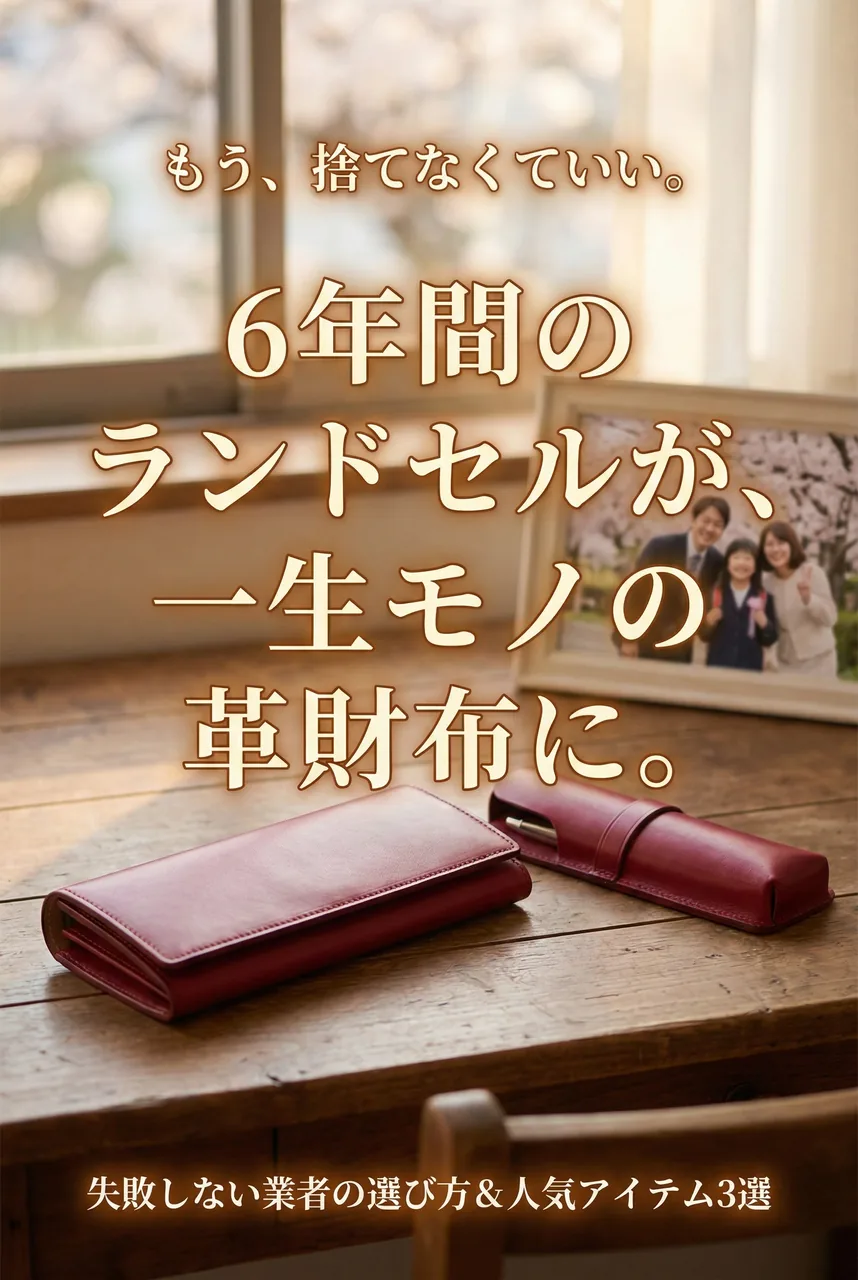
My son graduated from elementary school this spring — which is how this article came to be written. I was looking for the same information you might be looking for now, and I wanted to share what I found with other parents in the same situation.
That bag was on your child's back in rain and sun, for six years, through every kind of day. Its job is done — but the material it's made from has decades of life left in it.
A remake turns something bittersweet into something your child will actually hold, and use, and perhaps one day explain to their own children.
That feels like the right ending for a bag that worked so hard.