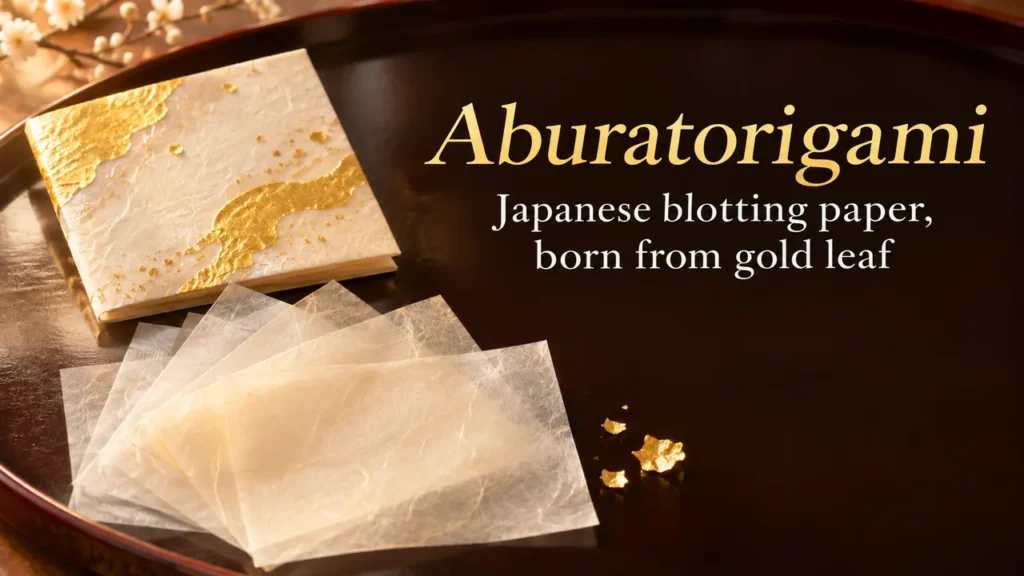
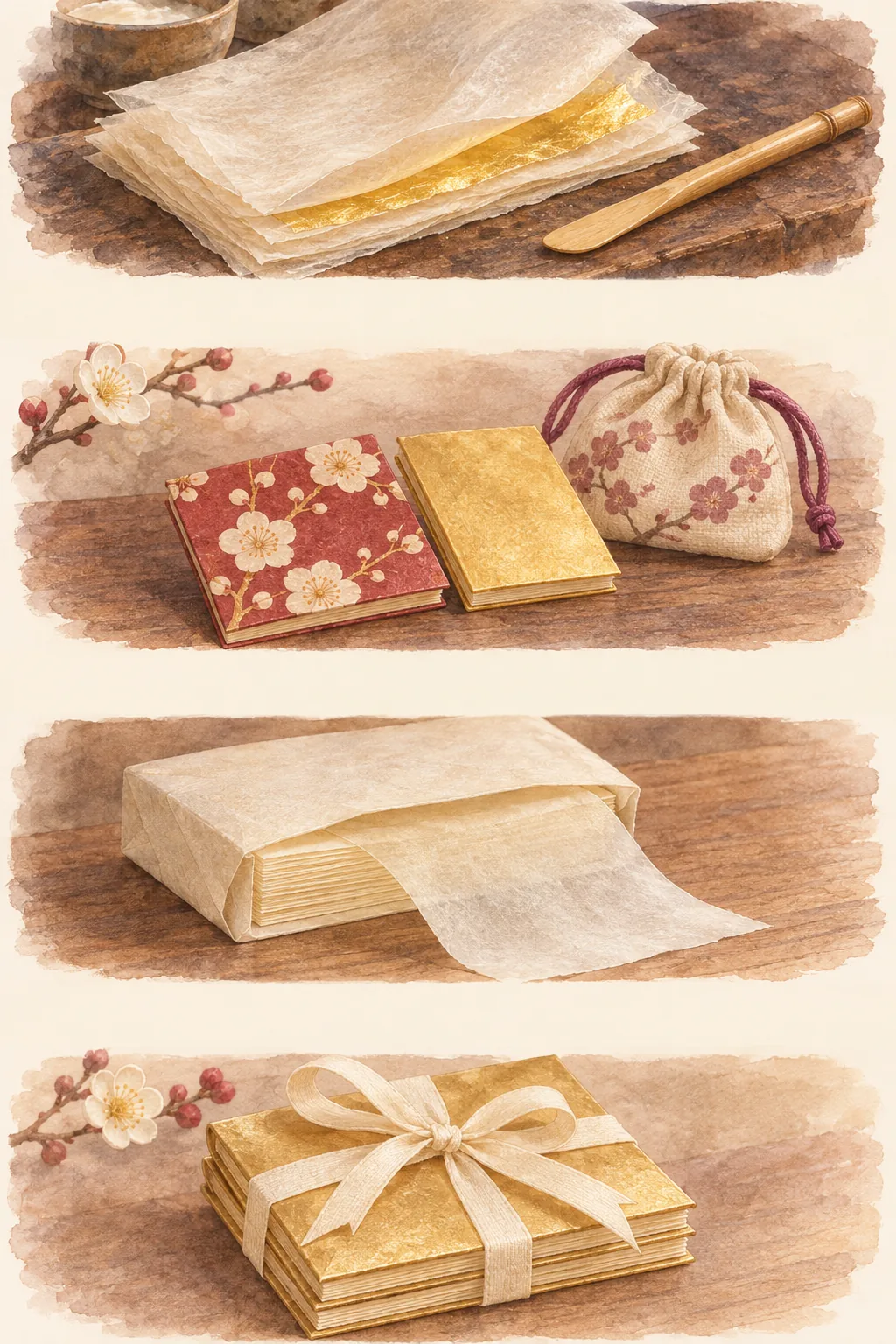
Japanese oil blotting paper started life as a tool for making gold leaf. Gold leaf is made by sandwiching gold between sheets of special washi paper and beating it, over and over, until it is unbelievably thin. The paper gets beaten too.
After long use, the fibers of that paper are crushed so thin that it turns almost translucent. This worn paper, called furuya-gami, turned out to soak up facial oil remarkably well, and that is how aburatorigami ("oil-taking paper") began. Today the gold-leaf city of Kanazawa and the old theater district of Kyoto are still home to the best-known makers. This guide covers where the paper comes from, two washi blotting papers made in Japan that you can buy from outside the country, the Japanese makers worth knowing, and how to blot without rubbing.
Quick Reference: Japanese Blotting Papers at a Glance
| If you want... | Pick | Where to buy |
|---|---|---|
| A big pack of washi blotting paper | Washi Blotting Paper, Green Tea, 100 Sheets ▾ | Amazon.com |
| The same, in charcoal | Washi Blotting Paper, Charcoal, 100 Sheets ▾ | Amazon.com |
| The original gold-leaf-method paper | Hakuichi furuya-gami ▾ | Kanazawa, or Japanese online shops |
| Kyoto's famous souvenir | Yojiya aburatorigami ▾ | Kyoto, or Japanese online shops |
Tap a name to jump to its review.
1. Why Japanese: Paper That Was Used to Beat Gold
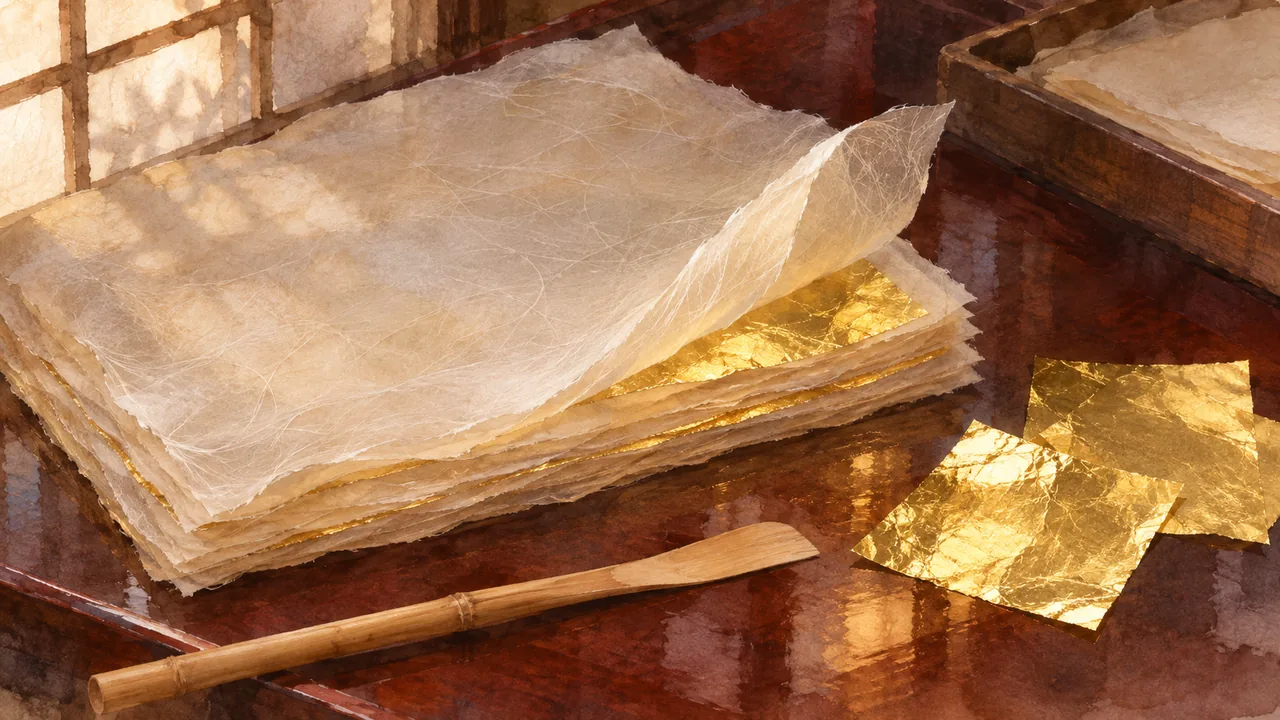
Japan's traditional gold leaf is beaten between sheets of hakuuchi-gami, a handmade washi prepared just for this job; Japan's Agency for Cultural Affairs documents the technique as part of the country's cultural heritage. With repeated use, the paper's fibers are crushed until it is almost see-through, and this worn paper, furuya-gami, was found to absorb skin oil very well.
In Kanazawa, Japan's gold-leaf capital, the gold leaf company Hakuichi noticed the demand for furuya-gami and, in 1976, turned it into a product: blotting paper made with the same beating method used for gold leaf. In Kyoto, Yojiya, founded in 1904 as a seller of stage makeup, is said to have begun selling blotting paper in the 1920s after actors asked for it, and it became a favorite of geiko, maiko and film actors.
2. Washi Blotting Papers You Can Buy Outside Japan
The well-known Japanese makers below are hard to find on Amazon.com. These two washi papers are listed as made in Japan and come 100 sheets to a pack, which suits everyday use at home or at work.
Washi Oil Blotting Paper, Green Tea, 100 Sheets
For a large, inexpensive pack to keep in a desk or bag. Japanese washi blotting sheets in an easy-dispense pack of 100. The listing doesn't name the maker, so think of it as an everyday supply rather than a gift.
Washi Oil Blotting Paper, Green Tea, 100 Sheets
Loading product details…
Washi Oil Blotting Paper, Charcoal, 100 Sheets
The same washi blotting paper in a charcoal version, also 100 sheets in an easy-dispense pack.
Washi Oil Blotting Paper, Charcoal, 100 Sheets
Loading product details…
3. Japan's Makers: Kanazawa, Kyoto and Mino
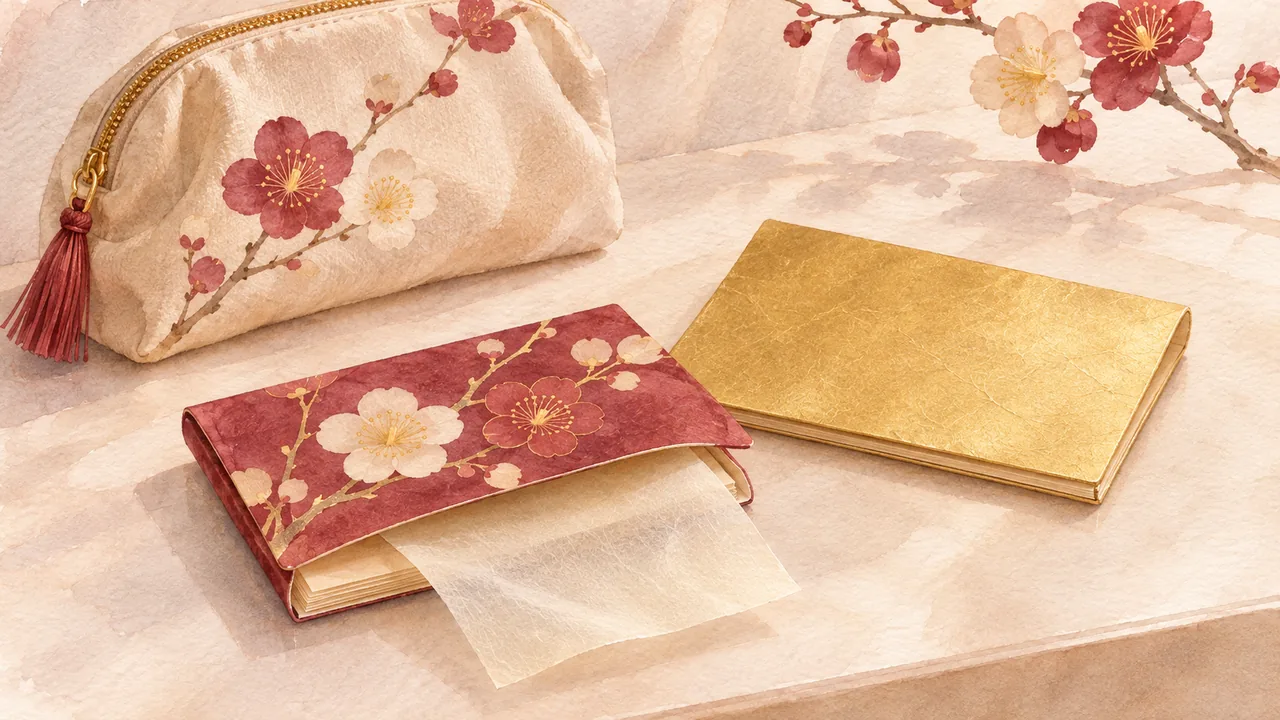
We couldn't find these on Amazon.com, but they are the names to look for in Japan, in shops in Kyoto and Kanazawa, or through Japanese online stores and proxy shopping services.
- Hakuichi (Kanazawa): the gold leaf company that created gold-leaf-method blotting paper. Its "furuya-gami" booklet reproduces the original packaging from its debut, and its "Baiga" set carries the plum-blossom crest of the Maeda lords who ruled Kanazawa. Hakuichi recommends pressing gently, mainly on the T-zone and nose, about twice a day.
- Yojiya (Kyoto): the classic Kyoto souvenir, made by beating special washi with gold-leaf machinery. Each booklet holds 20 sheets of about 9 cm square.
- Kyoto Yoshitoyo: a Kyoto blotting paper specialist known for its "happy elephant" booklets, plus a 50-sheet men's version that also wipes eyeglass lenses.
- Mino washi blotting paper: a soft, tissue-like hemp paper from Gifu's Mino washi region, 100 sheets to a pack.
4. How to Use It: Press, Don't Rub
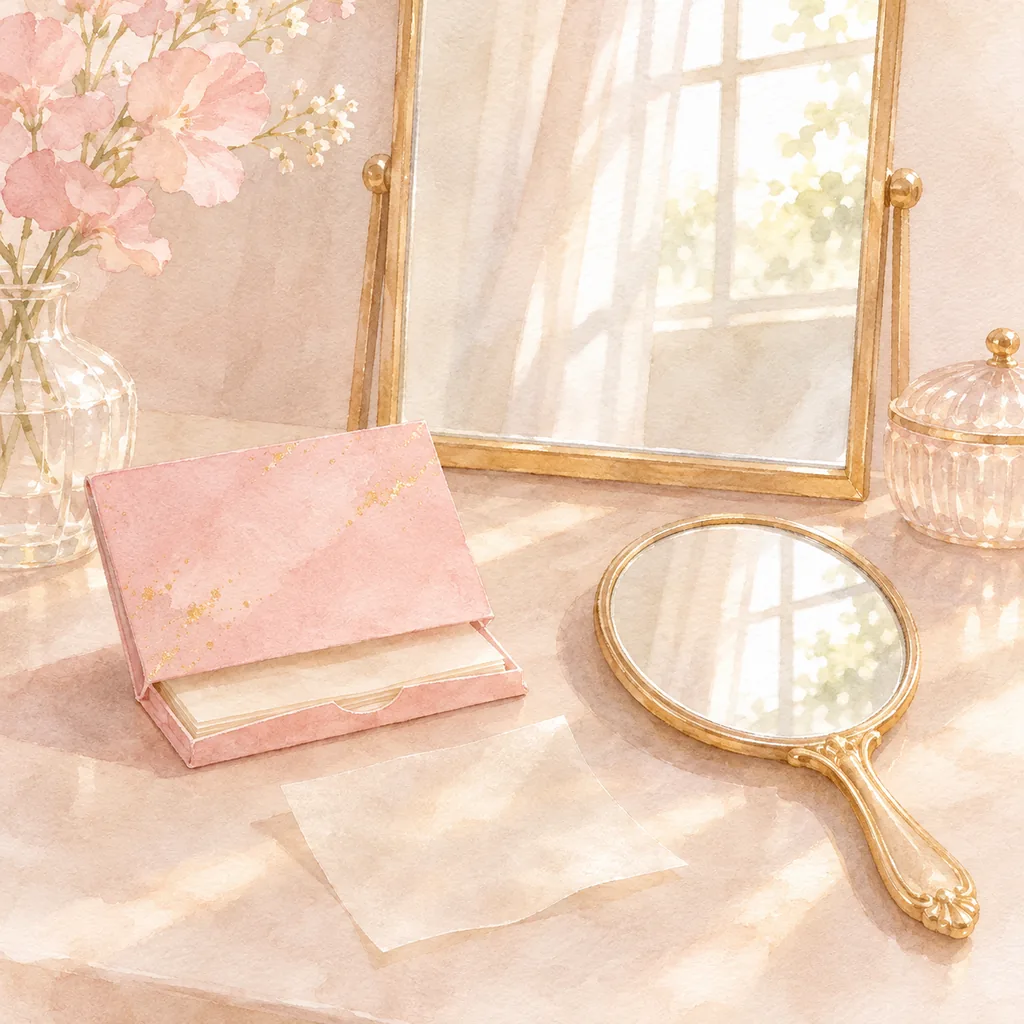
Press it on the shiny spots
Don't wipe. Lay a sheet on your skin and press gently. Focus on where oil collects, such as the T-zone and the sides of the nose, rather than blotting your whole face again and again, so you don't strip away moisture your skin needs.
Hakuichi suggests using blotting paper about twice a day: before makeup, and before touching up during the day. Blotting before you powder keeps your puff cleaner, too.
5. Frequently Asked Questions
What does "aburatorigami" mean?
"Oil-taking paper." Abura means oil, tori means taking, and kami (here gami) means paper.
Is blotting paper bad for your skin?
Pressed gently on oily spots, it is generally considered gentle. Problems come from rubbing, or blotting the whole face many times a day. Hakuichi suggests about twice a day.
What is "gold-leaf-method" blotting paper?
Paper made by beating washi the same way gold leaf is made. It recreates the qualities of furuya-gami, the worn gold-beating paper that first showed how well it absorbs oil.
Can I buy Yojiya blotting paper outside Japan?
We couldn't find it on Amazon.com. It is easiest to buy in Kyoto, or through Japanese online stores and proxy shopping services.
Is blotting paper good for men?
Yes, it's for anyone with an oily T-zone. Larger packs of 50 to 100 sheets suit heavier everyday use; Kyoto Yoshitoyo even makes a men's booklet that doubles as a lens wipe.
Does blotting paper expire?
It's just paper, so it keeps well if you store it dry and away from makeup spills. Keep the booklet closed in your pouch so sheets don't pick up dust.
Final Thoughts: A Little Paper With a Golden Past
Aburatorigami is a beauty tool born from gold-leaf craft.
For everyday blotting outside Japan, a 100-sheet pack of washi paper in green tea or charcoal. If you visit Japan, look for Hakuichi's gold-leaf-method paper in Kanazawa and Yojiya's booklets in Kyoto.
Press, don't rub, and let a sheet of Japanese paper do the work.
Japanese Skincare: Sunscreen, Sake Lees, Rice Bran
[Ishikawa / Kanazawa] A Family Gold Leaf Experience