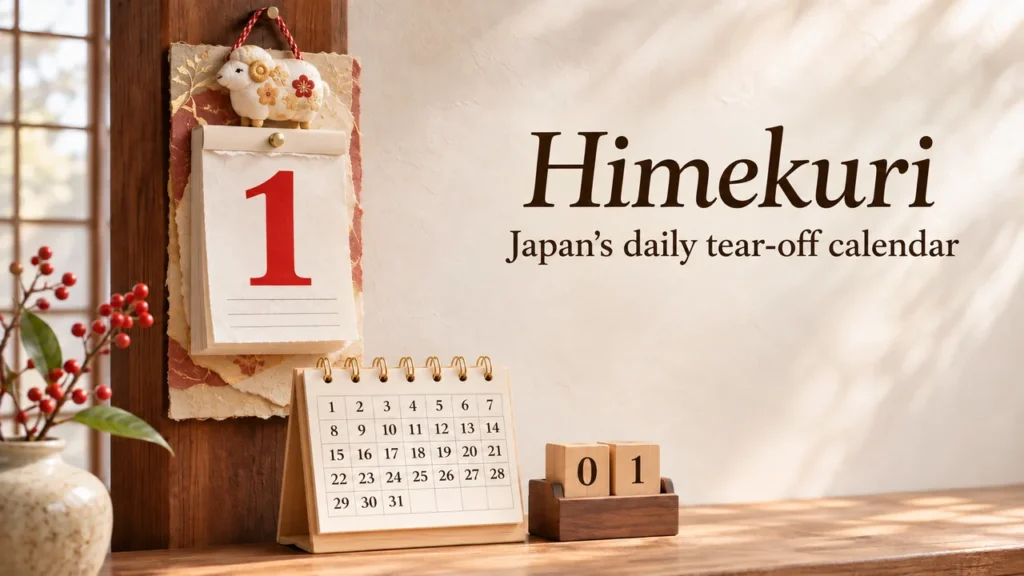
A himekuri is a Japanese daily calendar: a small block of 365 pages, one for each day, that you tear off every morning.
Each page carries more than the date. There is the rokuyo (the six-day cycle of lucky and unlucky days still used to pick wedding and funeral dates), the date in the old lunar calendar, seasonal events, and often a proverb or a short lesson for the day. This guide explains what is on the page and introduces the Japanese makers worth knowing, from washi daily calendars made in Yamanashi's old paper-making town to Echizen washi wall calendars and wooden perpetual calendars.
Quick Reference: Japanese Calendars at a Glance
| If you want... | Pick | Where to buy |
|---|---|---|
| A washi wall calendar | Midori Echizen Washi Wall Calendar (S) ▾ | Amazon.com |
| A himekuri with a zodiac or lucky-cat figure | Medetaya ▾ | Japanese online stores |
| A calendar you never replace | Wooden perpetual calendars ▾ | Japanese online stores |
Tap a name to jump to its review.
1. Why Japanese: What Is on a Himekuri Page
A himekuri page usually shows:
- The date and day of the week, large enough to read from across the room.
- Rokuyo: one of six labels such as taian (great luck, a favorite day for weddings) or butsumetsu (an unlucky day). Many Japanese still glance at it before setting a big date.
- The old lunar date and, on the right days, one of the 24 solar terms that mark the seasons.
- Events and a short lesson: festivals of the day and a proverb or piece of everyday wisdom.
Himekuri sizes are given by number (go): the larger the number, the larger the block. Pulling each page down rather than tearing it sideways keeps the block neat, as one longtime user put it.
2. A Washi Calendar You Can Buy Outside Japan
Midori Echizen Washi Wall Calendar (S), Floral
For a calendar where the paper itself is the point. Midori, the Japanese stationery brand, prints this one by silkscreen on Echizen washi from Fukui, a paper-making region with more than a thousand years of history, and the paper is made in Echizen each year specially for this calendar. Twelve months of seasonal Japanese flowers on a slim 32.5 × 15.5 cm (12.8 × 6.1 in) sheet that fits a narrow wall or pillar. An animal and a seasonal-scenes design, and a larger L size, are also listed.
Midori 2027 Wall Calendar, Echizen Washi Paper (S), Floral
Loading product details…
3. In Japan: Washi Himekuri, Tenugui and Wooden Calendars
We couldn't find these on Amazon.com; look for them in Japan or through Japanese online stores and proxy shopping services.
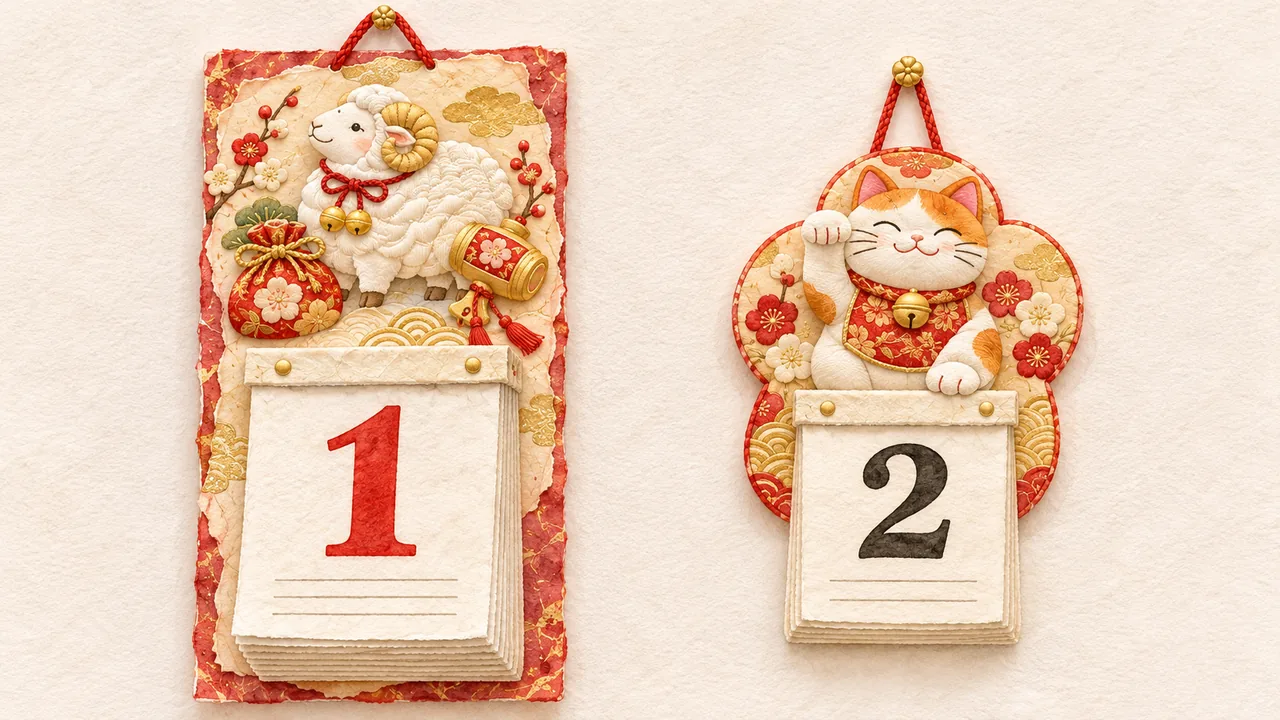
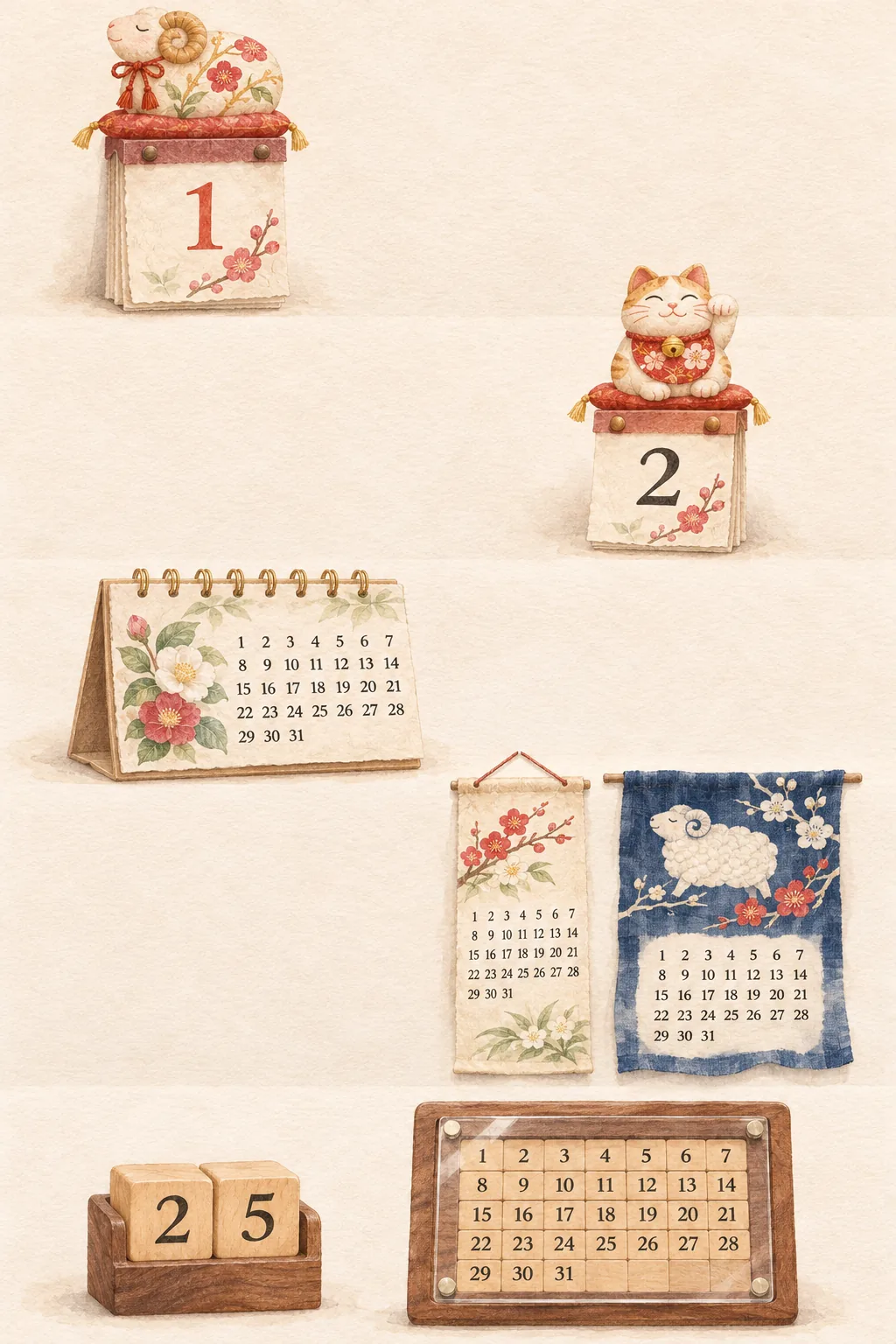
- Medetaya himekuri (Yamanashi): Medetaya is the in-house brand of Onao, a washi maker based in Ichikawadaimon, a paper-making town with a thousand-year history. Its 2027 himekuri has a padded oshi-e sheep made from a mix of glossy and yuzen-patterned washi, with a treasure bag and a lucky mallet.
- Medetaya "Mugi" lucky-cat himekuri: a ginger-and-white beckoning cat, stuffed with cotton and built up in layers around the face. The calendar block can be replaced, so the cat stays for the next year.
- RYU-RYU tenugui desk calendar: a small 10.5 × 14 cm desk calendar with illustrations that a tenugui artist painted on cloth, keeping the soft, slightly broken lines of the fabric.
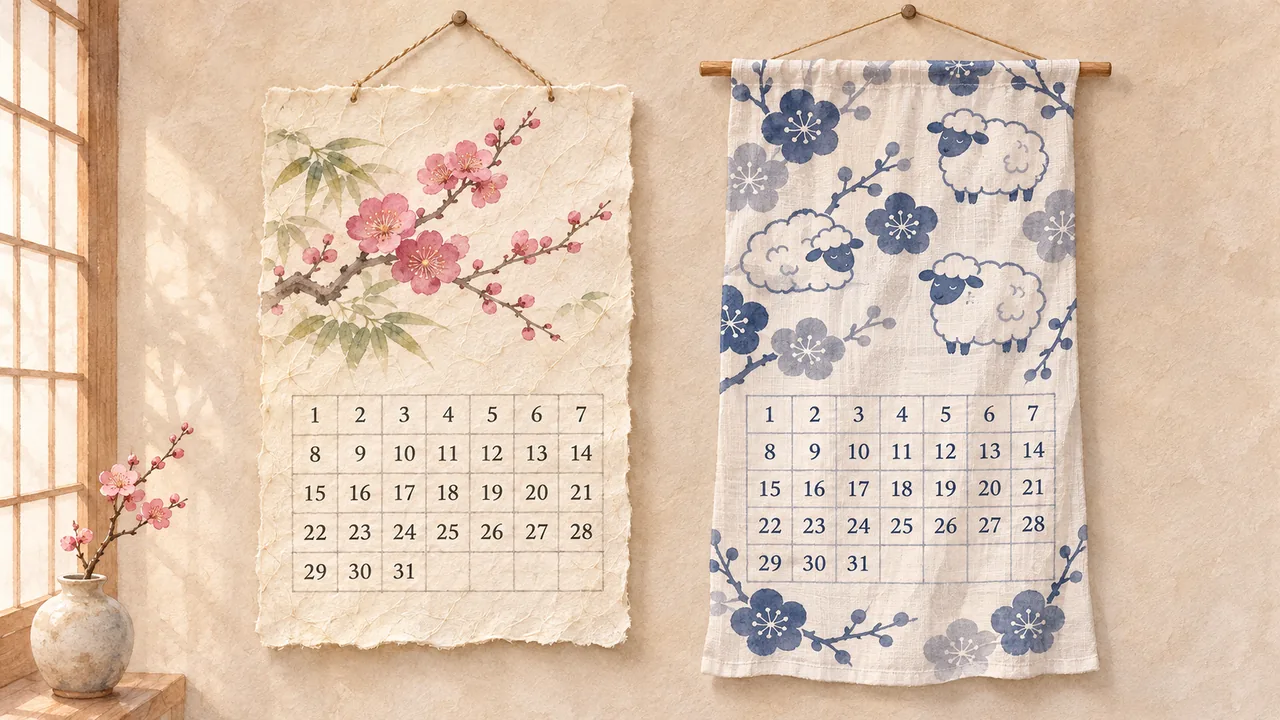
- Kamawanu tenugui calendar: a year's calendar dyed onto a cotton tenugui by the hand-dyeing method chusen, with sheep and plum blossoms for 2027. Hang it for the year, then use it as a towel.
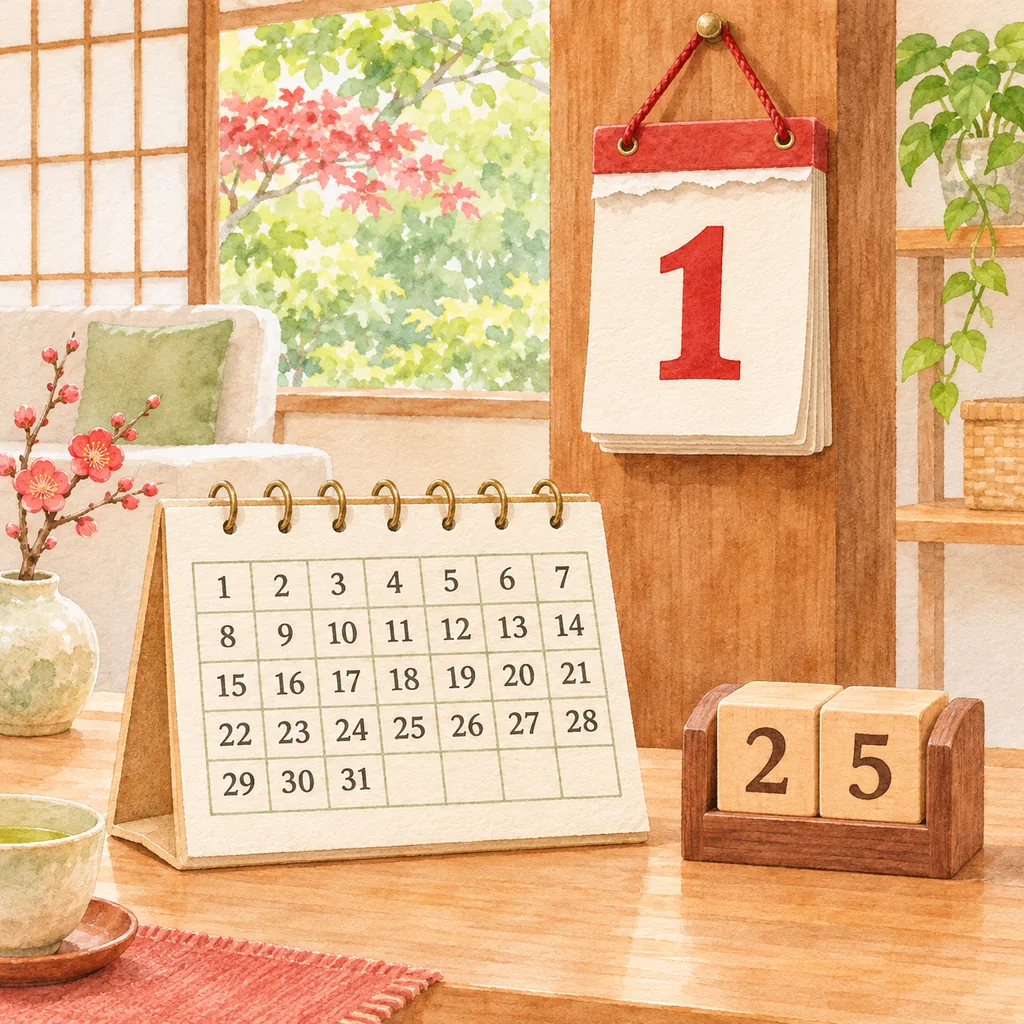
- Ricod CUBU: a perpetual calendar of walnut and beech cubes you roll to set the date.
- Toyota Sangyo wooden puzzle calendar (Hiroshima): beech number pieces you fit into a frame each month, finished by hand.

4. Frequently Asked Questions
What is a himekuri?
A Japanese daily tear-off calendar, with one page for each day of the year. You remove a page each morning.
What is rokuyo on a Japanese calendar?
A six-day cycle of fortune labels, such as taian (very lucky) and butsumetsu (unlucky). It is still printed on many Japanese calendars and consulted when choosing dates for weddings and funerals.
What does the size number mean?
Himekuri sizes are given in "go." The larger the number, the larger the block. Medetaya's No. 3 refill, for example, is about 8 × 11.5 cm.
What is Echizen washi?
Washi (Japanese paper) from Echizen in Fukui Prefecture, one of Japan's oldest paper-making regions. Midori's washi calendar is printed on paper made there each year for it.
What is a perpetual calendar?
A calendar you set yourself, by arranging cubes or pieces, so it works in any year and never needs replacing.
Is a calendar a good New Year gift in Japan?
Yes. Calendars for the coming year are a common year-end and New Year gift, and zodiac designs like Medetaya's sheep himekuri are sold with that in mind.
Final Thoughts: A Page to Turn Each Morning
A himekuri puts the date, the rokuyo, the old lunar calendar and a line of wisdom on every page.
From outside Japan, Midori's Echizen washi wall calendar. In Japan, Medetaya's washi himekuri from Ichikawadaimon, RYU-RYU's tenugui desk calendar, Kamawanu's dyed tenugui calendar, and wooden perpetual calendars that last for years.
One page, torn off by hand, to start the day.
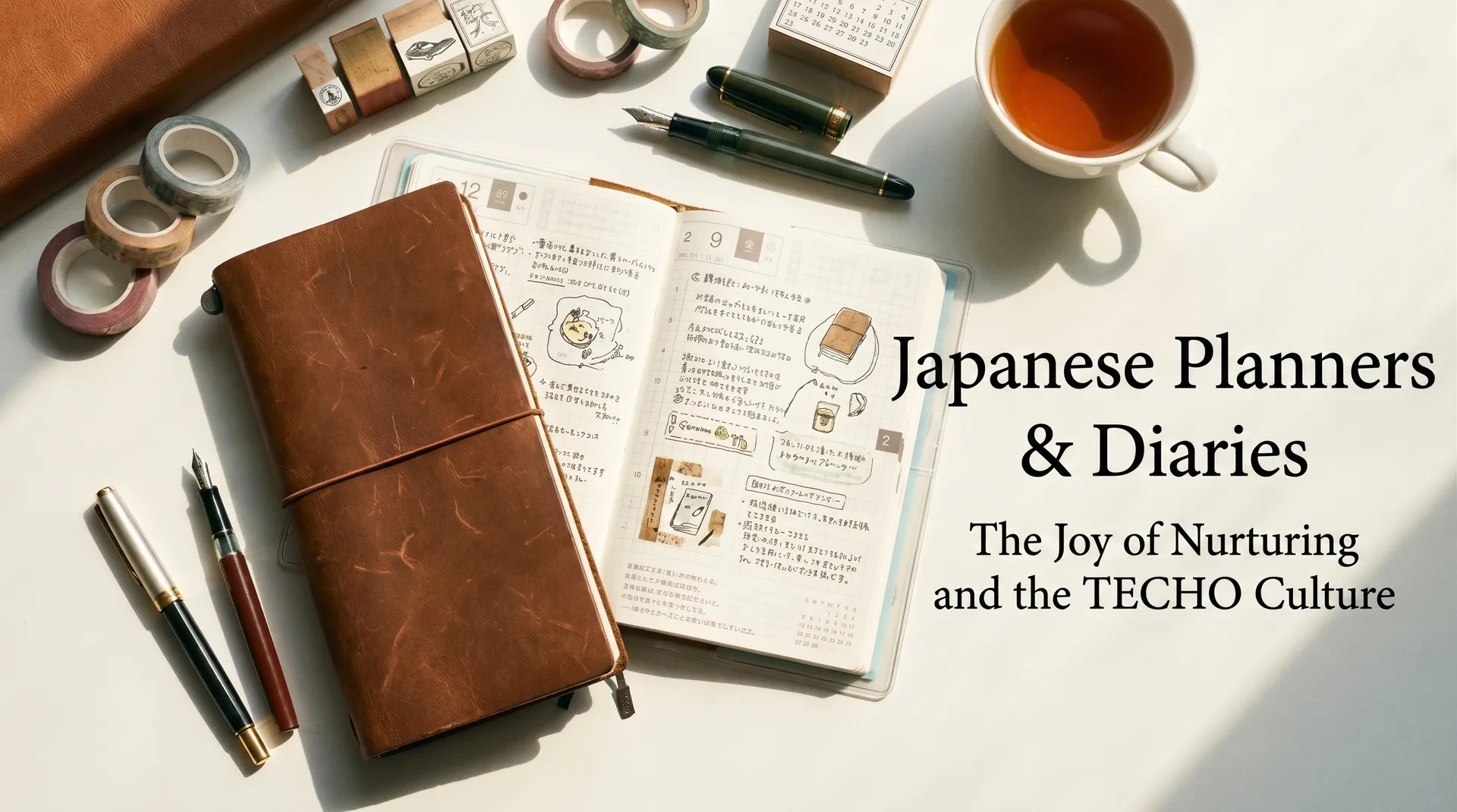
Japanese Planners & Techo: Hobonichi, TRAVELER'S Reviewed
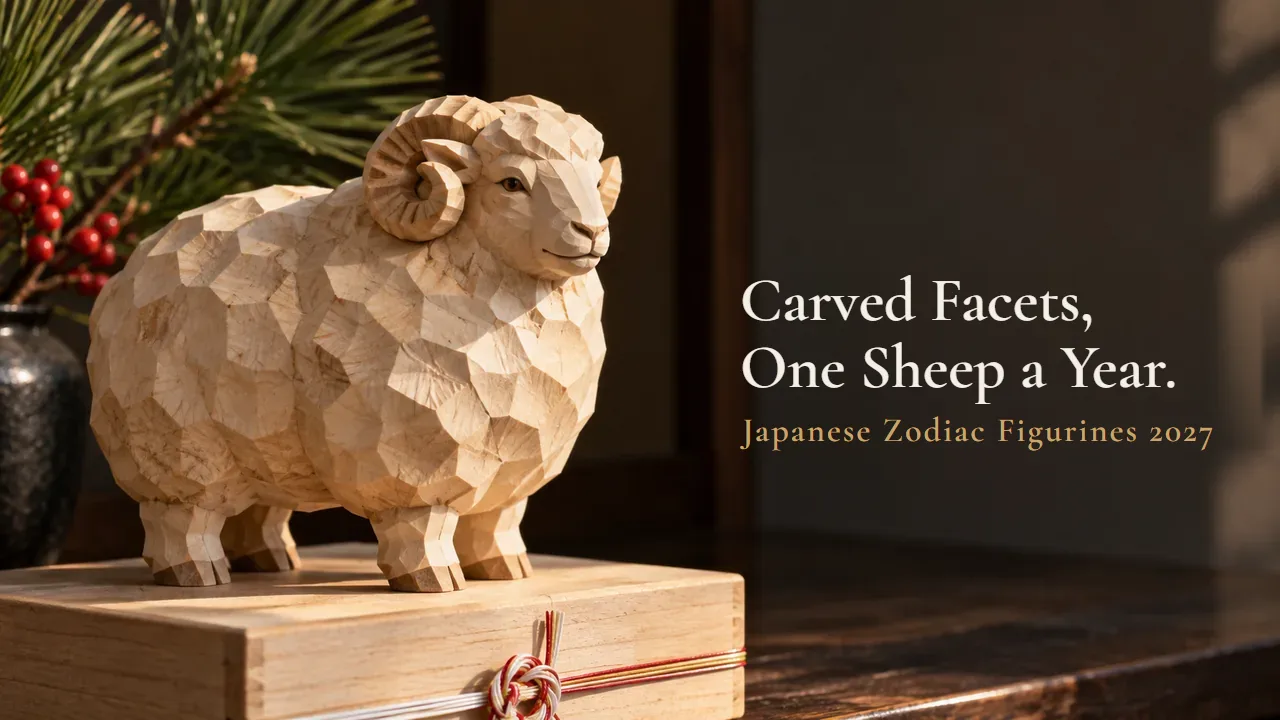
Japanese Zodiac Figurines 2027: Year of the Sheep