Kutani-yaki Kiln Kamide Choemon Kiln
Founded in 1879. Fresh Kutani-yaki even across the ages.
Kamide Choemon Kiln is a Kutani-yaki kiln based in Nomi City, Ishikawa Prefecture. Since founding in 1879 (Meiji 12) in Terai Village — Kutani Shoza's birthplace — centered on kappo-yoshokki (Japanese restaurant tableware) — continuing vessel making leveraging artisan handwork and the wonder of painting. While being on the stage of porcelain history that began in the East — without sticking to tradition, also challenging new designs and collaborations with a flexible stance — pursuing fresh Kutani-yaki expression that naturally fits into users' daily life.

Why We Love It
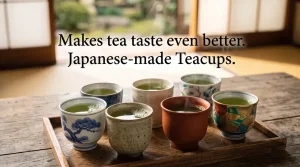
The playfulness of lightly leaping over the framework of traditional crafts is excellent! "Fuefuki" series tea cups — loved for over 70 years — adorable in a way that softens the heart every time you see them. The stance of always challenging new things — like collaborations with Spanish designer Jaime Hayon — is also stimulating. Vessels carefully made with integrated production are not only unique but first-class in quality. Humor-filled Kutani-yaki that creates conversation at the table.
PROFILE About the Company / Workshop
Kamide Choemon Kiln was founded in 1879 as a Kutani-yaki kiln — a representative traditional craft of Ishikawa Prefecture. With kiln set up in Terai Village — the hometown of Kutani Shoza, the restorer of Kutani-yaki — since then, together with many craftsmen like wheel masters and painters — continuing to make vessels that color the dining table. Also with background as good at kappo tableware since founding — still placing emphasis on vessel making that highlights cuisine — a characteristic.
"Being on the stage of porcelain history that began in the East — with a flexible stance not sticking to tradition — releasing centered on kappo tableware." This is the stance Kamide Choemon Kiln cherishes. While respecting the gorgeousness of Kutani Gosai and painting techniques — continuing to explore designs that naturally blend into modern life and table coordination.
In producing regions where division of labor is general — the kiln is also known for performing "integrated production" — completing most processes in-house. While each process master refines their skills — wheel masters drawing the base, painters drawing underglaze and overglaze, craftsmen handling kiln firing — by sharing the worldview as one kiln — unity and depth are born in the vessels' overall presence.
At the annual "Kiln Festival" in May and the autumn "Rokuro Festival" — opening the kiln site to the public — also continuing initiatives where visitors can feel the site where Kutani-yaki is born through factory tours, painting experiences, and wheel experiences. While shedding light on the people, tools, and even the kiln fire behind the vessels — connecting the culture of Kutani-yaki itself to the next generation.
Founded in 1879 — a kiln raised in Kutani Shoza's hometown
Pursuing "fresh-even-across-ages" Kutani-yaki centered on kappo tableware
A craftsman group performing "integrated production" in a divided-labor producing region
Fuefuki series and collaborations with world-class designers
LINKS Official Links / Social Media
- Official Website https://www.choemon.com/
- Online Shop https://www.choemonshop.com/
- Contact Form https://www.choemon.com/contact
- X (Official) https://x.com/KUTANI_CHOEMON
- Online Shop (Kamide Choemon Kiln) https://www.choemonshop.com/
- 9days Shop https://9days.shop
- Kamide Shigei LLC Online Store https://kamide-shigei.stores.jp/
- SHOP Kanazawa Choemon (directly-managed store) http://www.choemon.com/archives/5400
- Kiln Festival / Rokuro Festival Special Site https://www.kamamatsuri.com/