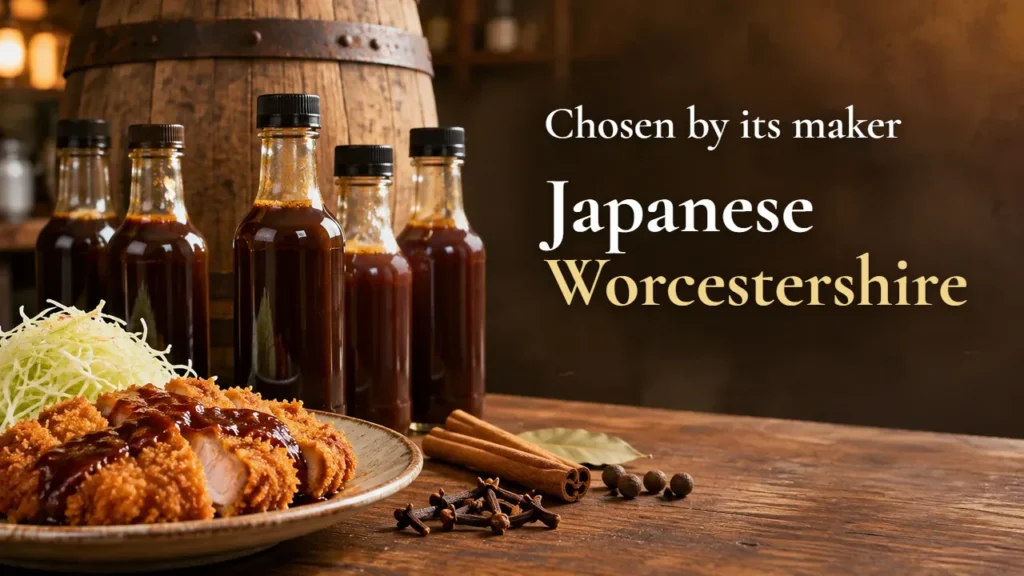
Ask for "sauce" in a Japanese kitchen and you will usually get a dark, fruity, spiced sauce descended from Worcestershire. It goes on tonkatsu, croquettes, fried shrimp and shredded cabbage, and into okonomiyaki and yakisoba.
Japan took the British condiment and made it its own: it grades sauce by thickness, from thin "Worcester" to thick "tonkatsu" sauce, and it has ji-sauce, local sauces with the loyal following of a local sake. Each maker decides which vegetables to cook and how, whether to brew its own vinegar, how to blend the spices and how long to age the result.
This guide explains the three grades, covers Bull-Dog, the Japanese sauce you can buy on Amazon.com, and introduces six local makers worth seeking out in Japan: Torii in Hamamatsu, Ojika, Tsubame and Ajiro in Kyoto, Hermes in Osaka and Hikari in Tokushima.
Quick Reference: Japanese Worcestershire Sauces at a Glance
| Sauce | Maker | What stands out | Where to buy |
|---|---|---|---|
| Bull-Dog Worcestershire ▾ | Bull-Dog Sauce (Tokyo) | Also sold as a set with chuno and tonkatsu | Amazon.com |
| Torii Worcester ▾ | Torii Foods (Hamamatsu) | Raw vegetables, house vinegar, wooden-vat aging | Sold in Japan |
| Ojika Sauce (revival) ▾ | Ojika Sauce (Kyoto) | 1918 recipe, anchovy and red wine | Sold in Japan |
| Tsubame Bifuteki Sauce ▾ | Tsubame Foods (Kyoto) | Sweet, whole spices, made by hand | Sold in Japan |
| Ajiro Sauce ▾ | Hinode Foods (Kyoto) | About 10 spices and Japanese apples | Sold in Japan |
| Hermes Worcester ▾ | Iwami Shokuhin (Osaka) | Almost all by hand, secret spice blend | Sold in Japan |
| Hikari Organic Worcester ▾ | Hikari Foods (Tokushima) | 100% organic vegetables and fruit | Sold in Japan |
Tap a name to jump to its review.
1. Why Japanese: A British Sauce, Raised in Japan
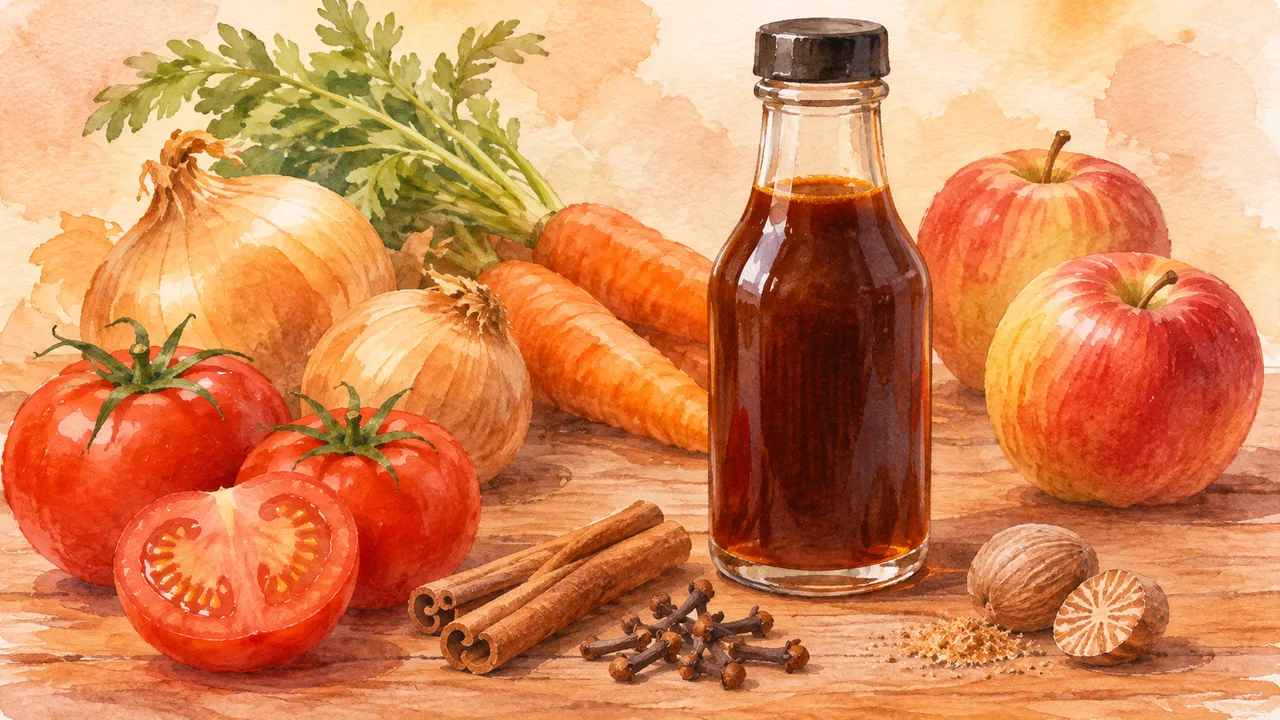
Worcestershire sauce is said to have been born in the English city of Worcester in the early 19th century: scraps of vegetables and fruit, sprinkled with spices, salted, soaked in vinegar and left in a jar, slowly aged into a sauce that suited both meat and fish.
It reached Japan right at the start of the Meiji era, spreading with Western food from the foreign settlements in Yokohama and Kobe. What made it a household flavor was issen yoshoku ("one-sen Western food"), a craze of the 1920s: a thin batter of flour and water, topped with green onion and the like, griddled and brushed with sauce, an ancestor of okonomiyaki. Around that boom, sauce makers sprang up in Kyoto and across Japan, and after the war, okonomiyaki made sauce a staple.
Japanese makers then took the recipe in their own directions. Torii in Hamamatsu adds kombu and katsuobushi, the base of Japanese dashi, to its Worcester; Ojika in Kyoto keeps the anchovy of the British original and adds red wine. That range is the reason to look beyond one bottle.
2. Worcester, Chuno, Tonkatsu: It's About Thickness
Japan's agricultural standard (JAS) sorts these sauces into three grades by viscosity: Worcester sauce, chuno (medium-thick) sauce and noko (thick) sauce. Worcester is strained of vegetable and fruit pulp, so it is thin, with a sharp, savory bite. Noko, usually sold as tonkatsu sauce, has more fruit and is thick and sweeter. Chuno sits in between.
Thin Worcester is the most versatile: it goes on fried food, but it also works as a hidden seasoning that adds depth to stews and stir-fries. This guide is about Worcester, chosen by its maker.
3. The One You Can Buy Abroad: Bull-Dog
Of the Japanese sauce makers, Bull-Dog of Tokyo is the one we found on Amazon.com. Its Worcester is a good everyday bottle, and the three-bottle set lets you taste all three grades side by side.
Bull-Dog Worcestershire Sauce: the everyday Japanese Worcester
A thin, sharp Japanese Worcester from Bull-Dog Sauce of Tokyo, made in Japan. Splash it on fried food and shredded cabbage, or stir a little into curry and stir-fries.
Bull-Dog Worcestershire Sauce, 300 ml
Loading product details…
Bull-Dog Sauce Set: Worcester, Chuno and Tonkatsu
All three JAS grades in one set. Thin Worcester, medium chuno and thick, sweeter tonkatsu sauce: the easiest way to understand why Japanese households keep more than one bottle of "sauce."
Bull-Dog Sauce Set: Worcestershire, Chuno and Tonkatsu, 300 ml x 3
Loading product details…
4. Aged in Wooden Vats: Torii of Hamamatsu
Whole raw vegetables, and vinegar brewed in-house
Torii Foods, founded in Hamamatsu, Shizuoka, in 1924, uses whole raw vegetables, not pastes or powders. They are heated slowly, up to 60°C, to draw out their flavor, then ground in a stone mill rather than sieved, skins and seeds included.
The vinegar that gives the sauce its tang is brewed in-house, not by the quick method that takes about an hour but by traditional still fermentation: more than a month of fermenting and another month of resting, for a vinegar with no sharp edge. Even the burnt sugar that gives a hint of bitterness is made in-house.
Spices that give only their aroma
Cinnamon, nutmeg, cloves and the rest go in whole or coarsely cracked, in bags steeped in the sauce; ground spices would push the aroma and bitterness too far and make the sauce taste medicinal. Heat-sensitive spices go in after the sauce cools.
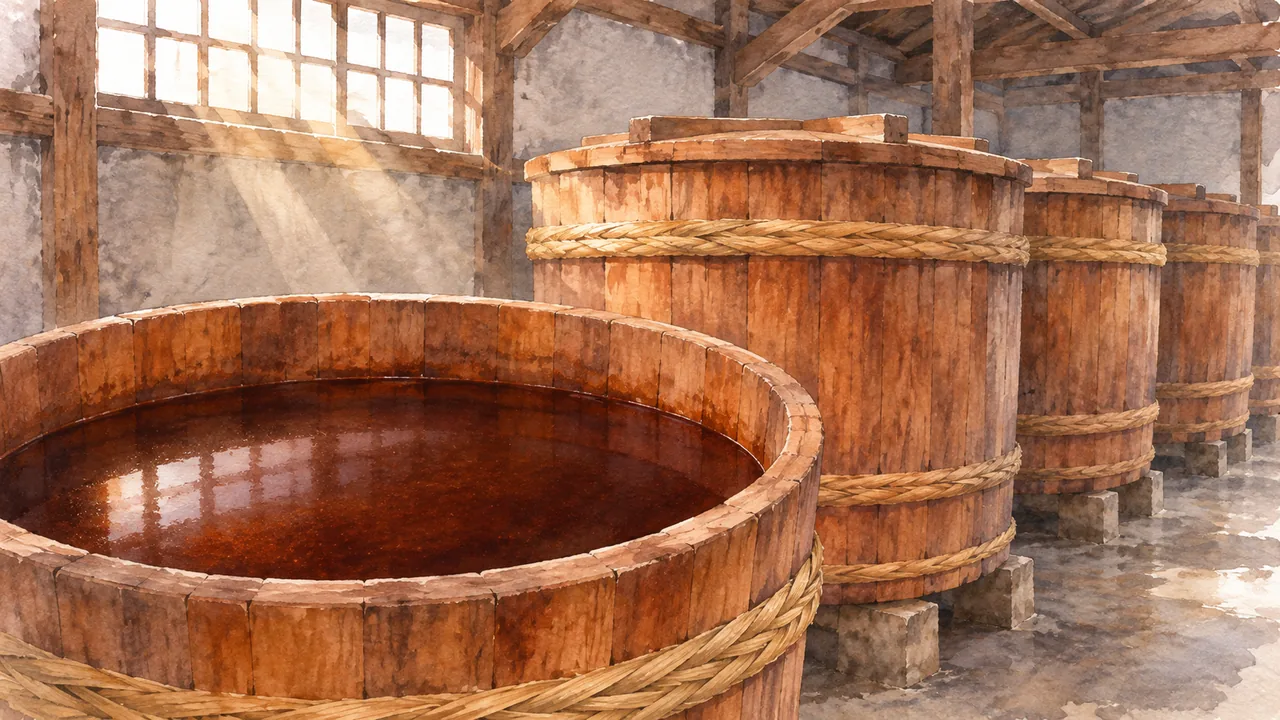
The sauce then ages about a month in wooden vats, a two-stage wooden-vat process the maker says no one else in Japan uses. "Sauce plays a supporting role," is the company's philosophy: the goal is a balance where people say the dish tastes good, not the sauce.
Torii Worcester Sauce: raw vegetables, plus kombu and katsuobushi
A Worcester that respects the traditional British method while adding a dashi of kombu and katsuobushi. Onion, tomato, carrot, garlic and celery, house vinegar, nine spices, lemon juice, kombu and katsuobushi; Torii avoids food additives as a rule. Aged in wood, it tastes rounded rather than sharp. Sold in Japan in 200 ml bottles.
5. Kyoto's Local Sauces: Ojika, Tsubame, Ajiro
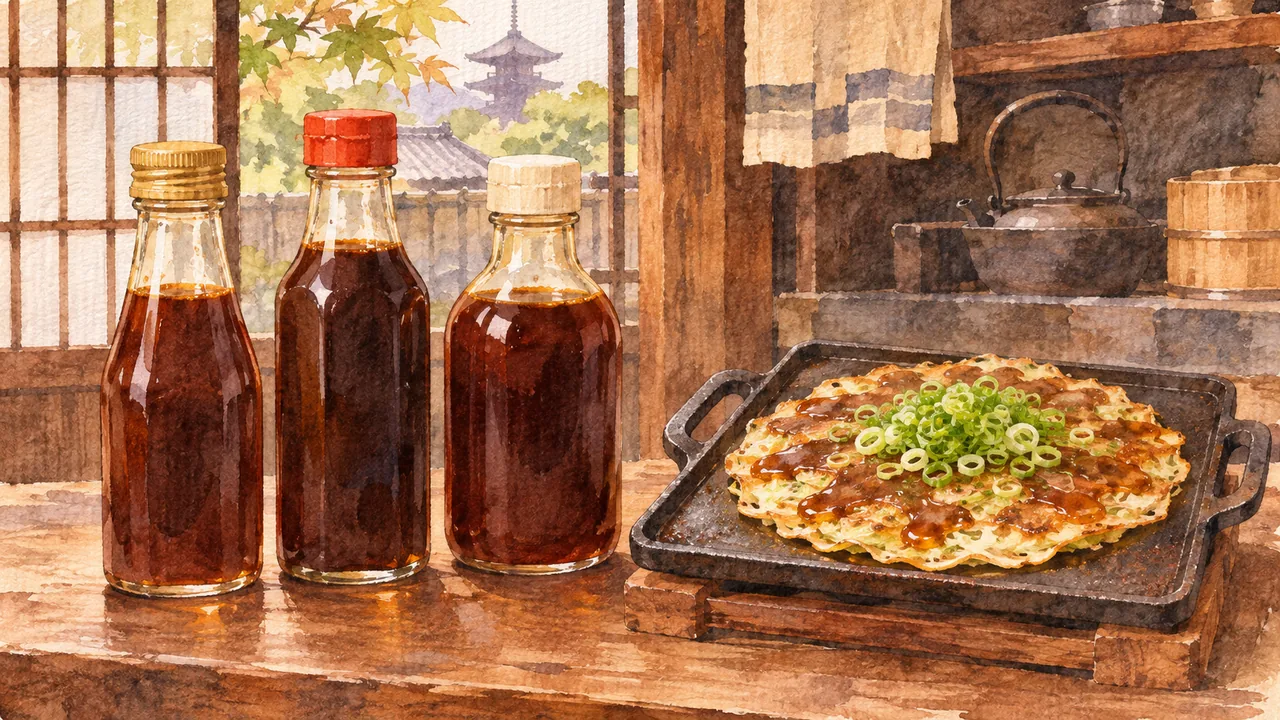
Western restaurants opened one after another in Kyoto from the late 19th century, and by the 1920s issen yoshoku was a hit. Sauce makers born in that era still make sauce in the city today, and each heads in its own direction.
Ojika Sauce, Revival Edition: the taste of Gion, 1918
Ojika, said to be Kyoto's first sauce maker, recreated its founding recipe and label. The founder learned sauce-making in Britain, and this is based on his first sauce: anchovy, essential to British Worcestershire, plus tamarind and red wine, for a thin, classic flavor.
Long used by Kyoto hotels and restaurants, it suits fried eggs, fried food, curry and stew, and also fish and Japanese dishes. A Gion issen yoshoku restaurant has used a custom Ojika sauce since it opened. Sold in Japan.
Tsubame Bifuteki Sauce: a sweet Worcester with whole spices
Tsubame Foods in Kyoto's Minami ward still makes, bottles and labels its sauce by hand, as it did when it started. "Bifuteki" (beefsteak) sauce was named after the most luxurious dish of the early Showa era. Inside is a sweet Worcester rich in vegetables and fruit, made with whole spices so their flavor comes through. Try it on sliced tomato, or to season curry. Sold in Japan.
Ajiro Sauce: three generations of a family in Mibu, Kyoto
Hinode Foods in Mibu, the Kyoto neighborhood linked to the Shinsengumi, has made this local sauce as a family business since the early Showa era. The name "Ajiro" first belonged to a sashimi soy sauce the founder created for Kyoto palates.
The key is about ten spices and Japanese apples: spicy, with an apple sweetness underneath. It is the taste of local okonomiyaki and set-meal restaurants, and especially good with kushikatsu and okonomiyaki. Sold in Japan.
6. Osaka's "Phantom Sauce": Hermes

Hermes Worcester Sauce: a spice blend known only to each company president
A family-run sauce from Iwami Shokuhin in Higashisumiyoshi, Osaka. It makes about 750 liters a day, almost all by hand, and because it is hard to find, people call it "the phantom sauce." The spice blend passes from president to president, and the current one mixes the day's spices alone every morning.
The Worcester ages two weeks after it is made: gently tart, aromatic and rounded, with brown sugar and molasses. Good on yakisoba, fried food and curry, and on nikuman (steamed pork buns) too. Sold in Japan.
7. Organic Vegetables and Fruit: Hikari of Tokushima
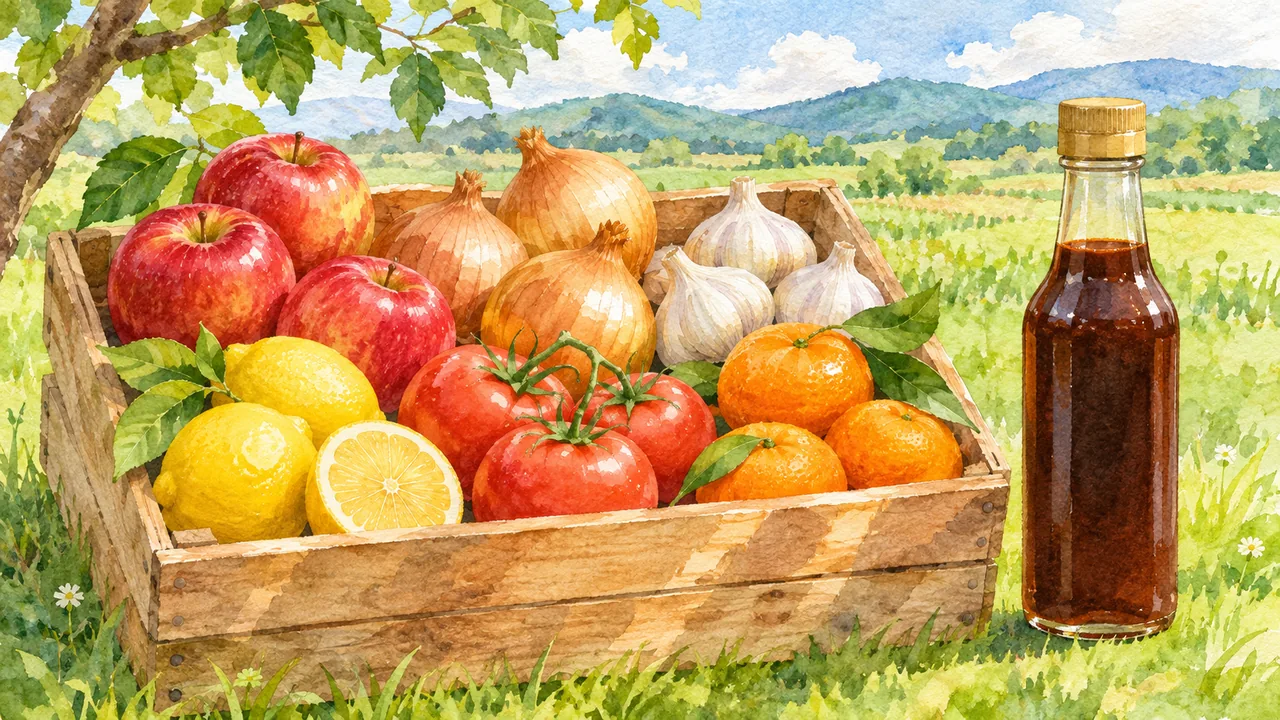
Hikari Organic Worcester Sauce: half the recipe is organic produce
An organic JAS-certified Worcester from Hikari Foods in Tokushima. Organic vegetables and fruit make up about half of the ingredients, and the apples, onions, garlic, lemons, tomatoes and mandarins are 100% organic.
The vinegars are organic apple vinegar, still-fermented without added alcohol, and organic pure rice vinegar from Japanese rice; the salt is sun-dried; the soy sauce is brewed from Japanese organic whole soybeans and aged over a year. Spices, not flavorings: pepper, nutmeg, cloves, bay leaf, cinnamon and more. No preservatives or caramel coloring. Sold in Japan.
8. How to Use It, and How to Store It
Not just a topping: a hidden seasoning
Worcester isn't only for fried food. Because it is thin but full-flavored, it works as a hidden seasoning in curry, stew and stir-fries: a little adds the depth of vegetables and spice.
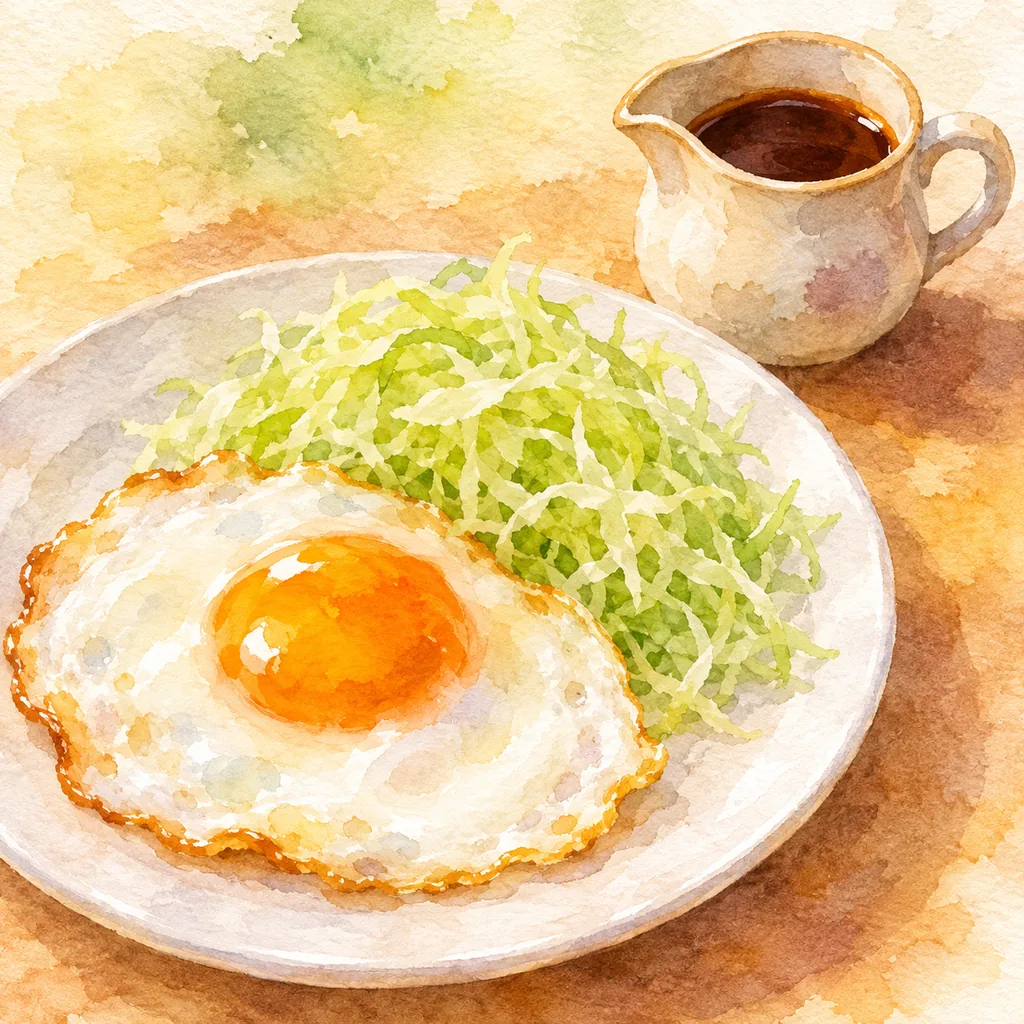
Makers suggest their own uses: Ojika on fried eggs and fish, Tsubame on sliced tomato, Hermes on yakisoba and pork buns. Start with a few drops on a fried egg or shredded cabbage and compare bottles; the differences show quickly.
Refrigerate once opened
Unopened, keep it somewhere cool, out of direct sun and heat. Once opened, cap it tightly, refrigerate it and use it up soon. Small bottles make it easier to taste several makers.
9. Frequently Asked Questions
What's the difference between Worcester, chuno and tonkatsu sauce?
Mainly thickness. Japan's JAS standard grades them by viscosity: Worcester (thin and sharp), chuno (medium) and noko, usually sold as tonkatsu sauce (thick, fruitier and sweeter).
Is Japanese Worcester the same as Lea & Perrins?
They share a British origin, but Japanese makers each went their own way. Some keep the anchovy of the original, like Kyoto's Ojika; others build on vegetables and fruit, and Torii even adds kombu and katsuobushi.
What is a "ji-sauce"?
A local sauce, made and loved in one area, like a local sake or craft beer. Kyoto's Ojika, Tsubame and Ajiro, Osaka's Hermes and Hamamatsu's Torii each differ in vegetables, spices and aging.
Do sauce tastes differ by region in Japan?
They are said to. Torii's president has said that just as soy sauce gets sweeter the further west you go in Japan, he thinks sauce does too. Chuno sauce is said to be most popular in eastern Japan.
How should I store it after opening?
Cap it tightly, refrigerate it and use it up soon. Unopened, a cool place away from sun and heat is fine.
Which sauce if I care most about ingredients?
Hikari's organic Worcester, or Torii, which uses whole raw vegetables and avoids additives as a rule. Both use still-fermented vinegar for a mellow tang.
10. Final Thoughts: Choose Your Sauce by Its Maker
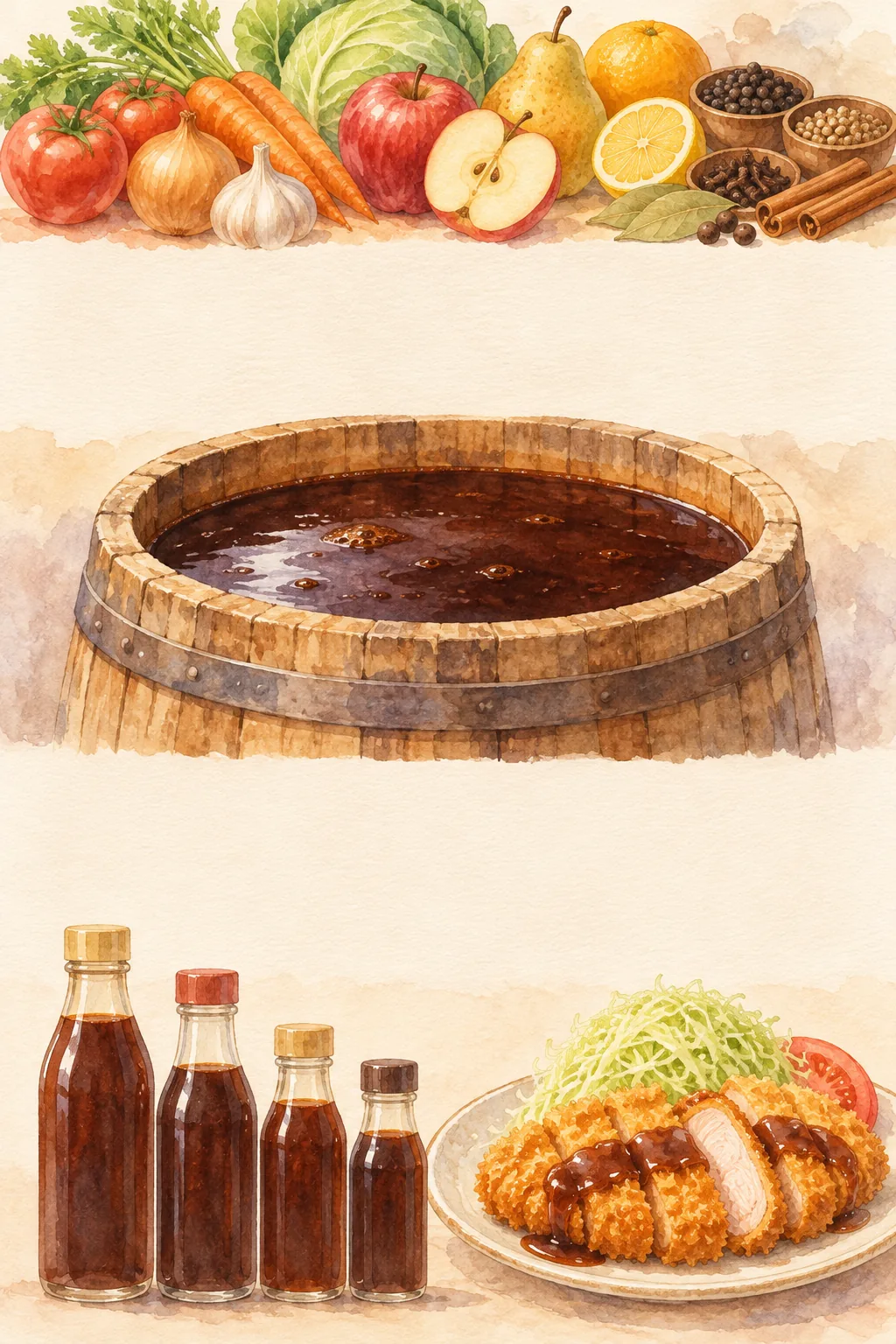
Japanese Worcester is chosen by its maker.
Bull-Dog for an everyday bottle you can buy abroad, and its three-grade set to taste the difference. In Japan: Torii's wood-aged sauce with kombu and katsuobushi, Ojika's 1918 recipe, Tsubame's sweet handmade sauce, Ajiro's apples and spice, Osaka's hand-blended Hermes and Hikari's organic bottle. A British sauce that Japan made its own, town by town.
A few drops on a fried egg is all it takes to start comparing.
Japanese Soy Sauce: 5 Types, Labels and Barrel-Aged Brewers
Japanese Rice Vinegar: 5 Breweries, from Fujisu to Kurozu