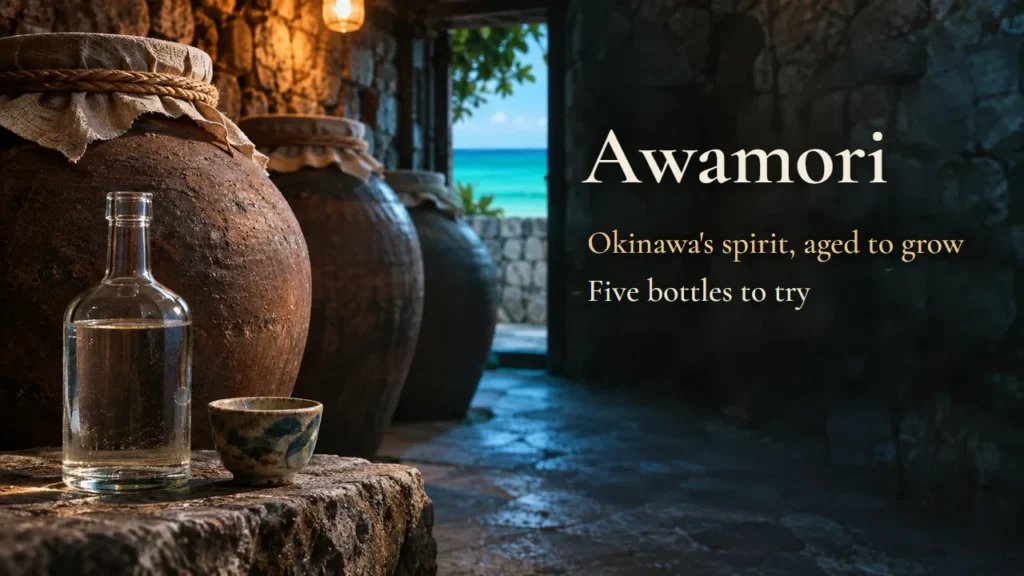
Awamori is a rice spirit, like some shochu, yet it smells completely different. The difference comes from black koji, and from making it with rice koji alone.
Awamori is made by distilleries across the Okinawan islands, using black koji mold to turn rice into koji and fermenting that koji on its own. And it has one more pleasure: it gets better the longer it ages. Aged three years or more, it becomes kusu, aged awamori.
This guide explains what makes awamori unique, then introduces five bottles: the classic Zanpa, Kumejima's Kumesen with three-year kusu blended in, Miyako Island's Kikunotsuyu, Zuisen from Shuri, and Chuko, aged 18 years in jars the distillery fires in its own kiln. Plus how to drink it and how Okinawans raise their own kusu at home.
Quick Reference: Five Okinawan Awamori
| Awamori | Distillery (island / area) | Strength / kusu | For |
|---|---|---|---|
| Zanpa White ▾ | Higa Shuzo (Yomitan, Okinawa Island) | 25% | Your first awamori |
| Kumejima no Kumesen Brown ▾ | Kumejima no Kumesen (Kumejima) | 30%, 20% three-year kusu | A first taste of kusu |
| Kikunotsuyu VIP Gold ▾ | Kikunotsuyu Shuzo (Miyako Island) | 30%, kusu | An island classic |
| Zuisen Shuri Shoryu Kusu ▾ | Zuisen Shuzo (Shuri, Naha) | 30%, kusu | A milestone gift |
| Chuko Jar-Aged 18-Year Kusu ▾ | Chuko Shuzo (Tomigusuku) | 40%, 18 years in jars | A once-in-a-lifetime gift |
1. Why Japanese: Black Koji and Rice Alone
Black koji, all-koji fermentation, single distillation
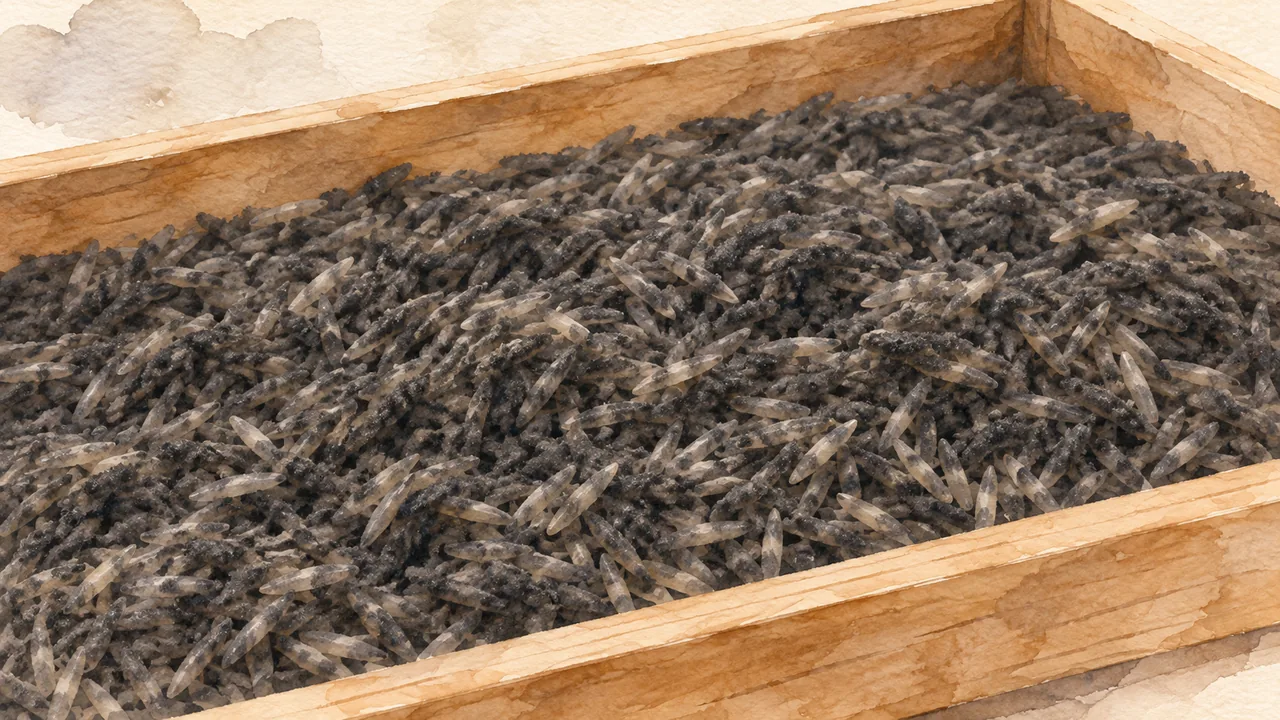
According to JETRO, Japan's trade organization, awamori has three defining features. First, black koji mold: Japanese liquor law requires it for making awamori's rice koji, and no other drink in the world is known to use black koji alone to convert rice to sugar. Second, all-koji fermentation: shochu adds sweet potato or barley to its koji, but awamori ferments rice koji on its own, mostly long-grain Thai indica rice. Third, it is distilled once in a pot still.
The spirit of the Ryukyu Kingdom
Awamori has been made since the days of the Ryukyu Kingdom. The name first appears in a list of gifts presented to the Tokugawa shogun, and Commodore Perry, visiting Ryukyu in 1853, is recorded as saying it was like a French liqueur. The Battle of Okinawa in the Second World War destroyed many distilleries; when production restarted after the war, there was little black koji left, until surviving koji was finally found in the ruins of a destroyed distillery.
2. A First Awamori: Zanpa and Kumejima no Kumesen
Most awamori is around 30% alcohol, which can sound strong. For a first bottle, choose one with a gentle aroma and a light finish.
Higa Shuzo Zanpa White: clear and clean, nicknamed "Zanshiro"
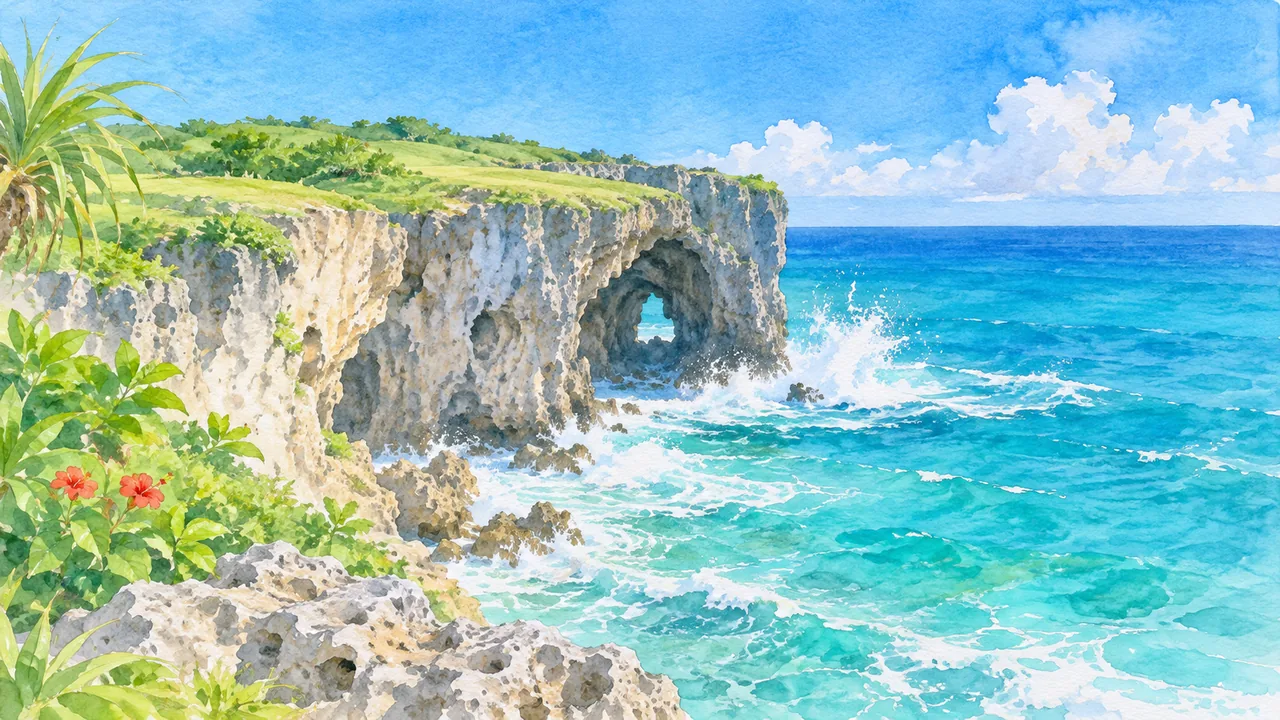
Your first awamori. From Higa Shuzo in Yomitan on Okinawa Island, affectionately called "Zanshiro" (Zanpa White). Its name is said to come from the waves breaking at Cape Zanpa. A fruity aroma, a refreshing finish and a clean taste with no rough edges, at a lighter 25%.
Kumejima no Kumesen Brown: 20% three-year kusu
A first taste of kusu. A best-seller from Kumejima, an island rich in spring water that seeps from the rocks, blending regular awamori with 20% three-year-old kusu. The kusu adds a full, fresh aroma and a mellow depth. Good neat, on the rocks, with water or with hot water.
3. Kusu from the Islands and Shuri
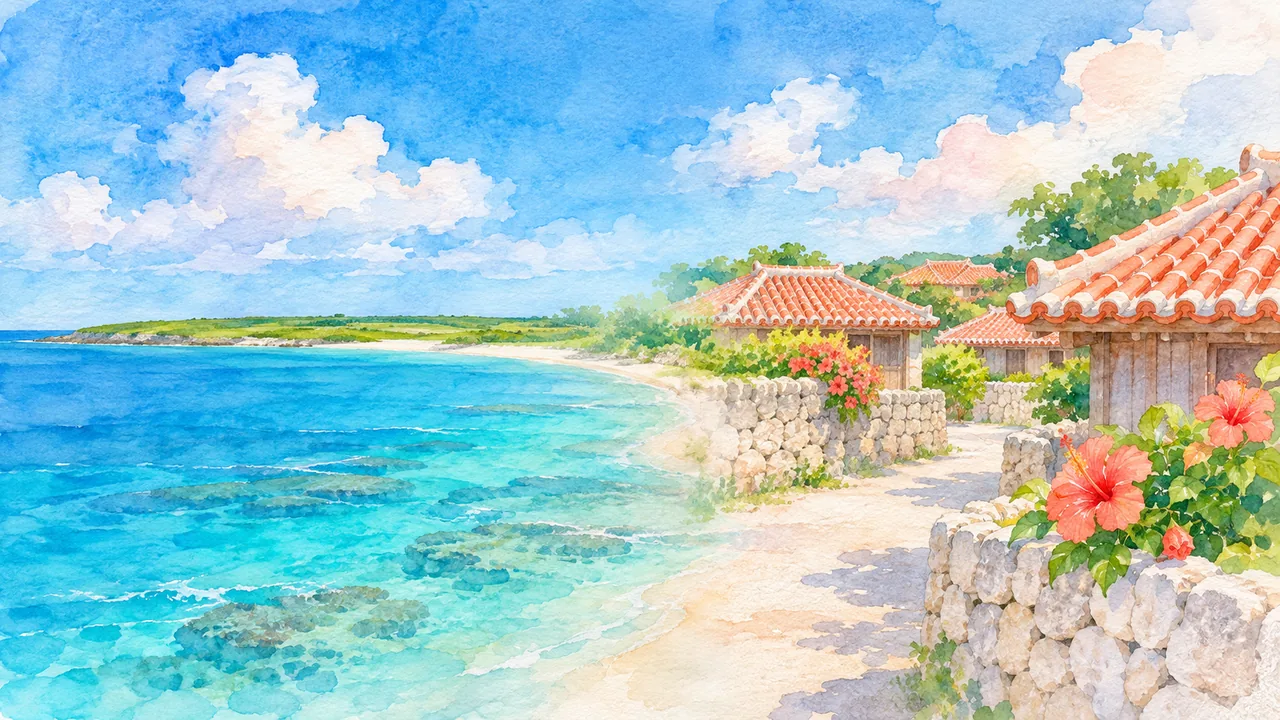
Only awamori aged entirely three years or more is "kusu"
Regular awamori is aged about six months to a year after distilling. Awamori aged three years or more is kusu. Since August 2015, only awamori aged three years or more in its entirety may be labeled kusu, and a blend must state the age of its youngest part.
Kikunotsuyu Shuzo Kikunotsuyu VIP Gold Kusu: Miyako Island's local classic
To know an island classic. Kikunotsuyu Shuzo was founded on Miyako Island in 1928. Miyako is a raised coral-reef island, and the distillery brews with hard, mineral-rich water that has filtered through the coral. VIP Gold is one of its two mainstays, boxed in a 720 ml bottle that also makes a good gift.
Zuisen Shuzo Zuisen Shuri Shoryu Kusu: a rising dragon for Shuri Castle
For a milestone. From Zuisen Shuzo in Shuri, once the capital of the Ryukyu Kingdom. The bottle bears a rising dragon, a symbol of "rebirth" and "leap," set against the Shuri Castle now being rebuilt. Slowly aged, with a soft sweetness and a deep, mellow taste, it's made for sharing on a special occasion.
4. Aged in Jars: Chuko's 18-Year Kusu
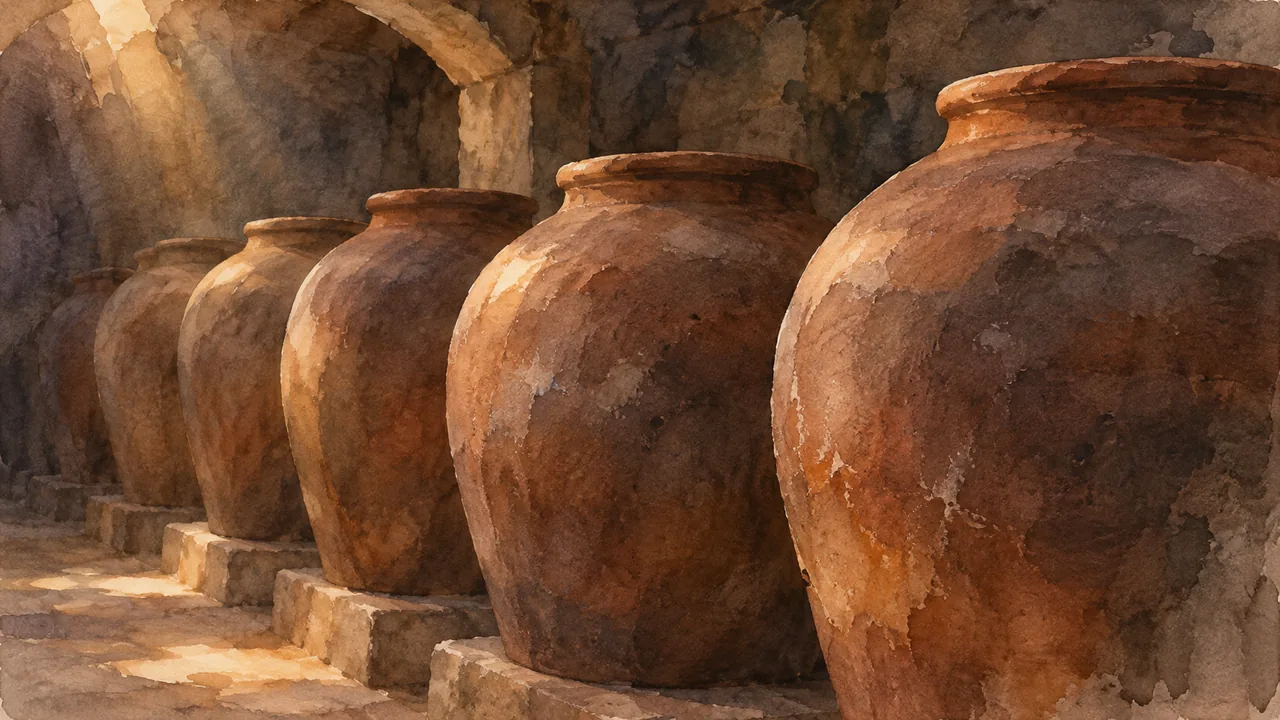
Okinawans have long aged awamori into kusu in earthenware jars, kame. Chuko Shuzo in Tomigusuku makes its own. It began researching aging jars in 1989 and now does everything, from blending the clay to shaping and firing, in its own Chuko kiln: a distillery that also makes the vessels its spirit ages in.
Chuko Shuzo Chuko Jar-Aged 18-Year Kusu: distilled 2005, aged 18 years
A once-in-a-lifetime gift. Awamori distilled in 2005 and aged 18 years in jars fired in the distillery's own kiln, 40% alcohol. According to its listing, it won the top gold award at the International Wine & Spirit Competition (IWSC) 2024. It comes with a small cup. Quantities are limited.
5. How to Drink It, and Raising Your Own Kusu
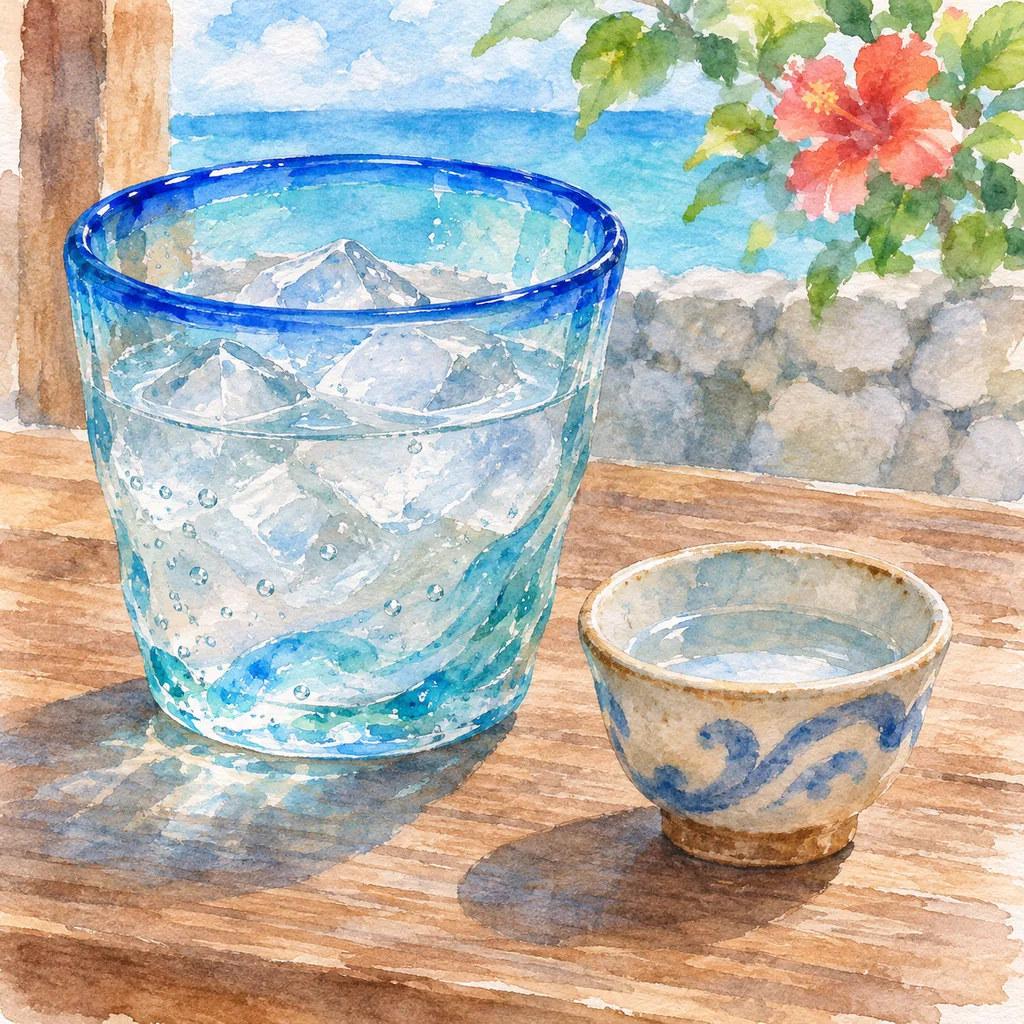
With most awamori around 30%, start with water or on the rocks; on ice with water is said to be a favorite way in Okinawa. Kusu is best neat, in a small cup, sipped slowly so the sweet aroma of the years comes through.
Shitsugi: topping up to raise kusu
Awamori has no best-before date and keeps well away from sun, heat and humidity. Okinawa has a custom called shitsugi: keep awamori of different ages in several jars, drink from the oldest, top it up from the next oldest, and so on down the line. The oldest jar keeps its character while aging continues.
6. Finding Awamori Outside Japan
Amazon.com doesn't sell awamori in the US, and we couldn't find these five there. Look for a liquor store with a Japanese section, or search the brand name on Wine-Searcher to see which shops near you stock it. On a label, 泡盛 means awamori, 古酒 means kusu, and the number before 年 is the age in years.
7. Frequently Asked Questions
What's the difference between awamori and shochu?
Awamori uses black koji mold and ferments rice koji alone. Shochu adds a base like sweet potato or barley to its koji. Awamori's rice is mostly long-grain Thai rice, and it's distilled once in a pot still.
What is kusu?
Awamori aged three years or more. Since August 2015, only awamori aged that long in its entirety may be labeled kusu, and a blend states the age of its youngest part.
Is awamori strong?
Most is around 30%, a little stronger than typical shochu. Start with Zanpa at 25%, or with water or ice. Kusu at 40% or more is best sipped from a small cup.
How long does an open bottle keep?
Awamori has no best-before date. Close it tightly and keep it somewhere cool, away from direct sun and humidity.
Is awamori always made with Thai rice?
Mostly, but not always. Most awamori uses long-grain indica Thai rice, and some distilleries have begun trying Okinawan rice.
Which makes a good gift?
Boxed Kikunotsuyu VIP Gold or Zuisen Shuri Shoryu for a visit, Chuko's 18-year kusu for a special celebration. With kusu, the years themselves are the gift.
Final Thoughts: Choose Awamori by Black Koji and Kusu
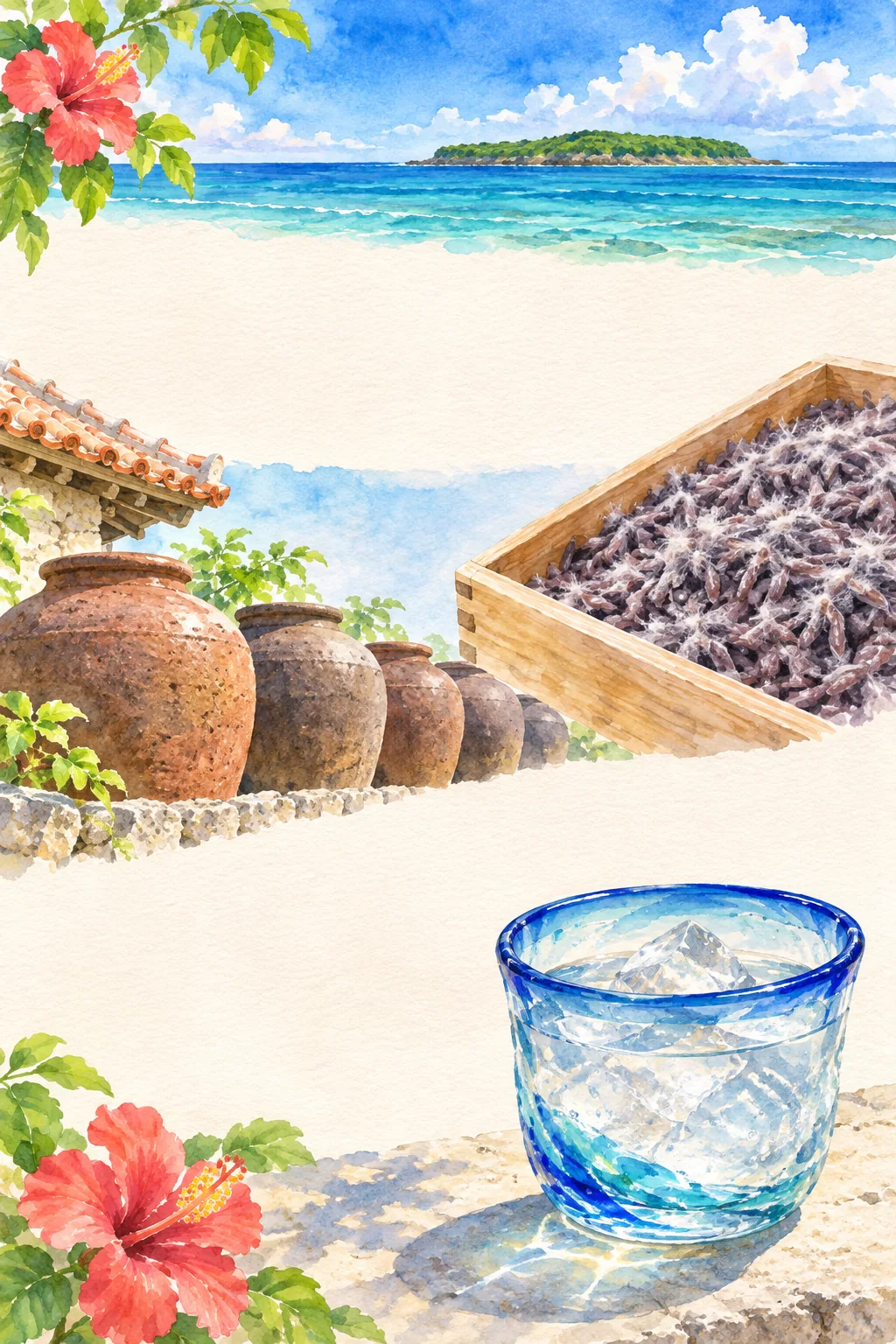
Awamori is Okinawa's spirit, made from rice koji alone with black koji mold, and it grows better with age.
Clean Zanpa; Kumesen with three-year kusu blended in; Kikunotsuyu brewed with Miyako's coral-filtered water; Zuisen's kusu from Shuri; and Chuko, aged 18 years in jars from its own kiln. Drink one tonight, and set one aside to raise your own kusu.
Japanese Shochu: 7 Imo and Mugi Shochu, Chosen by Koji
Japanese Gin: 11 Best Bottles, from ROKU to Ki No Bi