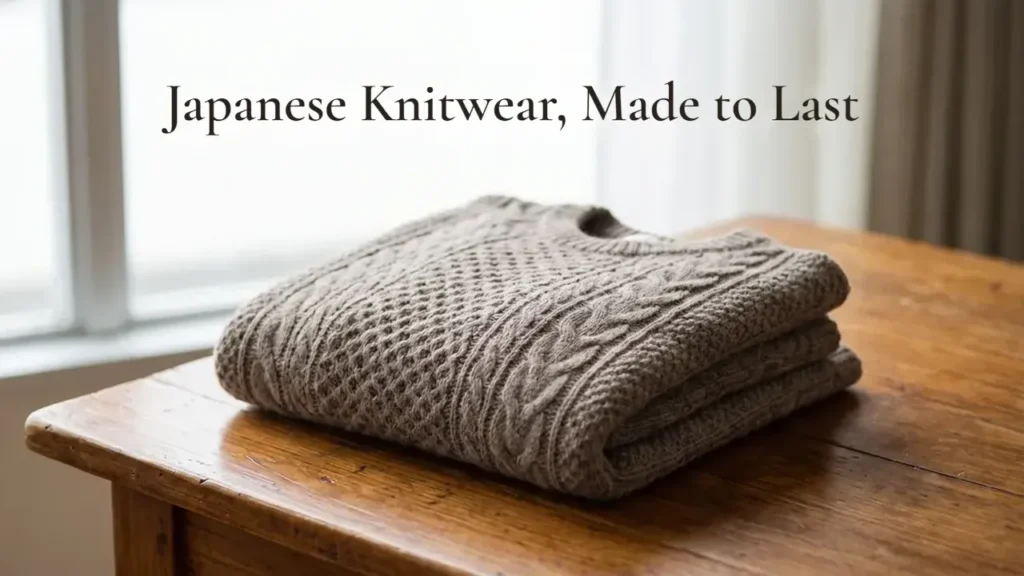
Pilled after a few wears, stretched out of shape after one wash. That's the familiar story of a cheap sweater.
Japan has knitting towns that work the other way. In Gosen, Niigata, a whole sweater can be made inside one town, from buying the yarn to knitting, sewing, dyeing and pressing. And Japan gave the world Wholegarment, a way of knitting a sweater in one piece with no seams at all.
This guide explains where Japanese knitwear comes from, what gauge and Wholegarment mean for how a sweater wears, how wool, cashmere and cotton differ, how to make a good sweater last, and what to look for when you buy.
Quick Reference: Choosing a Knit
| If you want... | Choose | Why |
|---|---|---|
| A neat sweater for the office or layering | High gauge | Fine stitches, thin and smart |
| Warmth, worn on its own | Low gauge | Thick stitches, warm and casual |
| No seams pressing at the shoulders | Wholegarment | Knitted in one piece, nothing sewn |
| Wool feels itchy on you | Cotton knit | Soft on skin, easy to wash |
1. Why Japanese: A Town That Makes the Whole Sweater
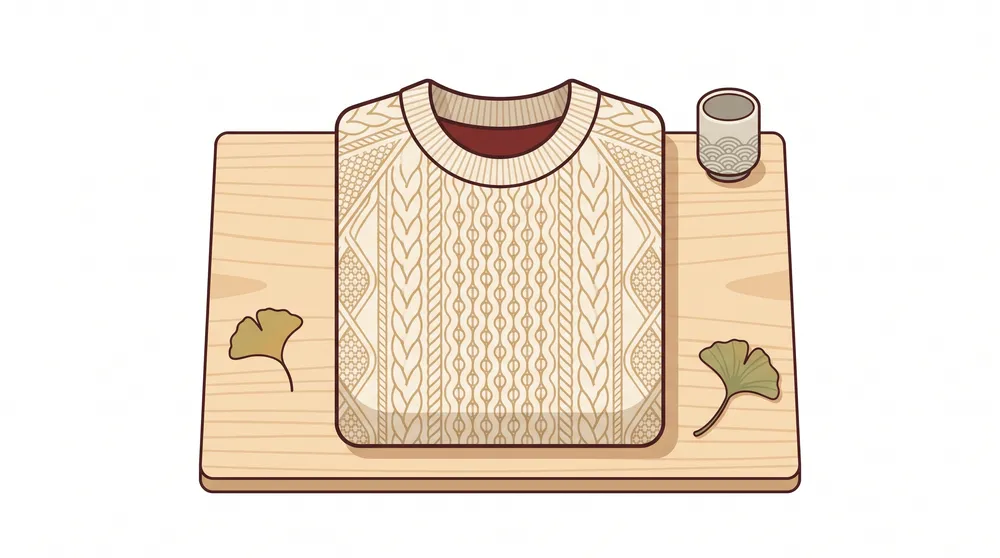
Gosen, in Niigata, grew up as a weaving town. Textiles took root there in the Edo period, and from the Meiji era through the Showa era it was known for habutae, a fine silk. After the Second World War, the town turned those skills and its workshops to knitting, and today it ranks among Japan's top producers of women's sweaters.
What sets Gosen apart is that almost everything happens locally. Buying yarn, knitting, sewing, then dyeing, finishing, embroidery and pressing can all be done within the area, which makes it one of the few knitting regions in Japan with that kind of complete, one-stop production. "Gosen Knit" is a registered regional collective trademark, and in November 2026 the town opened its factories to visitors at GOSEN KNIT FES.
A well-made knit holds its shape, pills less and softens to your body with wear. That's the reason to buy one good sweater rather than a new cheap one every year.
2. Gauge and Wholegarment
High gauge or low gauge
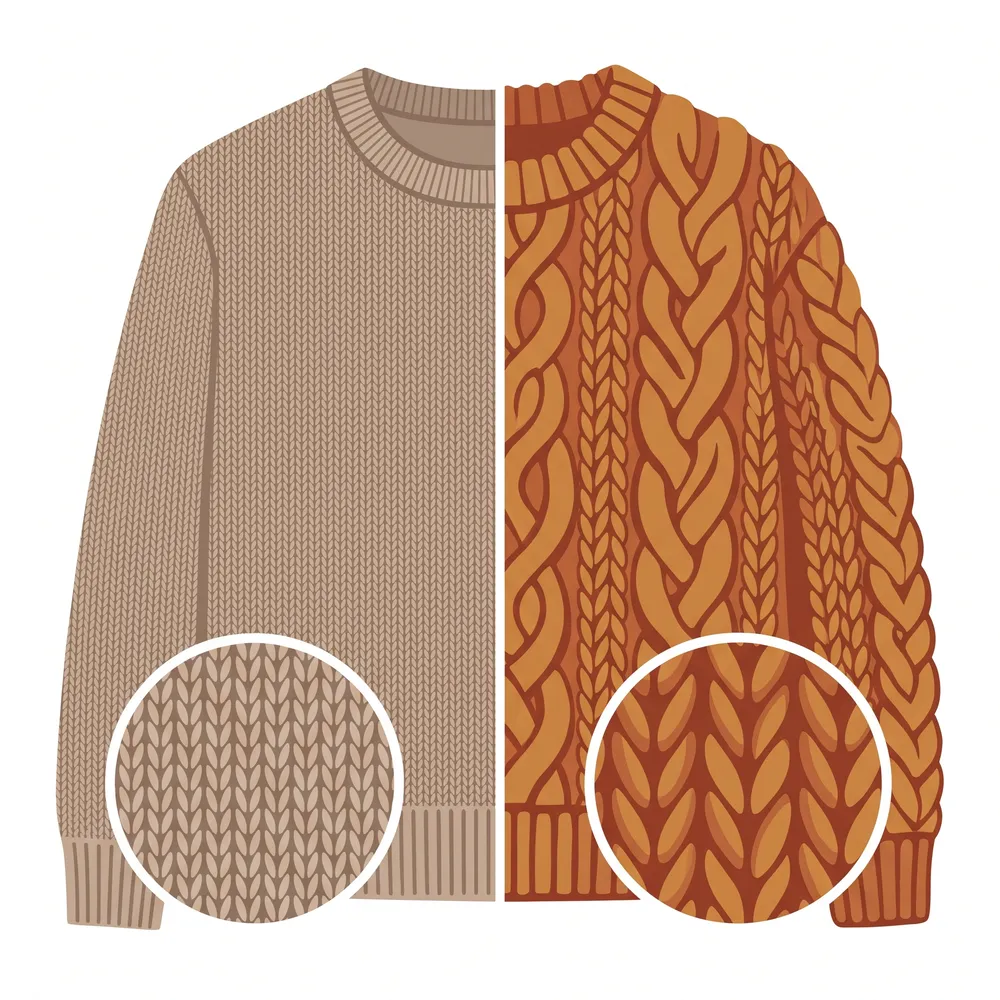
Gauge is how fine the stitches are. High-gauge knits have small stitches and are thin and polished, good under a jacket or at the office. Low-gauge knits have big stitches and are thick, warm and casual, made to be worn on their own.
Wholegarment: a sweater with no seams
Wholegarment is a technology developed by Shima Seiki of Wakayama that knits an entire sweater in three dimensions on the machine, so nothing is sewn together afterward. With no seams, there's no bulk at the shoulders or sides, and the knit follows the body. It's a good choice if seams or tightness bother you.
3. Wool, Cashmere or Cotton
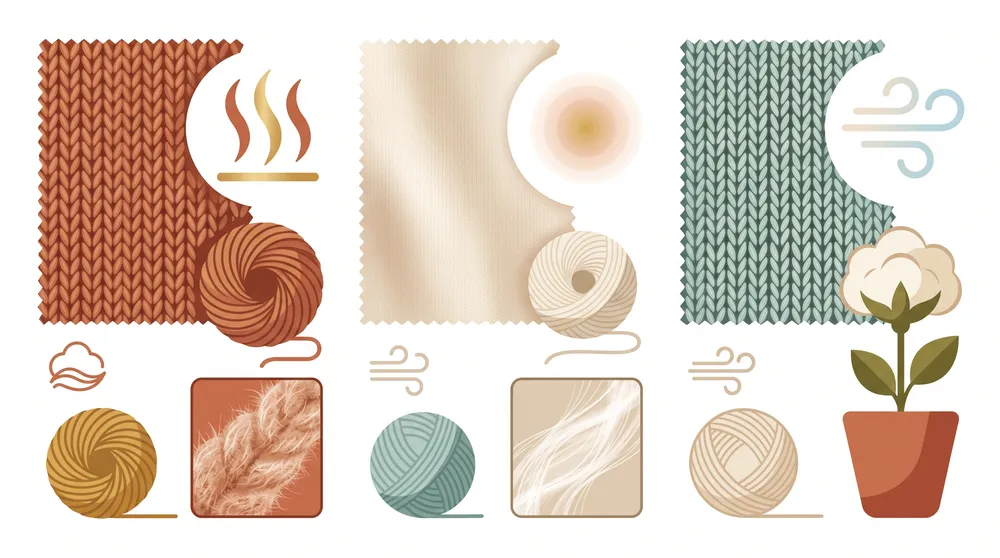
· Wool is warm and the classic choice. Merino has fine fibers that feel smooth rather than scratchy.
· Cashmere is remarkably light and warm, with a soft sheen. A knit to treasure or to give.
· Cotton is gentle on skin, washes and dries easily, and works in spring and autumn. Good if wool feels itchy.
4. Making a Good Knit Last
· Read the care label. Some wool and cashmere can be hand-washed or machine-washed on a hand-wash cycle; some are dry clean only.
· Press, don't rub. Use a wool detergent, press the knit gently, spin briefly, and dry it flat, not on a hanger.
· Deal with pills early. Remove them gently with a pill remover or a knit brush; a light brushing after wearing helps.
· Fold, don't hang. Hangers stretch the shoulders. Off-season, store knits dry with an insect repellent.
5. Buying Japanese Knitwear
We couldn't find Japan-knitted sweaters with a clear origin on Amazon.com; most Japanese-made knitwear is sold through brands' own shops and Japanese retailers. When you shop, look for "Made in Japan" on the care label, and for the town where it was knitted, such as Gosen, in the product description. Wholegarment knits are usually labeled as such.
On Japanese sites, these words help: 日本製 (made in Japan), 五泉ニット (Gosen knit), ホールガーメント (Wholegarment), ハイゲージ / ローゲージ (high / low gauge).
6. Frequently Asked Questions
What is Gosen knit?
Knitwear from Gosen in Niigata, a town that grew from silk weaving into one of Japan's main knitting regions. Yarn sourcing, knitting, sewing and finishing can all be done within the area. "Gosen Knit" is a registered regional trademark.
High gauge or low gauge: which should I choose?
High gauge to look neat, low gauge for warmth. High gauge is thin and layers well; low gauge is thick and casual.
How is Wholegarment different from a normal sweater?
It's knitted in one piece, with no seams. The technology was developed by Shima Seiki in Wakayama. Without seams there's no bulk at the shoulders or sides.
Can I wash a knit at home?
It depends on the label. If it's washable, use a wool detergent, press gently, spin briefly and dry flat. Delicate fibers like cashmere, or anything marked dry clean, go to the cleaner.
How can I prevent pilling?
Reduce friction and brush after wearing. Bag straps and sleeves rubbing against the body cause most pills. Remove them gently when they appear.
What size and color make a safe gift?
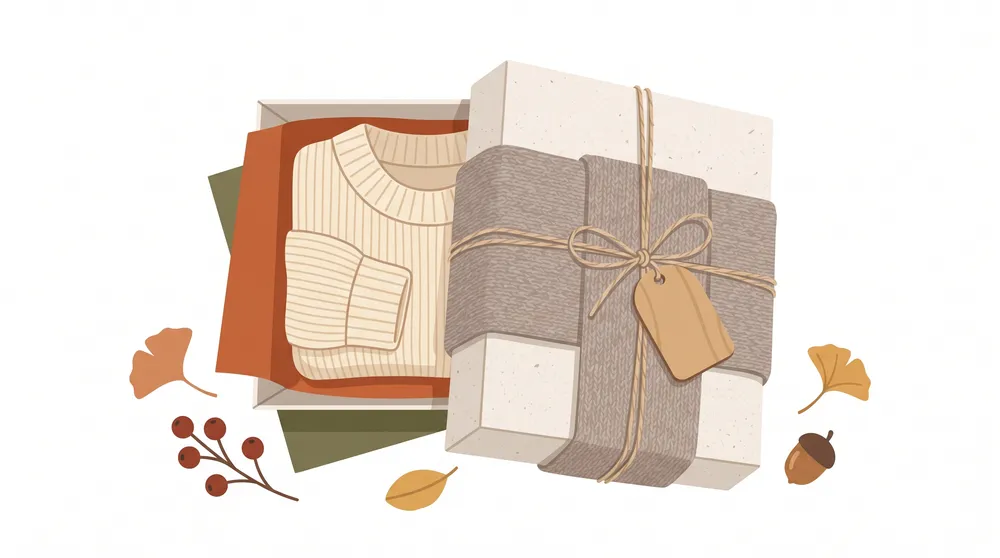
A relaxed fit and a classic color. Navy, grey and beige go with almost everything. Give it folded in a box, not on a hanger, so it arrives in shape.
Final Thoughts: One Good Sweater
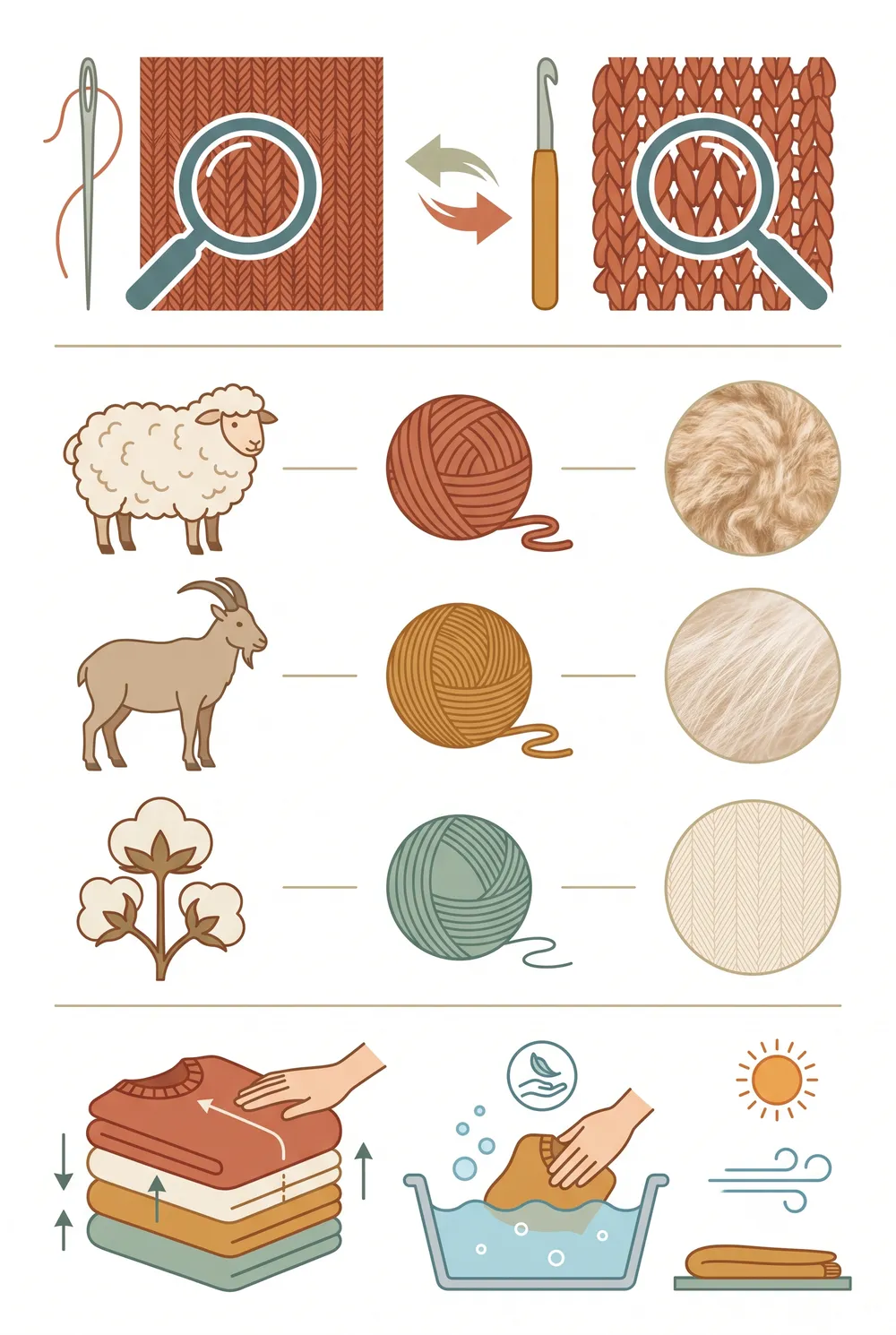
High gauge to look neat, low gauge for warmth, Wholegarment for seamless comfort. Wool for warmth, cashmere for something special, cotton if wool itches.
And look for where it was knitted. A town like Gosen, which can take a sweater from yarn to finished garment on its own, is the kind of place a sweater worth keeping comes from.

Japanese Innerwear: Seamless, Tagless, and Sized Small
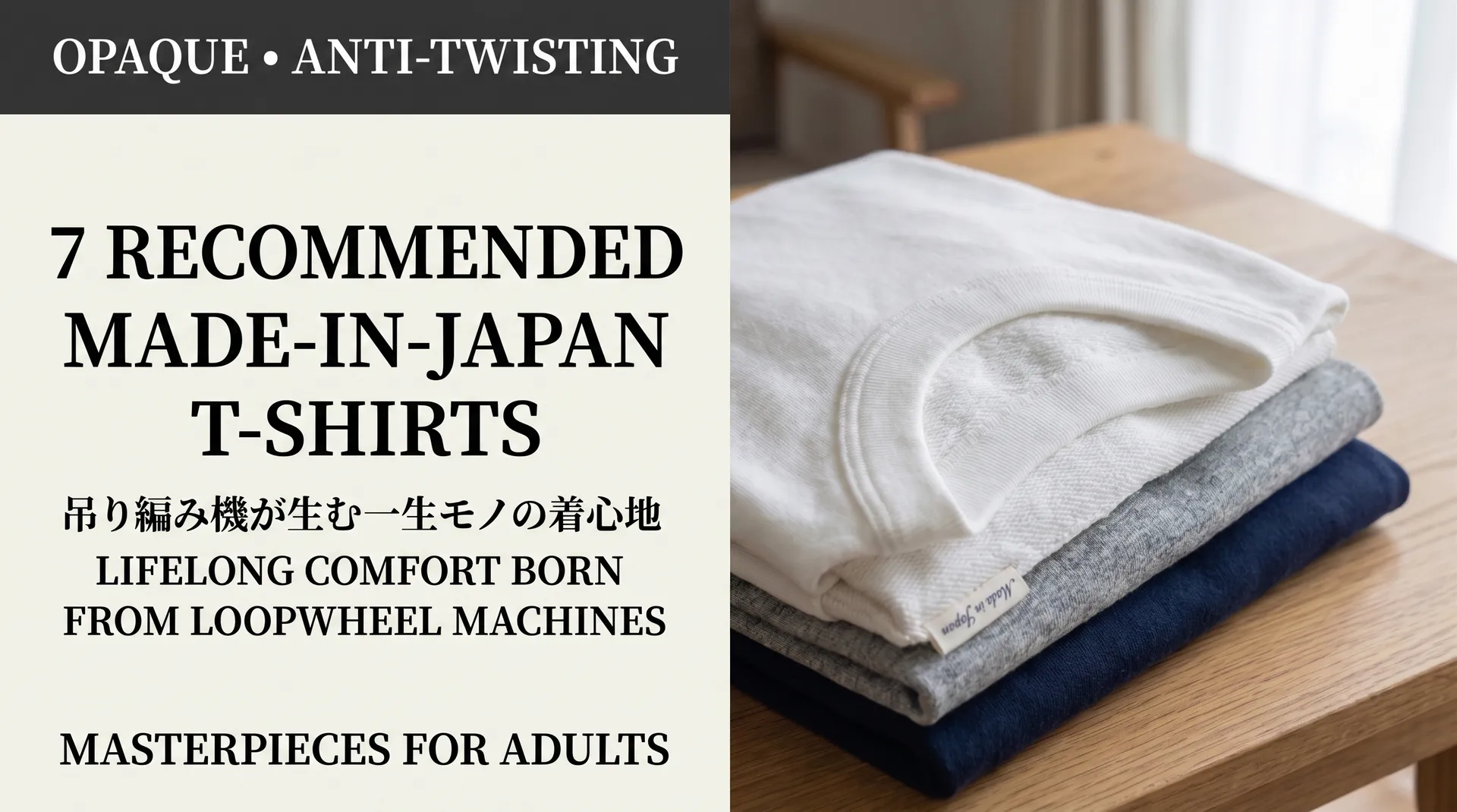
Japanese T-Shirts: 7 Heavyweight Brands That Won't Go Sheer