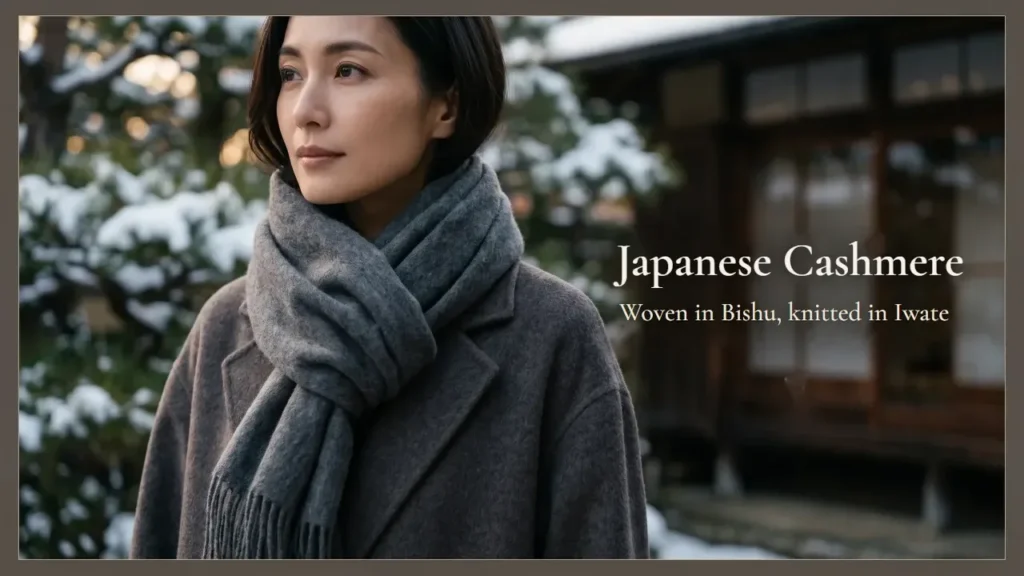
A scarf sits right under your face all winter, so how it feels against your skin matters more than almost anything else you wear.
When you choose one, ask where the fabric was woven. Around Ichinomiya in Aichi lies Bishu, Japan's largest wool weaving region, often named alongside Biella in Italy and Huddersfield in England. And in Iwate, a small workshop knits cashmere scarves one at a time.
This guide explains what makes Bishu special, why cashmere feels so soft, how to choose between a scarf and a wide stole, three Japanese makers, and how to keep a cashmere scarf for years.
Quick Reference: Cashmere or Fine Wool
| Cashmere | Fine wool | |
|---|---|---|
| Feel | Very smooth, very light | Full, springy, with body |
| Warmth | High for its weight | High |
| Best for | A special gift, formal wear, sensitive skin | Everyday wear, real cold |
1. Why Japanese: Bishu, Japan's Wool Weaving Region
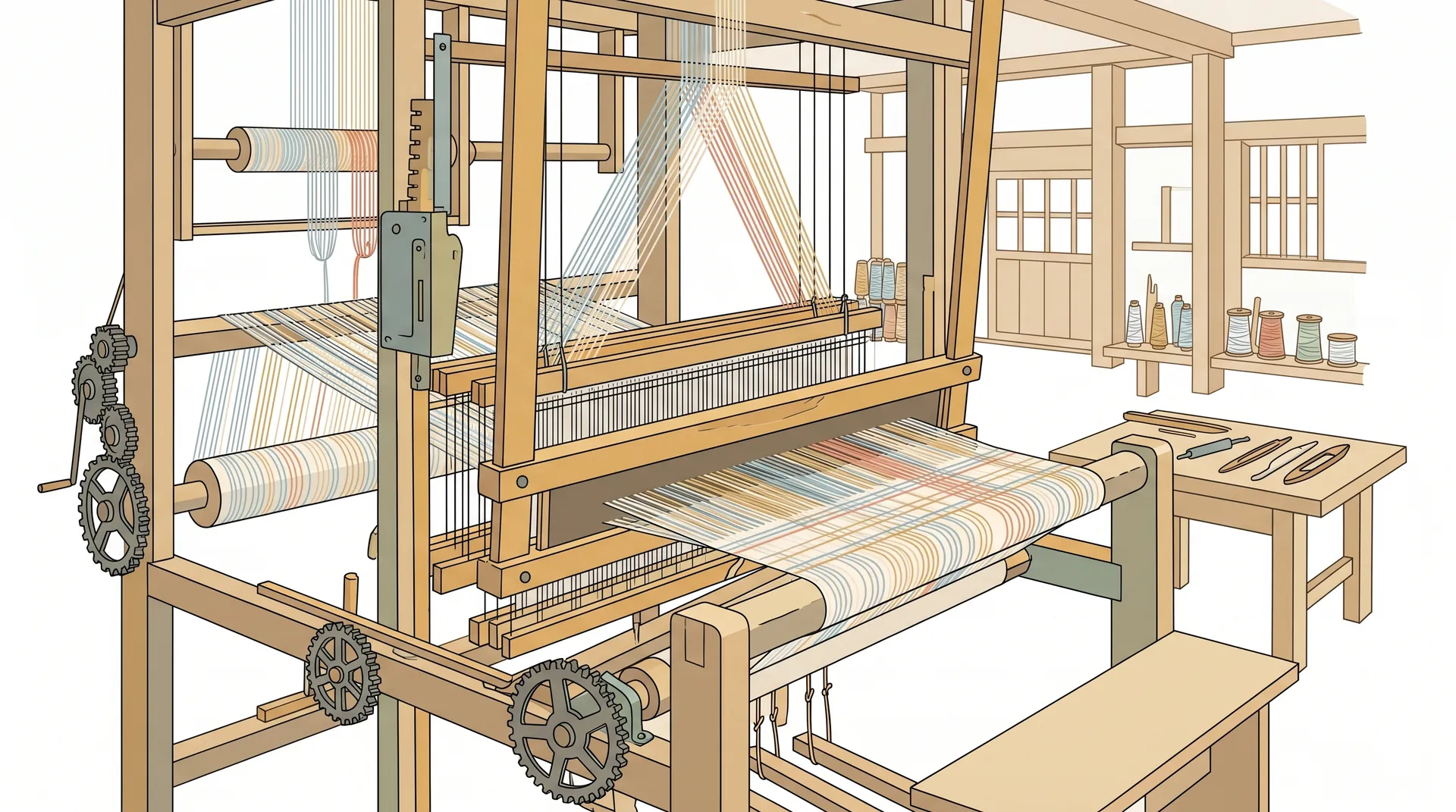
Bishu is the area around Ichinomiya in Aichi Prefecture. JETRO, Japan's trade organization, describes it as Japan's largest wool textile region, said to be one of the world's three great wool regions with Biella and Huddersfield.
Its strength is that spinning, twisting, weaving, dyeing and finishing all happen within the area, each done by specialist mills working together. Aichi Prefecture describes Bishu cloth as fabric that can be taken from yarn to finished cloth within the region. A scarf's softness owes as much to the finishing, the washing and raising of the surface, as to the fiber itself.
2. Why Cashmere Feels So Soft
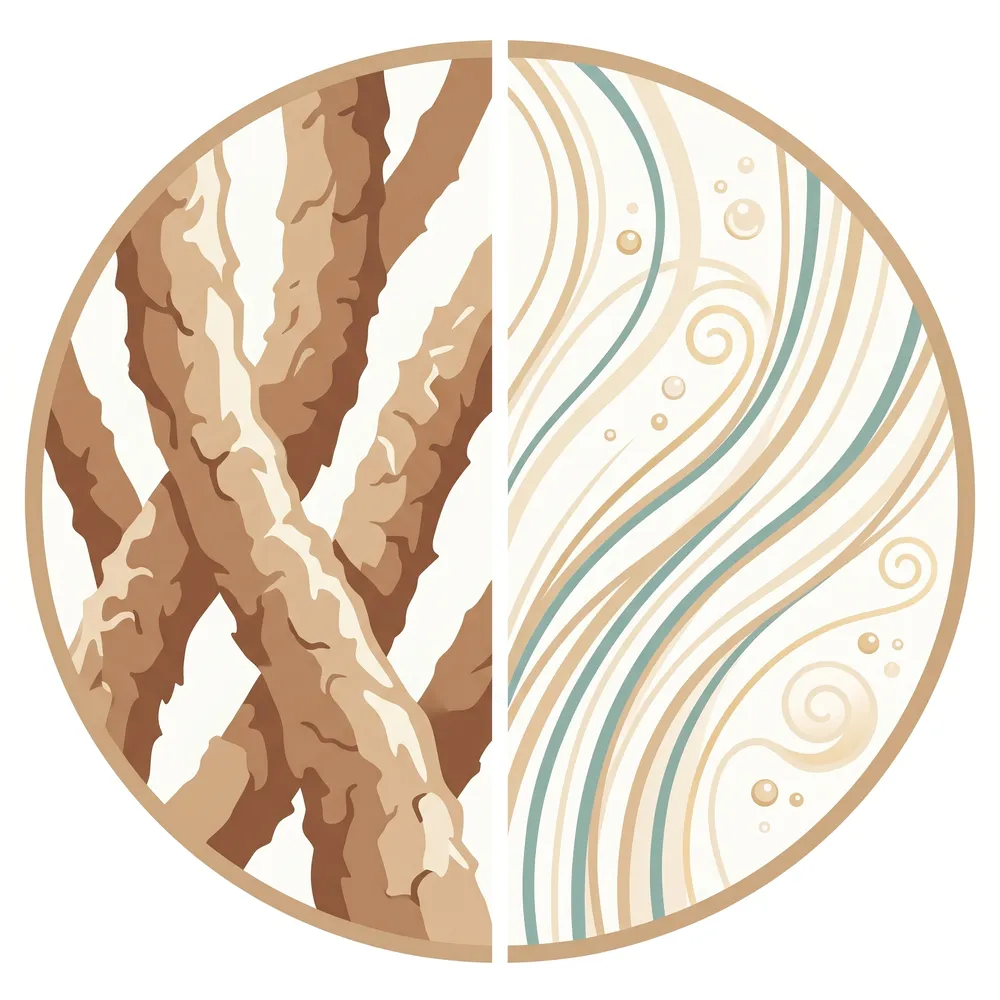
The itch from a wool scarf comes from thick fibers pressing into your skin. Cashmere, the fine undercoat of cashmere goats, is much finer than ordinary wool, so it feels smooth and traps a lot of air, giving warmth without weight.
Not all "100% cashmere" is equal. Short, coarse fibers pill quickly. A scarf spun and finished carefully keeps its surface far longer, which is why the maker matters as much as the label.
3. Scarf or Wide Stole, and Which Color
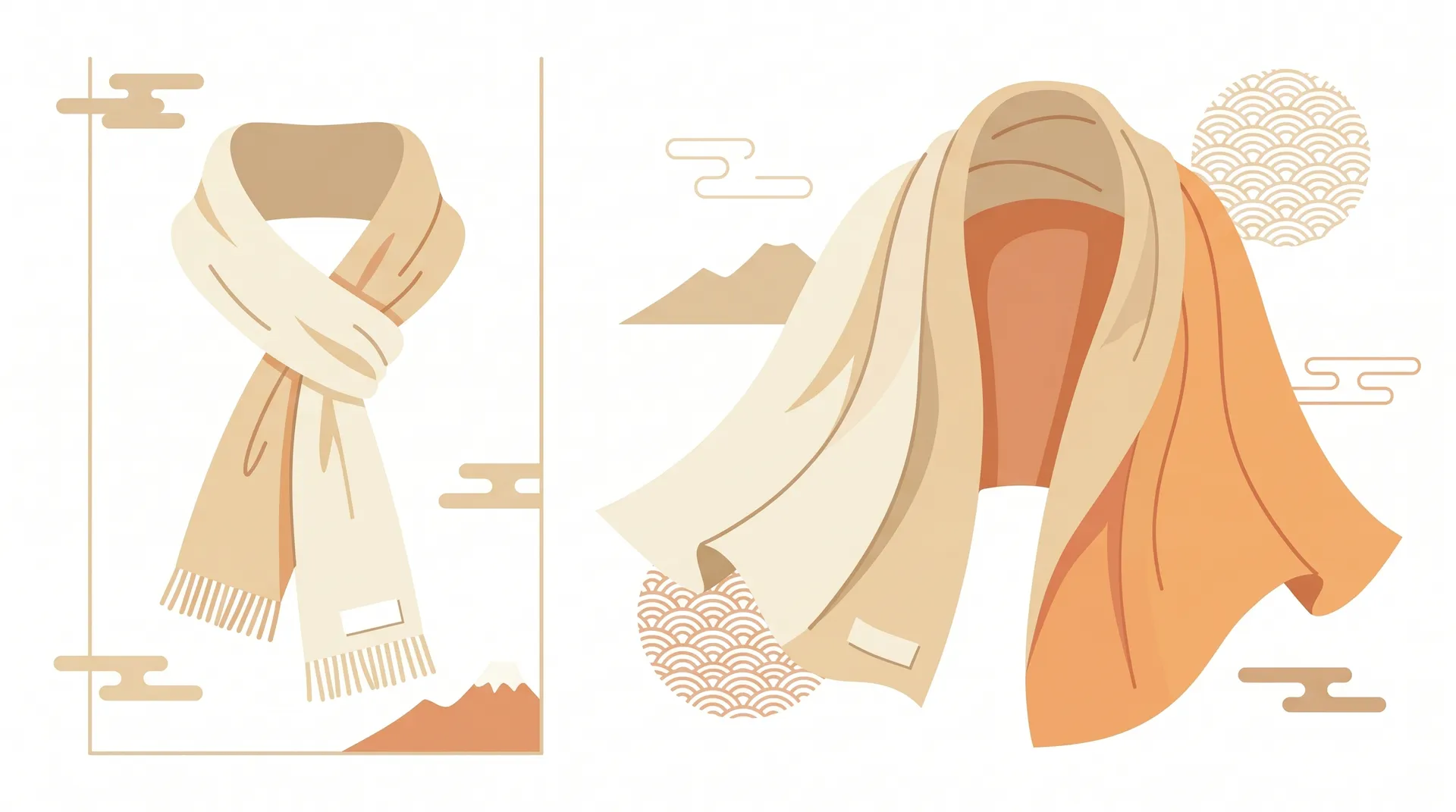
· Scarf, about 30 cm (12 in) wide: tucks neatly into a coat or the V of a suit jacket, easy for commuting, and the safe choice for a gift.
· Wide stole, 60–70 cm (24–28 in) wide: wraps generously at the neck, drapes over the shoulders, or doubles as a lap blanket in an air-conditioned office.
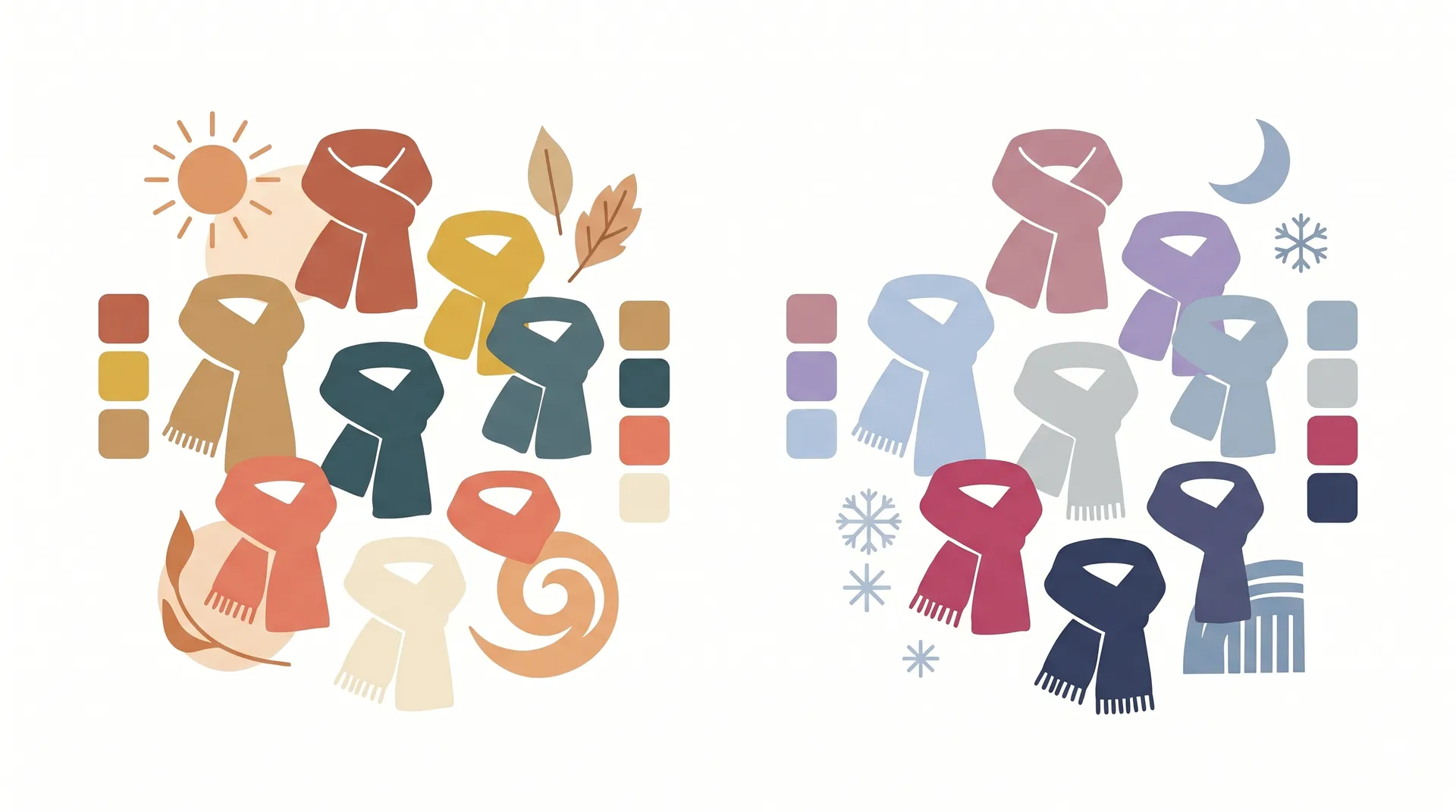
For color, warm skin tones suit camel, brown, mustard and salmon; cool tones suit navy, light grey, burgundy and rose. For a man who wears suits, charcoal or dark navy goes with almost everything. If you don't know someone's taste, choose a solid color.
4. Three Japanese Makers
These are sold in Japan; we couldn't find them on Amazon.com. They're worth knowing if you shop from Japan or visit.
Live Cotton: Bishu cashmere gauze, three layers
Woven about 30 m (100 ft) a day on an old Schönherr loom. White 100% cashmere yarn is woven slowly into a thin gauze by Bishu weavers, then finished by people who know Bishu wool. Three layers of that gauze make a stole 27 cm × 2 m (11 in × 6.5 ft): light, but thick enough to wrap like a scarf. Made in Japan. Sold in Japan.
UTO: cashmere knitted in Kitakami, Iwate
Knitted, not woven. UTO knits its cashmere scarves one by one in its own workshop in Kitakami, Iwate. A knitted scarf stretches and holds more air than a woven one, for a soft, springy feel. Sold in Japan.
MADE IN BISHU: fine wool and cotton scarves
If cashmere is beyond your budget. Bishu's finishing and raising techniques can make fine wool remarkably soft, close to the feel of cashmere for everyday wear. Sold in Japan.
5. Making Cashmere Last
· Let it rest. Friction every day causes pills even in fine fibers. After a day's wear, give it two or three days off on a hanger to let moisture out.
· Brush it after wearing. A soft horsehair or boar-bristle clothes brush, used with the nap, untangles fibers and brings back the sheen.
· Dry-clean sparingly. Each cleaning strips some of cashmere's natural oils. Once at the end of the season is usually enough, unless it's stained.
· Never pull pills off. Use a pill remover or snip them at the base with small scissors; pulling drags out healthy fibers.
6. Frequently Asked Questions
Which is warmer, wool or cashmere?
For its weight, cashmere. Its fine fibers hold a lot of air, so a thinner, lighter cashmere scarf can be as warm as a heavier wool one.
What is Bishu?
The wool weaving region around Ichinomiya in Aichi Prefecture, Japan's largest, often named with Biella and Huddersfield. Spinning, weaving, dyeing and finishing are all done within the area.
What about alpaca or mohair?
Very warm and characterful, but they shed. Long-haired mohair in particular can leave hairs on a dark wool coat. For business wear, cashmere is the safer choice.
Can I wear a wide stole like a scarf?
Yes. Wrapped loosely around the neck with volume at the front, a stole looks deliberate and adds shape to an outfit.
Can I hand-wash a cashmere scarf?
Only if the label says it's washable. Wet cashmere and wool rubbed together can felt and shrink hard. Otherwise, leave it to a professional cleaner.
Patterned or plain for a gift?
Plain, unless you know their taste well. A solid color goes with any coat or suit, and good cashmere has enough sheen to stand out on its own.
Final Thoughts: Ask Where It Was Woven
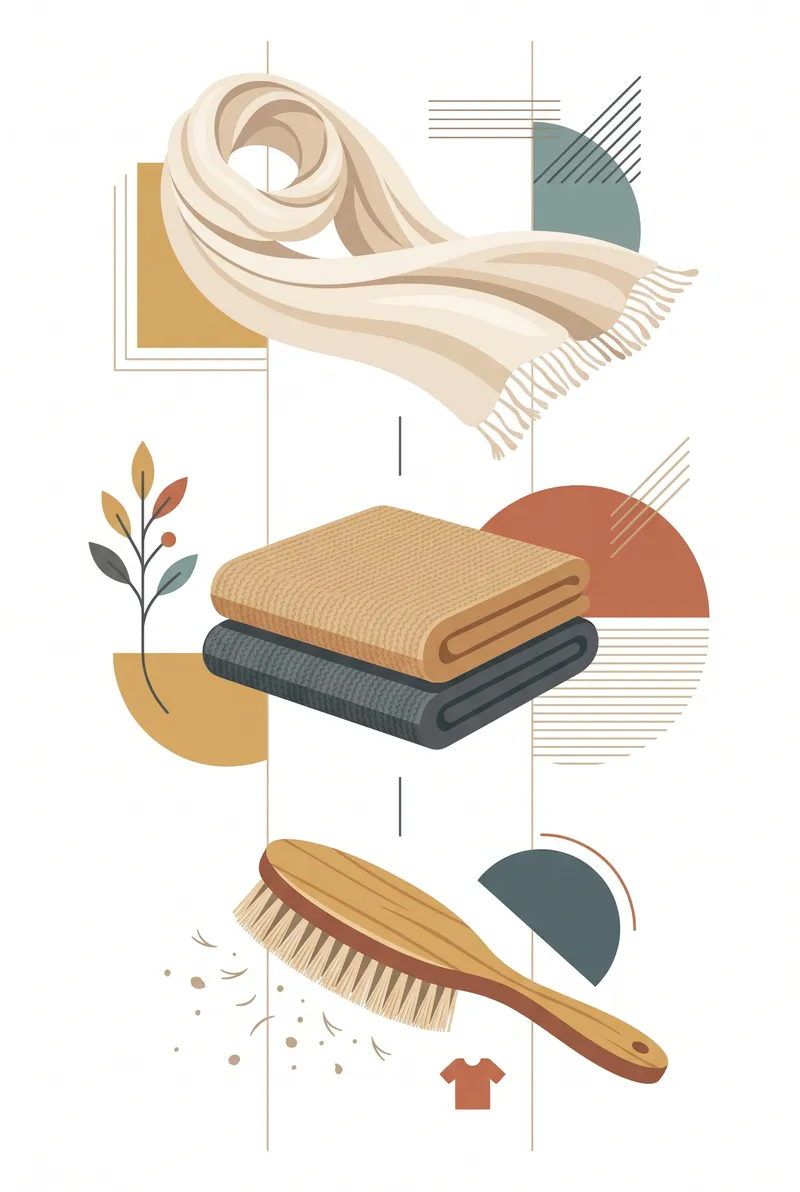
Cashmere for lightness and softness, fine wool for everyday warmth. A 30 cm scarf for the office, a wide stole to wrap and drape.
And when you choose, ask where it was made. Bishu weaves wool from yarn to finished cloth within one region; in Iwate, cashmere is knitted one scarf at a time. Rest it, brush it, and it will see you through many winters.
Japanese Knitwear: Gosen Sweaters, Wholegarment and Gauge
Japanese Down Jackets: Mizusawa, Nanga & 3 More Makers