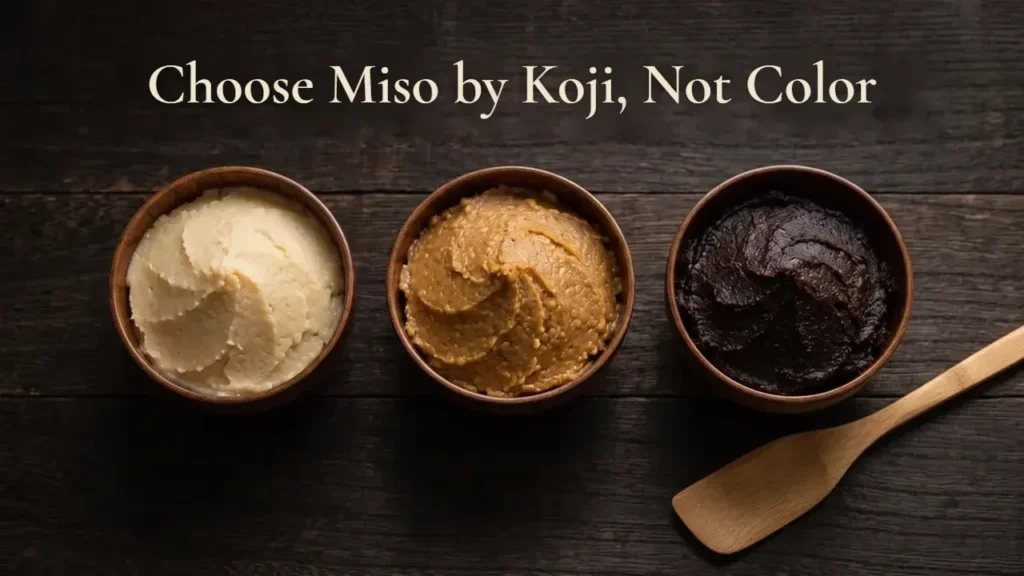
Stand in front of the miso shelf at a Japanese grocery store and you'll see pale miso, golden miso and miso so dark it's nearly black. Few people can say what the colors actually mean.
Start with the common mistake: red miso is not necessarily soybean miso. Color comes from how long and how warm the miso was aged, not from what it's made of. Rice miso comes both pale and red. And darker doesn't mean milder; it usually means saltier.
This guide explains the three kinds of Japanese miso (rice, barley and soybean), the koji ratio that decides sweet or salty, the regional styles and the breweries behind them, when to use miso with dashi already added, and why the freezer is the best place to keep it.
Quick Reference: Rice, Barley and Soybean Miso
| Type | Koji made from | Main regions | Taste and uses |
|---|---|---|---|
| Rice miso (kome miso) | Rice | All over Japan | Pale to red. The safe first choice |
| Barley miso (mugi miso) | Barley | Kyushu, Chugoku, Shikoku | Sweet, with a toasty barley aroma |
| Soybean miso (mame miso) | Soybeans only | Aichi, Mie, Gifu | Deep, slightly astringent umami. For stews |
| About color | — | — | Set by aging, not ingredients. Rice miso can be red |
Breweries and styles are in chapter 4 ▾; what you can buy abroad is in chapter 7 ▾.
1. Why Japanese: Three Kinds of Koji
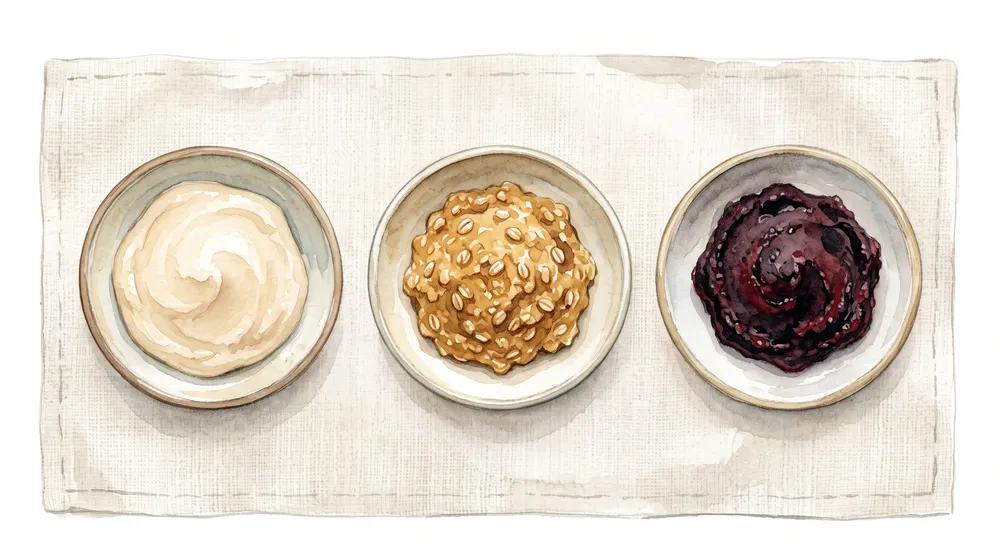
Miso is soybeans fermented with salt and koji, a mold-cultured grain. Soybeans and salt are common to all miso, so the one thing that sorts miso into types is what the koji is made from. Rice koji makes rice miso, barley koji makes barley miso, and koji grown directly on soybeans makes soybean miso.
Rice miso is by far the most common; it is often said to make up about 80% of the miso made in Japan. Shinshu miso, Saikyo miso and Sendai miso are all rice miso.
Barley miso: the sweet miso of Kyushu and the Inland Sea
Made with barley koji, it is sweeter than rice miso, with a toasty barley aroma. It is common in Kyushu, Chugoku and Shikoku and is sometimes called inaka miso, "country miso." It is usually made with a high share of koji, so it tends to be lower in salt. Miyazaki's chilled soup, hiyajiru, depends on barley miso; made with rice miso it loses that sweetness and aroma.
Soybean miso: the miso of the Tokai region, with no rice or barley
The koji grows straight on the soybeans, so the ingredients are just soybeans, salt and water. Aichi, Mie and Gifu make it, and Hatcho miso is the best known. It ages for one to more than two years, turns almost black and has a distinctive astringency, acidity and deep umami. It can be too strong alone in miso soup, but in stews nothing else comes close: miso-nikomi udon, doteni and the sauce for miso katsu all depend on it.
2. Color Comes from Aging, Not Ingredients
"Red miso = soybean miso" is a mistake
Nagano Prefecture explains that miso color depends on the temperature during brewing, the length of aging and the method. Sendai miso and Tsugaru miso are red, and both are rice miso. "Red miso" is a color category; "soybean miso" is an ingredient category. They are two different axes.
Miso darkens because amino acids from the soybeans react with sugars to form brown compounds, the same kind of browning you see on toast. The longer and warmer the aging, the darker it gets.
White miso stays white because the soybeans are boiled rather than steamed, letting some of the color-forming components wash out, and because it is aged briefly, sometimes only days or weeks. Kyoto's Saikyo miso is the classic example.
Darker isn't milder
It tends to be the opposite. Sweet white miso uses a lot of koji and ages briefly, and its salt is low, about 5–7%. Red miso ages longer and needs more salt to keep it safe over that time, about 11–13%. White miso tastes sweet because it is high in sugars. If you want less salt, white miso is the better pick, even though it looks lighter in every way.
3. The Koji Ratio: What "Sweet" and "Salty" Really Mean
Japanese miso is labeled amakuchi (sweet) or karakuchi (salty). That isn't about added sugar. It is the koji ratio: how much koji is used against the soybeans. The more koji, the sweeter the miso, because the koji's enzymes turn starch into sugar. Nagano Prefecture describes the same rule: the higher the koji ratio, the sweeter the miso.
Many packages don't state the ratio. In that case, read the ingredient list. Ingredients are listed by weight, so "rice, soybeans, salt" means more rice koji than soybeans, leaning sweet; "soybeans, rice, salt" leans salty.
4. Choosing by Region: Breweries and Styles
Miso settled into a different finished form in each region. Rice-growing land made rice miso; barley land made barley miso. Warm climates age miso faster, cold ones slower. Whatever worked best locally became the local taste.
Hita Shoyu (Hita, Oita): Kyushu's sweet miso, 80% barley koji
A miso and soy sauce brewery founded in 1843. Its miso uses 80% barley koji and 20% rice koji, a clear expression of Kyushu's sweet style. If you're used to rice miso, it's an easy way to learn what barley miso is. Sold in Japan.
Kawamura Shoyu (Hikari, Yamaguchi): miso from a soy sauce brewery
A brewery founded in 1919 that makes its own koji and moromi for soy sauce. Its miso has the gently sweet taste of the Seto Inland Sea. Buy soy sauce and miso from the same brewery and your table tastes of one house. Sold in Japan.
Hatcho miso (Okazaki, Aichi): two summers and two winters under stones
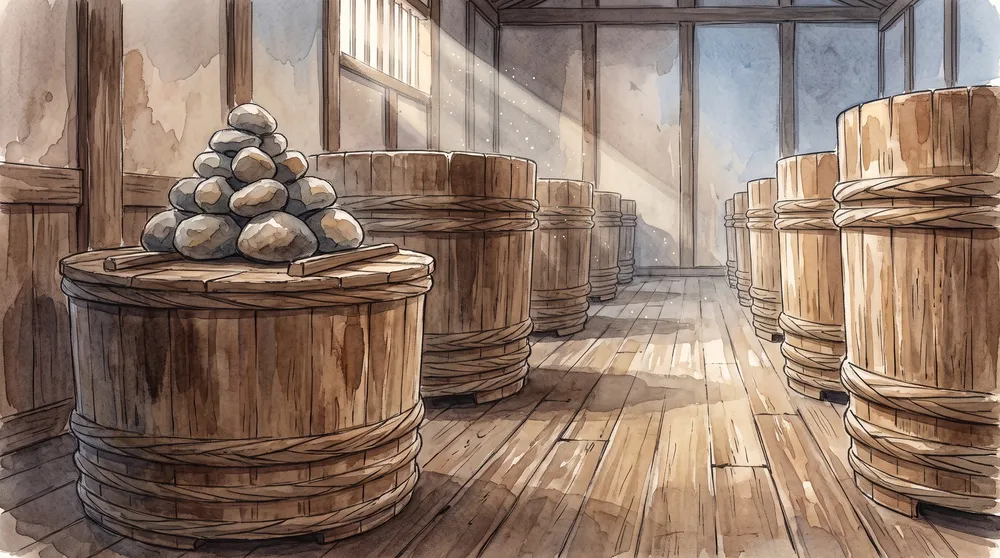
The name comes from Hatcho, a district eight cho (about 870 m, or half a mile) from Okazaki Castle. Soybeans and salt go into wooden vats, river stones are stacked on top in a cone, and the miso rests for two summers and two winters or more. Kakukyu, one of the two Hatcho houses, sells it outside Japan (see chapter 7). In miso soup it's usually blended with another miso; its real place is in stews.
Shinshu miso (Nagano): the everyday standard
A pale, salty-style rice miso, and "Shinshu miso" is a registered trademark of Nagano's miso makers' cooperative. Often said to be about half of all miso made in Japan, it's clean, with a mild aroma, and works in anything. It's the best baseline: from here, move sweeter (barley, white) or deeper (soybean, red) to taste the difference.
Saikyo miso (Kyoto): high koji, clearly sweet
Boiled soybeans keep it pale, lots of koji and a short aging make it sweet, and its salt is low. It's not only for soup: Saikyo-marinated fish, dengaku and dressings all use it. It keeps less well than other miso, so buy small and finish it.
Naturally brewed miso in wooden vats (Marukawa Miso and others)
Tennen jozo, natural brewing, means the miso isn't heated to speed fermentation; it ages for a year or more through the seasons. That takes time and lets each brewery's character show. It isn't automatically better, since quick-brewed miso can be excellent too. It's a choice for anyone who wants to taste the house. Sold in Japan.
5. Plain Miso or Miso with Dashi?
Japanese stores also sell dashi-iri miso, with dashi stock already mixed in. Some call it a shortcut, but it's more accurate to say the two do different jobs.
· Miso with dashi: stir it into hot water and you have miso soup. A well-designed tool for a fast breakfast.
· Plain miso: assumes you make your own dashi. For anything other than soup, such as dressings, marinades, stir-fries and hot-pot sauces, this is the one that works.
Use dashi miso for a marinade and the dashi flavor burns into an off-taste when the fish is grilled. Think of dashi miso as "miso soup base" and plain miso as "the seasoning," and keep both if you cook often.
6. Keep Miso in the Freezer
Miso doesn't freeze solid
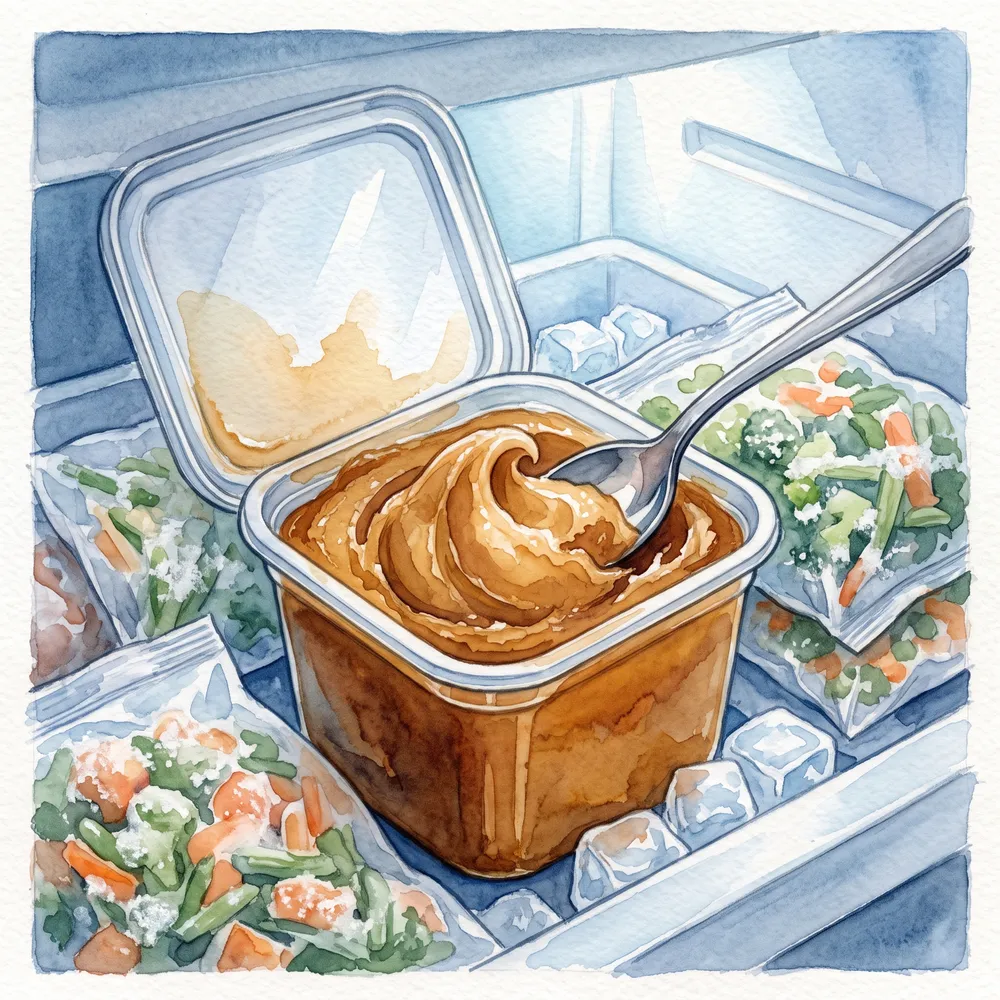
Few people know this: miso doesn't harden in a home freezer. It is salty and low in water, so you can scoop it straight out.
And the freezer is the best place for it. Miso doesn't so much spoil as keep aging: it darkens and its flavor changes. Cold slows that down a great deal. The fridge is fine, but for miso you'll use over a long time, the freezer is surer. Avoid room temperature, especially in summer.
Flatten the surface and press out the air
After each use, smooth the surface flat and press plastic wrap onto it. White specks are usually tyrosine, an amino acid that appears as miso ages; it isn't mold and is fine to eat. If you're unsure, look at the color (white for tyrosine, blue or black for mold) and smell it.
7. Buying Japanese Miso Outside Japan
Of the breweries above, we could find only Kakukyu's Hatcho miso on Amazon.com. Miso is sold widely abroad, but the package doesn't always say where it was made, so look for "Product of Japan" or "Made in Japan" on the label. Two that say so:
Kakukyu Hatcho Miso (Okazaki, Aichi)
Real Hatcho miso: soybeans and salt, aged two years in Aichi. The same house described in chapter 4. Use a spoonful in beef stew or a braise, or blend it with rice miso for a deeper miso soup.
Kakukyu Hatcho Miso Paste 300 g (Okazaki, Aichi)
Loading product details…
Eden Organic Mugi (Barley) Miso
A barley miso made in Japan. Barley koji and soybeans, with a lighter, sweeter taste than red rice miso. A good way to try the Kyushu style.
Eden Organic Mugi (Barley) Miso 345 g
Loading product details…
At a Japanese grocery store, these words help:
· 米みそ / 麦みそ / 豆みそ — rice / barley / soybean miso
· 白みそ / 赤みそ — white / red miso
· 甘口 / 辛口 — sweet / salty style
· 天然醸造 — naturally brewed; だし入り — dashi added; 減塩 — reduced salt
8. Frequently Asked Questions
Which miso is lowest in salt?
The paler, sweeter ones. White miso is about 5–7% salt, red miso about 11–13%, nearly double. Sweet isn't the same as healthy, though: white miso is higher in sugars. A miso labeled reduced-salt (減塩) is the surest choice.
Can I mix different miso?
Yes, and it's a long-standing practice. Blended miso, awase miso, softens the edges and adds depth. Soybean miso in particular is usually blended with rice miso; Nagoya's red miso soup, akadashi, is commonly made that way. Start around 7:3.
Can I use miso past its best-before date?
A best-before date is about flavor, not safety, and miso is salty enough not to spoil right away. It keeps aging, though, darkening and changing aroma. If the flavor has faded, use it in stews and marinades rather than soup.
What is "live" or unpasteurized miso?
Miso that hasn't been heat-treated, so its yeasts and lactic acid bacteria are still active. The tub may have a valve to release gas. Keep it cold even before opening; at room temperature it can keep fermenting and swell the container.
Should miso soup never be boiled?
For aroma, yes: turn off the heat once the miso is in. Its aroma escapes with heat. But it isn't an absolute rule; dishes like miso-nikomi udon simmer the miso on purpose. Add it last for aroma, earlier for depth.
Which regional miso should I try first?
The opposite of what you use now. If you use a pale, salty rice miso like Shinshu, try barley or Saikyo miso. If you use sweet white miso, try soybean miso. A different brand of the same style shows you very little.
Final Thoughts: Choose by Koji, Not Color
Two things to take home. Color comes from aging, not ingredients: red miso isn't always soybean miso. And darker miso is usually saltier, so for less salt, choose white.
When you shop, read the ingredient list: "rice, soybeans, salt" leans sweet, "soybeans, rice, salt" leans salty. Then put it in the freezer; it won't freeze solid, and it will age far more slowly.

Japanese Dashi Packs & Miso Soup Guide: 6 Best Picks
Japanese Natto: Straw-Wrapped, Wood-Wrapped and Homemade