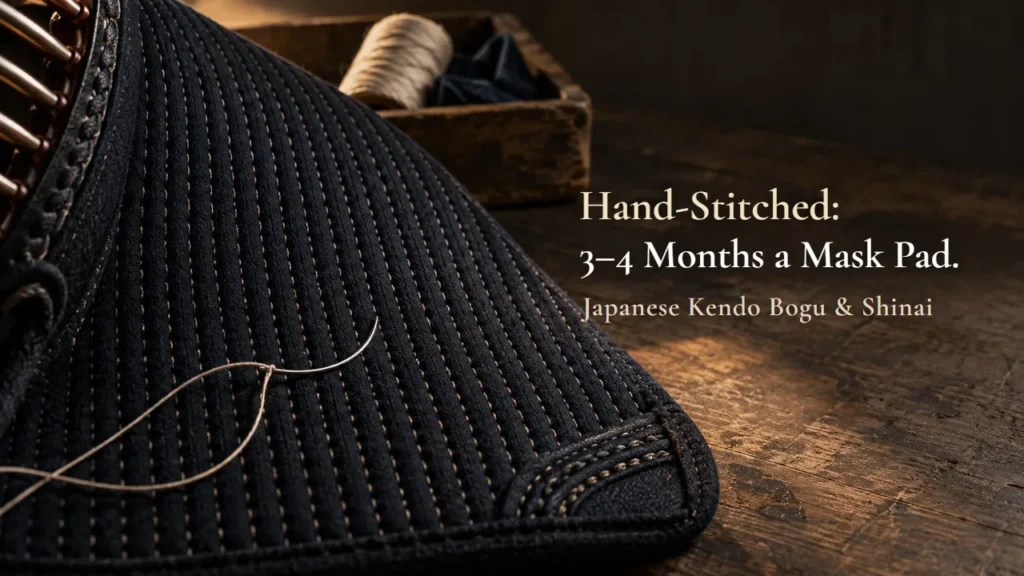
Stitching the futon (padding) of a single men (head guard) by hand is said to take three to four months.
Men, kote, do, tare: when one craftsman finishes a whole set by hand from start to finish, some bogu (kendo armour) take one to two years. So the work is normally divided among several people — and it still takes months. Where does all that time go? Into one number: how many millimetres apart the futon is stitched. And that spacing is still named in Japan's old measuring units. The shinai has its own reasons too: what's wanted from the bamboo isn't hardness but spring — bending without breaking, and coming back. In Fukuoka there's a factory that does everything from felling bamboo to finishing, a factory that closed once and came back because kendo players asked it to. This guide covers how to read stitch spacing, how the bamboo is chosen, and the urushi lacquer on the do.
Quick Reference: Stitch Spacing Names and the Finish
| Name | Spacing | Stitched by | Finish |
|---|---|---|---|
| 1.5-bu ▾ | About 4.5 mm | Hand | Easy to shape, crisp |
| 2-bu ▾ | About 6 mm | Hand | More cushioning, thicker |
| 5 mm ▾ | 5 mm | Machine | Leaning to mobility |
| 6 mm ▾ | 6 mm | Machine | Thicker, for receiving strikes |
| How to read it | Hand-stitched is named in bu, machine-stitched in millimetres. One bu is about 3 mm; smaller numbers mean finer stitching. | ||
1. Why Japanese: Spacing Is Still Counted in "Bu"
One Bu Is About 3 mm
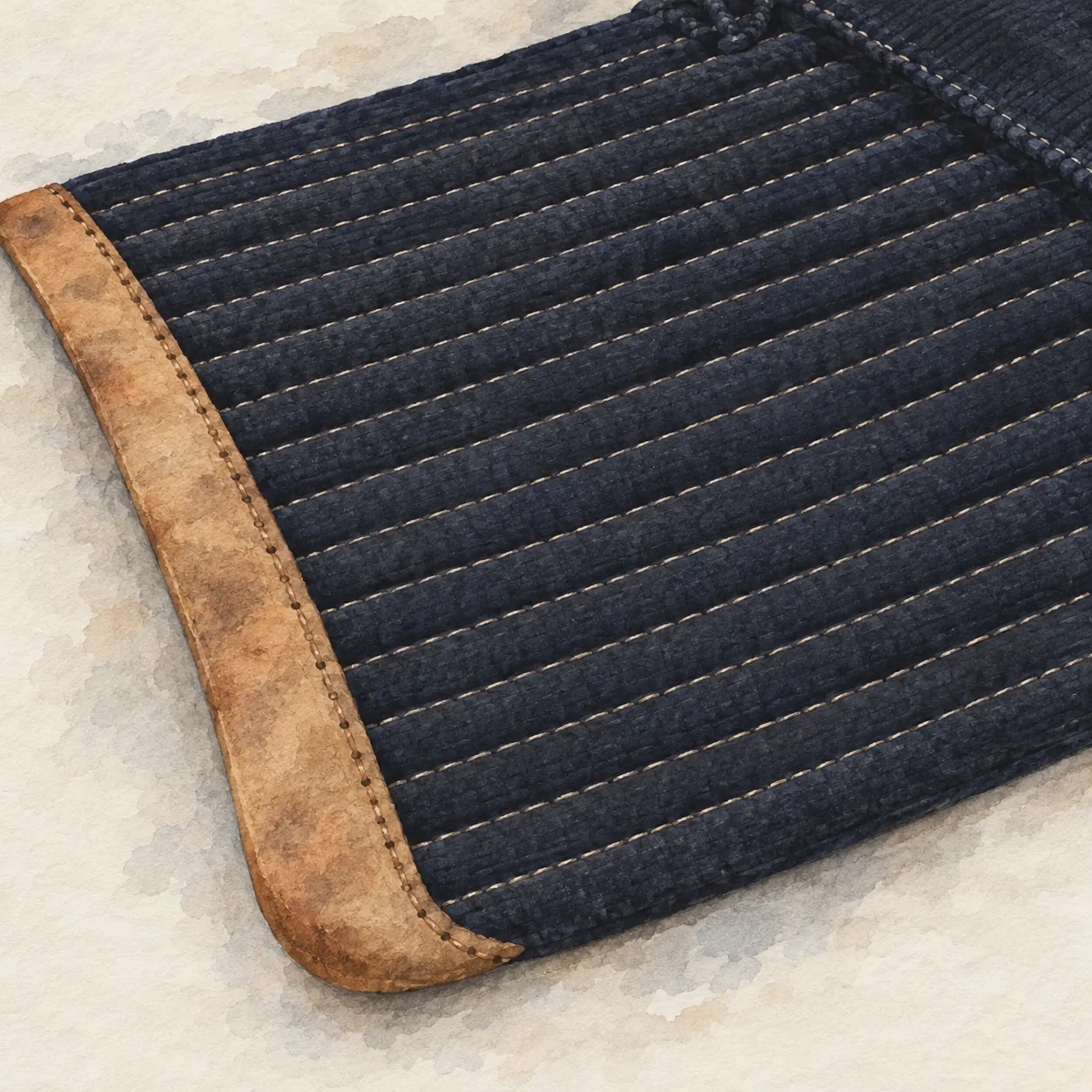
The thick padded parts of the men, kote and tare are called futon, made by stitching thread at even intervals. Those intervals are named "2-bu stitch," "1.5-bu stitch": one bu is about 3 mm, so 2-bu means stitches about 6 mm apart and 1.5-bu about 4.5 mm. That's the old shakkan measuring system — decades after Japan switched to metric, this craft still counts its spacing in bu.
Machine Stitching Is Named in Millimetres
Machine-stitched bogu, by contrast, are called "4 mm," "8 mm" and so on. The same measurement, two units — bu for hand, millimetres for machine — so the label alone tells you how it was made. Either way, a smaller number means finer spacing.
Change the Spacing, Change the Finish
Wider spacing gives more cushioning and a thicker finish; narrower spacing is easier to shape and gives a crisper finish. Neither is "better" — there are times you want thick and soft, and times you want thin and firm. Section 3 shows how that plays out.
2. Stitch It by Hand, and One Men Futon Takes Three Months
The stitching itself differs. Machine stitching sews two threads alternately — a sewing-machine stitch. Hand stitching (tezashi) sews a single thread hidden inside, so the stitches show on the surface as dots — what's called tenzashi. And finer stitching means "more core material can go inside," changing how much impact it can absorb.
Hand-stitching one men futon is said to take three to four months — not a whole men, just its futon. Some bogu take one to two years when one craftsman finishes a set alone from start to finish. So the work is divided, and even divided, delivery is often three or four months: a season passes while it's made.
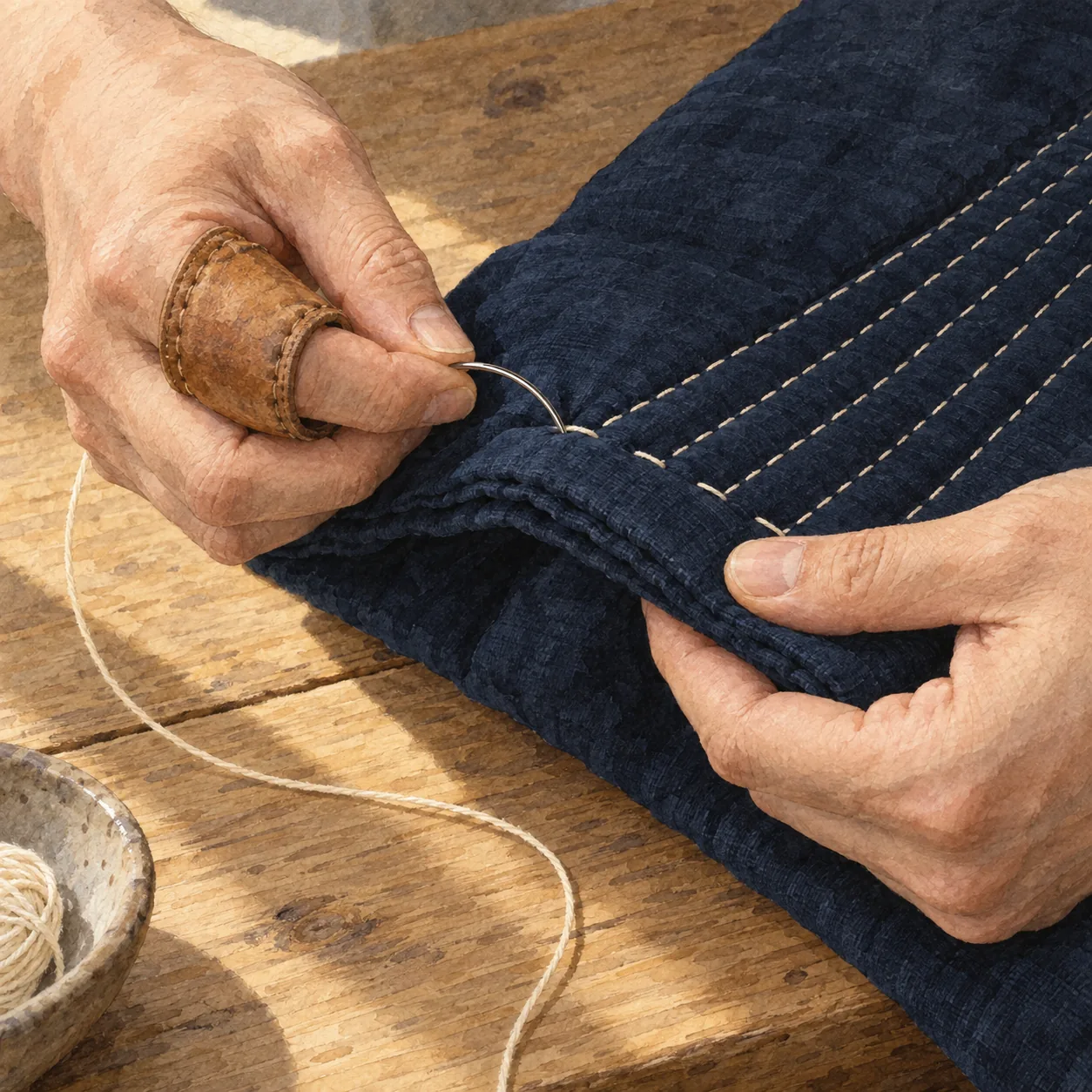
Some products say "tezashi-fu" (hand-stitch style). That's machine stitching made to look like hand stitching — a different thing. Not a bad product, but the process and time described here belong to "tezashi." Read the name as written and check which it is.
3. Stitch Spacing Follows the Wearer's Role
Finer isn't automatically better. Spacing is chosen by what the wearer does: wider means more cushioning, so the more often you're struck, the wider you want it. Kyoto Budogu's all-Japanese ("jun-kokusan") line shows this right in its product names:
- 5 mm machine-stitched kote "Mokkei" — "made at the Kuji factory, Iwate." Where it's made is in the name. 5 mm is the finer side: easier to shape, a tighter finish, suited to practice where you're the one striking.
- 6 mm instructor's kote "Shudo" — "doesn't hurt when struck." An instructor stands on the receiving side as motodachi, offering kote to be struck dozens of times a day, so the wider, more cushioned 6 mm is chosen deliberately.
- 5 mm machine-stitched kote in washable mesh. Same 5 mm, solved on the fabric side: kote collect the most sweat, so washability matters most to people who train often.
Wider means thicker; thicker means it can take more. The numbers aren't a ranking — they're roles. And the kote is usually the first part of the bogu to wear out, which is why it's sold on its own.
4. What Shinai Bamboo Needs Is Spring
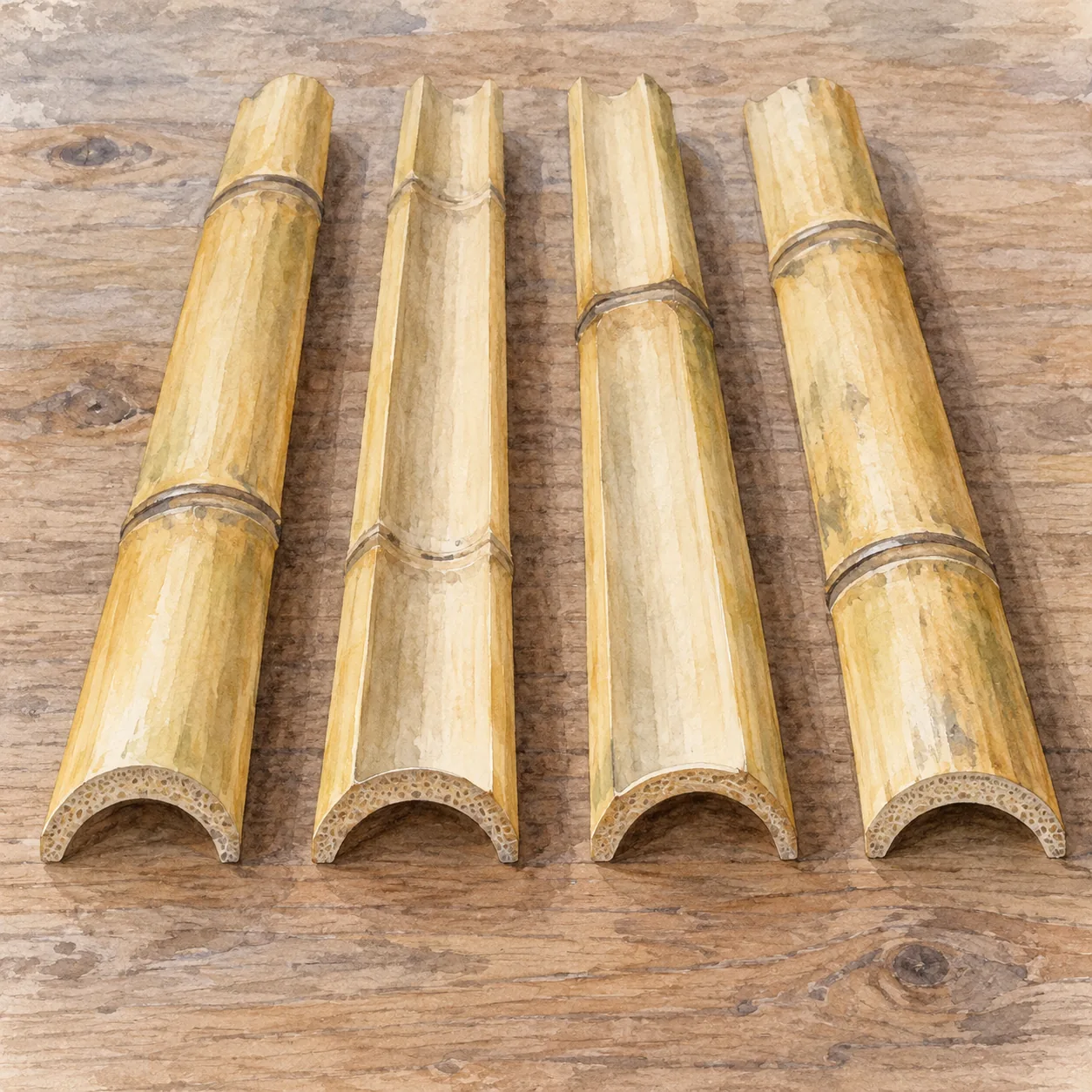
Several kinds of bamboo are used for shinai. Nishinihon Budogu describes Japanese madake as "hard-fleshed yet with spring, and strong in the waist." Hardness and spring: a shinai is struck against another, so at the moment of impact it has to bend and come back. Bamboo that's only hard breaks instead of bending. The widely used keichiku is described as "very strong because its fibres are fine and numerous" — its strength comes from somewhere else.
Within Japanese madake there are origins too: Bungo (Oita) and Kyoto. Nishinihon Budogu's "Homare" shinai comes in both — same name, same shape (size 39, straight "chokuto" style), same price; only the bamboo's origin differs. That a maker lists the origins separately means it believes there's a difference: bamboo's density depends on the climate and soil it grew in. Both carry the SSP seal, the safety mark for shinai meeting the All Japan Kendo Federation's standard.
5. A Factory That Closed — and Came Back
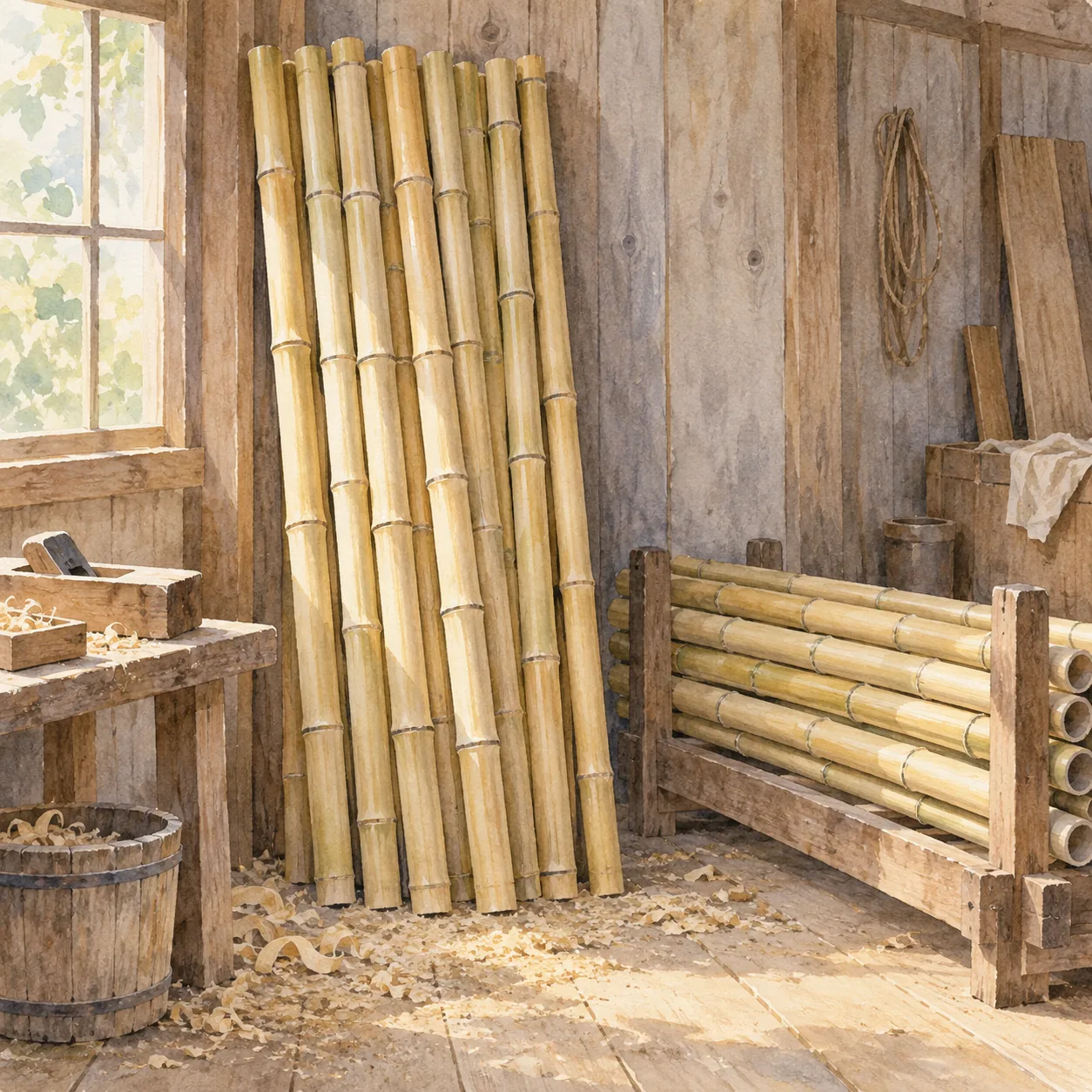
The "Homare" is made at the Nakagawa Madake Factory in Nakagawa, Fukuoka. Nishinihon Budogu's site says: "From felling the bamboo to the finished product, everything is made in our own factory in Japan, each shinai finished carefully from start to finish by madake shinai craftsmen." It starts from felling the bamboo, and its motto is short: "In Japan, with Japanese materials, by Japanese hands." The factory began operating in 2008.
And it stopped once. "We had temporarily closed in 2018," the site says — and goes on: "Encouraged by budogu shops across the country and many kendo practitioners who wished for its revival, we restarted in autumn 2019." A factory closed, and the people who use its shinai brought it back. Shinai are consumables — you replace them when they split — and that many people spoke up to keep making them in Japan.
6. The Do Is Still Lacquered With Urushi
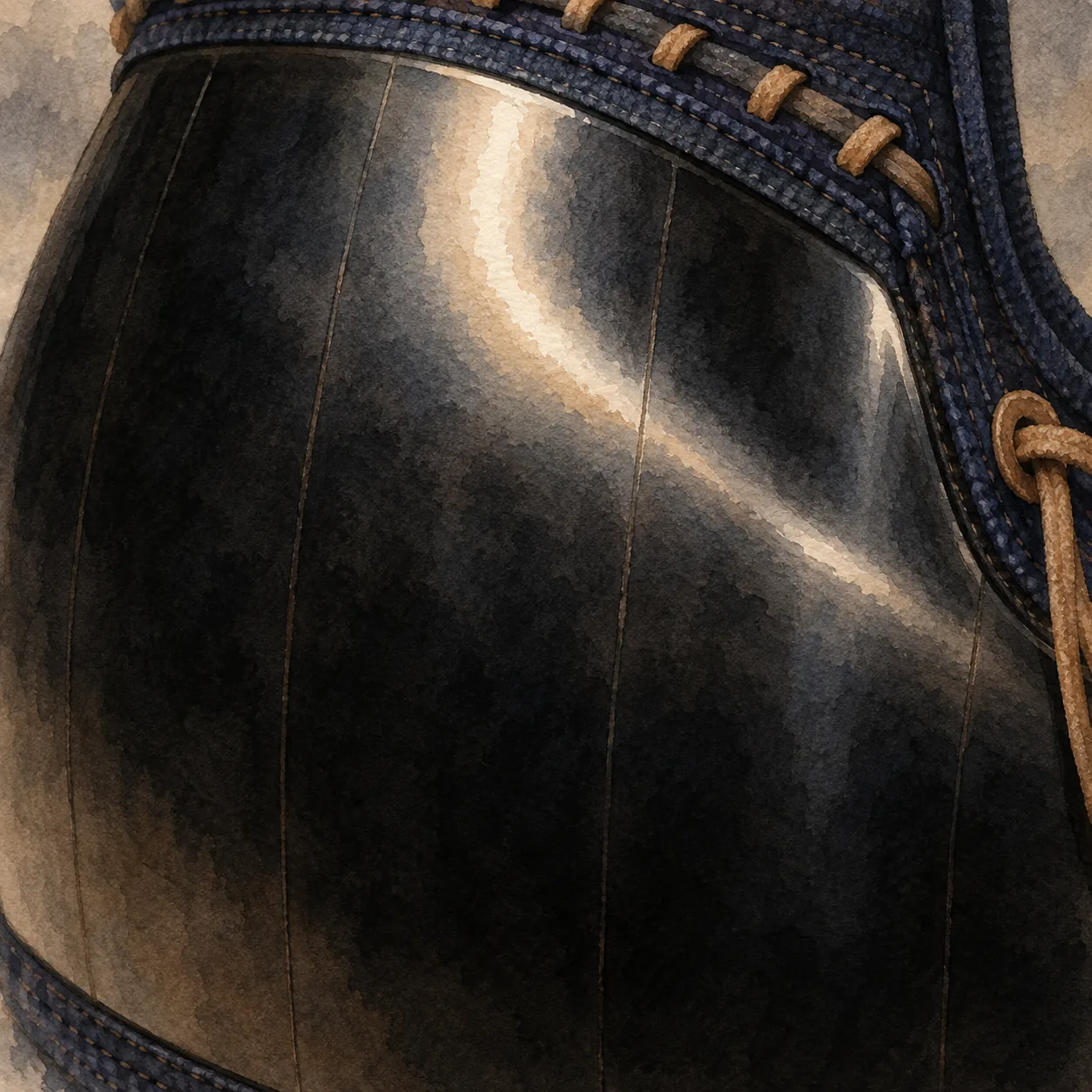
The rounded, bulging part of the do (chest protector) is built from narrow strips of bamboo set side by side. The "50-hon-date" you see in product names is the number of strips — more strips, each one thinner. Its surface is coated with real urushi lacquer, not synthetic paint: coat, dry, coat again. A slow finish on the surface that takes the strikes.
The do is also the most visible part of the bogu — struck, and seen face-on. Japanese-made urushi do come with bindings such as kaeshi-buchi edging, chest pieces stitched in a goban-zashi grid pattern over solid stitching, and named lacquer finishes like seijo-nuri. A do can also be bought on its own as a spare to add to your current set.
7. Buying From Outside Japan: Reading the Labels
As of November 2026, we didn't find Japanese-made bogu or shinai on Amazon.com, and the makers above sell through Japanese shops. Several Kyoto and Fukuoka kendo shops run English online stores — Tozando in Kyoto, for example, states that it ships internationally — but they sell equipment made in many places. Read the listing:
- "Tezashi" (hand-stitched) and a spacing in bu — 1.5-bu, 2-bu. "Tezashi-fu" means hand-stitch style, by machine.
- Machine-stitched spacing in mm — 5 mm for strikers, 6 mm for instructors who receive.
- "Jun-kokusan" (all-Japanese) or a named Japanese factory in the product name.
- For shinai: "madake" and its origin (Bungo, Kyoto), and the SSP seal if you'll compete.
8. Frequently Asked Questions
Is finer stitching always better?
No. Narrow spacing is crisp and easy to shape; wide spacing cushions and thickens. If you strike more, go narrow; if you receive more, go wide — which is why instructors' kote use 6 mm on purpose.
Hand-stitched or machine-stitched?
They're sewn differently. Machine stitching alternates two threads; hand stitching hides a single thread inside, and its finer stitching lets more core material go in. But a hand-stitched men futon alone takes three to four months, so factor in the wait.
Is "tezashi-fu" hand-stitched?
No — it's machine stitching styled to look hand-stitched. Not a bad product, but the process and time in this guide belong to true tezashi. Read the name carefully.
Should I choose a madake shinai?
Their strength comes from different places. Madake is described as hard yet springy; keichiku as very strong from its fine, dense fibres. If you value bending and coming back, madake. Many players decide by holding them.
What is the SSP seal?
A safety mark for shinai meeting the All Japan Kendo Federation's standard. Shinai split, so this checks against accidents in practice and matches. For competition shinai, look for it.
Do I have to buy bogu as a full set?
No. Kote especially wear fastest and are often replaced alone, and a do can be added as a spare. Start with a set, then replace the parts that wear.
Final Thoughts: The Numbers Are Roles, Not Ranks
Kendo bogu are named by how far apart the futon is stitched — hand-stitched in bu, machine-stitched in millimetres. A hand-stitched men futon takes three to four months; a set finished by one craftsman, up to two years.
The numbers are roles: narrow is crisp, wide is cushioned, which is why instructors' kote are 6 mm. Shinai bamboo needs spring, not just hardness — and a Fukuoka factory that fells its own madake closed in 2018 and came back in autumn 2019 because kendo players asked.
Read the labels, and you can see where the work went.
Kyudo Equipment: Miyakonojo Bows and Arrow Fletching
Shogi Sets: Tendo Pieces, Kaya Boards, and Shin-Kaya