Machida, Tokyo — Tin & Tsumami-zaiku
MoNo hana.
モノハナ
The beauty of
contrast.
Traditional Japanese craft to wear, in tin and tsumami-zaiku.
MoNo hana.
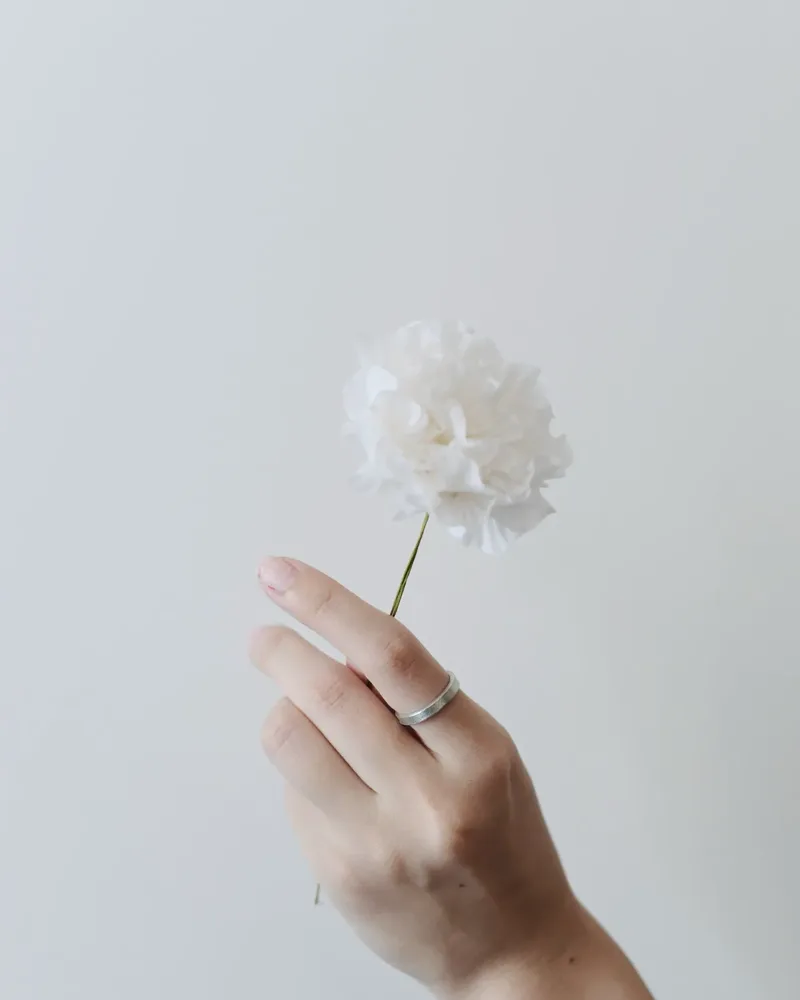
About
About MoNo hana.
MoNo hana. is a jewellery and craft brand that Minami Nakada started in Machida, Tokyo, in 2026. It brings together two very different materials: tin from Takaoka in Toyama, a town long known for its metal casting, and flowers folded from pure silk habutae in the tsumami-zaiku technique. Hard metal and soft fabric, both shaped by Nakada in a home studio in Machida. The range runs from tin rings you gently reshape to fit your finger, to an obidome (sash ornament) for kimono, to Hana doki, a hair ornament for a once-in-a-lifetime day that is later remade into a flower clock. The brand's line is "The beauty of contrast.": the beauty that appears when different materials meet.
- Founded
- January 2026
- Based in
- Machida, Tokyo
- Founder & designer
- Minami Nakada
- Materials
- Tin, pure silk habutae

Concept
The beauty of
contrast.
Hard, cool tin and flowers born from a single piece of cloth. The brand's line, "The beauty of contrast.", holds three contrasts. Bringing opposites together, and seeking the beauty that comes out of the tension between them, is what MoNo hana. sets out to do.
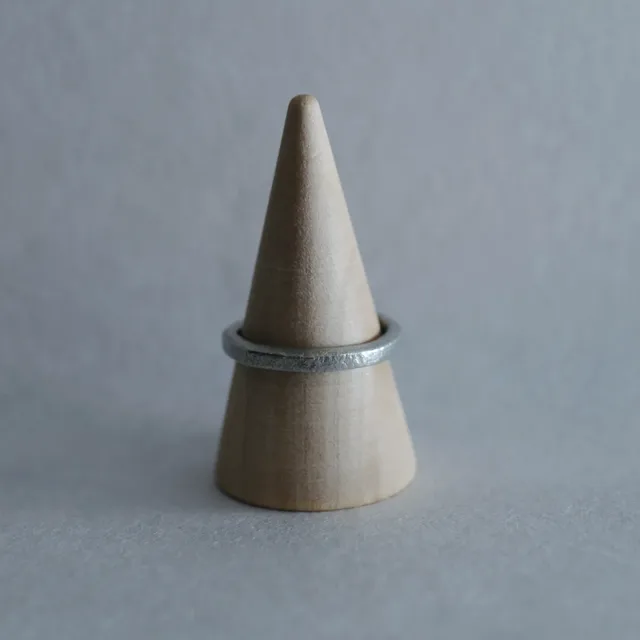
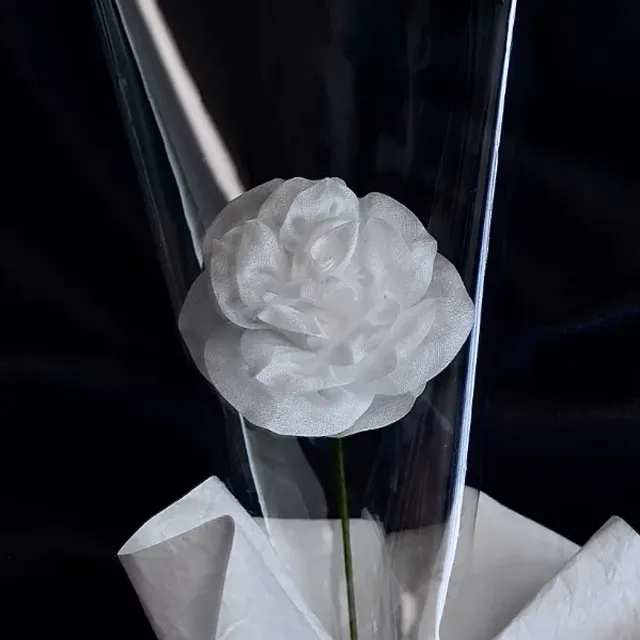
Metal and fabric: two materials with opposite qualities, combined in one piece.
Respecting inherited techniques without being bound by existing forms.
Flowers with a quiet presence, built on a monochrome palette.
🌍 Interested in wholesale or distribution rights?
MADE in JAPAN.JP is an independent media introducing Japanese brands, not an official manufacturer site. For trade or distribution inquiries about this brand, please use the form below.
Trade & Wholesale Inquiry

Features
What makes it special
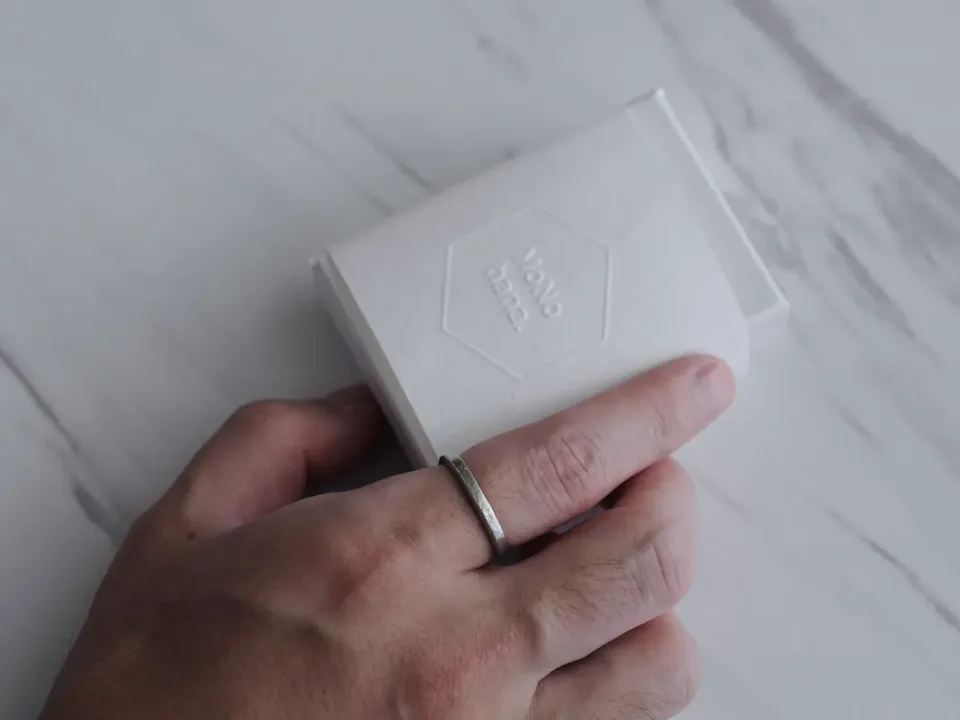
Tin rings you "grow" to fit your finger
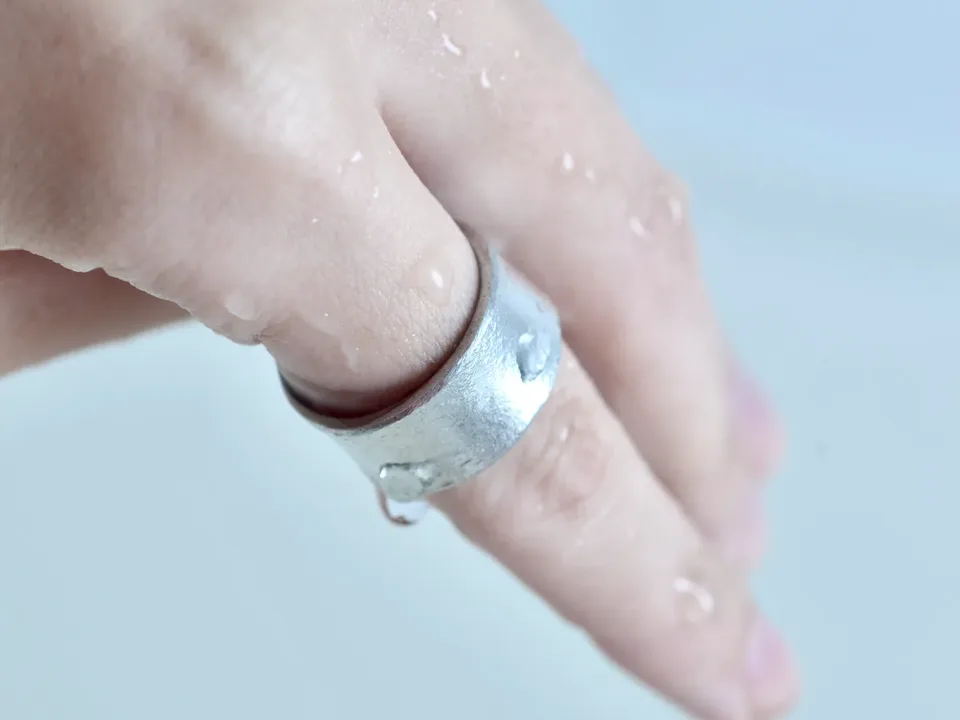
Tin is one of the softer metals. MoNo hana. treats that softness not as a weakness but as what makes the material special: you can reshape the ring, little by little, to fit your own finger. The scratches and changes in tone that come with wear become part of the ring too. Rather than treating the ring as finished on the day you buy it, MoNo hana. invites you to make it your own over time.
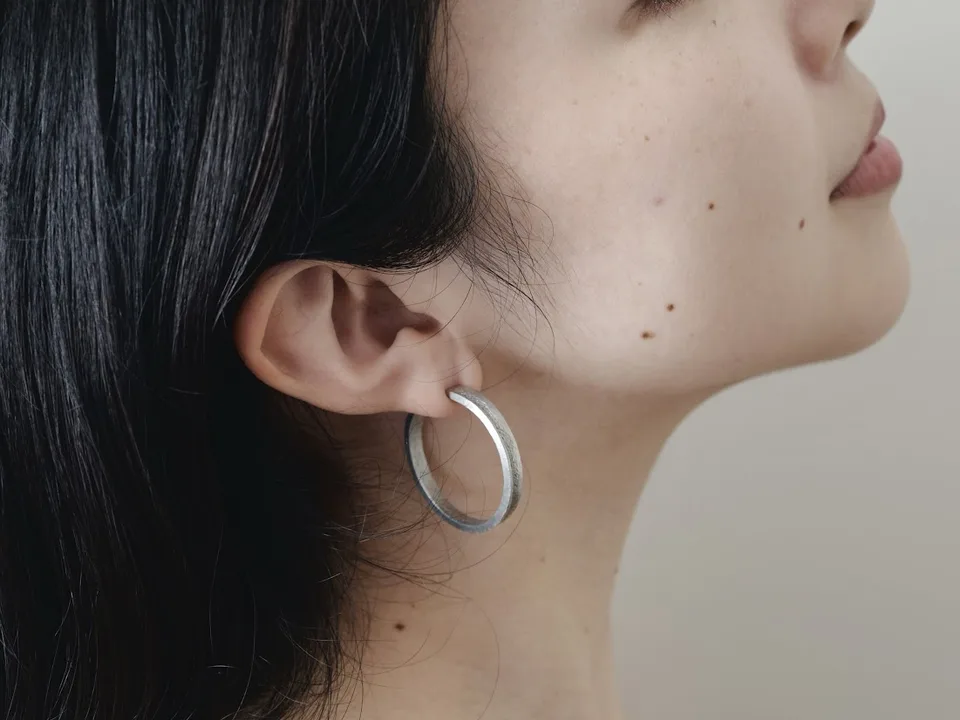
Earrings with no hardware, just tin wrapping the ear
Instead of the bulky clips found on most clip-on earrings, the tin itself wraps around the ear. You shape them gently to the form and thickness of your own ear. With no hardware to catch the eye, all that shows is the soft sheen of tin. Choose a smooth, glossy finish or a textured, matte one.
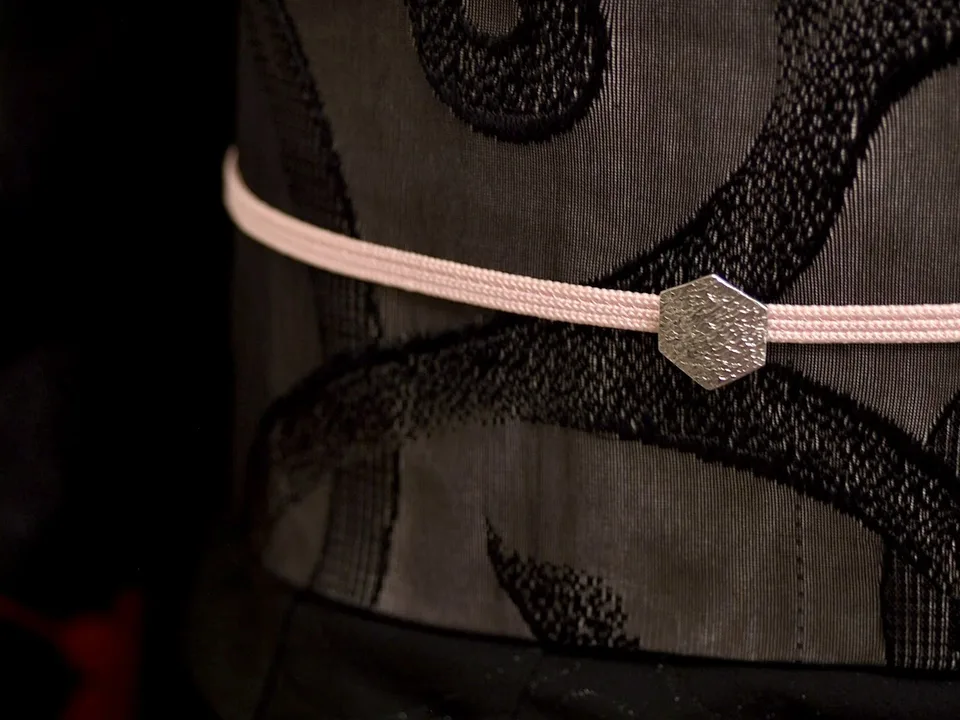
A tin obidome for kimono, all year round
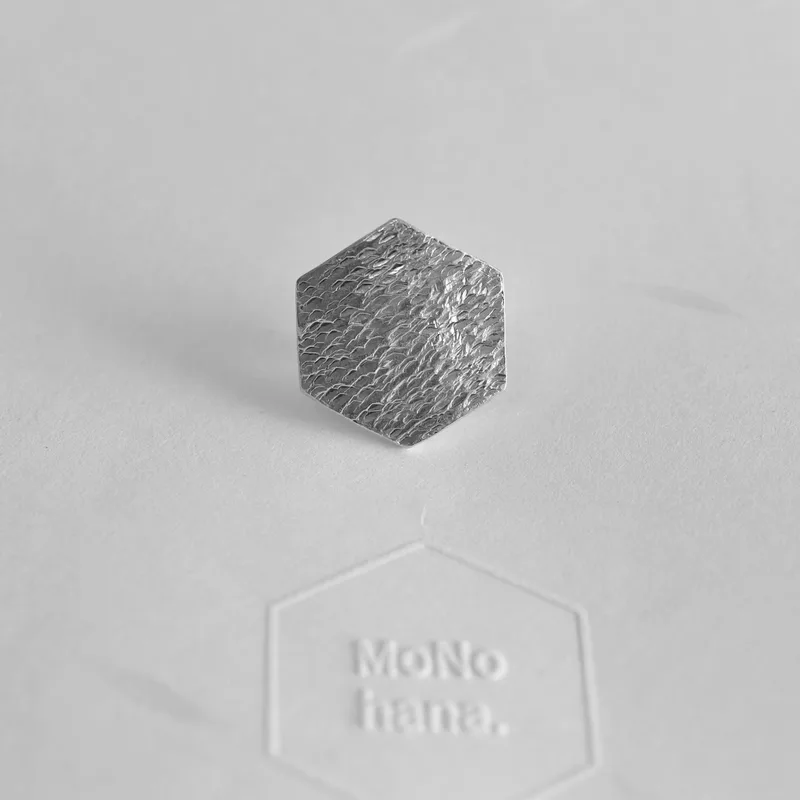
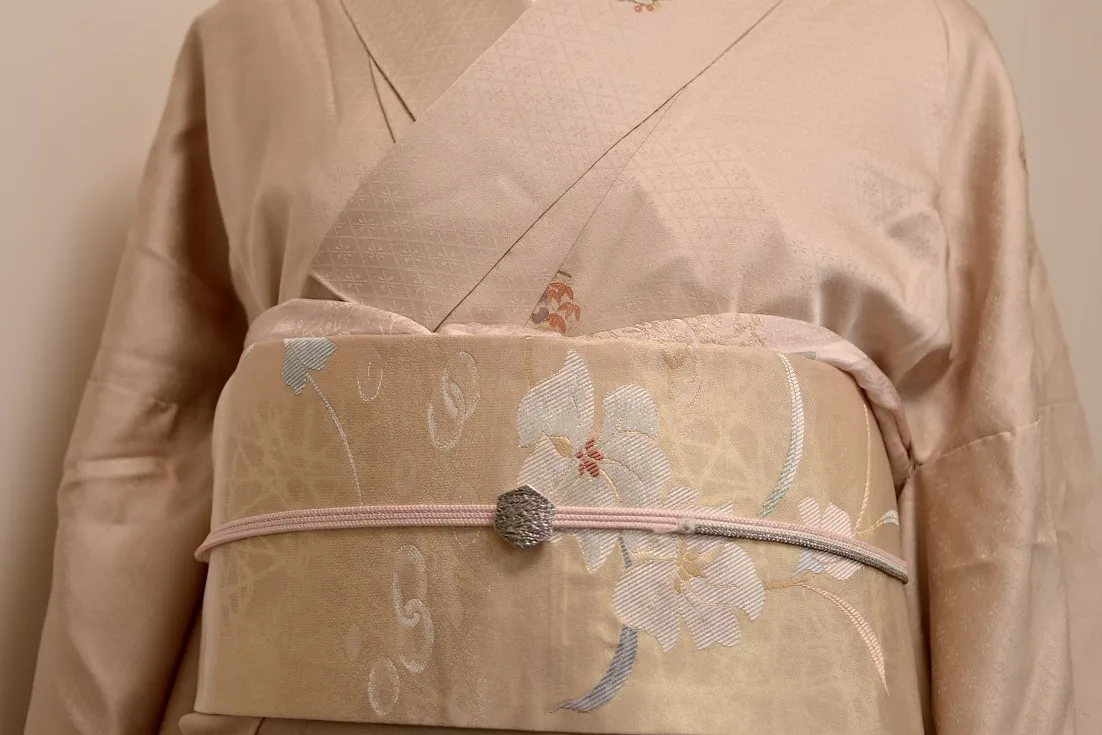
Nakada is also skilled at dressing in kimono, and she makes tin obidome, the ornaments threaded onto the cord that holds a kimono sash in place. Rikka is a neat hexagon with a richly textured surface that changes with the light, adding a quiet glint to a kimono outfit. It suits lined winter kimono, unlined and summer kimono, and casual cotton yukata alike.
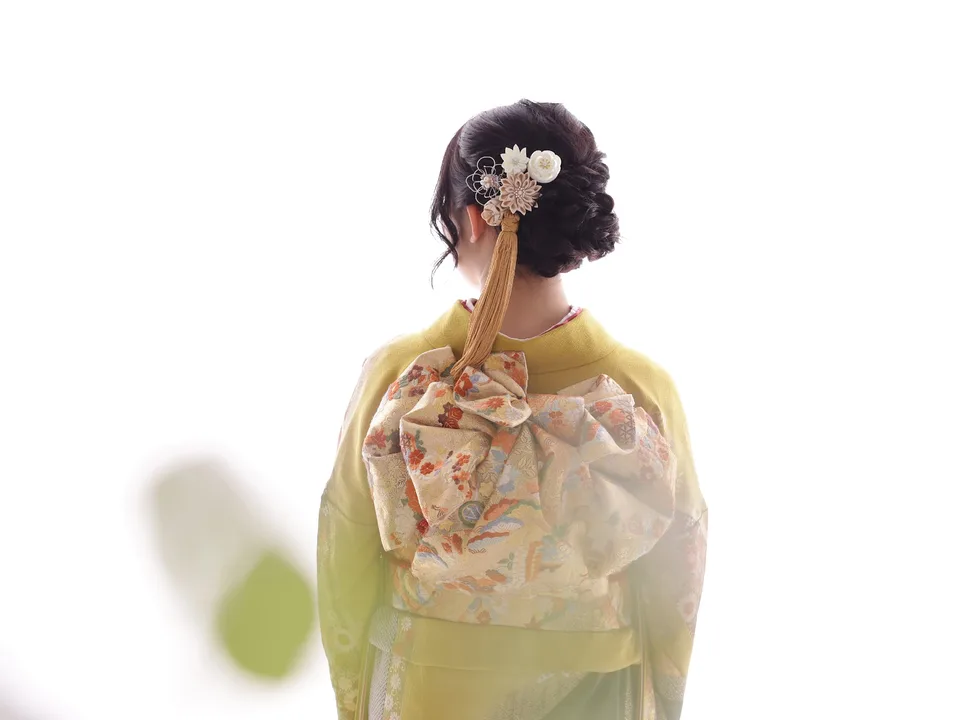
Hana doki: a hair ornament that becomes a flower clock
Coming-of-age ceremonies, weddings, Shichi-Go-San (a celebration for young children). Hana doki grew from the wish not to let the flowers of such milestones be used only once. Nakada makes a made-to-order tsumami-zaiku hair ornament for the big day. Afterwards, you send it back, and she remakes the flowers one by one into a flower clock. A keepsake that might otherwise sit in a cupboard becomes something you can display at home.
Story
The story
- 2026.1 MoNo hana. launched
- 2026.3 Excellence Award (Governor of Tokyo Award), SFDA 2026 goods category, for Rinne Shōka
- 2026.4 Solo exhibition Rinne Shōka at the Toyama Glass Art Museum: 1,522 visitors in two days
- 2026.8 Machida Cultural Association President's Award, Machida City Exhibition 2026
- 2026.9 Online shop opens
- 2028 Presentation planned at Paris Fashion Week
Tsumami-zaiku, found at a coming-of-age ceremony
Minami Nakada first came across tsumami-zaiku at her coming-of-age ceremony at 20. She was to wear a furisode sewn by her grandmother, a kimono tailor, and when she looked for a hair ornament to go with it, tsumami-zaiku pieces cost 20,000 to 30,000 yen. So she decided to make her own.
Folding and layering single pieces of fabric into small flowers, she was drawn in by the delicacy of the work, and her respect for the craftspeople behind it grew. Hoping younger people would wear it too, she experimented with dyes and with Western flowers such as roses. Today she folds her flowers from pure silk habutae.
A grandparents' home in Toyama, and tin
Her connection with tin, the other material, goes back to her grandparents' home in Toyama. Tin had been part of her life since childhood, and her love of sake brought her back to it. Today, MoNo hana. buys its tin from Takaoka in Toyama, a town long known for its metal casting, and Nakada shapes it in her home studio in Machida.
The brand's logo is a hexagon. Nakada grew up in a family that made its own fishing tackle, and the shape comes from the strength of bamboo fishing rods. The hexagon became the shape of the Rikka obidome too.
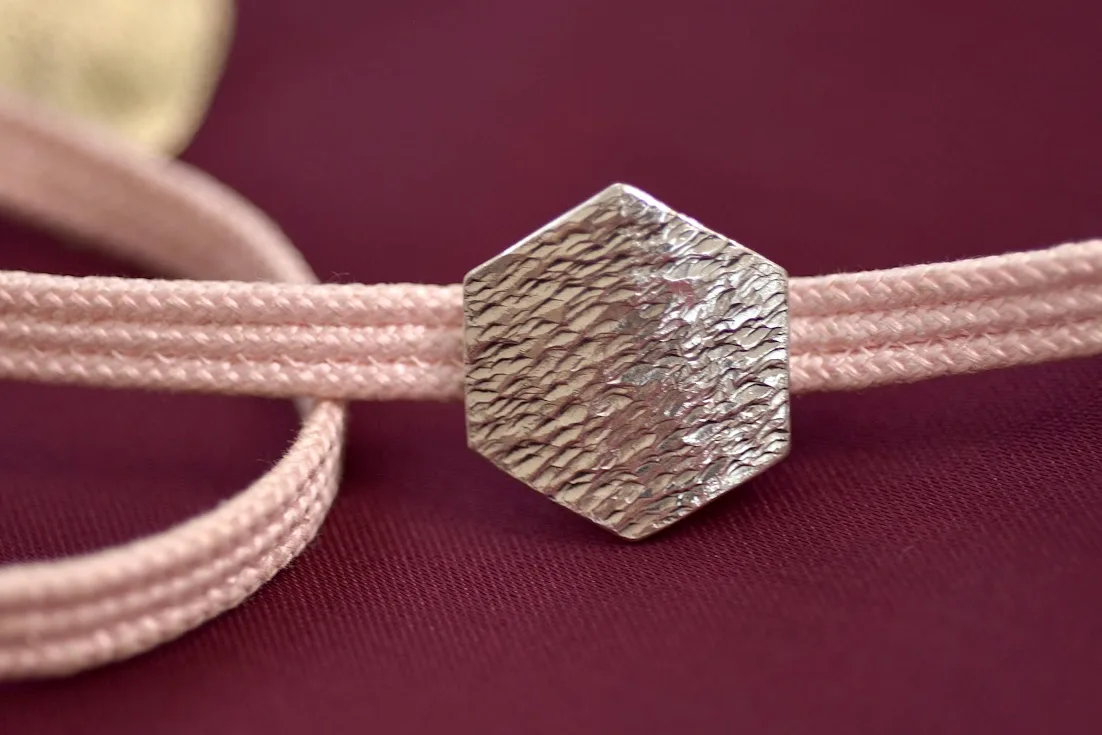
Tin and silk in a single piece
She launched MoNo hana. in January 2026. The name takes her initials, M and N, as capitals, and expresses her aim to create "hana" (flowers, and by extension beauty) through simple, monochrome-based design.
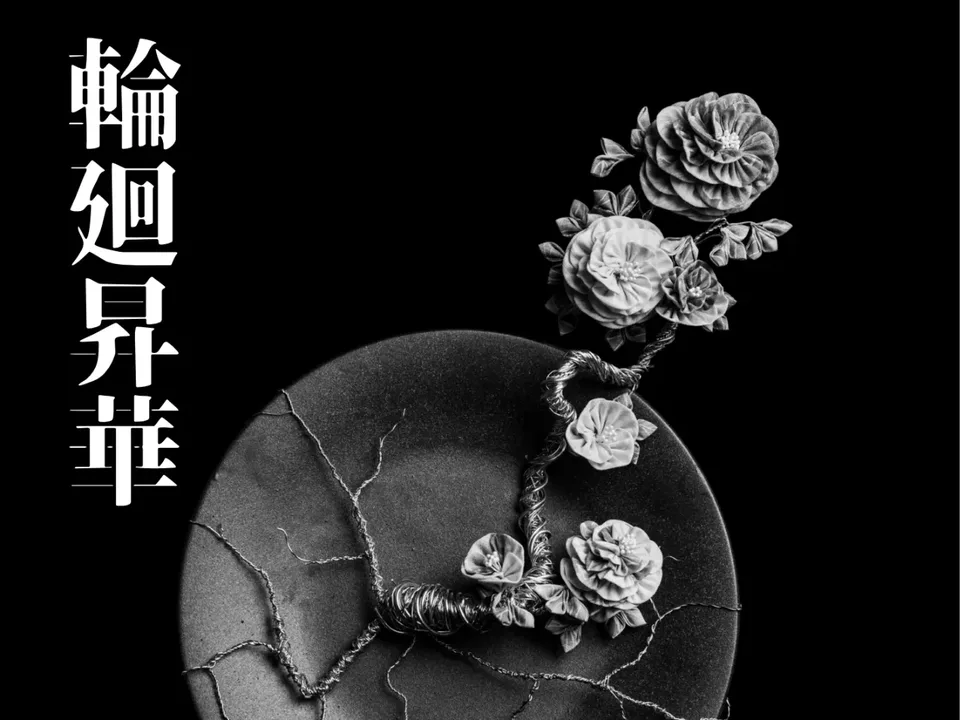
That same year, she won an Excellence Award (the Governor of Tokyo Award) in the goods category of the Sustainable Fashion Design Award 2026, hosted by the Tokyo Metropolitan Government. The winning piece, Rinne Shōka, sets flowers given at life's milestones on a tin base, made with pure-silk tsumami-zaiku and mizuhiki paper cord. In April, her solo exhibition of the same name at the Toyama Glass Art Museum drew 1,522 visitors over two days. In August, she received the Machida Cultural Association President's Award at the Machida City Exhibition 2026.
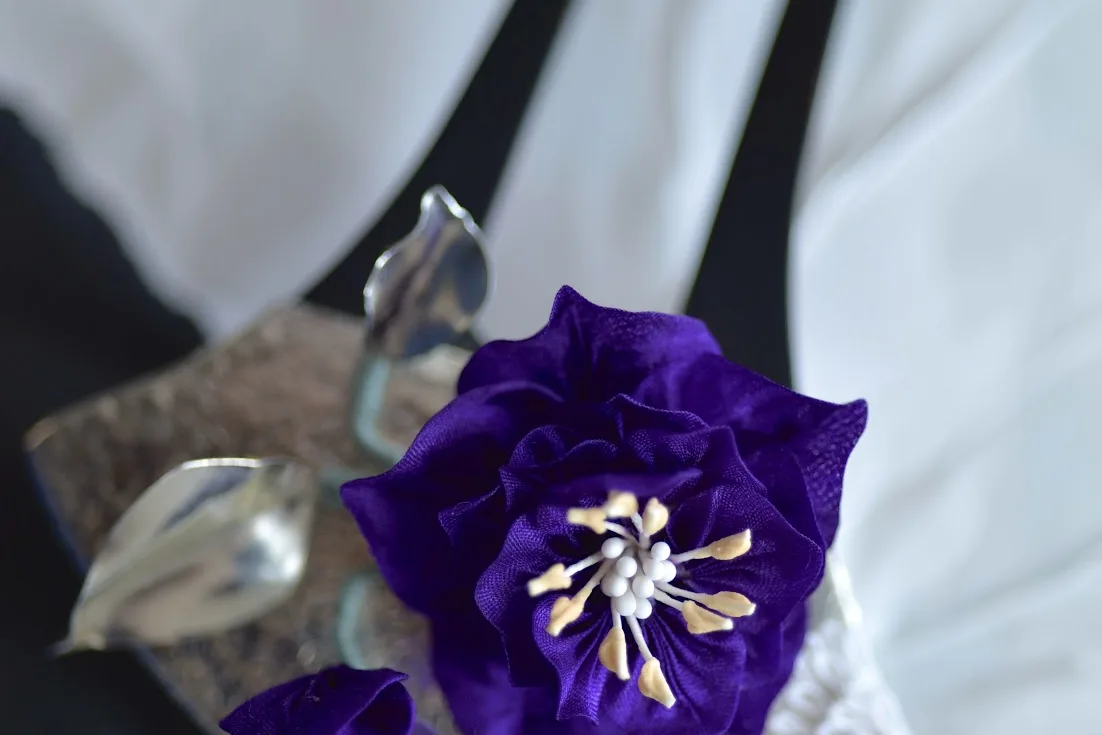

"I want to pursue the beauty that comes from contradiction."
From Machida to Paris
The next steps are set: an exhibition in March 2027 and a presentation at Paris Fashion Week in 2028. Next year, she also plans to release tsumami-zaiku made from remade kimono.
The brand's goal is "a brand that can stand on the world stage with tsumami-zaiku and tin." From a studio in Machida, she is carrying Japanese materials and handwork into what people wear around the world.
Products
Featured products
 Obidome (kimono sash ornament)
Rikka | Tin obidome
A neat hexagon with a richly textured tin surface that changes with the light. Suits lined, unlined and summer kimono and cotton yukata, all year round.
 Single tsumami-zaiku flower
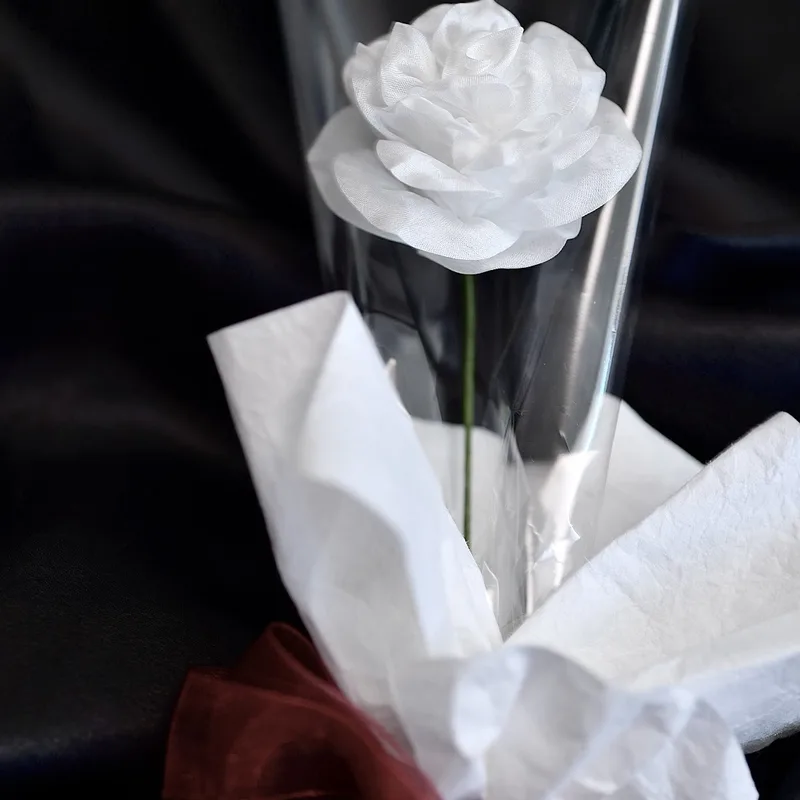
White Rose Bouquet, Ichirinka
A white rose made by shaping and layering pure silk habutae petals one at a time. A gift for someone special, or a flower to keep at home. The first piece in MoNo hana.'s new flower series.
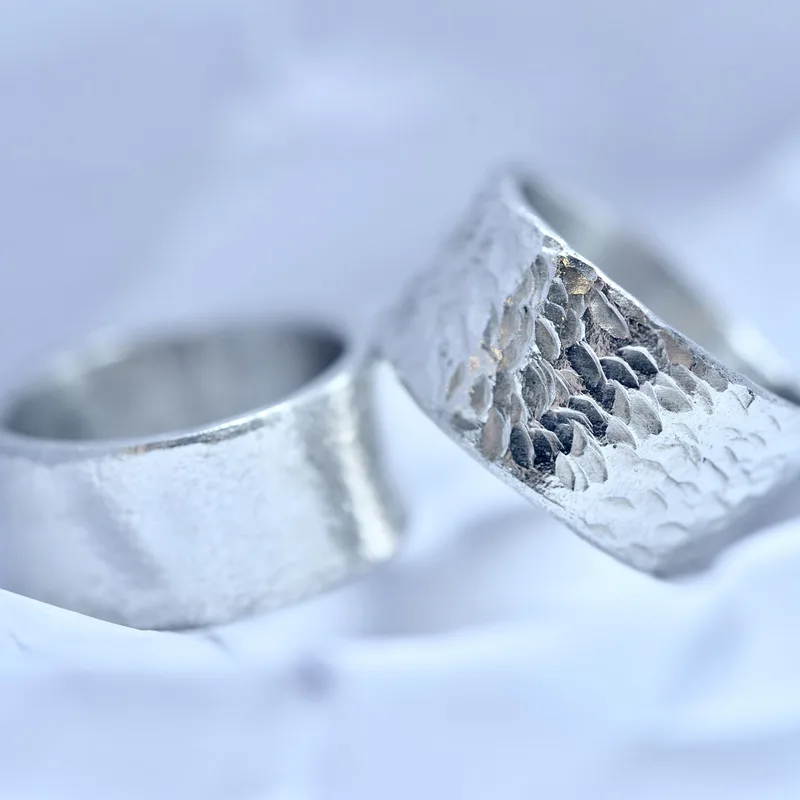 Tin ring
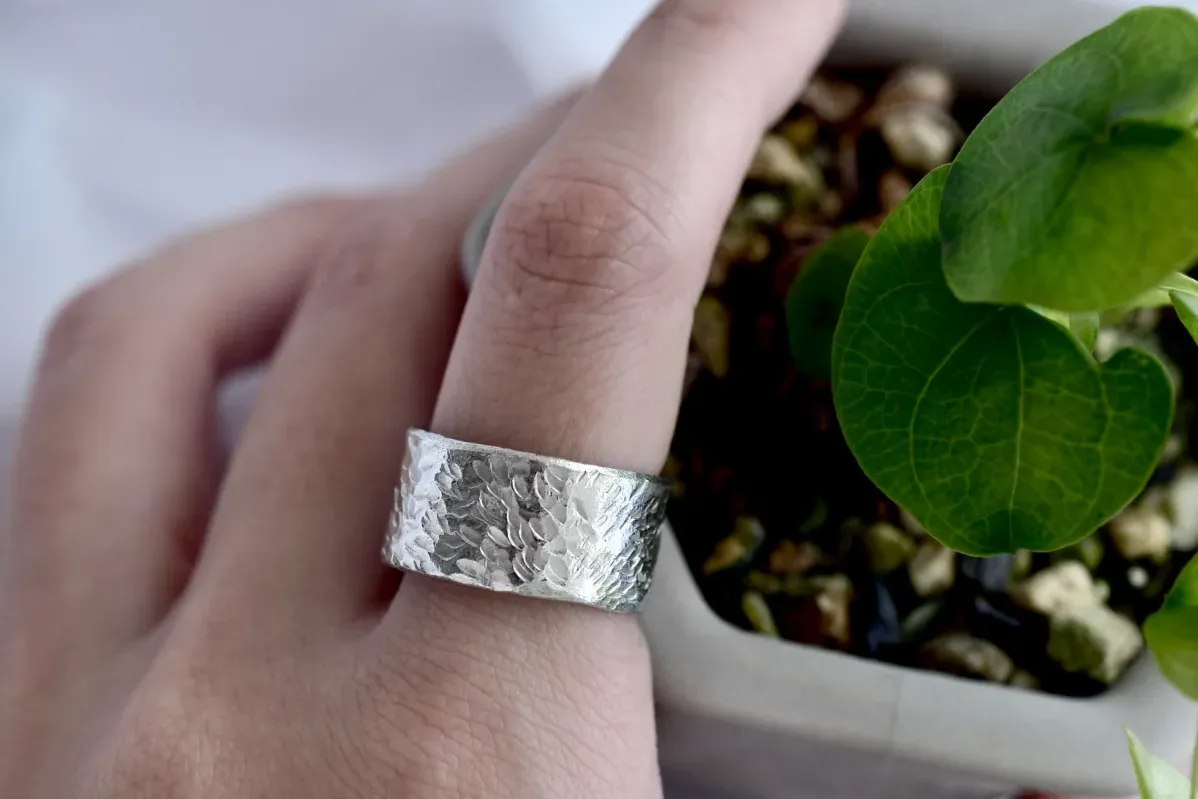
RING 02 | Plain or scale pattern | Wide tin ring
A wide ring, about 10 mm across. Choose a plain finish that shows off the texture and sheen of the tin, or a surface worked with uroko-mon, a scale pattern long used in Japan.
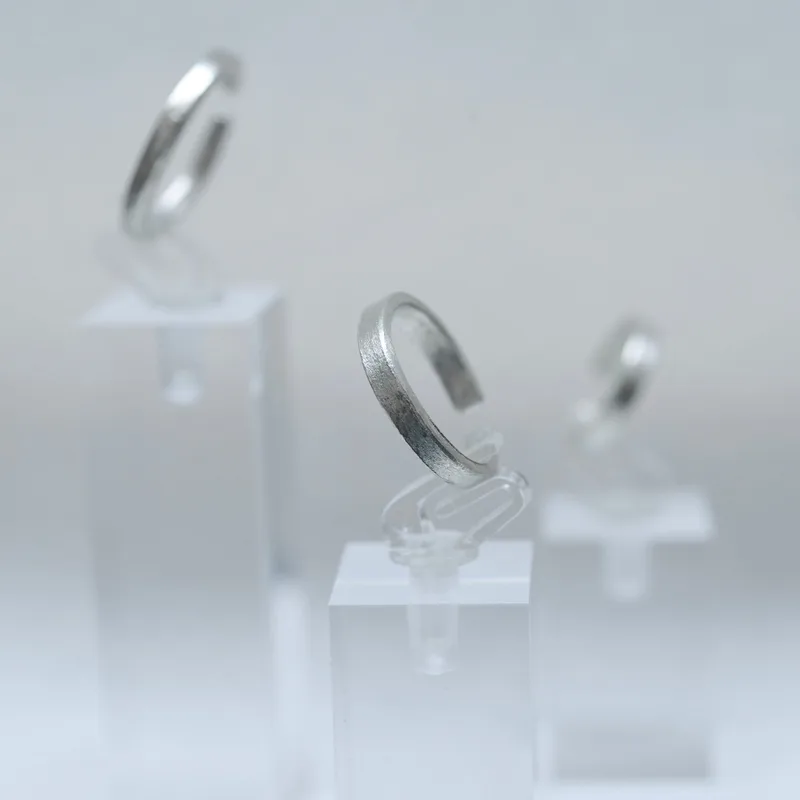 Tin ring
RING 01 | A ring you grow to fit your finger
A slim ring, about 2 mm wide. Thanks to the softness of tin, you gently reshape it to fit your finger. Wear it alone or stacked with rings you already own.
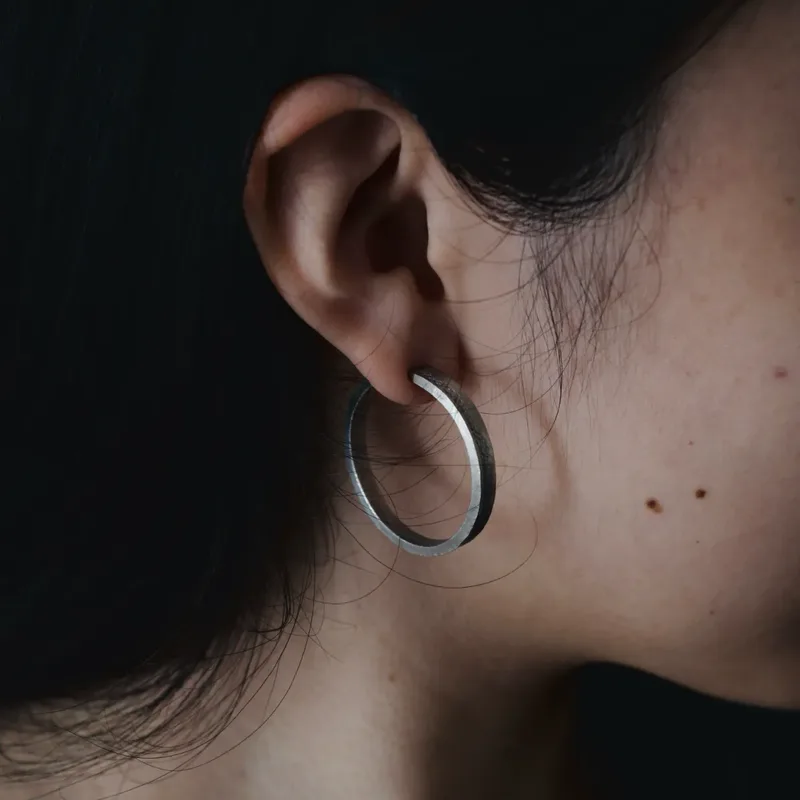 Tin earrings
EARRING 01 | Shaped to fit your ear
Earrings with no bulky hardware: the tin itself wraps the ear, and you shape it to fit. Choose a smooth or a textured finish.
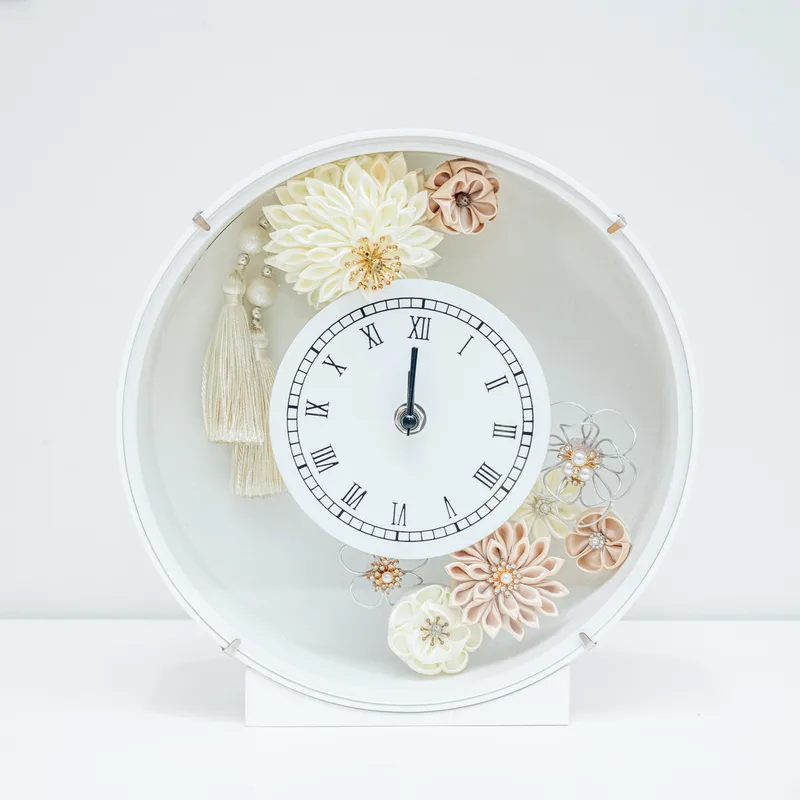 Made-to-order hair ornament & flower clock
Hana doki
A made-to-order hair ornament in tsumami-zaiku and tin for a coming-of-age ceremony, wedding or Shichi-Go-San. Send it back after the day, and it is remade into a flower clock.
Photo
Photos
Company
Company & links
- Company
- MoNo hana.
- Address
- Machida, Tokyo, Japan
- Website
- www.monohana.tokyo
- Online store
- monohana2026.base.shop
- Social & links
Awards & media
Awards & media
- 2026Sustainable Fashion Design Award 2026, goods category, Excellence Award (Governor of Tokyo Award) for Rinne Shōka
- 2026Solo exhibition Rinne Shōka, Toyama Glass Art Museum
- 2026Machida City Exhibition 2026, Machida Cultural Association President's Award
- 2026Town News (Hachioji edition), Tokyo Shimbun, Hachioji Journey, Kogei Japonica, Nikkei MJ