You have probably already seen a tabi, and paid several hundred dollars more than a Japanese
person would for it.
Martin Margiela launched the Tabi boot in 1988, after a trip to Japan, and the shape
has been in the MoMA collection since. What he borrowed was
a split-toe sock that has existed since at least the fifteenth century — and which,
once rubber soles were added around 1900, became the boot Japanese builders and gardeners
still wear to work.
So the interesting question is not why the toe is split. It is which of the four kinds you
actually want, and how to size something that has to fit your foot exactly.
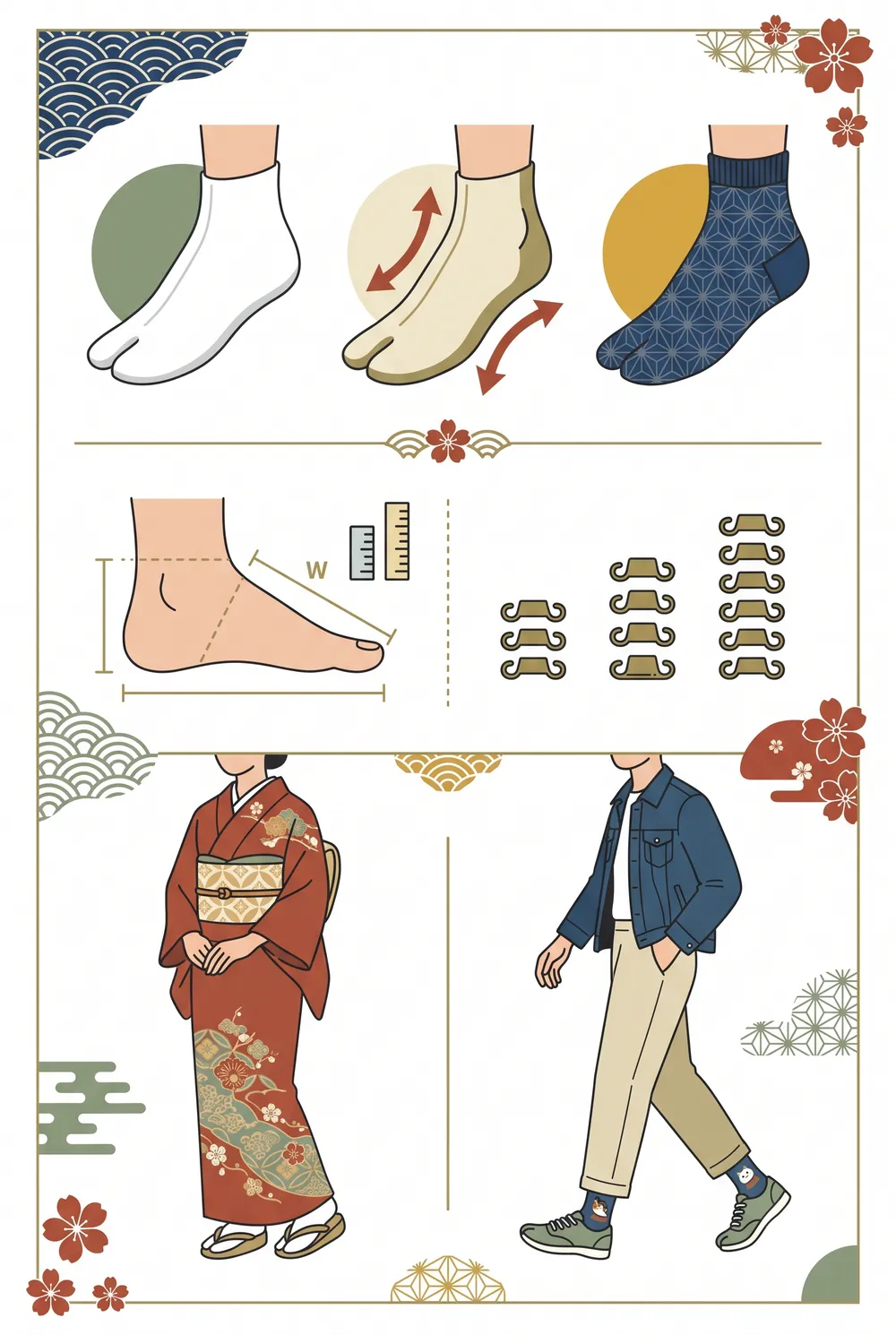
Quick Reference: Four Kinds of Tabi
| Type | What it is | Wear it |
|---|---|---|
| White tabi | Stiff cotton, kohaze clasps | Formal kimono. No substitutes |
| Stretch tabi | Knitted, clasps or pull-on | Everyday kimono, yukata |
| Tabi socks | An ordinary sock, split toe | Anything. Patterned, casual |
| Jika-tabi | Rubber-soled outdoor footwear | Work, gardening, actual walking |
| Sizing is in centimetres and close-fitting. Tabi are meant to fit like a glove, not like a sock — measure your foot rather than converting a shoe size. | ||
The Shoe in the MoMA Collection Is a Work Sock
Margiela showed the Tabi boot in 1988, shortly after founding his house, having travelled to Japan with the designers who became known as the Antwerp Six and absorbed what Rei Kawakubo and Yohji Yamamoto were doing.
The debut is worth knowing because of what he did with the shape. Models walked in
lab coats with their feet dipped in red paint, along a white fabric runway —
leaving a trail of cloven footprints.
He then had that trail printed as a textile and used it in the following
collection. The shoe's outline became the fabric.
None of which changes what the original is. Tabi are split-toe socks worn in Japan since at least the fifteenth century, for a straightforwardly practical reason — they were what you wore with thonged sandals.
Then around 1900 somebody put rubber soles on them, and the jika-tabi was born: outdoor footwear, still standard on Japanese building sites and in gardens today. That is the lineage Margiela reached into — not a ceremonial object, but a work boot.
Which is the useful part for a buyer. If you like the silhouette, you can have it in a $20 pair of patterned socks, a $90 pair of Japanese-made jika-tabi, or a $1,200 boot — and only one of those was designed to be walked in all day.
Why Japanese — What the Split Actually Does
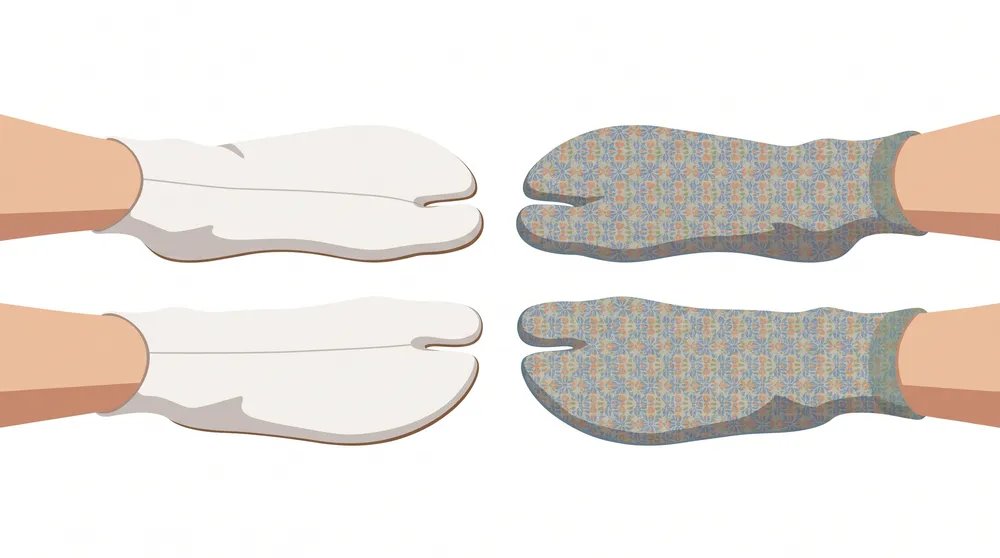
The immediate reason is the sandal. Geta and zori are held on by a thong between the big toe and the second toe. A conventional sock makes that impossible, so Japan solved the problem at the sock rather than the shoe.
The consequence turned out to be more interesting than the cause. Separating the big toe lets it work independently — gripping, pushing off, and feeling the ground — instead of being bundled with the other four.
- It is why jika-tabi became work footwear. Carpenters, scaffolders, gardeners and festival carriers wear them because you can feel what you are standing on, which matters on a beam or a wet rock.
- It is why the barefoot-running crowd found them. A thin, flexible sole with a separated big toe is roughly the specification that movement enthusiasts arrived at independently, a century later.
- And it is why tabi have to fit tightly. A loose split-toe sock does none of this — the toe pocket has to sit on the toe.
Japanese-made tabi are cut close and shaped to the foot rather than knitted as a tube. That is the difference you feel against a cheap imported pair, and it is also why the sizing section below matters more than it usually would.
The Four Kinds, and Which You Want
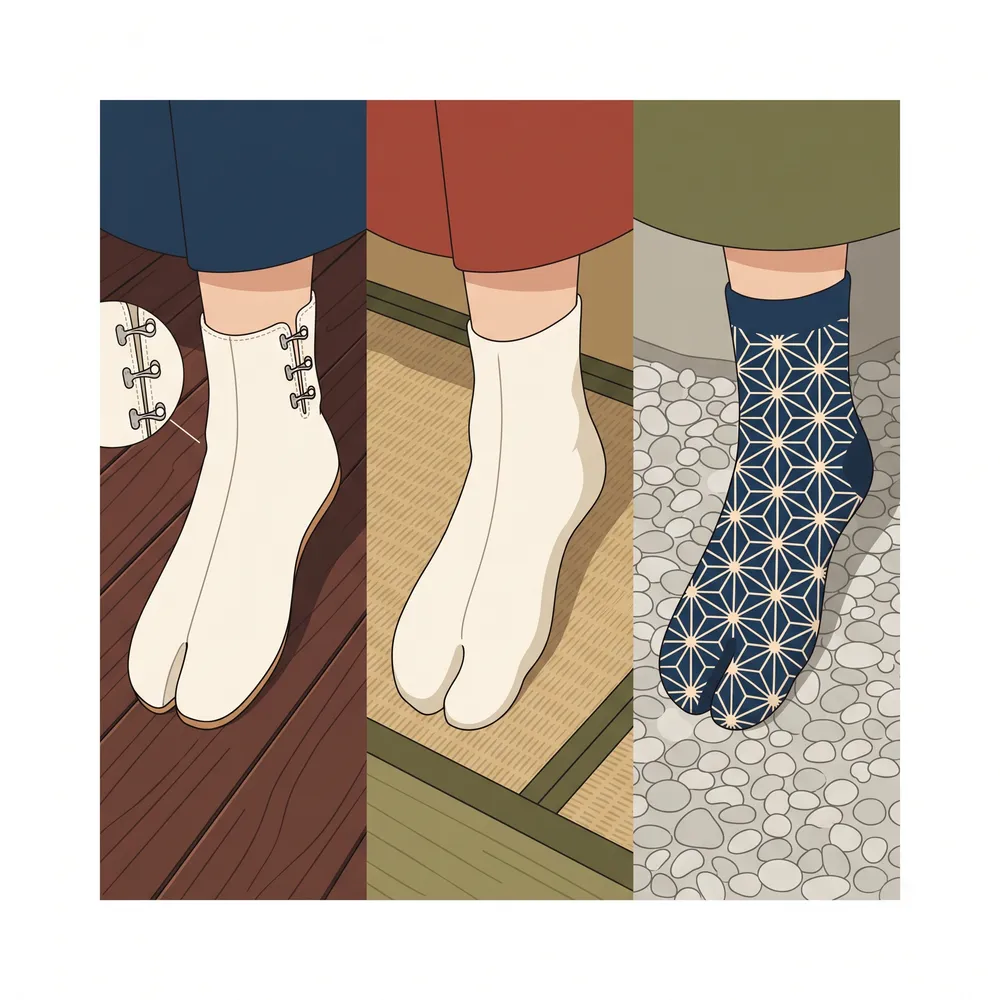
These are four different products that happen to share a shape. Buying the wrong one is the most common mistake, and it is easy to make from a photograph.
White tabi — formal, and non-negotiable
Stiff woven cotton, fastened at the back with metal clasps called kohaze. They hold their shape, they are deliberately unforgiving, and for formal kimono there is no alternative — white, clean, and correct.
They are also the least comfortable of the four, and that is not a flaw. A formal tabi is meant to look precise.
Stretch tabi — everyday kimono
Knitted rather than woven, so they give. Some have kohaze, some pull on. Available in colours and subtle patterns, and the right answer for wearing a yukata or a casual kimono without suffering.
Tabi socks — an ordinary sock with the toe split
These are just socks. Ankle length or crew, plain or loudly patterned, worn with trainers, sandals or nothing. No relationship to formal wear at all — and by far the cheapest way to find out whether you like the sensation.
Jika-tabi — the outdoor one
Rubber-soled footwear rather than a sock. Canvas or textile upper, kohaze up the back or a slip-on construction, and a thin flexible sole.
This is the one to buy if you want to actually wear tabi outside. Japanese makers still produce them for tradespeople, and the same lasts are now used for printed textile versions aimed at anybody who wants them.
Kohaze, and Getting the Size Right
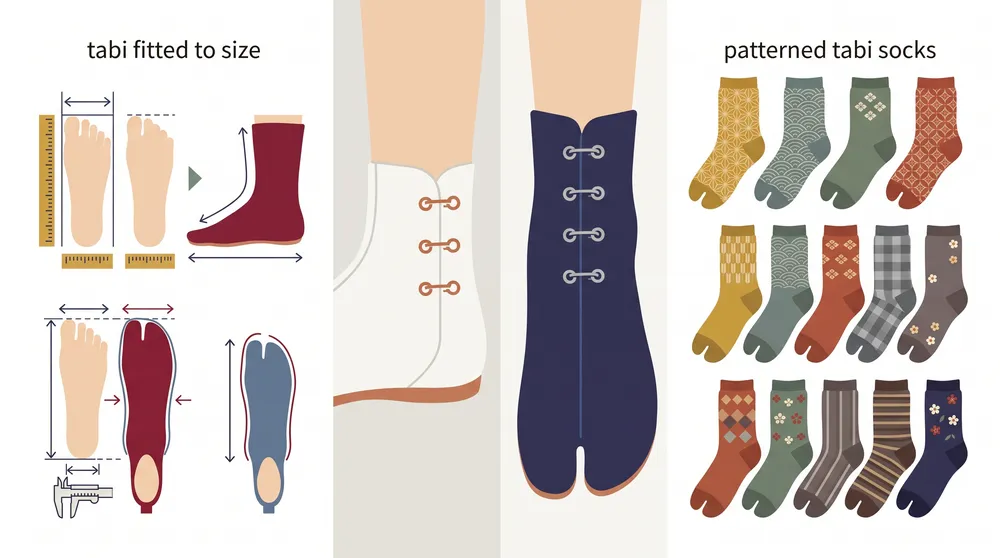
What kohaze count means
Kohaze are the small metal clasps that fasten a tabi at the back of the ankle, hooking into fabric loops. The number of them tells you how high the tabi comes up.
- Four kohaze — shorter, easier to move in. The everyday choice, and standard for men.
- Five kohaze — taller, sits higher on the ankle, reads as more formal and stays neater under a kimono hem.
- More than five exist for specific traditional roles, and you will know if you need them.
If you are not sure: four. Unless you are dressing formally, in which case five.
Sizing
- Measure your foot length in centimetres and buy that number. Japanese sizing is the actual length of your foot, and tabi are sold in half-centimetre steps. Do not convert from a US or UK shoe size — those include ease that a tabi does not.
- Buy tight, not comfortable. A formal white tabi should feel snug when new; the cotton relaxes slightly. A loose one wrinkles at the ankle, which is exactly what the garment is trying to avoid.
- Check the width if your feet are broad. Japanese lasts run narrower than Western ones, and some makers offer wide fittings.
- Jika-tabi are different — size up. These are footwear, worn over a sock in cold weather, and the rubber sole does not stretch. Half a centimetre to a centimetre over your foot length is usual.
What to Buy
SOU·SOU — textile jika-tabi, shipped free
A Kyoto house making jika-tabi in its own printed textiles, produced in a
Japanese factory. The patterns are loud and modern rather than traditional, which is the
point — these are made to be worn as shoes now.
They run an English store with free international shipping, and they also
stock Marugo, one of the established jika-tabi manufacturers. That makes them
the easiest route into this category from abroad by a wide margin.
- Type
- Jika-tabi — rubber-soled footwear
- Made
- Japan, in-house textiles
- English
- Yes — free international shipping
- Also stocks
- Marugo jika-tabi
- Price range
- $60–$150
Perfect for: Anyone who wants the Margiela silhouette in something built for walking, at a tenth of the price.
Tabis Online Japan — the specialist route
A dedicated tabi retailer shipping from Japan worldwide, in English, carrying
Marugo among others. This is where to look for the types SOU·SOU does not
cover — traditional constructions, work models, and the ranges made for tradespeople
rather than for style.
Also the place to solve the white-tabi problem. Formal kohaze tabi are a
kimono-supply item rather than a footwear item, and a general shop will not have them.
- Ships
- From Japan, worldwide, English site
- Range
- Work jika-tabi, traditional types, Marugo
- Good for
- Anything SOU·SOU does not stock
- Note
- Check the size chart in centimetres, not shoe sizes
Perfect for: Buyers who want the work version rather than the fashion version, or who need formal white tabi.
Tabi socks — start here if you are curious
Before spending anything meaningful, buy a pair of Japanese tabi socks. They
cost very little, they ship easily, and they answer the only question that
matters: whether you like having your big toe separated.
Some people find it immediately natural and some find it permanently strange.
There is no way to know except to wear a pair for a day.
- Type
- Ordinary socks, split toe
- Styles
- Ankle, crew, plain, patterned
- Wear with
- Trainers, sandals, anything
- Price range
- $8–$25 a pair
Perfect for: Testing the idea for the price of lunch.
Wearing Them, and Keeping Them White
- Put tabi on before the kimono, not after. Bending down to fasten kohaze once you are dressed undoes the whole arrangement. This is the standard order and there is a reason for it.
- Fasten the kohaze from the bottom up, pulling the fabric taut as you go, so the ankle finishes smooth.
- Formal means white, and clean. A greyish white tabi is worse than no tabi at a formal occasion — carry a spare pair. Japanese guests routinely do.
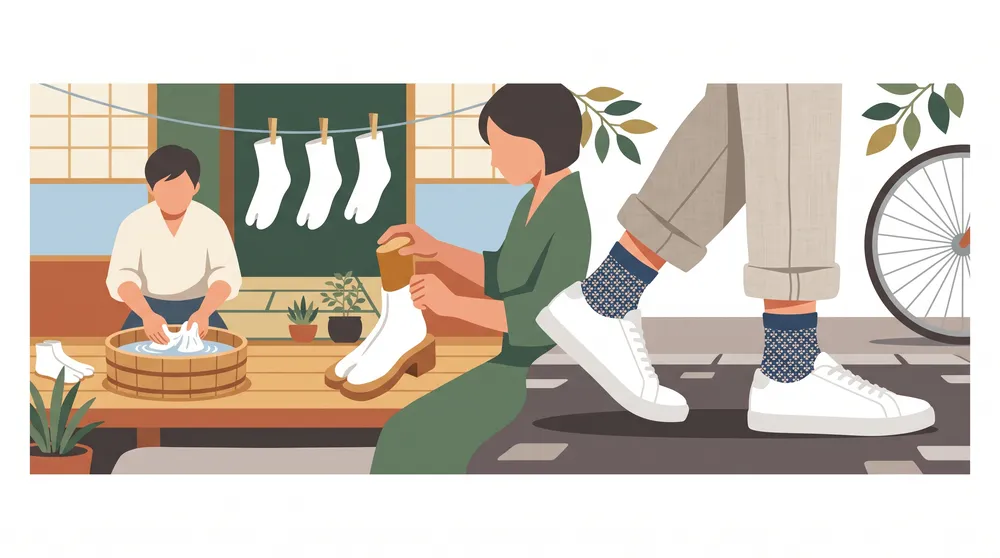
- Wash white tabi by hand, soon. The sole picks up dirt immediately. Soak, brush the sole gently, and dry flat in shade — never in a dryer, because they shrink and a shrunk tabi is finished.
- Tabi socks need none of this. Machine wash, wear with anything, and enjoy the fact that they look deliberate with almost any shoe.
Frequently Asked Questions
Why is the toe split?
Originally so the thong of a geta or zori sandal could sit between the toes. A
normal sock makes thonged footwear impossible, so Japan changed the sock.
The side effect is what kept it going: a separated big toe grips and pushes off
independently, which is why rubber-soled jika-tabi became work footwear for carpenters
and gardeners.
Are Margiela Tabi boots Japanese?
The design is borrowed; the boot is not. Martin Margiela introduced it in 1988
after a trip to Japan, and it has been in the MoMA collection since around 1990.
The original is a split-toe sock dating back at least to the fifteenth century,
and the rubber-soled version is still standard workwear in Japan — at a fraction of the price.
How do I choose a size?
Measure your foot in centimetres and buy that number. Japanese sizing is the
actual foot length, sold in half-centimetre steps — do not convert from a shoe
size, which includes ease a tabi does not.
Formal tabi should feel snug when new. Jika-tabi are the exception: size up by
half a centimetre or so, since they are footwear with an unstretching sole.
Four kohaze or five?
Four for everyday, five for formal. The number of clasps sets how high the tabi
comes up the ankle — four is shorter and easier to move in, five sits higher and looks
more correct under a kimono.
If you are unsure and not dressing formally, four.
Do formal occasions really require white?
Yes — and clean white, which is the harder part. Coloured or patterned tabi are
for everyday kimono and yukata, never for ceremonies.
Take a spare pair. The soles pick up dirt within minutes of arriving, and a grey
tabi is more noticeable than you would think.
Can I wear tabi socks with normal clothes?
Yes, and that is most of what they are for now. Tabi socks have no formal
significance at all — they are socks with the toe split, worn with trainers, sandals or boots.
They are also the cheapest way to test the sensation before buying jika-tabi or
anything more serious.
Final Thoughts: Try the Socks First
The split toe is not a stylistic gesture, which is the thing the fashion version obscures. It exists because sandals have thongs, and it survived because a separated big toe is genuinely better on a scaffold or a wet stone.
So buy a pair of tabi socks for the price of a sandwich and wear them for a day. Either your foot likes it or it does not, and no amount of reading will tell you which.
If it does, jika-tabi are the answer — Japanese-made, rubber-soled, built for eight hours of work, and available in English with free shipping. The same silhouette as the boot in the museum, for about a tenth of the money.

Setta Sandals: The Thong That Needs Tabi
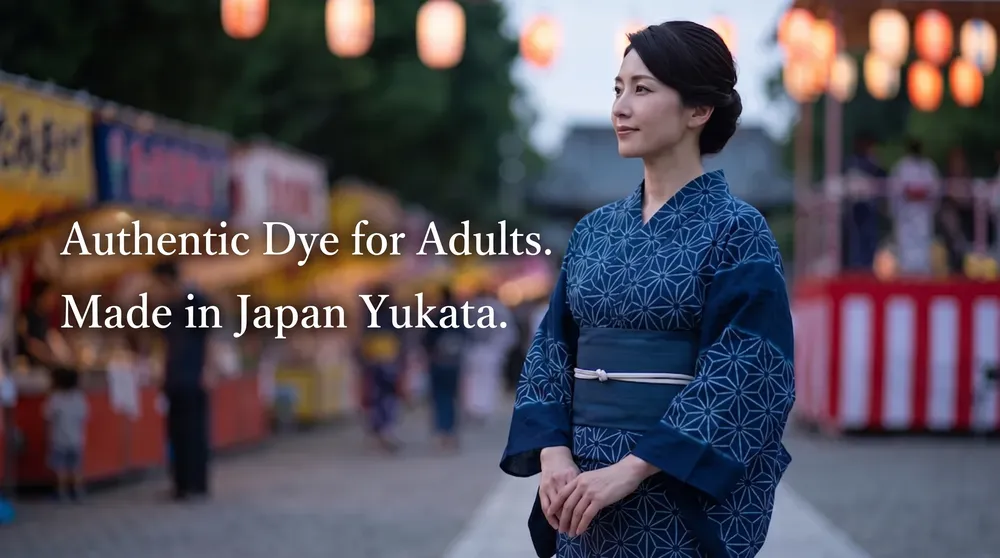
Yukata: How to Spot a Real One and Wear It Right