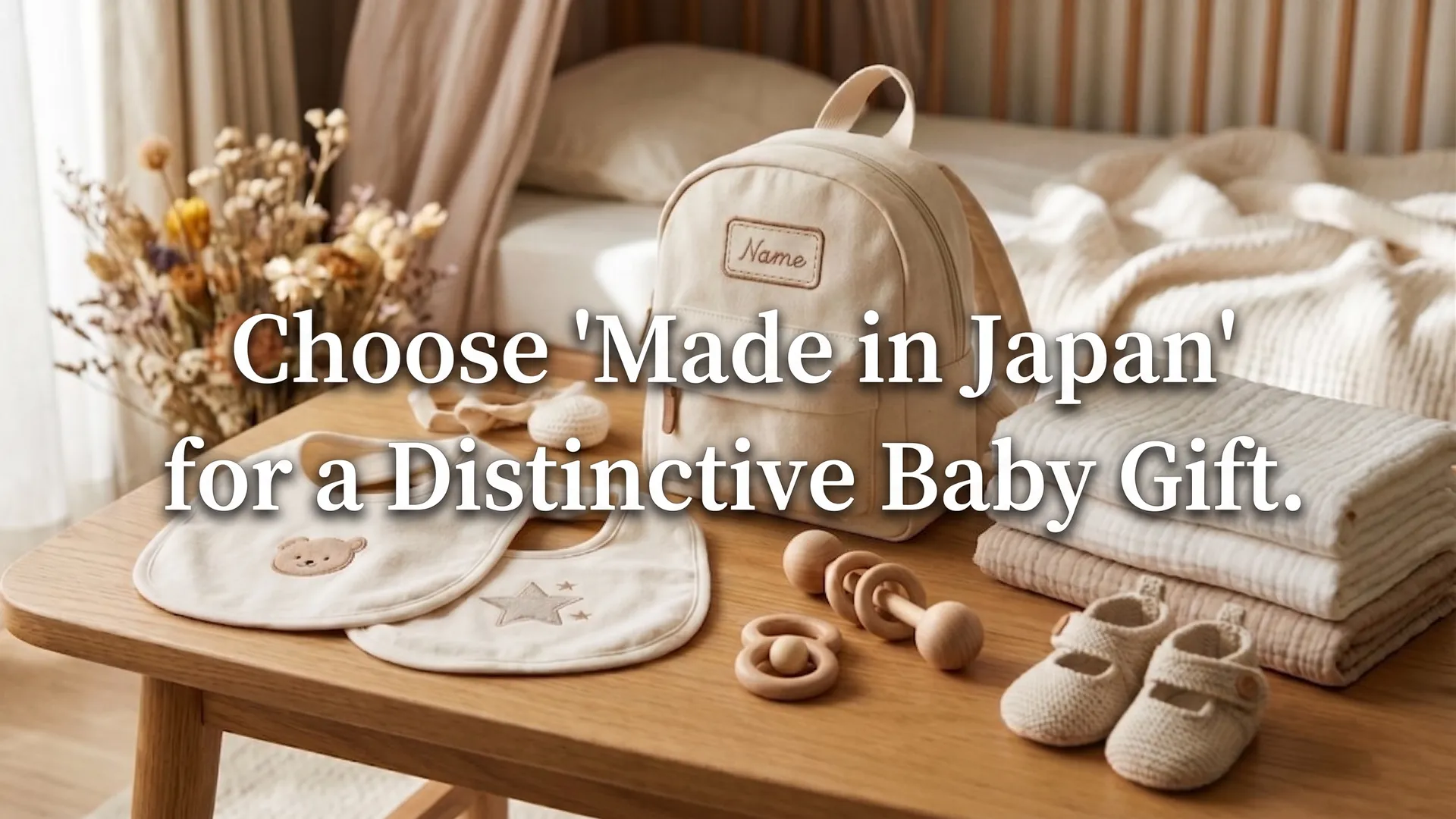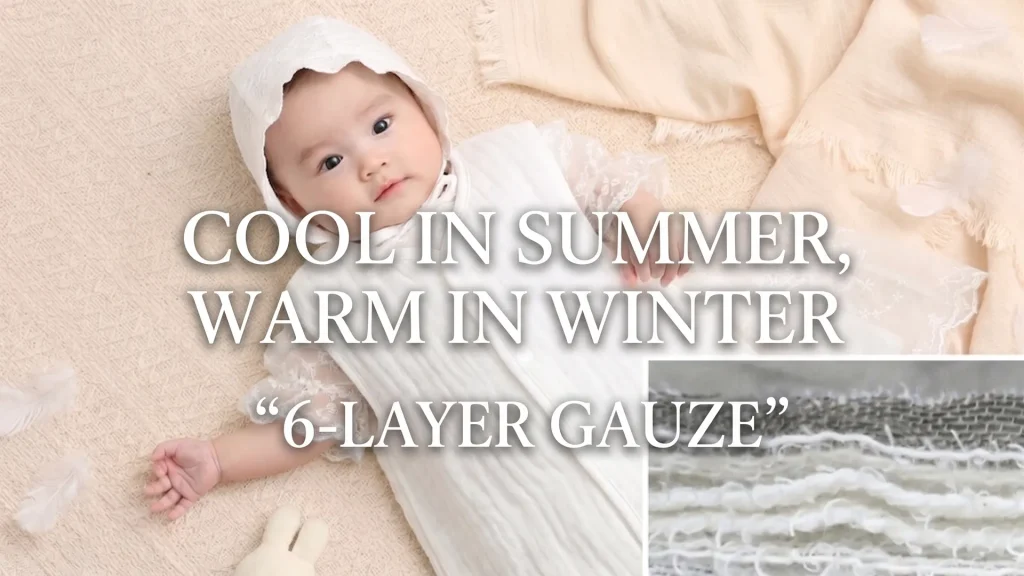
If you've spent any time looking at Japanese baby products or birth gift guides, you've probably come across the term "6-layer gauze" (roku-juu gauze).
"Isn't gauze just for summer?" "Why would you need six layers?" — fair questions, and the answers explain why this fabric has become the standard for Japanese baby basics.
Six-layer gauze has a near-magical property: it's cool in summer and warm in winter. That makes it ideal for babies, who can't regulate their own body temperature or tell you when they're too hot or too cold.
This guide covers how the fabric works, the three essential gauze items every new parent should have, and four Japanese brands that make the best of them.
Quick Reference: Gauze Layers at a Glance
| Type | Layers | Characteristics | Best For |
|---|---|---|---|
| 2-Layer Gauze | 2 layers | Thin and lightweight; excellent airflow | Summer handkerchiefs, bibs |
| 4-Layer Gauze | 4 layers | Moderate thickness; balances warmth and breathability | Spring/autumn swaddles and blankets |
| 6-Layer Gauze | 6 layers | Insulates and breathes simultaneously; gets softer with every wash | Sleepers and blankets (year-round) |
| Organic Gauze | 2–6 layers | Pesticide-free cotton; maximum peace of mind for sensitive skin | Babies with sensitive or eczema-prone skin |
Why Six Layers? The Science Behind Year-Round Comfort
Trapped Air Acts Like a Natural Climate System
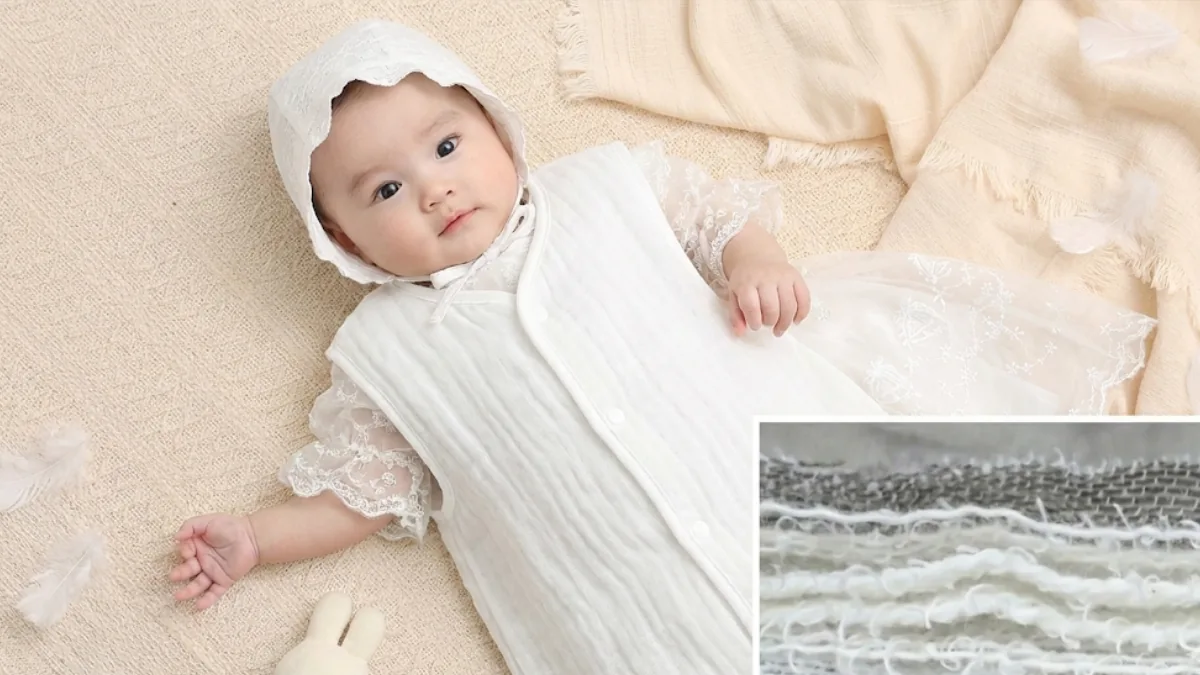
Six-layer gauze isn't simply six sheets of gauze stitched on top of each other. It's engineered: fine, smooth threads on the outer layers for skin comfort; thicker, loftier threads on the inner layers to trap air. All six layers are woven simultaneously — a technically demanding process that creates a three-dimensional structure no simple stack of layers can replicate.
The result is a fabric full of air pockets. In winter, those pockets hold body heat close and act as insulation. In summer, they draw sweat away from the skin and let air circulate through — serving as a natural vent. One fabric, two functions, all year.
It Gets Better the More You Wash It
The defining feature of Japanese 6-layer gauze is that it softens with every wash. The inner threads absorb water, then fluff up as they dry — giving the fabric a pillowy, almost waffle-like texture that keeps getting more pleasant over time.
Most baby items wear out and feel worse with use. This one works in reverse. A gauze sleeper that's been through a year of weekly washes feels noticeably better than it did the day you opened it.
The Three Gauze Essentials Every Parent Needs
1. Gauze Sleeper
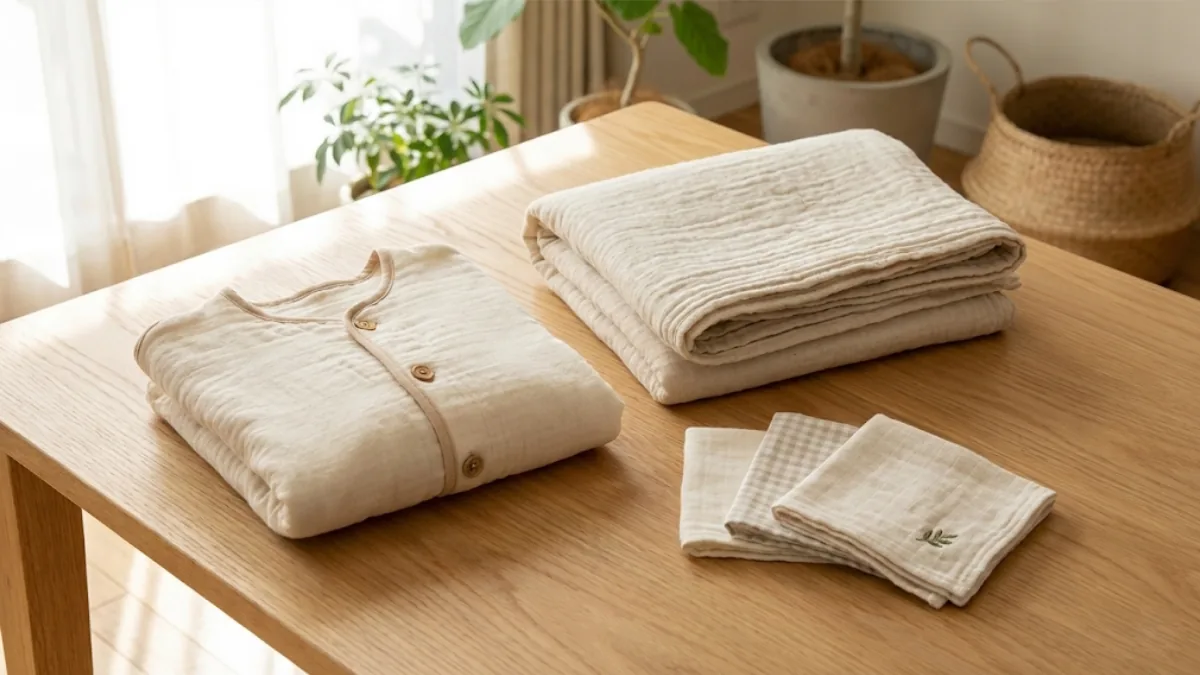
The non-negotiable item for any baby who kicks off blankets — which is most of them. A 6-layer gauze sleeper worn over pajamas handles spring, autumn, and winter without needing a separate blanket. It also works as an air-conditioning layer in summer when indoor temperatures drop too low. If you buy one gauze item, this is it.
2. Gauze Blanket (Swaddle)
A square or rectangular gauze blanket is one of those items that finds a new use every week. Nap cover, post-bath towel, stroller shade, changing pad on the go — it folds down small enough to live permanently in a diaper bag. The versatility-to-size ratio is hard to beat.
3. Gauze Washcloth / Bath Cloth
Anything that touches a baby's face multiple times a day calls for something soft and quick-drying. Gauze checks both boxes — and unlike terry cloth, it doesn't drag across delicate skin. Japanese-made gauze washcloths are the item new parents go through fastest, and the one you can never have too many of.
4 Japanese Gauze Brands Worth Buying
From the brands featured on Made in JAPAN.JP, here are four domestic labels with consistently strong gauze products — each recommended for different priorities, from quality-first to gift-ready.
Akachan no Shiro (Baby's Castle)
Premium softness from Mikawa cotton — Japan's most respected gauze-producing region.
Akachan no Shiro's 6-layer gauze line is made using the weaving traditions of Gamagori, Aichi Prefecture — the heart of the Mikawa cotton region. The thread selection is meticulous, and the fabric holds its softness through repeated washing far better than most alternatives.
Classic, enduring patterns like "elephant" and tricolor designs have been popular across generations. Matching a sleeper with a gauze blanket in the same pattern makes for an effortlessly coordinated gift.
Best for: Parents who prioritize long-lasting quality, or anyone who wants a classic pattern that won't feel dated.
BabyGoose
Name embroidery available — functional, stylish, and genuinely gift-worthy.
BabyGoose's standout feature is personalization: sleepers with the baby's name embroidered across the back are one of the most-gifted items on the site. The name-in option transforms a practical item into something memorable.
The engineering is also worth noting: BabyGoose offers hybrid gauze sleepers with a mesh back panel for sweat management — a detail that matters more than parents expect once warmer weather arrives. If you want gauze that does more than look soft, this is the brand to check.
Best for: Birth gifts where personalization matters, or parents who want function built into their gauze products.
COFUCU
100% organic cotton — as close to nature as gauze gets.
COFUCU's gauze blankets and washcloths are made from GOTS-certified organic cotton. No synthetic dyes — colors come from the cotton itself or from plant and earth-derived natural pigments. The result is something that's genuinely safe to put in a baby's mouth, which at this age is where everything ends up.
Beyond 6-layer, COFUCU also offers lighter 2- and 3-layer gauze items for different seasons — the kind of range you only find from a brand that specializes in this material rather than treating it as a product category checkbox.
Best for: Parents who won't compromise on material safety, or anyone who prefers an understated, natural aesthetic.
PUPO
Daily-use items done right — backed by Osaka's Senshu towel-making tradition.
PUPO operates out of Senshu, Osaka — the birthplace of Japanese towel manufacturing. That lineage shows in the everyday gauze items they do best: washcloths, bath cloths, and bibs that absorb well, hold their shape, and survive the washing machine better than most.
The pricing is accessible enough for bulk buying — which matters when you're stocking daycare bags or keeping four or five washcloths in rotation. If you want dependable quality in the items you'll use daily without thinking about it, PUPO is the practical answer.
Best for: Stocking up on washcloths and small gauze items, or anyone prioritizing durability over decoration.
Column: Mikawa Cotton and Japan's Gauze-Making Heritage
Browse Japanese baby gauze products and you'll frequently see the term "Mikawa cotton" (Mikawa momen). It's worth knowing what that means before you buy.
The Mikawa region of Aichi Prefecture — centered around Gamagori — has been a center of cotton weaving since the Edo period. Historical accounts suggest it was one of the first places in Japan where cotton cultivation took hold.
The multi-layer weaving techniques developed here over centuries are what make Mikawa-produced gauze distinctively durable and soft. Today, "Mikawa cotton" carries official regional certification — look for the label on the tag. If it's there, the fabric behind it has earned a standard, not just a name.
Frequently Asked Questions
Should I choose 6-layer or 4-layer gauze?
For year-round use, 6-layer is the better choice — the additional air pockets let it insulate in winter and breathe in summer without switching fabrics.
If you're buying specifically for summer, or prefer something thinner and lighter, 4-layer works well. For sleepers in particular, 6-layer is the clear preference among Japanese parents.
New gauze feels a little stiff. Will it soften up?
Yes — this is exactly what it's supposed to do. Japanese 6-layer gauze is designed to improve with washing.
The inner threads absorb water, then fluff up as they dry. After one to three washes, the fabric has already noticeably softened. After a year of regular use, it's often the softest thing in the house.
How should I wash gauze items?
Use a mesh laundry bag and the gentle cycle on your washing machine (delicate or hand-wash mode).
Avoid the dryer — the heat can cause shrinkage and break down the fiber structure. Reshape while damp and air-dry in a shaded spot to preserve the loft.
What's the difference between Mikawa cotton and regular gauze?
Mikawa cotton is a regionally certified material from the Gamagori area of Aichi Prefecture, with standards covering thread selection, weaving technique, and durability testing.
Regular gauze has no such standards. Mikawa-certified gauze tends to hold its softness and structure through more washes than non-certified alternatives.
How long can a baby use a gauze sleeper?
Most baby-size gauze sleepers are designed to fit from newborn through about age 3.
As the baby grows, the sleeper transitions from full-coverage wrap to something more like a vest — still functional, just worn differently. The longevity is part of what makes a quality sleeper worth the price.
Is a gauze swaddle a good birth gift?
One of the best. It's size-agnostic (no guessing if a 3-month size will fit), universally useful regardless of the season, and something new parents genuinely can't have too many of.
If you want to add a personal touch, choose a brand that offers name embroidery — BabyGoose is the most popular option for this.
Cool when it's hot. Warm when it's cold. Softer every time you wash it. Six-layer gauze does what babies need from fabric — and it does it without the parent having to think about it.
If you're preparing for a new baby or choosing a gift that will actually get used, start here. The sleeper, the blanket, the washcloth. A few good gauze pieces and you've covered most of the daily basics.
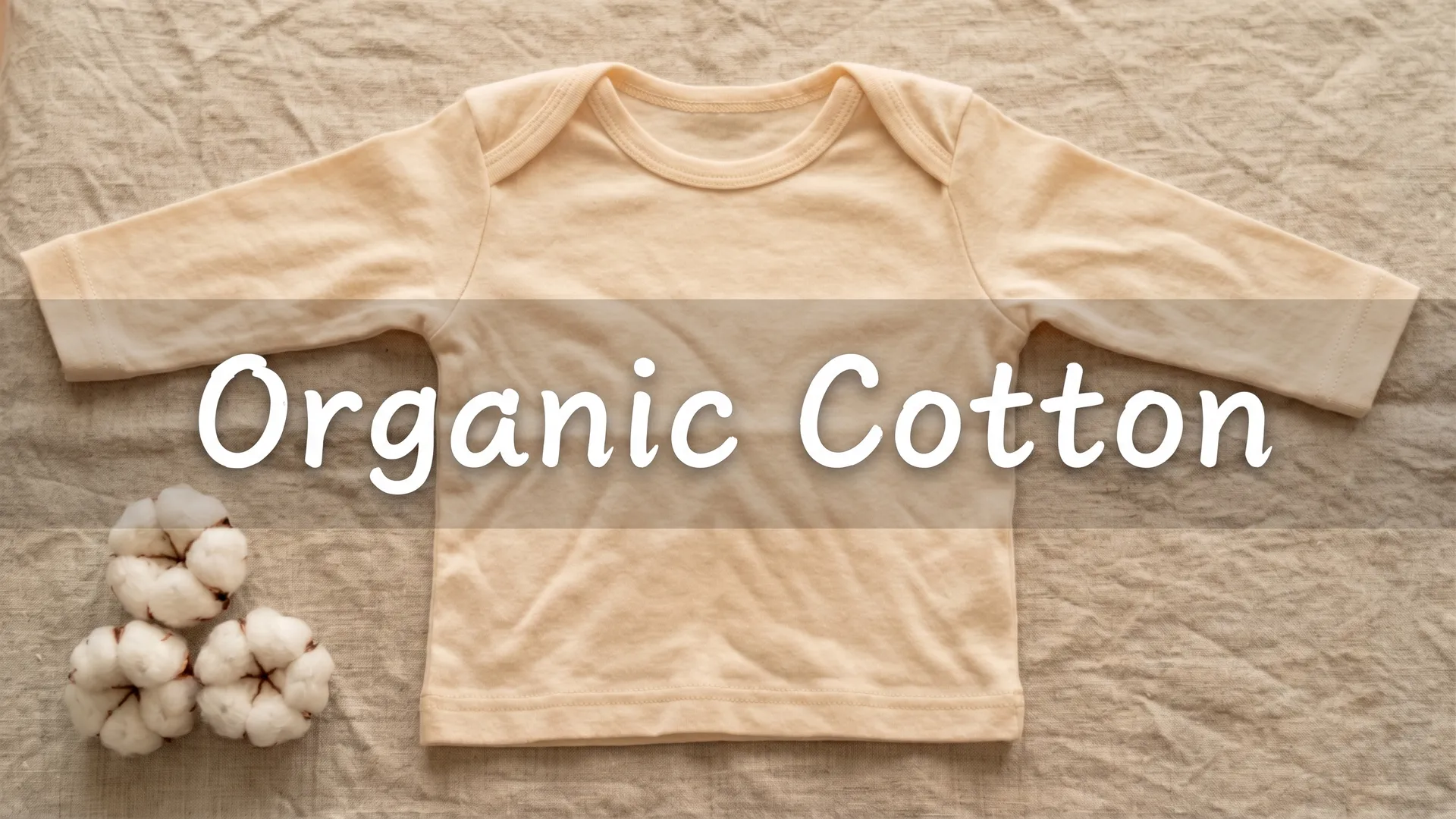
Japanese Organic Cotton Baby Clothes: What to Look For
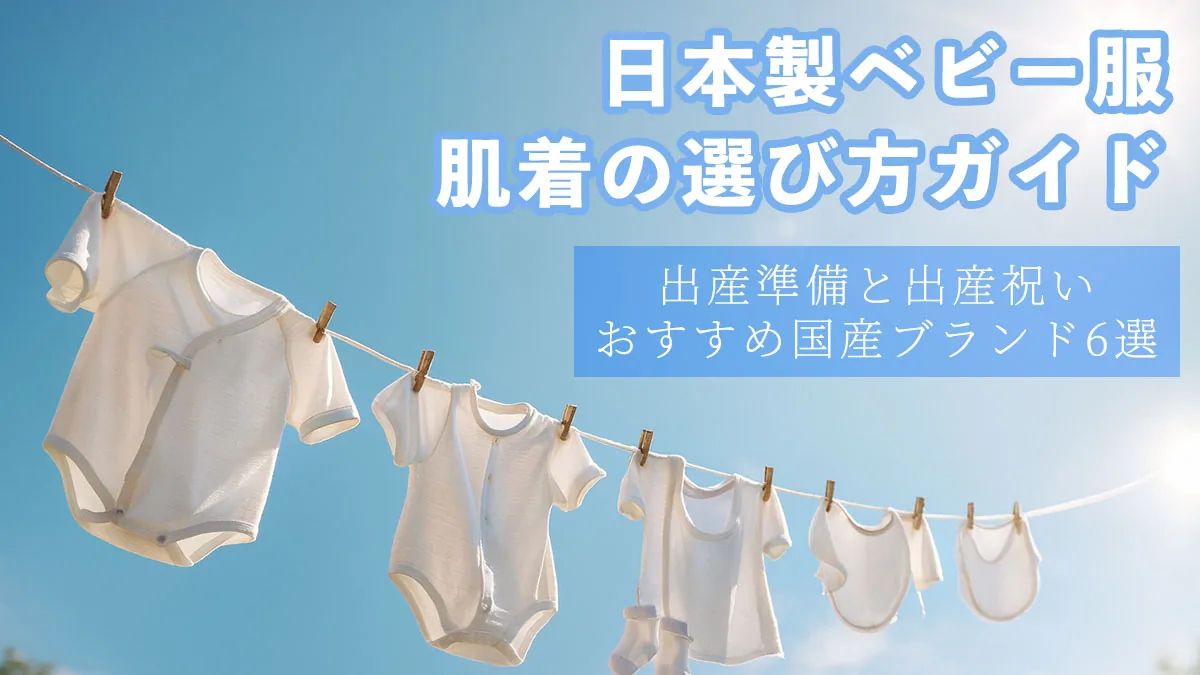
Japanese Baby Clothes Guide: 6 Best Brands for Newborns