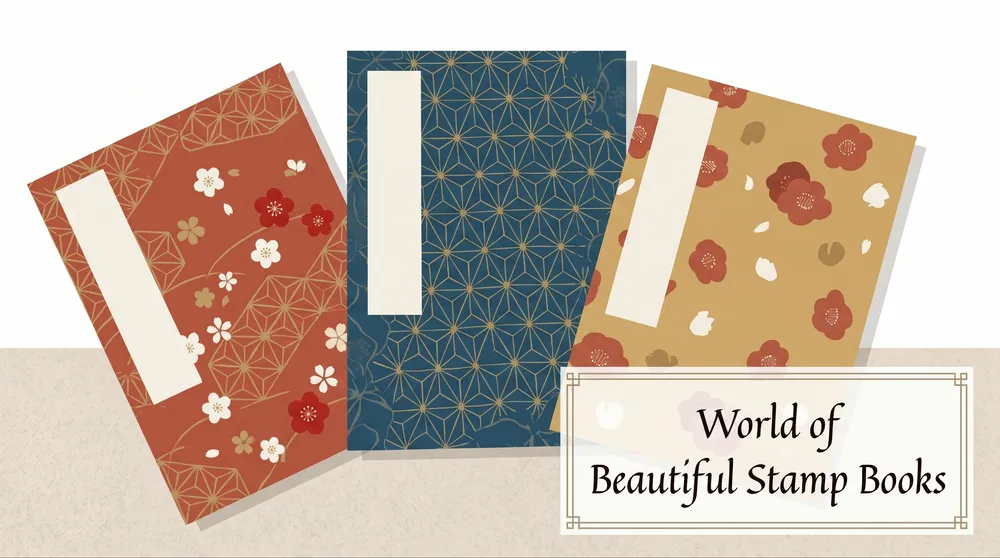
English usually translates goshuin as "shrine stamp," and that translation causes
real problems.
A goshuin is hand-brushed calligraphy and a vermilion seal, applied for you, on the day, as
proof that you worshipped there. It is not a collectible and it is not issued on request.
You worship first — and a shrine that sees you skip the main hall to queue at the window
can simply decline.
The book itself, the goshuincho, is a beautiful object worth choosing carefully. But the
etiquette comes first here, because the mistakes are easy to make and impossible to
undo.
Quick Reference: The Rules That Matter
| Do | Don't |
|---|---|
| Worship at the main hall first | Go straight to the window |
| Open the book to the page you want | Hand it over closed, in a cover |
| Keep it for goshuin only | Put station or tourist stamps in it |
| Have ¥300–¥500 in coins ready | Ask someone else to collect for you |
| ⚠ A book containing commemorative stamps may be refused. Shrines and temples are entitled to decline, and some do. | |
What a Goshuin Actually Is
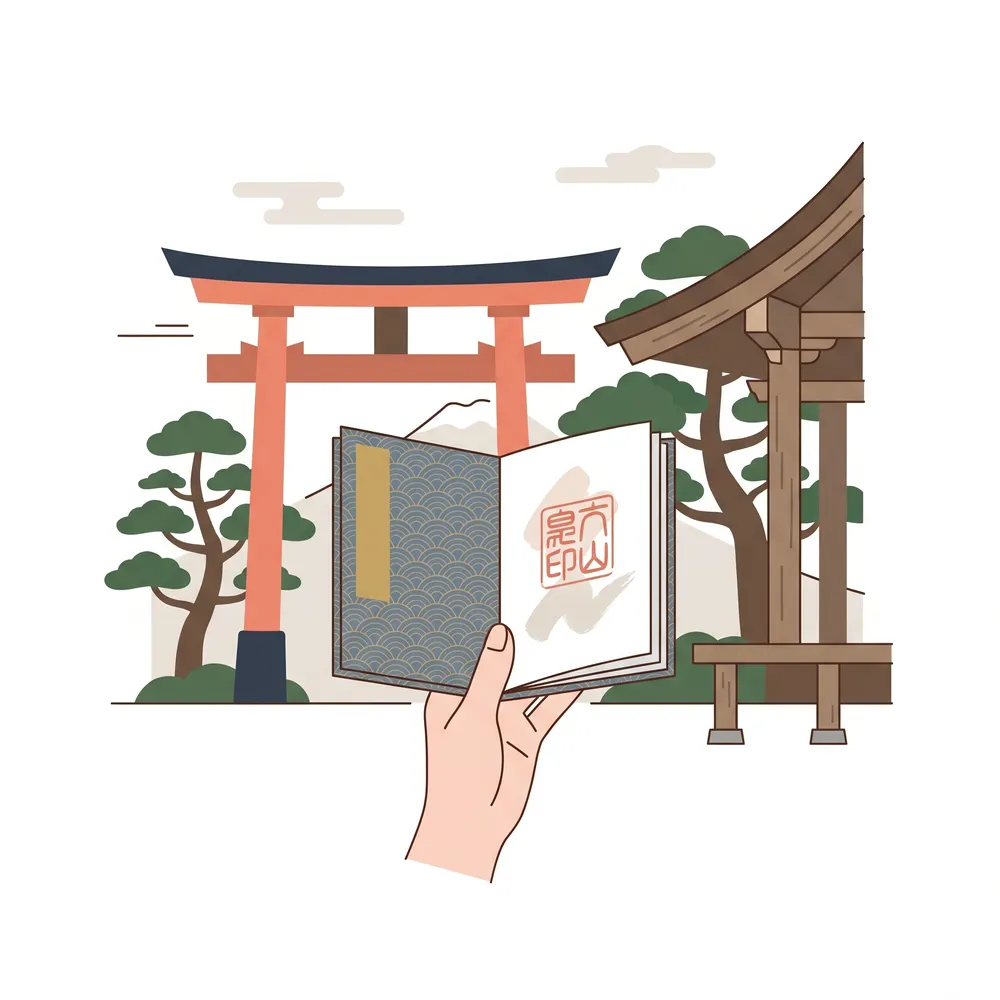
It is written for you, by hand, while you wait. A priest or monk brushes the
name of the shrine or temple, the date, and often the enshrined deity, then applies vermilion
seals over the ink.
What is being recorded is that you came and worshipped. That is why it carries
the date, why it cannot be prepared in advance for a stranger, and why the sequence matters.
The four things to get right
- Worship before you queue. Go to the main hall, make your offering, bow and pray. Then go to the goshuin window. Treating that window like a service counter is the single most common foreign misstep, and staff notice.
- Keep the book for goshuin only. Japan is full of free commemorative stamps at stations and attractions. They do not go in this book. If a priest opens your goshuincho and finds them, you may be politely refused.
- Collect it yourself. It records your visit, so handing your book to a friend to fill on your behalf misses the point entirely.
- Behave as you would in any place of worship. Photography restrictions, noise, the main hall — the goshuin office can decline for any of it, and that is their right rather than an unusual harshness.
None of this is meant to put you off — quite the opposite. The practice is open
to anyone, foreign visitors included, and shrines are generally delighted by genuine interest.
The friction comes almost entirely from one misunderstanding: that the goshuin
is the goal and the worship is the queue. Reverse those two and everything else follows
naturally.
Why Japanese — Why a Notebook Will Not Work
This is a physical problem before it is a cultural one.
A goshuin is applied with a heavily loaded brush of liquid sumi ink and a large seal
pressed in oil-based vermilion paste. That is a great deal of wet pigment going onto
one page at once.
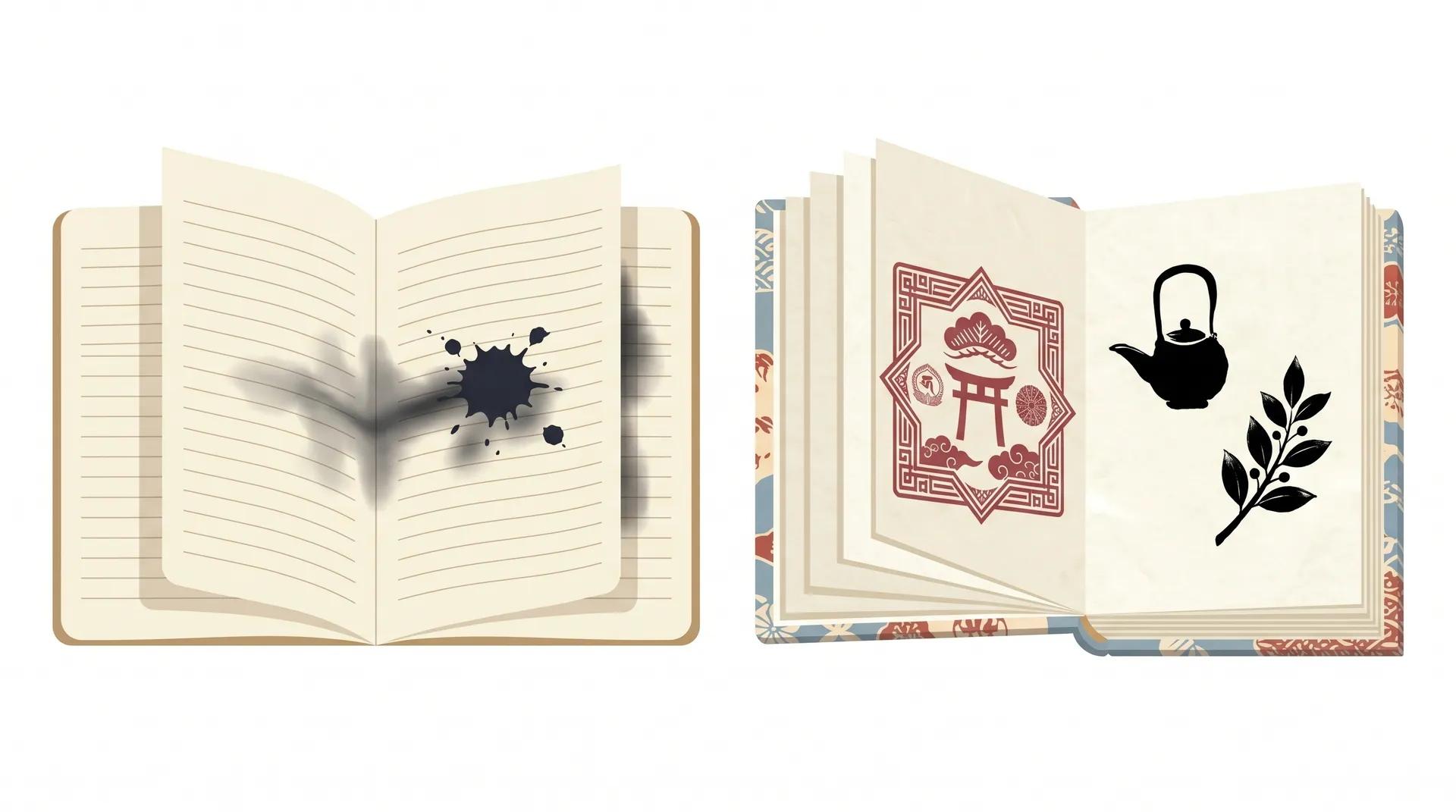
Western paper takes it badly — the ink feathers along the fibres and soaks
through to ruin the reverse. A sketchbook will not save you either; the sizing is wrong.
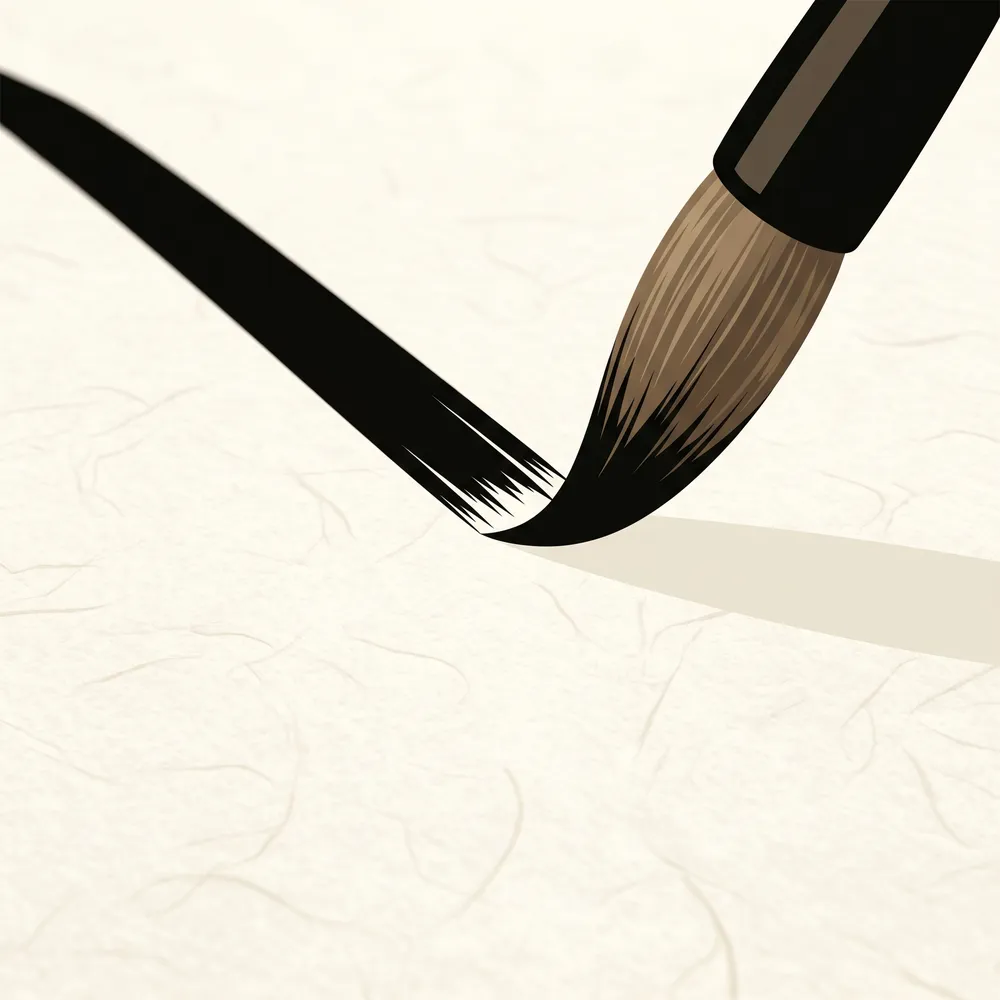
Goshuincho use washi — most often torinoko, a smooth, dense Japanese paper that holds a brush stroke crisply and keeps the ink on its own side of the sheet. Good books use washi from established papermaking districts such as Echizen in Fukui.
So "buy a proper goshuincho" is not an etiquette rule dressed up as advice. It is the only paper that survives what is about to be done to it — and asking a priest to write on unsuitable paper puts them in the position of producing bad work with their own name on it.
Many shrines and temples sell their own goshuincho, often with the building or crest on the cover. Buying your first one at the first place you visit is a perfectly good plan — it dates the whole book to that day, and it removes the problem of arriving without one.
Choosing: Paper, Binding, Size
Paper is the only specification that matters
Judge a goshuincho on how little it lets through, and nothing else. A gorgeous cover over thin paper is a book you will stop using after four entries, because every page will show the one behind it.
Thicker, denser washi costs more and is worth it. This is the whole decision.
Accordion or thread-bound
- Accordion (jabara) — the standard, and what to buy. One long folded strip, so it opens flat, hands over easily, and can be written on both sides when the first is full. It also displays beautifully unfolded.
- Thread-bound — behaves like a normal book. Less prone to concertina-ing open in a bag, but it does not lie as flat under a brush and cannot be opened out.
On using the reverse side
An accordion book can be turned over and used again, and plenty of people do.
Whether you want to depends on your paper — if there is any show-through at all, writing
on the back will make both sides look worse.
With good thick washi it is fine. It is a matter of paper quality, not of rules.
Size and cover
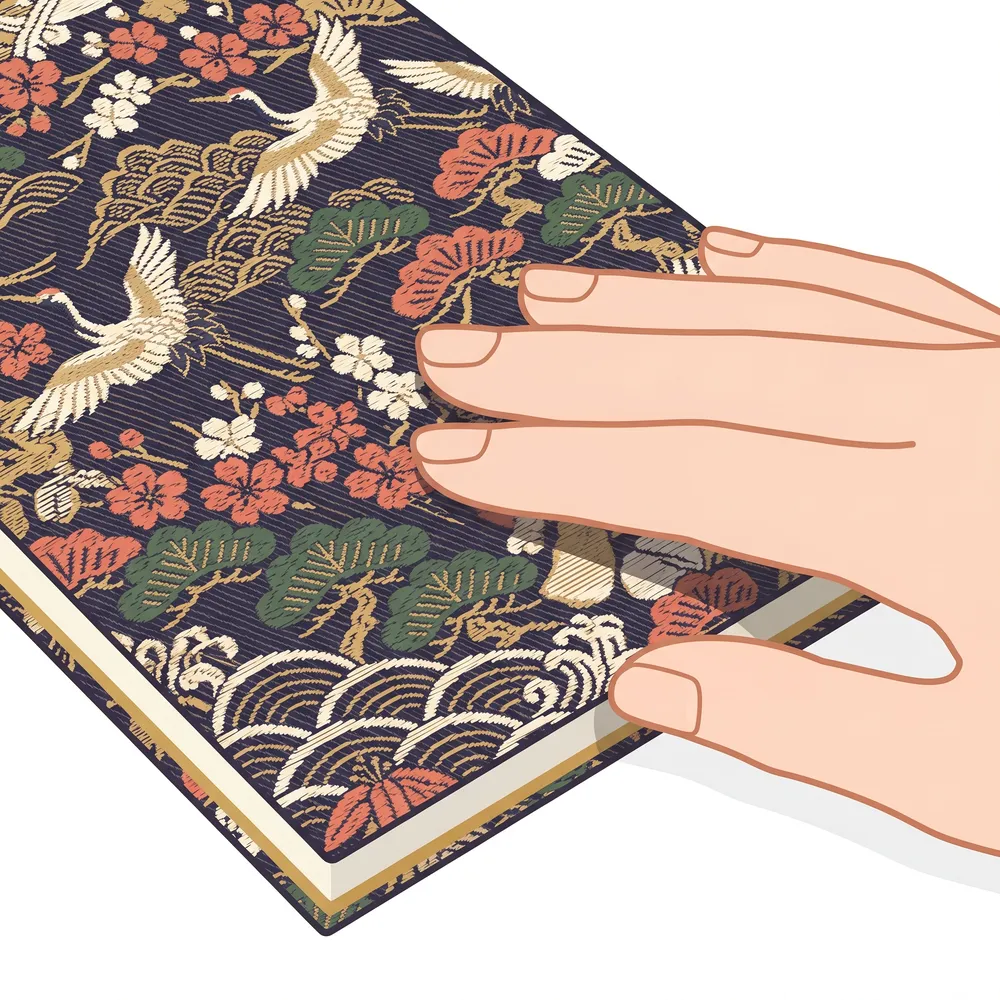
The common large size is around 12 × 18cm, and it is the safe choice — big enough for expansive calligraphy, small enough for a day bag. Smaller books exist and can cramp a bold hand.
Covers are where the pleasure is. Kyoto yuzen washi, hand-dyed and patterned, is the classic. Nishijin brocade is heavier and more formal. Wooden covers smell wonderful and wear beautifully. None of them affect the writing — choose whatever you will be pleased to carry for years.
What to Buy
Shogado — Kyoto yuzen washi, and buyable in English
A Kyoto paper house working in Kyo-yuzen washi — hand-dyed patterned paper —
for the covers, with torinoko washi inside and paper sourced from
traditional districts including Echizen.
Accordion-bound, usable on both sides, around 12 × 18cm with 22 pages. The
pattern range is very large, which is the point: this is the book you will be holding at every
shrine for the next several years.
- Cover
- Kyo-yuzen washi, hand-dyed
- Pages
- Torinoko washi — minimal show-through
- Binding
- Accordion; both sides usable
- Size
- Approx. 12 × 18cm, 22 pages
- Price range
- $17–$40
Perfect for: A first goshuincho, bought before you travel so you are not caught without one.
Nishijin brocade and wooden covers
Nishijin-ori is the Kyoto brocade weaving used for obi and formal textiles —
gold-threaded, dense, and considerably more imposing than paper. Wooden covers
are the other direction: plain, aromatic, and they darken over years of handling.
Both are cover choices only. Check the paper inside with the same
suspicion you would apply to a cheap book, because a beautiful cover is not evidence of
anything.
- Nishijin
- Woven brocade, formal, heavier
- Wood
- Ages and softens; often hinoki or similar
- Watch for
- Thin inner paper hiding behind a good cover
- Availability
- Mostly Japanese retail; forwarding needed
Perfect for: A second book, once you know how much you will actually use it.
The goshuin itself is not something we link to, and there is nowhere to buy one.
It is received at a shrine or temple, in exchange for a small offering — customarily
¥300 to ¥500, in coins, ready before you reach the window.
The book is the part with a price.
At the Window, and Afterwards
- Open the book to the page you want and hand it over open. Take the cover off first if it has one. This sounds small and it is the thing that marks out someone who knows what they are doing.
- Have coins ready. Fumbling for notes at the window holds up a queue that is often long, and correct change is appreciated.
- Do not watch over their shoulder or photograph the writing in progress unless invited. Step back and wait.
- Let it dry before closing it. Fresh sumi and vermilion will offset onto the facing page. Many books come with an interleaving sheet — use it.
- Store it flat, away from sunlight and damp. Vermilion fades in strong light. A cloth pouch is the traditional answer and a good one.
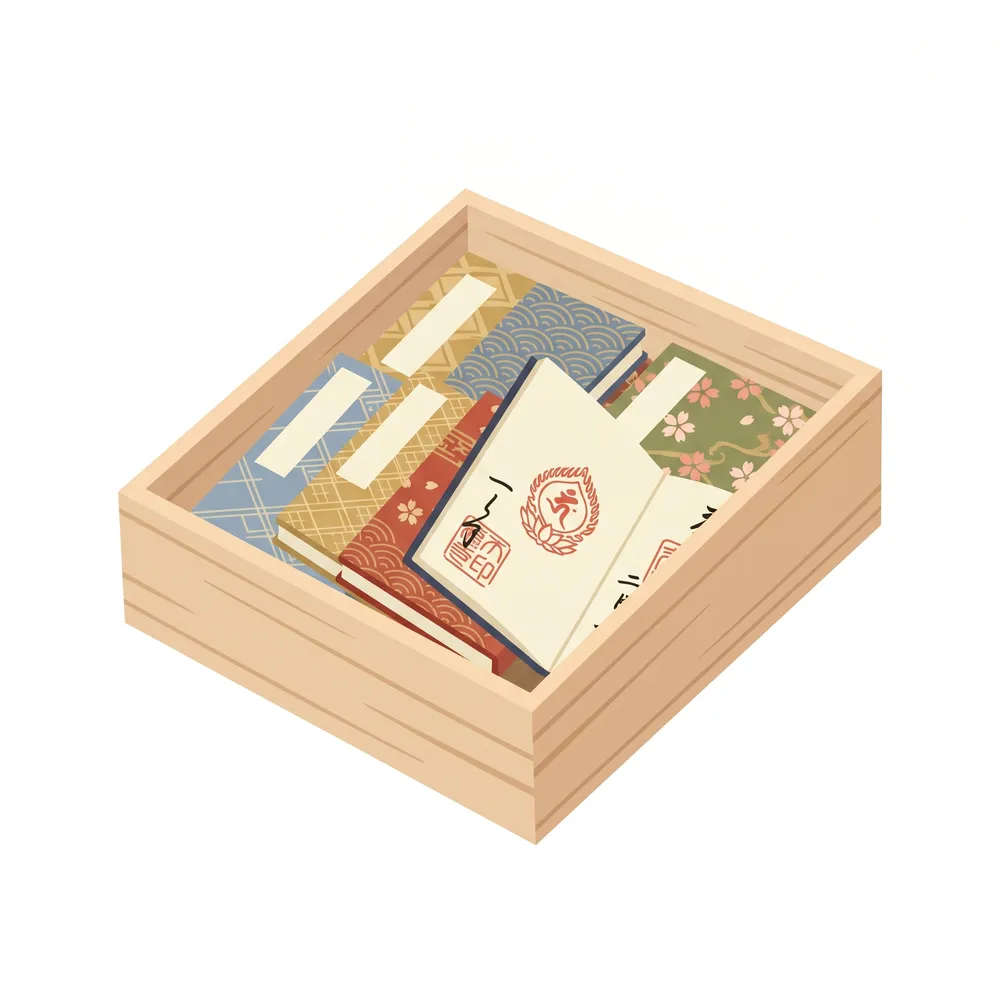
If you are handed a pre-written sheet
Many places now give kakioki — a goshuin written in advance on a separate sheet
of paper. Small shrines without a resident priest do this, and it became far more common
after 2020.
It is not a lesser version and it is not a shortcut. It was written by hand by
the same people. Paste it into your book with a thin, non-wrinkling glue — that
is what it is for.
Frequently Asked Questions
Is a goshuin just a stamp?
No. It is hand-brushed calligraphy plus vermilion seals, recording that you worshipped
there on that day. Nothing about it is pre-made or automated.
This is why you worship before collecting it, and why the goshuin window is not a
service counter you can go straight to.
Can I put commemorative stamps in my goshuincho?
No — and this is the mistake most likely to get you refused. Japan's free
commemorative stamps at stations and attractions are a completely separate hobby, and mixing them
in is taken as a misunderstanding of what the book is.
Keep a second notebook for those. They are fun, and they belong somewhere else.
Can I use one book for both shrines and temples?
Usually yes — most places have no objection at all. A small number of temples
prefer not to write in a book that also contains shrine goshuin.
If you would rather not risk it, carry two books. Many regular collectors do,
and it is an entirely normal thing to do rather than an unusual precaution.
What if the ink bleeds through?
Leave the reverse of that page blank and carry on. It cannot be corrected, and no
one will think less of the book.
It is a sign the paper is too thin — worth remembering when you buy your next
one, since paper quality is the only specification that really matters.
Can I use an ordinary notebook?
You will usually be declined, and for a practical reason: sumi ink and oil-based
vermilion feather and soak through Western paper. Goshuincho use washi because it is the only
paper that takes this well.
Shrines and temples sell their own books, so arriving without one is easily
fixed.
How much does a goshuin cost?
Customarily ¥300 to ¥500, offered rather than paid. Bring coins — the queues can
be long and change is not always available.
Some places state no fixed amount, in which case ¥300 is the usual offering.
Final Thoughts: The Book Records Where You Stood
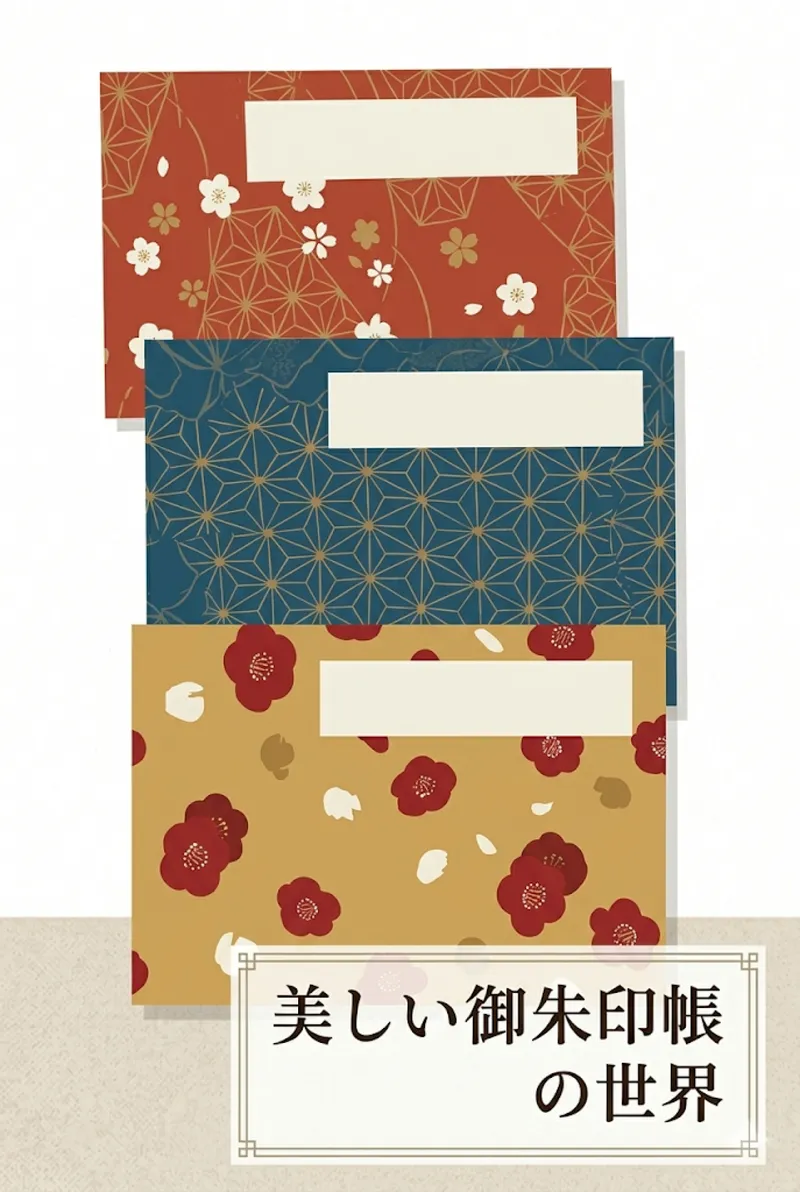
The whole thing turns on one reversal. The goshuin is not the reason you went; it is the record that you did. Get that the right way round and every rule in this guide stops being a rule and becomes obvious.
Buy on paper quality and nothing else — thick washi, accordion-bound, around 12 × 18cm. The cover is where the pleasure is, but the paper is what decides whether you are still using the book in three years.
And a full goshuincho is an unusually good souvenir, precisely because it cannot be bought. Every page is dated, in someone's handwriting, and required you to have actually been standing there.
Kamidana: What a Shinto Home Altar Actually Needs

Japanese Incense: Scent as a Daily Practice